Camel 101: How This Small Portuguese Studio Remains Sustainable Since 2009
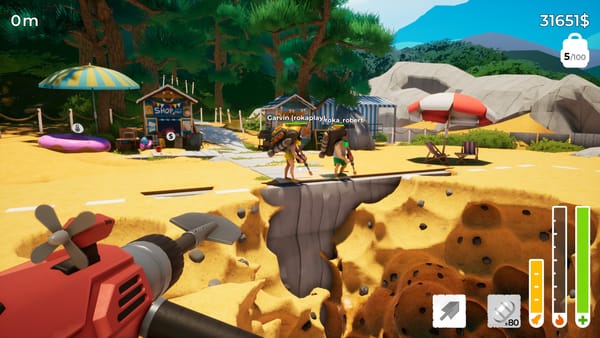
Advertorial | Camel 101, founded by Bruno and Ricardo Cesteiro, is one of the few Portuguese studios focusing on original IP. In this portrait and company history, we put the developer of Those Who Remain and now DEAD STOP: No Vacancy into the spotlight.
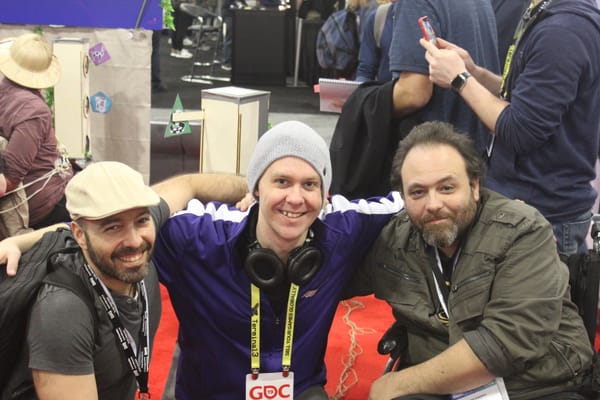
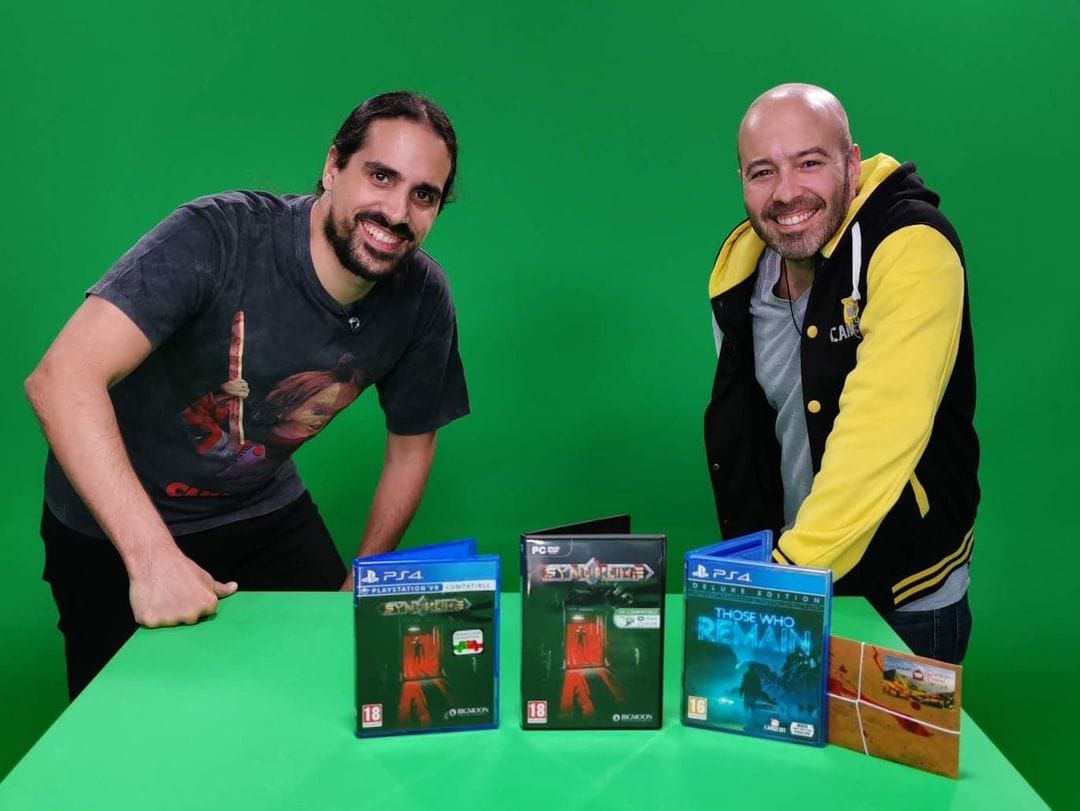
The brothers Ricardo (left) and Bruno (right) Ceisteiro of Camel 101 at GDC (all photos: Camel 101)
Bruno and Ricardo Cesteiro founded Camel 101 back in 2009. In late March, 2026, they announced their next project, DEAD STOP: No Vacancy. It will be their tenth videogame release as a small, independent studio.
I spoke to Ricardo Cesteiro about the studio’s unique journey in Portugal, their plans for the future, and how they’ve managed to remain sustainable for almost two decades through the many ups and downs of the industry.
Camel 101 is a unique studio for a variety of reasons. Firstly, it’s one of the few in Portugal focusing on original IP. Secondly, it’s one of the longest running studios in the country. Thirdly, it did not get its start in mobile gaming. Fourthly, it hasn’t needed to resort to outsourcing its services to keep the studio afloat between projects.
The Cesteiro brothers have been developing games for PC since the studio’s inception. They started off biting more than they could chew, as many of us do. According to Ricardo, the first game they tried to make was an “RPG shooter which was something gigantic”. Fortunately, they quickly learned that they needed to start small.
Camel 101’s first games were four casual titles released between 2009 and 2011. In 2012, they released their first game on Steam, Gemini Wars. As Ricardo told me, this was a very different era for PC games. Steam was still a closed platform and just getting in was almost an assurance of relative financial success. The jump from casual games to a hardcore 4X grand strategy title was perhaps overly ambitious and the Steam reviews weren’t the best.
Three years later, Camel 101 released Mechs & Mercs: Black Talons, an RTS. Reception was better and even the negative Steam reviews were quick to point out that beneath some issues lied great potential. We know now that the studio hadn’t found its calling, yet. That came a little over a year later, when it released Syndrome, the studio’s first horror game.
Inspired by the horror classics that defined the seventh generation of consoles, Syndrome succeeded in delivering a short and intense experience packed-full of scares. I asked Ricardo how a studio jumps from strategy titles to first person horror games, to which he answered that it was a mixture of market analysis (this was the golden era of modern horror post-Amnesia) and of pursuing something they loved. They gave horror a try and haven’t left it since.
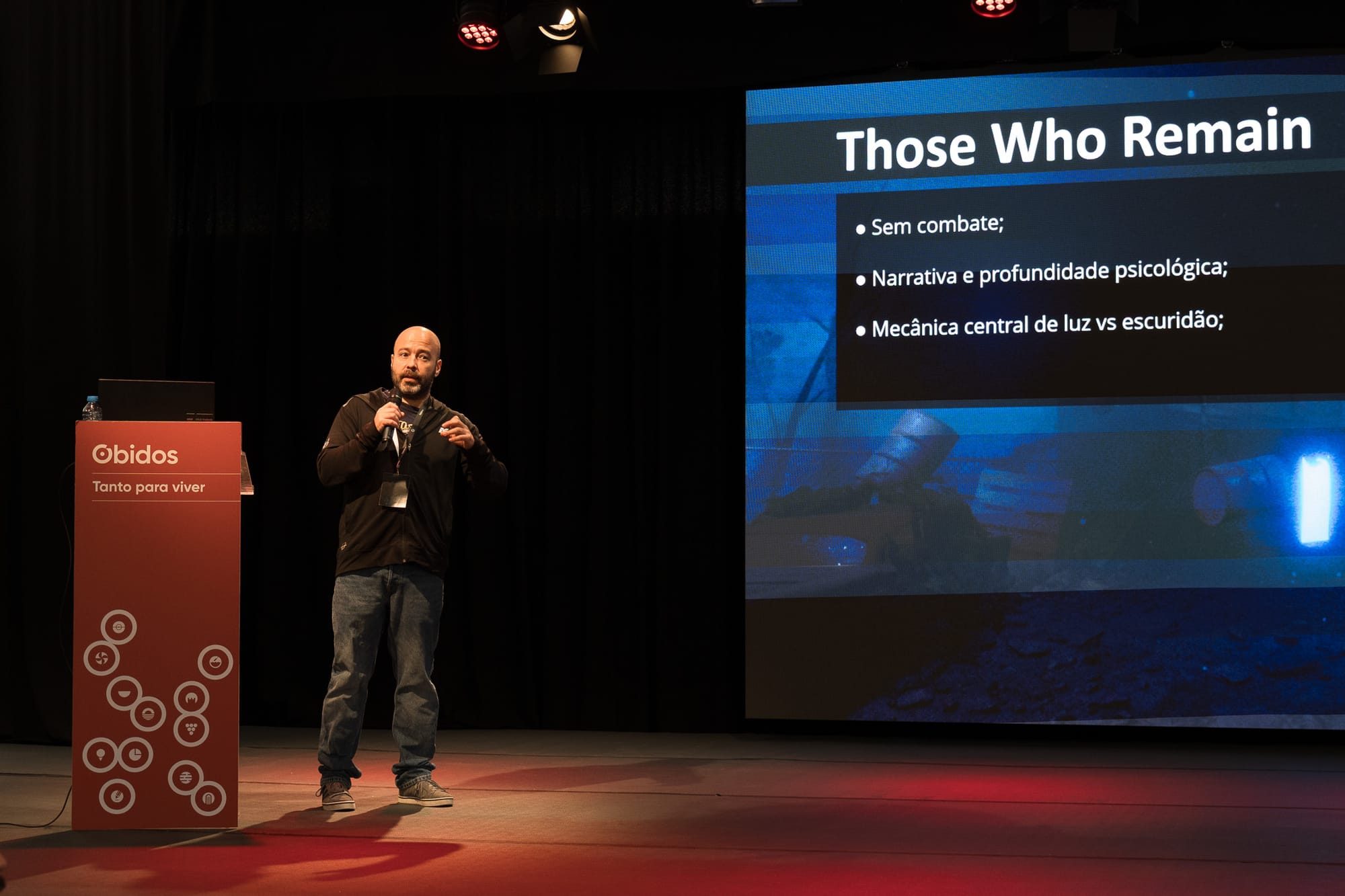
Four years after Syndrome, a considerable increase in development time, Camel 101 released Those Who Remain, their most famous title to date. This game left behind the combat that took center stage in Syndrome and focused entirely on immersion, exploration, and puzzles. The ambition was definitely bigger, but achievable. Camel 101 had found both its niche and its audience.
Following the success of Those Who Remain, the Cesteiro brothers revisited Syndrome with a healthy dose of Lovecraftian horror in Beneath, their most recent game, their most ambitious project, and the one that took the longest to make. As it turns out, five years to develop a game is a long time, especially for a team of three. “Beneath was a long project. By the end we were starting to get tired of always seeing the same things”, Ricardo told me. Beneath is the best game Camel 101 has developed but, as it's done time and time again, the studio is switching things up again.
Not only are long projects psychologically draining and creatively tiring, they’re financially unwise. Camel 101 hasn’t remained a float via five year development cycles. Between 2009 and 2016 the studio released seven games. Between 2017 and 2025, though, it only released two. Their next game, Dead Stop: No Vacancy, is bringing them to their roots for a variety of reasons.
The Cesteiro brothers have learned a lot through their many years of experience in this ruthless industry. They’re using that experience to inform what they do next, aiming to deliver something that is great while remaining sustainable and creatively fresh. “Business-wise we vastly reduce the risk [by betting on a shorter project instead of a four-to-five year development cycle]”, said Ricardo. No Vacancy will be the first game in a horror anthology, similar to what Supermassive Games did with The Dark Pictures Anthology.
Camel 101’s take on this way of delivering horror stories will focus on “one-sitters”, one-to-two-hour experiences meant to be finished in a single play session. Not only is this financially motivated, it is also something that Ricardo looks for in games as his time to play them has shortened. In our interview, we touched on the subject: “there are long days after which I only want to sit down and play a quick game instead of spending time learning complex mechanics”. This is a sentiment that I’d bet a lot of us can agree on.
They plan to release No Vacancy this summer, one of their fastest projects yet (Beneath came out in October of last year). If everything goes smoothly, Camel 101 will release a new Dead Stop entry every year. This is the studio’s latest adaptation to an ever-changing industry that is now going through a rough period.
It also perfectly illustrates how it has remained sustainable for nearly 20 years. The Cesteiro brothers are neither afraid to take risks nor are they content with sitting on their laurels. They scrapped their first project once they figured out it was unsustainable. They left the strategy genre behind when horror made the most sense. Despite finding success with Those Who Remain and Beneath, they’re switching things up with Dead Stop: No Vacancy.
From my recent conversations with Ricardo, they’re doing a ton more behind the scenes, too, and have at least two other projects in the works. In an industry that has never stood still, the best thing you can do is to move along with it. As we say in Portugal, “parar é morrer” (stopping is dying).
About the Author:
Gonçalo Santos is a video game reporter based in Lisbon, Portugal. Through interviews and lengthy coverage, he aims to share the blossoming Portuguese videogame industry with the rest of the world.