
Dirk Ringe and Volker Wertich have worked together in the games industry for 30 years. Together, they have achieved numerous milestones. Wertich is considered the inventor of The Settlers (Die Siedler), while Ringe was the lead programmer for The Settlers III when he was still at Blue Byte. In 1997, they struck out on their own, founding Phenomic Game Development and launching the SpellForce series. This blend of strategy and role-playing game was released in 2003, with the sequel following in 2006; both were published by JoWooD. In August 2006, the company was acquired by Electronic Arts and renamed EA Phenomic. Incidentally, it was the first European studio acquired by EA outside the UK, even before DICE in Sweden. Under the new parent company, BattleForge, an online strategy game, and the browser games Lord of Ultima and Command & Conquer: Tiberium Alliances were developed until EA closed the studio in July 2013, laying off its approximately 60 employees. Following this abrupt end, Ringe and Wertich founded the independent studio Envision Entertainment in Ingelheim am Rhein, in the state of Rhineland-Palatinate near the city of Mainz. "Before founding the company, we had enjoyed considerable success with the development of browser strategy titles, so it made sense to apply this experience to mobile," Ringe said in an earlier interview with GamesMarkt in 2022. Their first title was the mobile game Path of War. The strategy MMO was distributed by Nexon M, and at that time Envision employed around 25 people.
"However, the mobile market is extremely competitive. That's why, in 2016, we decided to downsize the company and return to our roots. After all, premium building and strategy games for PC, such as The Settlers, SpellForce and Battleforge, are our passion and were experiencing a new boom at that time," Ringe explains. The managing director cited a healthy mix of passion for core games, the unpredictability of the mobile market and favourable opportunities as the reasons for this decision. One of these "favourable opportunities", in addition to the strategy boom, was probably the collaboration with Ubisoft, which was announced at gamescom 2018. There, Envision worked with the French publisher on a new game in the Settlers franchise. The title was presented in playable form at the trade fair in Cologne a year later. However, the game did not come to market in this form. Instead, the collaboration between Ubisoft and Envision ended during a project realignment.
In an interview with GamesMarkt in 2022, Nadim Affani, the game director of this Settlers game, said that Volker Wertich had left the project during the realignment because "the new concept didn't really fit with his vision for The Settlers. He then oversaw the transition and left the project when work on the new concept began," said Affani. When asked about this, Volker Wertich said: "People might think of a dramatic story, but that's disappointingly factual. Ubisoft hoped that a new direction for the project would lead to greater success, and it is the investor's prerogative to make such a decision. However, I couldn't share the new vision, which is why I left the project altogether. But we didn't part on bad terms - parts of our team continued to work with Ubisoft for many more months to ensure a smooth transition." In mid-February 2023, Ubisoft released the aforementioned Settlers game, The Settlers: New Allies. However, it failed to resonate with many fans of the series thanks to its focus on real-time strategy and relatively simple building mechanics.
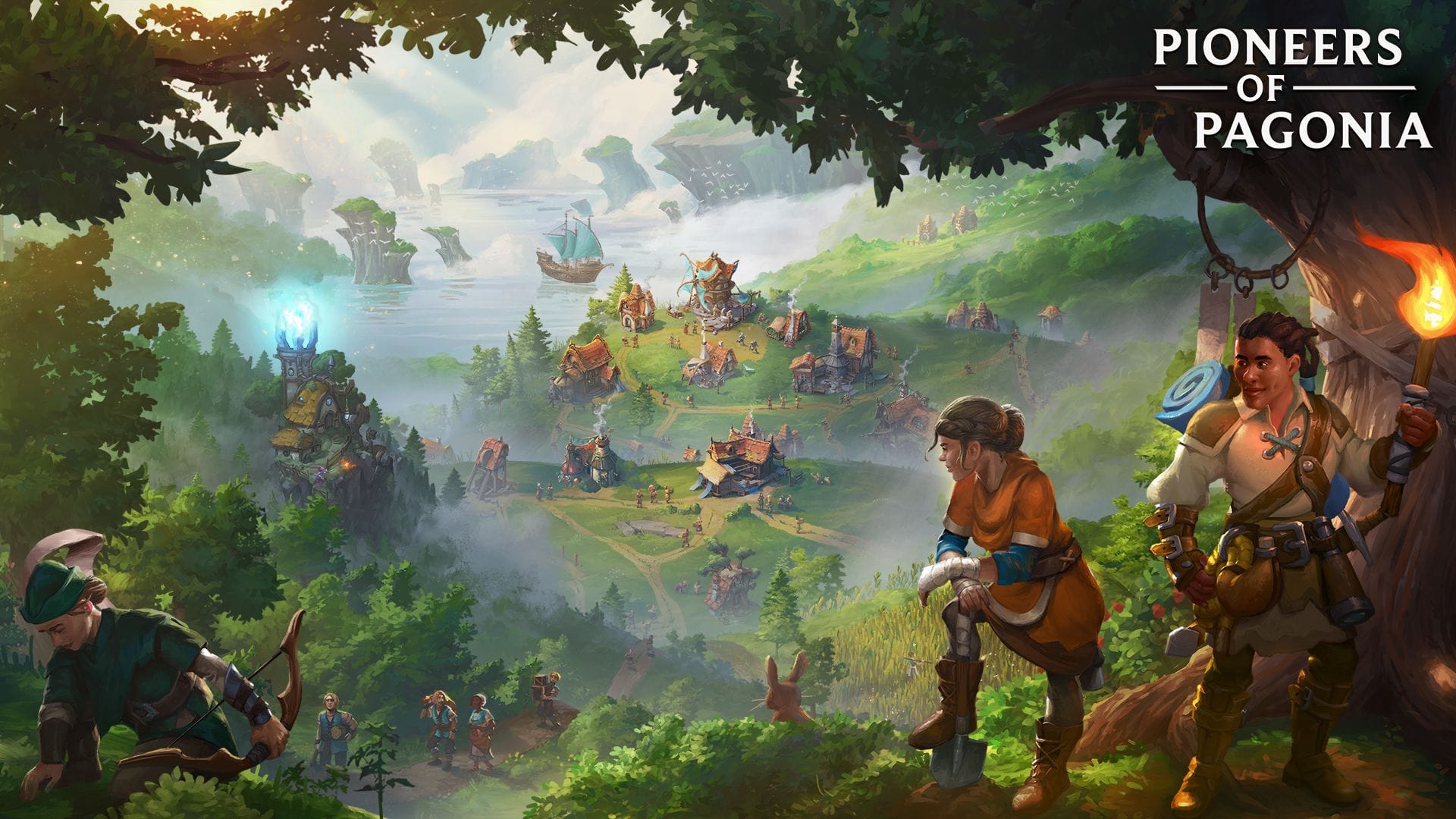
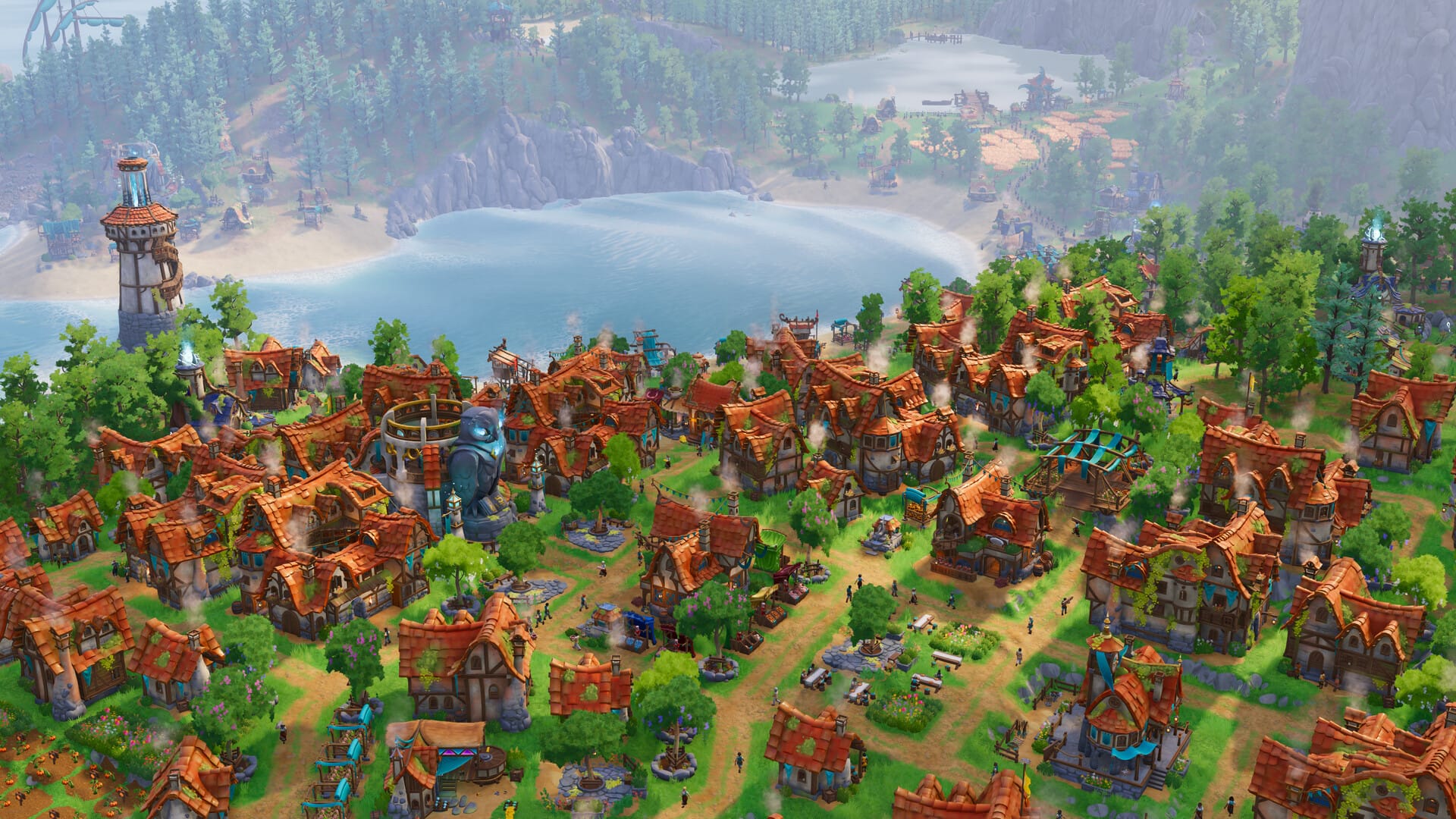
However, Envision Entertainment continued to believe in the success of the original concept and began developing a similar game, which became Pioneers of Pagonia - with the support of federal funding totalling just under €1.25 million. With this title, Envision aims to appeal to fans of building and strategy games, and it is being released for PC today after two years in Early Access. Despite not featuring different factions with their own playstyles, PvP multiplayer or traditional AI players who also settle on the same map, it bears strong similarities to The Settlers, especially the first two instalments. Players must construct a thriving economy comprising more than 60 building types and over 100 commodities. Every production step is visible, from the Forester to the Weaponsmith. With thousands of Pagonians working simultaneously, the 'Wuselfaktor' (when hundreds of units are bustling across the screen) is present once more.
GamesMarkt: Pioneers of Pagonia was in Early Access for almost two years. What are your thoughts on this? What went well and what didn't in Early Access?
Dirk Ringe: "Early Access ultimately worked out as planned for us. We entered with a game that was essentially a rough diamond. It had a lot of great systems and was fun to play, but it also had its rough edges. We used the time to expand the game, polish those areas, and make it much easier for players to understand.
We maintained a flexible approach to our roadmap, typically planning only 3-6 months ahead. We had numerous ideas on how to proceed, but we realized that we would achieve the best results by working collaboratively with our community. This greatly influenced our roadmap. Many changes were implemented solely because of community feedback, while other ideas were dropped due to a lack of interest."
GamesMarkt: How satisfied are you with the sales at all?
Dirk Ringe: "We are very happy with the sales figures. The game grew steadily during early access phase, and we now have a strong foundation for 1.0 and the future."
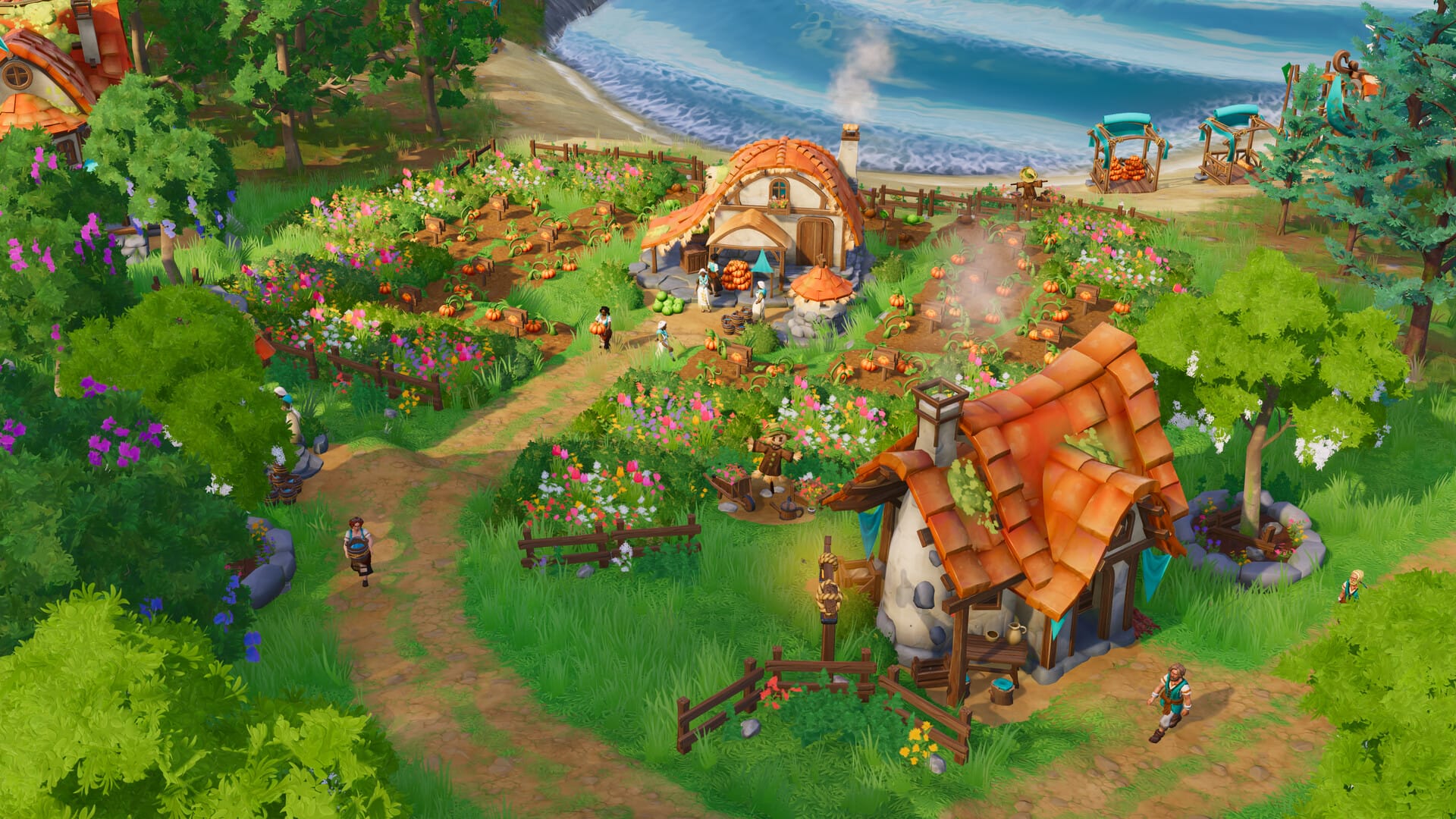
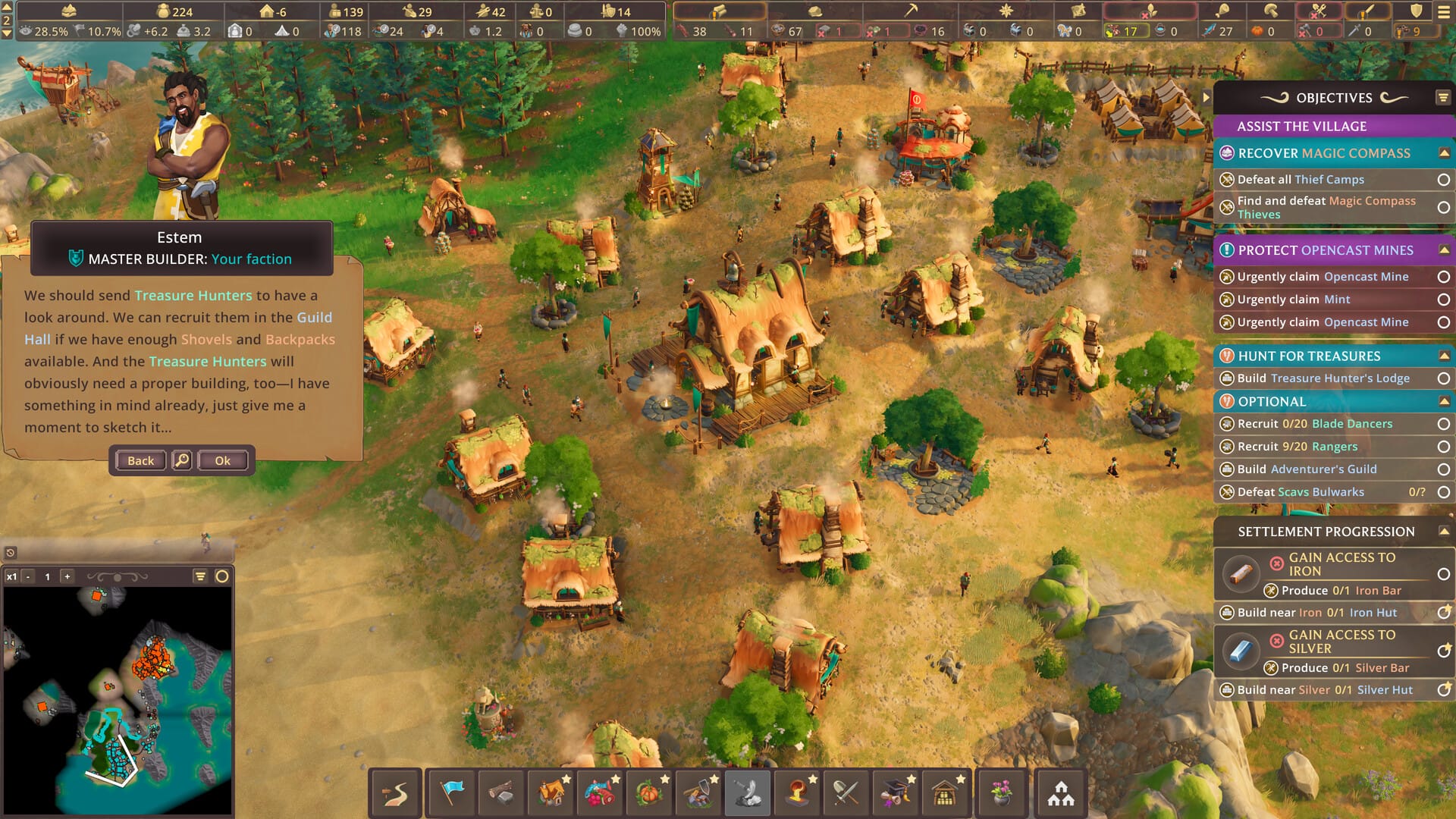
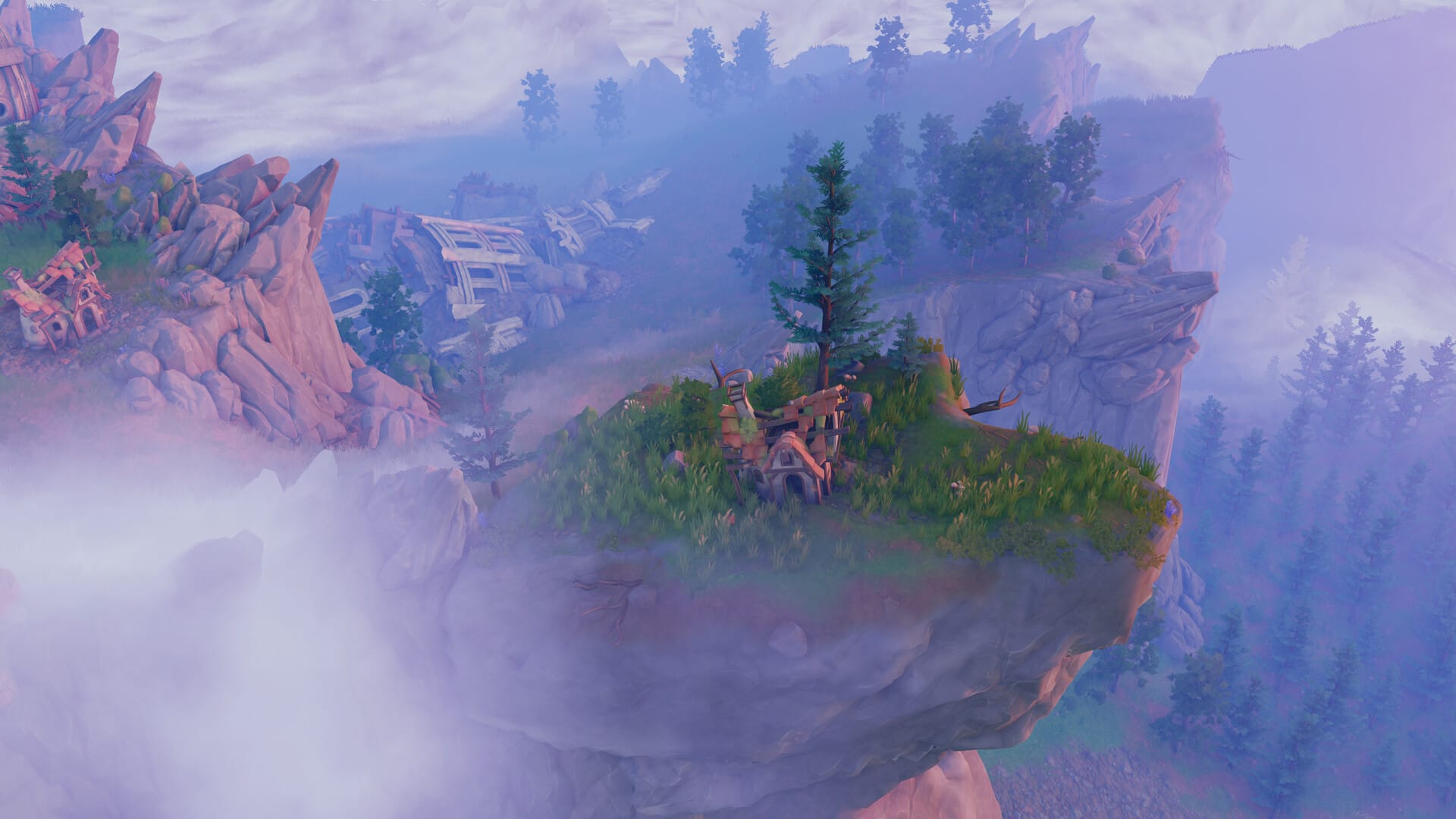
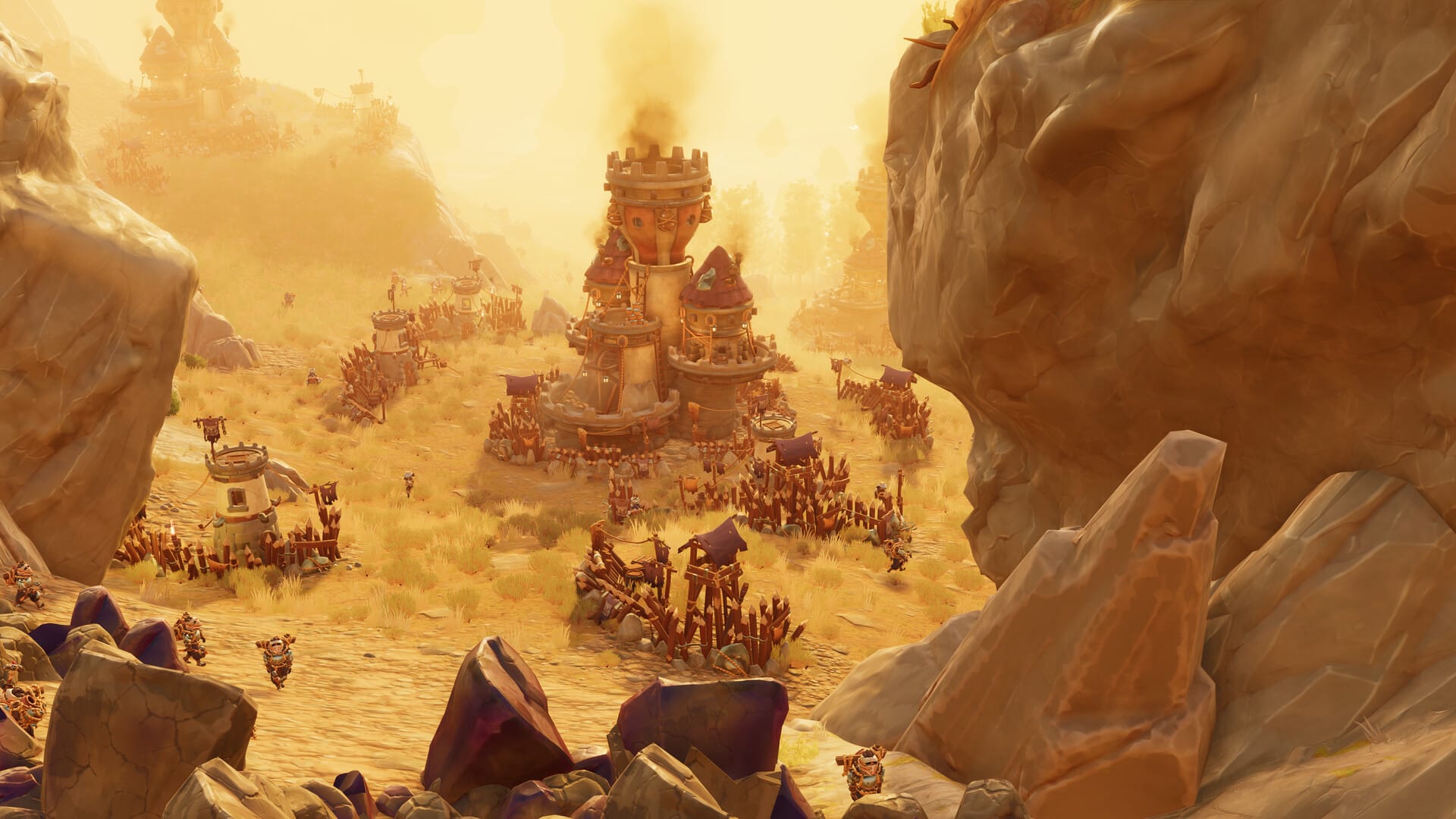
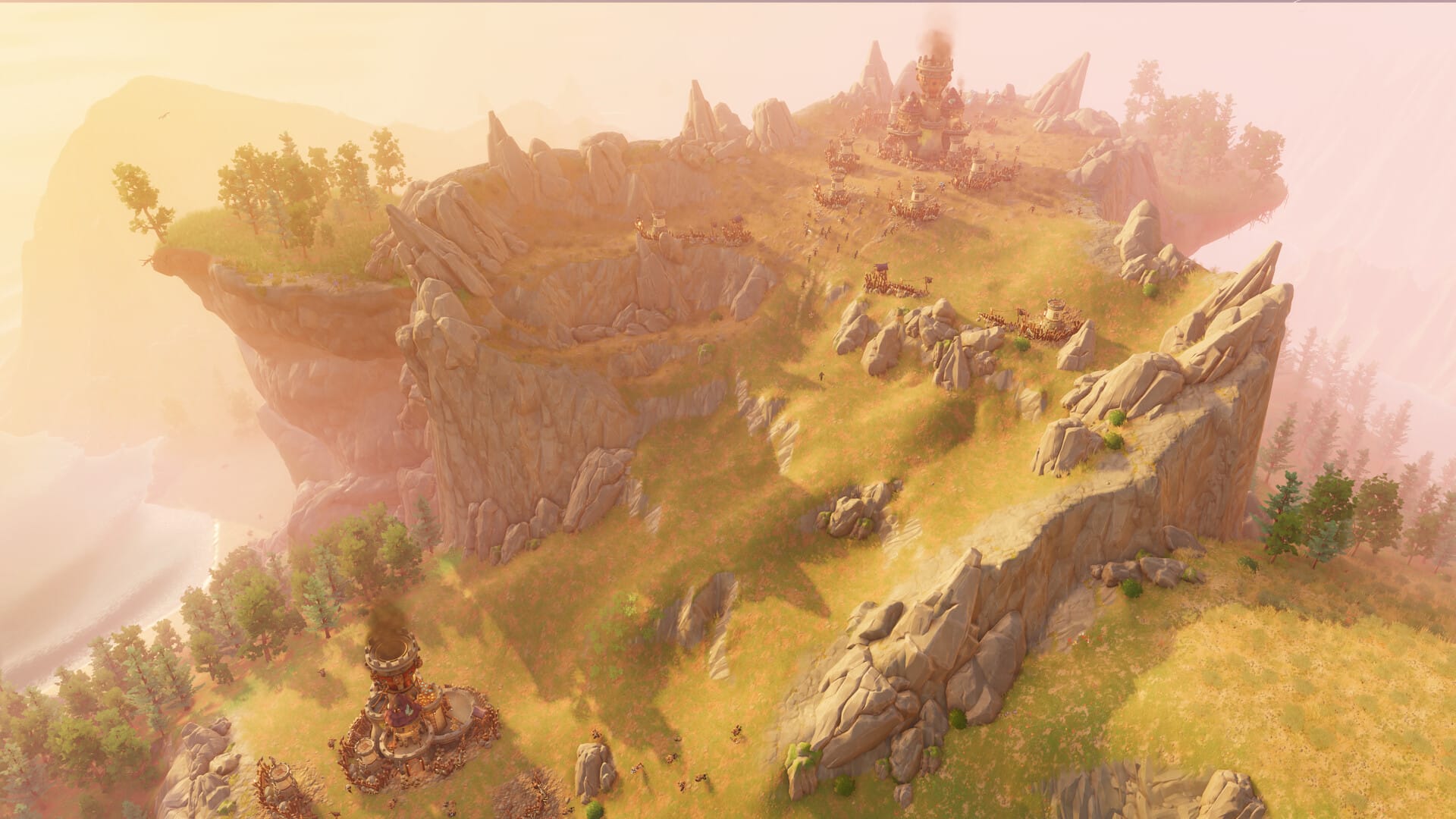
Pioneers of Pagonia © Envision Entertainment
GamesMarkt: What feedback did you receive most often from players, and what surprised you the most?
Dirk Ringe: "The feedback we received most often was about the pacing and balancing of the maps. That ultimately led us to create the campaign, which allowed us to address these points directly and deliver a much smoother overall experience. We also already knew how important onboarding is, but the feedback really showed us that it’s worth going the extra mile and being even more approachable. That’s why we developed the guidance videos, reworked the tech tree, and designed the first campaign missions to focus on teaching new mechanics."
GamesMarkt: How do you generally deal with negative user reviews?
Dirk Ringe: "When it comes to negative reviews, we usually distinguish between different categories. For some players, Pioneers of Pagonia simply isn’t the right game — and there’s only so much we can do about that. But then there are reviews that address the things we’ve actually implemented: what works well, what we should focus on next, and where there’s still room for improvement. Those are incredibly valuable to us, because they highlight exactly where we need to grow and what will benefit players the most."
GamesMarkt: Where do most players come from? How has the game performed on the international market?
Dirk Ringe: "We are proud to have a large German player base, which is no surprise considering our roots. However, we also celebrate our international success. It’s interesting to note that German players often approach the game through the lens of the Settlers series, frequently comparing it to various instalments of that franchise. In contrast, international players tend to view our game from a fresh perspective, treating it as a new strategy game altogether."
GamesMarkt: What is your current assessment of the market for city-building and strategy games? With new releases such as Farthest Frontier, Anno 117, Tropico 7 and maybe Transport Fever 3 too, the market is very competitive.
Dirk Ringe: "The market for city-building and strategy games has definitely grown more competitive. Over the past five years, it has become much easier for smaller teams to produce impressive work, which is why we’re seeing more titles than ever. At the same time, the market is still large enough to support major productions like Anno with their substantial development teams.