With over eight million copies sold and numerous DLCs, Planet Zoo is Frontier Developments' most successful game yet. The British company has now launched Planet Zoo 2, which is being billed as 'the most advanced zoo simulation game yet'.
It's hard to believe, but Planet Zoo has overtaken all the games in the Jurassic Park Evolution and Planet Coaster franchises in terms of sales. Released in 2019, the game continued to receive regular DLC until 2025. In total, it features 20 DLCs comprising Animal and Scenery Packs. Frontier Developments has now released the sequel, which builds on the original and remains a Creative Management Simulation, a genre in which the company specialises. Like its predecessor, it is a meticulously detailed, slow-paced, laid-back zoo-building and management simulation. Once again, the focus is firmly on the creative design of the zoo and its enclosures, animal welfare, and wildlife conservation. While there are also economic elements and staff management, these play a secondary role.
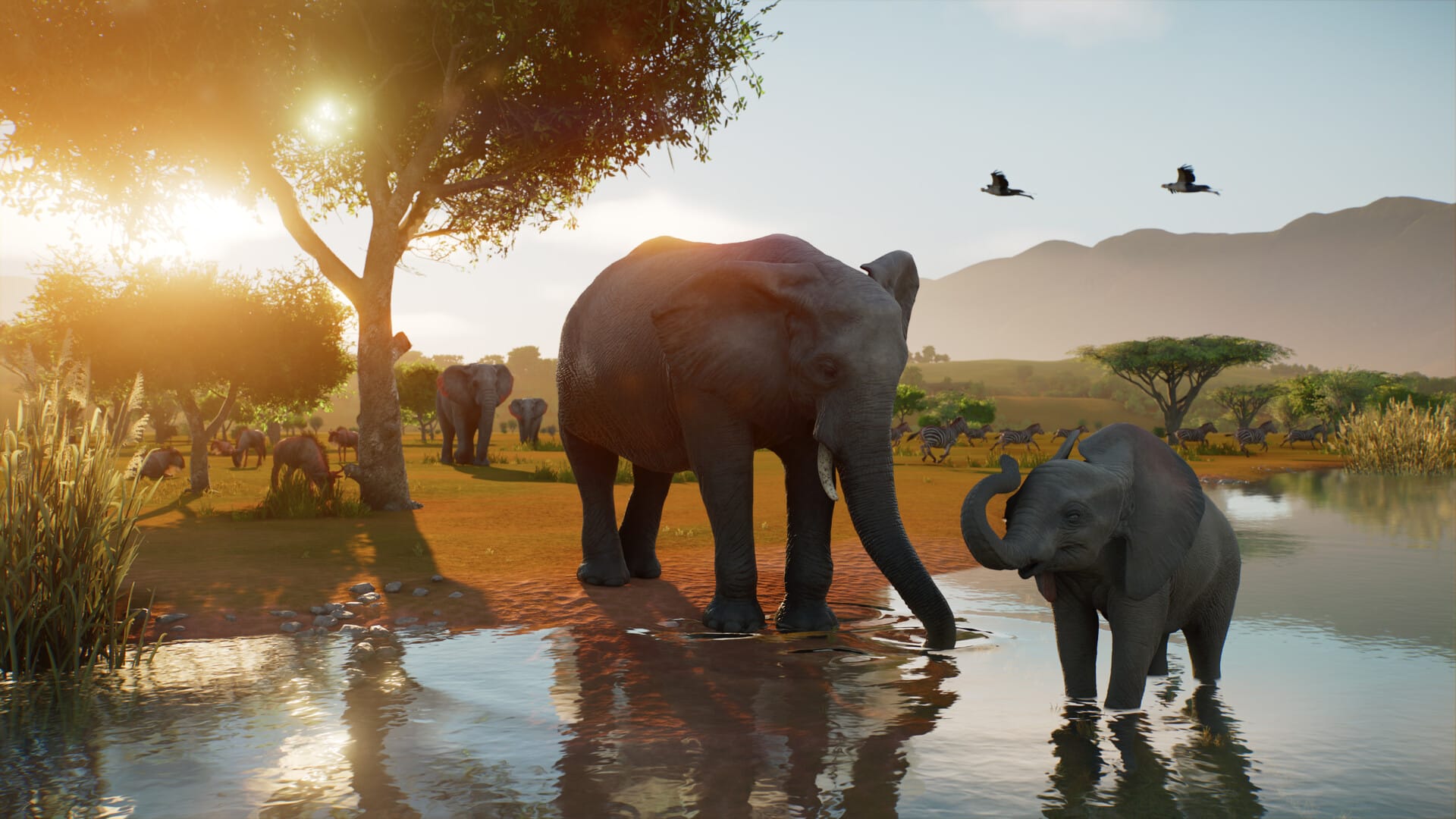
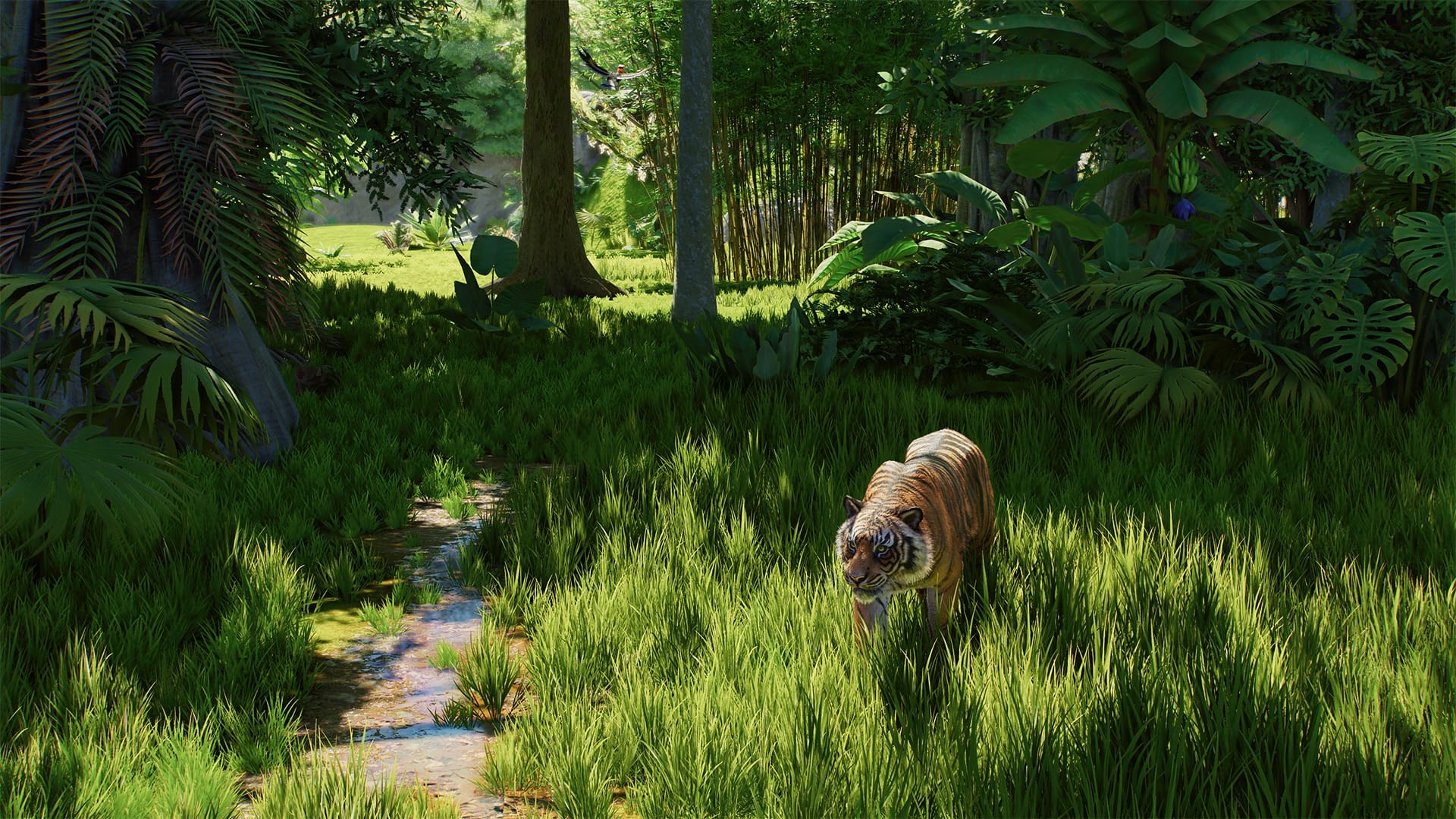
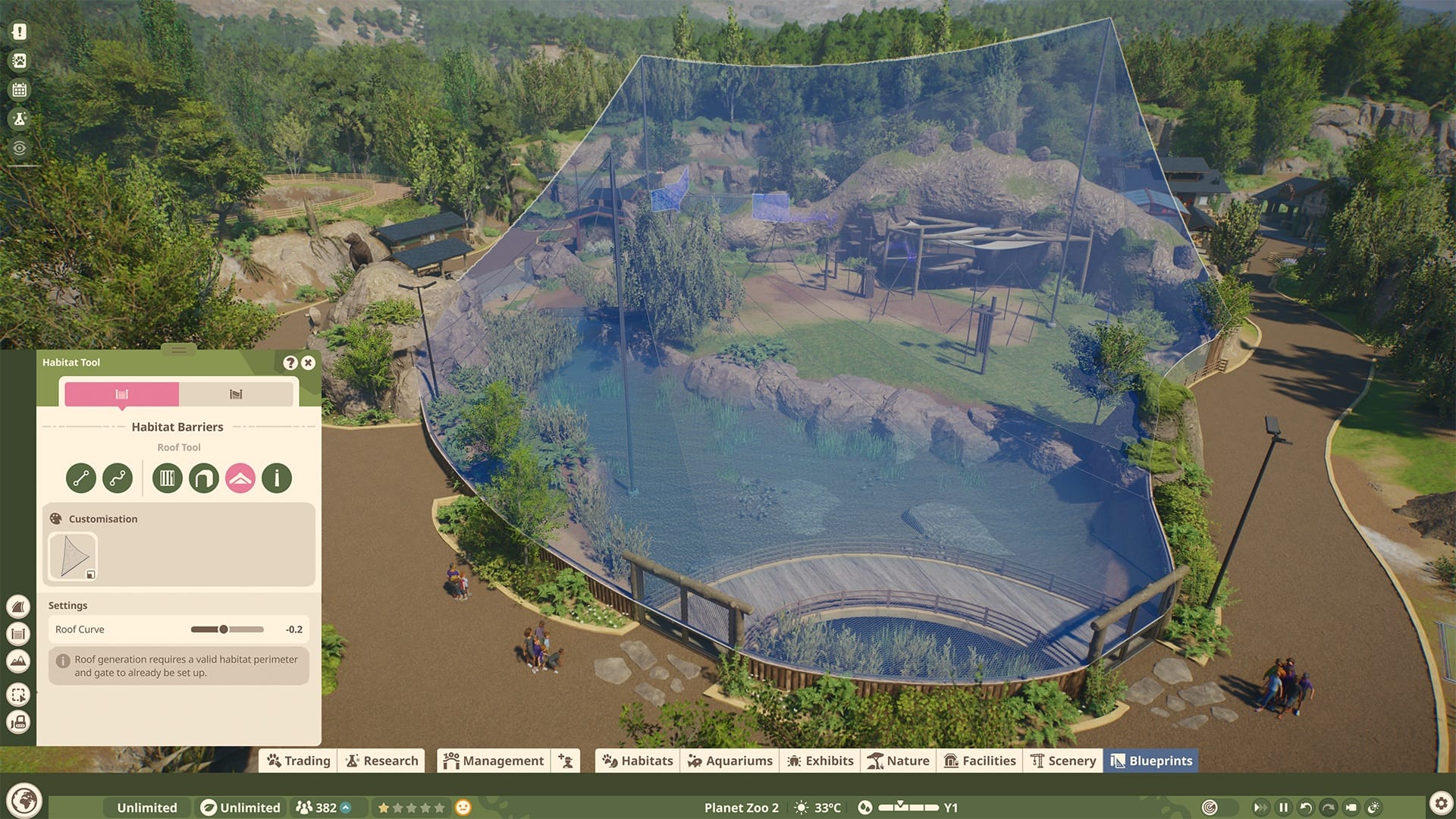
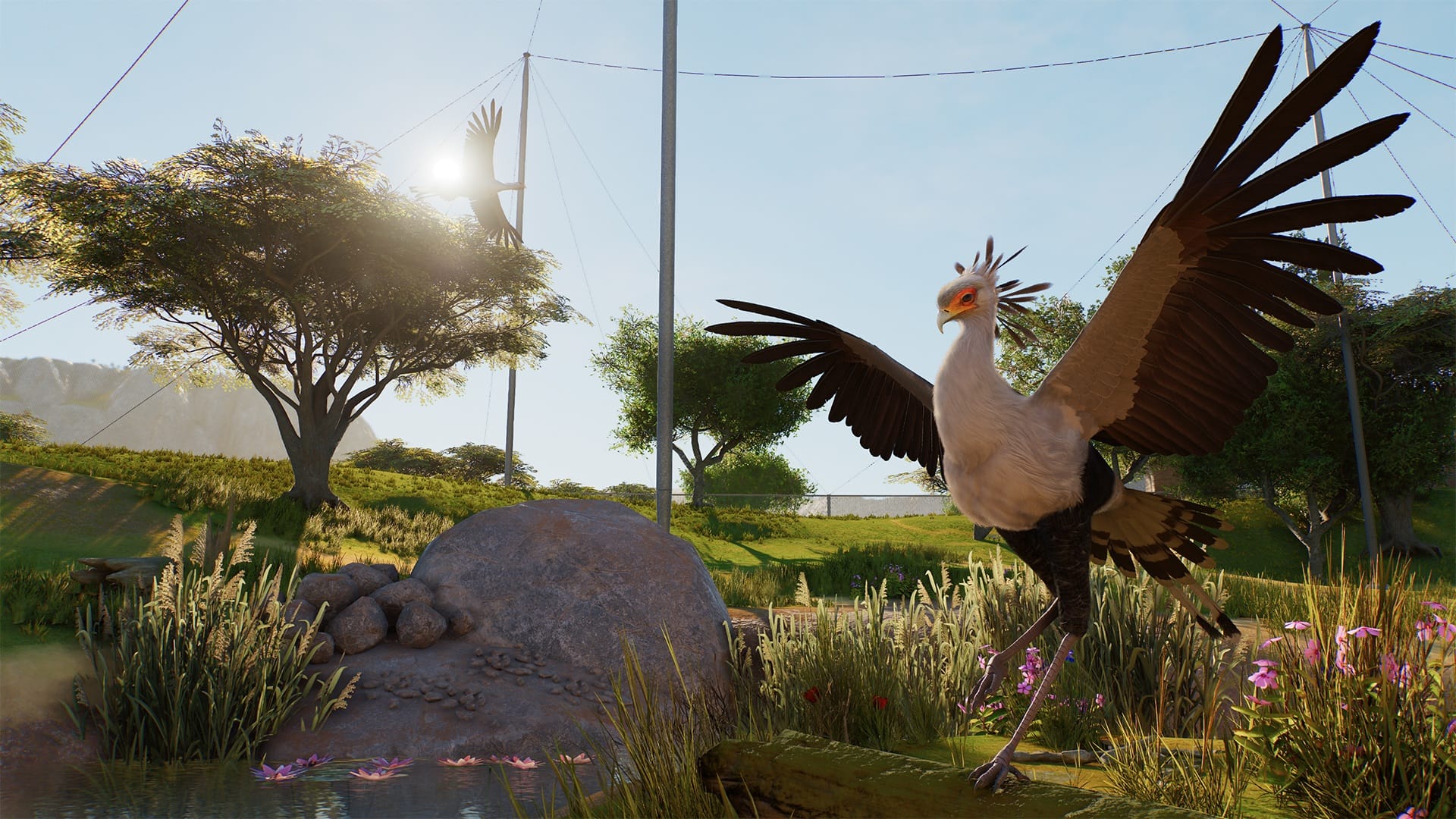
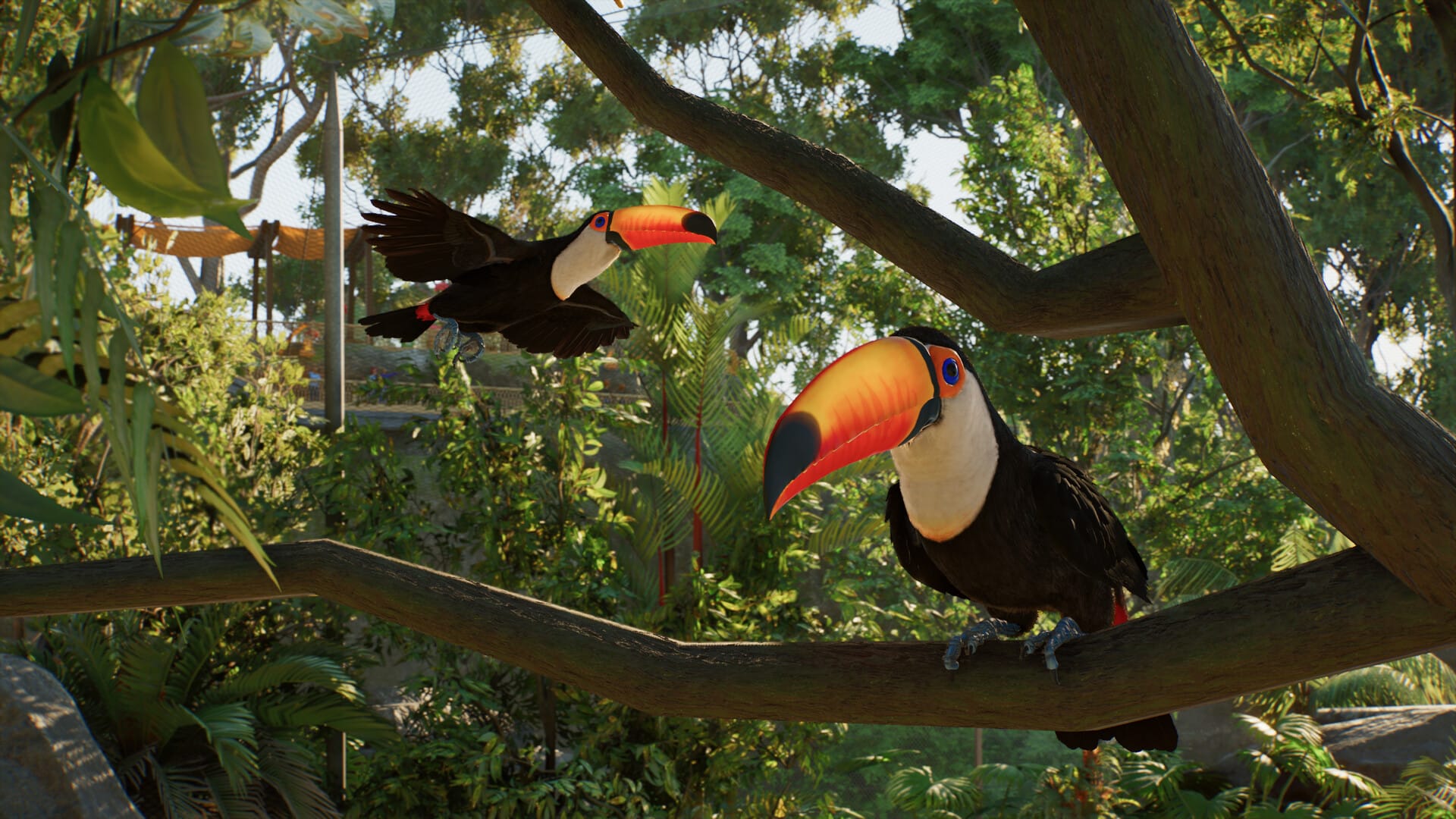
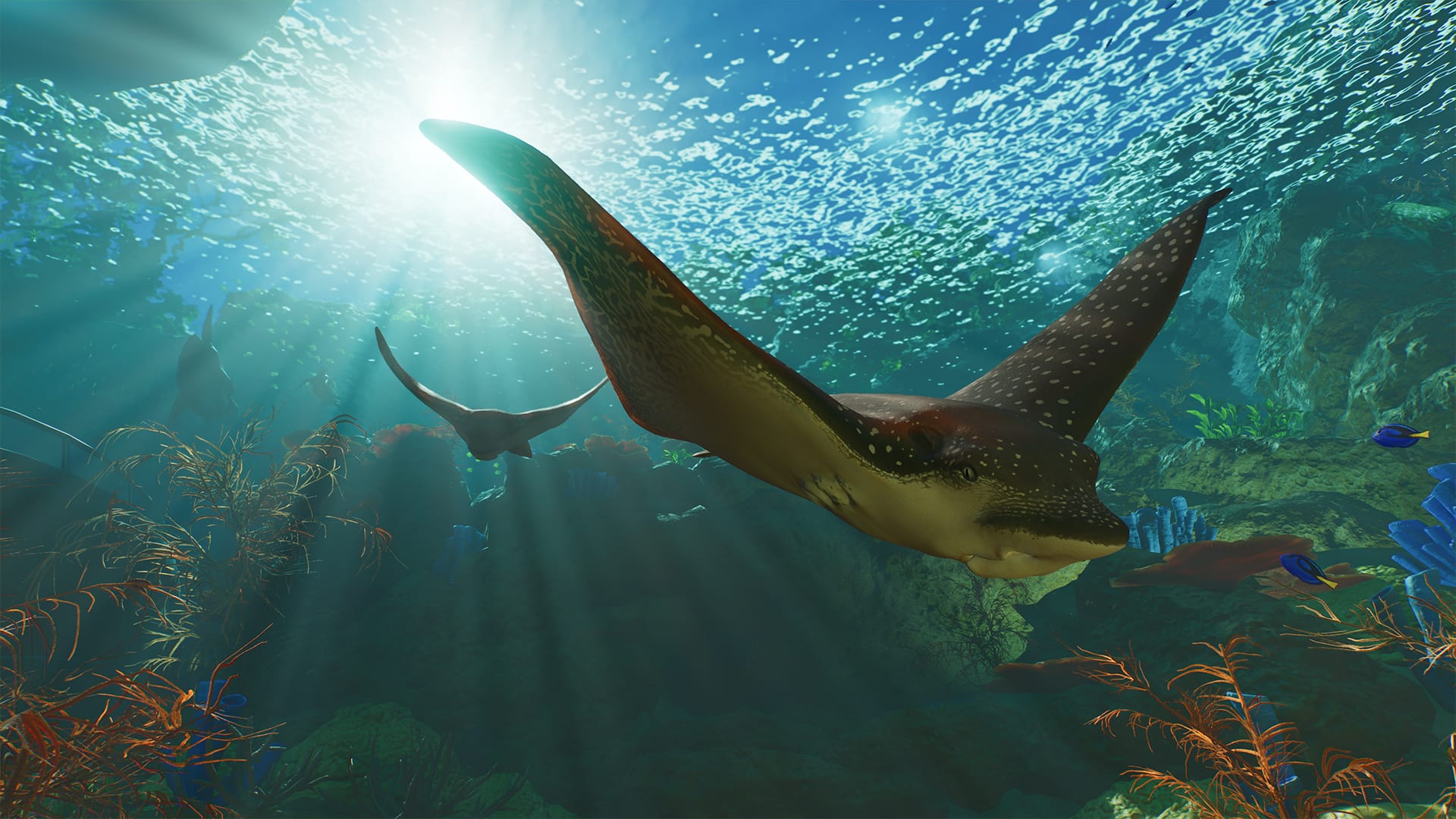
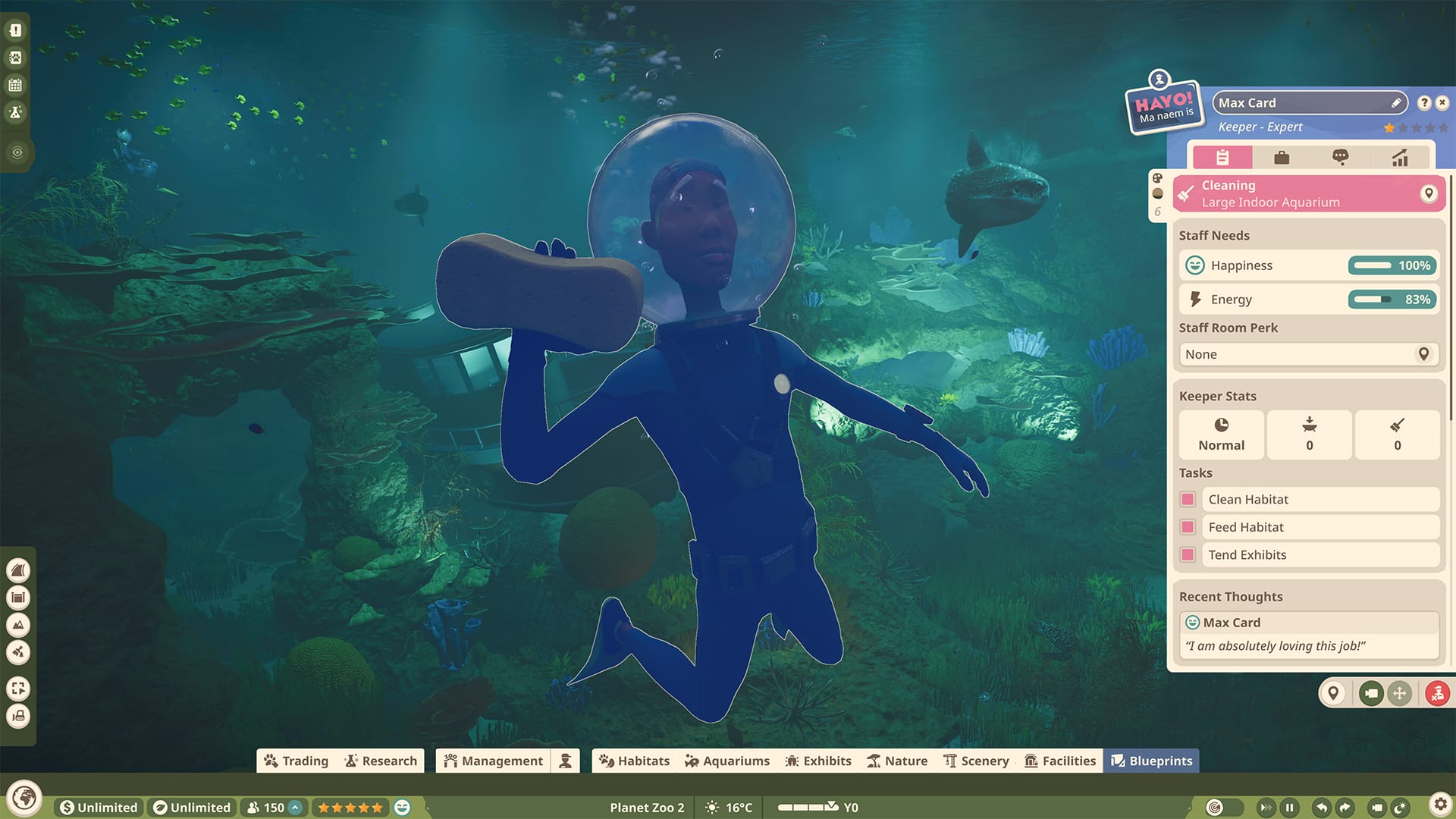
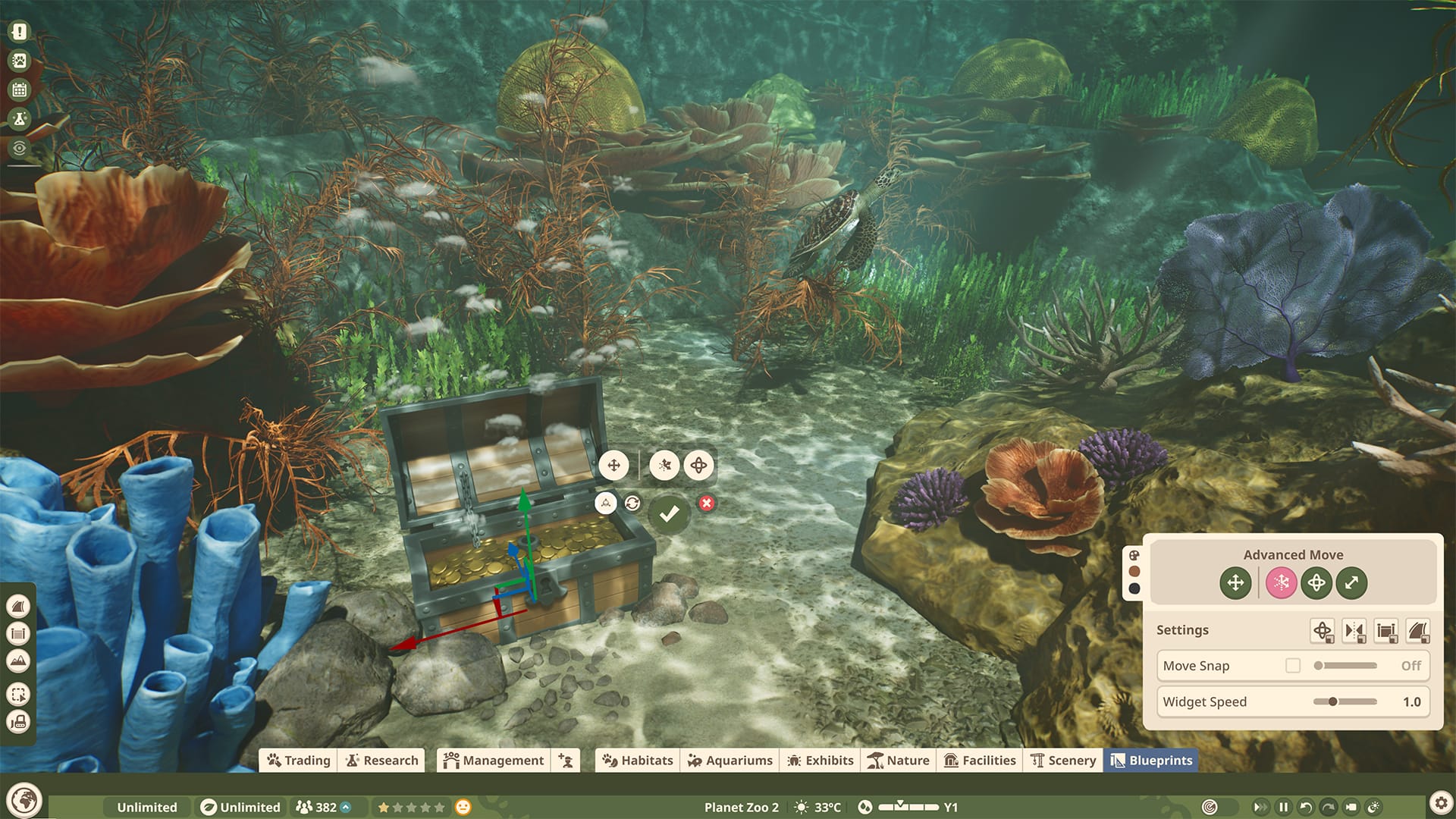
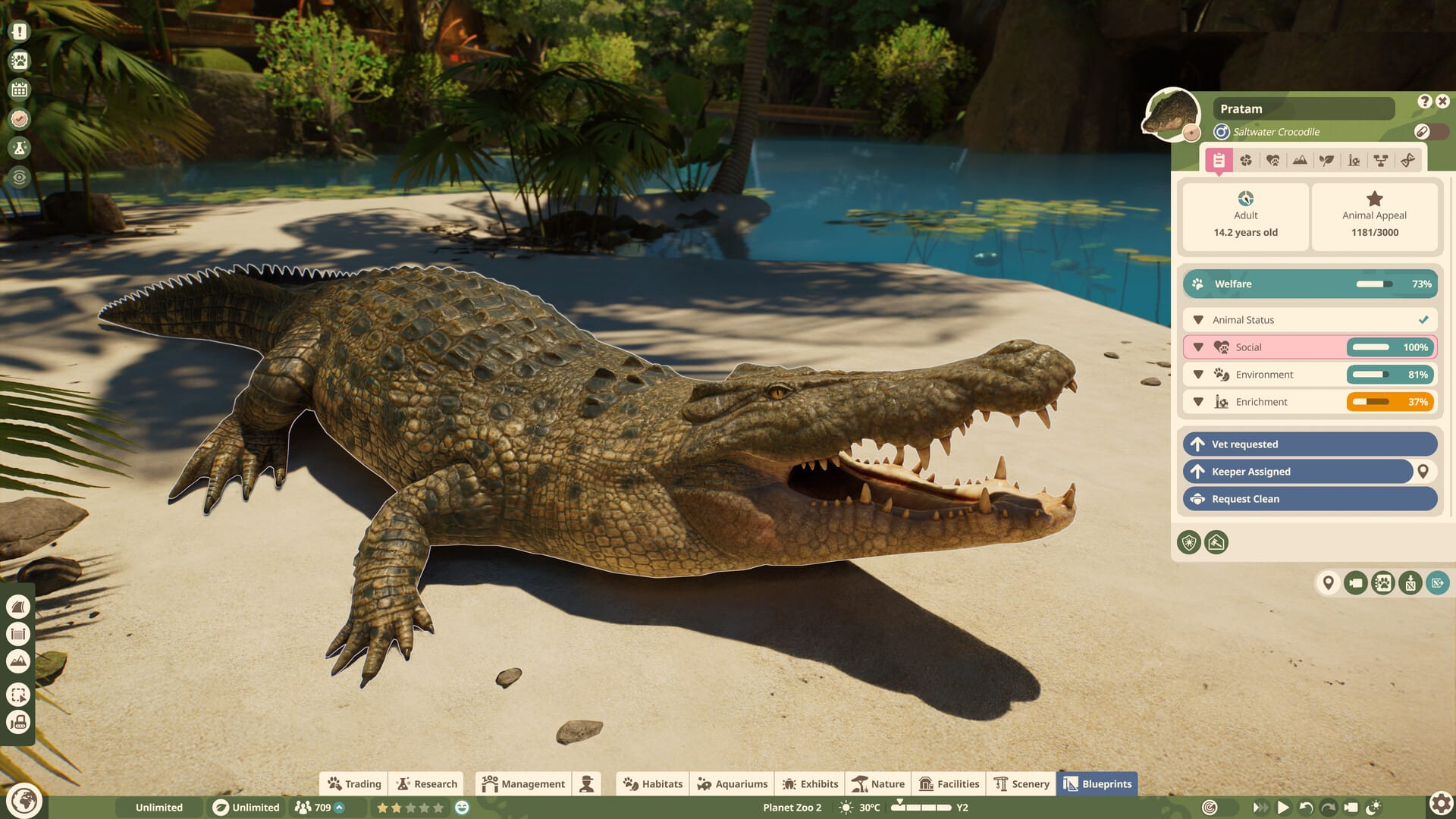
New additions to the second instalment include Aviaries and Aquariums. Players can now build freshwater or saltwater aquariums and fill them with sea life. They can also lay visitor walkways right through the centre of the tanks. Aquariums are not just placeable tanks, but fully customisable habitats that give players control over the scenery and location. Zookeepers must also ensure that their aquariums are kept in optimal condition, complete with filtration systems and airlocks for staff to enter. Like aquariums, aviaries are fully editable, allowing players to place scenery as they wish. Aviaries feature support poles that enable players to create habitat covers. Zoo visitors can even walk through suitable aviaries. Naturally, there are also new species of animal that can be kept in aviaries and aquariums, bringing the total number of animal species in the Standard Edition of the game to 130. Animals now feature more animations and display a far wider range of behaviour. Moreover, the rendering of fur, feathers and muscles has improved significantly compared to its predecessor. Animals have never looked so lifelike, especially as they interact more dynamically with their environment.
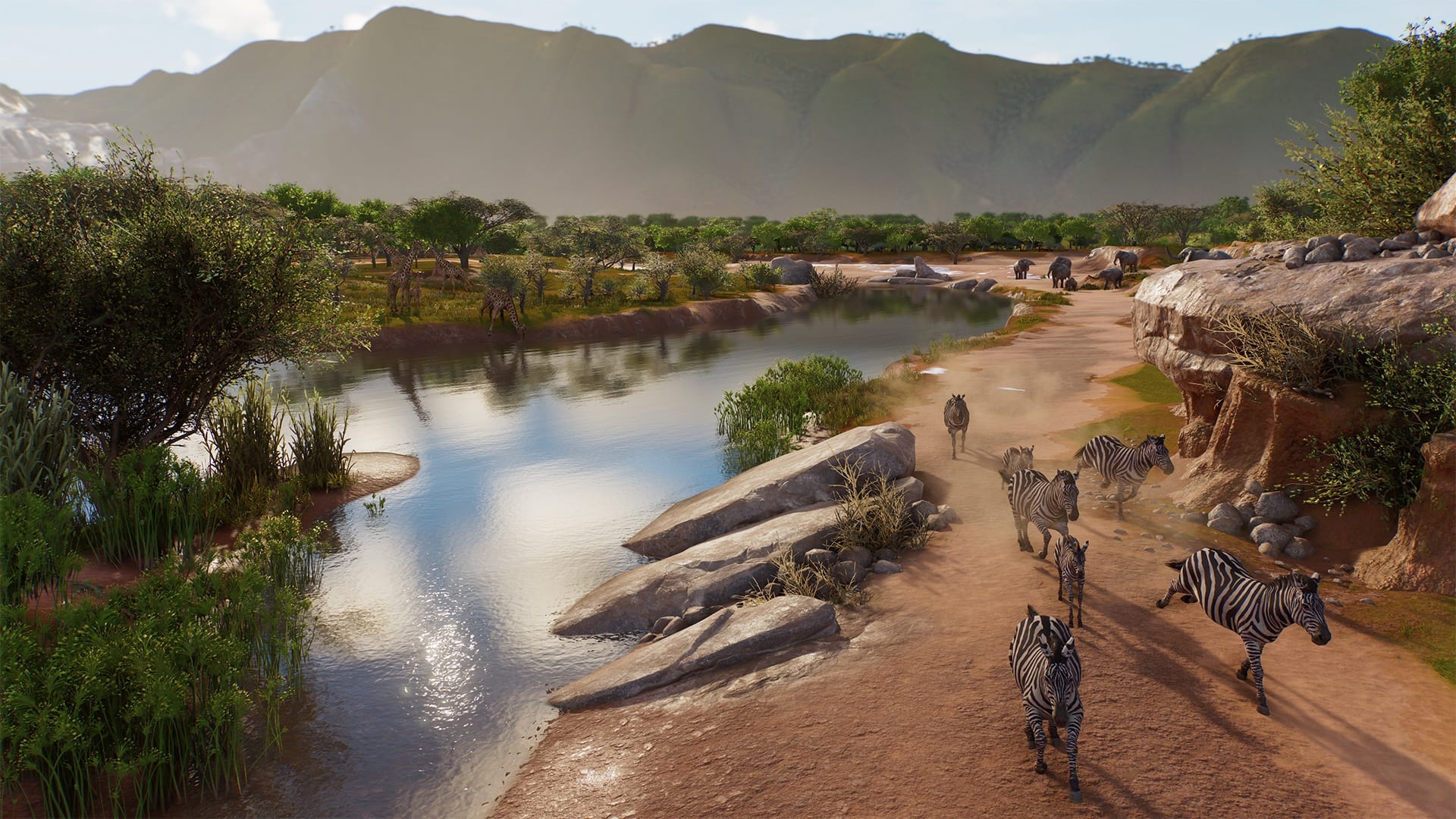
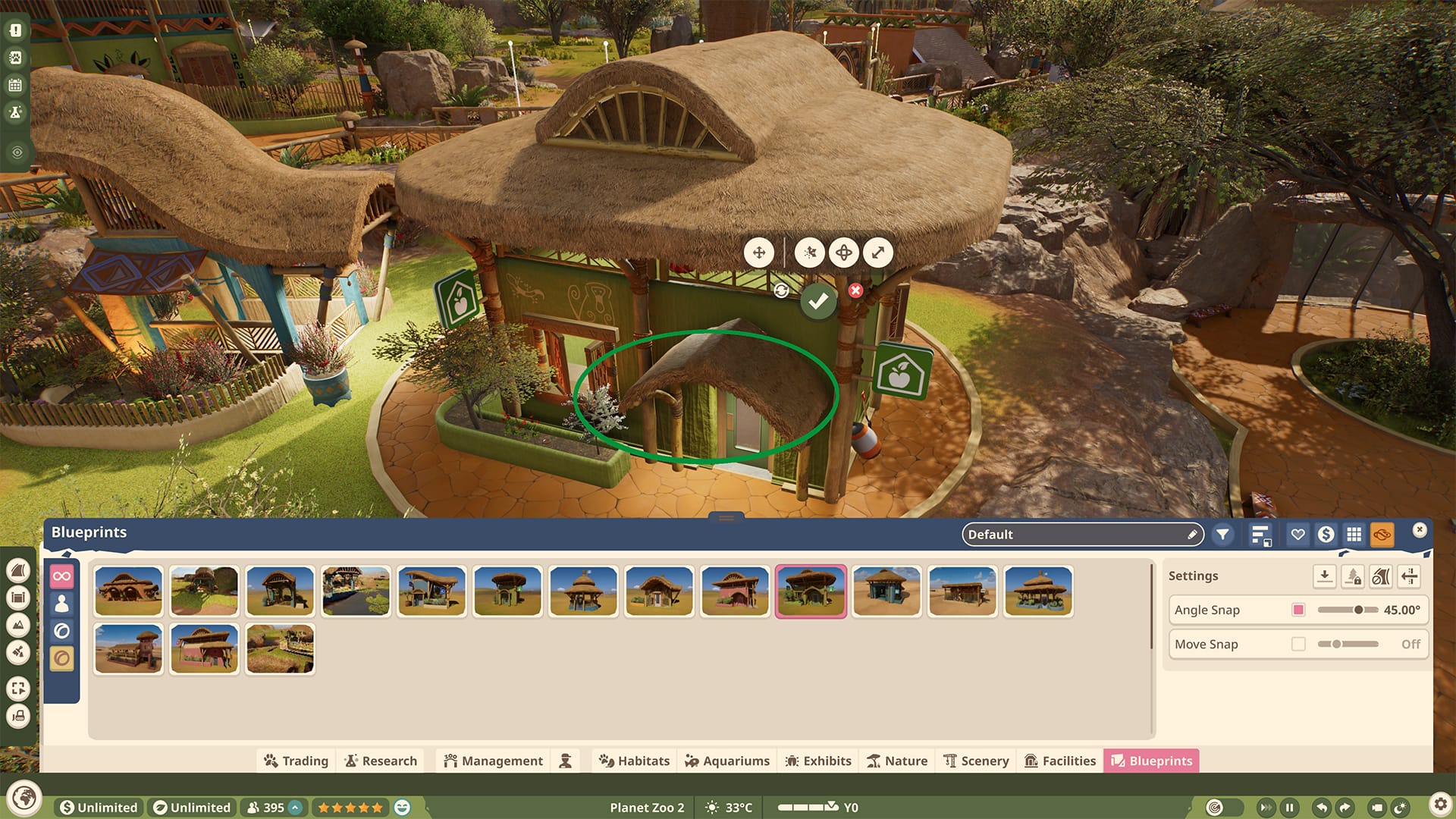
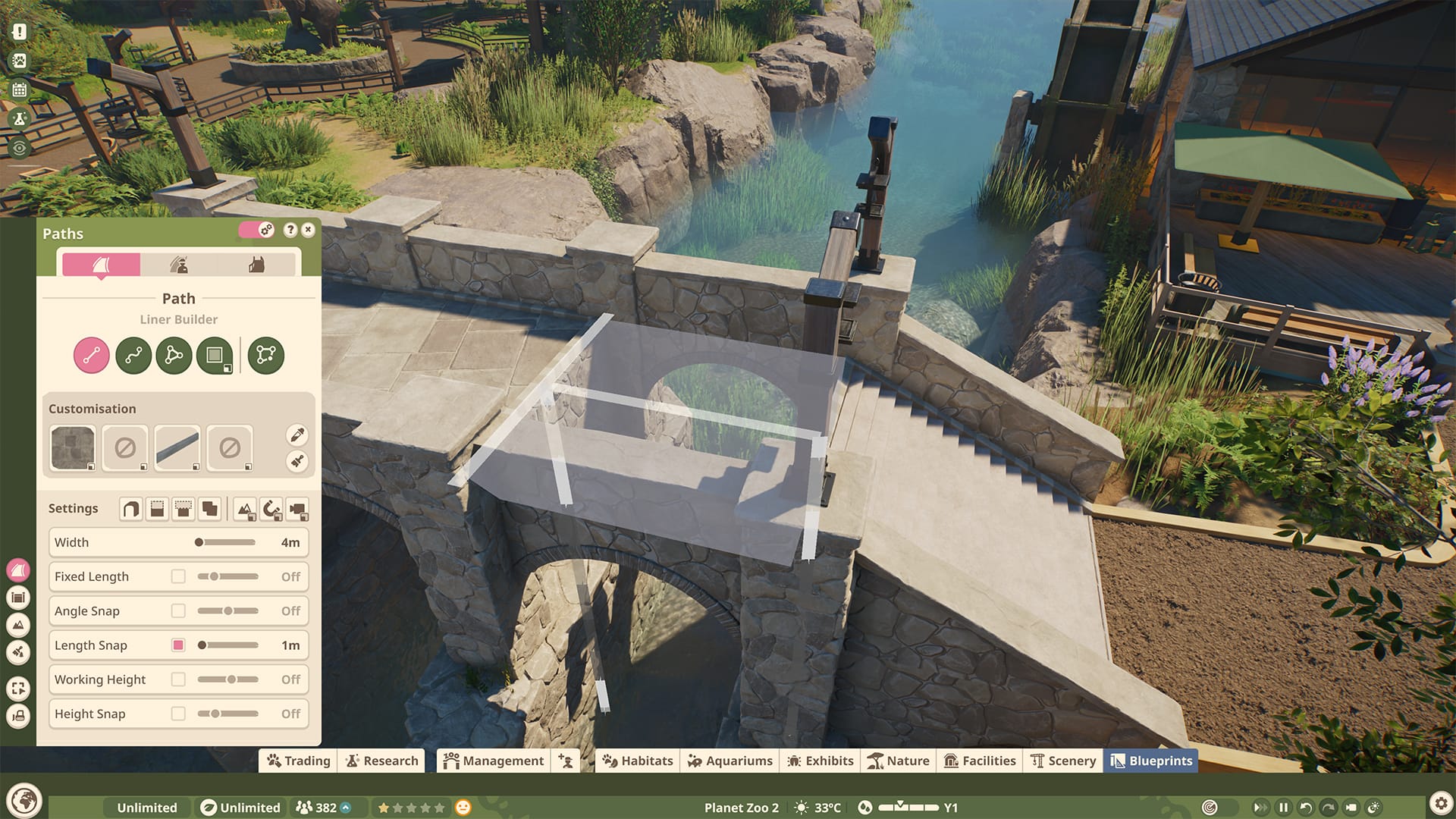
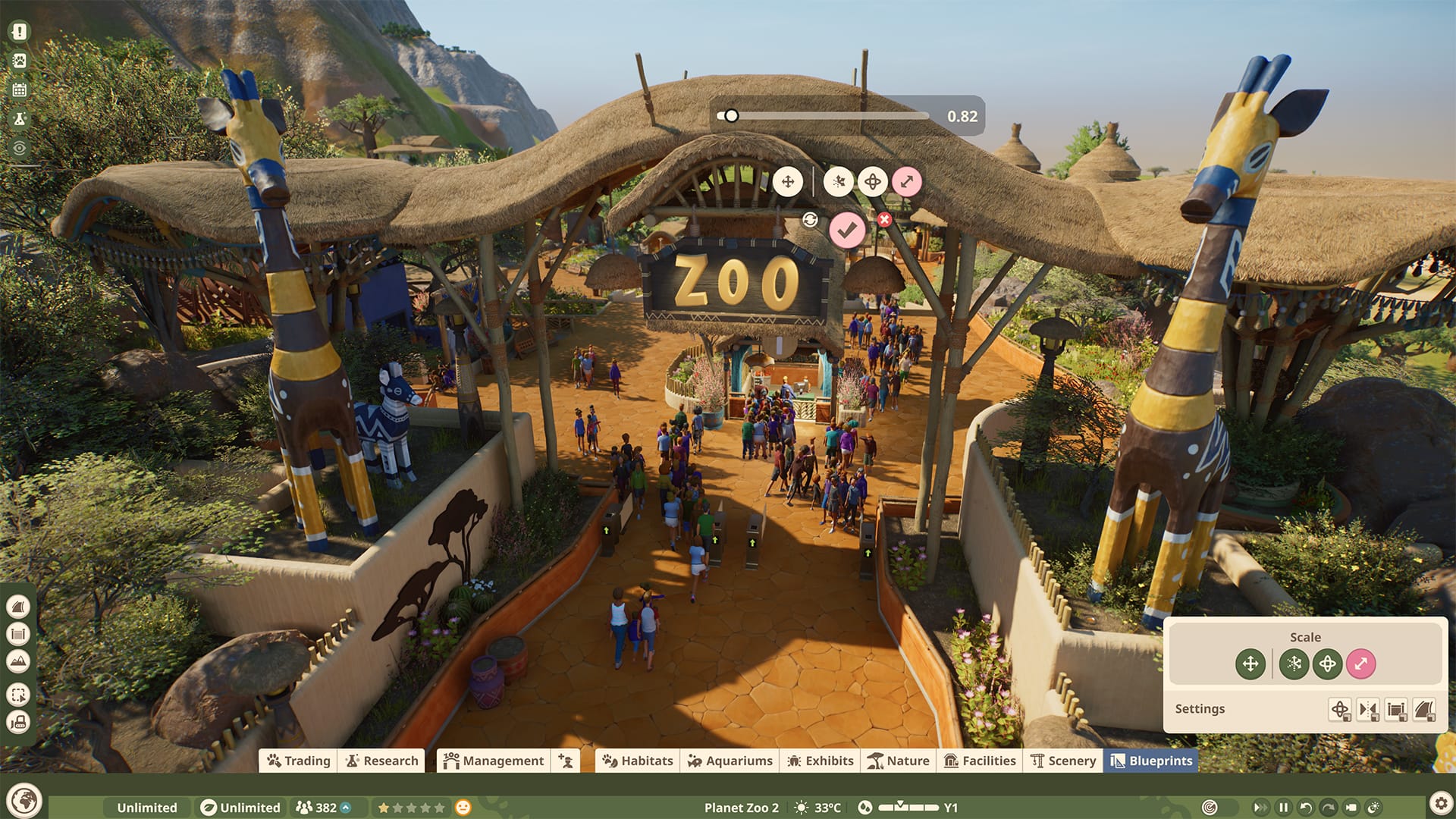
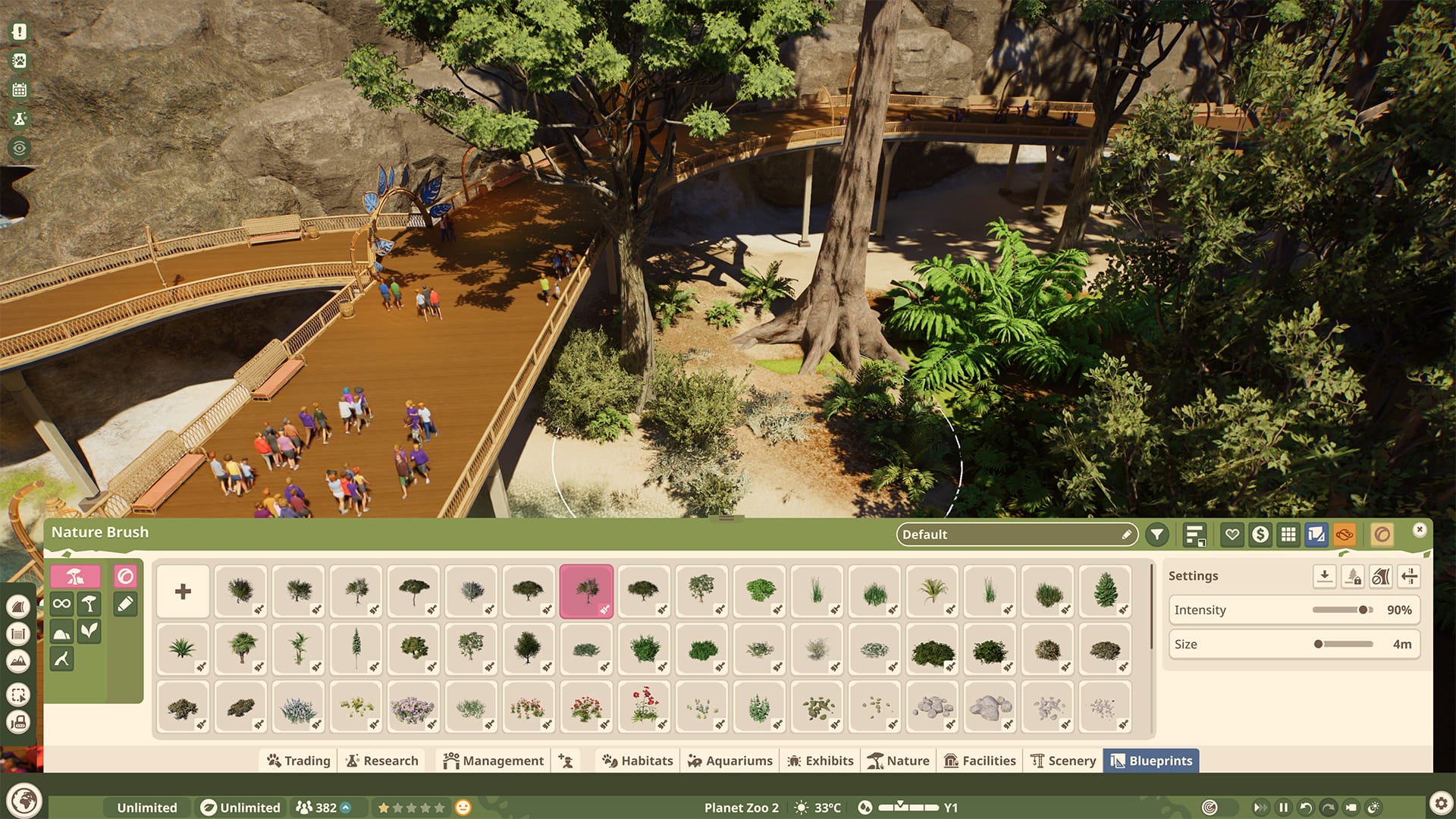
When designing habitats, such as aquariums, aviaries, outdoor enclosures or vivariums/terrariums, it is important to consider the needs of different animal species. These needs can include size, surface conditions, temperature, the presence of other species and food supply. Players can choose from a variety of blueprints or construct their own habitats from scratch using the game's piece-by-piece system. They can share their creations on the Frontier Workshop, or download a blueprint directly from the in-game browser for their own build. Zookeepers need to craft habitats that mirror the species' natural environments to create an 'authentic' home for the animals, providing a positive experience for paying guests.
If animals are cared for particularly well, they can achieve the new 'Thriving' status. This rewards players with a higher life expectancy for the animals and more donations from visitors. Aside from animal care and sustainability, visitor education and the visitor experience also play a role in the park's rating, as do guest needs such as thirst, hunger, energy, education and toilet facilities. Visitors will also indicate what they don't particularly like. That said, players should be aware that Planet Zoo 2 involves a lot of micromanagement, precisely because the game is intricate and offers a wide range of options. Not to mention that the 'console-first' interface on the PC is rather unnecessarily complicated and requires too many clicks.
There are three main game modes in Planet Zoo 2: Career (with tutorials and scenarios), Franchise, and Sandbox. In Franchise mode, players manage an interconnected portfolio of zoos and wildlife reserves that support each other. Wildlife reserves are a new feature that complement the classic zoo-building experience.
In these large, vehicle-accessible nature reserves, players can release groups of rare or endangered species/animals that have been bred in their zoos. These release groups can then be set free in specific reserves, provided that the necessary conditions have been created there (e.g. terraforming and adapting the flora) and that a research outpost has been established. This gives breeding in the zoo a higher purpose, as it is not just about displaying animals, but also actively rearing and releasing them into the wild. There are no paying visitors, souvenir stalls or traditional enclosure fences in the reserves. The focus is on ecosystems, restoration and research, so camera traps, microphones and observation platforms are used to collect data and species conservation points. These points earn bonuses for the zoos. Players can also explore the vast areas in a research jeep, albeit rather bumpily, and observe the reintroduced animals in their natural habitat. However, the gameplay options within the reserves could be more varied.
Behind Planet Zoo 2 is Frontier Developments, a company founded in 1994 by David Braben and headquartered in Cambridge, England. This publicly traded company also operates a studio in Winnipeg, Canada, known as Complex Games, which was acquired in November 2022. Frontier is best known for the Elite franchise, most recently Elite Dangerous, and has in recent years focused primarily on creative management simulations. It gained extensive experience in this genre with RollerCoaster Tycoon 3 (2005), Zoo Tycoon (2013) and Thrillville (2006). However, since forays into other genres, such as Warhammer Age of Sigmar: Realms of Ruin (2023), or into publishing with Frontier Foundry were not particularly successful, the company continues to focus on games in this sector. Frontier Developments runs the Planet franchise, which includes titles such as Planet Coaster and Planet Zoo, as well as Jurassic World Evolution. All of the company’s in-house games run on the Cobra engine. In September 2026, Frontier announced a partnership with Disney. They are developing and financing a building game based on a major Disney brand universe, which has yet to be revealed. Another separate Planet game is also currently in development. Meanwhile, Complex Games is working on Warhammer 40,000: Chaos Gate – Deathwatch, the sequel to Warhammer 40,000: Chaos Gate – Daemonhunters.
Planet Zoo 2 was released on 13 October 2026 for PC, PlayStation 5 and Xbox Series X|S. The Standard Edition is available at a suggested price of £39.99/$49.99/€49.99, while the Deluxe Edition is available at a suggested price of £54.99/$64.99/€64.99. The Deluxe Edition and Deluxe Upgrade Pack include six additional animal species, as well as a selection of exclusive animal signs with which to decorate the park. The new species are the Golden Eagle, Golden Lion Tamarin, Great Hammerhead Shark, Axolotl, Blue and Gold Fusilier, and Longfin Batfish.
Following its release, the game was criticised by players for a number of issues, including stability and server stability in Franchise Mode, as well as game performance. Players also complained about erratic animal behaviour and animations, and the fact that some key quality-of-life features introduced in Planet Zoo did not make it into the sequel. These include edge scrolling and the ability to quickly sell or release animals from exhibits, among other things. However, the developers plan to improve and optimise all these areas in the near future.
Conclusion
Planet Zoo 2 represents an evolutionary step forward, placing greater emphasis on species conservation and sustainability. Building on the original game, it introduces aquariums, aviaries and wildlife reserves, as well as stunning new animals. However, the focus is more on creativity and relaxed gameplay than on the economic component.
Features
Stunning animals and animations
New: Aquariums, Aviaries, and Wildlife Reserves
Extremely high level of detail
Animals in the Standard Edition of Planet Zoo 2
Habitat - Terrestrial • Aardvark • African Leopard • African Penguin • African Savannah Elephant • African Wild Dog • Asian Elephant • Asian Small-Clawed Otter • Bactrian Camel • Binturong • Black Rhinoceros • Black Wildebeest • Blue Wildebeest • Cape Buffalo • Common Hippopotamus • Common Ostrich • Common Warthog • Eurasian Beaver • Eurasian Brown Bear • Eurasian Lynx • European Bison • Galápagos Giant Tortoise • Gemsbok • Gharial • Giant Panda • Goodfellow's Tree-Kangaroo • Grey Wolf • Grizzly Bear • Komodo Dragon • Lion • Malayan Tapir • Masai Giraffe • Meerkat • Mountain Hare • Nile Monitor • North Sulawesi Babirusa • Nyala • Plains Zebra • Przewalski's Horse • Red Deer • Red Panda • Reticulated Giraffe • Ring-Tailed Lemur • Sable Antelope • Saltwater Crocodile • Siamang • Snow Leopard • Spotted Hyena • Springbok • Sumatran Orangutan • Sumatran Tiger • Sun Bear • Sunda Pangolin • Thomson's Gazelle • Western Chimpanzee • Western Lowland Gorilla • Wild Boar
Marcel Kleffmann is Chief of Content of GamesMarket and our B2B and B2C expert for hardware, market data, products and launch numbers with more than two decades of editorial experience. (marcelDOTkleffmannATgamesmarktDOTde)