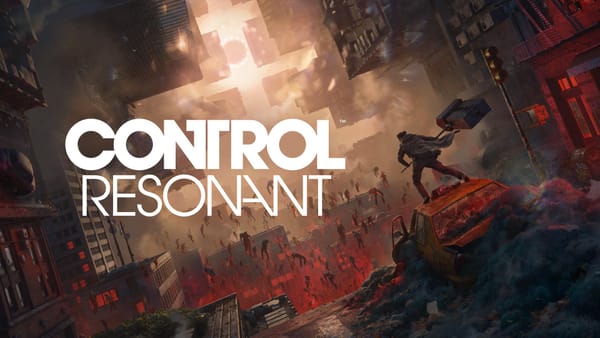
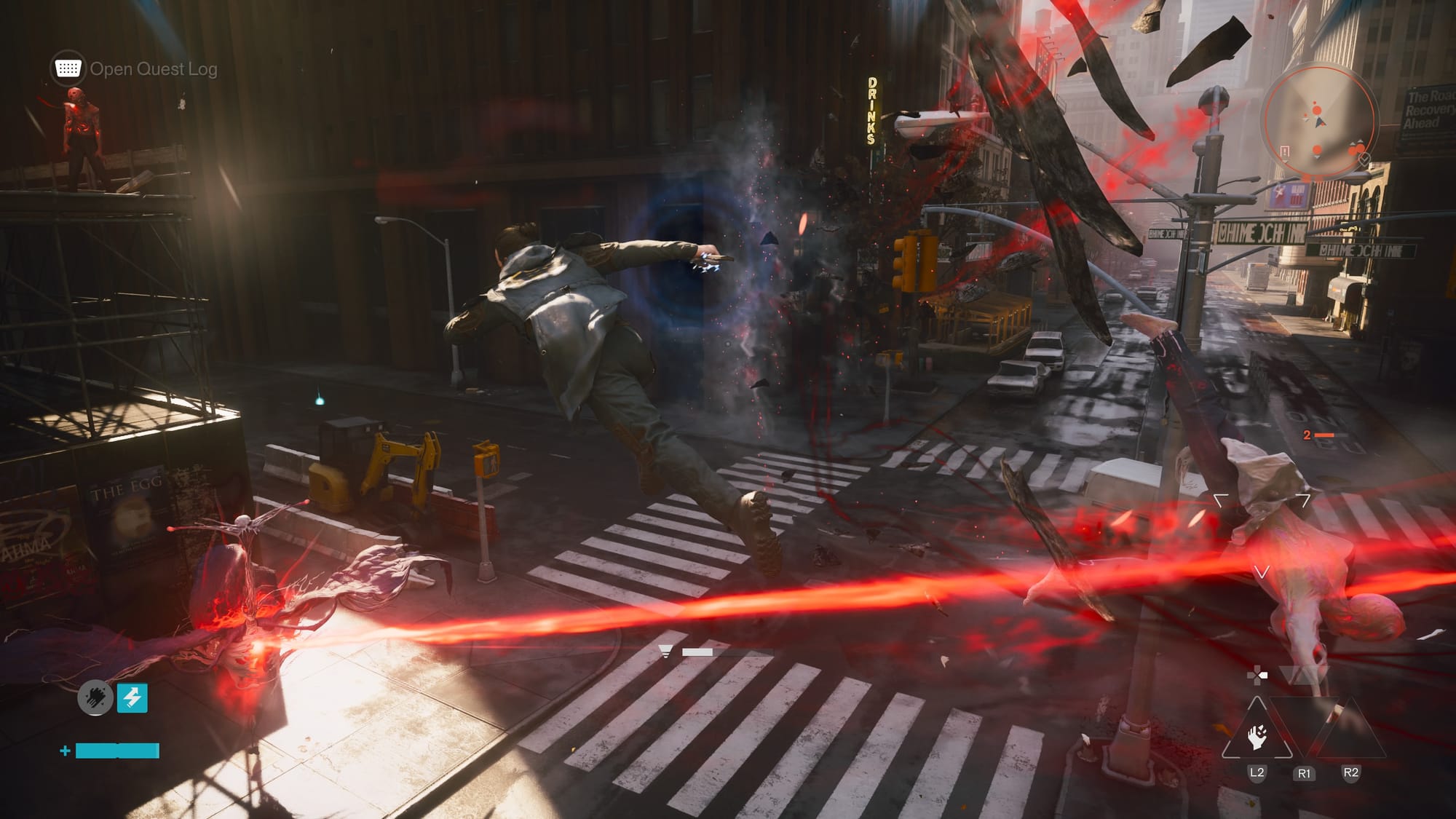
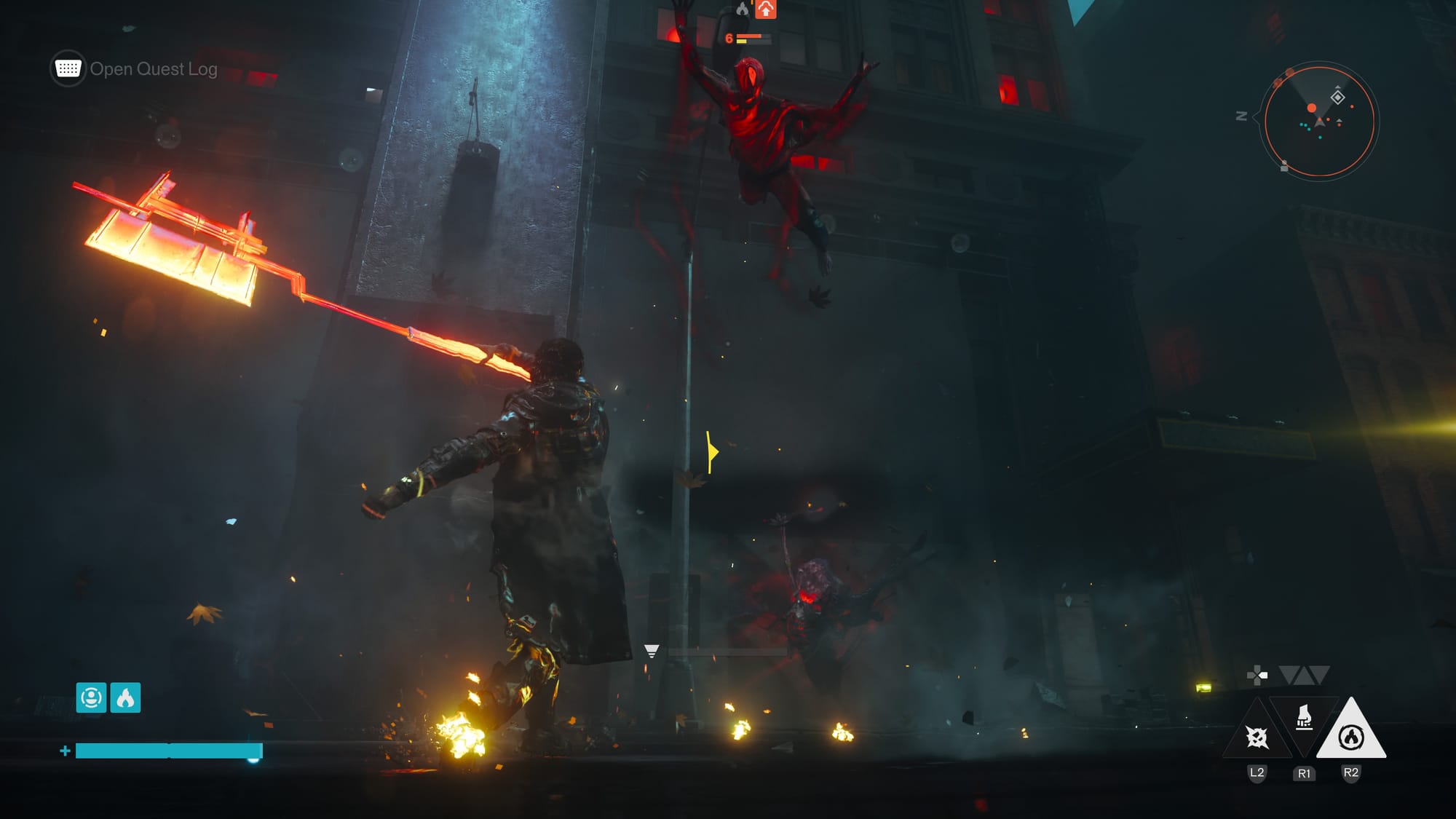
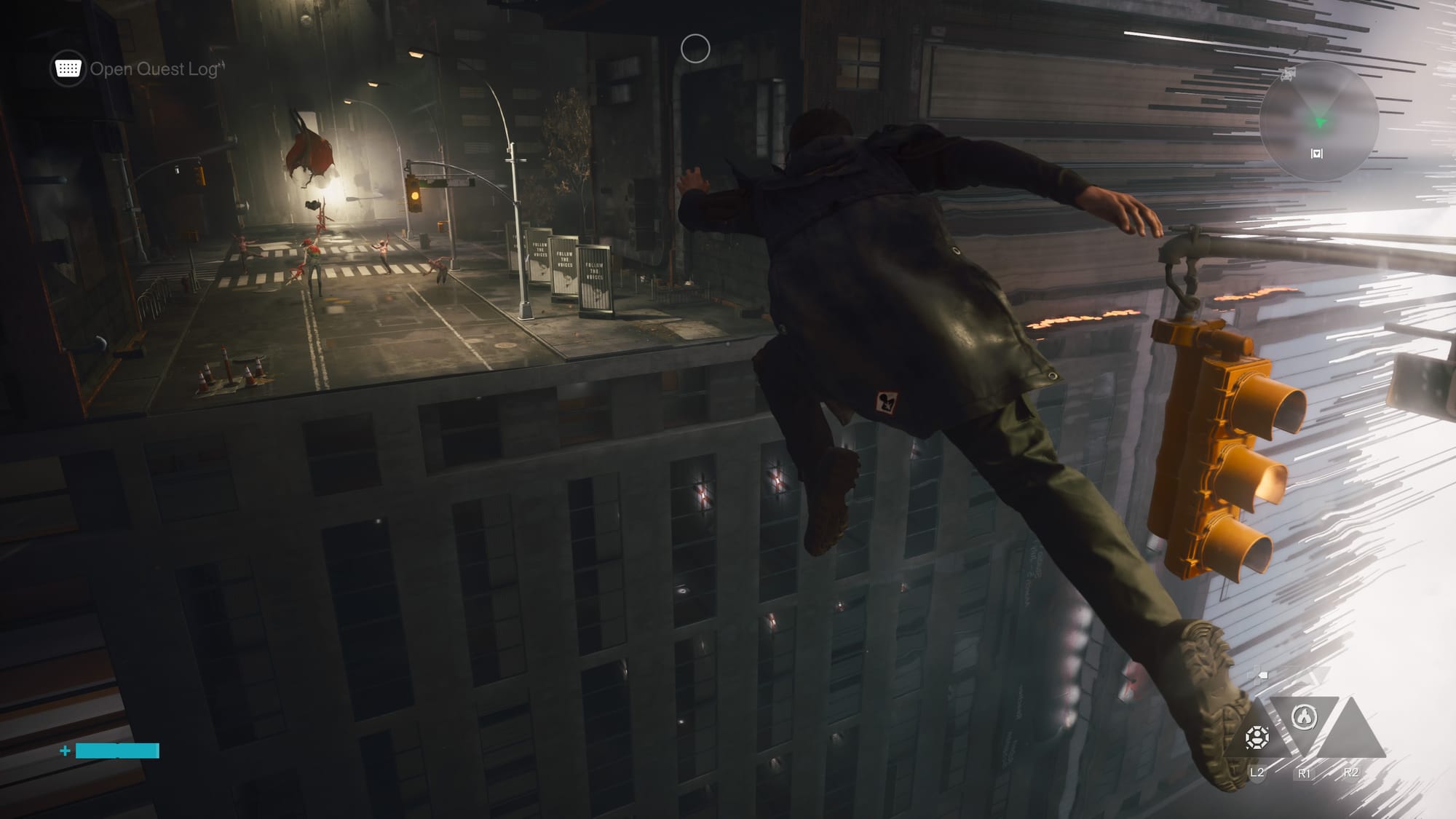
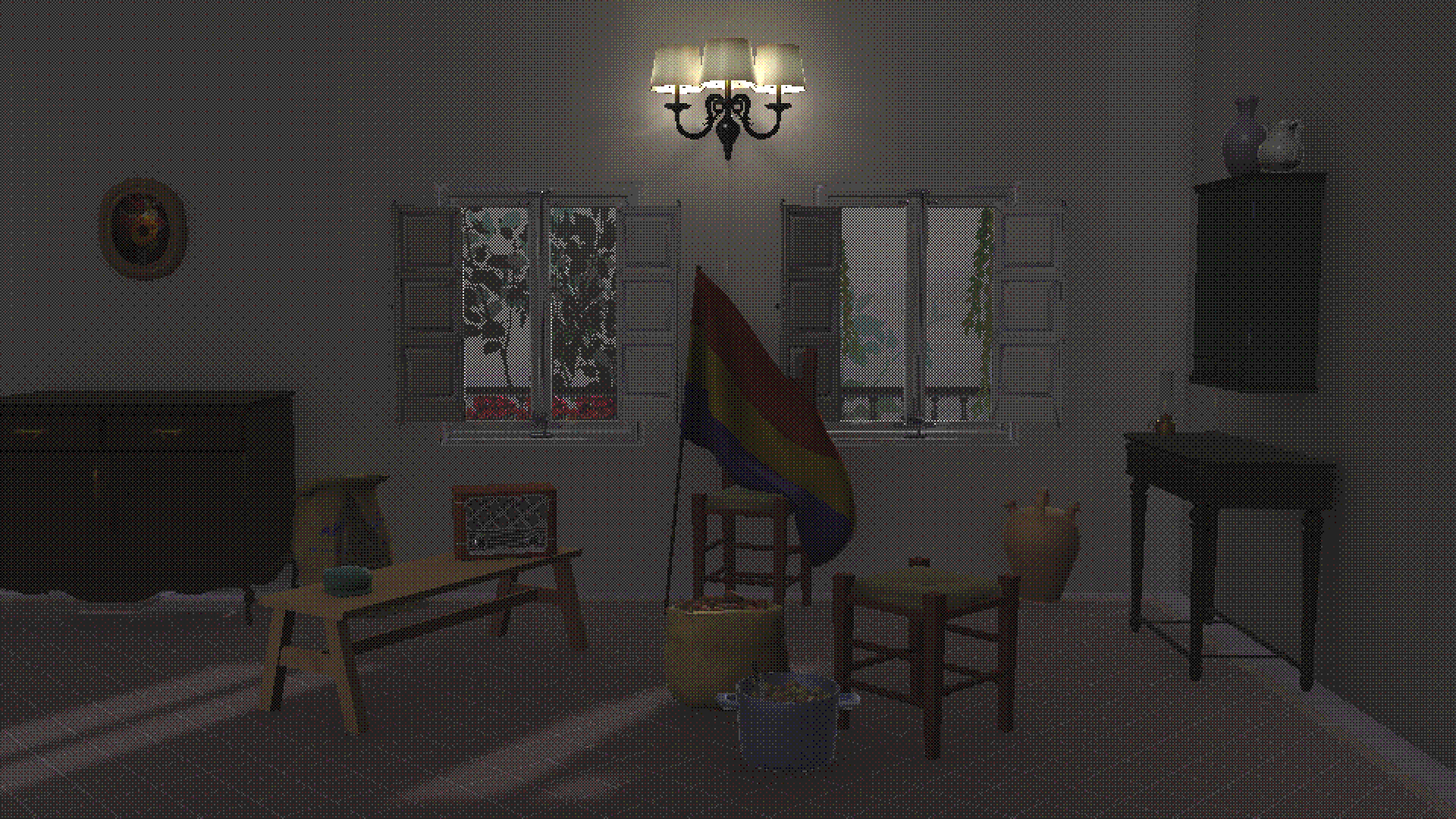
It takes courage to make such major changes to a sequel. Instead of the third-person gunplay seen in Control, Remedy Entertainment has opted for intense melee combat and a new protagonist in Control Resonant, which is set in a game world brimming with outlandish and creative ideas.
Although it took some time to gain traction, Control (2019) has been a huge hit for Remedy Entertainment, selling over six million copies to date. Not only did it showcase real-time ray tracing in games, it was also an extremely creative, twisted and intense action-adventure with a mysterious storyline. Initially published by 505 Games, Remedy bought back the rights to the series in February 2024 for up to €17 million, as the Finnish company had ambitious plans for the franchise. These included the cooperative multiplayer spin-off FBC: Firebreak, which was a flop. Nevertheless, this demonstrated Remedy's willingness to experiment and abandon conventional approaches. However, things are really taking off in Control Resonant.
Set seven years after the events of Control, the sequel sees players take on the role of Dylan Faden, Jesse's brother. The story, as usual, is multi-layered and twisted. It begins with Jesse seemingly attempting to kill her brother before the Director of the Federal Bureau of Control disappears. But that's not all — the entities imprisoned in the Oldest House have escaped and are running riot in Manhattan. Dylan must therefore explore a paranaturally twisted Manhattan, searching for his sister and answers. It's a bold decision to swap the main character so easily, especially since Dylan wasn't particularly likeable in the first game. However, he does undergo a positive development in Resonant, doesn't he?
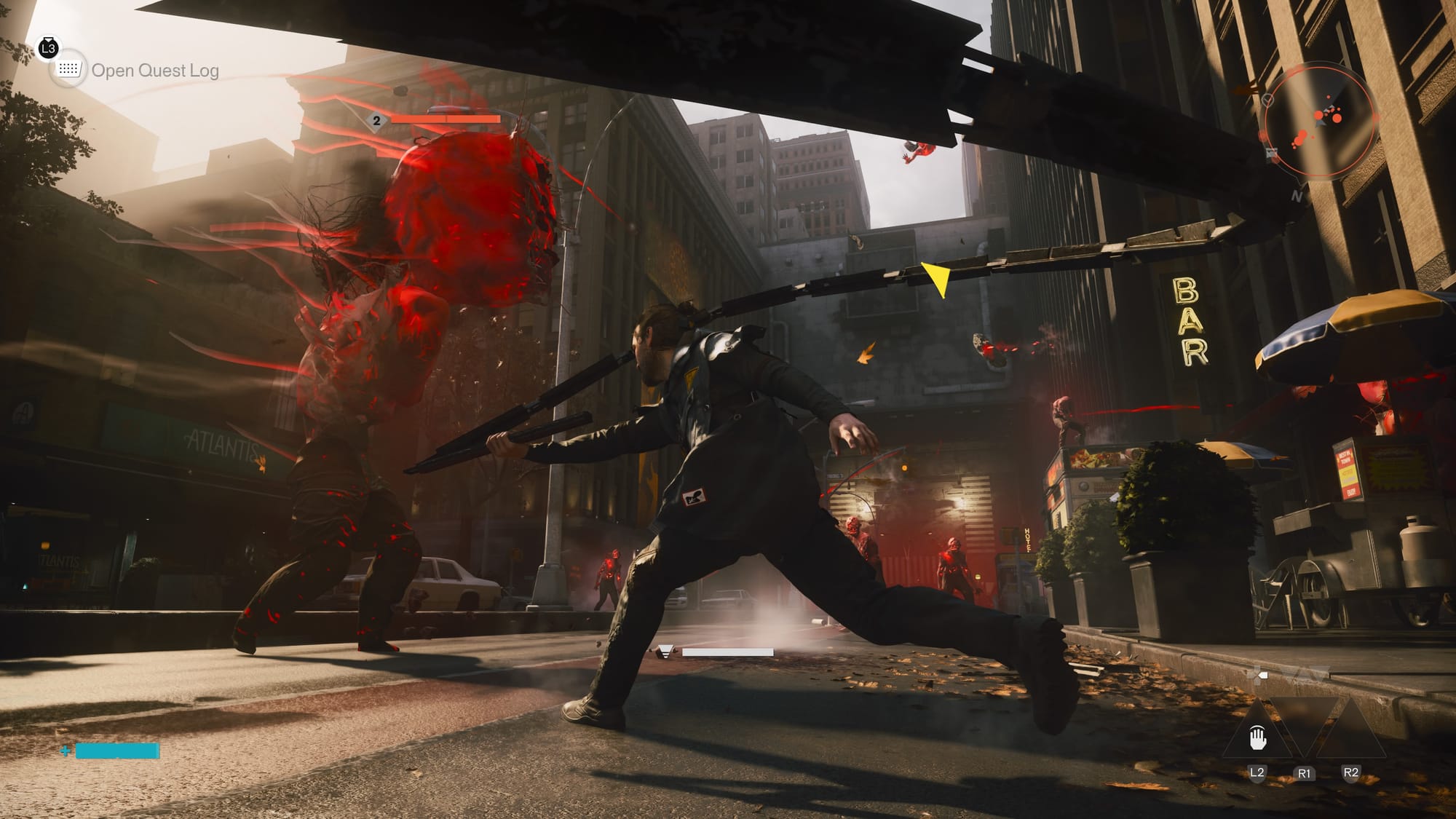
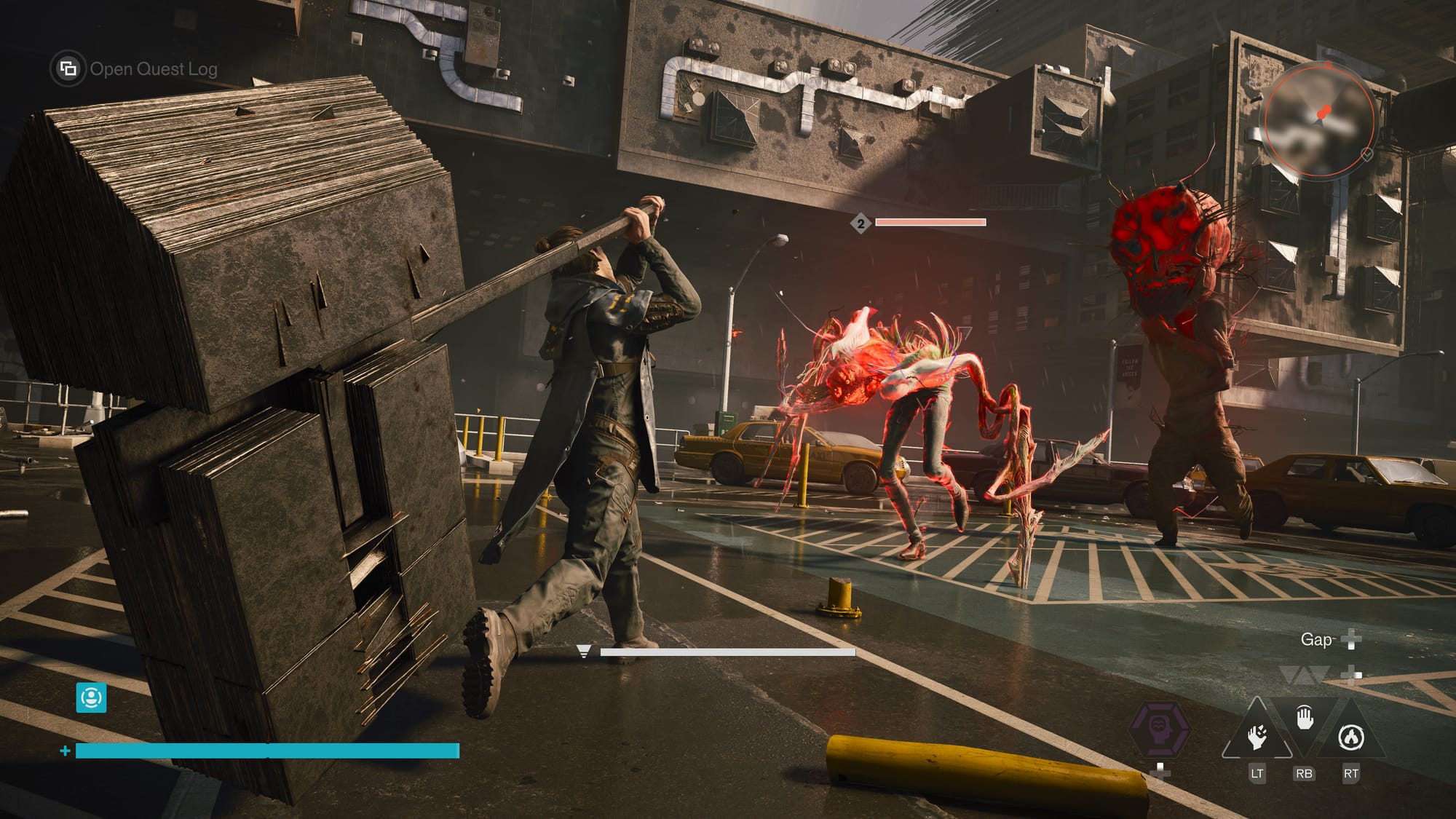
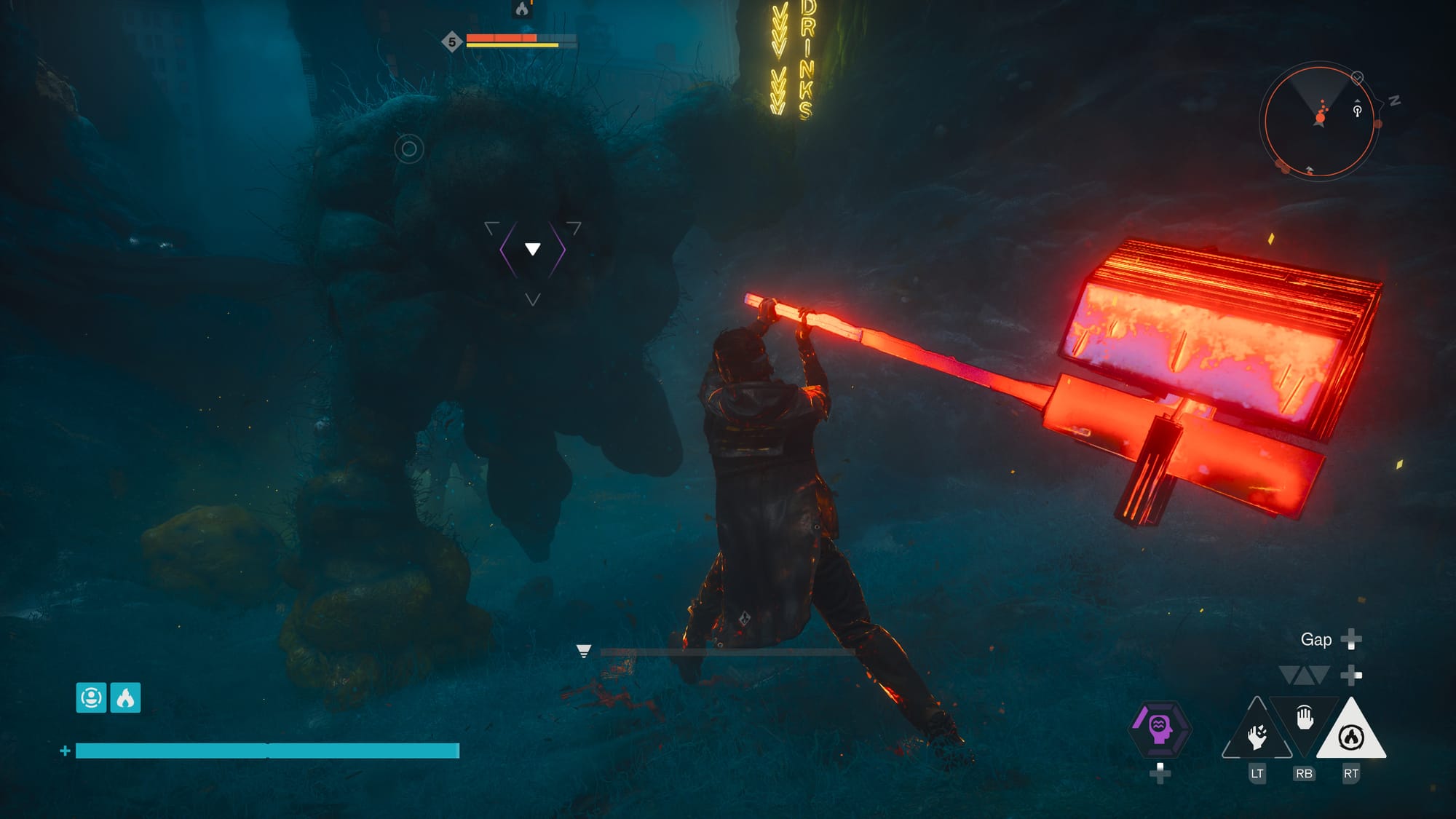
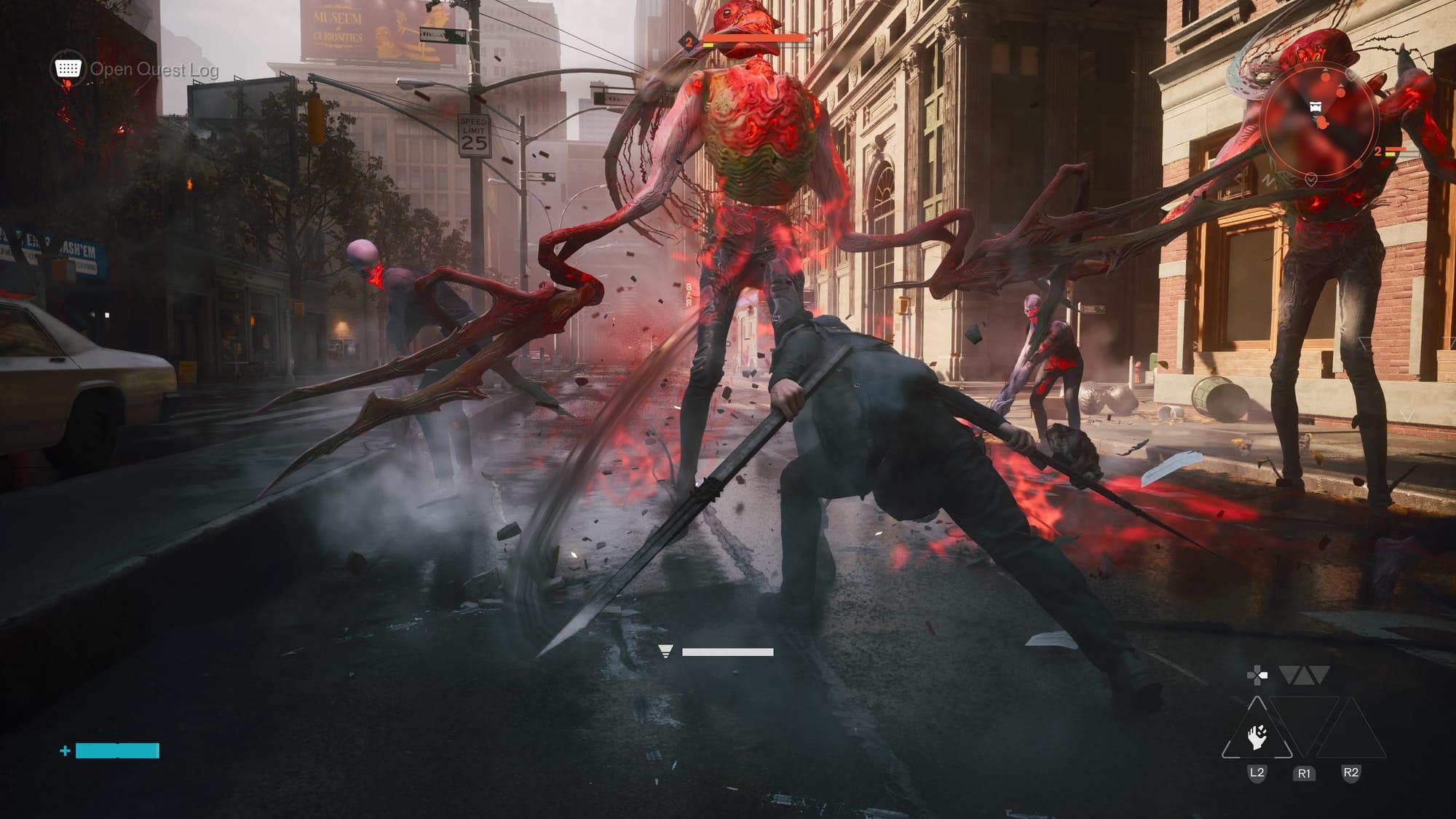
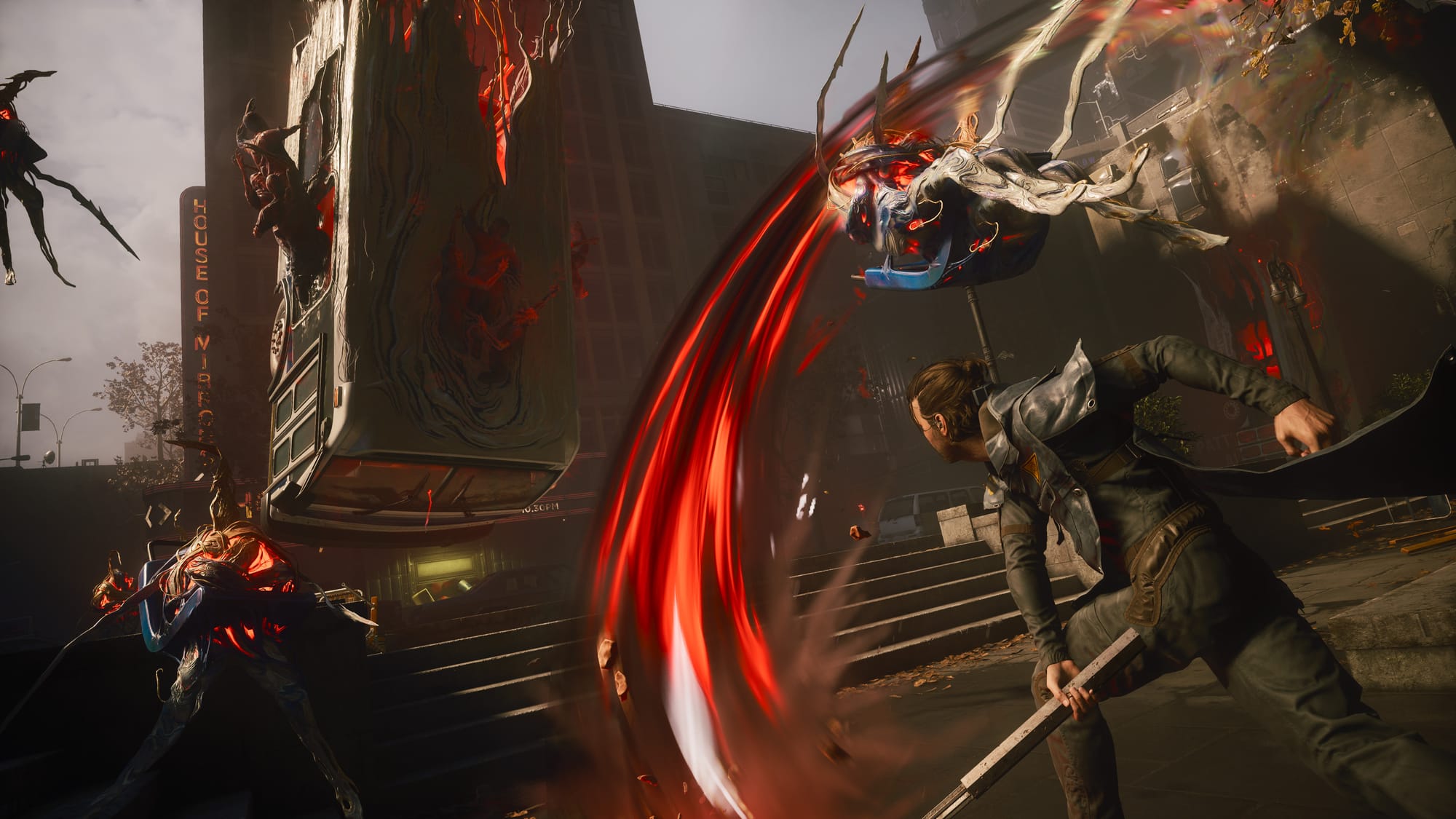
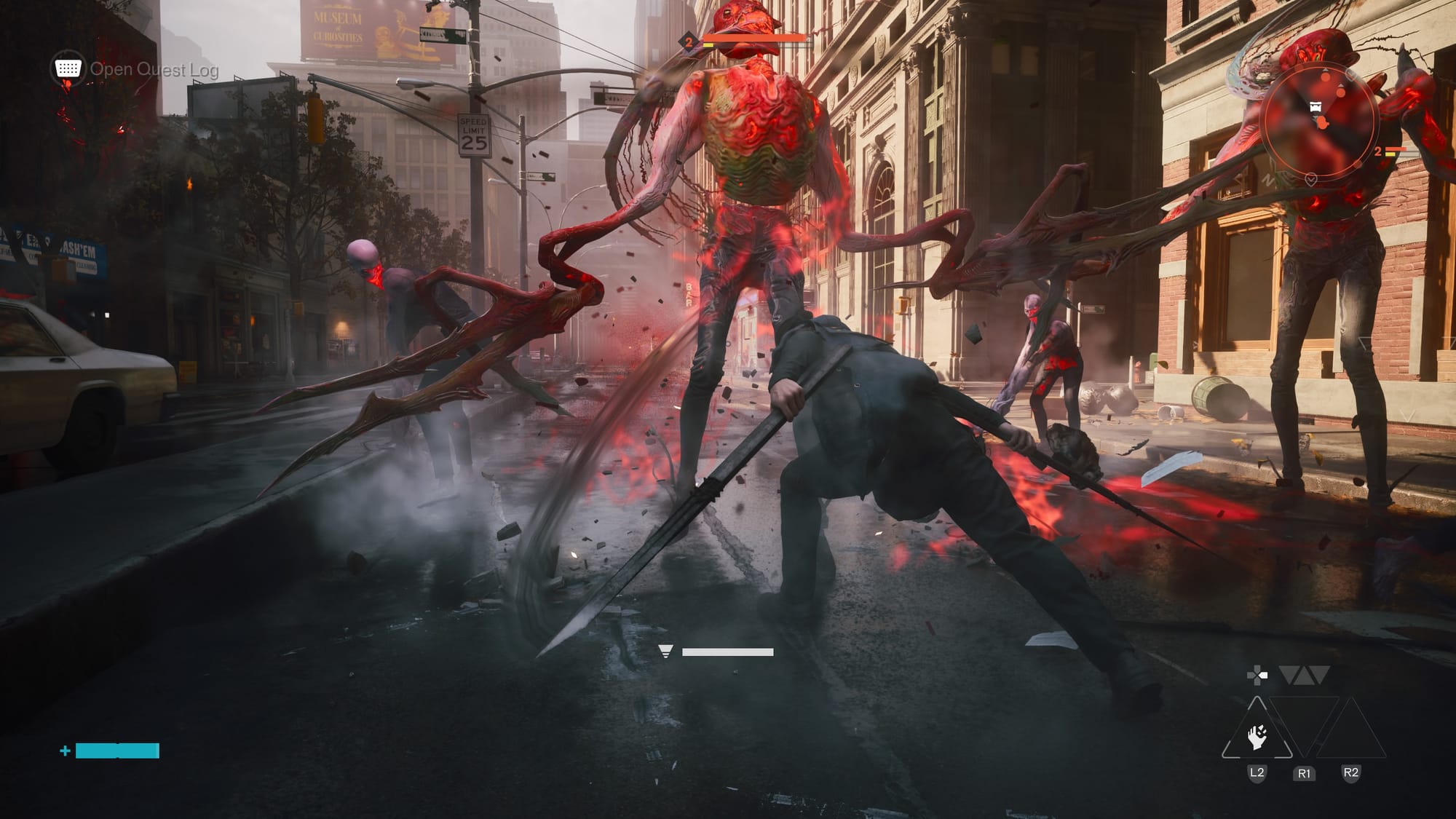
With Dylan, the combat system changes completely. While Jesse fought from a distance with her service weapon and unleashed highly satisfying telekinetic attacks, Dylan charges into close combat with the Aberrant – a shapeshifting rod that can transform into various forms for melee combat, such as a heavy hammer, a scythe, or dual-wielded blades. These forms differ in terms of attack speed, number of targets hit and the extent to which opponents are staggered. There are also charge attacks, secondary forms and combo finishers, each with their own skill tree offering plenty of scope for experimentation, even when fighting airborne enemies. Additionally, there are Glory Kills reminiscent of Doom that also trigger further effects. Melee hits fill the power bar, enabling particularly effective special manoeuvres.
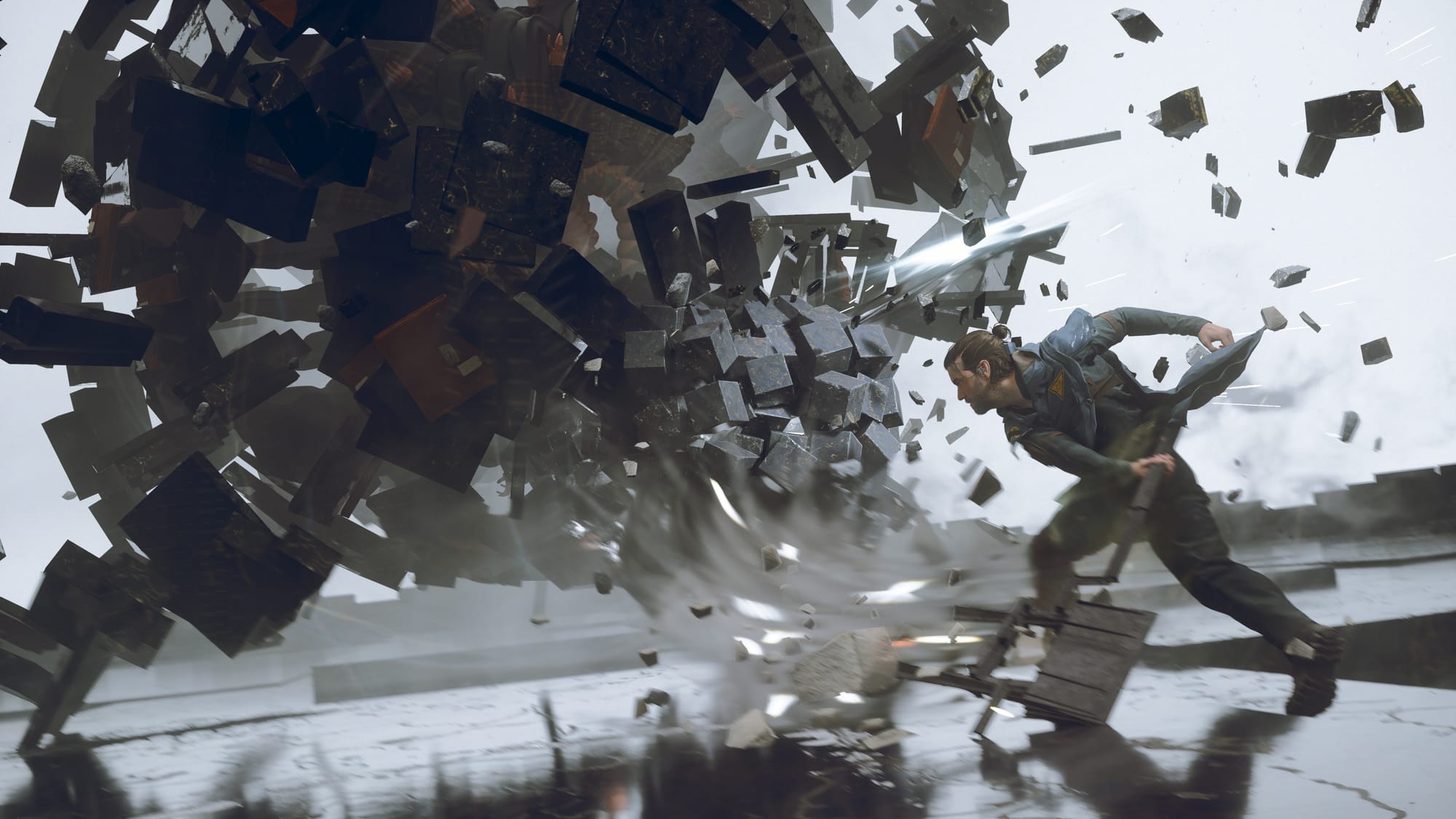
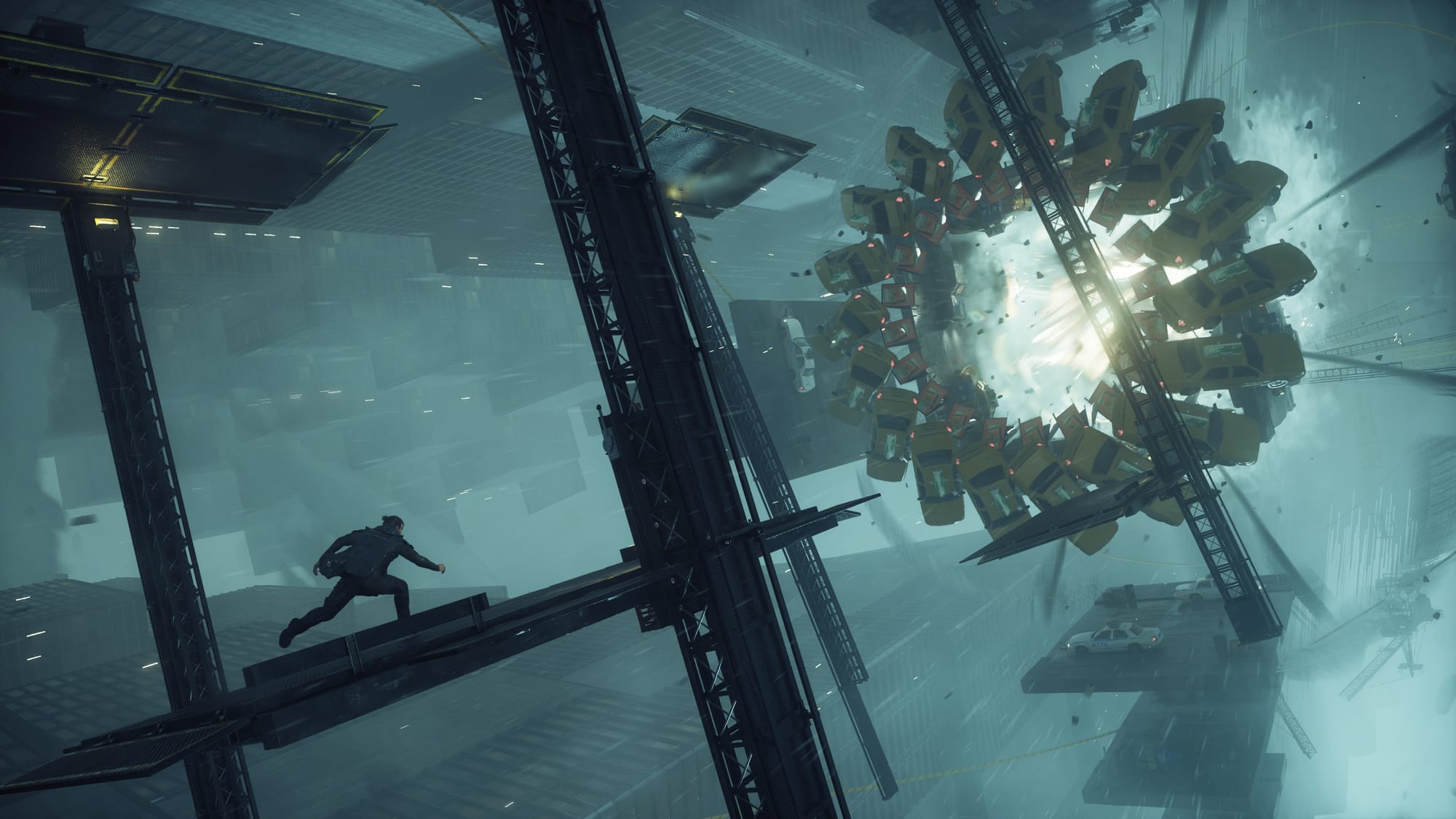
Dylan can also hurl stones plucked from the environment at enemies from a distance or use them as temporary cover. There is no standard block button; instead, dodging and quick movement are encouraged. The result is combat that constantly pushes forward and rewards aggression, even though Dylan seems rather vulnerable at the start. In the heat of battle, players must decide which enemy to prioritise, which can be taken out as an afterthought, and which weapon to use. The sheer force and intensity of the attacks are impressive and strongly reminiscent of Prototype - and Dylan – just like Jesse before him – repeatedly wreaks havoc on parts of the environment during his fights. There are also spectacular boss battles, both optional and mandatory. However, despite the quality of the combat system, it fails to sustain this level of excitement throughout the entire game and becomes repetitive a little repetitive over time.
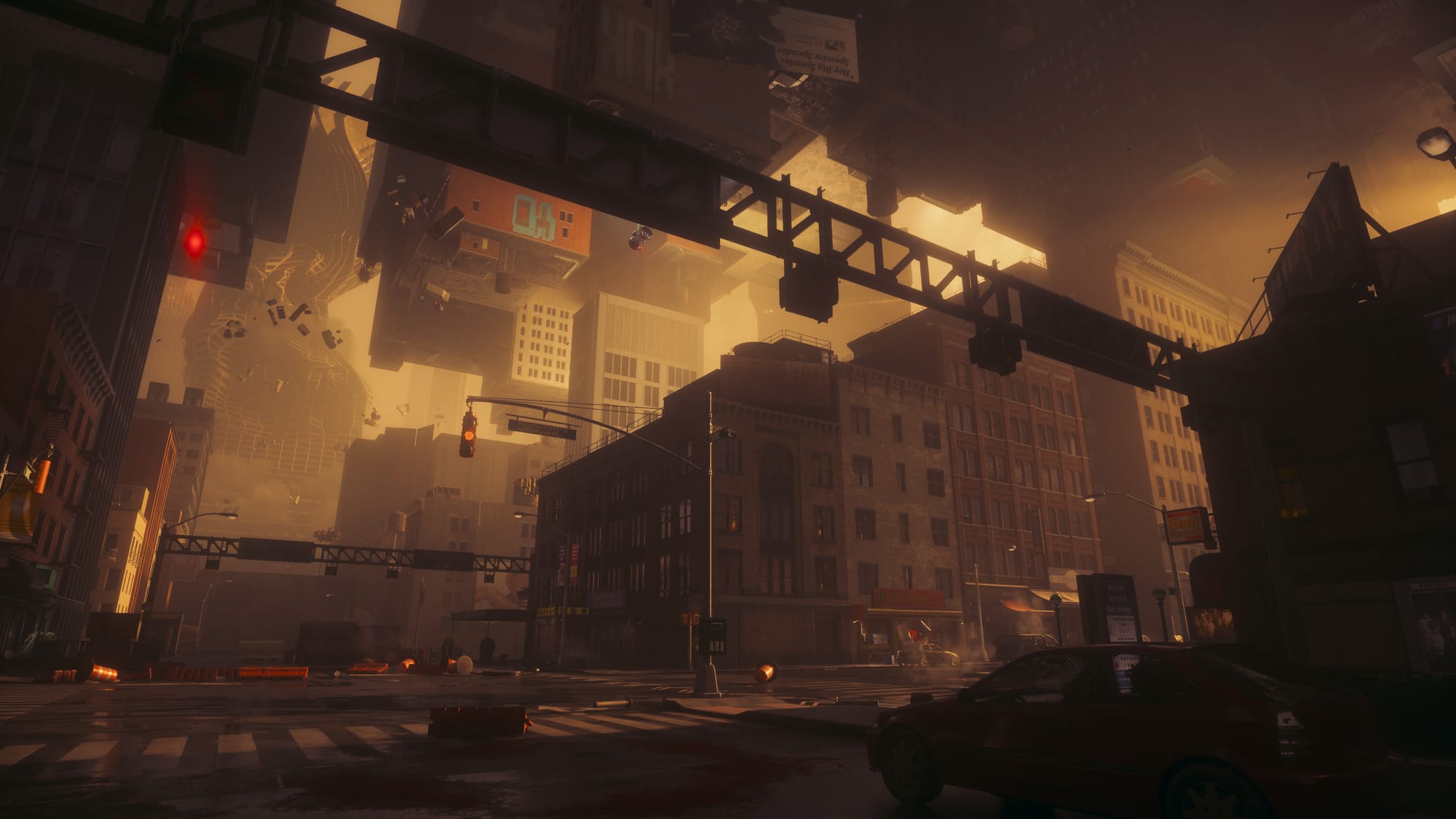
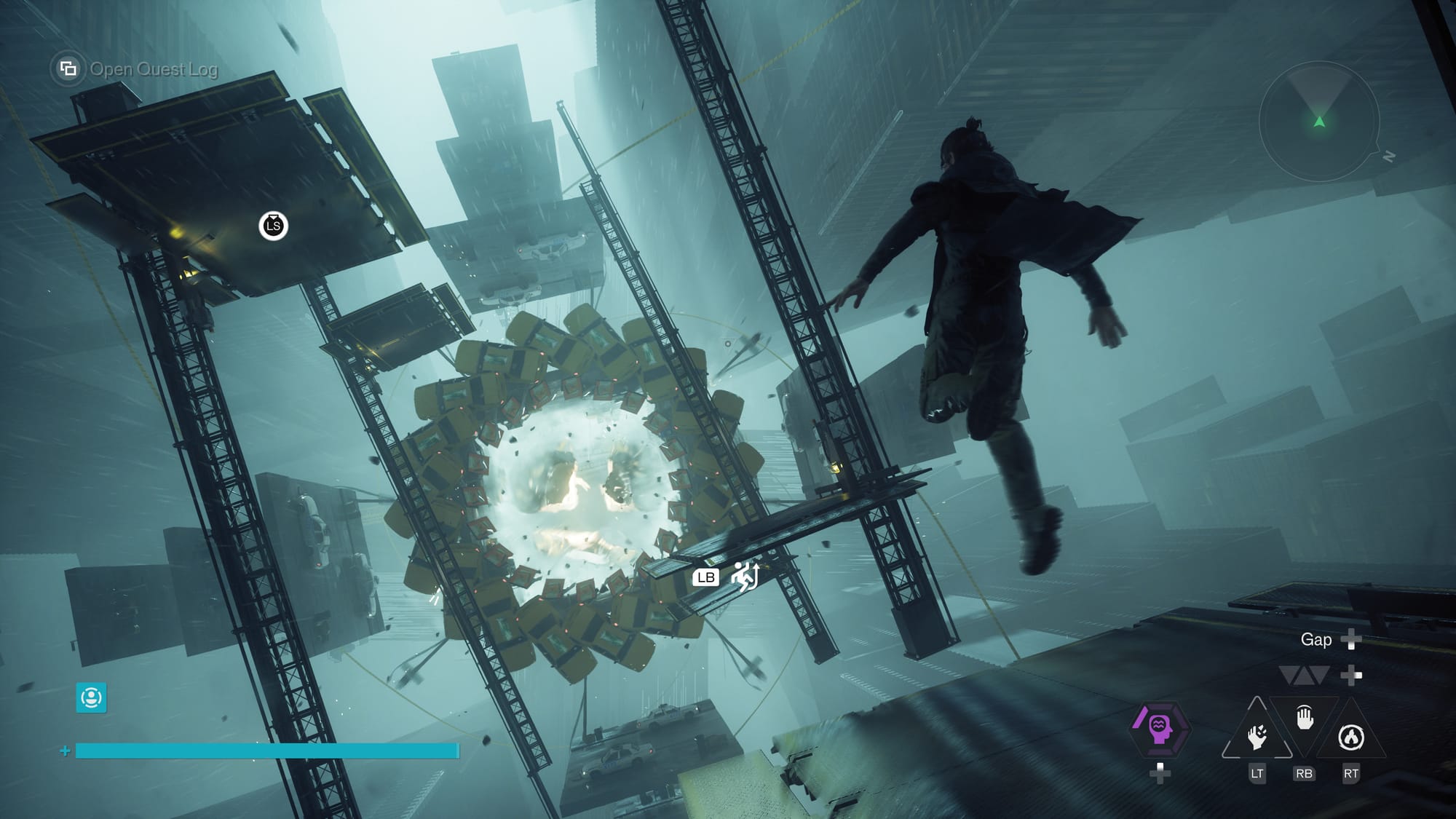
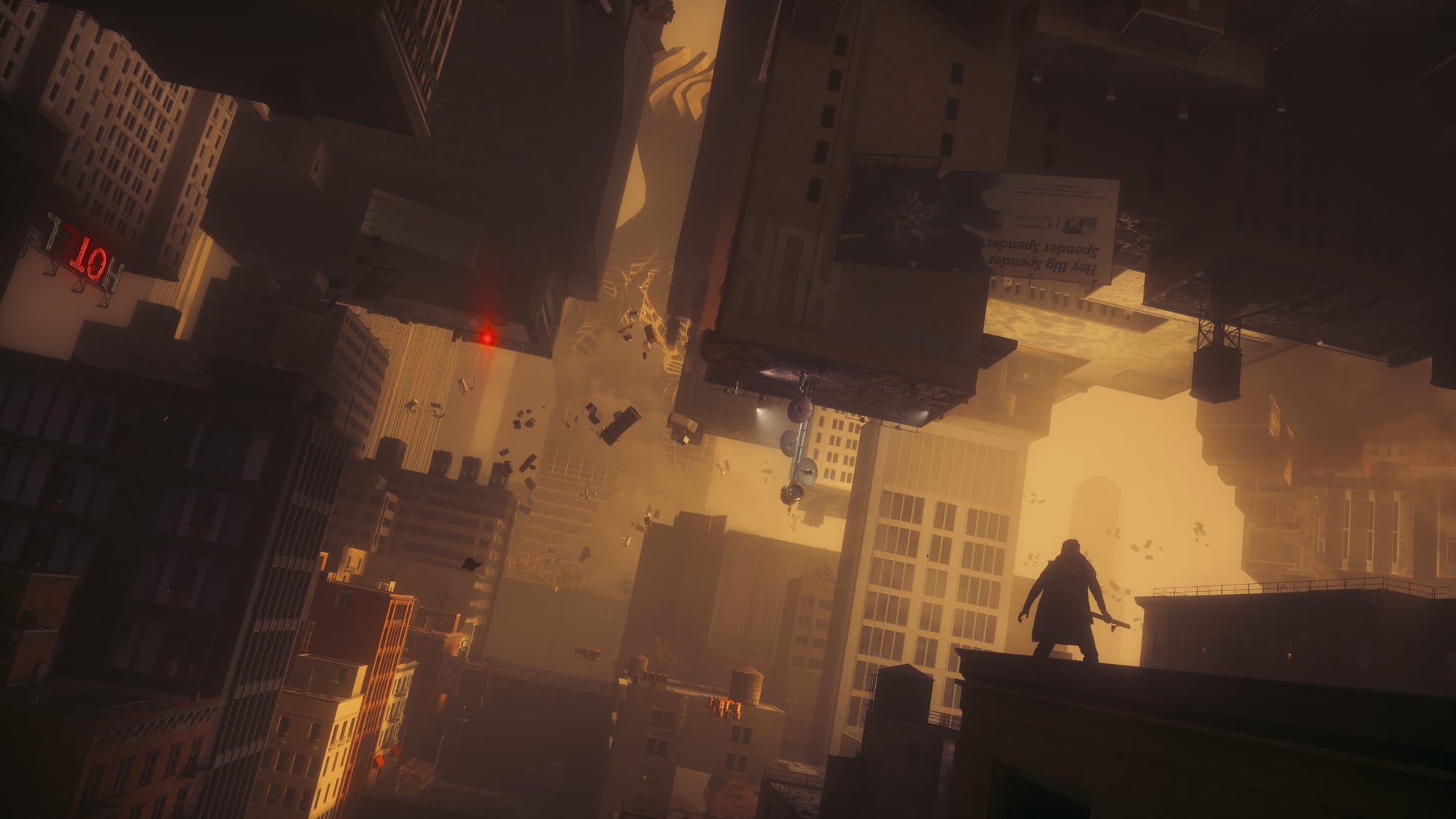
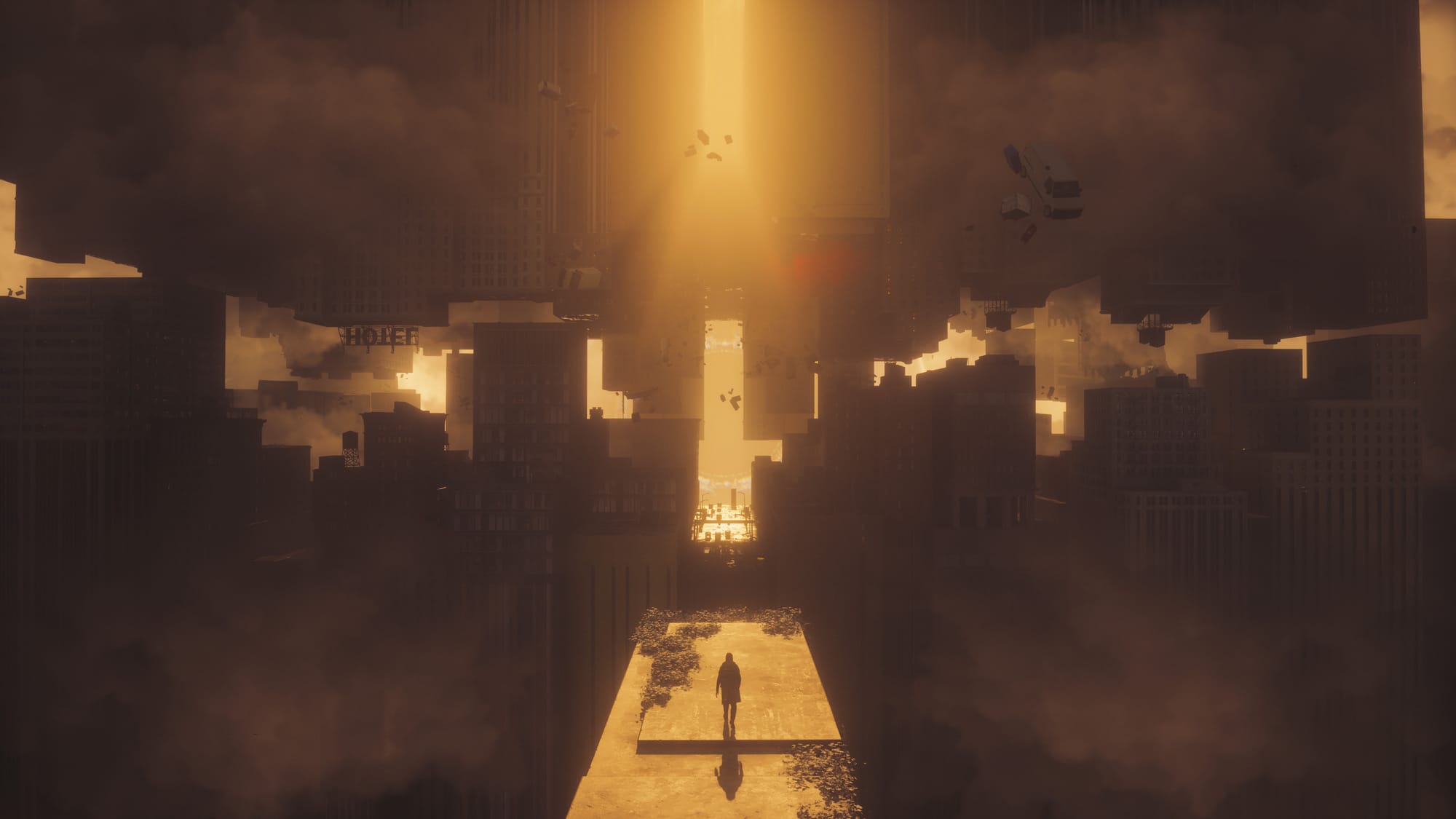
Fortunately, the game isn't just about combat. Travelling through the world with double jumps and quick dashes in mid-air is great fun, and despite the challenging level design, Dylan moves around smoothly. Later on, gravitational anomalies are introduced, where horizontal and vertical planes lose their usual significance. This opens up new paths and puzzles, which is awesome. In terms of level design, Remedy Entertainment has opted for an open-ended sandbox comprising several diverse zones consisting of exterior and interior levels, each with their own enemy factions — the largest environment Remedy has ever created for a game. These biomes contain story missions, side quests — such as hunting down rogue Altered Items — boss fights and puzzles to solve. The puzzles can actually be quite tricky, but there are always helpful hints. A few standard open-world elements have also been included, such as unlocking the zone map. Incidentally, the more active players are in each zone, the higher its level rises, unlocking rewards, gameplay bonuses, and new challenges.
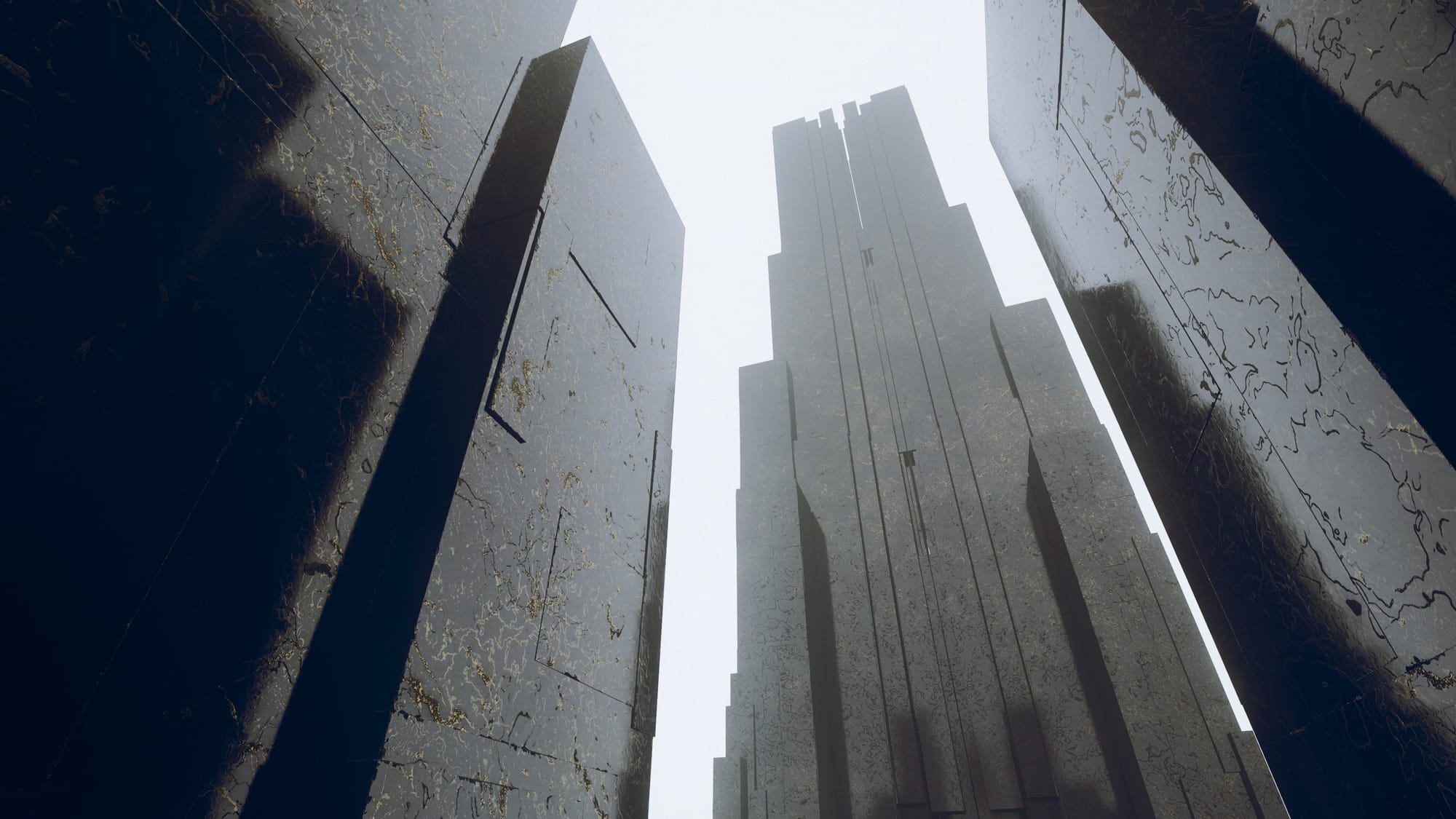
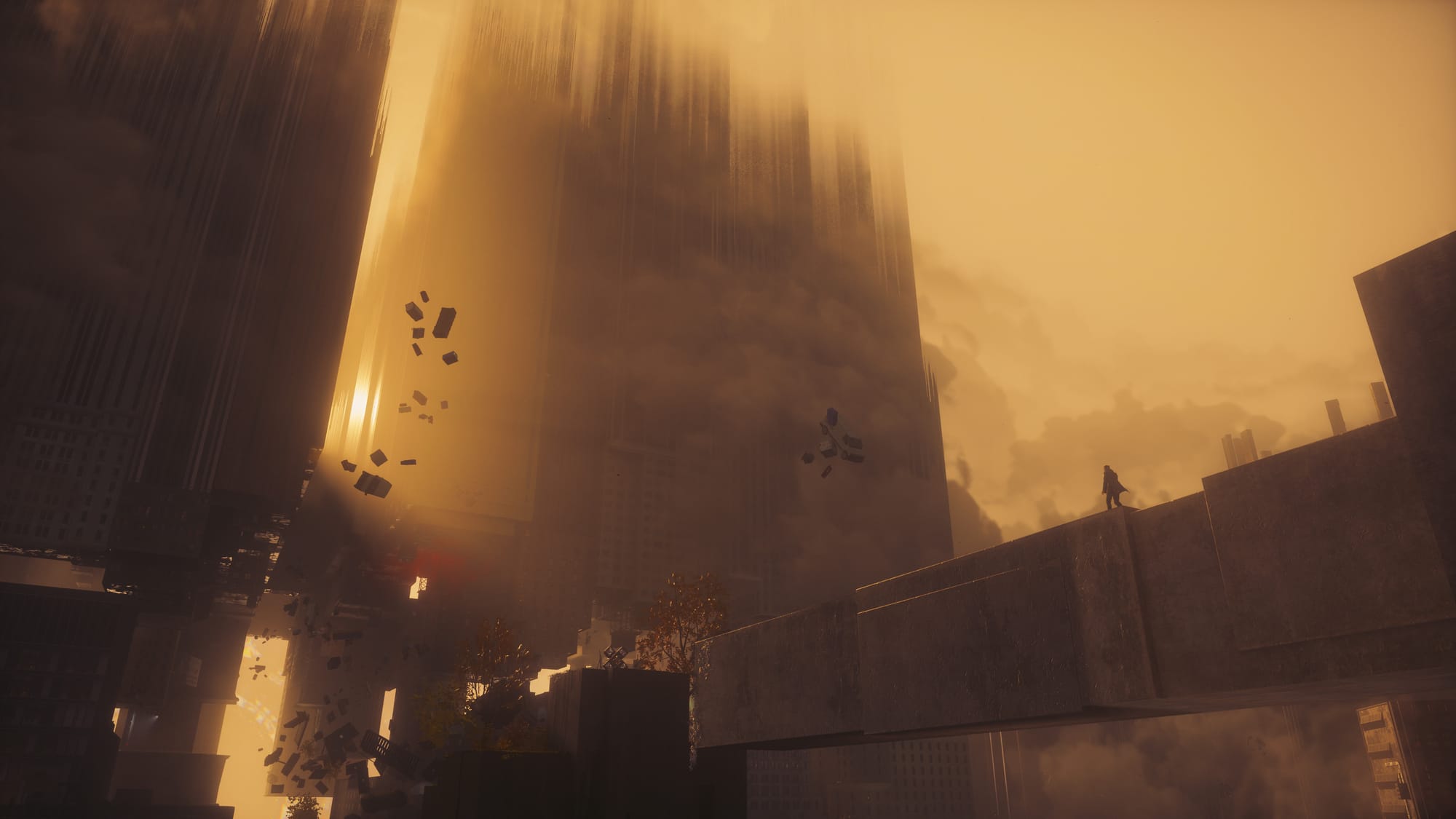
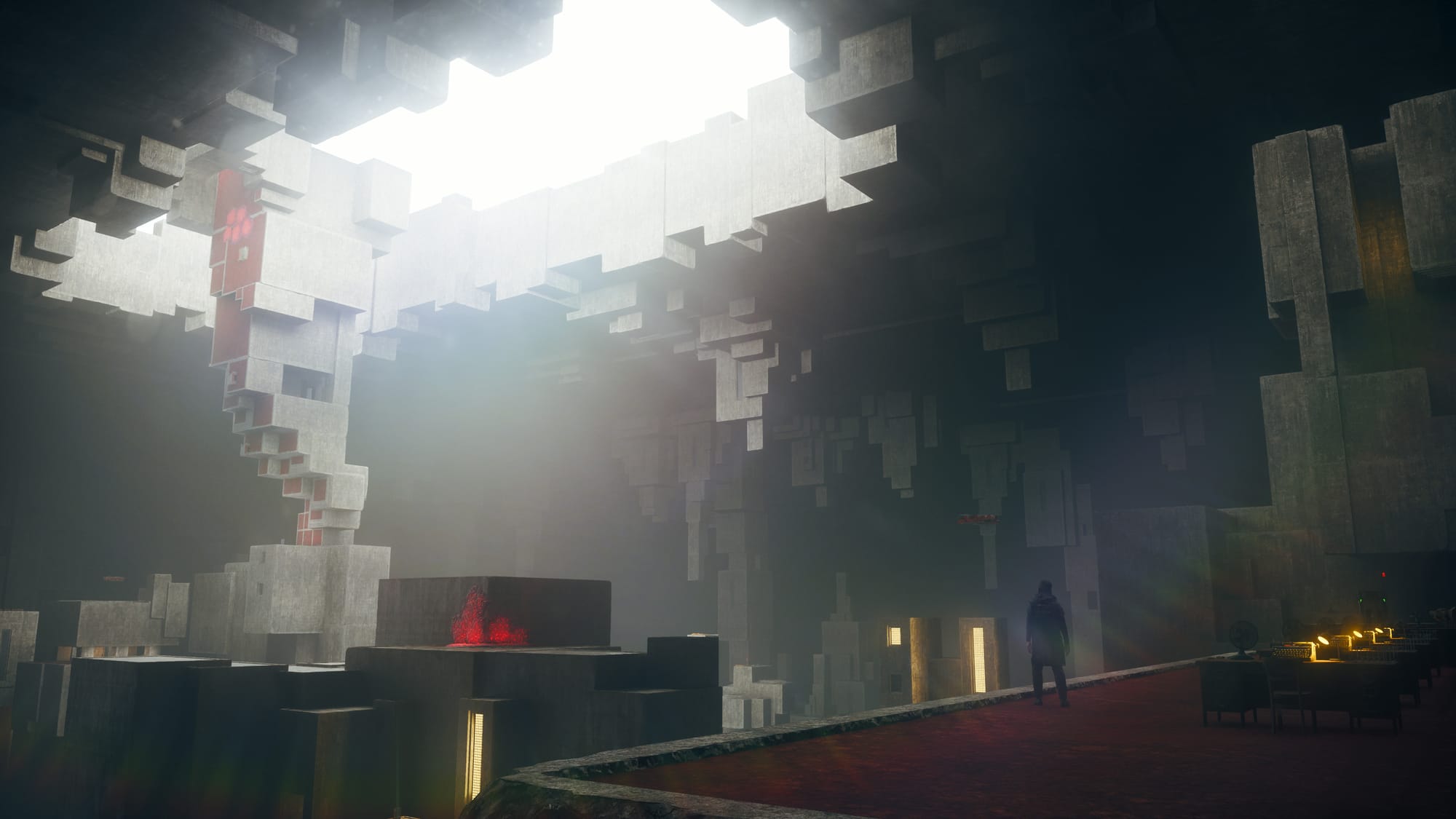
Although I personally find it a shame that I can't discover more of the Oldest House, the game once again delivers an astonishingly well-crafted blend of combat, platforming, puzzles, character upgrades and exploration. This time, however, it comes complete with a map (which was added to Control via a patch) and helpful markers and icons. That said, not everything is marked on it. Exploring the world is a joy because, just as in Control, much of it is bizarre, liminal and paranormally outlandish. It is reminiscent of Inception in parts and goes even further with mirrored patterns, mysterious phenomena, interdimensional entities, shifted reality and temporal layers. There are also family traumas. The story is offbeat, idiosyncratic and wild, and will naturally raise many questions. Nevertheless, the opening drags on a little too long. Despite the differences from its predecessor, the familiar feeling of being in the Control universe remains, primarily thanks to the art style, but also the UI design. As with its predecessor, Remedy impresses with its fantastic art style, stunning lighting, multi-layered projections and film sequences, as well as its constant play with perspective. The powerful soundscape comprises music and sound effects. The only drawback is that the German voice-over isn't quite lip-synchronised.
Control Resonant does away with traditional difficulty levels, though the default setting is quite challenging. Instead, there is an Assist Mode, similar to Doom: The Dark Ages, where players can adjust numerous options using a wide range of settings, including enemy aggression, health regeneration, the dodge window and invincibility. These options can be tweaked at any time without disabling achievements or trophies. However, the developers intend for players to try the game as it is first and then adjust the settings if they wish. "However, our philosophy is straightforward: if you run into a wall and the friction becomes too much, we would much rather you tweak the rules to overcome it than put the controller down and stop playing. Your time is valuable, and there's no single right way to experience the game. Because of that, we absolutely do not gate any trophies or achievements behind these settings. Play the game exactly how you need to," explain the developers. This mode is certainly something that should be adopted more widely. By the way, it is also possible to adjust UI elements and turn off the quest tracking, etc.
The game also offers path-tracing support on PC, provided the user has sufficiently powerful Nvidia hardware. Path tracing tracks the path of light through a scene via multiple interactions, improving the consistency of direct and indirect lighting. The game supports path-traced reflections, indoor lighting and shadows. Meanwhile, the second-generation transformer model in DLSS 4.5 Ray Reconstruction ensures sharper, more stable and higher-fidelity images. Control was already one of the best showcases for real-time ray tracing in games, and Control Resonant takes this a step further. Remedy's Northlight Engine is relatively scalable and delivers good image quality with rasterisation, but the game truly shines with path tracing.
Founded in 1995, Remedy Entertainment is a video game company headquartered in Finland, with an office in Stockholm, Sweden. Renowned for its visually stunning, story-driven action games, Remedy is the creative force behind popular franchises such as Control, Alan Wake, and Max Payne. In addition to Control Resonant, the studio is currently working on a remake of Max Payne 1 & 2 in collaboration with Rockstar Games. The project is in full production. Furthermore, the company is working on another unannounced project in the early stages of development. Remedy's shares are listed on Nasdaq Helsinki's main list. Control Resonant is the studio's most ambitious game to date, with Annapurna Pictures providing co-financing and co-production as part of a strategic partnership. Remedy is self-publishing the game, which will be their most localised yet. It will feature full audio, interface, and subtitles in English, Brazilian Portuguese, French, German, Italian, Japanese, Simplified Chinese, and Spanish (Spain). Additional interface and subtitle support will be available in Korean, Polish, Russian, Spanish (Latin America), Traditional Chinese, Turkish and Ukrainian.
Control Resonant is launching worldwide on 24 September 2026 for PlayStation 5, Xbox Series X|S and PC via Steam and the Epic Games Store. GeForce Now support will be available at launch. Physical editions for PlayStation 5 and Xbox Series X|S will be released on 15 October 2026. The Standard Edition of the game will cost €59.99 / £49.99 / $59.99. The Digital Deluxe Edition will be priced at €69.99 / £59.99 / $69.99 - it includes the base game, the AWE Mission Outfit for Dylan, the Exclusive Untapped Artifact (Wallet), the Starter Resource Bundle, the Digital Artbook and the Original Soundtrack. The Artbook and Soundtrack will be available in-game in the main menu. The PlayStation 5 Digital Deluxe Edition also includes 48-hour early access. The game will also be available on Mac via Steam and the App Store later in 2026.
Conclusion
The bold shift in genre and main character has paid off. Despite some minor pacing issues, Control Resonant is an exceptional sequel featuring intense combat, smooth traversal and a spectacular, surreal game world that rewards exploration. It's yet another fantastic, idiosyncratic and unique game from Remedy Entertainment!
Features
Aggressive, dynamic melee combat in a character-driven, hack-and-slash style with stunning traversal
An amazing and unique world, brimming with ideas and audiovisual power
Marcel Kleffmann is Chief of Content of GamesMarket and our B2B and B2C expert for hardware, market data, products and launch numbers with more than two decades of editorial experience. (marcelDOTkleffmannATgamesmarktDOTde)