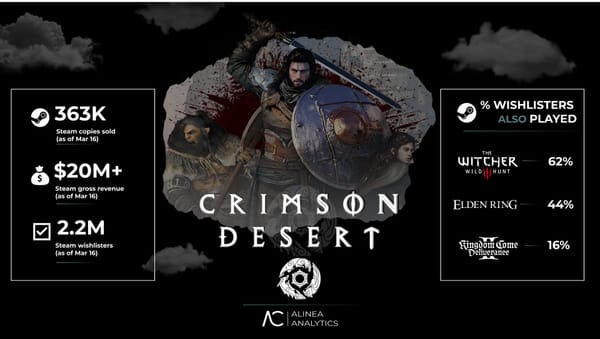
Mechs, dragons, magic and a wide variety of fighting styles in a huge, vibrant open world. Crimson Desert from Pearl Abyss aims to offer all this and more — and with over three million people adding it to their wishlists, it's already one of the biggest game releases of the year.
Initially planned as a prequel to Black Desert Online, Crimson Desert was intended to become a MMO, however, during development, Pearl Abyss's vision for the game shifted towards a single-player experience based on their next-generation proprietary engine. Firstly, Crimson Desert is not a role-playing game, but rather an action-adventure game in the style of Zelda: Breath of the Wild, Star Wars Outlaws or Red Dead Redemption 2. It is set in a vast open-world sandbox environment called Pywel, in which players can engage in a variety of activities. There is no classic level-up system with XP. Instead, character progression is based on Abyss fragments, which unlock and improve skills by collecting Abyss artifacts gained in battle, from bosses, or through exploration. This enables players to unlock the playstyle they want. Some skills can also be earned directly through exploration or by completing certain quests. Combat strength is determined by the player's skill and the equipment they use. These items do not have randomly generated stats.
Weapons and armour are unique but can be upgraded using materials earned through mining, defeating bosses, completing quests and exploring. This enables players to customise their playstyle further by applying bonus attributes and special effects to their equipment. Mining, crafting, gear upgrades and character progression are all interconnected. Players start the game with the mercenary Kliff, who has a specific moveset, and progress through the largely linear single-player storyline. He belongs to the Greymanes mercenary group, who are the protectors of Pywel. At the beginning of the game, they are defeated and driven out. The initial objectives are therefore to reunite the scattered Greymanes, establish a new home in unfamiliar territory, and combat the emerging threats. As players progress through the main story, they unlock two additional playable characters: Damian and the Orc Oongka. These characters offer a different playing experience, but are not as well developed as Kliff. Crimson Desert begins fairly gradually and down to earth, but opens up more and more, becoming increasingly fantastic. The main story is just average. It's neither particularly original nor well-told, and it often seems confusing and poorly structured. The side quests, however, are usually better. One thing is certain: Crimson Desert isn't played for its story or characters.
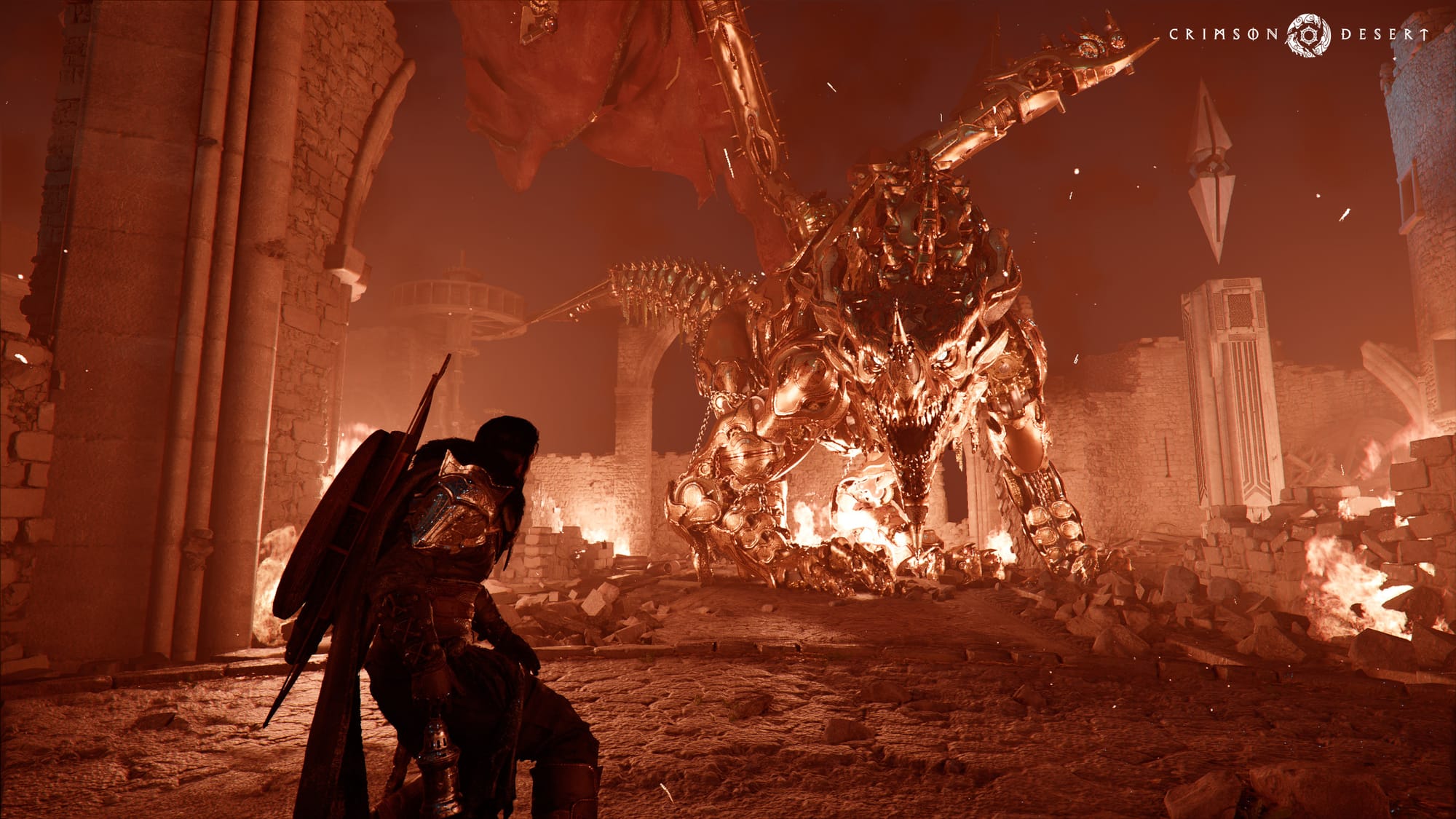
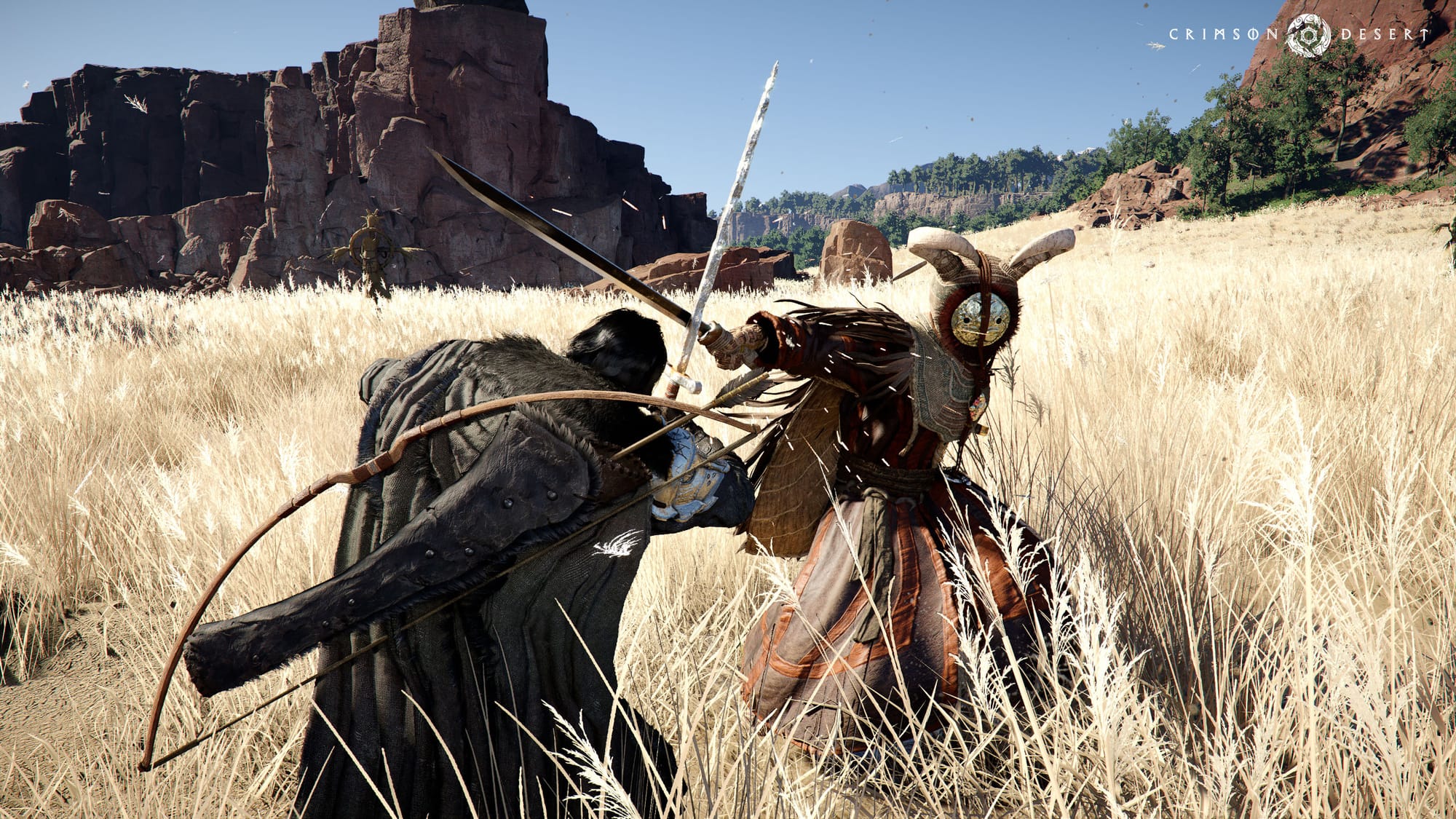
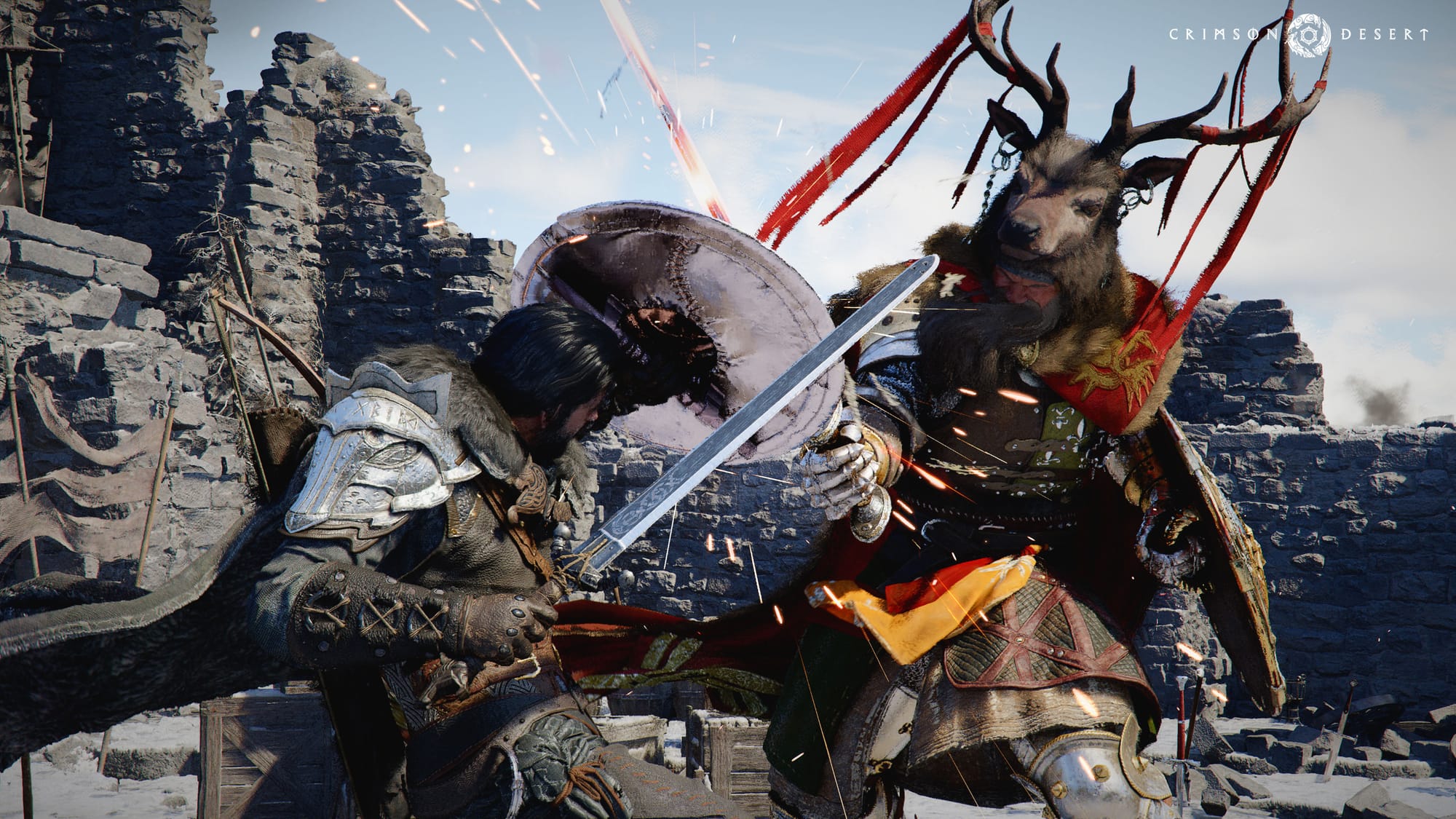
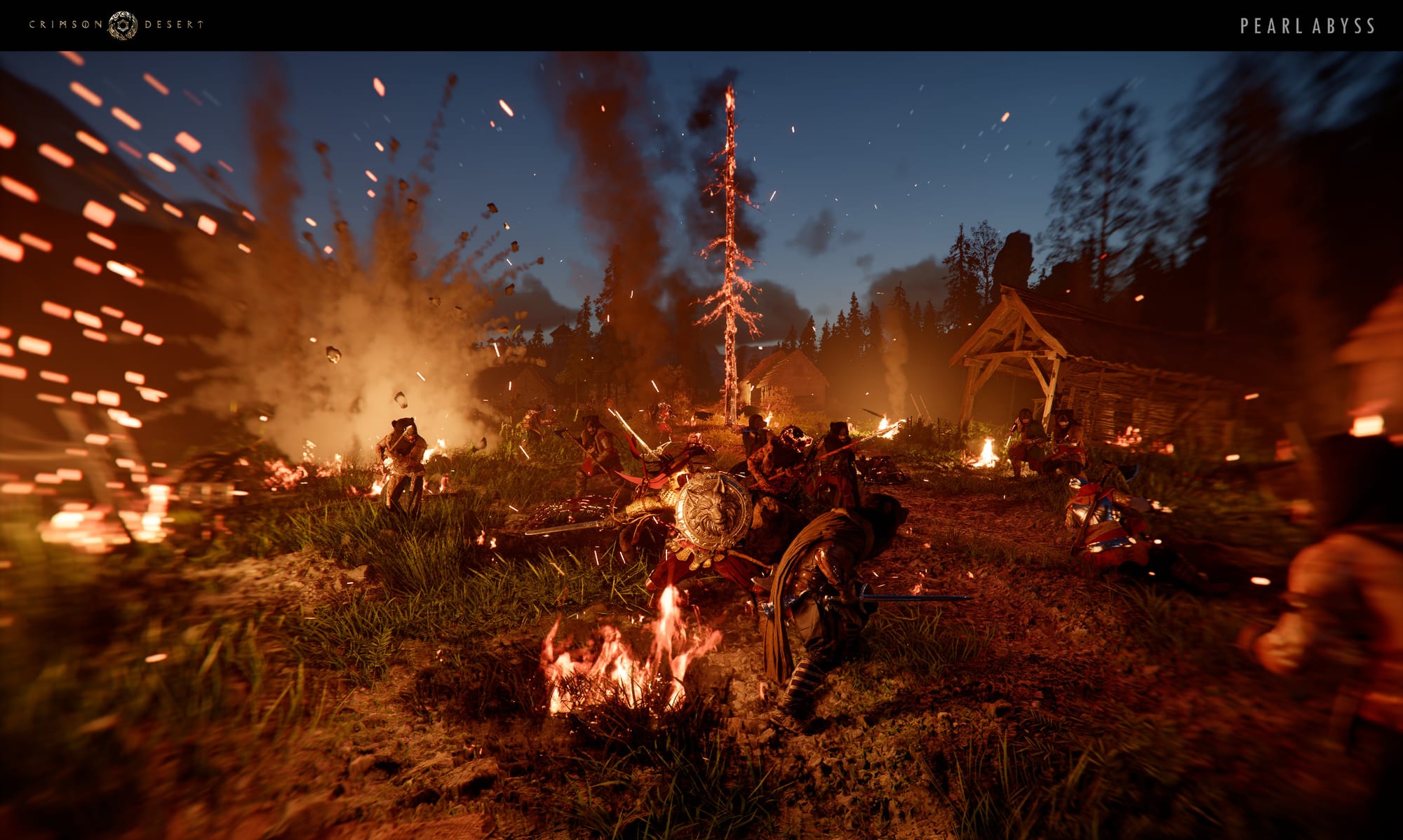
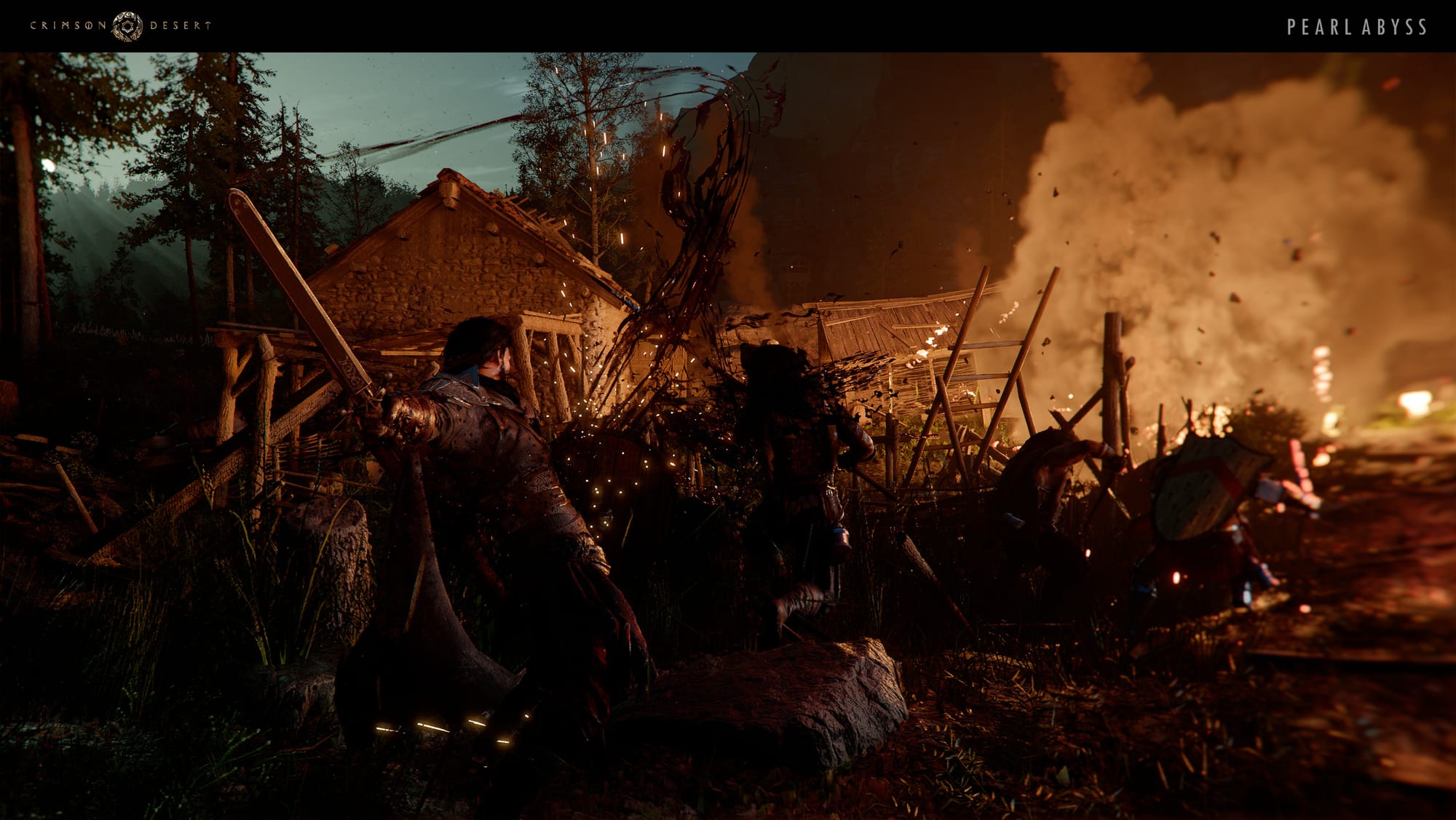
The combat system takes inspiration from arcade fighting games, featuring combo attacks and responsiveness, with a touch of PlatinumGames. Although there is only one difficulty level, this is not a Souls-like game, and players can improve their skills by completing other game content if they get stuck, cause the enemies don't scale with the player. Various wild combos can be used in combat, including melee attacks, kicks, grabs, and armed combat techniques. The battles feel powerful and intense, and the boss enemies' attacks are impressively diverse. Timing and attention are important, as players can block or dodge attacks. Weapons can also be enhanced with elemental effects, such as fire and ice. And even though the battles and the combat system are really great, many boss fights are really tough and can be frustrating.
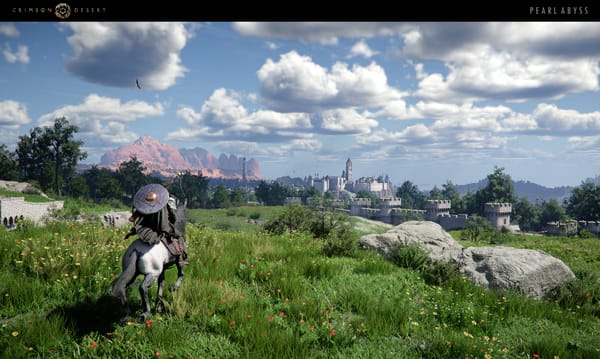
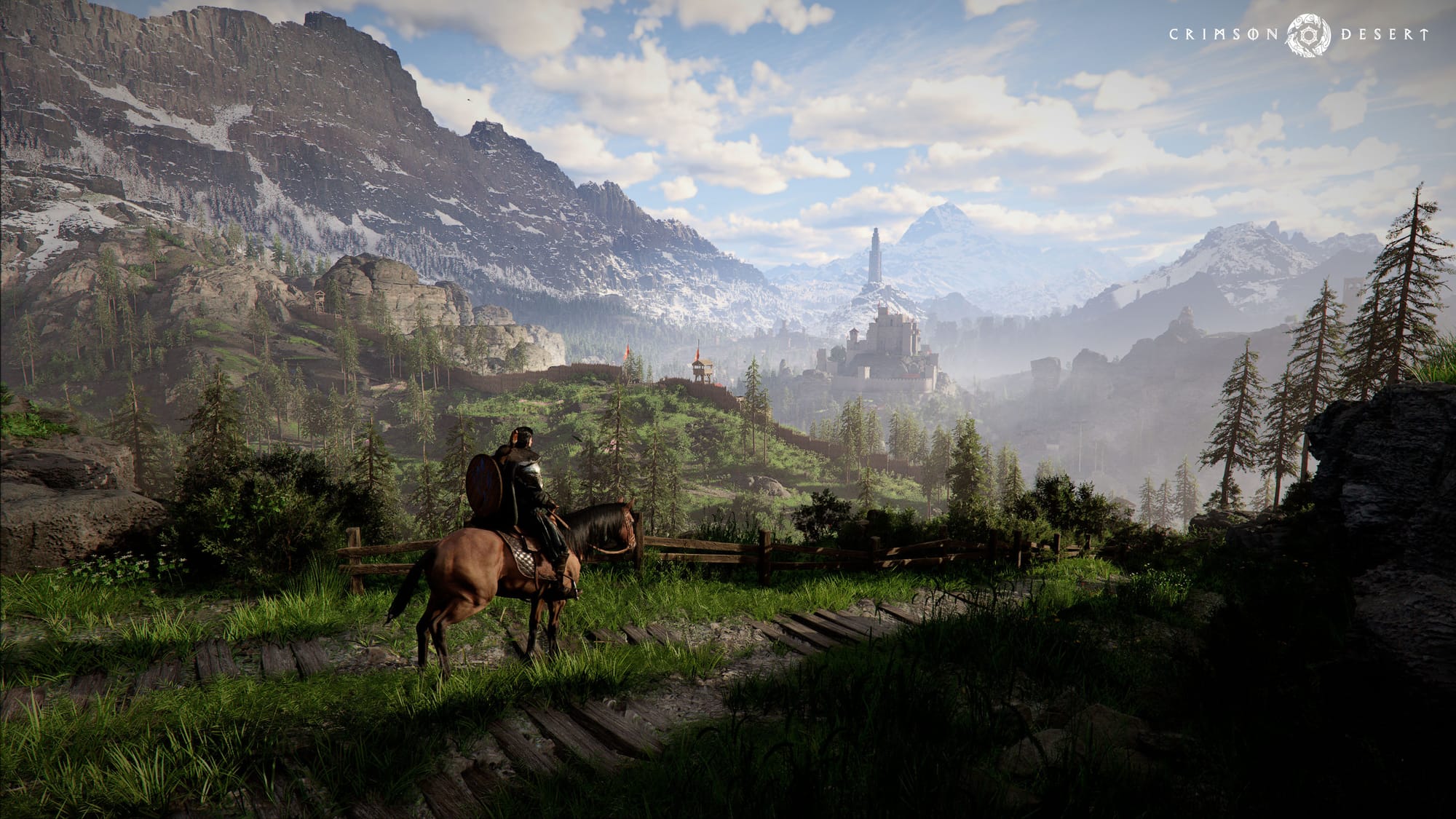
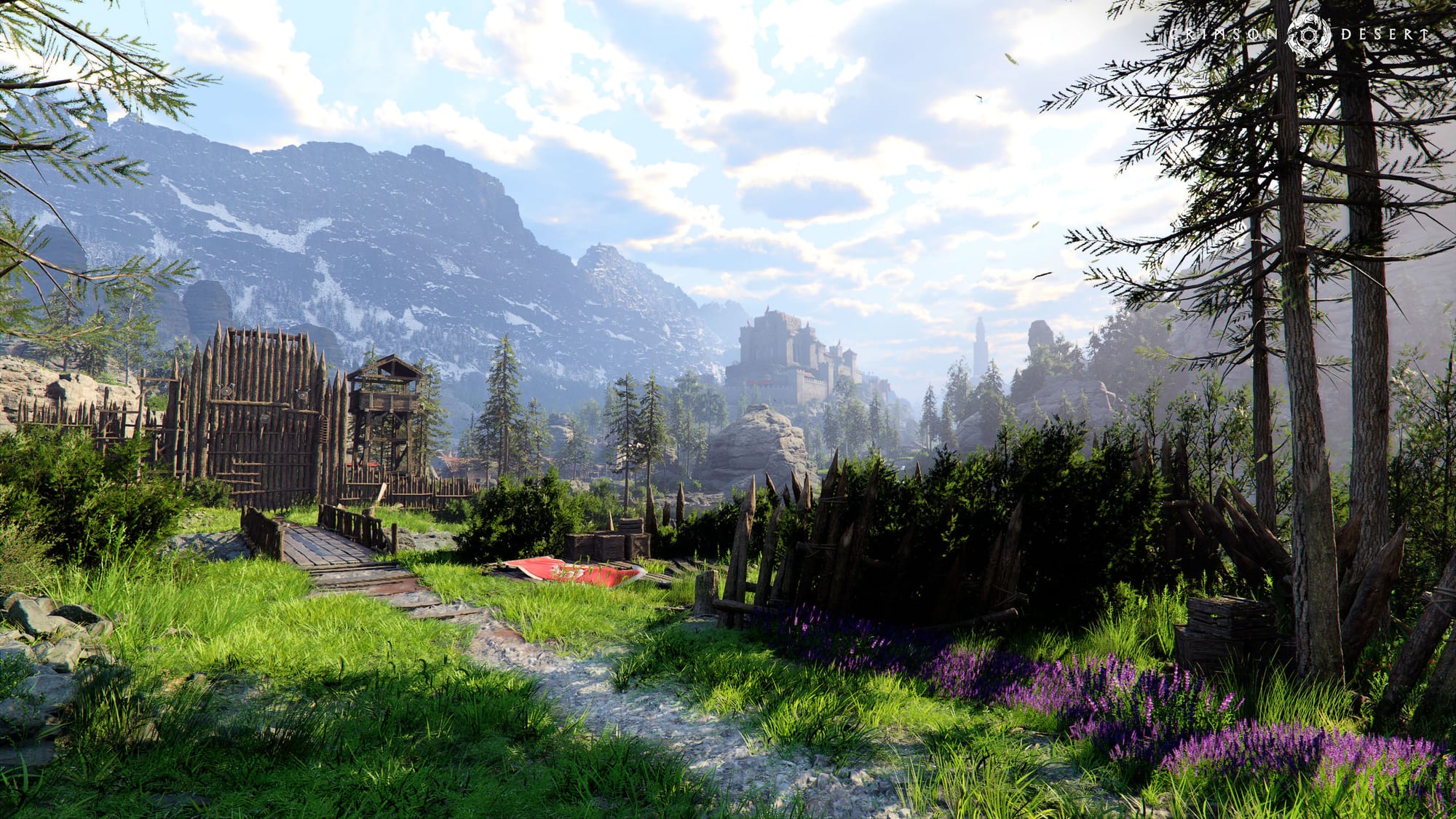
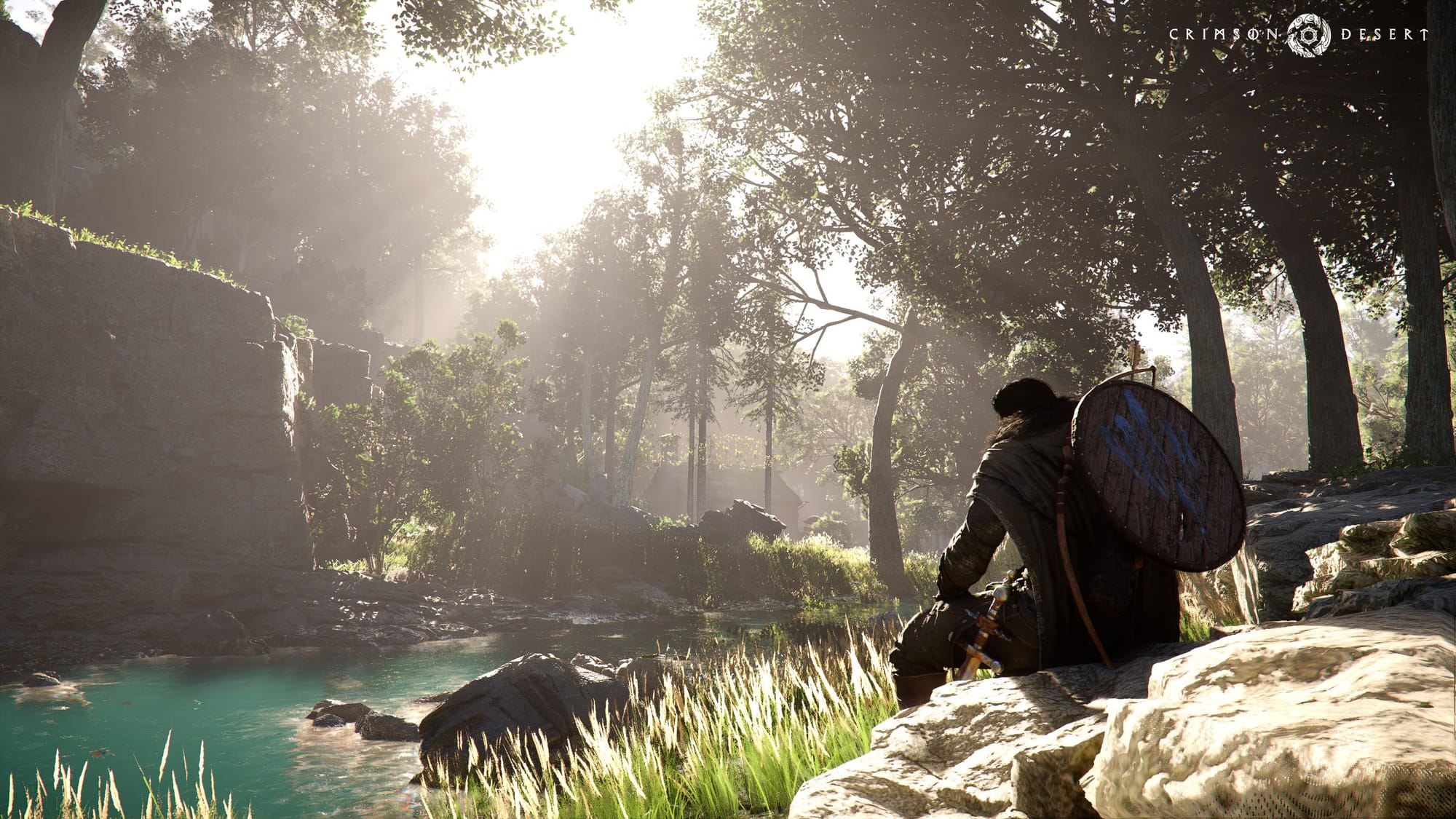
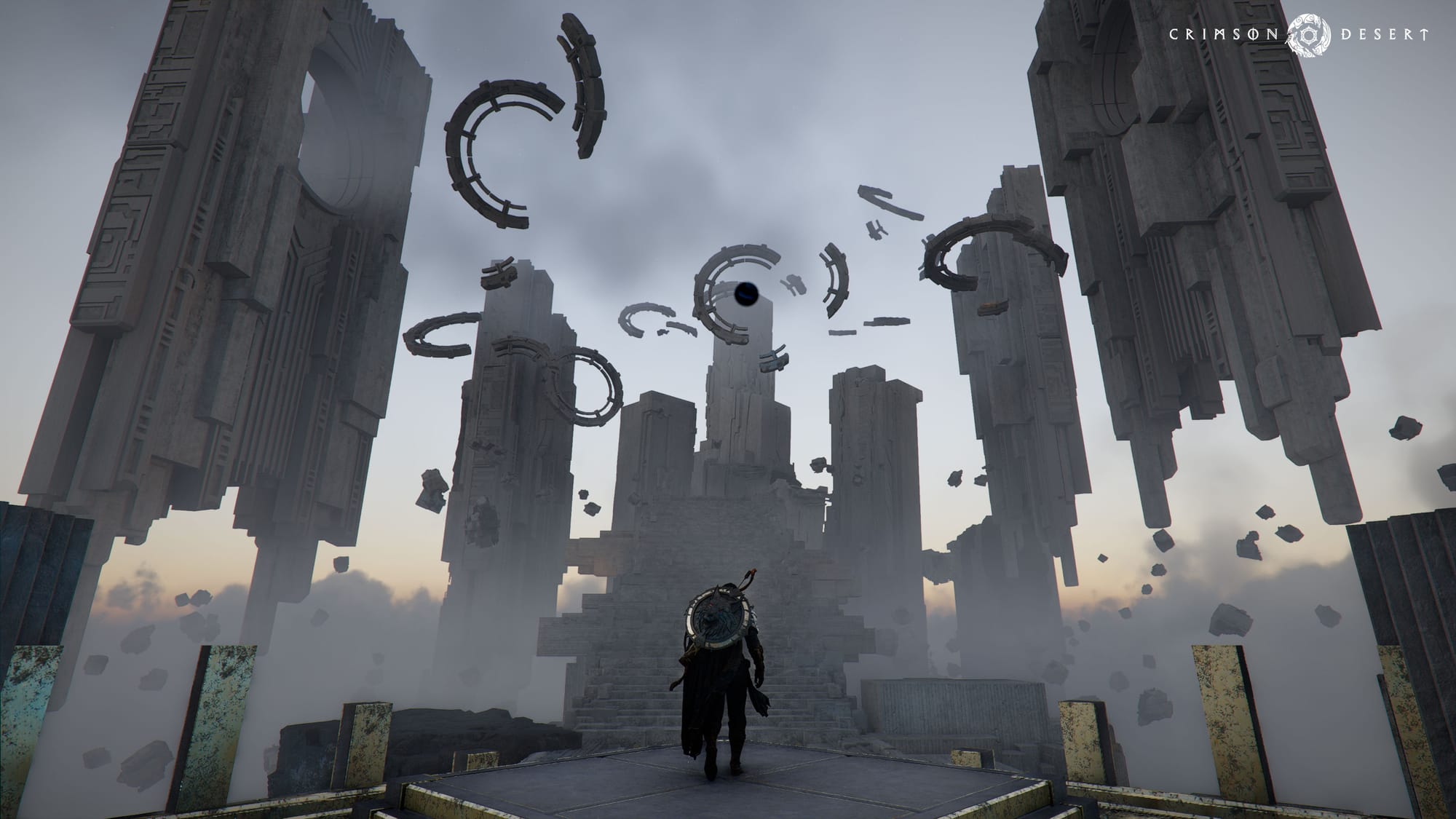
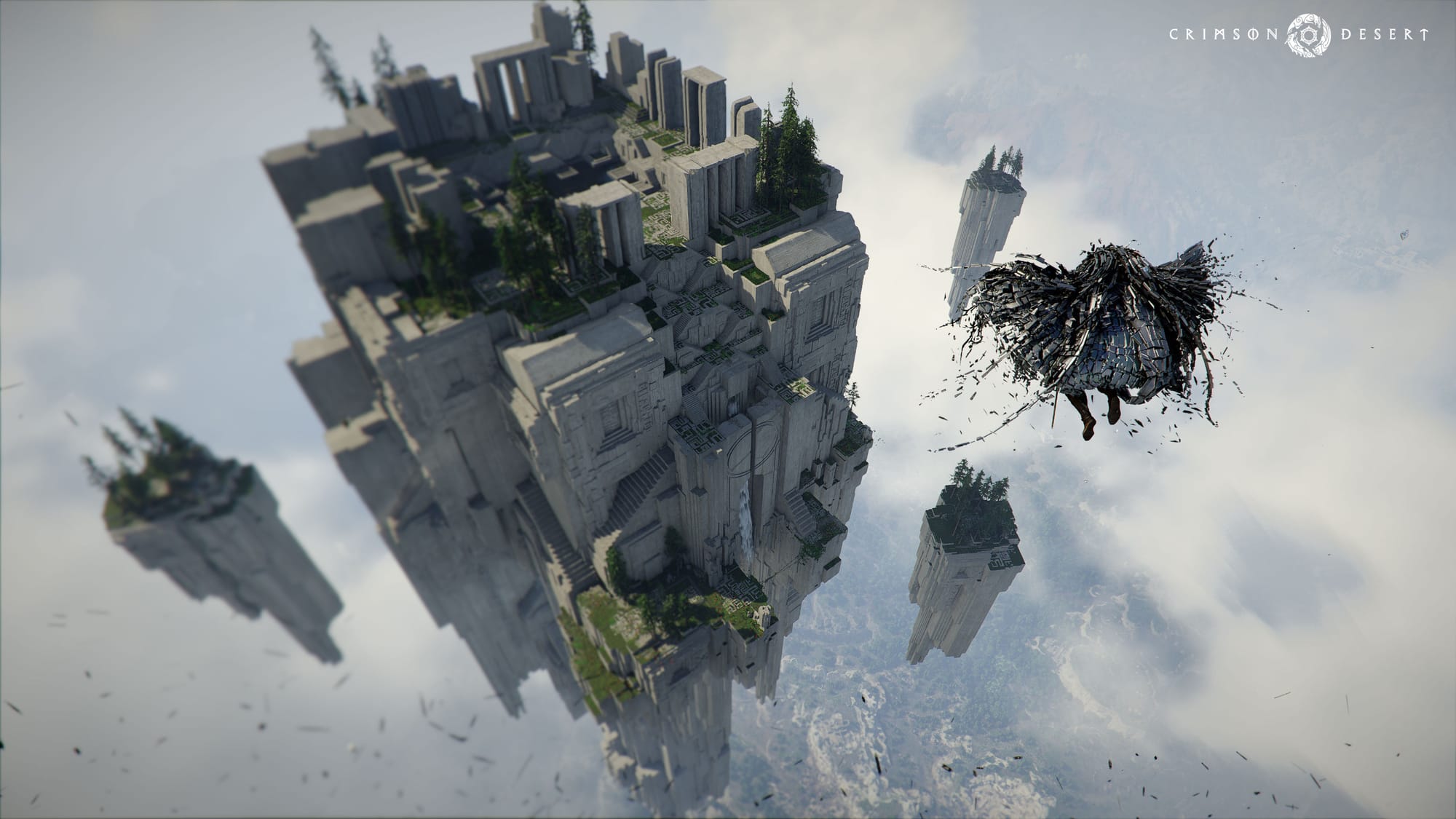
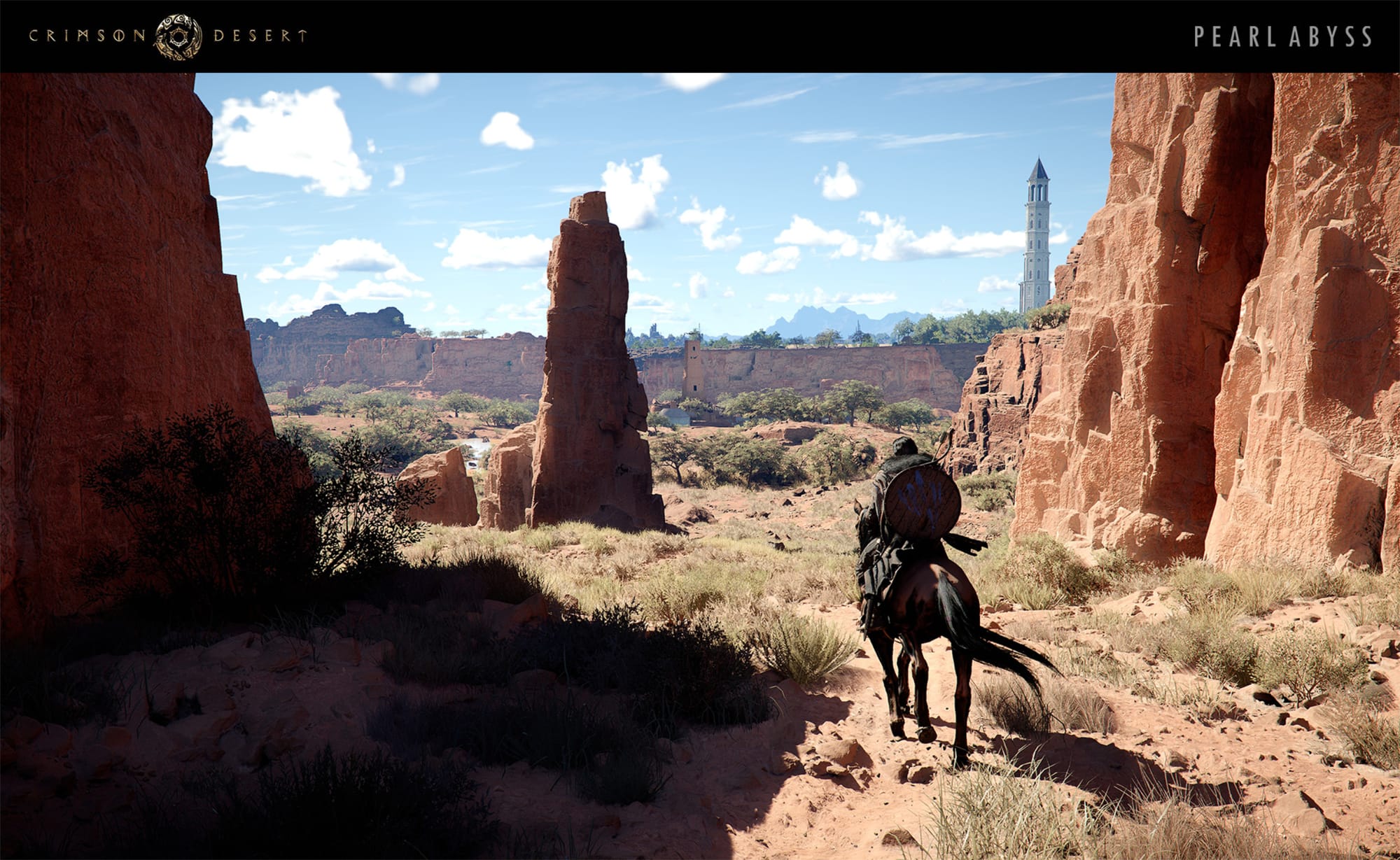
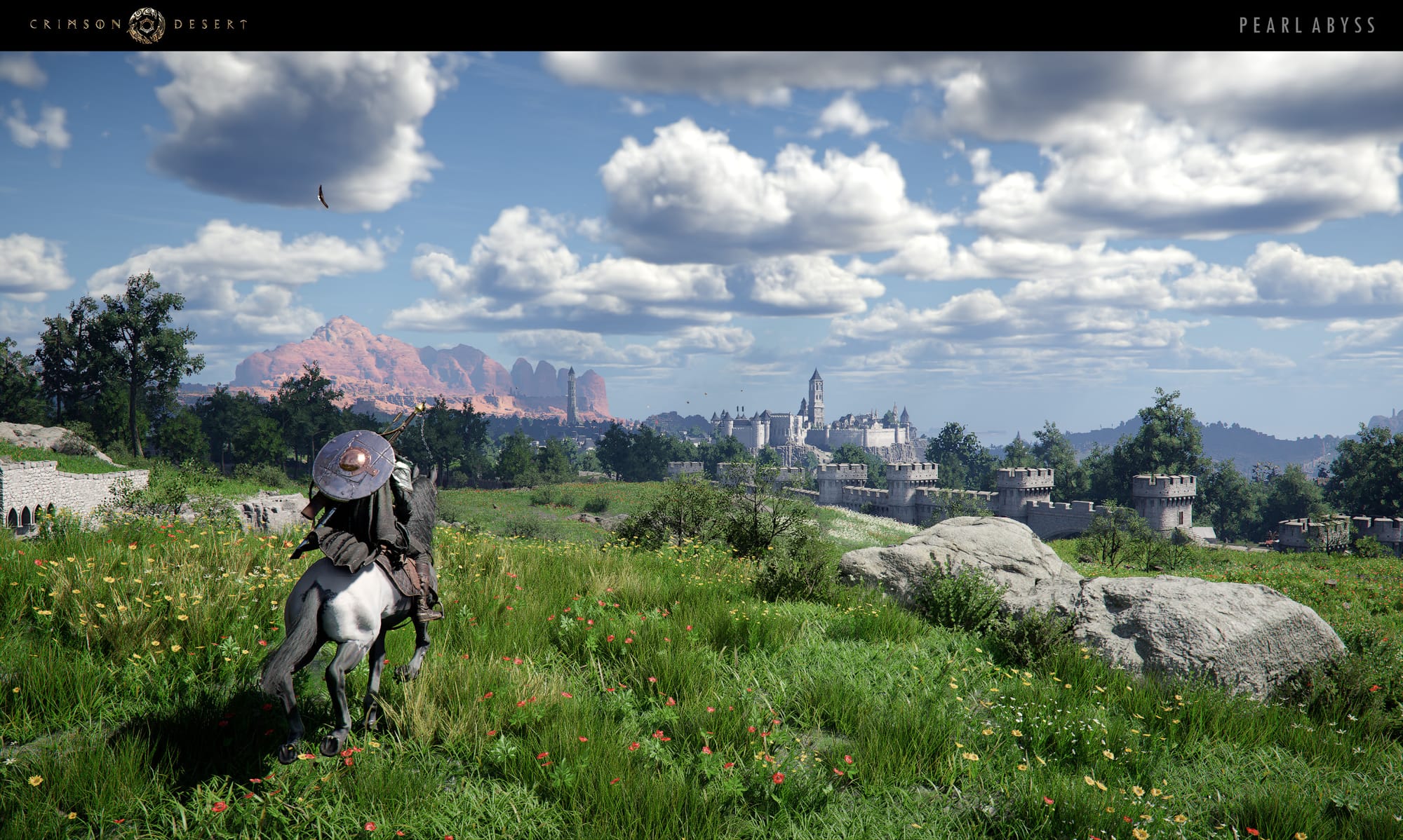
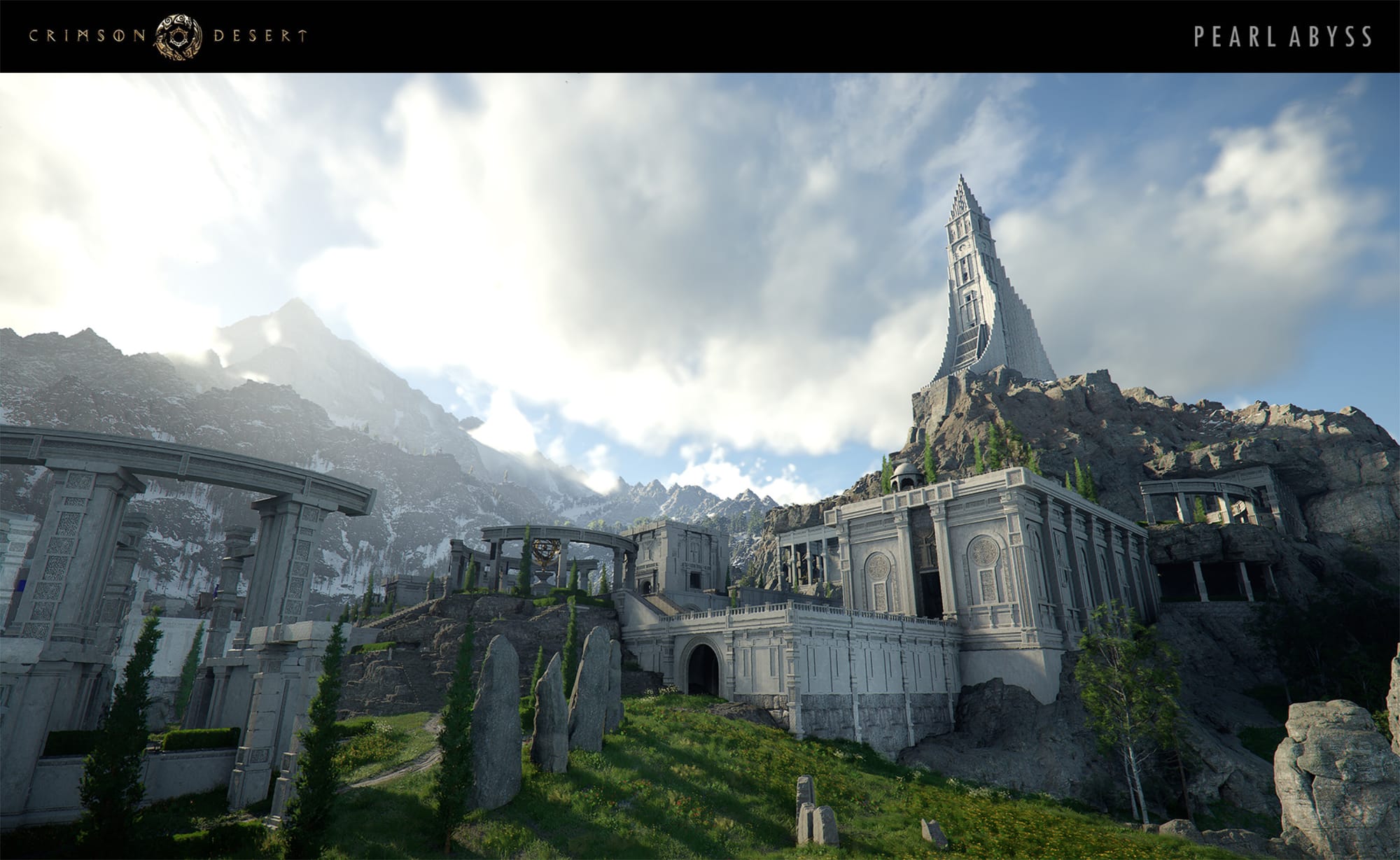
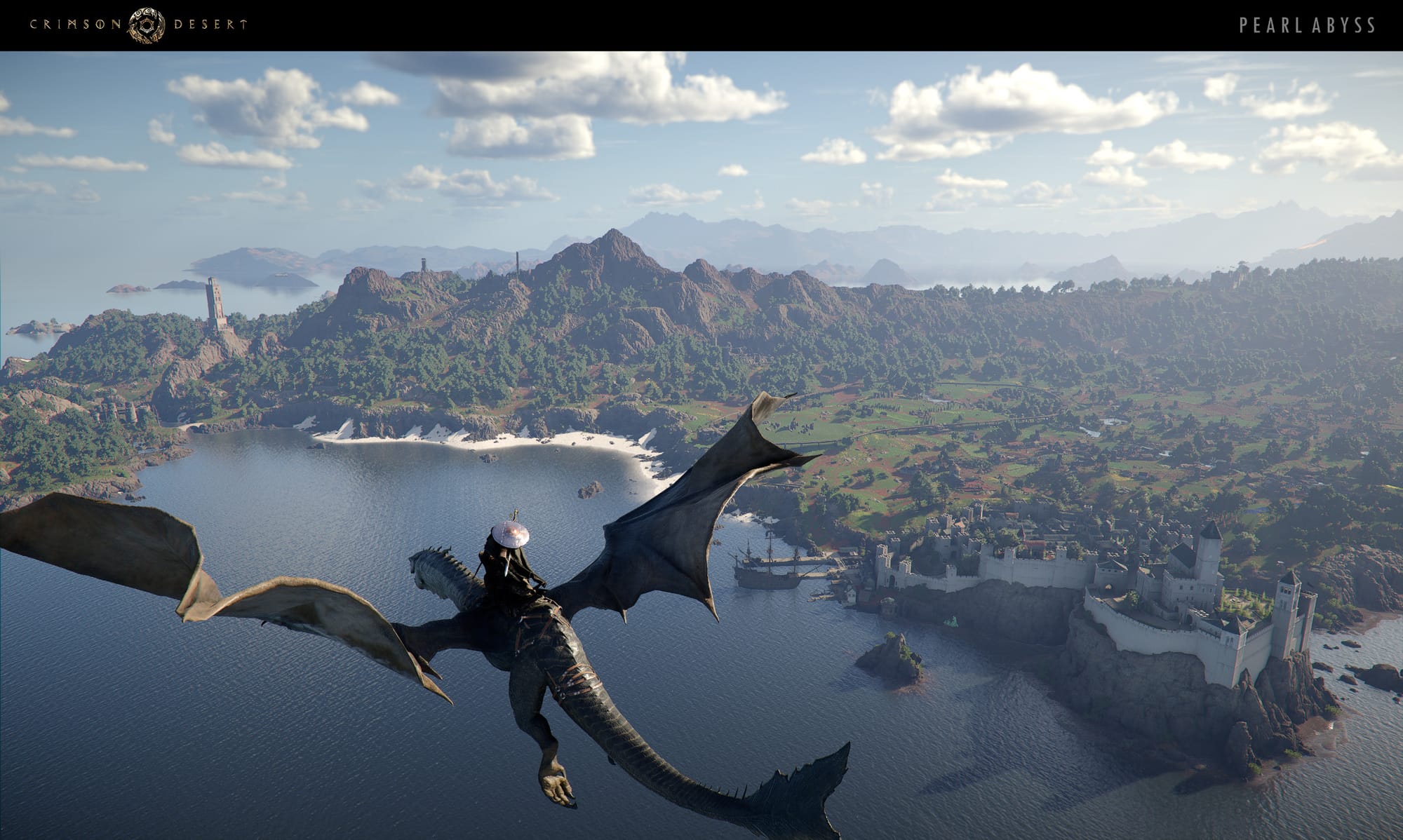
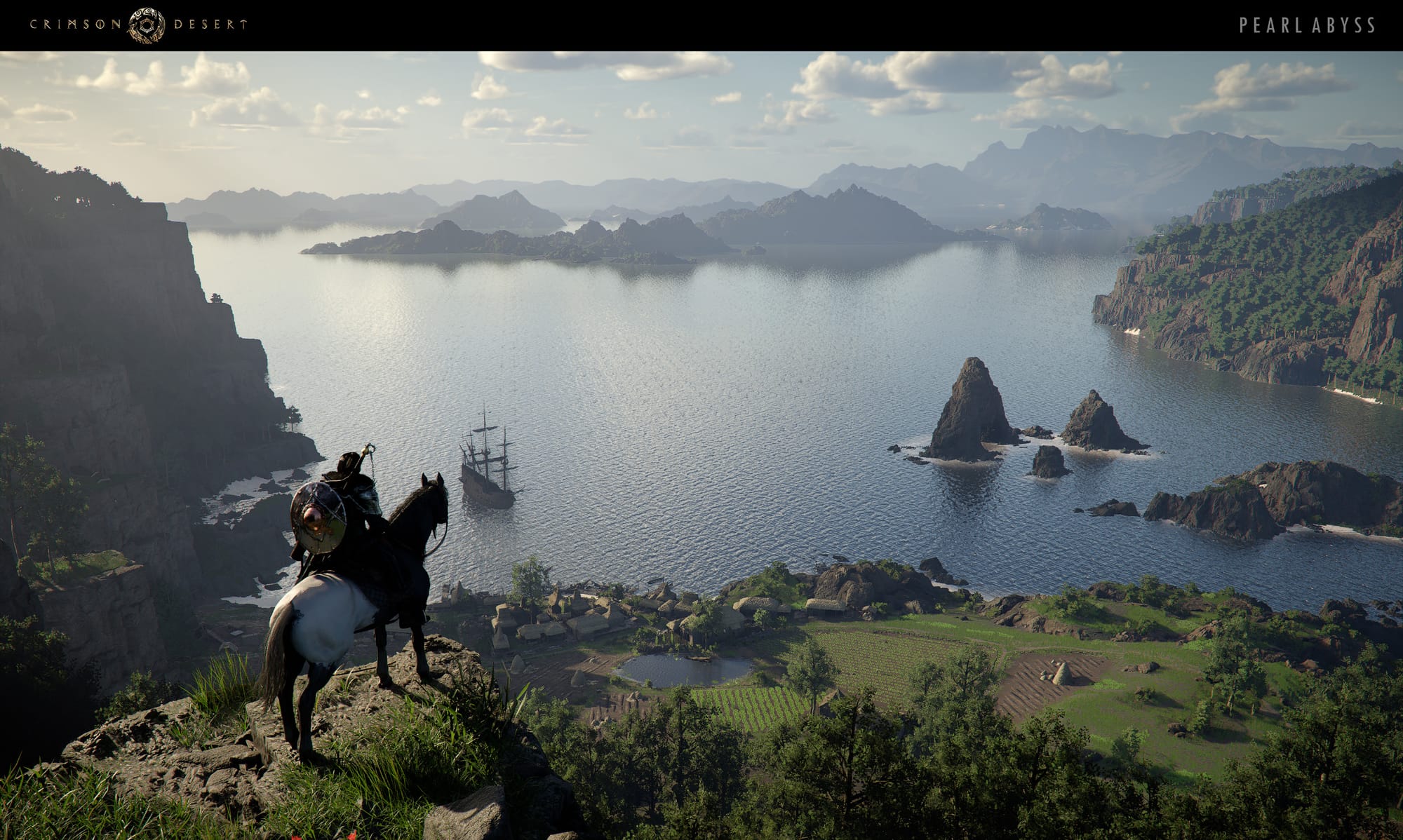
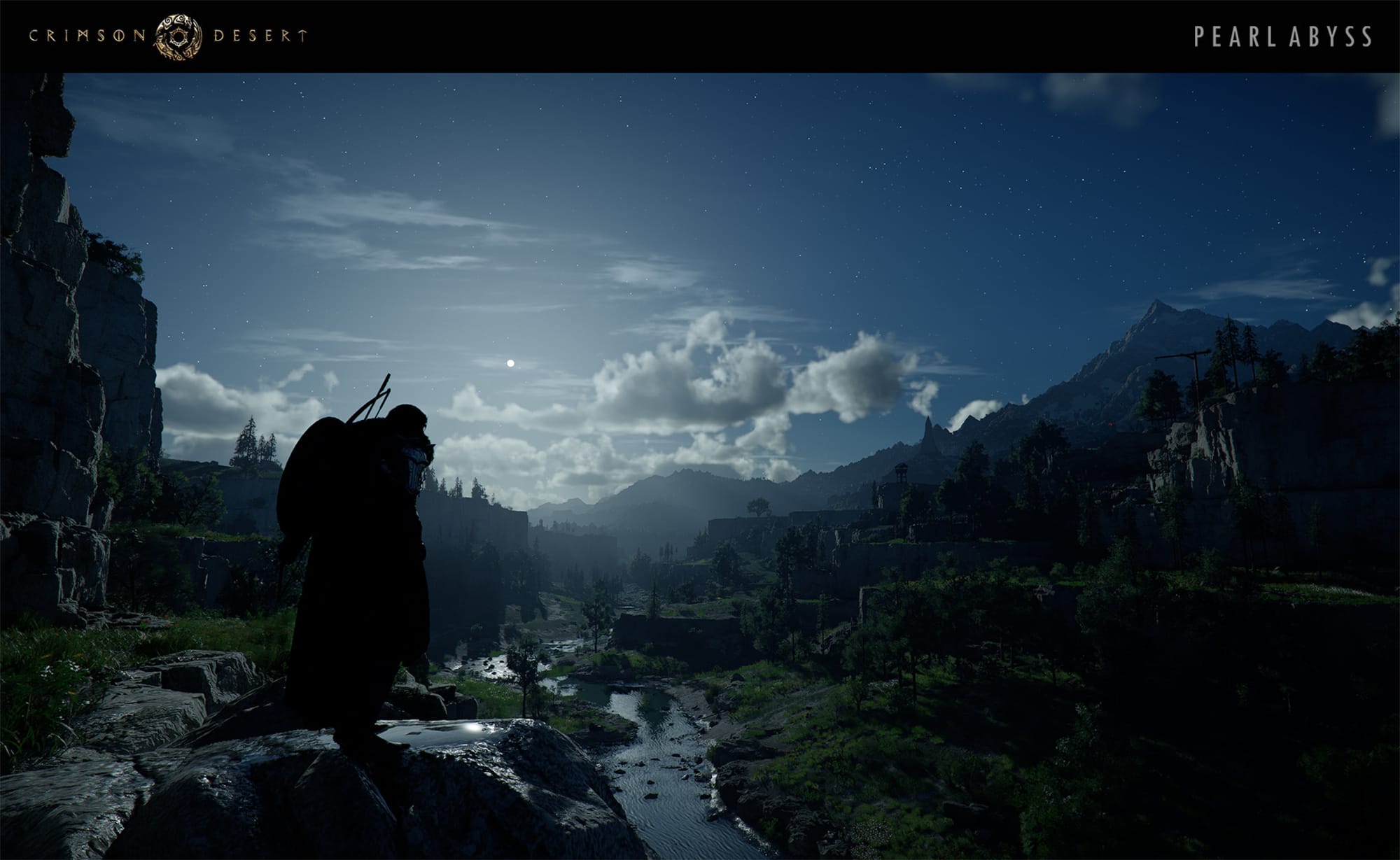
However, the real star of the show is the game's vast and vibrant world, which is so immersive that it's easy to get lost in. Pywel is divided into five regions: Hernand, Pailune, Demeniss, Delesyia and the eponymous Crimson Desert. Each region has its own stories, environments, and challenges. Although the main quest follows Cliff's journey, players can freely explore the world in any order, accept side or faction quests, and take part in large-scale battles and castle sieges, as well as smaller, character-driven missions. They can explore Pywel on horseback, climb over terrain, glide over long distances and, later, gain access to more advanced travel options, such as a rocket-firing mech (no joke), a jetpack or a rideable flying dragon. The world also entices players with hidden treasures, relics, puzzles, and interesting locations that reward curiosity and exploration.
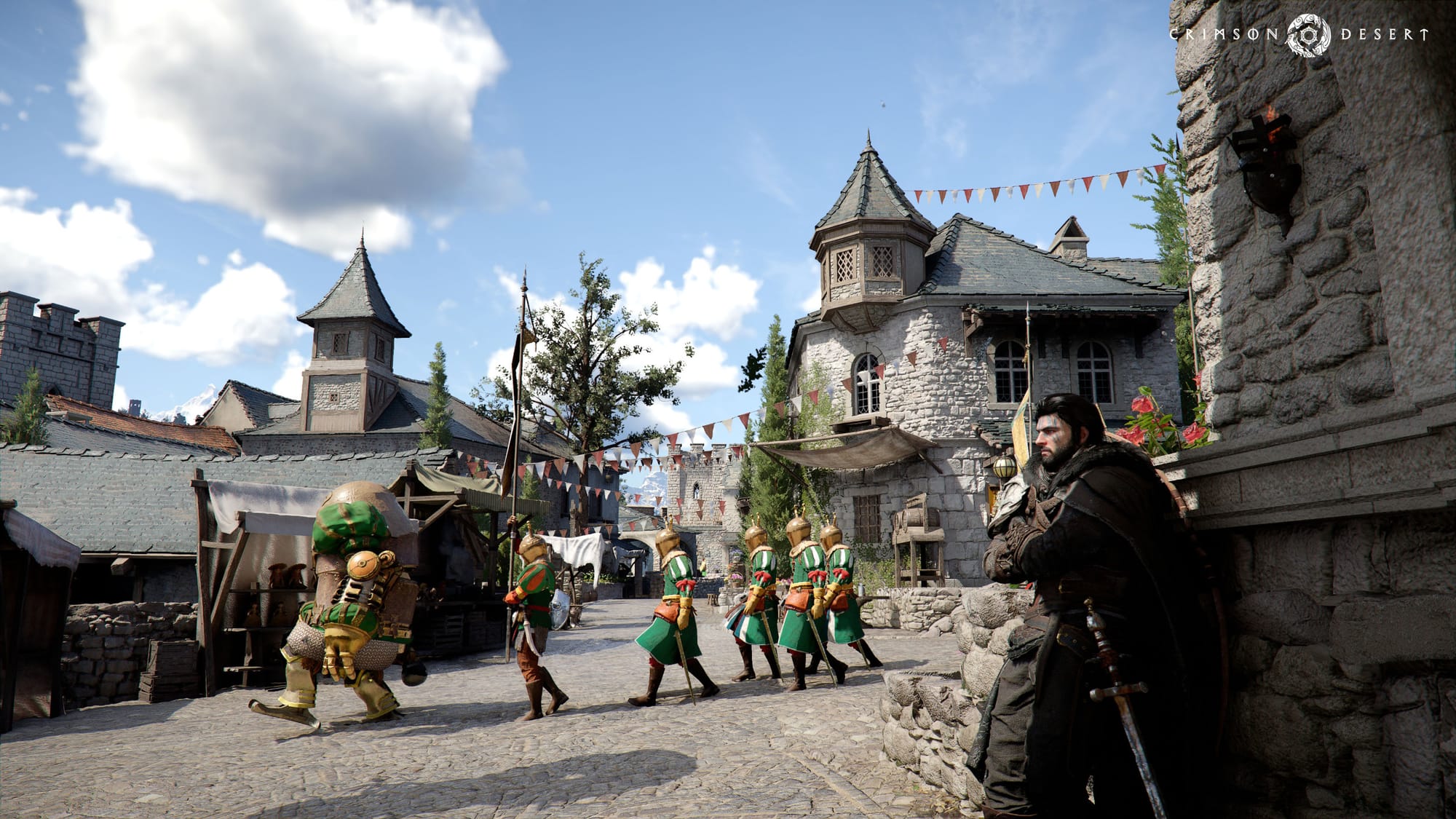
Players can fish and hunt for ingredients to cook with, pick flowers and catch insects for alchemy, and gather materials to craft and upgrade equipment. There is also a Greymane camp in Hernand, a settlement founded by Kliff and his companions from the clan. Using the resources and currency gained through exploration, players can expand the camp's functionality and establish it as an important base for their journey. Within the camp, players can manage farms and ranches to produce cooking and crafting materials, purchase supplies from the camp vendor and send recovered companions on missions to gather resources such as wood and ore. Within the world, inhabitants will react to players' actions. If players commit crimes, NPCs will become hostile or put out bounties, depending on their behaviour. This adds another element to interaction with NPCs within the world. Overall, Crimson Desert is a melting pot of different game systems which are often interconnected. There's almost nothing that isn't in the game.
However, this variety comes at a price because the controls are actually quite extensive and complicated. As the game's UI is already quite information-heavy and could certainly benefit from a few more quality-of-life features, getting started in Crimson Desert can be quite challenging and players could use more guidance, but it's worth persevering.
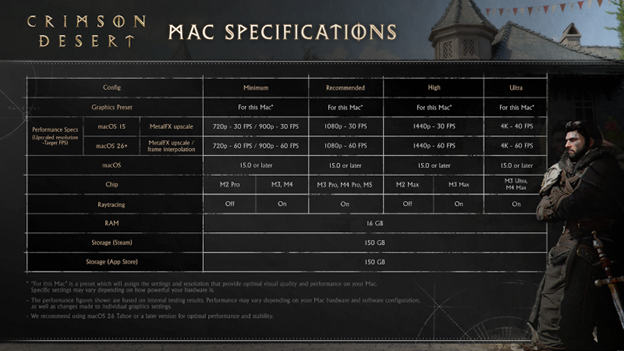
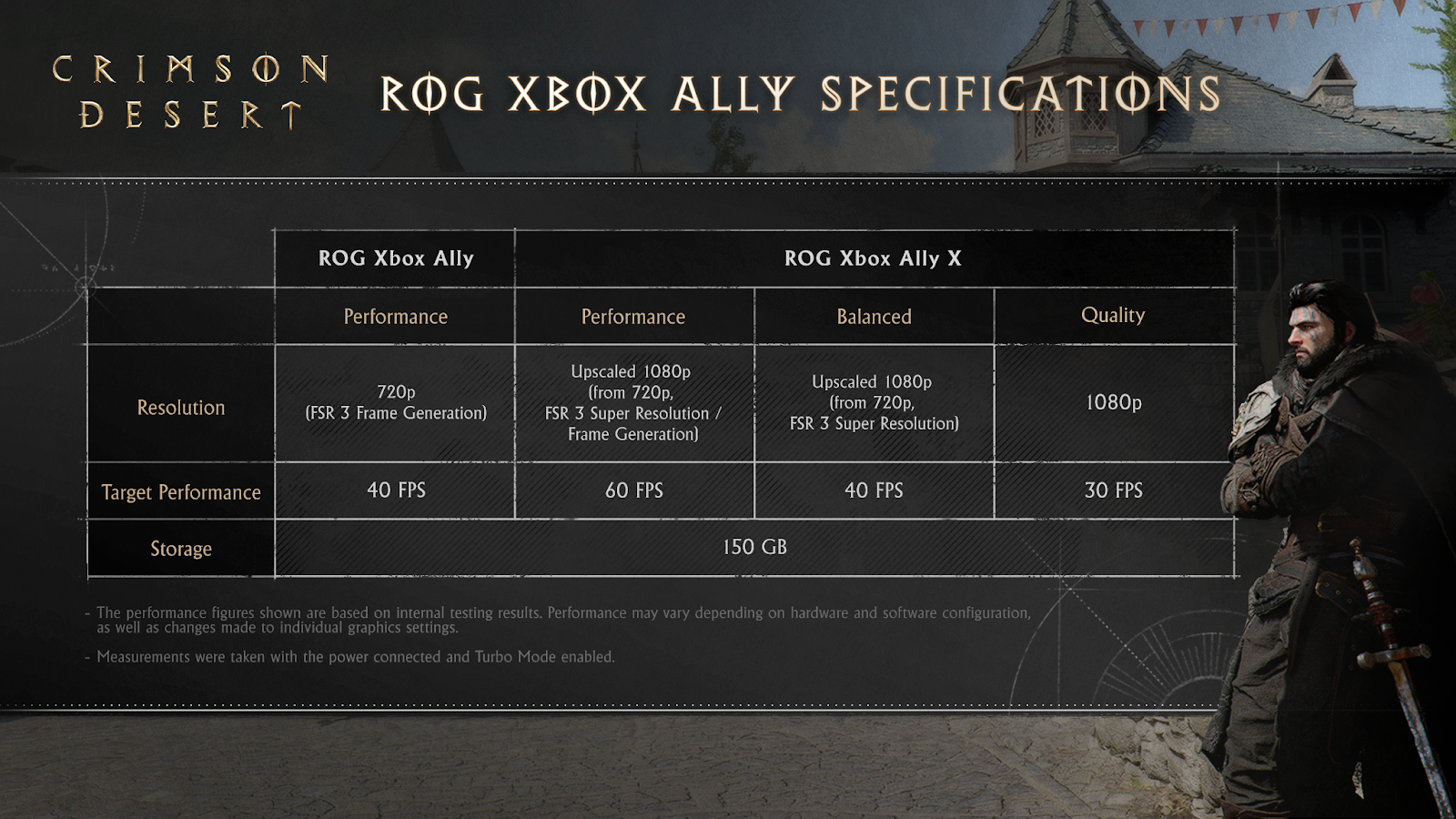
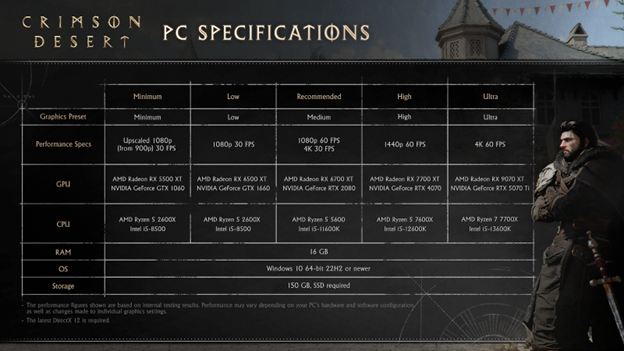
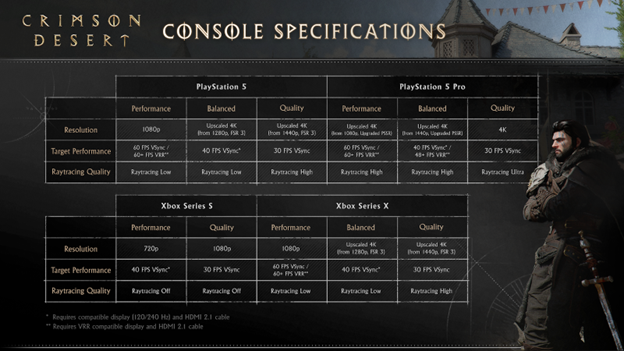
Crimson Desert is built on the outstanding BlackSpace Engine, which combines ray tracing features with a vast open-world environment while maintaining comparatively low system requirements — especially compared to games built on Unreal Engine 5. In terms of upscaling and image reconstruction techniques, the game supports FSR 3/4 and DLSS 4/4.5 on PC, upgraded PSSR for the PS5 Pro and FSR 3 for the PS5 base model and Xbox Series X|S.
The PC version also features support for AMD FSR Ray Regeneration and Nvidia Ray Reconstruction, which is quite performance-intensive. However, the game is especially impressive on high-end PCs, largely thanks to the alternative RT denoisers, AMD Ray Regeneration and Nvidia Ray Reconstruction. The difference in shading and indirect lighting of the environment, both indoors and outdoors, is absolutely stunning – almost next-level. Enabling these features does, of course, have a significant impact on performance compared to standard RT denoisers, but the difference is truly striking.
Players will need an internet connection to complete the initial setup and ensure they have the latest version of the game. Once installation is complete, the game can be played offline.
The game interface and subtitles are available in 14 languages: English, French, Italian, German, Spanish (Spain), Japanese, Korean, Polish, Russian, Simplified Chinese, Spanish (Latin America), Traditional Chinese, Portuguese (Brazil) and Turkish. Full voice-over is available in English, Korean and Simplified Chinese.
Pearl Abyss is a South Korean video game developer and publisher founded in 2010. Since 2021, the company has been operating a European office in the Netherlands. Pearl Abyss is best known for creating the cross-platform MMORPG Black Desert, available on PC, mobile and console, and Black Clover M: Rise of the Wizard King. The company is also working on two other titles: DokeV and Plan 8. DokeV was announced in 2019. This creature-collecting, open-world, action-adventure game is set in a vibrant world, and caused as much excitement as Crimson Desert when it was announced.
"2026 marks the full expression of our creative identity, with Black Desert NAEU celebrating 10 years and Crimson Desert entering the global stage. With a player-first mindset and trust in our creators, we aim to create something that truly matters." - Lybee Park, CEO of Pearl Abyss Europe, said at the beginning of the year
Crimson Desert launches worldwide on 19 March 2026 for PC (Steam, Apple Mac and Epic Games Store), PlayStation 5 and Xbox Series X|S. The game is a premium product priced at €69.99 and has no microtransactions.
Conclusion
Huge, ambitious, cluttered and confusing: Crimson Desert is an enormous action-adventure sandbox, packed with diverse, interconnected mechanics, and a highly customisable, versatile combat system. It's a shame that games this bold - and, frankly, completely overloaded with features - are so rare these days. However, players must also take the time to familiarise themselves with the game and its idiosyncrasies, embracing both the fascinating and the frustrating.
Features
Vast, bustling environment that looks amazing and runs on a well-performing engine
Classic action-adventure with a highly customizable and versatile fighting game combat system
Marcel Kleffmann is Chief of Content of GamesMarket and our B2B and B2C expert for hardware, market data, products and launch numbers with more than two decades of editorial experience. (marcelDOTkleffmannATgamesmarktDOTde)