How Sandbox Interactive's Albion Online Is Thriving on PC and Mobile
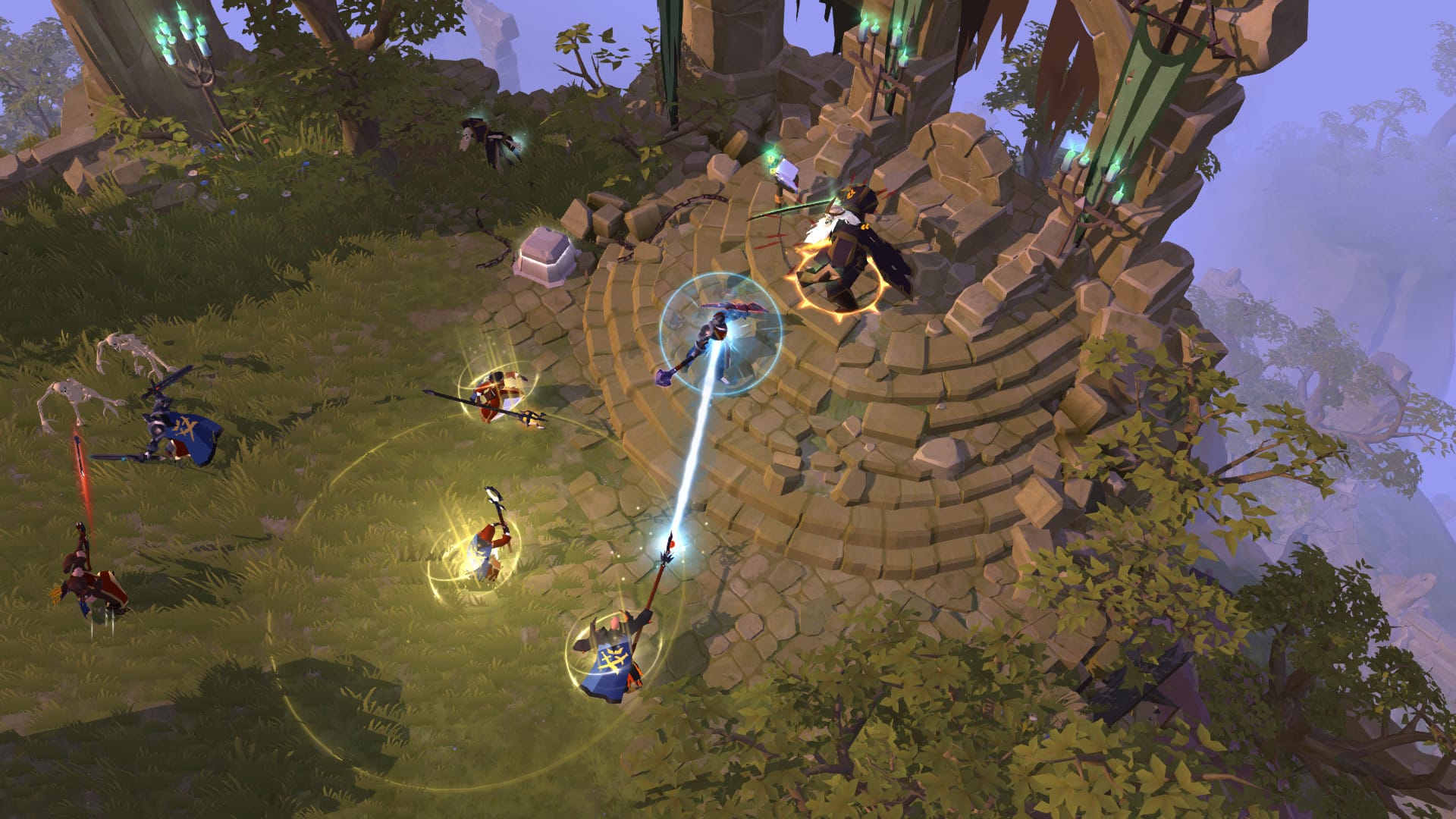
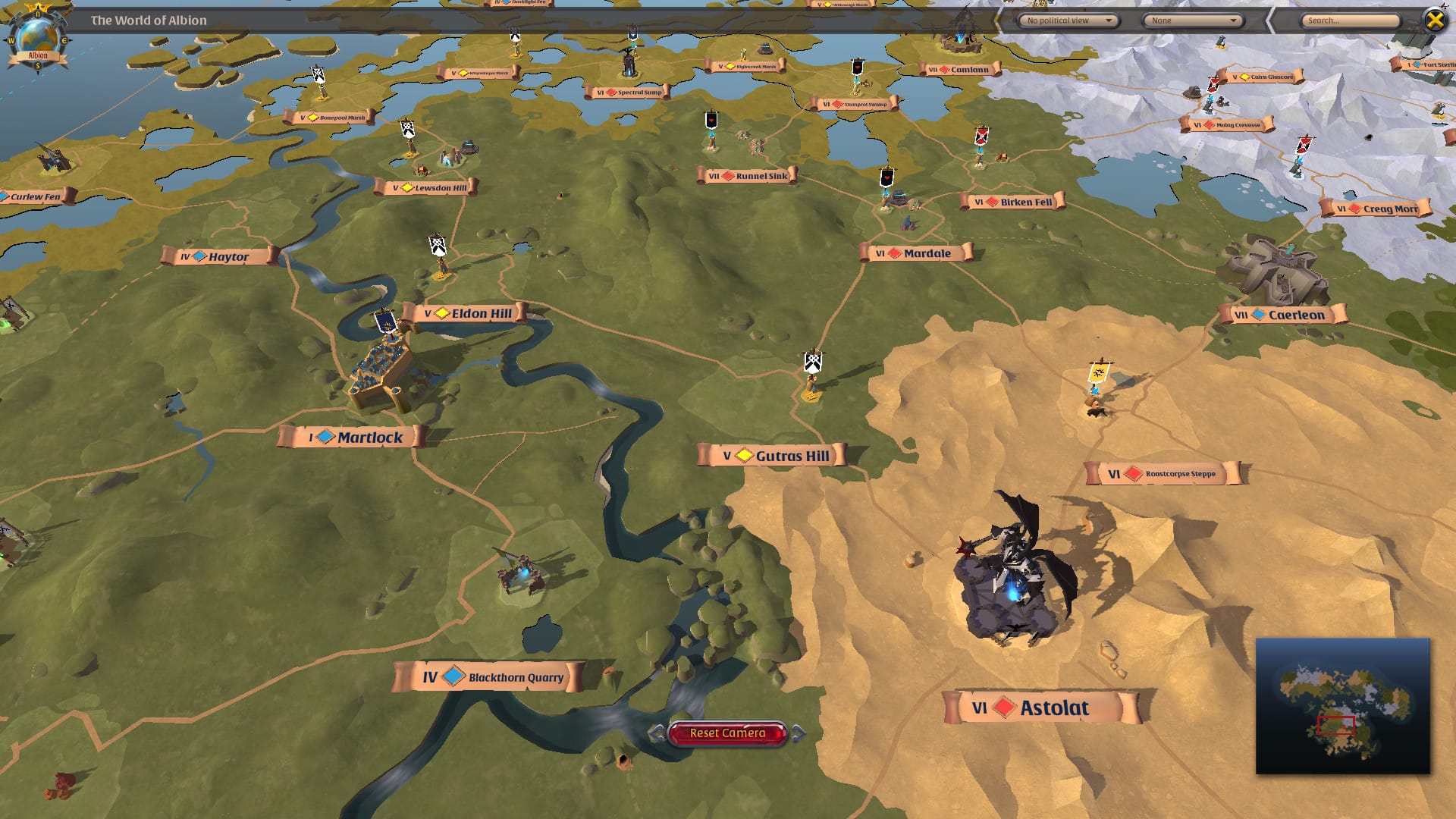
Sandbox Interactive's MMORPG, Albion Online, has been running for almost nine years and is growing in popularity. We talk to Operations Director Christoph Hombergs about combining mobile and PC, player engagement, rolling out different server locations, and the importance of the game for Stillfront.
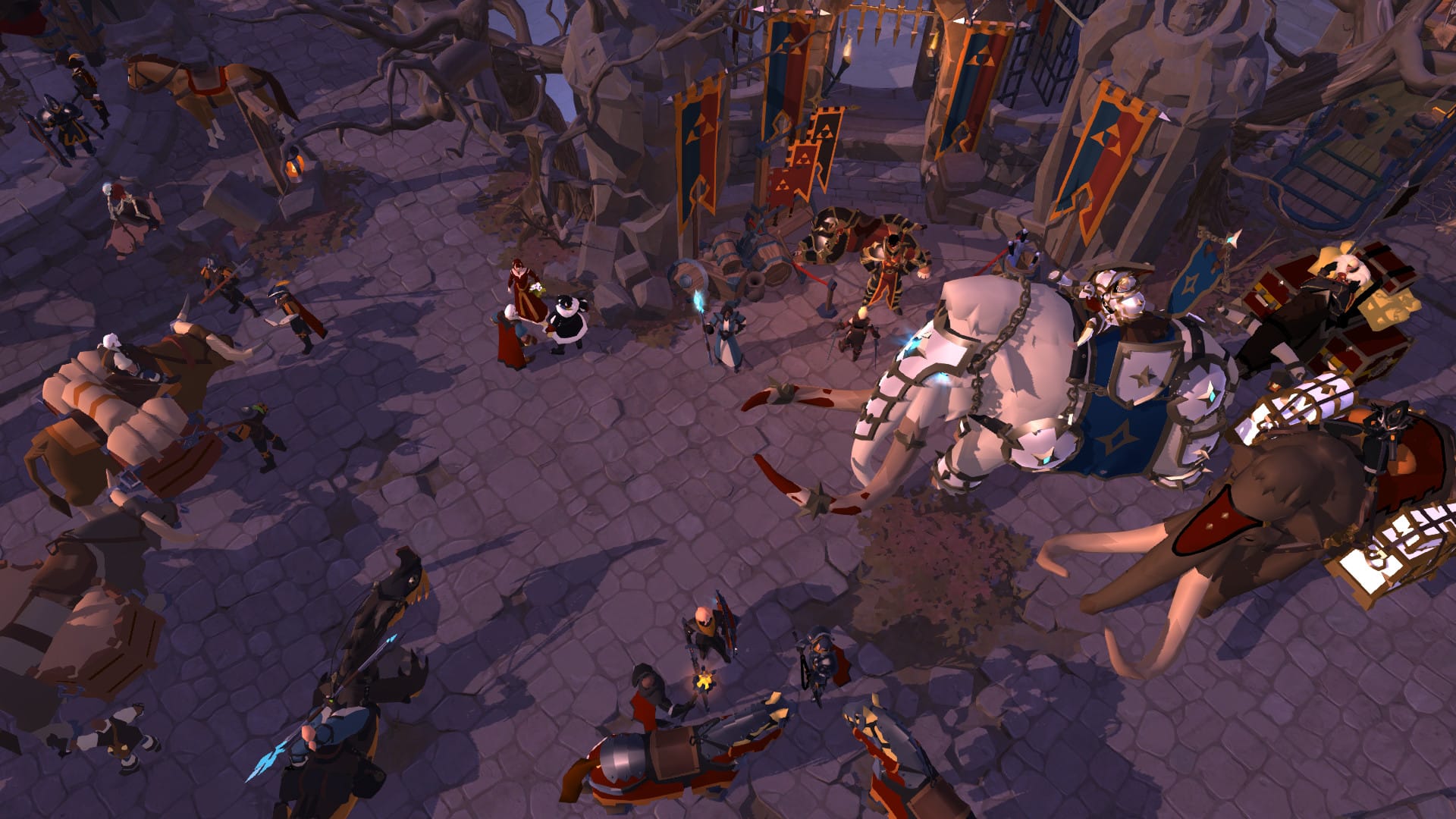
Albion Online is a cross-platform MMORPG currently playable on Windows, Mac, Linux, iOS and Android. It features a player-driven economy and a classless skill system ('you are what you wear/equip') that enables players to adapt their playstyle as they wish, whether they focus on PvE, PvP or GvG. The game is developed by the Berlin-based studio Sandbox Interactive, which employs over 120 people - a relatively small number for a fully-fledged MMORPG. Since December 2020, Sandbox Interactive belongs to the Swedish Stillfront Group. The acquisition sum was €130 million.
The game was initially launched as a premium product in July 2017, before being released on Steam the following year. In April 2019, it became free-to-play, attracting hundreds of thousands of new players worldwide and expanding its player base. In June 2021, official versions were released for iOS and Android devices. Until March 2023, there was only one server for all players (Albion Online Americas), but now there are also Albion Online Asia and Albion Online Europe & MENA servers. The latter was launched in April 2024. We talk to Christoph Hombergs, Operations Director at Sandbox Interactive, about combining mobile and PC, the reasons and challenges behind launching different server locations so long after the initial release, the influence of Generative AI, and the importance of the title for Stillfront.
GamesMarkt: Out last interview took place over a year and a half ago. So, how has Sandbox Interactive been doing since then?
Christoph Hombergs: "It's been a great time for us. While the industry was in upheaval, Albion Online and Sandbox have been doing very well. We as a company have been continuing to grow and welcomed a number of new people on board to help support the further and ongoing development of our game. We have continued to deliver regular updates - five since the last time we spoke. The last two in particular, 'Abyssal Depths' and 'Realm Divided', have received really great feedback from our players and have significantly driven engagement numbers."
GamesMarkt: How happy are you with the different server locations that Albion Online now has (America, Asia and Europe)? What has the user feedback been like? Also, how much extra work does managing multiple servers entail?
Christoph Hombergs: "All in all, we are really happy with the multiple locations. It's been an absolutely necessary step - one server environment wouldn't have been able to sustain the continuously rising numbers of players forever. It's also great for the players, since it allows them to have better connection and lower latency. I mean, of course we were going to say that anyways - but the community's view has also shifted. We knew it was a controversial change, and a vocal group also transported a sentiment of 'oh, so bad for the game'. That wasn't unexpected and it was also understandable - they really, really are passionate about the game." That has changed significantly though, and whenever the topic comes up these days, for example by people returning after years of absence, the overwhelming opinion is 'good for the game'. Even some of the loudest voices from the beginning changed their tune and are now in favor of it."
"Of course this setup, for us, doesn't come entirely without extra work. We have to manage different game configurations, since timed game events happen at different times per server, tailored towards that server's player activity peak. Managing three server locations which still are connected to overarching unified databases, since you can play with the same account on all servers, makes for an interesting but very manageable challenge - and of course catering specifically for regional player groups requires a proper Community Management setup. Considering how many more players we can make happy, and how we have improved the latency for nearly everyone, that work is well-invested though."
GamesMarkt: How do you manage to keep players engaged over the long term?
Christoph Hombergs: "Simple: by giving them the tools and the sandbox to create their own content. Well ... that's actually not so simple. But: it's impossible to win the content race. Players will always, always, always consume game content faster than you can create it.