Interview: What Makes Nightdive Studios Decide to Bring Back a Classic?
Remasters and Enhanced Editions of classic games are Nightdive Studios' speciality. We spoke to Larry Kuperman, VP of Business Development, about their current remasters, the challenges of obtaining the original games, their selection process for re-releases, and this unique market segment.
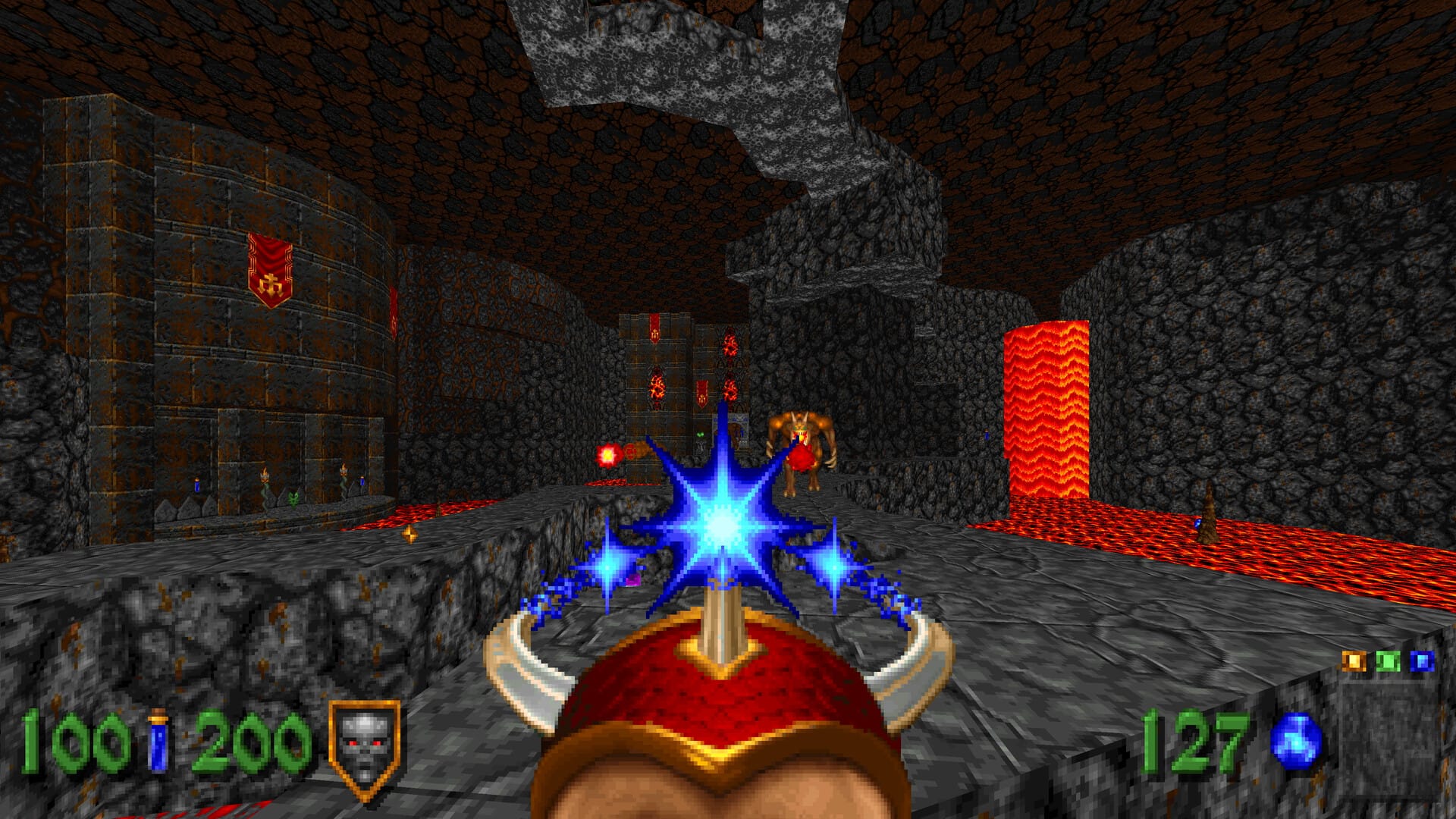
Nightdive Studios, founded by Stephen and Alix Kick in late November 2012 and part of Atari since mid-2023, specialises in remasters, enhanced editions, and re-releases of classic 1990s and 2000s games, but not only from this period, that are no longer available to buy digitally. The US studio focuses on preserving and restoring older PC and console games, often making technical improvements and adding quality-of-life features to enable them to run on modern systems. Additional features include widescreen and controller support, and the KEX Engine is an important foundation for this work.
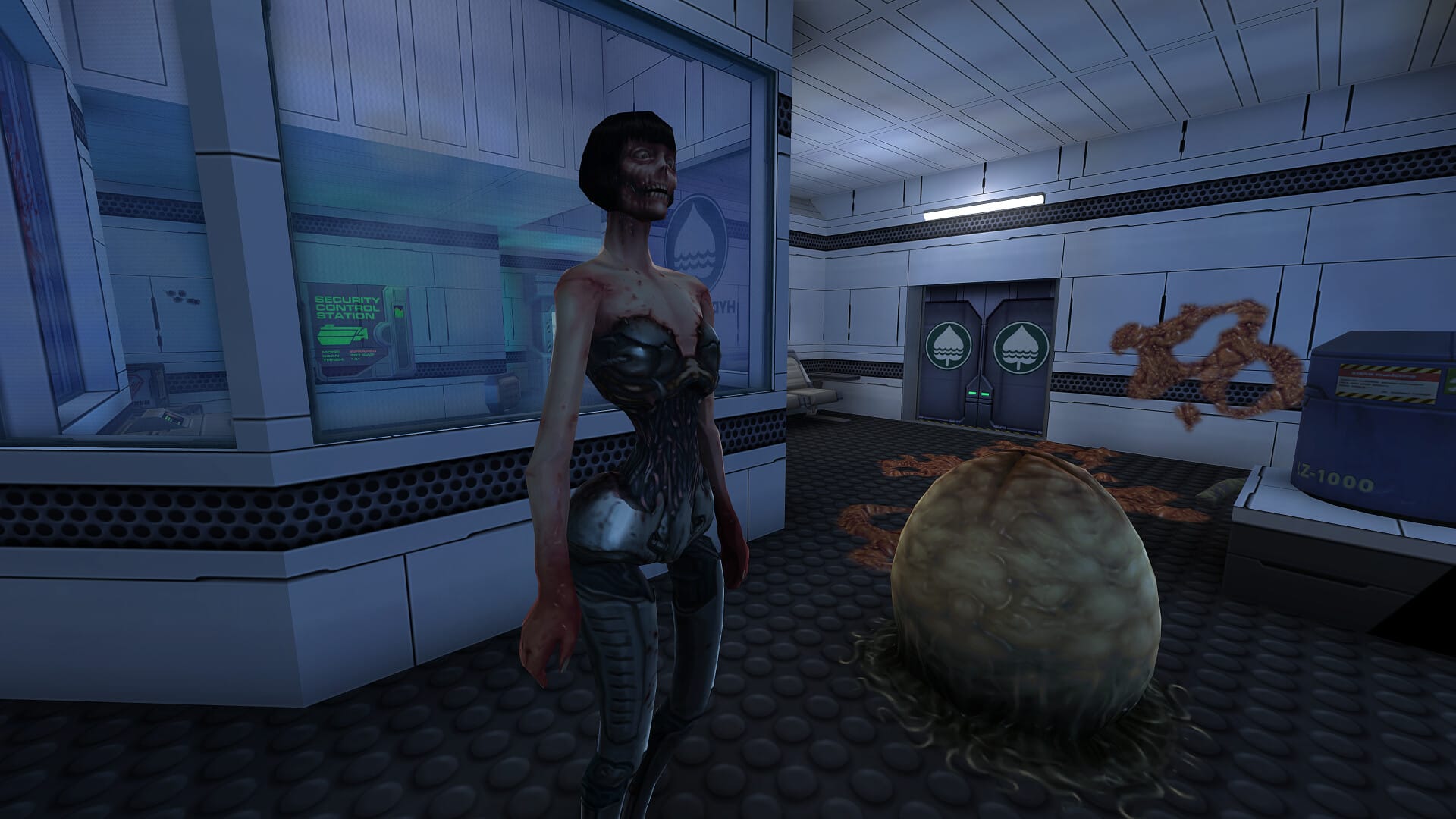
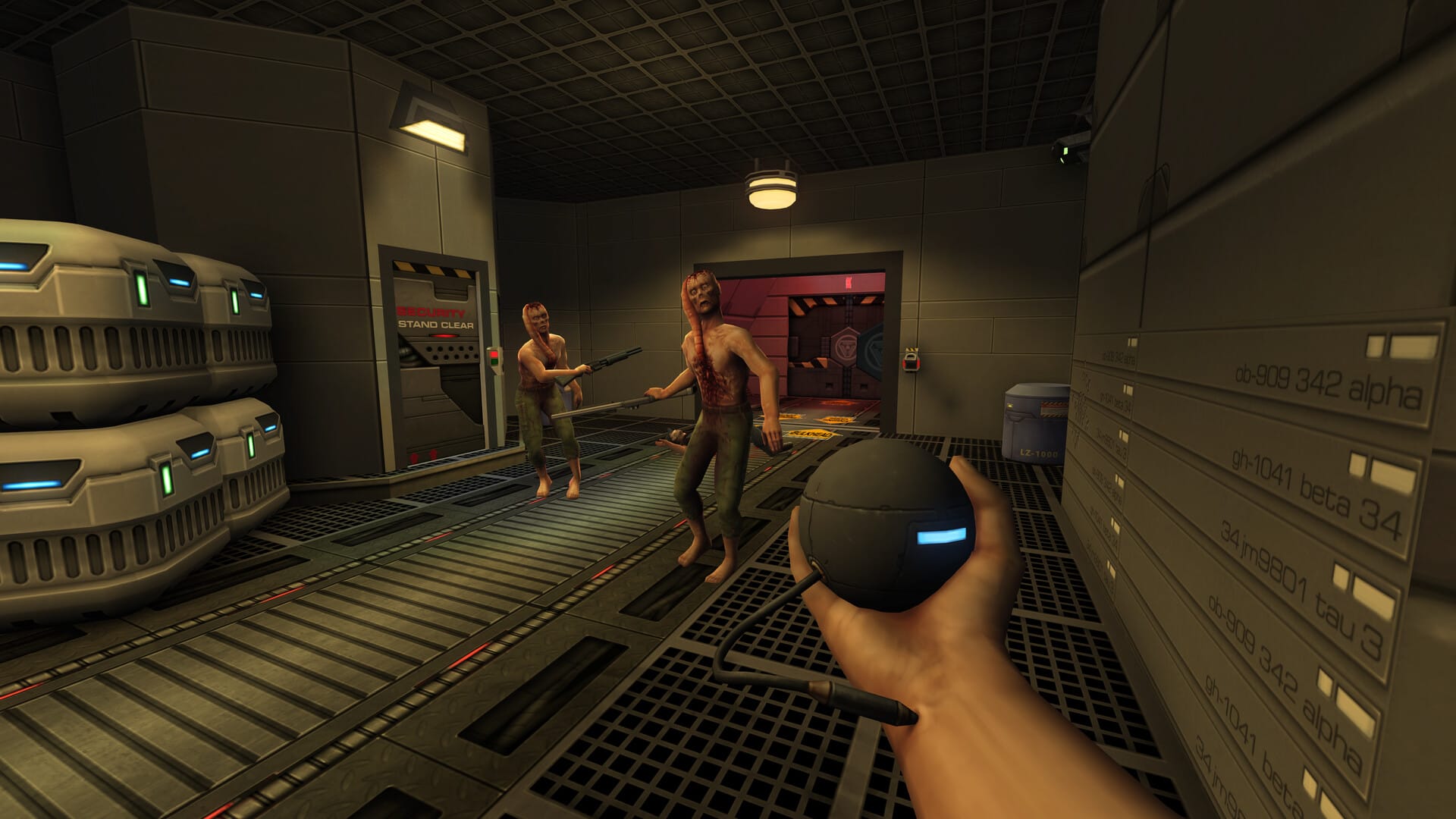
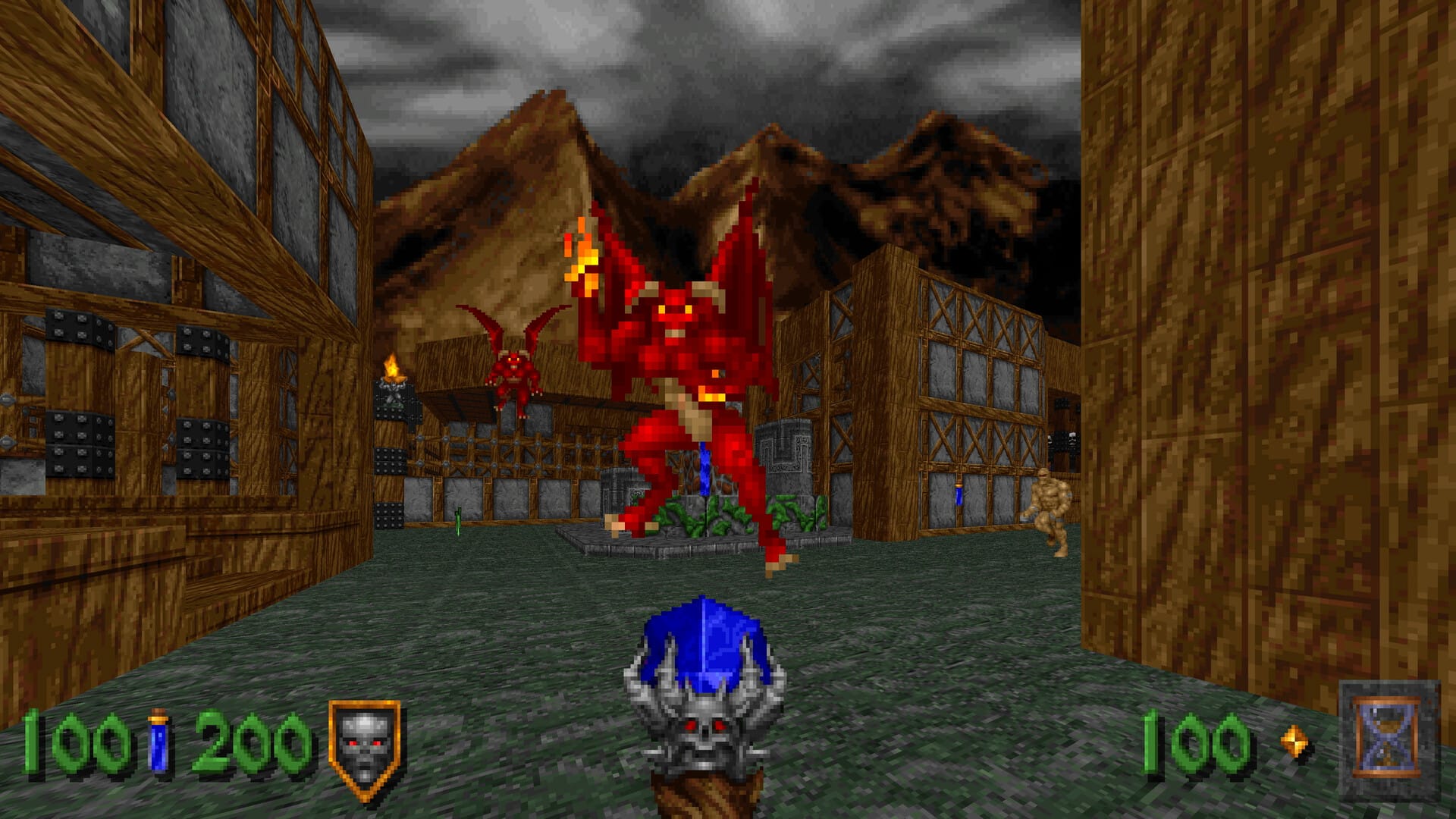
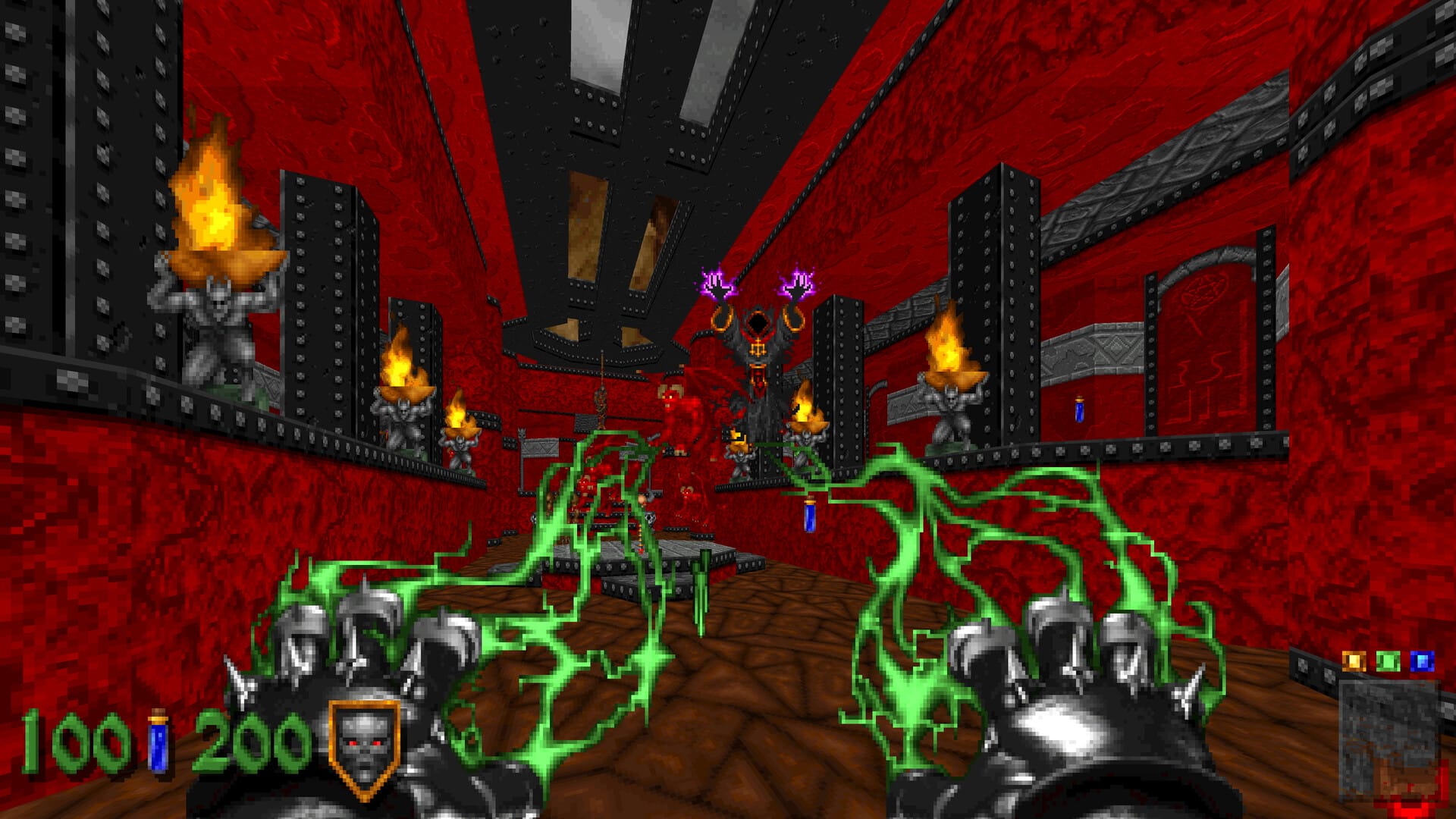
The studio is best known for its remasters and enhanced editions of System Shock 2, Turok, Hexen & Heretic, Quake, Quake II, Forsaken, Blood, Doom 64, Blade Runner, The Thing, Star Wars: Dark Forces, Outlaws, and a complete remake of System Shock (2023). When selecting games, the studio prioritises access to the original source code in order to restore content and recover lost material, and sometimes collaborating with the original developers. Nightdive employs close to 60 developers and typically has between four and five major projects in progress simultaneously. We spoke to Larry Kuperman, VP of Business Development, about their current remasters, the challenges of obtaining the original games, their selection process for re-releases, and this unique market segment.
GamesMarkt: Why did Nightive decide to release Blood: Refreshed Supply when a remaster of Blood (Fresh Supply) was already available on PC?
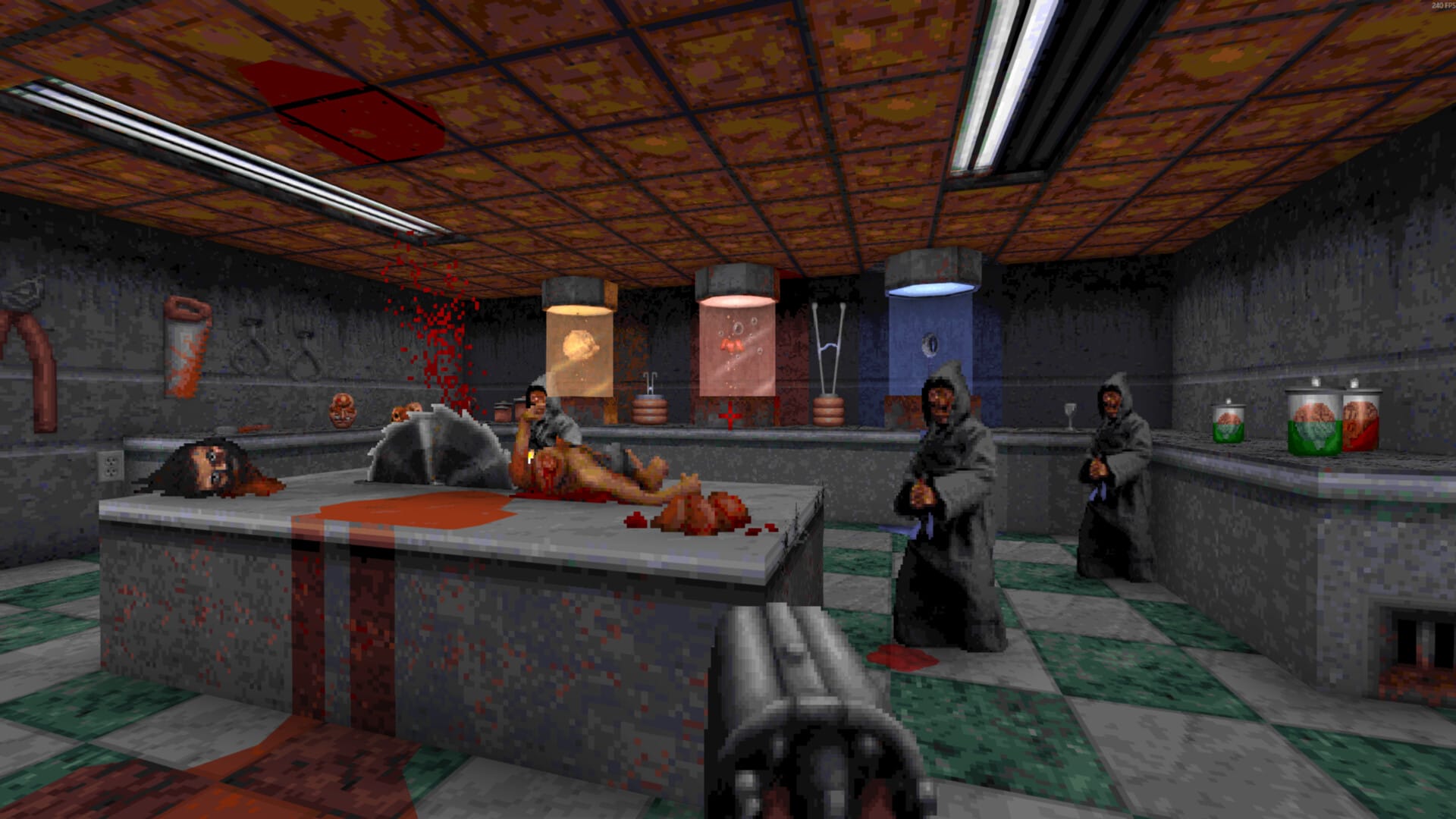
Larry Kuperman: "When we worked on Blood: Fresh Supply, we didn't have access to the original source code and had to work without it. We were also limited to only being able to work on the PC version and could not port the game to consoles. Having located the source code, we had the opportunity with Blood: Refreshed Supply to do a full and proper port of the game to our KEX engine, and, for the first time, bring the game to the console audience. Our console fans have been delighted to finally be able to play what has become one of our best-reviewed games on both Xbox and PlayStation."
GamesMarkt: How important is the KEX Engine to Nightdive, and what makes it so special?
Larry Kuperman: "Nightdive works on a variety of titles - games that are sometimes very different from each other. We like to think that our remasters have a distinctive look and feel that comes from the KEX engine. Samuel Villarreal, also known as Kaiser, developed the KEX engine specifically for remastering titles."
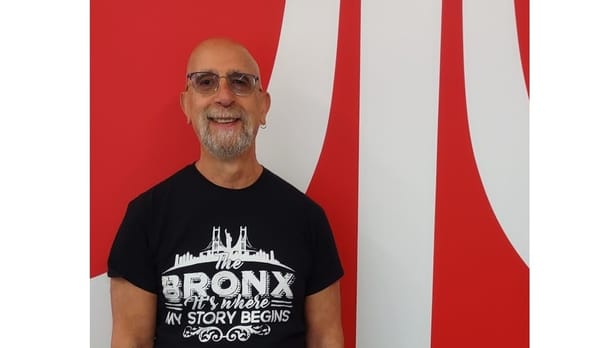
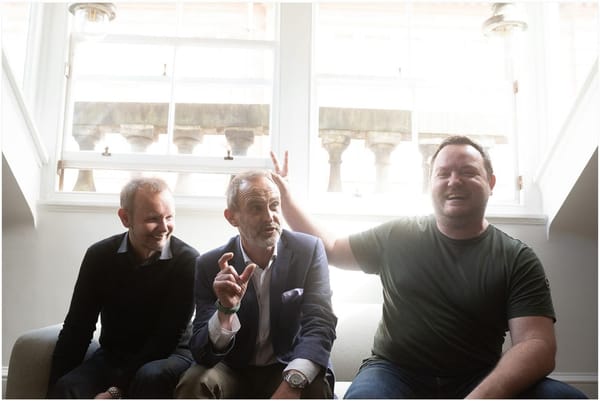
Larry Kuperman is Vice President of Business Development and has been with Nightdive Studios since March 2014. He is also Director of Business Development at The Powell Group Consulting and Advisory Board Member at BWG Strategy. Previously, he worked at Apmetrix, GameStop and Stardock.
GamesMarkt: How important and large do you estimate the market for remasters and re-releases of classics to be? What role do consoles play in this?
Larry Kuperman: "I think we have all seen the statistic that 90% of all the video games ever made are no longer playable. That is where companies like Nightdive come in. For the past 13 years, we have developed remasters and remakes that have delighted millions of fans. Along the way, we have created the expectation that a remaster can be worth playing whether you played the original or not, and that it has value on its own merits beyond nostalgia. We see this as a growing market."
"The question about consoles is really interesting. Games from the N64 era, for example, were no longer playable as the console reached the end of its life. When we brought back Doom64, the game became playable on PC and modern consoles, adding an element of completeness to the Doom universe."
GamesMarkt: What makes you decide to bring back a classic? What is your approach, and what is usually the most difficult part? Is it licences or missing source code?
Larry Kuperman: "We use a variety of metrics in making a decision. The popularity of the original version of the game is the primary one. When we were offered the opportunity to remaster a game like Doom or Quake, that is an easy decision. Other factors we consider include games that introduced a particular mechanic or were influential, such as Star Wars: Dark Forces."
"Then there are games that were 'quirky,' such as Killing Time, a combination of Full Motion Video and First-Person Shooter. Or PO'ed, a really unusual and, if I may say so, obscure title that was personally important to a team member here. It turns out that there is indeed an audience for these games."
"Licensing is absolutely key for us. And having access to source code (and original art assets and any tools that were used in the original development) are all key factors. An ideal scenario for us is when we work with the IP rights holder of a popular title who can provide a full set of assets. That ideal is really rare, and we almost always have to do some detective work before we even get started in development."
GamesMarkt: Which game would you definitely like to see re-released on modern platforms? It would also be interesting to hear why this is so difficult and why it was impossible to bring No One Lives Forever back (yet).
Larry Kuperman: "Let us use No One Lives Forever as an example. The game was published before all contracts were electronically stored and catalogued. It's this last part that is crucial, because no one can say with certainty how many contracts there were. The game was developed by a company that has since been acquired and then published by another company, which has also undergone acquisitions. It is not just finding one contract stored in a box somewhere. We can't say with certainty how many contracts there were. It is the unknowns that give lawyers nightmares."
GamesMarkt: How much influence does community feedback have on remaster features, as with Star Wars: Dark Forces?
Larry Kuperman: "Community feedback, both leading up to launch and after launch, is crucial. One of the advantages of working on retro games is that the communities for these games already exist and, in many cases, have been quite vocal in what they would like to see addressed before we even begin. After launch, we always try to be mindful of what our fans would like to see improved."
GamesMarkt: What mistakes can companies make when developing and announcing remasters, aside from rushing games to market with AI assets for a 'quick buck'?
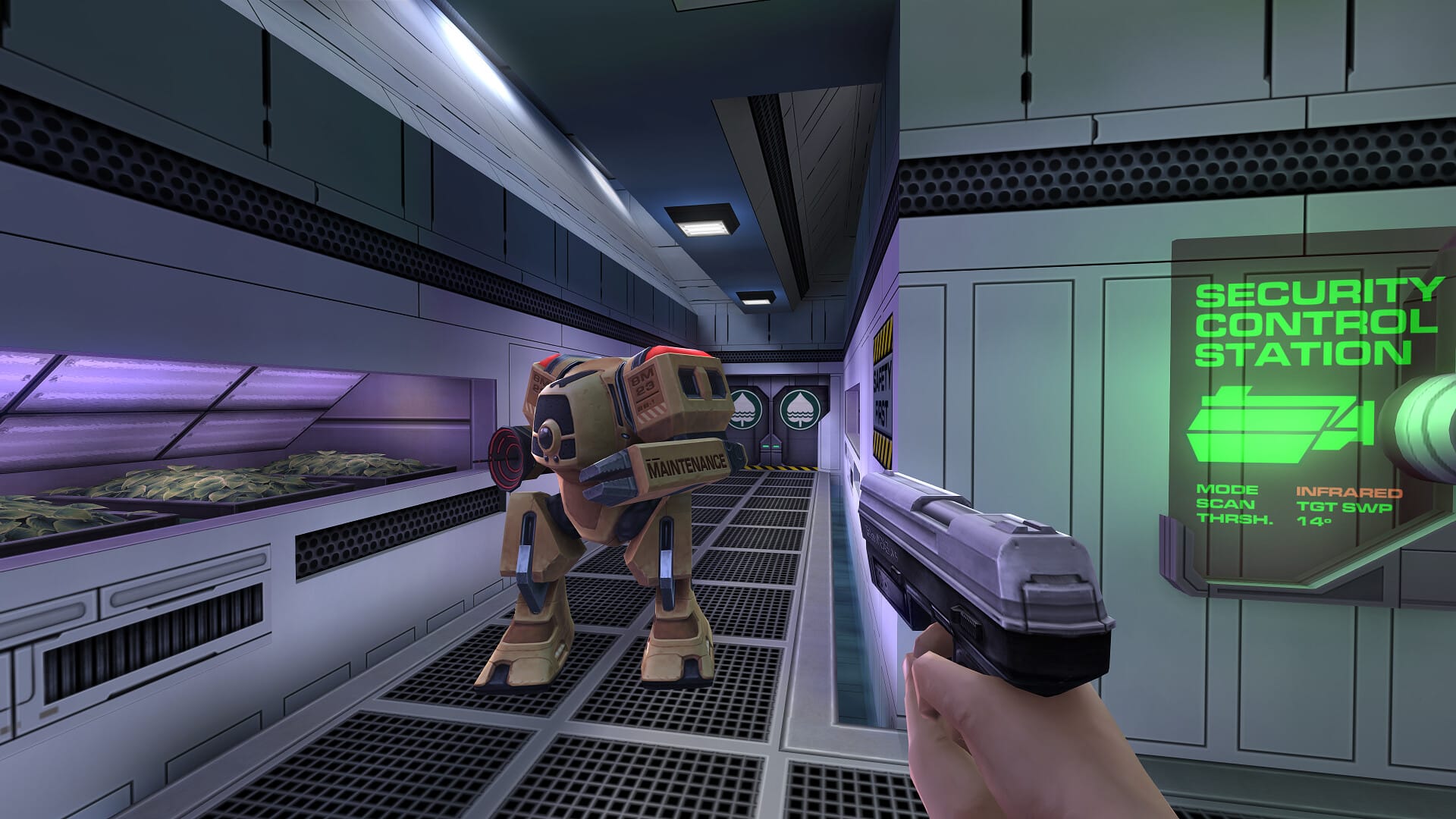
Larry Kuperman: "It is always harder than it looks! (Which is true of all game development!) Typically, one remasters a game that was important, a game that is still meaningful to a community. The community’s expectation is that a remaster will be both the same and yet better, a hard task to pull off. Let me offer an example. Shadow Man is one of my favorite Nightdive games. During the course of remastering the game, we discovered a level that was never finished and never made it into the original game. We completed that level and were able to offer fans the most complete version of the game."
GamesMarkt: How would you describe the competition from other companies, such as GOG.com and ININ, that also restore classics?
Larry Kuperman: "We don't view them as competition, but as partners. GOG, in particular, is Nightdive’s oldest partner and played a key role in our company’s start. All of Nightdive's titles are released on GOG.com as well as Steam, Epic, Humble, etc. Part of our philosophy is that our fans should be able to buy our games anywhere that they choose."
"The same can be said of Nightdive and Atari partner Limited Run Games, which has brought our titles in physical formats to fans worldwide."
In May 2023, Atari announced the completion of its acquisition of Nightdive Studios. Atari's purchase price for Nightdive Studios comprises an initial consideration of US$9.5 million, consisting of $4.5m (€4.1m) in cash and $5m (€4.55m) in newly issued Atari shares, as well as an earn-out of up to $10m, payable in cash over the next three years based on Nightdive's future performance.
GamesMarkt: How did Atari's acquisition of Nightdive in 2023 change your development processes and project planning?
Larry Kuperman: "Perhaps the most significant change is that companies now come to us with requests for remasters. Being part of Atari has helped in that regard. We also work closely with the development team at Digital Eclipse, sharing resources, particularly with artists."
"On the whole, I think it is fair to say that we have taken great steps to standardize our processes, with the understanding that every game is somewhat different and development needs to be adaptable."
GamesMarkt: How has the collaboration with Atari been going, and what synergies have emerged since the acquisition?
Larry Kuperman: "It has been great. Atari has taken on the ancillary services, including accounting and finance, HR, Legal, etc. This allows us to focus on making the games themselves."
Marcel Kleffmann is Chief of Content of GamesMarket and our B2B and B2C expert for hardware, market data, products and launch numbers with more than two decades of editorial experience. (marcelDOTkleffmannATgamesmarktDOTde)