Screamer
After more than 30 years, the Screamer franchise from Milestone and Plaion is back. However, this time it's a whole new game: an arcade racing title set in a futuristic, neon-lit world with an interwoven narrative and '90s anime cutscenes.

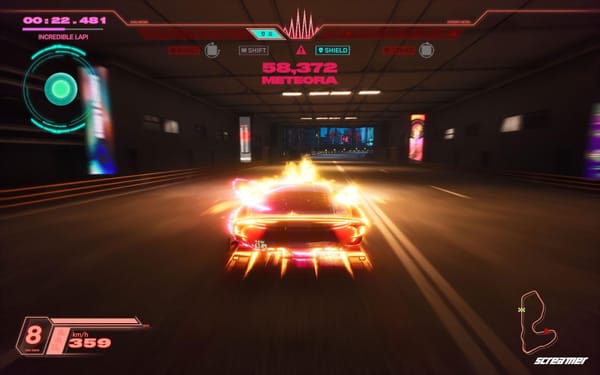
One of Italy's largest game studios is Milestone, located in Milan. The company, which is now owned by Plaion and the Embracer Group, was previously called Graffiti. Together with Virgin Interactive, it launched the arcade racing game Screamer in 1995. In Germany, the game was known as Bleifuss (Leadfoot). A second instalment and a rally game followed, after which the franchise ended. Until now. At the end of March, Screamer will make a comeback, but it will be very different from before. While it remains an arcade racing game, it is set in a futuristic, neon-lit world brimming with 1990s anime vibes.
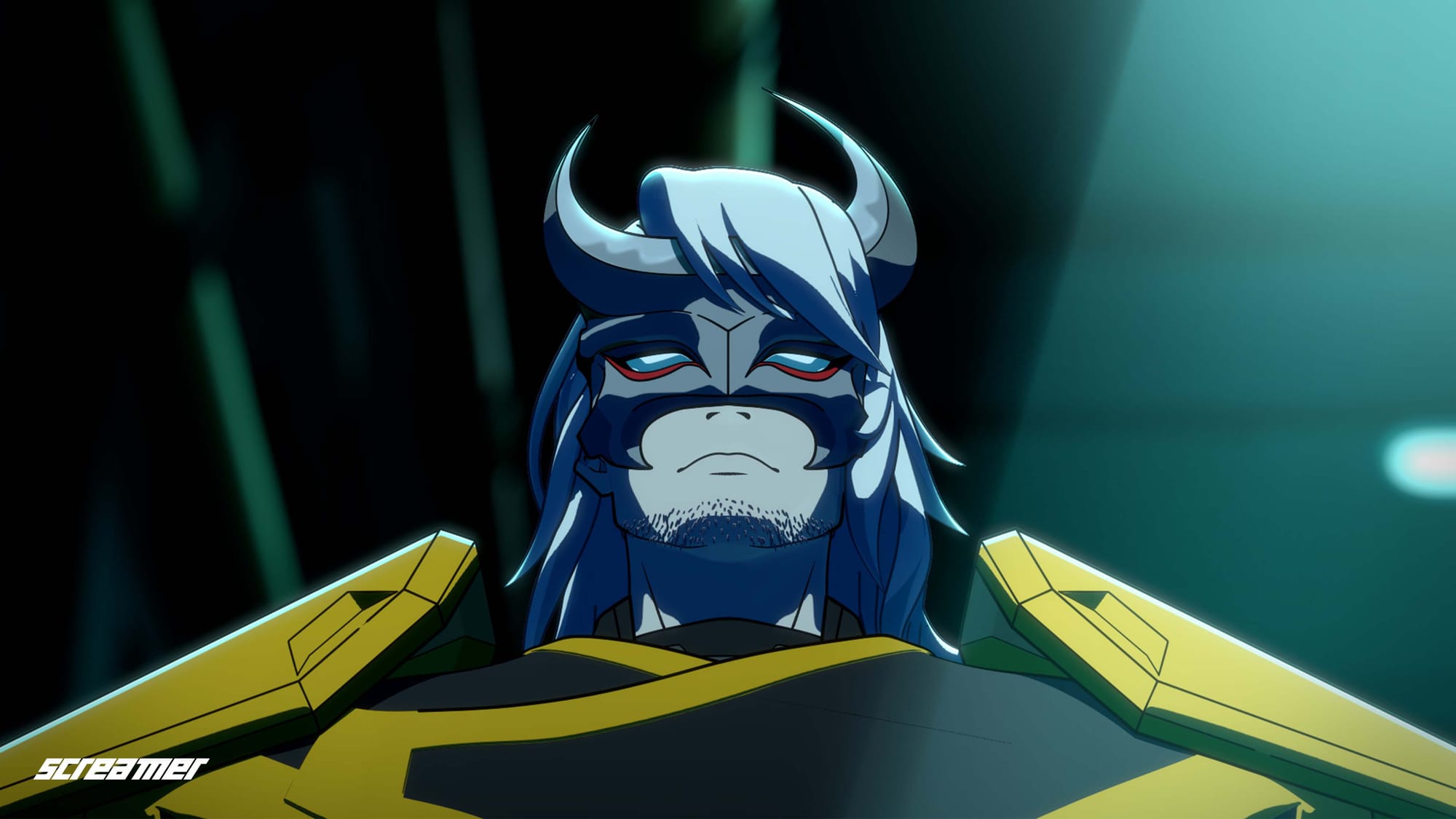
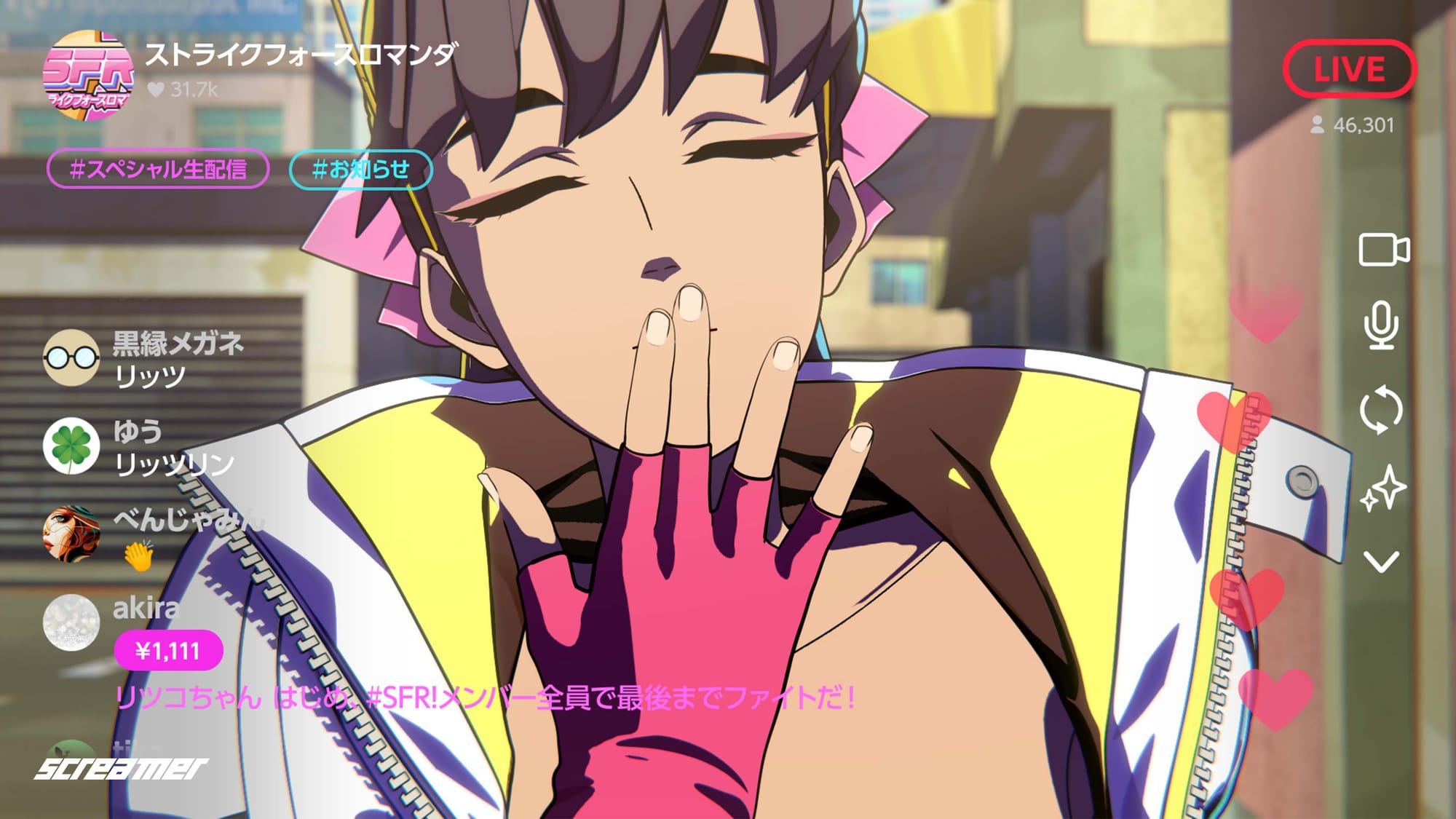
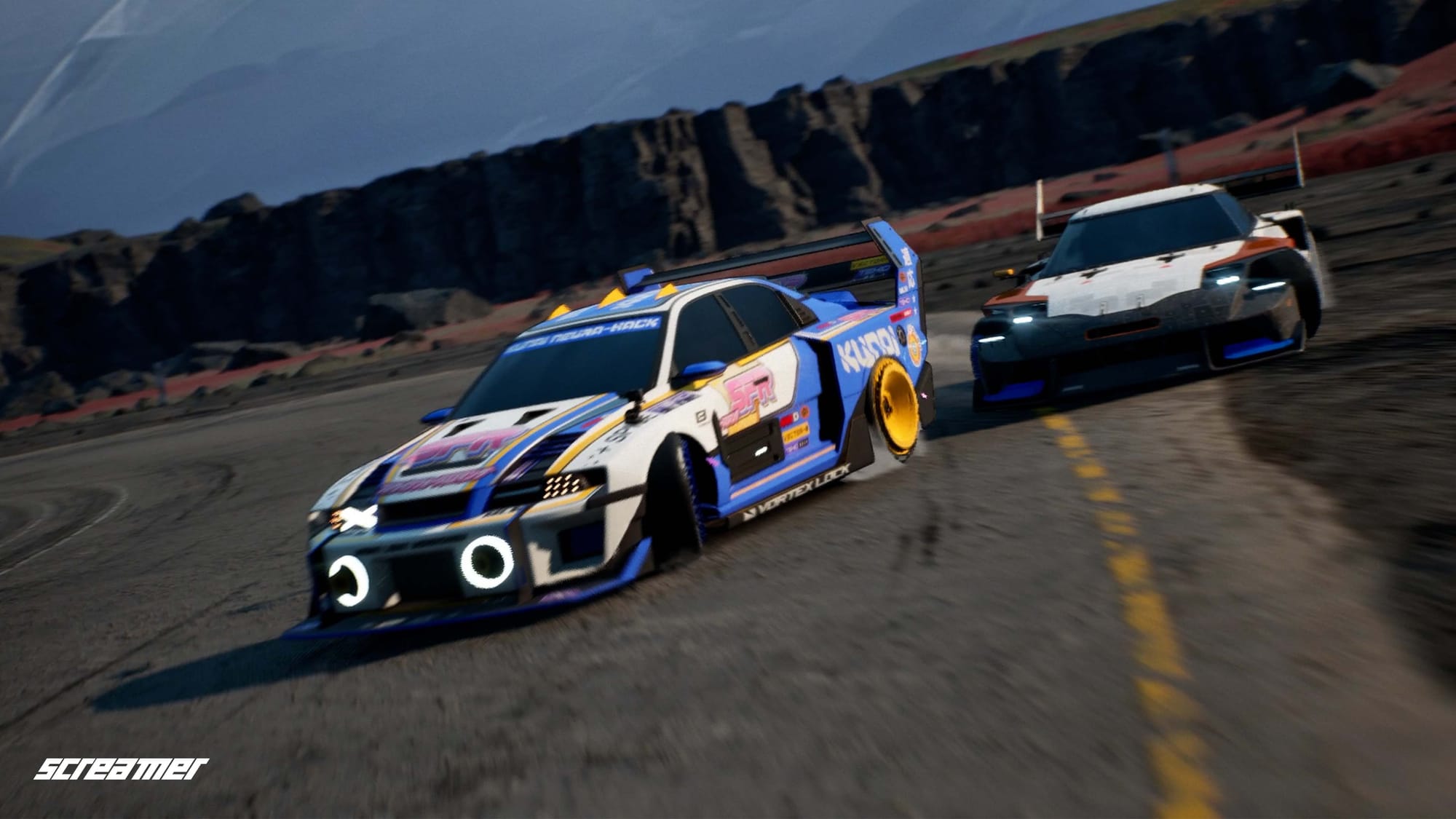
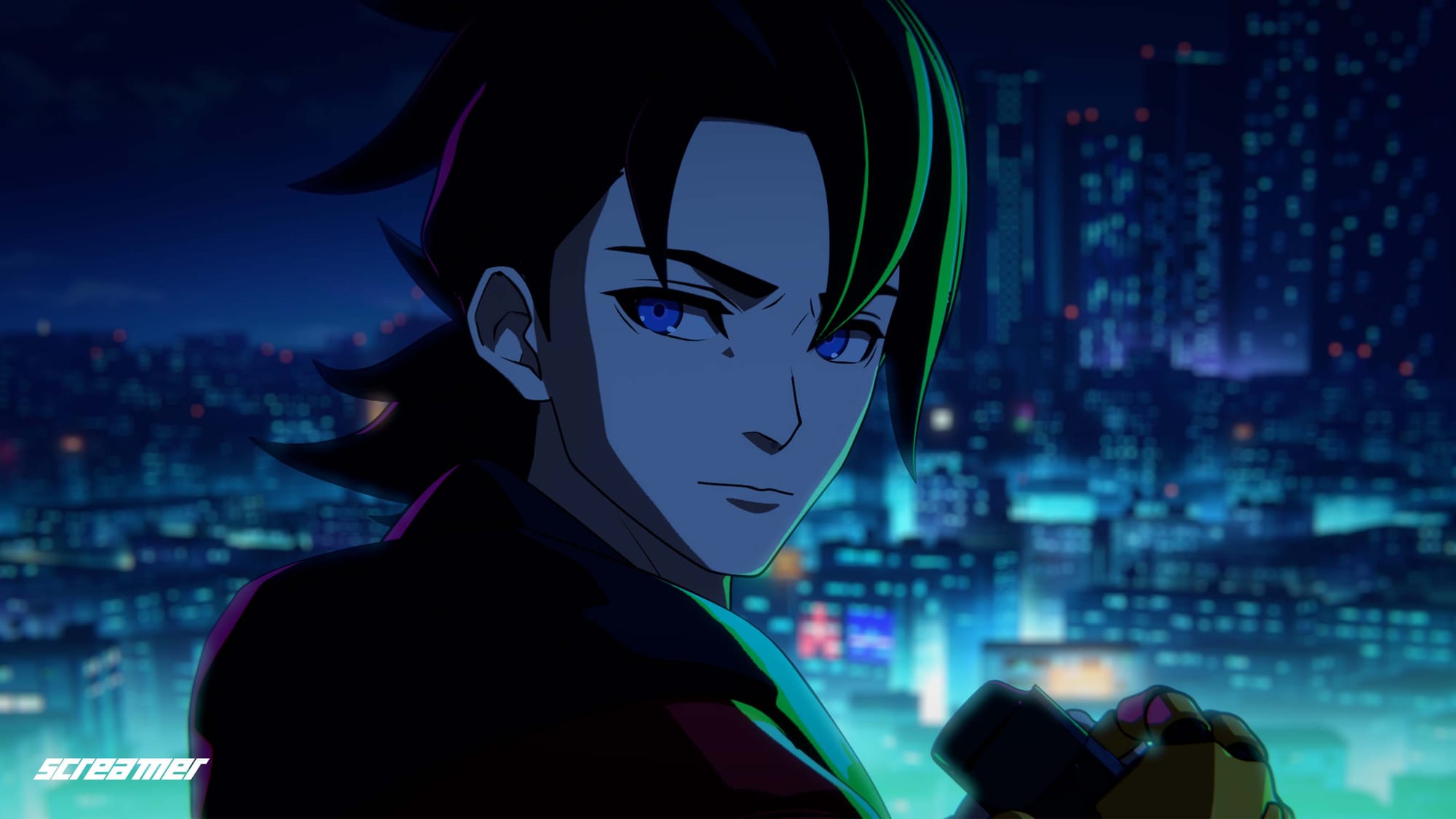

Screamer © Milestone / Plaion
Five teams are ready to risk it all in the Screamer tournament, an illegal street racing event. The teams comprise soldiers, scientists, criminals, superstars and ruthless magnates, and players must choose their driver well, as each one drives a vehicle that reflects their personality, with a unique design and ability. The storyline is enriched by interwoven character arcs, drawing inspiration from '80s and '90s anime and manga. Screamer features over 30 minutes of anime-style cutscenes, produced in collaboration with the Japanese animation studio Polygon Pictures, as well as an international cast of actors including Troy Baker and Aleks Le.
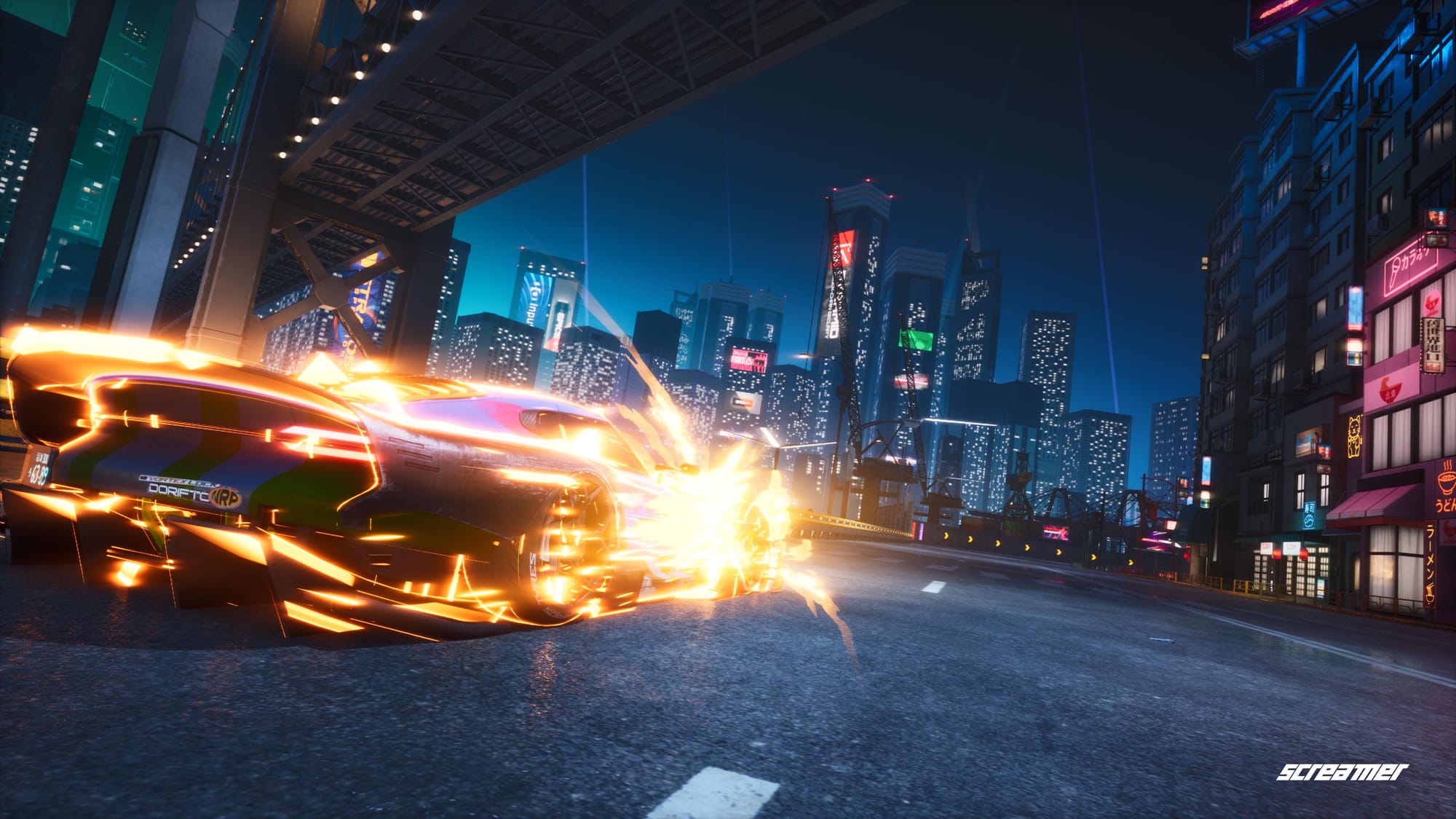
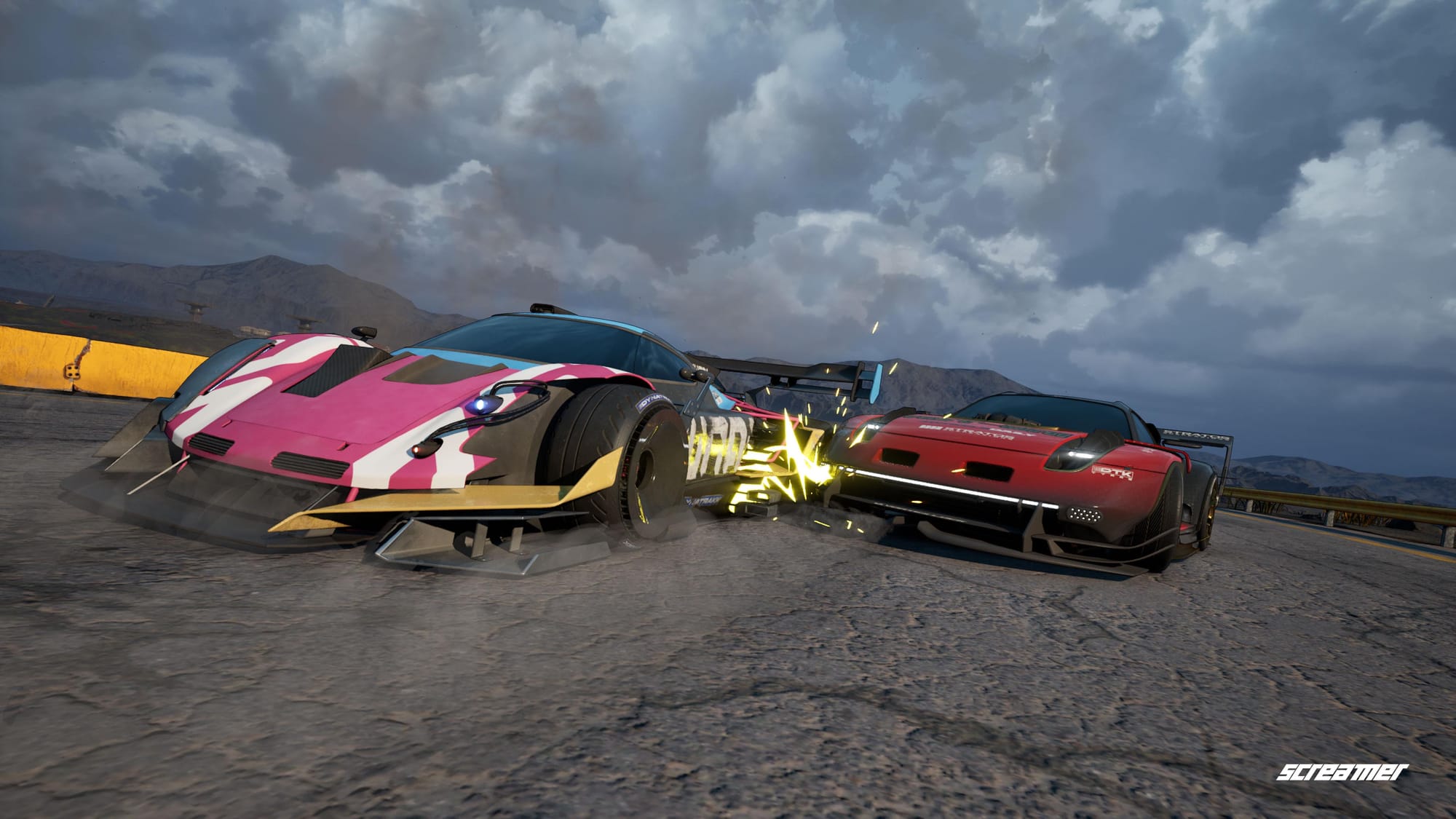
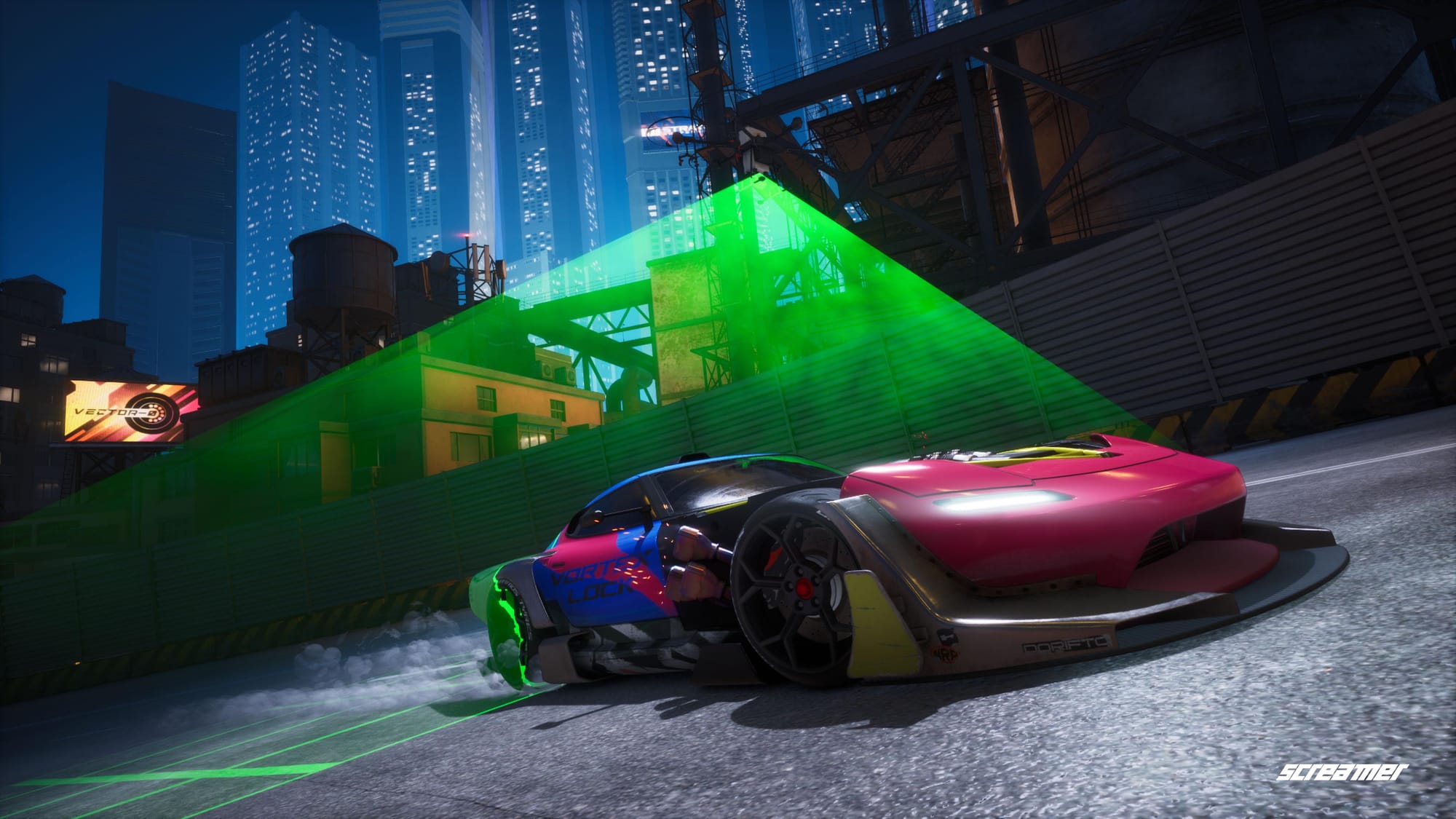
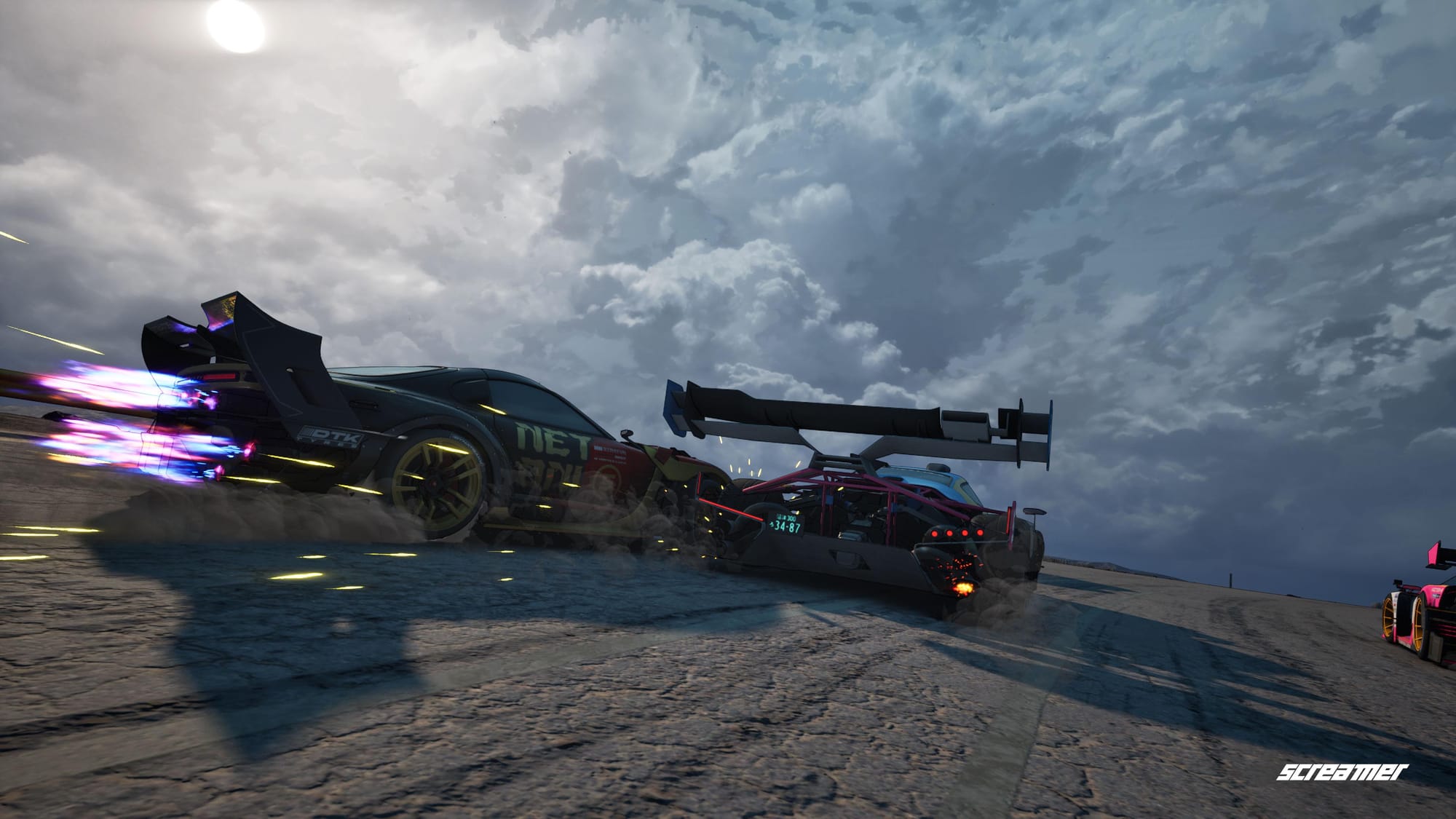
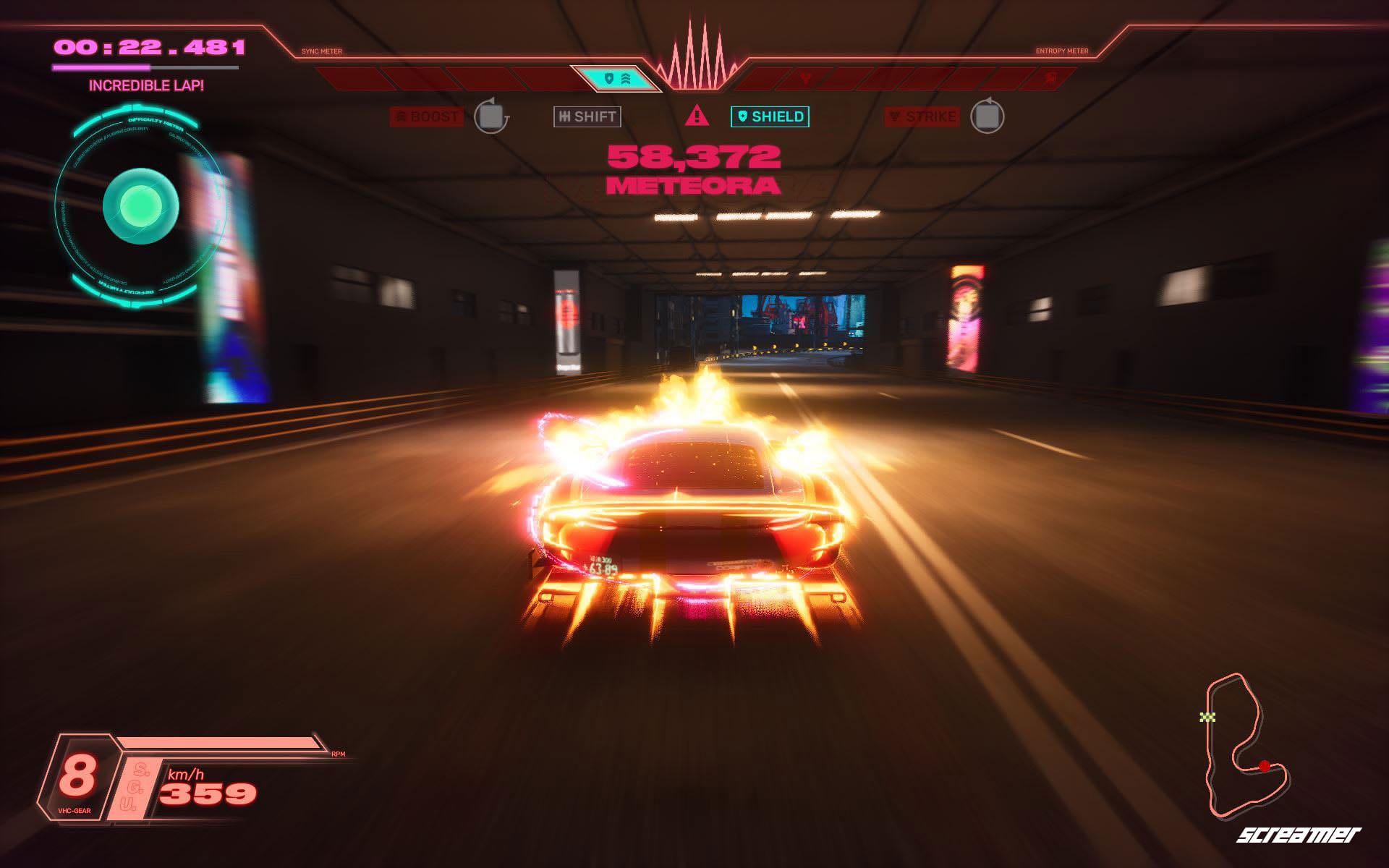
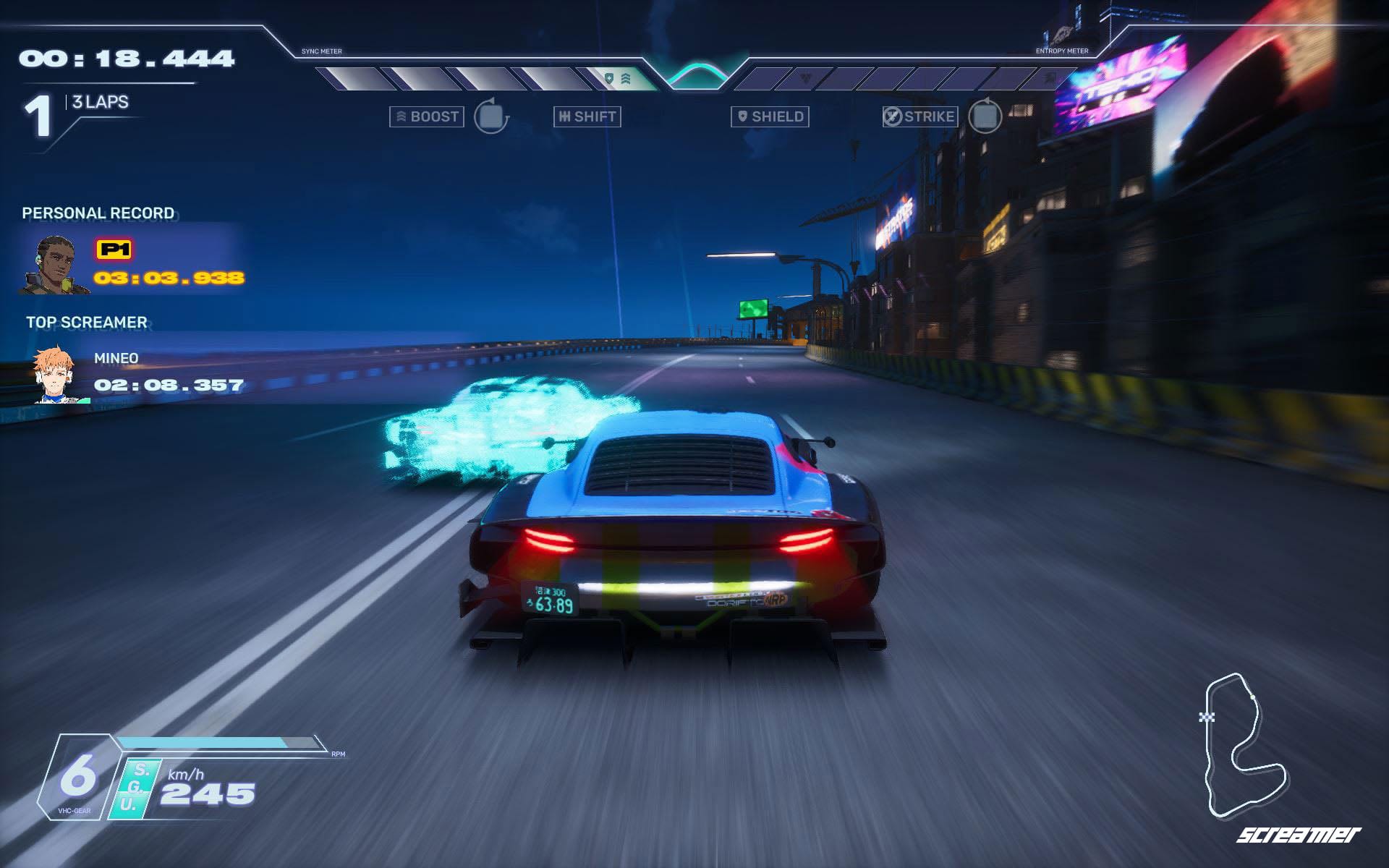
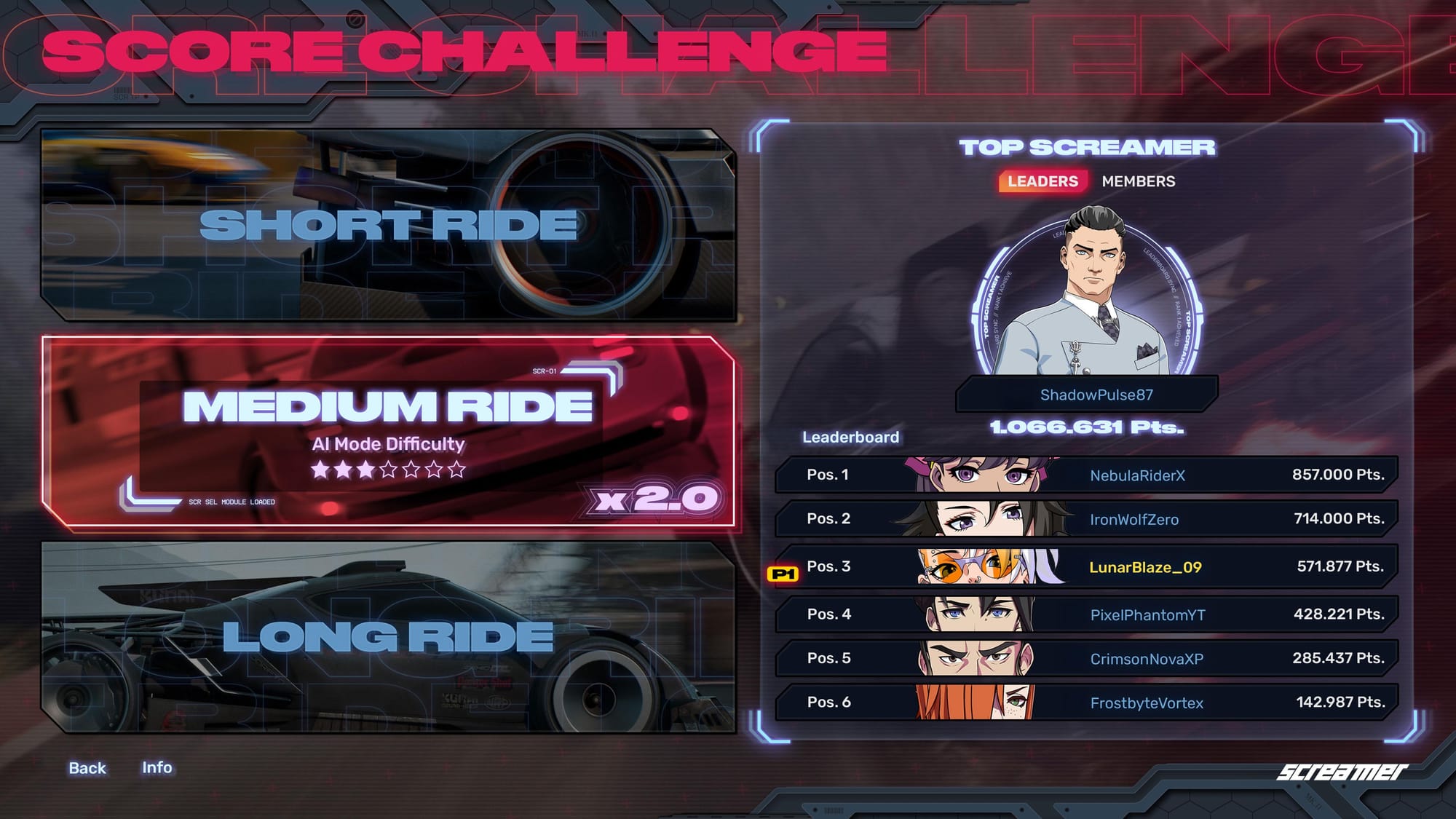
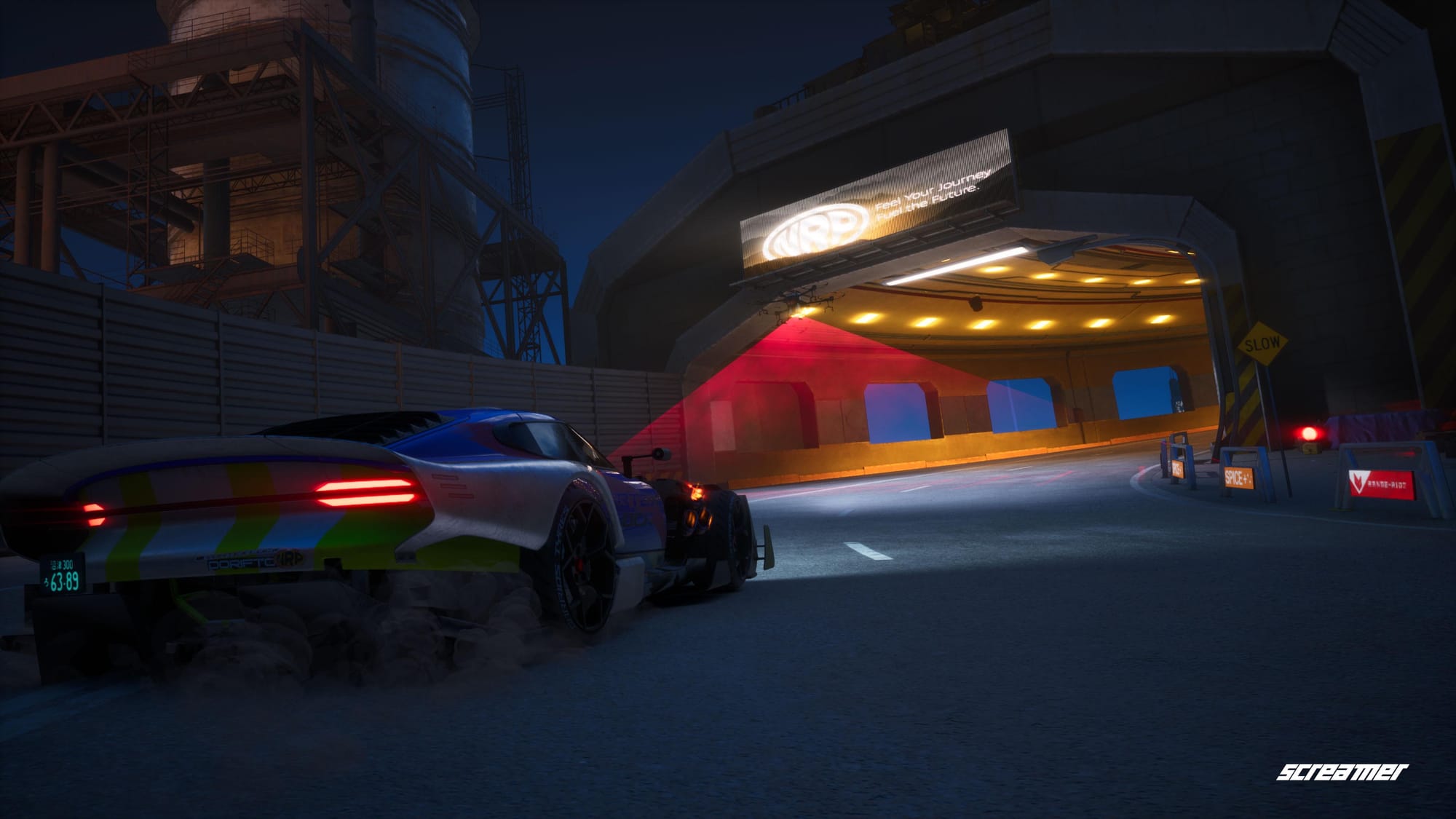
Screamer Game Modes © Milestone / Plaion
Beyond its narrative core, Screamer features racing and fighting gameplay mechanics. The Twin Stick control system allows players to steer and drift independently. The other key mechanic is the Echo System, which revolves around two resources: Sync and Entropy. Sync can be built up either passively or intentionally by performing an Active Shift, a timely upshift that complements the vehicle's automatic transmission. Sync can then be spent to either boost the vehicle or shield it against enemy attacks. Using Sync generates Entropy, which powers two offensive mechanics: Strike and Overdrive. Strike is an attack that can make enemies explode, while Overdrive increases the vehicle's speed, provides a temporary shield and enables players to knock out opponents. However, a car in Overdrive mode will explode if it crashes into a wall.
For an arcade racer, however, the game is surprisingly challenging. This is partly because the dual-stick system (steering on the left and drifting on the right) and the attack and defence mechanics take some getting used to. It takes time to perfect the timing and execution – both when driving and when 'fighting'. This is especially true since the game is already quite challenging on the normal difficulty setting, which is likely to intimidate casual players. Moreover, full key remapping and various accessibility options are available, ranging from drastic measures such as time slowdown to assisted steering and auto-acceleration, all of which make driving easier. Nevertheless, Milestone is aware of these issues. The team is working on implementing advanced difficulty settings to ensure a better balance. These will not be integrated into the game until after launch, though.
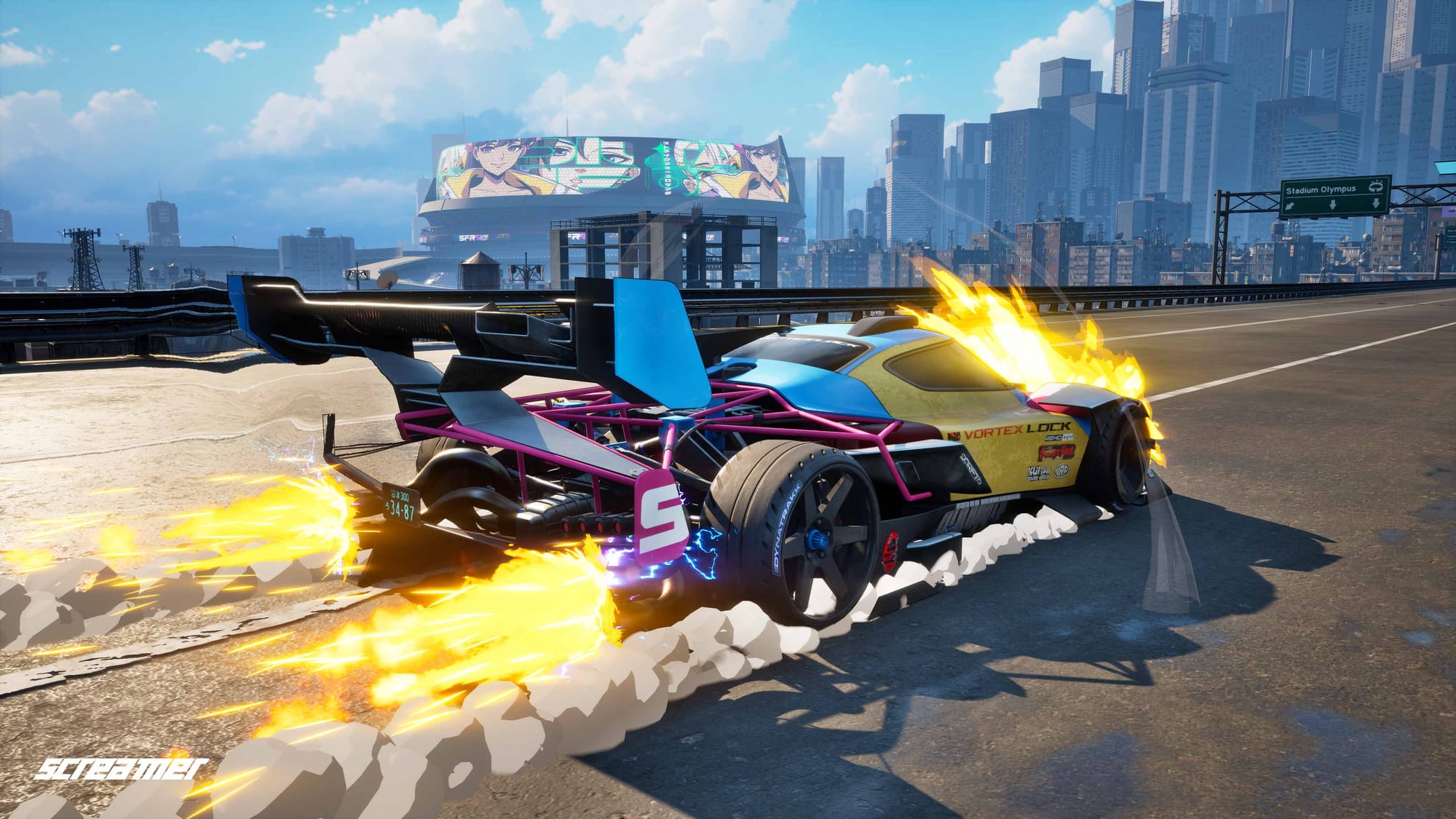
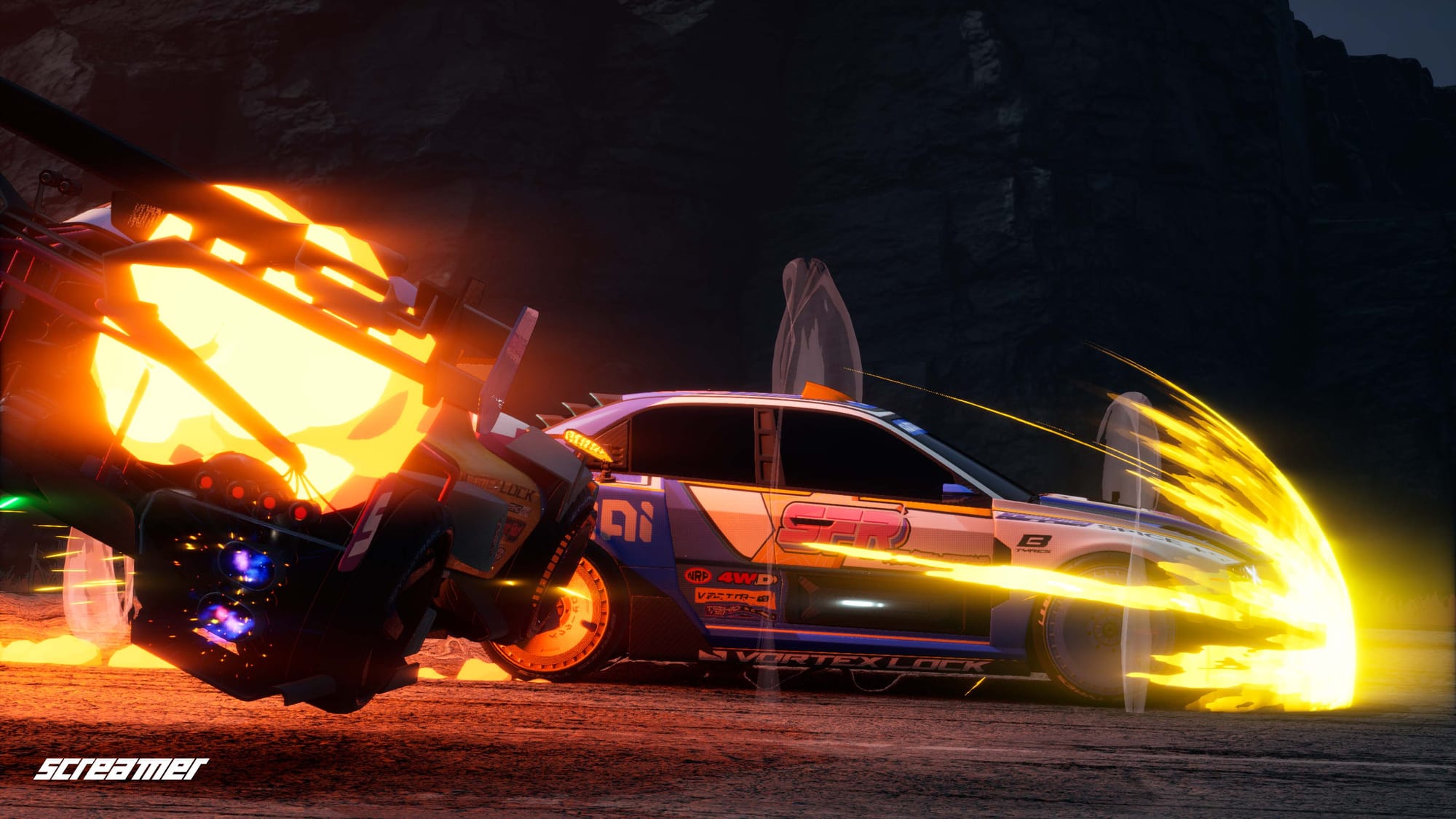
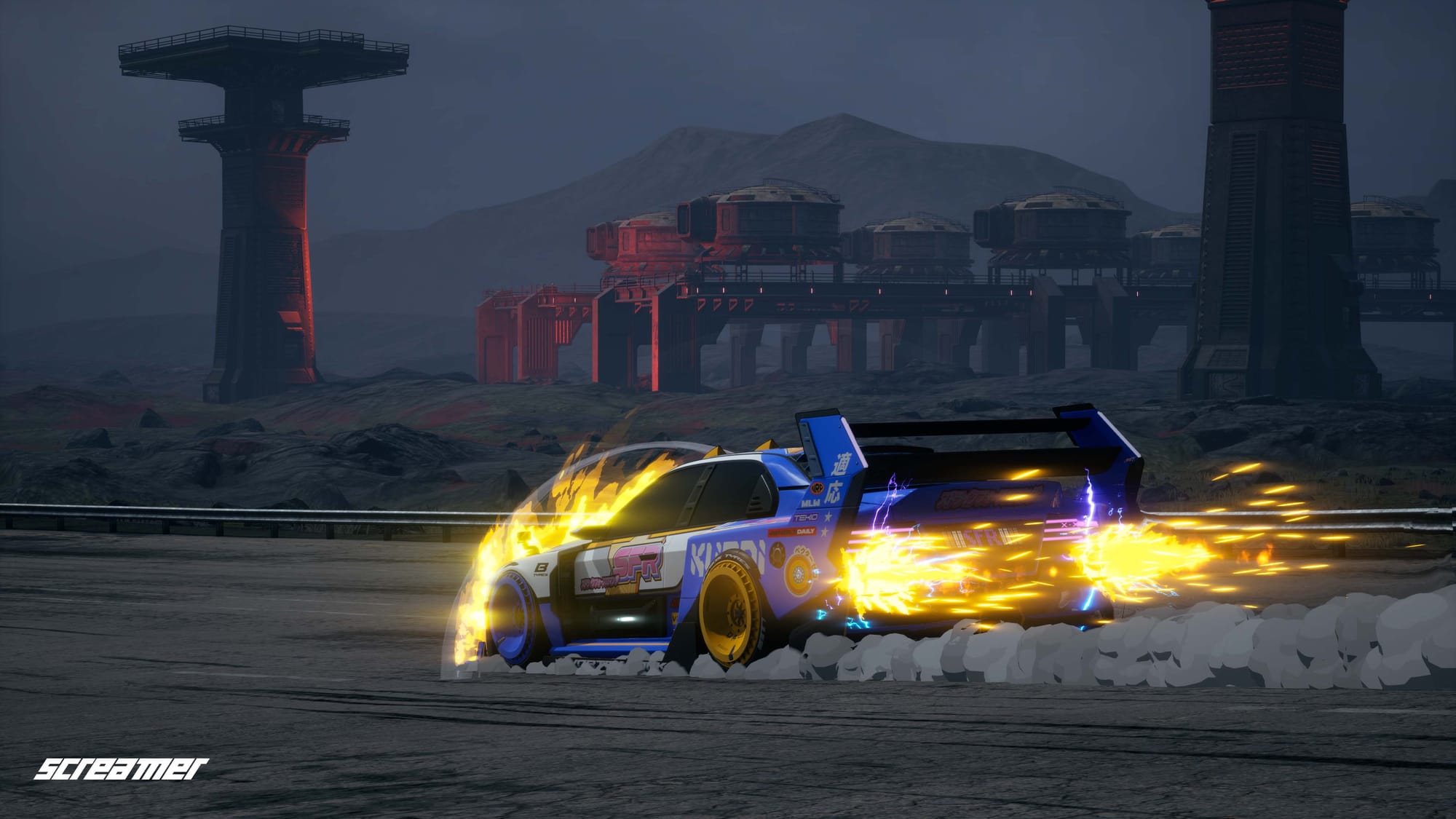
Strike © Milestone / Plaion
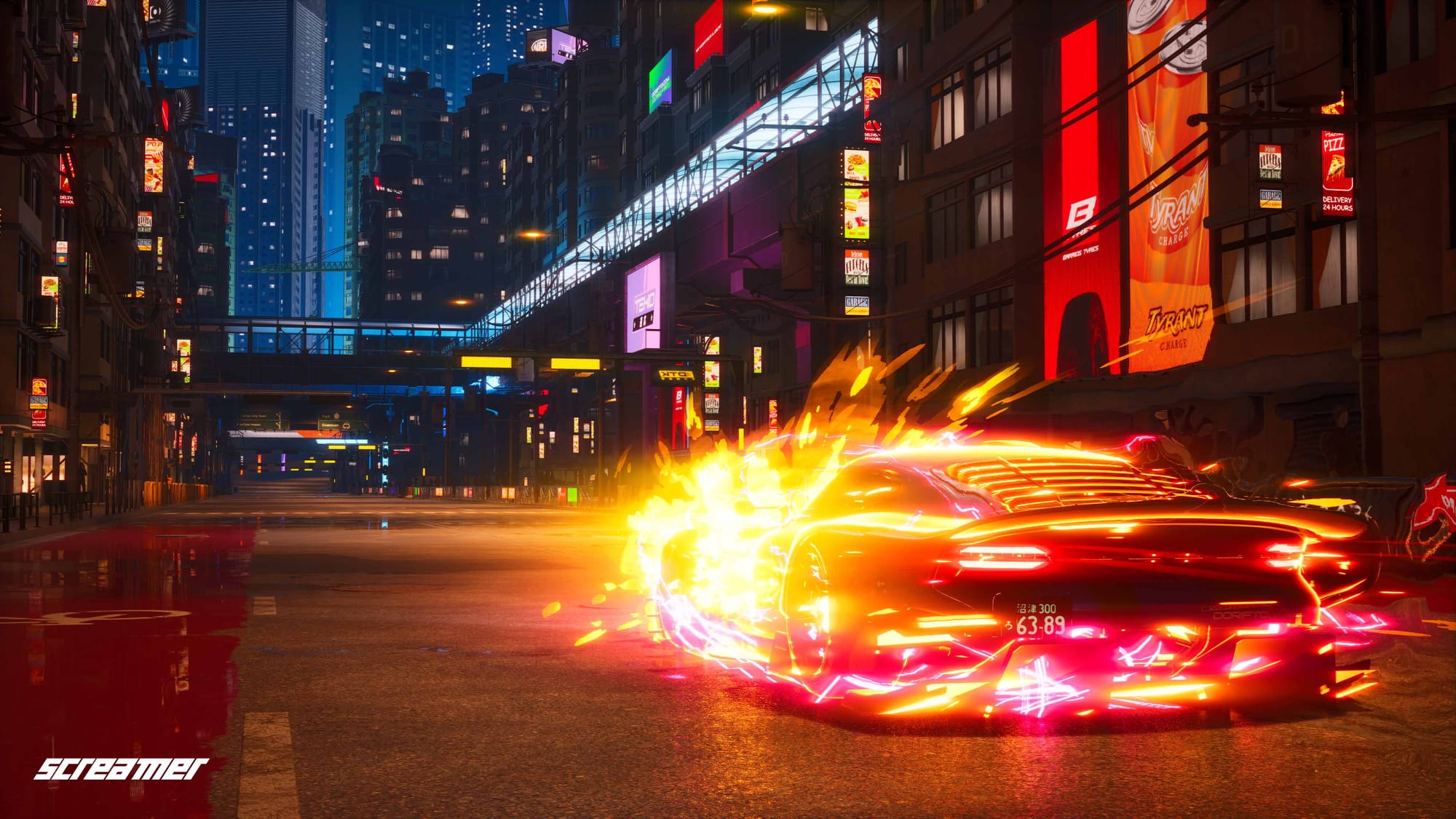
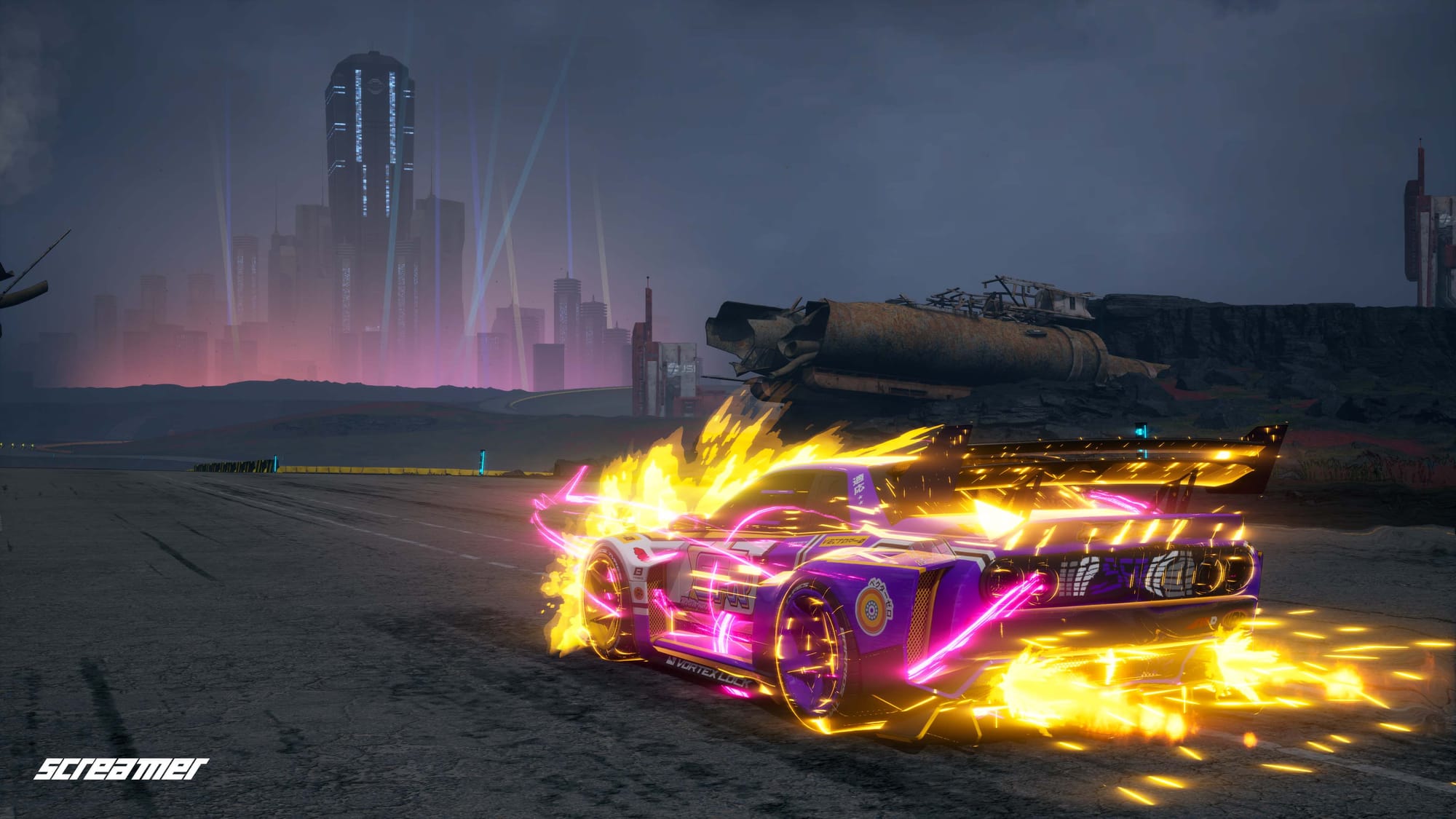
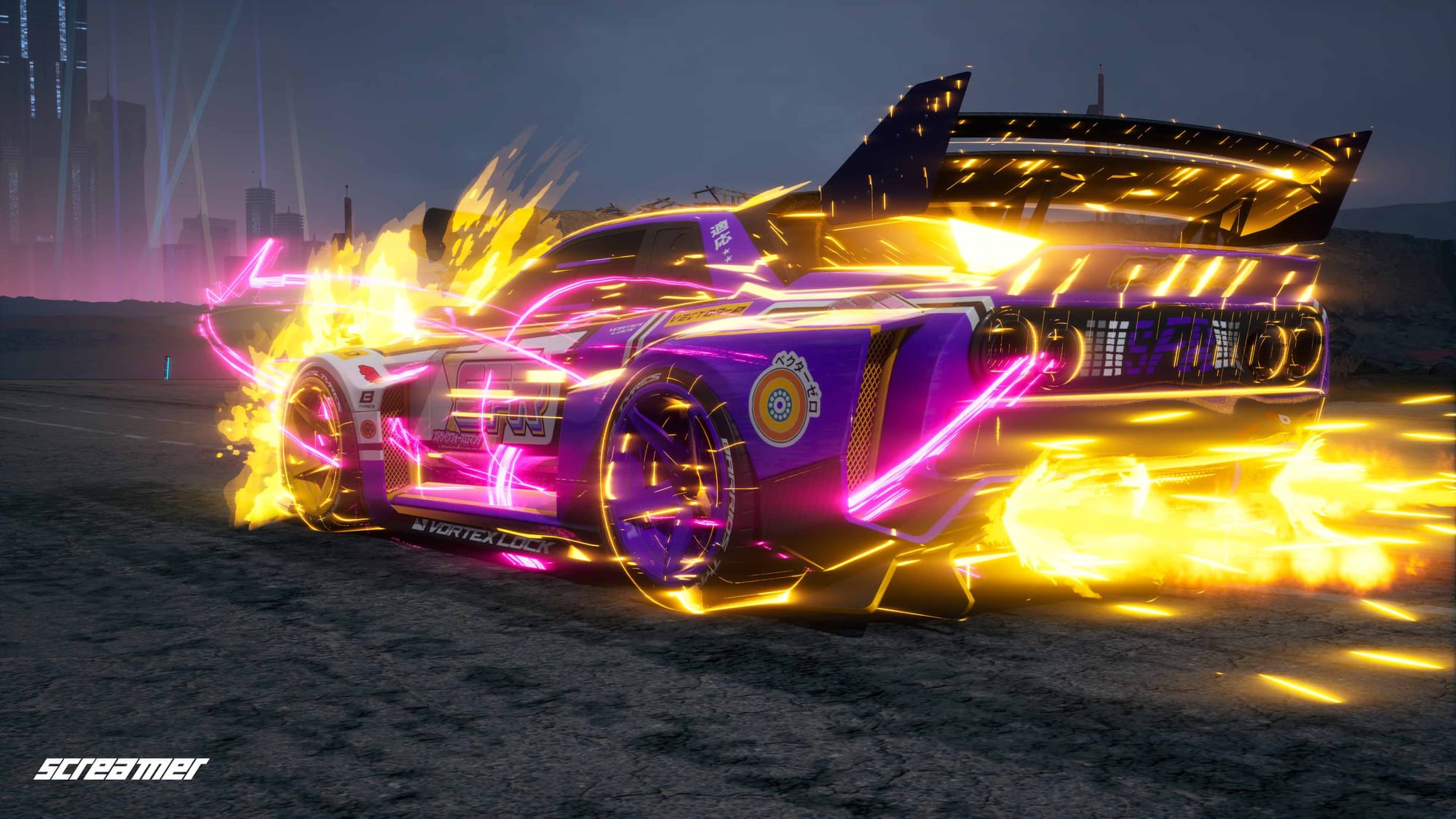
Overdrive © Milestone / Plaion
In addition to the main campaign, which progresses through The Tournament, the game features a variety of other modes. In Team Races, players can create their ideal squad by selecting one or two characters. However, victory is not determined by speed alone: final rankings also take into account the number of KOs executed by each team member. In Overdrive Challenge, Overdrive is active from the start of the race. Drawing inspiration from classic arcade experiences, there are Score, Time Attack, Checkpoint and Race modes - the latter offers plenty of customisation options. Multiplayer mode features ranked team races, private lobbies, a rotating playlist of races, and team races called Mixtape, as well as split-screen mode for up to four players.
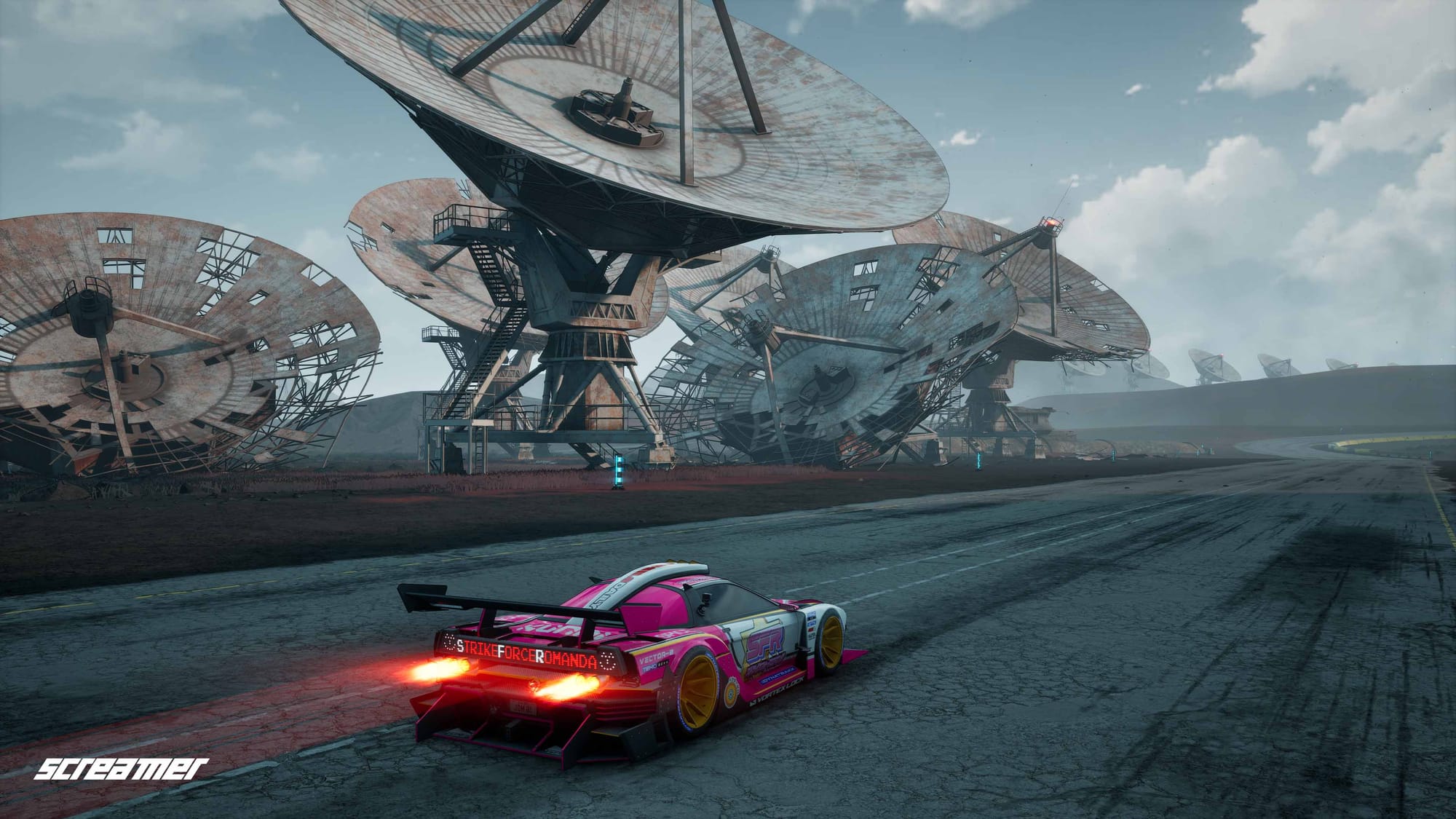
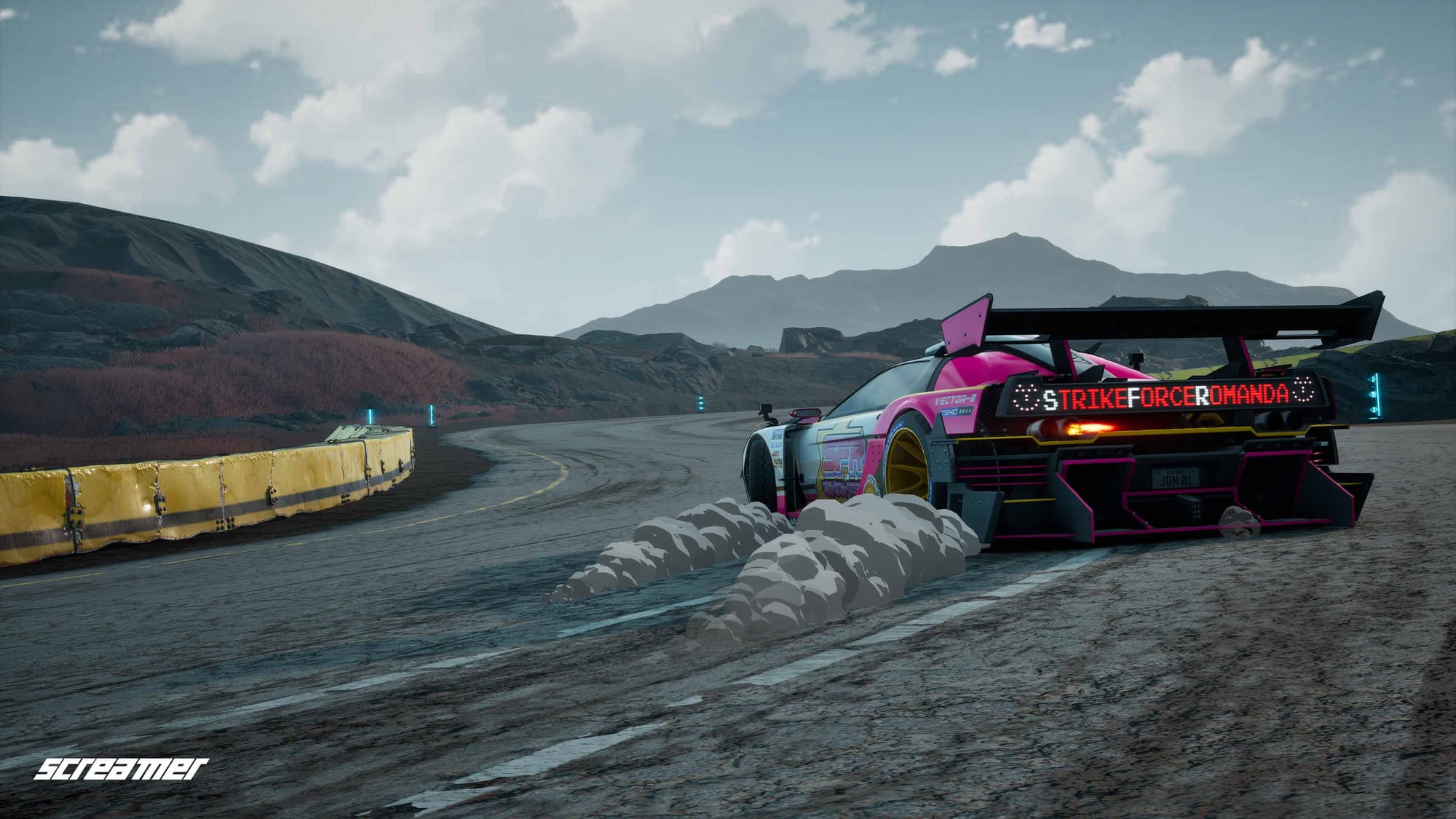
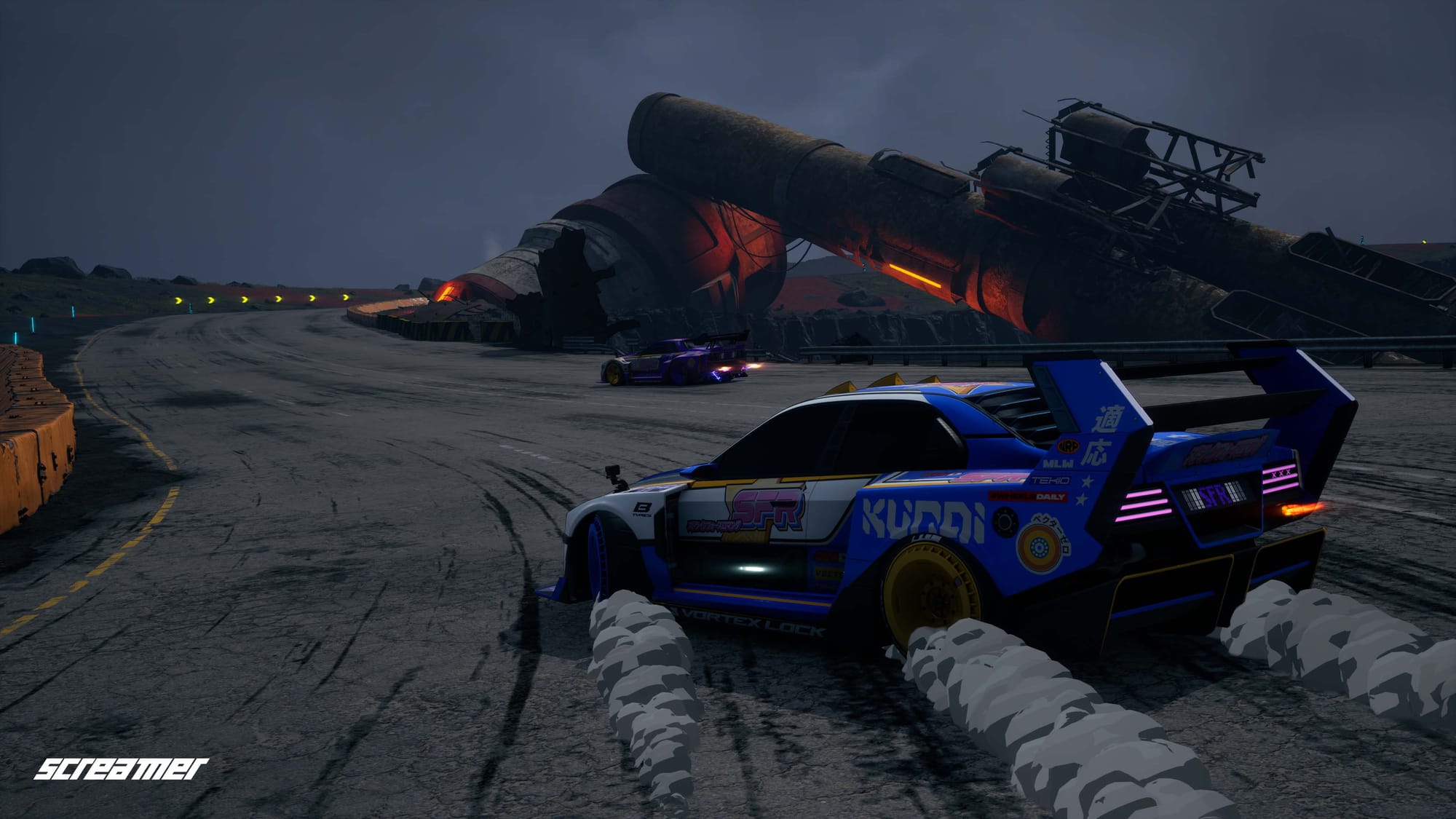
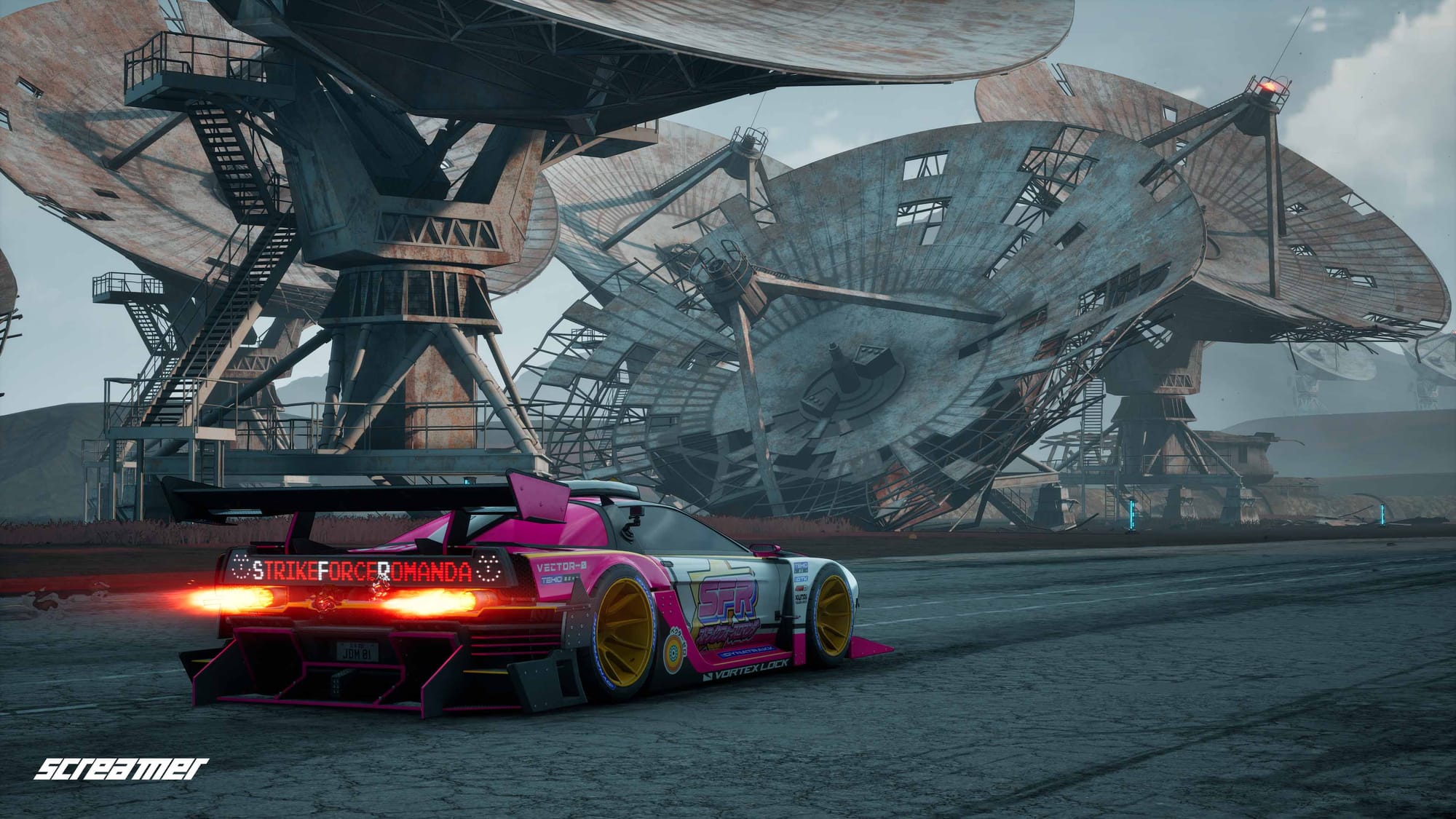
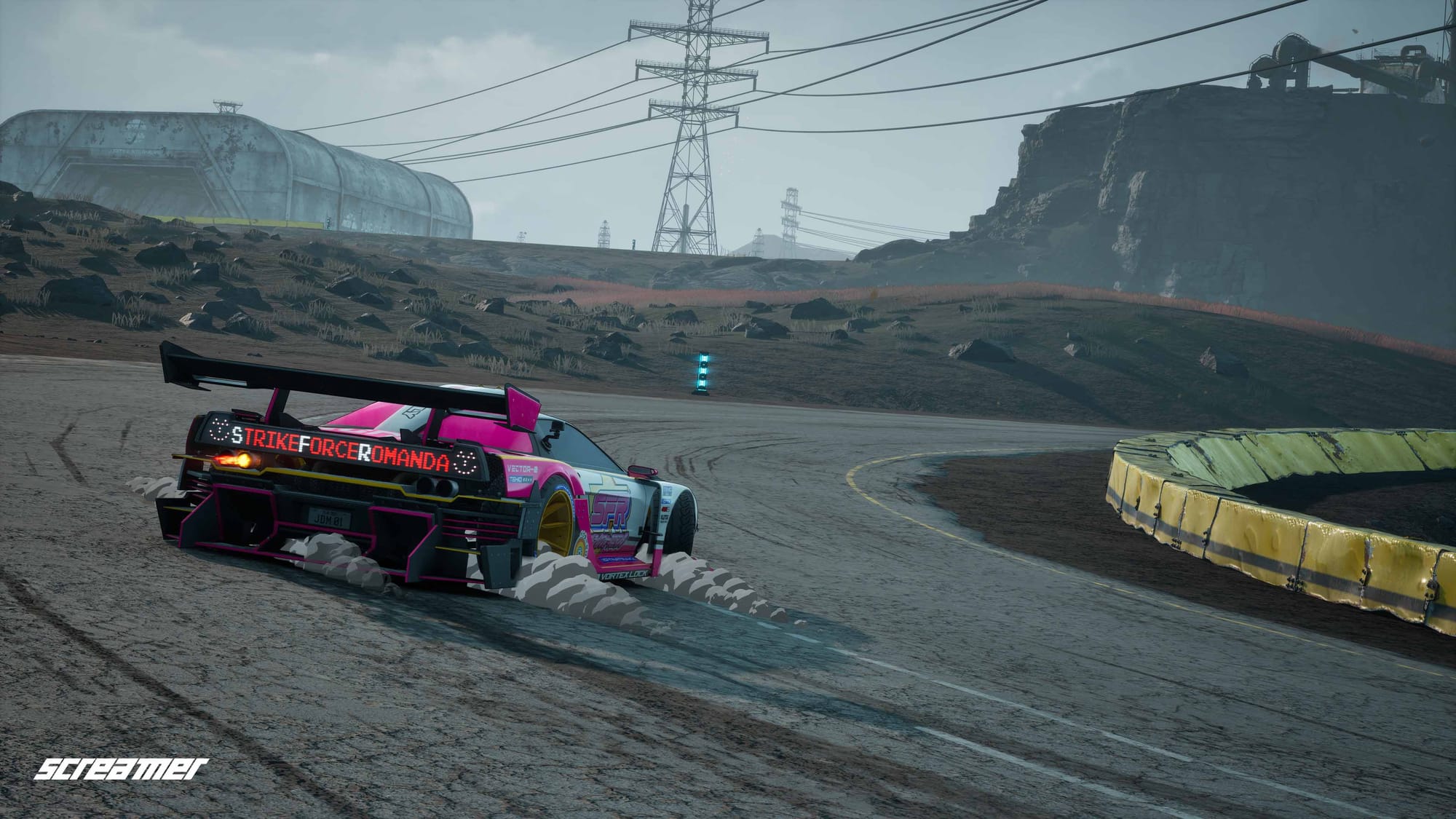
Boost & Drift © Milestone / Plaion
Screamer will launch on 26 March 2026 on PC, PlayStation 5 and Xbox Series X|S for €69.99, as well as a Deluxe/Echo Edition with further customisation options for vehicles for €79.99. Both console versions will also be available in retail stores, distributed by Plaion.
Conclusion
Screamer breathes new life into the classic franchise with its fast-paced racing and '90s anime aesthetic. However, it does take some time to get used to the unusual control scheme and challenging races, particularly for an arcade racer.
Features
- Distinct arcade racing game with fighting mechanics and a storyline
- Five different teams
- '90s anime vibes and over 30 minutes of anime-style cutscenes
Written by