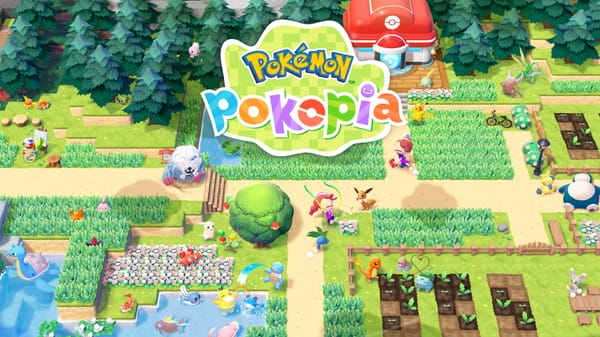
A cozy life simulation set in the Pokémon universe? That's exactly what Pokémon Pokopia is, and it works surprisingly well. It's hard to believe that this combination has only emerged so late in Pokémon's 30-year history.
This year, The Pokémon Company celebrated 30 years of Pokémon, as the first games were released in Japan on 27 February 1996. However, the next instalments in the main Pokémon video game series, Pokémon Winds and Pokémon Waves for Switch 2, will not be released until 2027. In the meantime, there is plenty more to keep Pokémon fans happy, including the recently released remakes of Pokémon Red and Pokémon Green, namely Pokémon FireRed and Pokémon LeafGreen for Switch; the turn-based strategy game Pokémon Champions, which is due to be released in April for Switch and later on mobile; and last but not least, Pokémon Pokopia. The latter is a cozy life simulation, developed by Koei Tecmo’s Omega Force and published by Nintendo and The Pokémon Company for Switch 2. It’s sort of like Animal Crossing meets Dragon Quest Builders in the Pokémon universe.
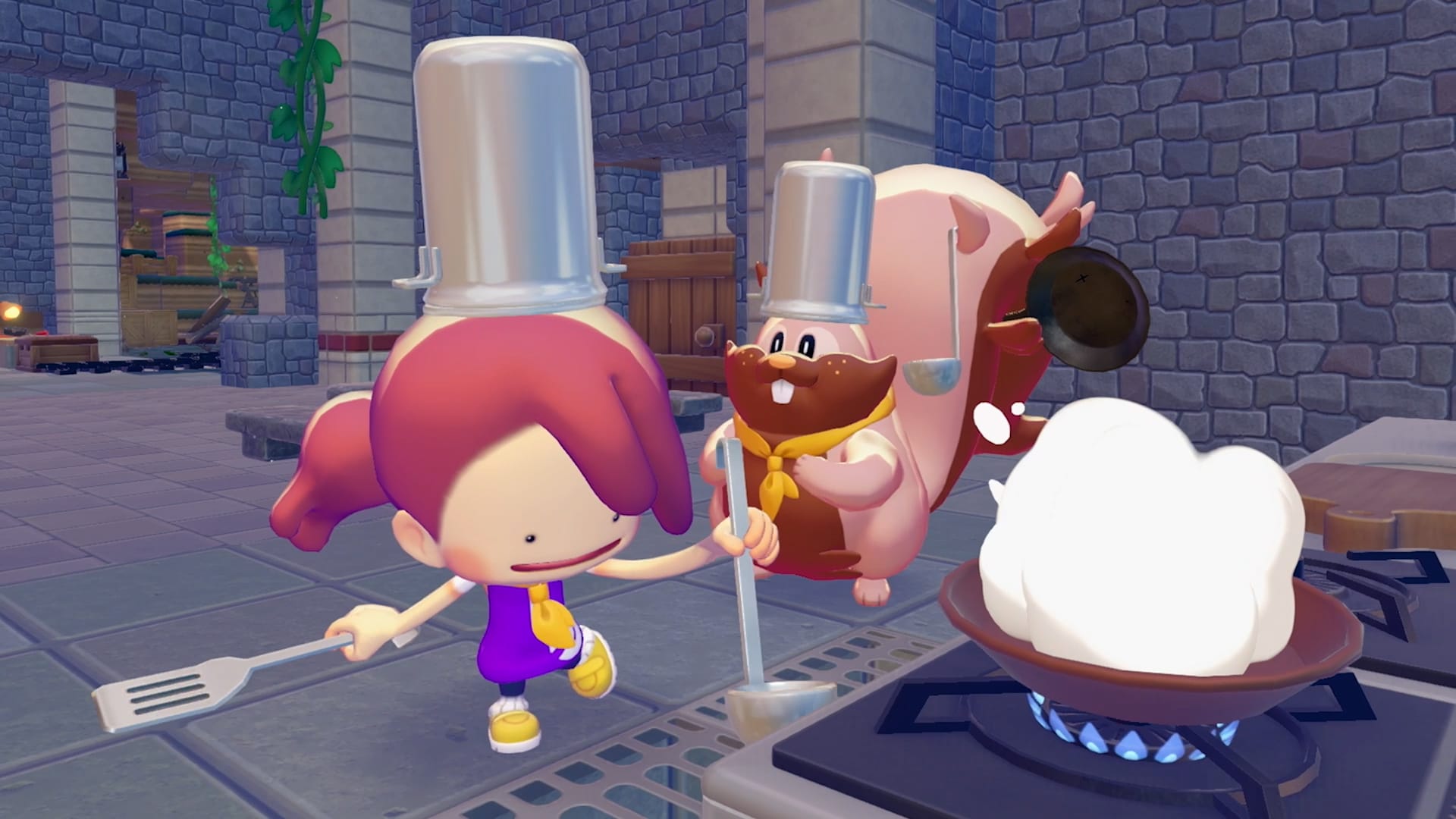
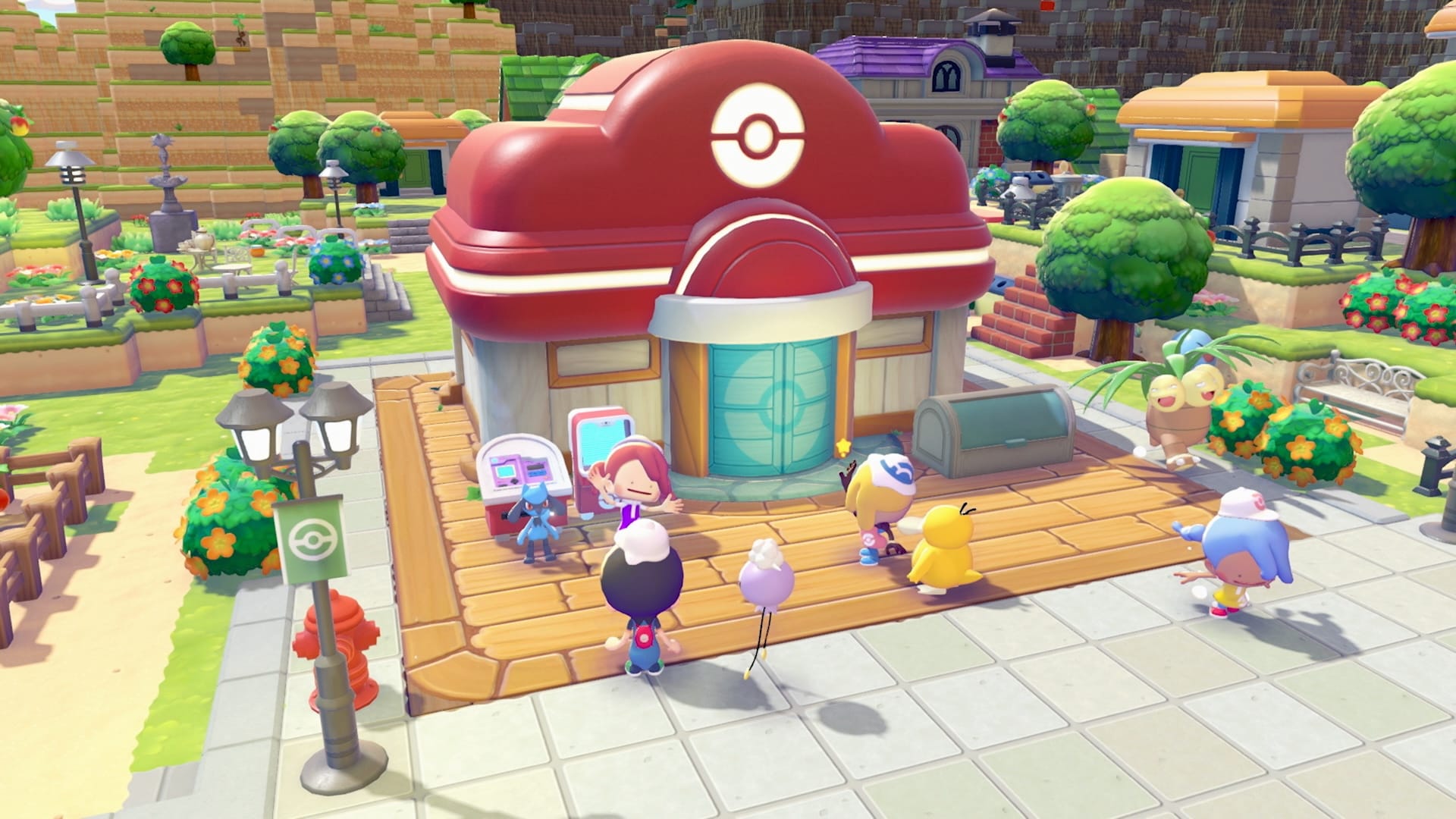
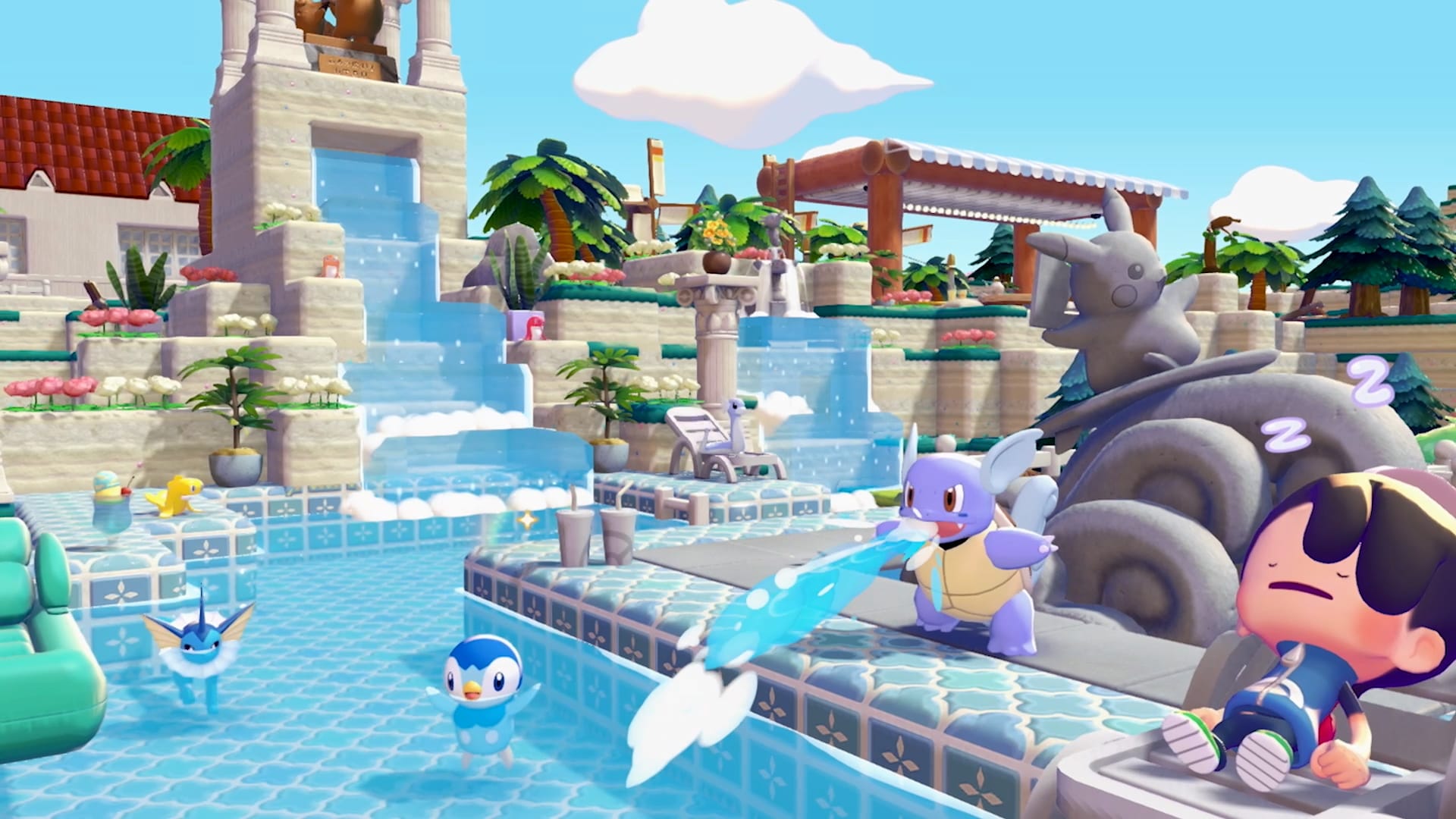
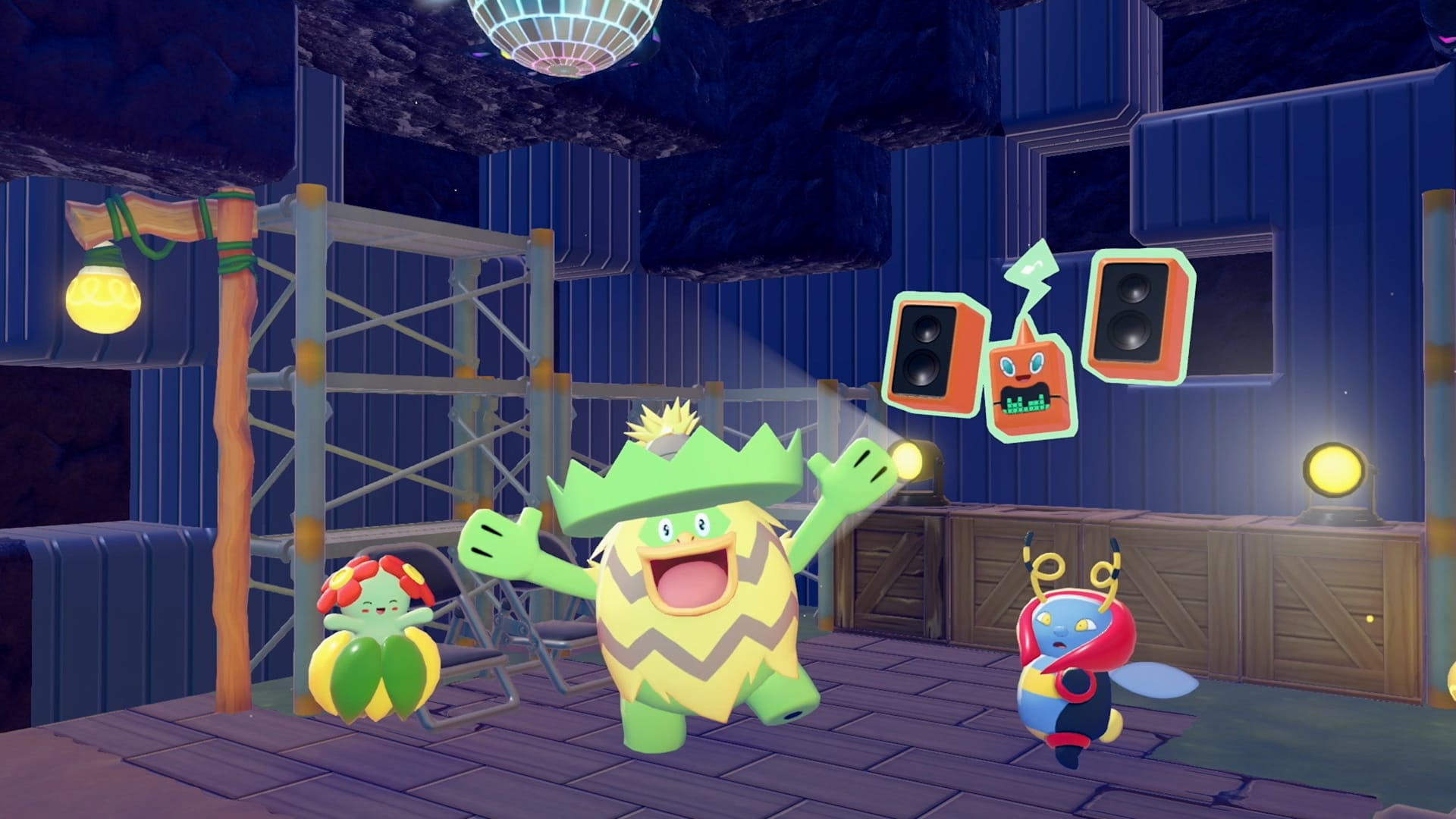
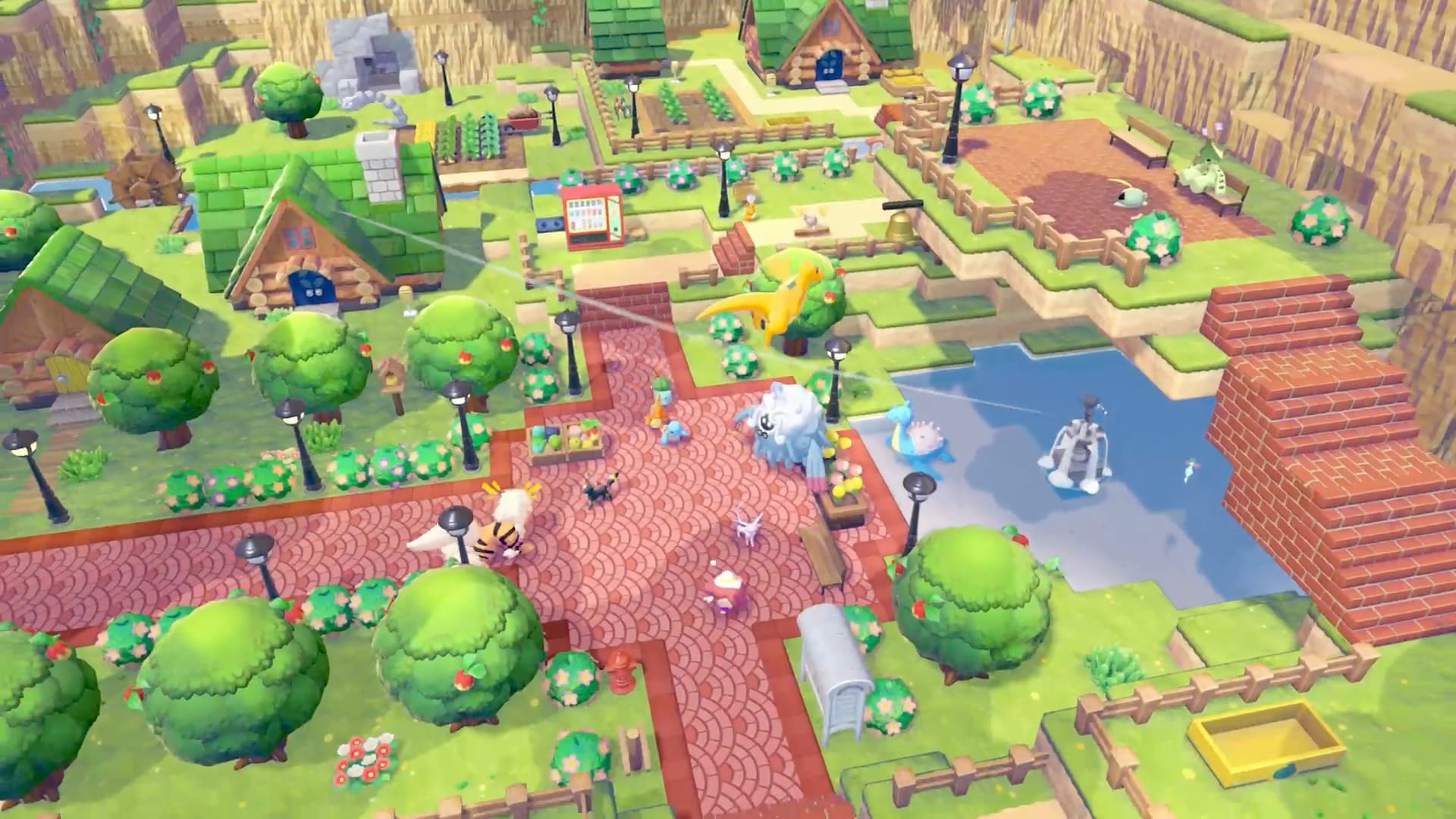
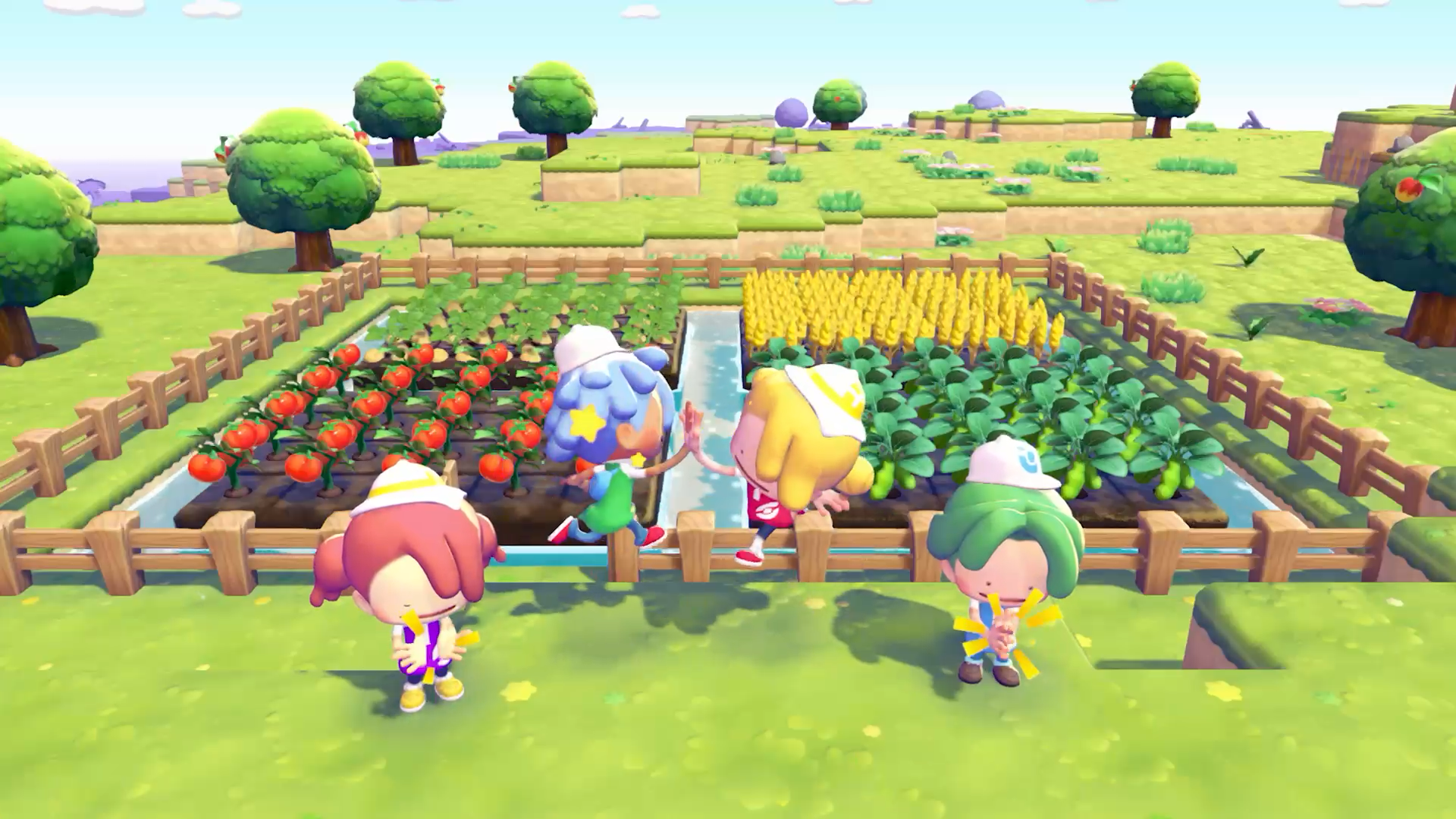
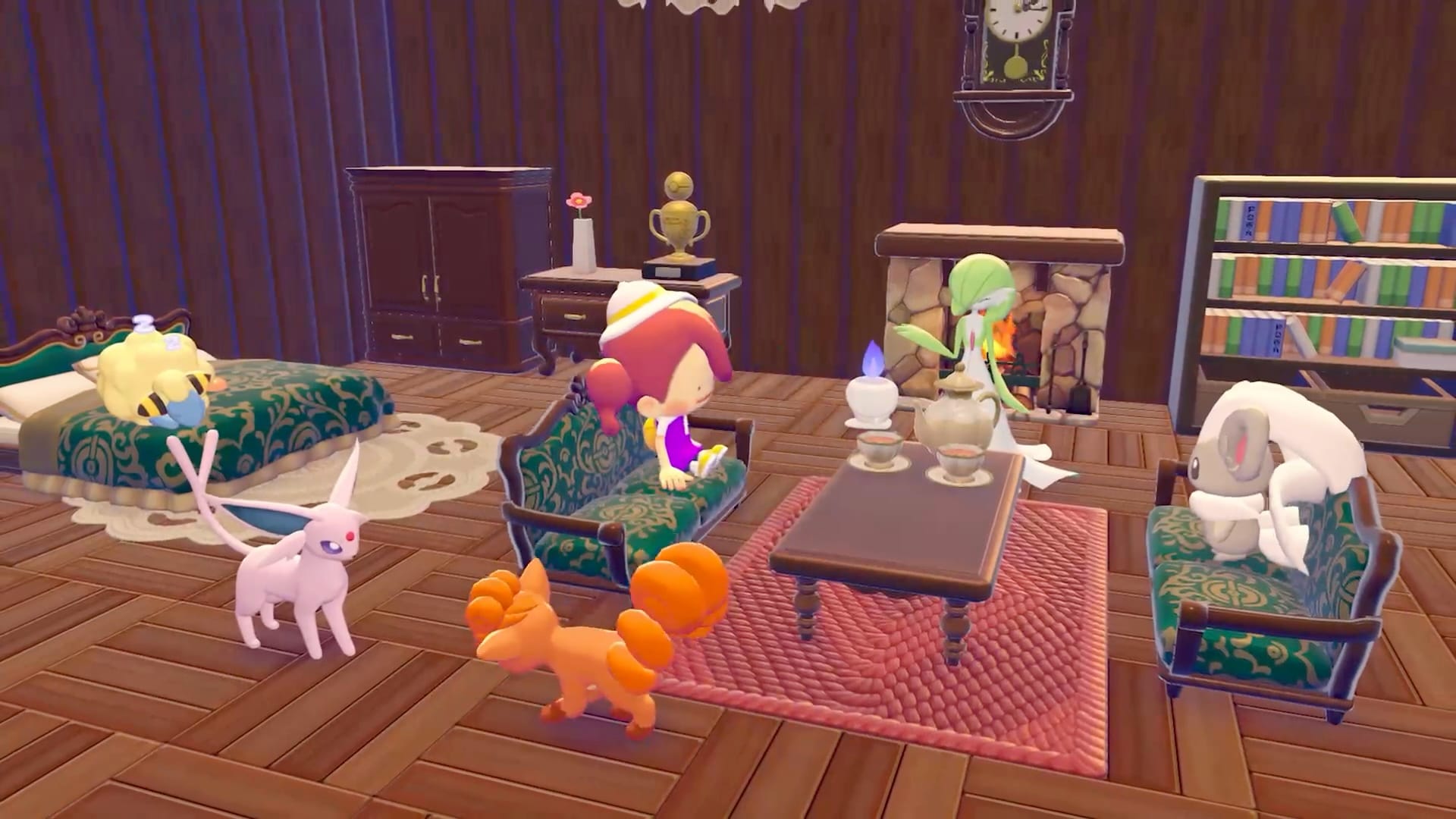
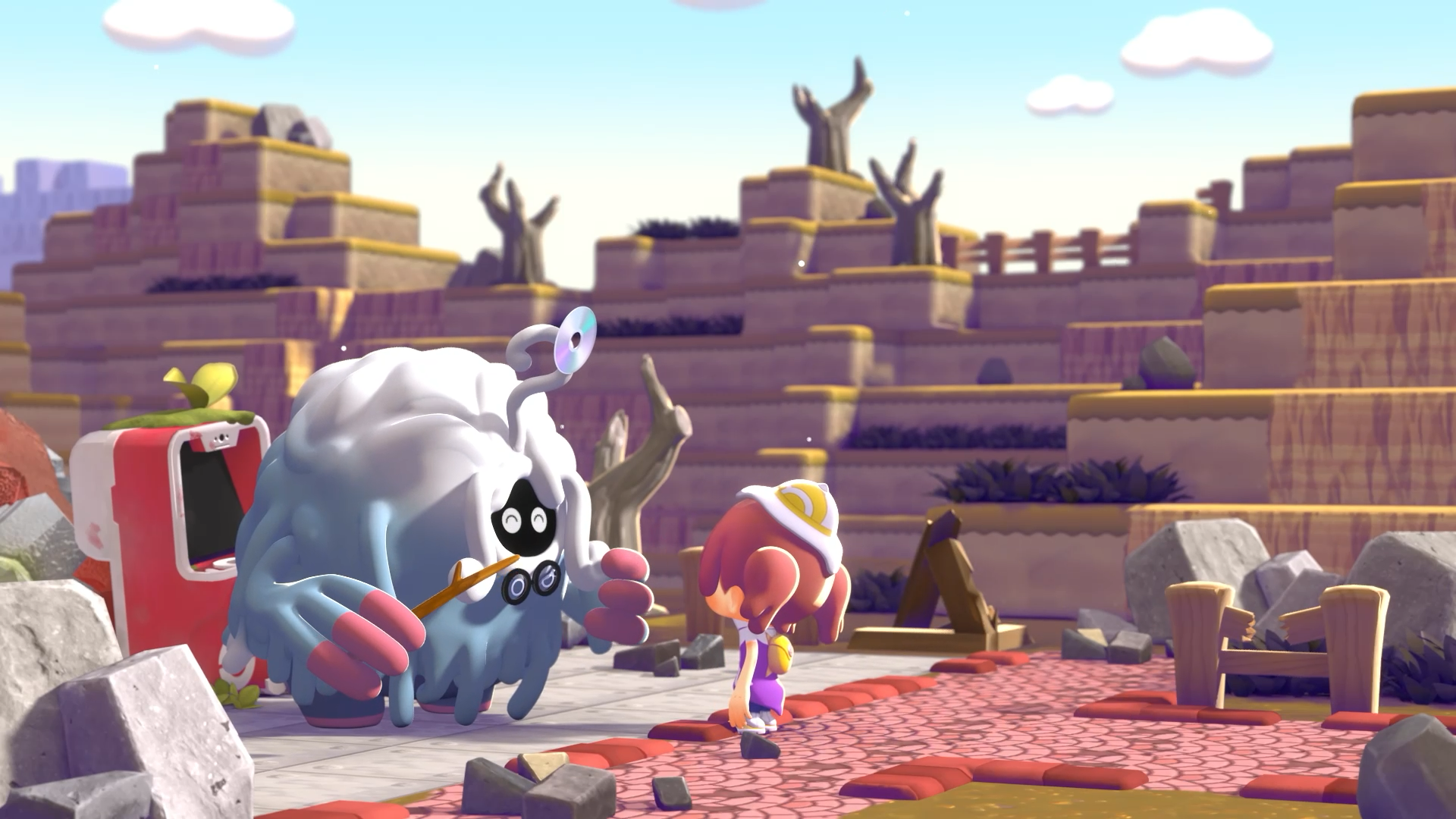
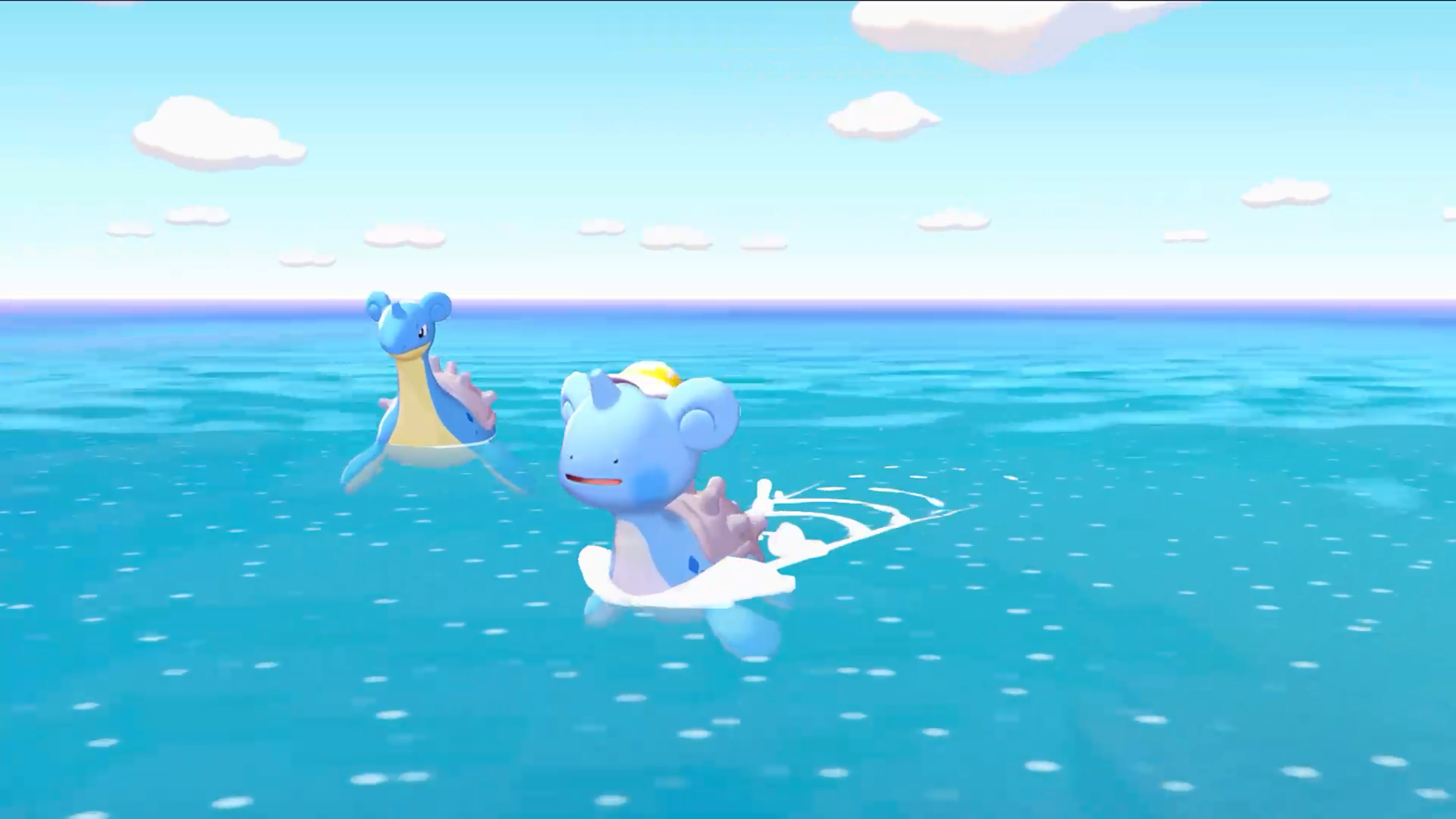
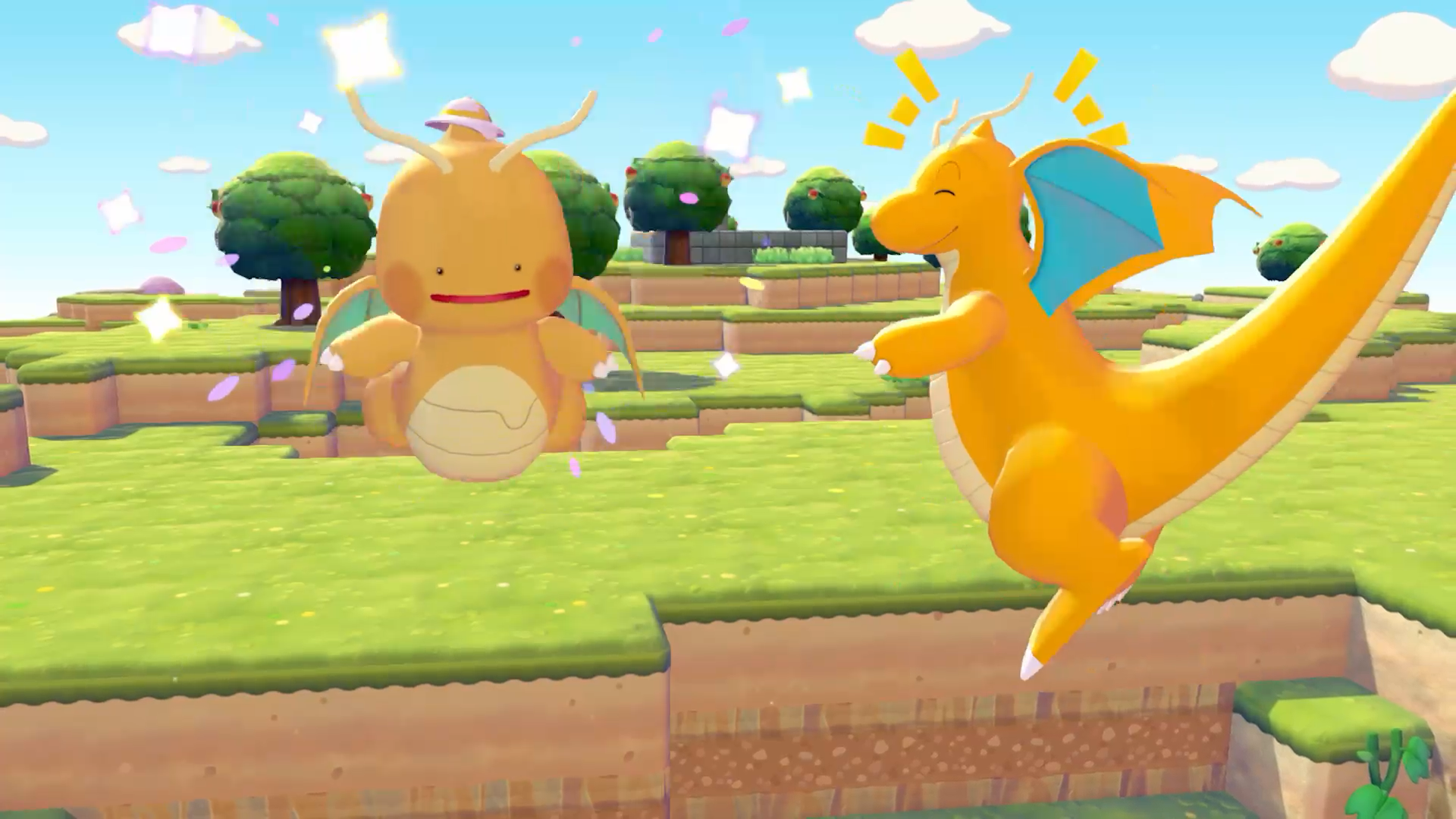
In the game, players take on the role of a Ditto that has awoken from a long slumber and transformed into human form. They meet Professor Tangrowth, who has been living alone in an area that was once inhabited by humans and Pokémon. Ditto decides to rebuild the abandoned area by crafting items and learning moves from other Pokémon, with the aim of creating a utopia where everyone can live together. The idea is to breathe new life into the ruins by placing, designing and arranging certain items to create habitats and attract new Pokémon.
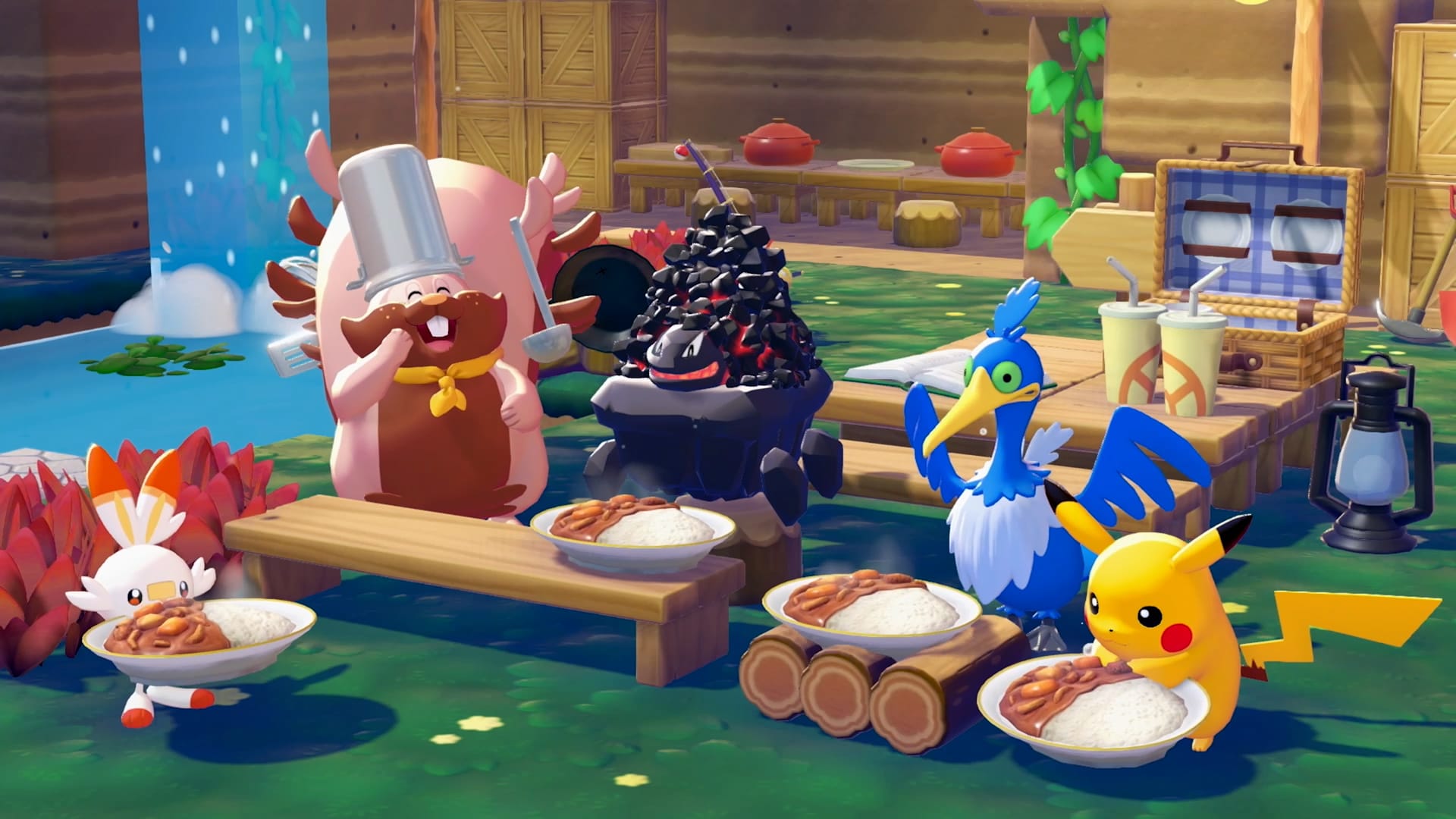
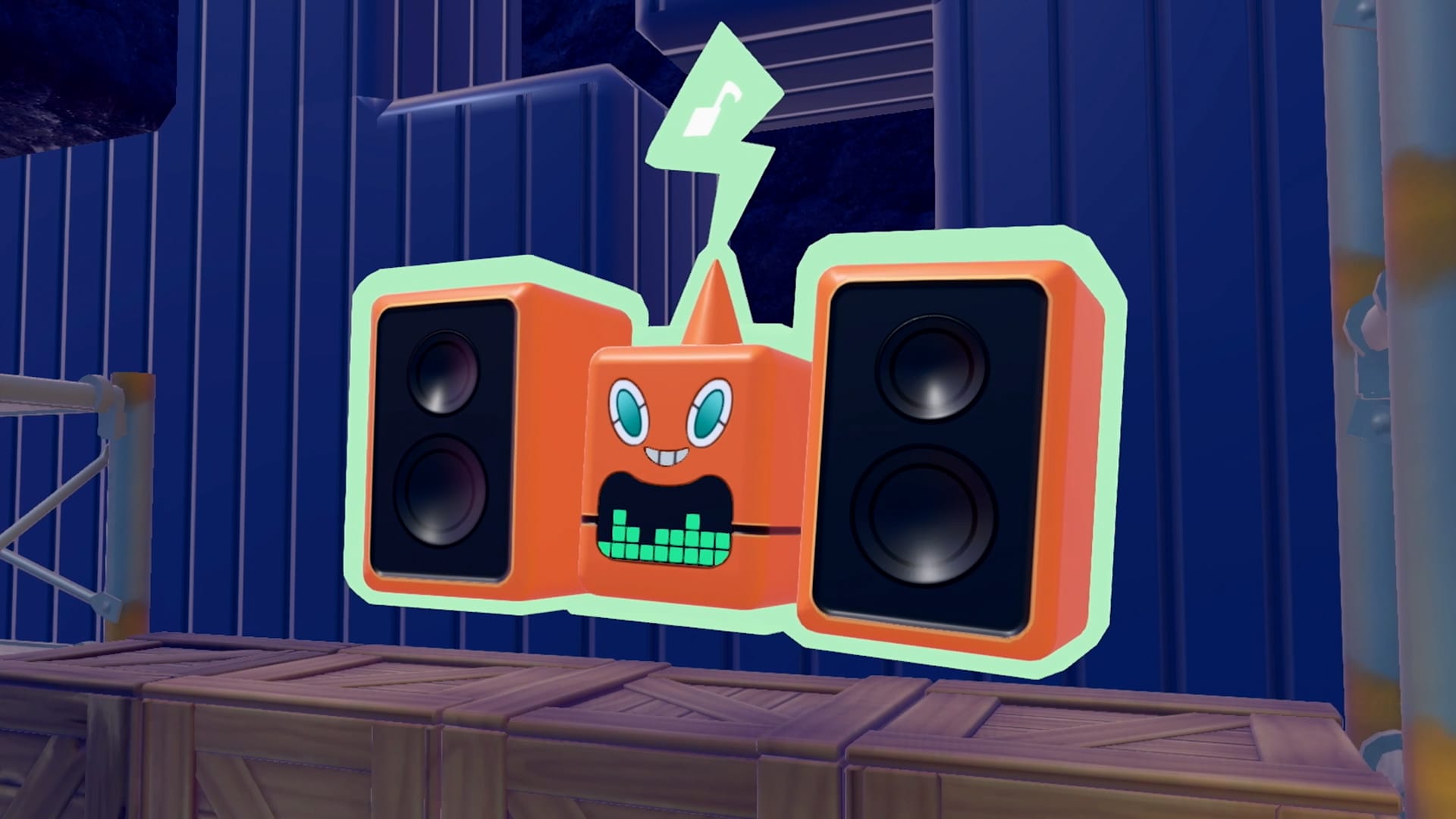
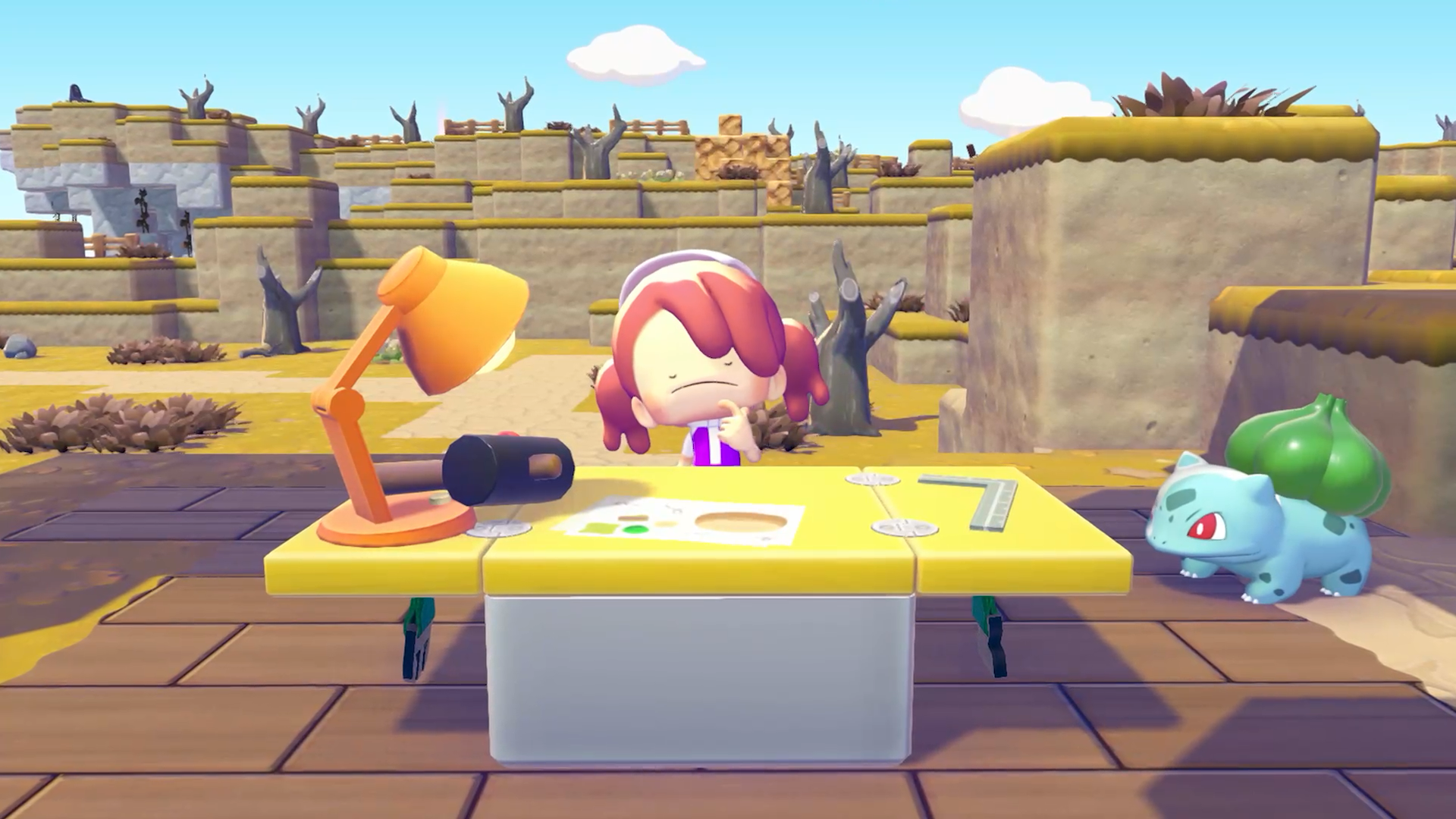
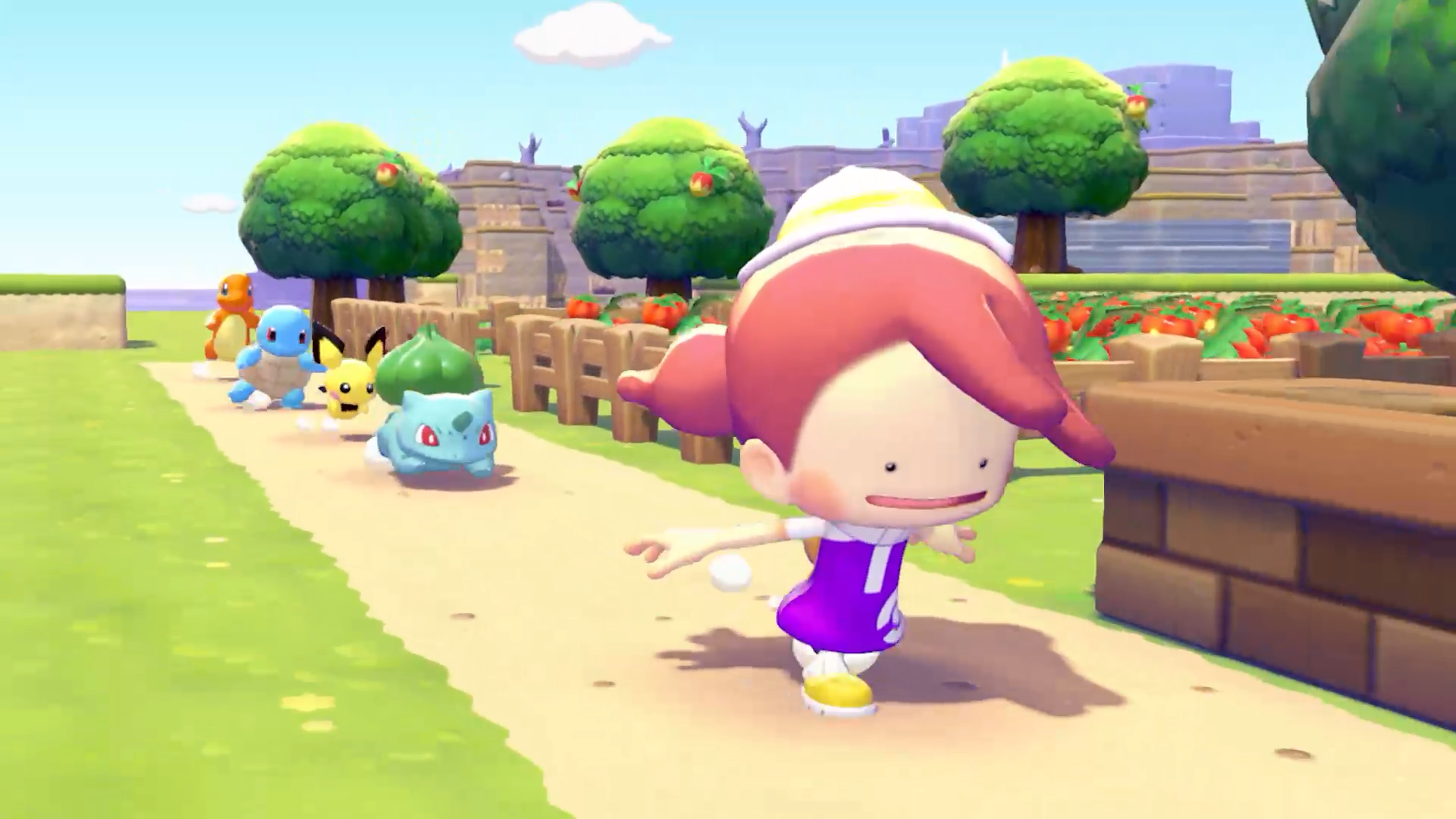
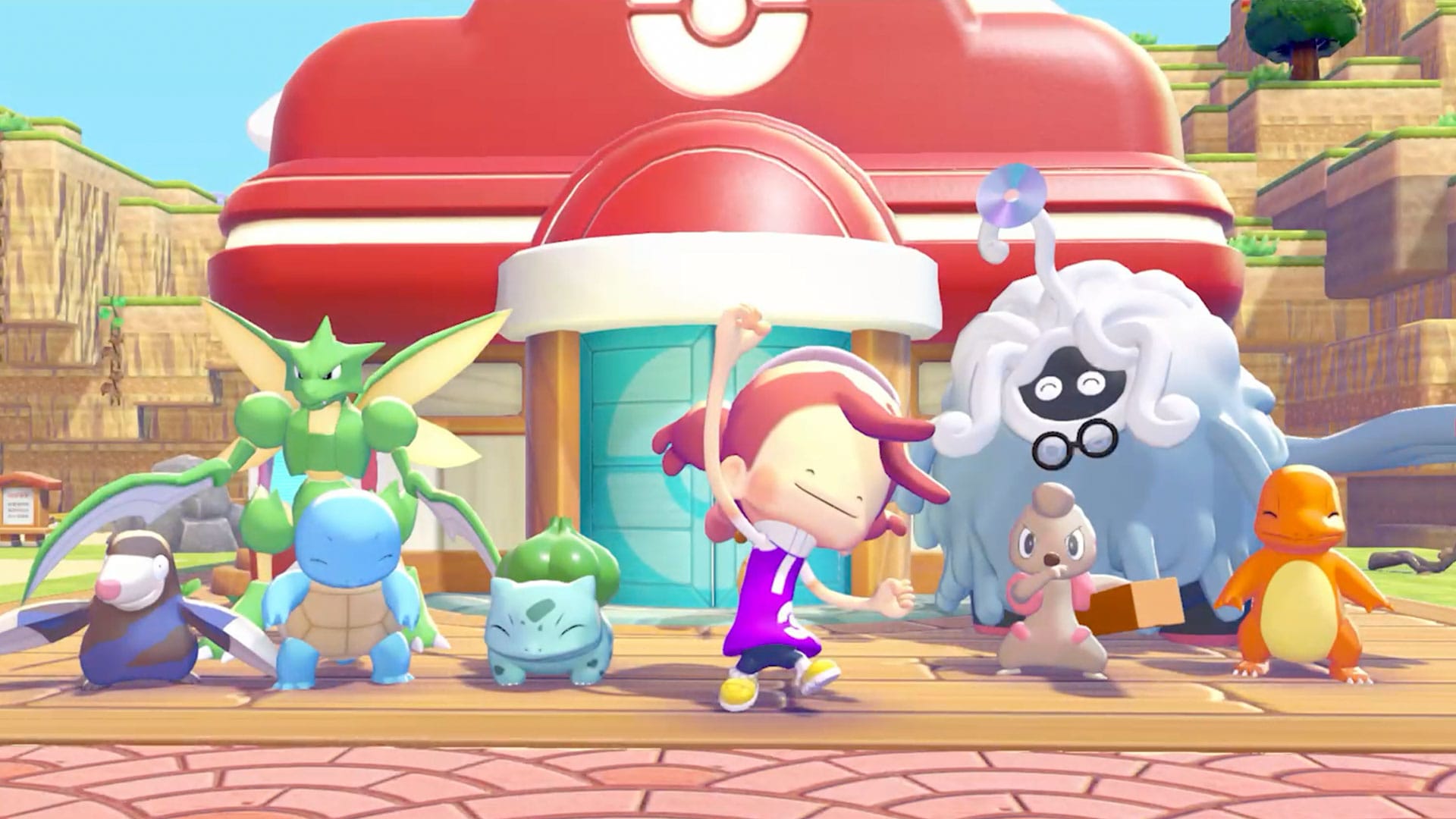
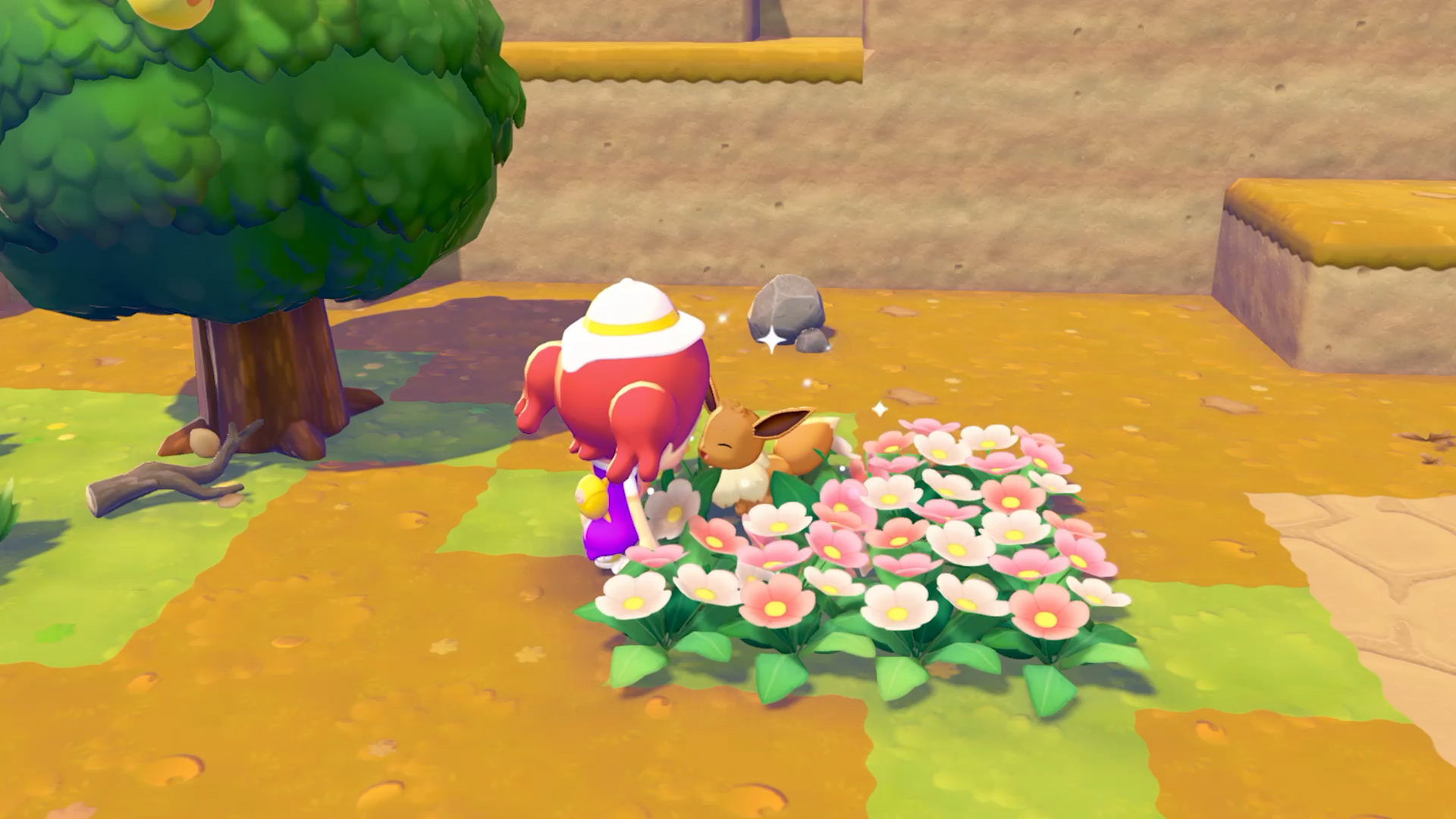
With new Pokémon around, Ditto can change its body parts to match theirs, enabling it to copy their attacks. From Bulbasaur, Ditto can learn how to grow grass; from Squirtle, how to water withered plants; from Scyther, how to cut down trees; and from Hitmonchan, how to smash rocks. They can also use the moves they learn for other purposes. For example, add more greenery with Leafage, leap from mountain to mountain with Glide, and travel across water with Surf. At the workbench, various items can be crafted from materials collected on the island. These items can be used to attract wild Pokémon or for decoration, such as furniture, blocks and lanterns.
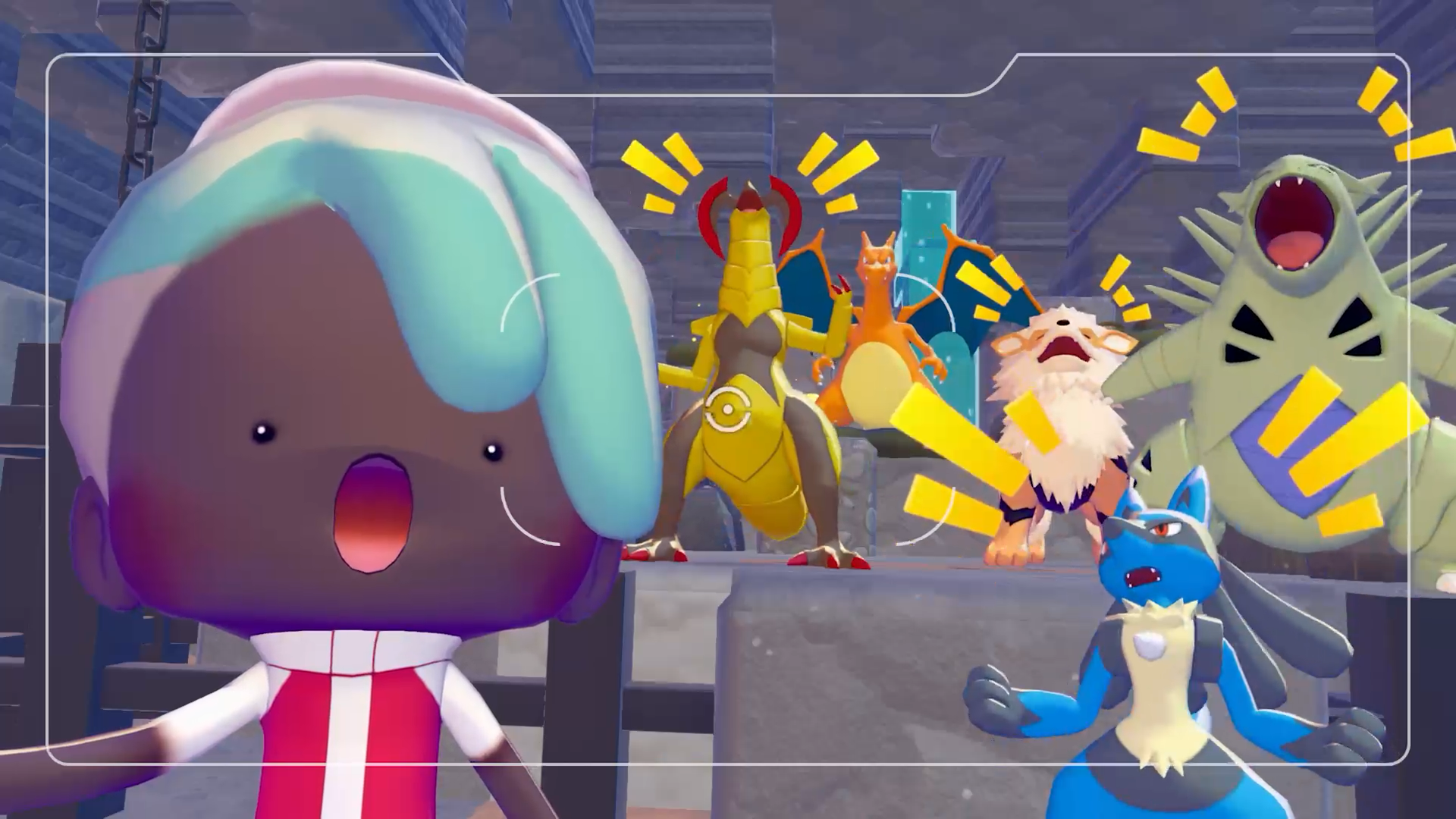
Pokémon may ask the player to do things to make their environment a more comfortable place to live. Some of these requests may be related to solving larger problems. Fulfilling these requests will lead to the development of the entire area. The multiplayer mode allows users to play with up to three other players. They can visit other players’ cities, invite friends to their own city, and bring a Pokémon from their own city to accompany them on their journey. It's sort of like Animal Crossing meets Dragon Quest Builders in the Pokémon universe.
Pokémon Pokopia is coming to Nintendo Switch on 5 March 2026. The physical edition will cost €79.99, while the digital download will be available for €69.99.
Conclusion
With its focus on cozy gaming, Pokémon Pokopia, a life simulation set in the Pokémon universe, is right on trend.
Marcel Kleffmann is Chief of Content of GamesMarket and our B2B and B2C expert for hardware, market data, products and launch numbers with more than two decades of editorial experience.