Rami Ismail: Why the Games Industry Is in a Very Bad State
Rami Ismail is a leading figure in the global indie game scene. He argues that the industry's fear of risk stifles innovation. Indie developers still create fresh ideas but struggle to fund their games. Titles like his Australia Did It are rare exceptions.
During a media presentation for his latest game, Australia Did It, Rami Ismail also commented on the state of the video games industry. The Dutch-Egyptian developer co-founded Vlambeer with Jan Willem Nijman in 2010. The company has developed games such as Ridiculous Fishing, Luftrausers, and Nuclear Throne. Ismail is also a well-known industry ambassador and a vocal spokesperson on topics such as diversity, supporting game developers in developing countries and providing consultancy services as well as help to other indie game developers. In his opinion, the gaming industry is in a really, really terrible state. He says that one reason for this is that large publishers have become more risk-averse than ever. He believes that the industry fails to support innovation and experimentation among developers. He explained that, during and after the Coronavirus pandemic, a lot of money and investment flowed into the games industry because lockdowns meant that many people played games.
Companies scaled up, grew and produced more. However, in the years following the pandemic, player/buyer behaviour changed because there were once again many more leisure alternatives besides gaming, and less time and attention was available for games. Nevertheless, there are more games than ever out there. Consequently, many publishers adopted a strict risk-averse strategy in the development and publishing of games. The main priorities were to avoid cost losses and not to alienate investors. Publishers, investors and shareholders funded the same few safe bets later (like Battle Royale) and later in the development process, forcing even the most creative developers to produce predictable games with the latest trends. As a result, established, well-known genres, types and mechanics that were proven to work were favoured. This came at the expense of creativity in game design because only the familiar was repeated, perhaps in slightly modified form.
As investment in the gaming industry declined, small studios and indie developers also struggled to finance projects that were daring, innovative and fresh, for which established, risk-averse publishers were unwilling to spend money in case they did not get it back. Many indie developers therefore have to finance their own projects, often using savings, income from previous games, or money earned through other work.
"I don't want to suggest in any way that what we need to solve the world is more rich people - but the way the system works now, the only people left with the ability to make new and interesting stuff are the creatives that are already rich. And that sucks." - Rami Ismail
He believes that the current system centred around risk-averse major publishers has failed and that creative individuals or small studios hold the key to the future of the industry. However, he also warns that many new indie publishing companies are trying to profit from this creativity by exploiting indie partners with exploitative contracts.
Australia Did It
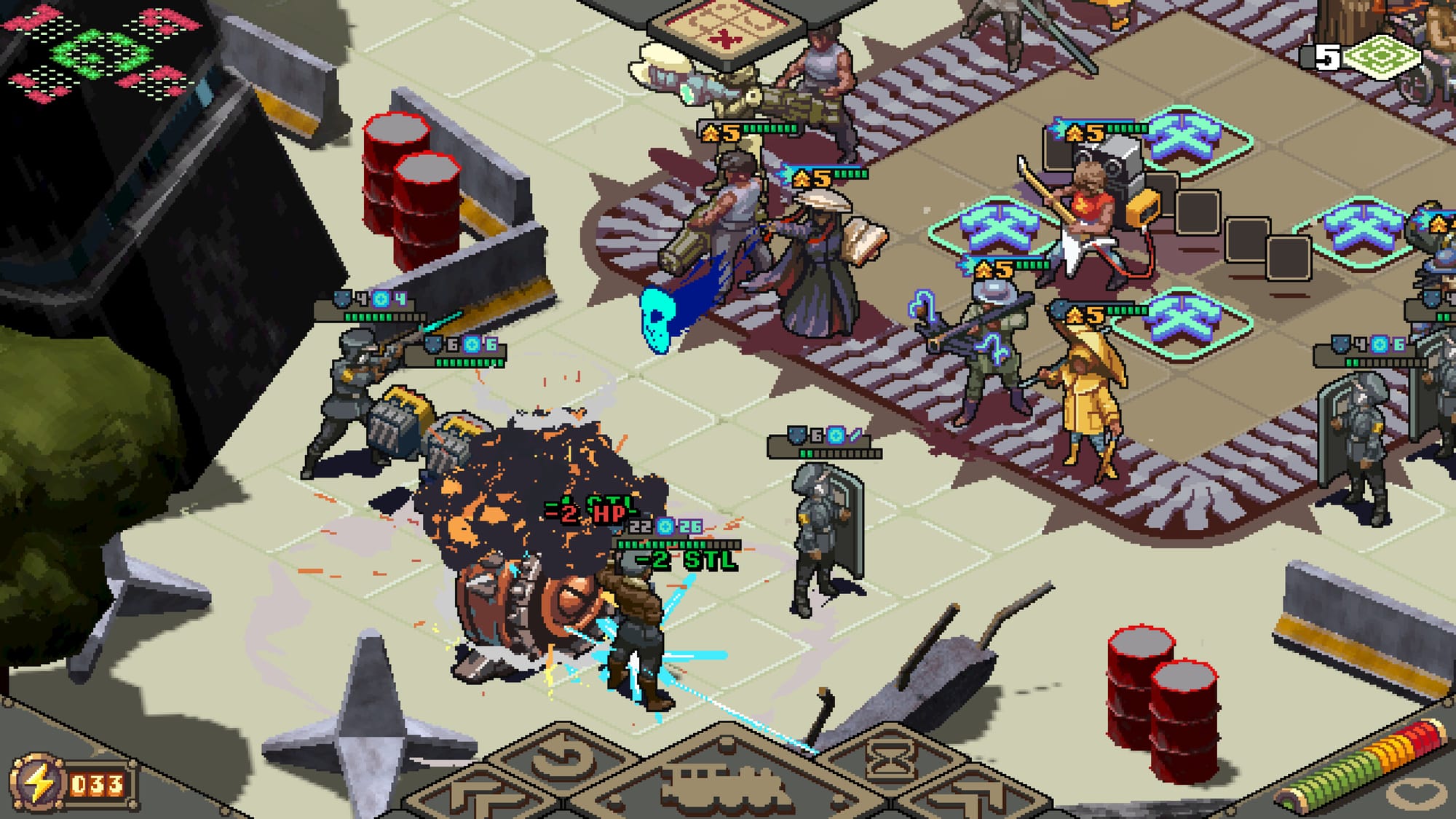
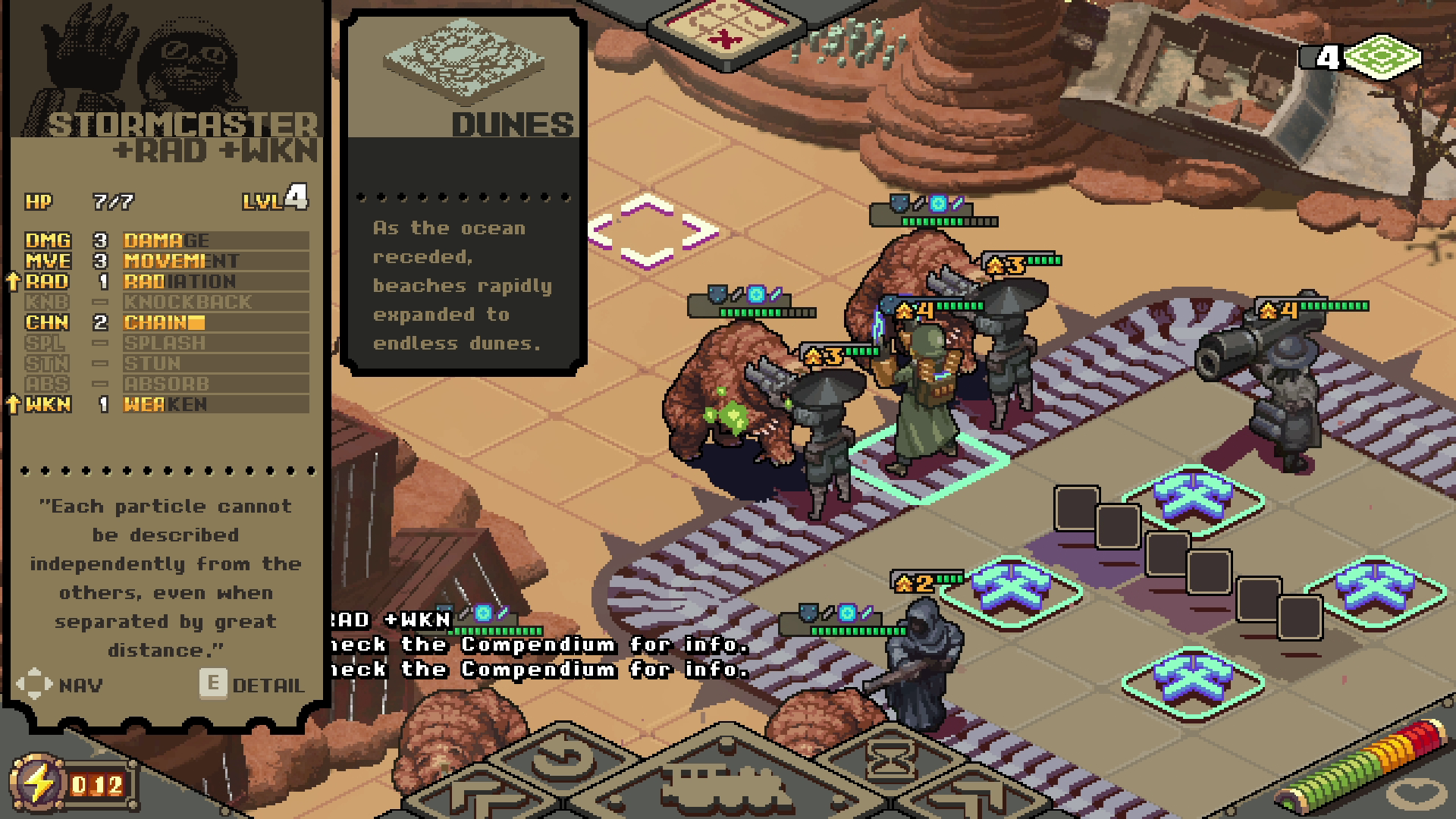
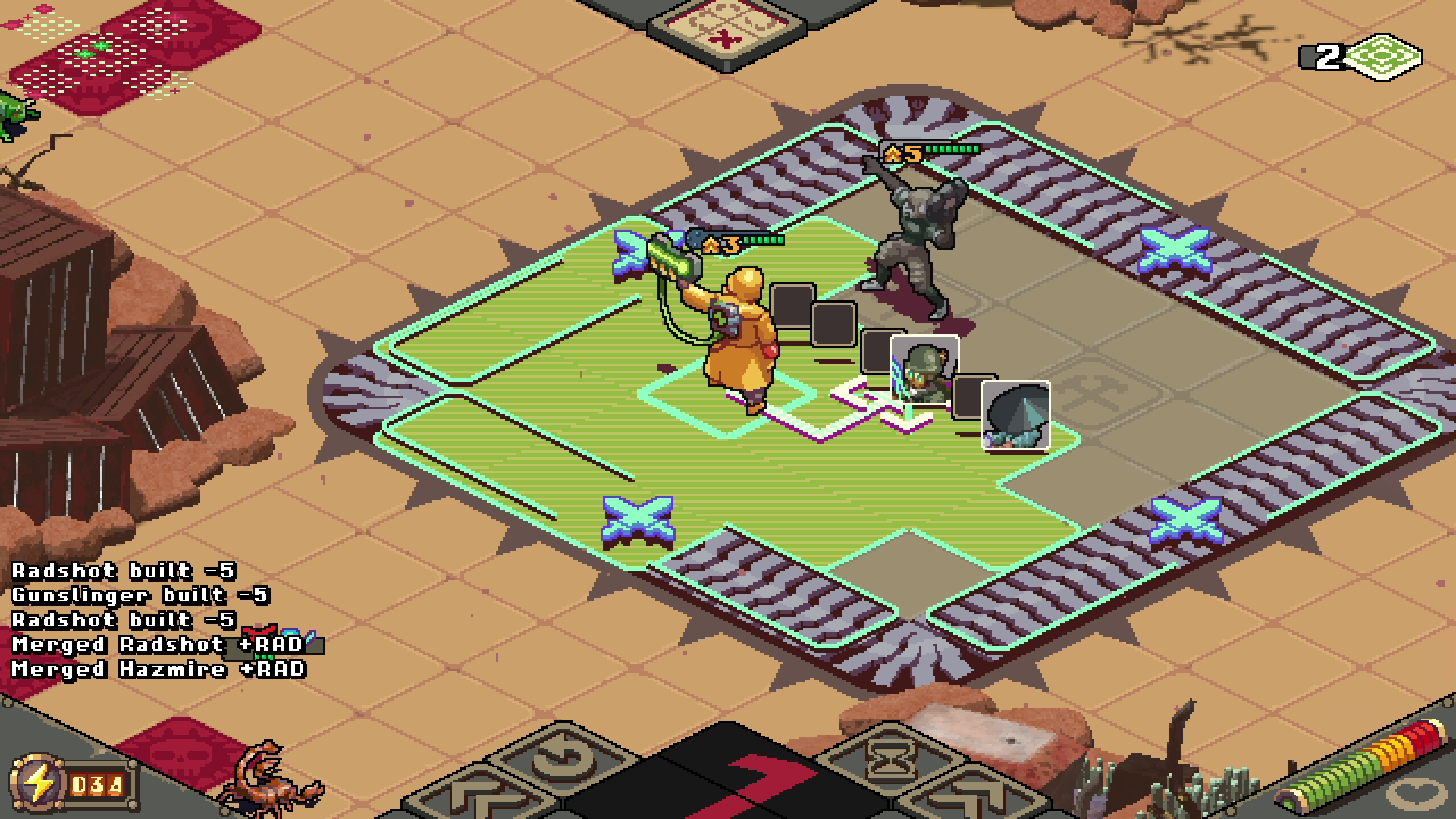
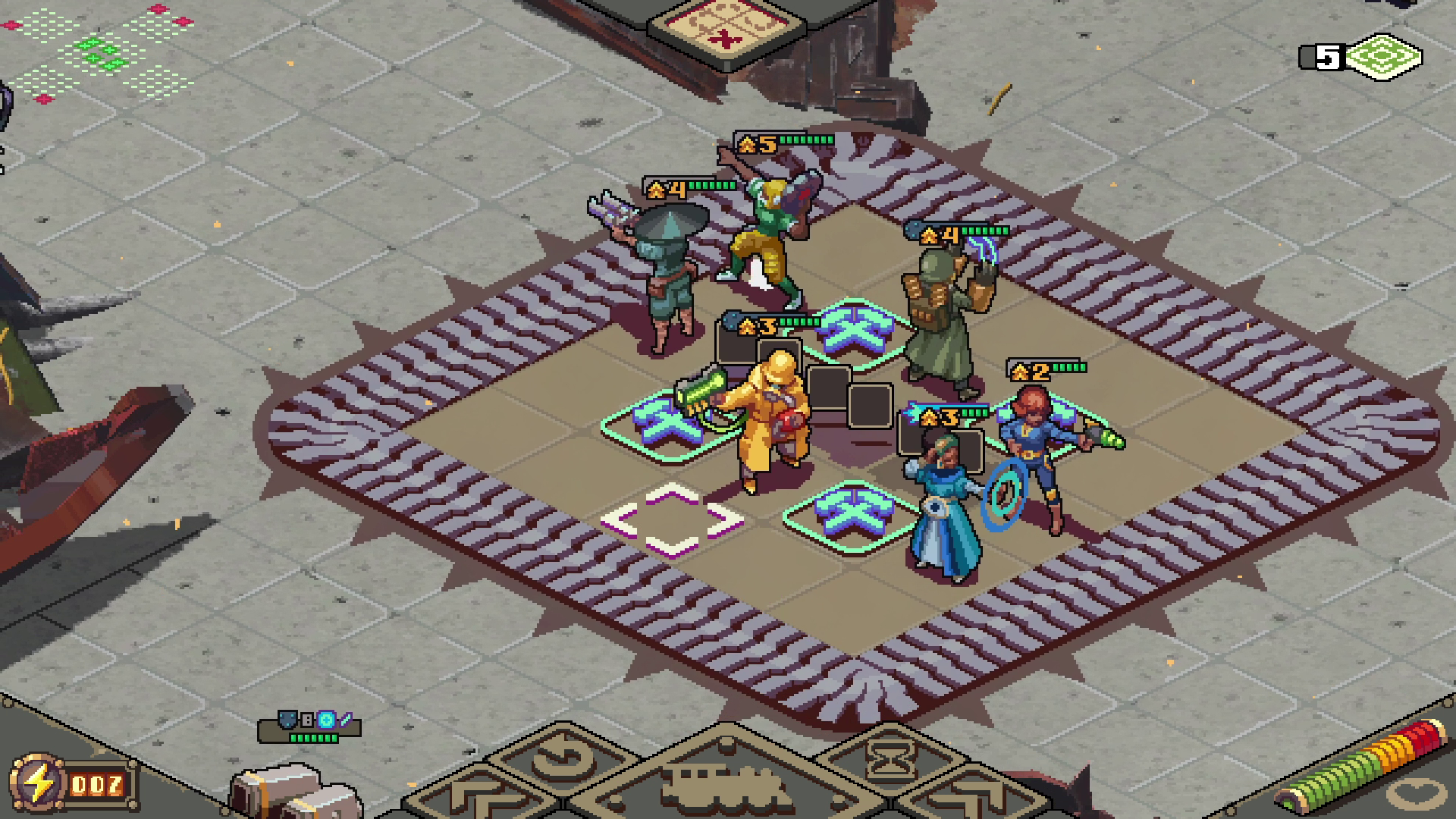
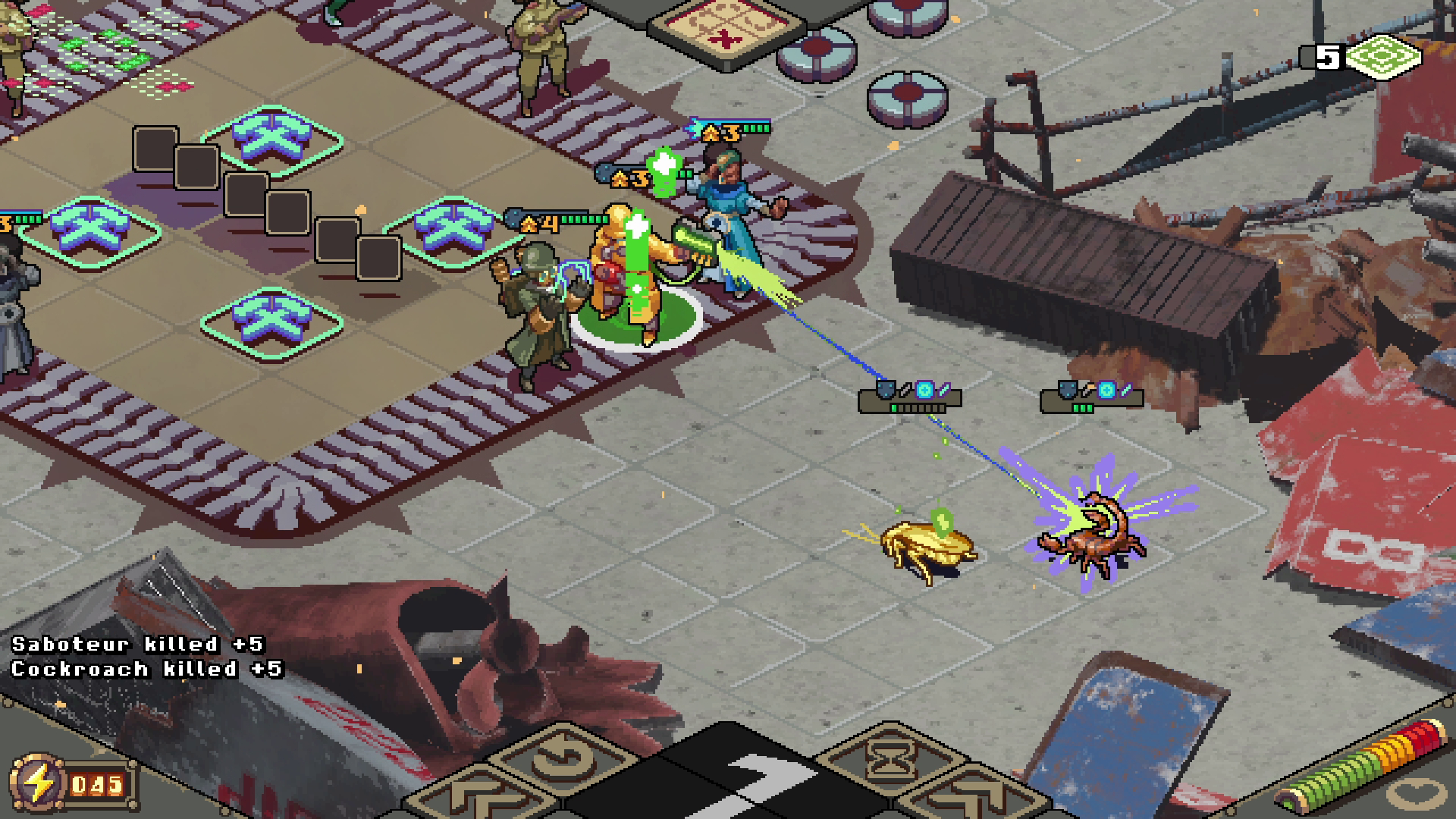
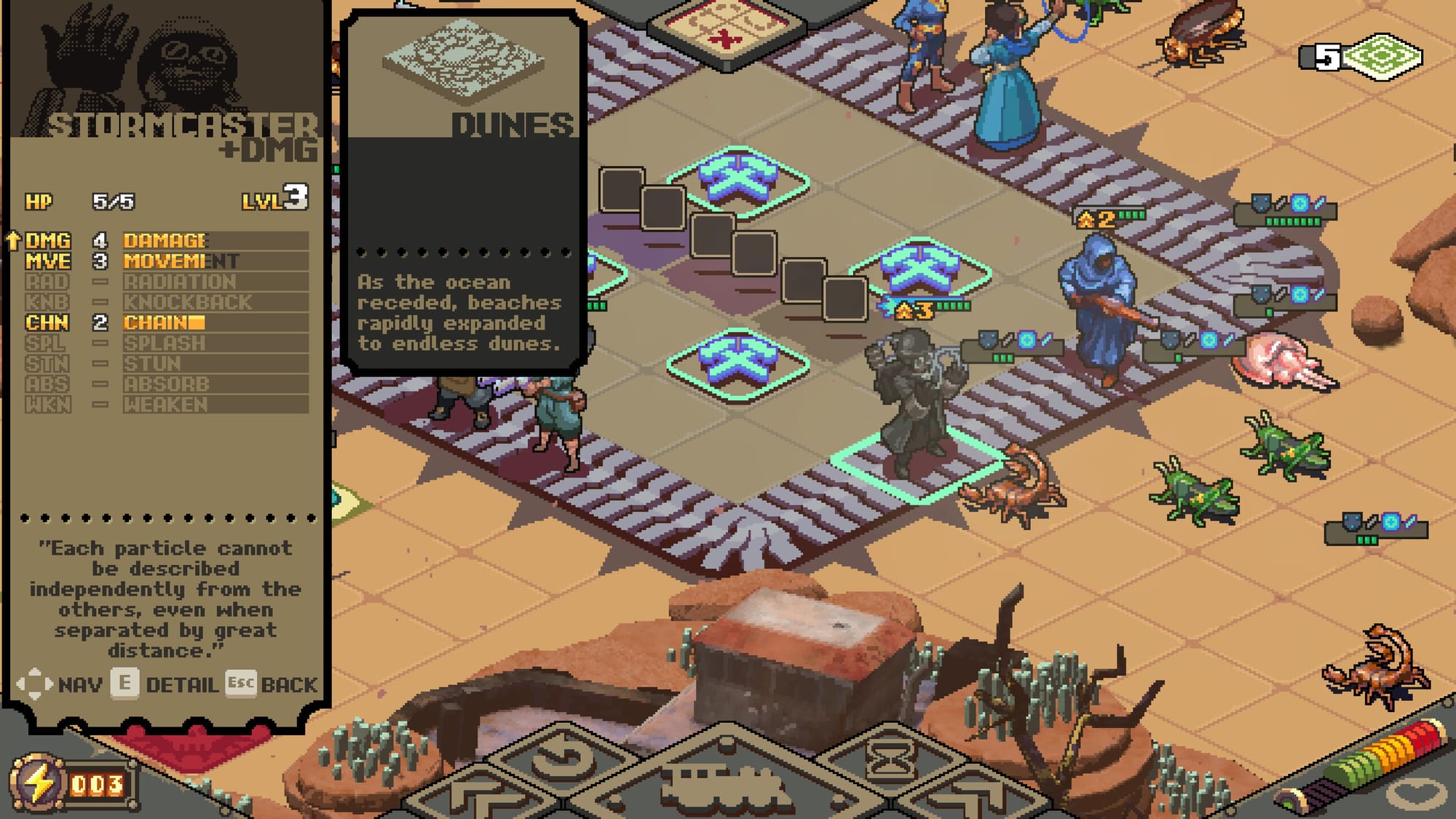
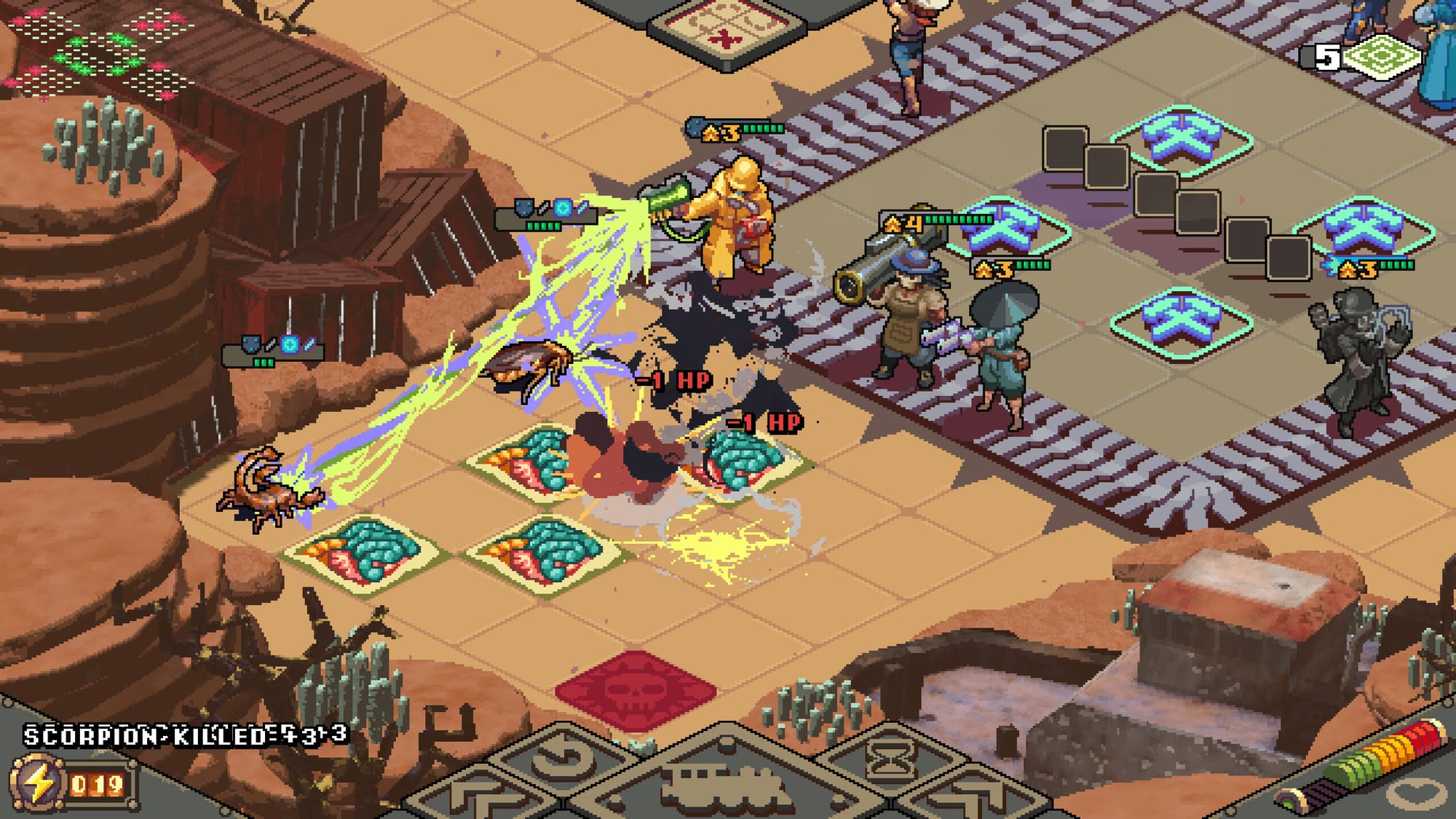
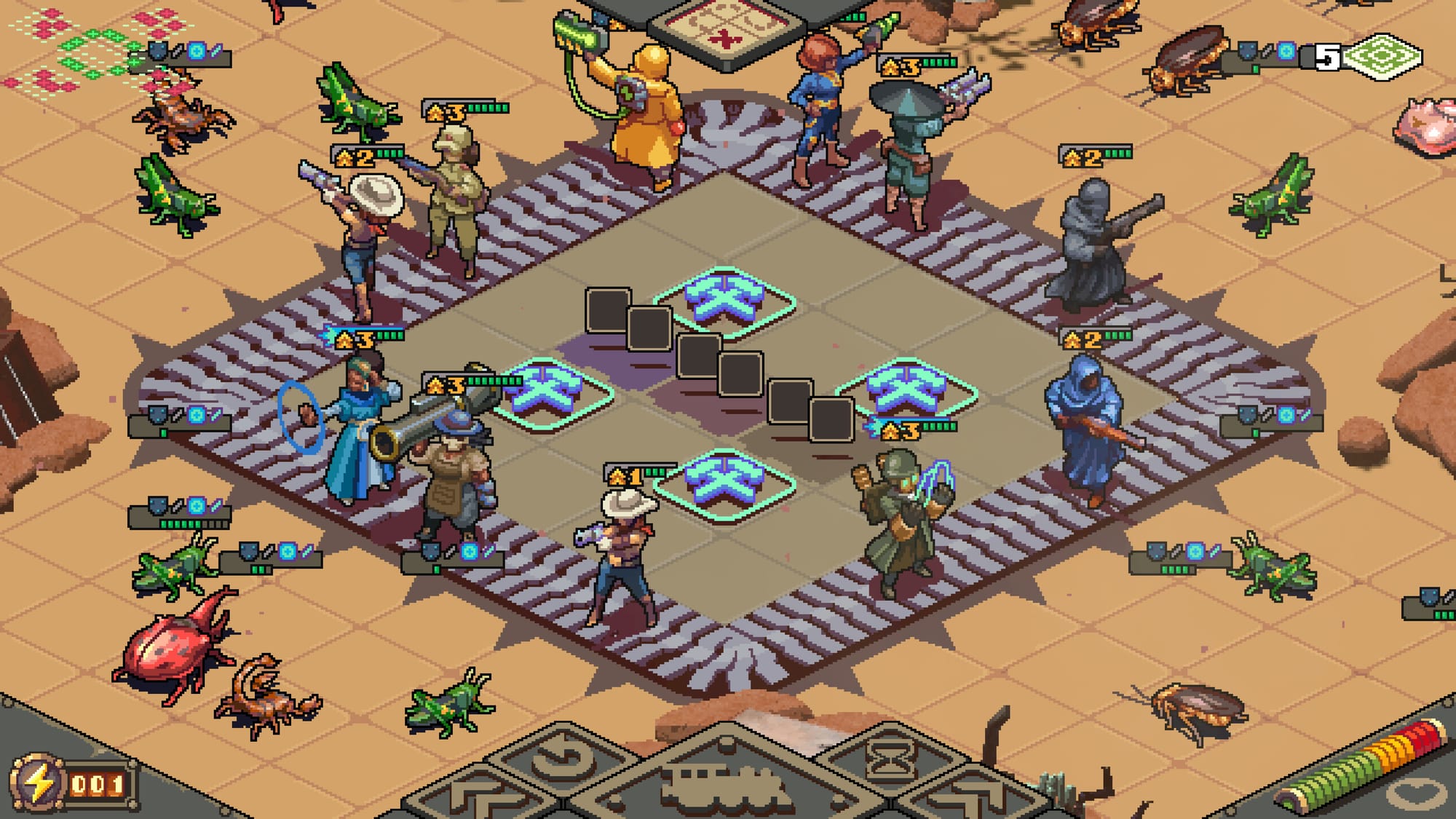
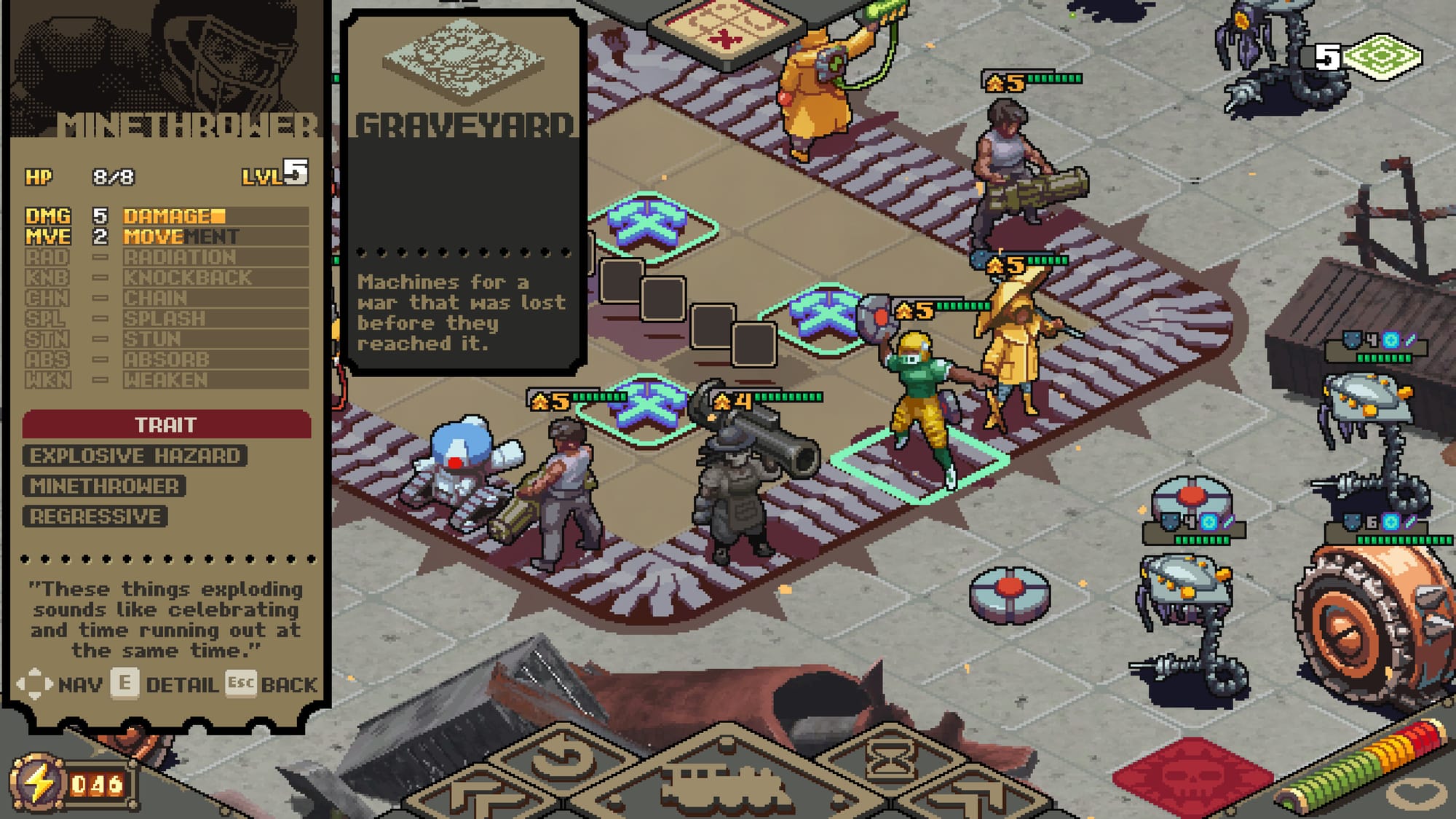
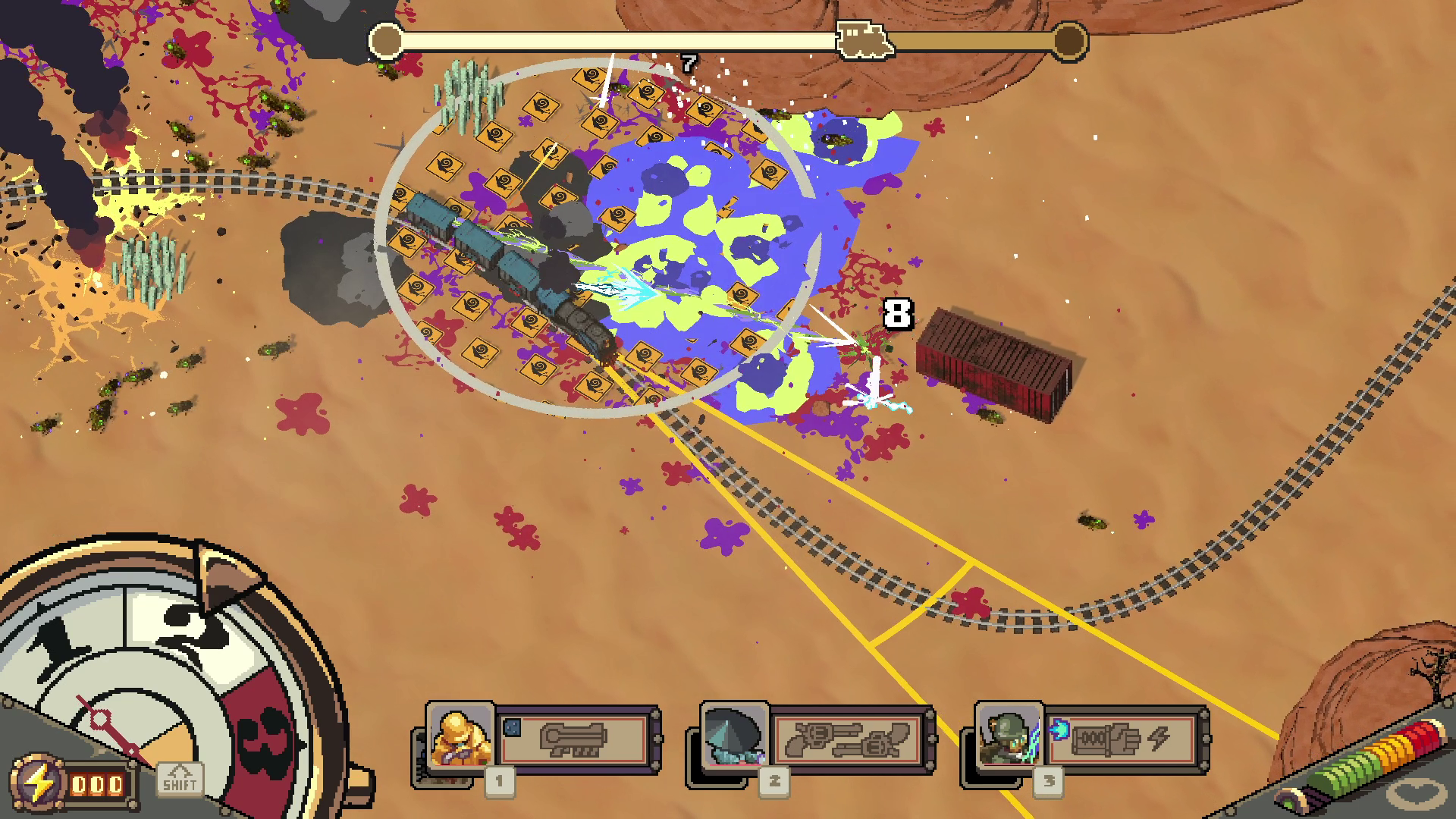
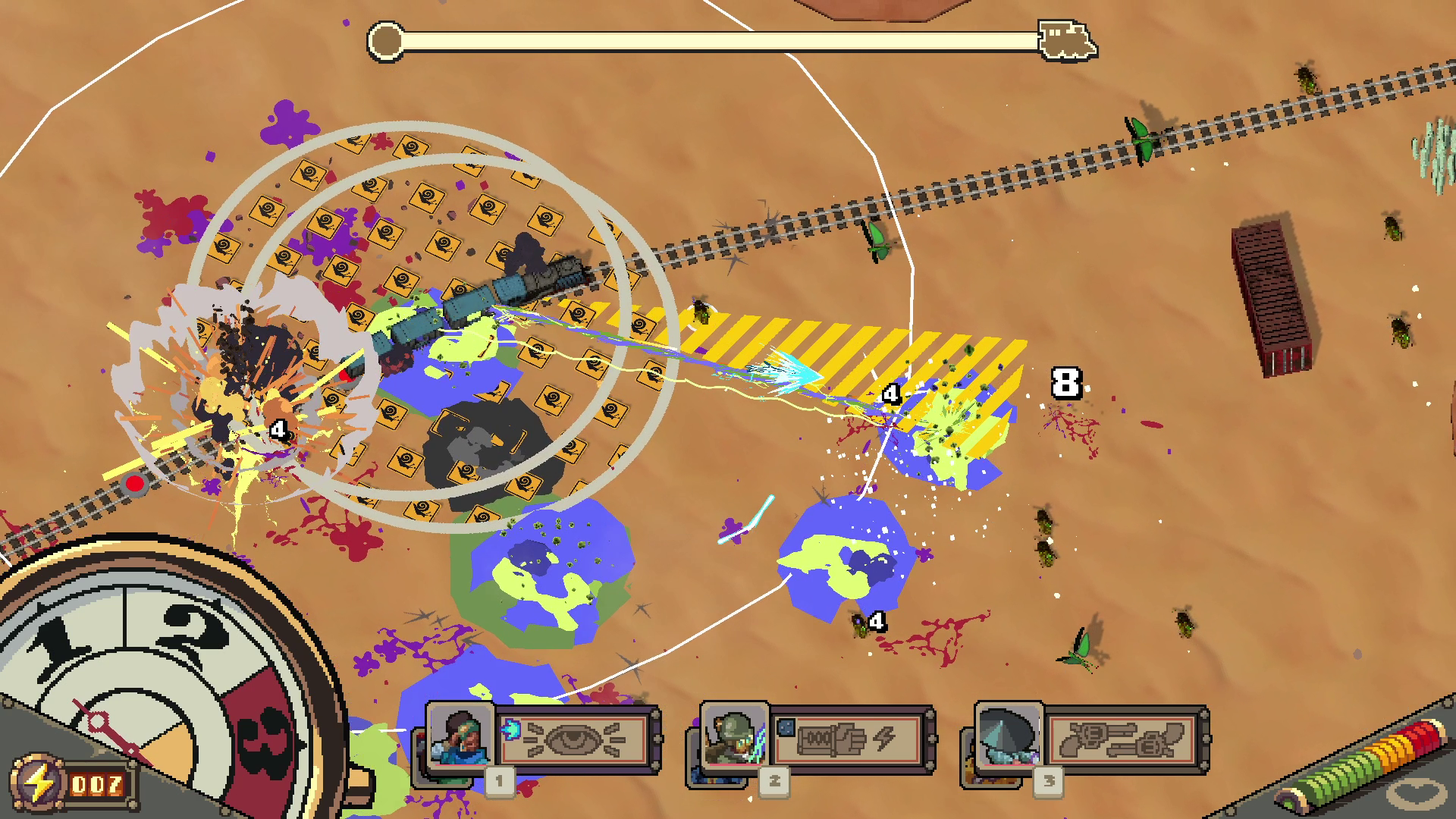
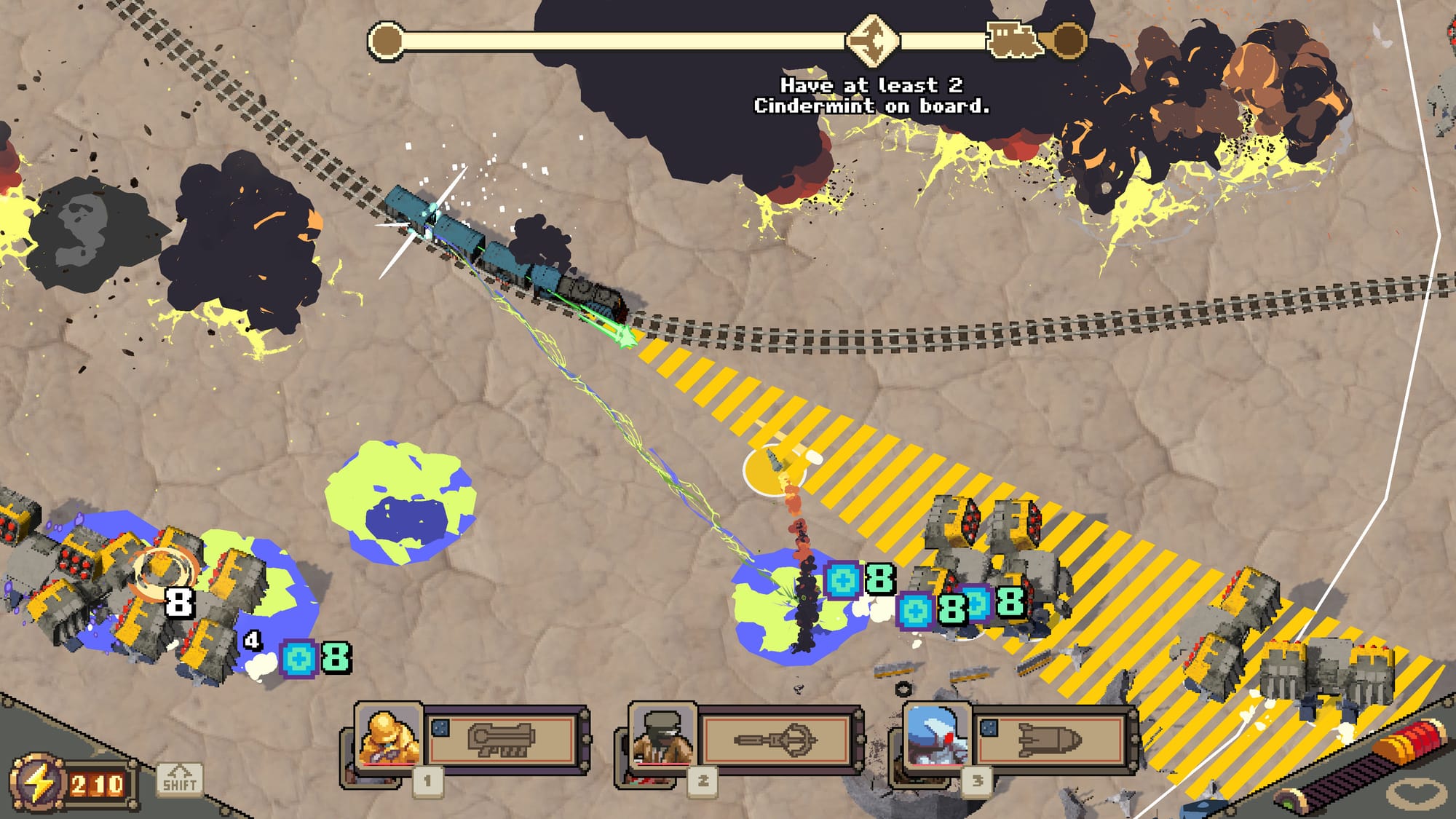
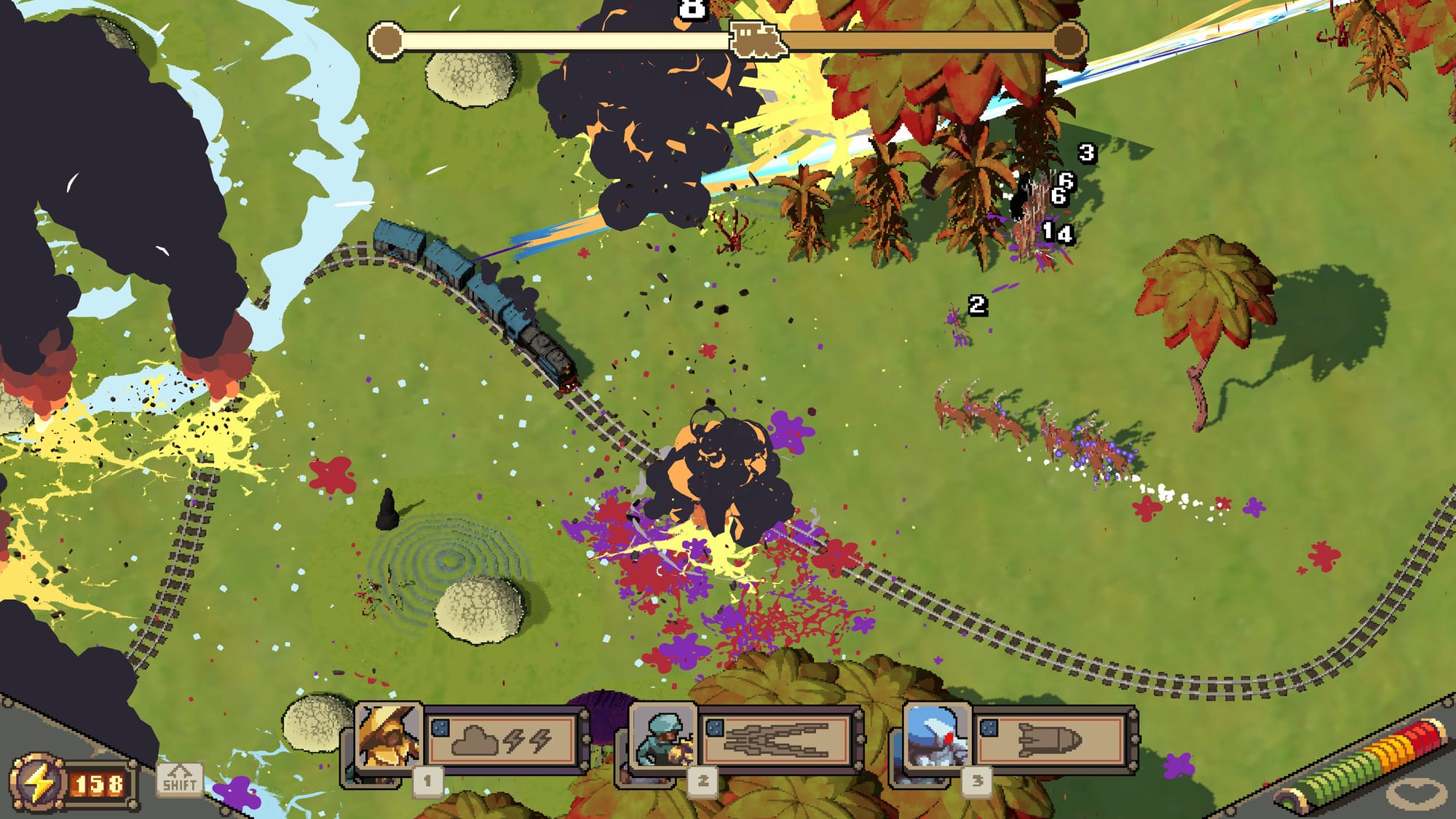
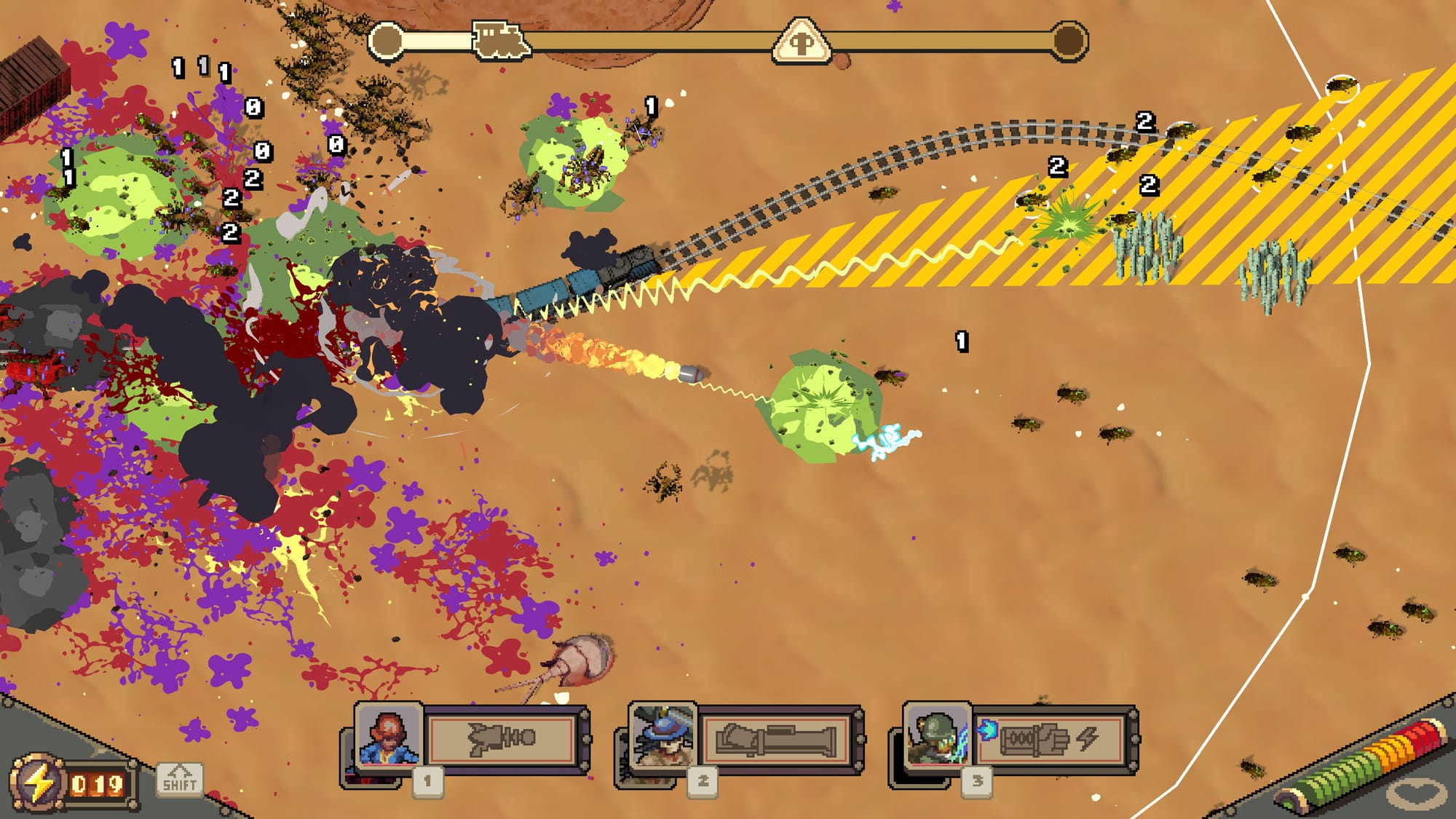
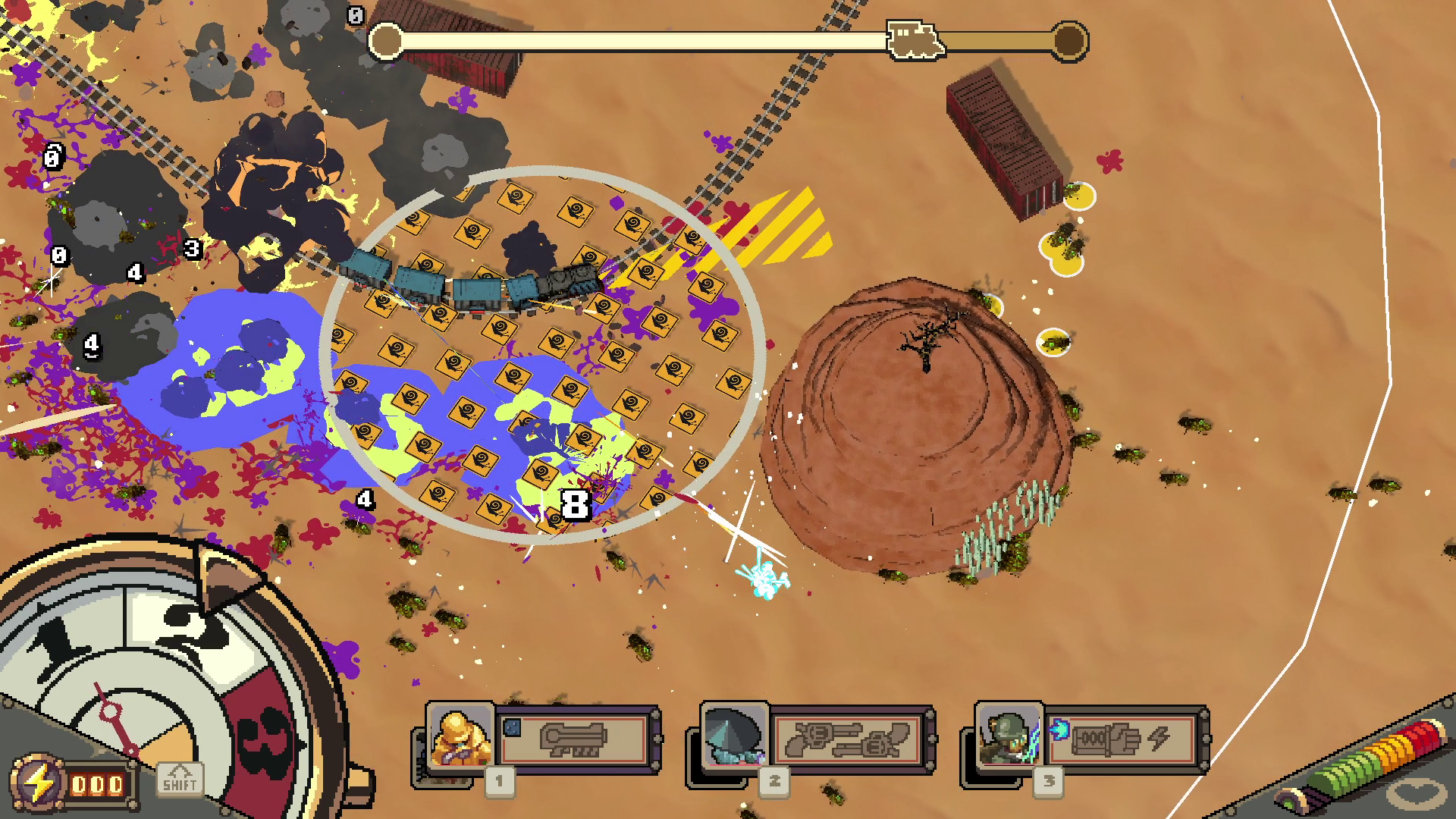
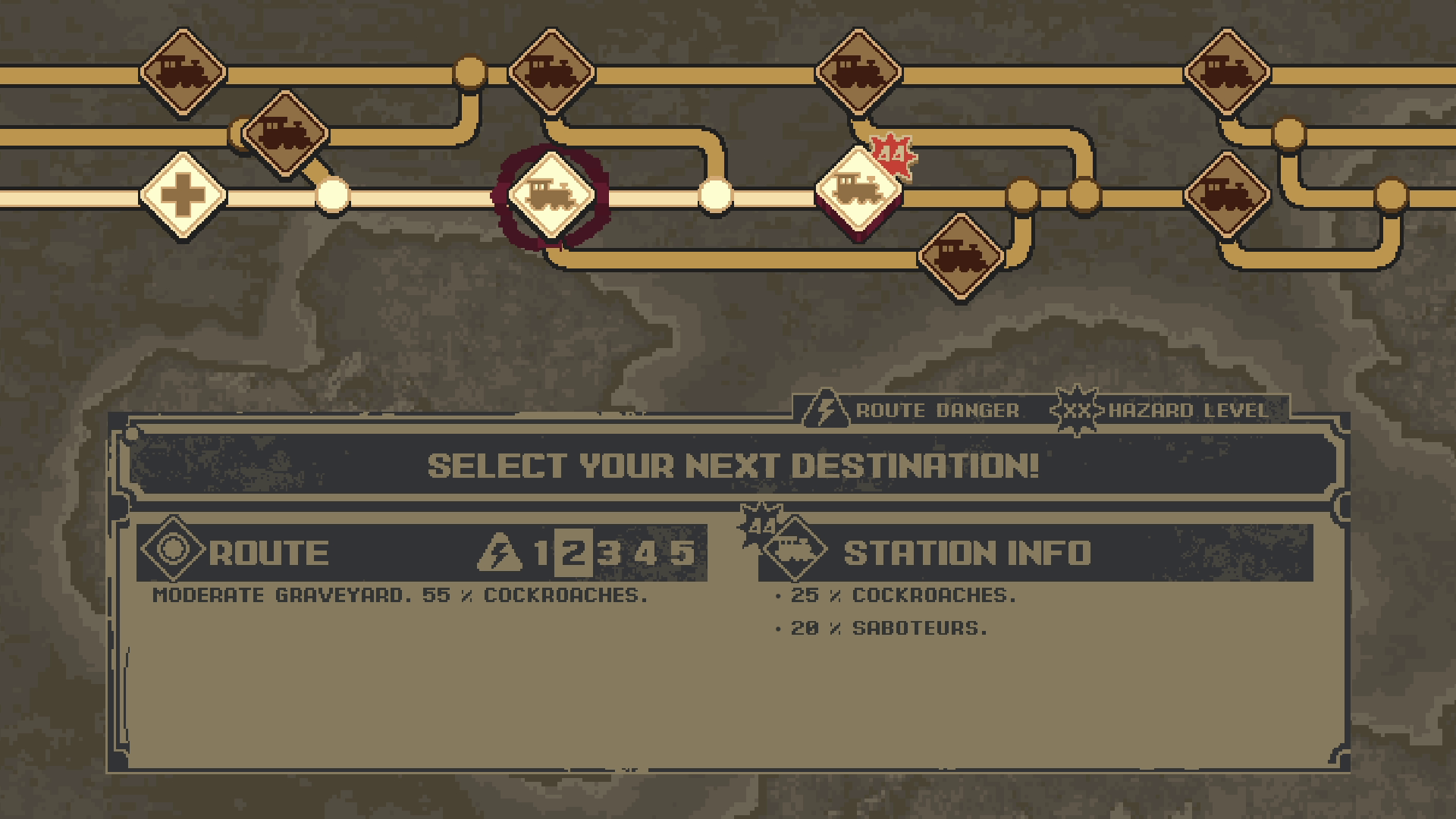
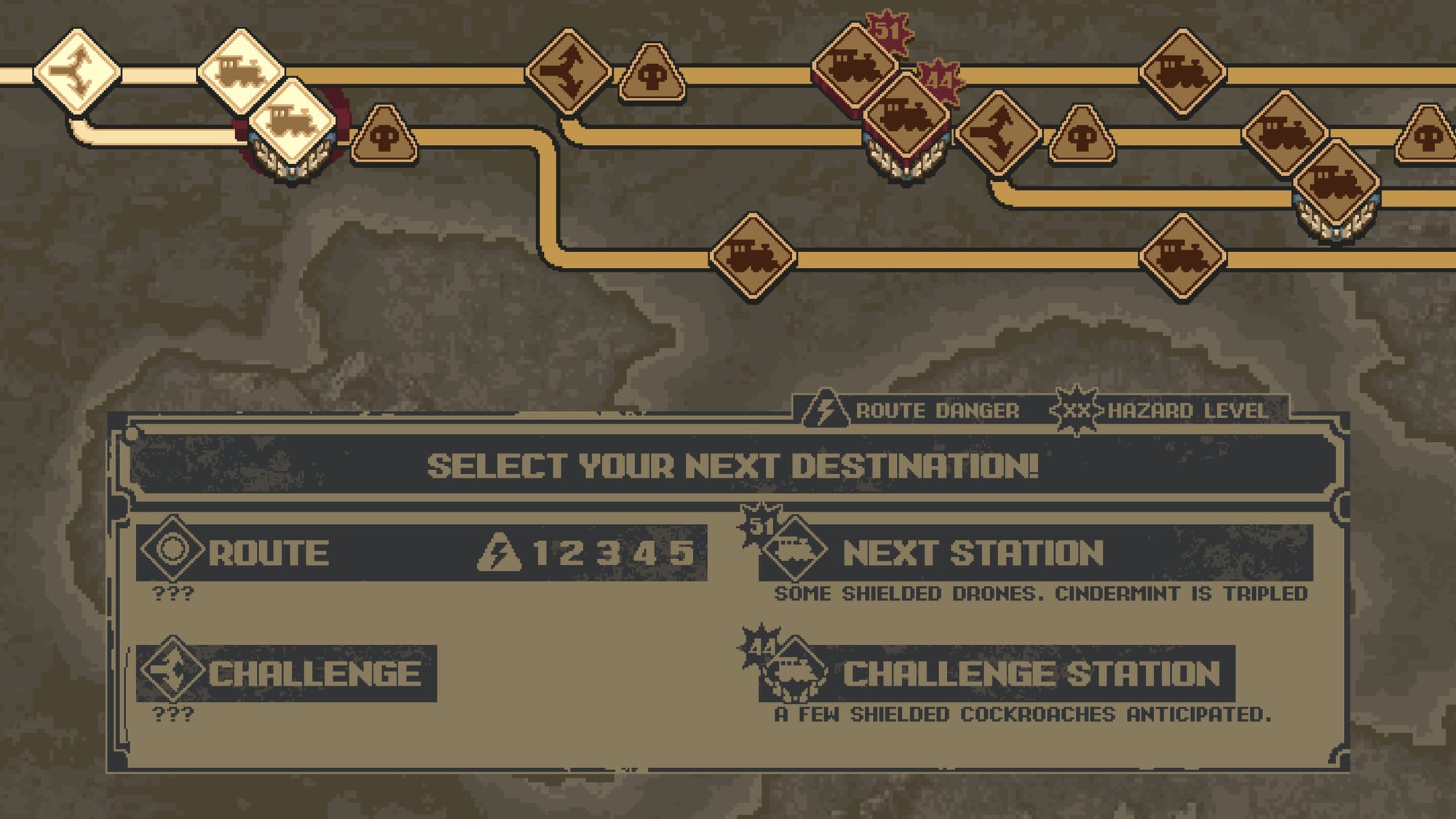
Currently, Rami Ismail is collaborating with Aesthetica Labs, a worker-owned game development cooperative based in Rochester, New York, and the publisher Mystic Forge on the action strategy game Australia Did It. Ismail, who usually creates fast-paced arcade-style games, was approached by Mystic Forge to see if he could conceive of making a strategy game without any creative restrictions. This is evident in the game, which transforms other genres into game mechanics. It has been marketed as 'Tactical Reverse Bullet Hell' – a concept that many other publishers would probably reject as too wild and risky. Australia Did It incorporates turn-based tower defense (genre #1) with a unit merging system (genre #2) and on-rails reverse bullet hell combat (genre #3), as well as a roguelike progression system during a run (genre #4). He also admitted that the game can be quite unforgiving in some places.
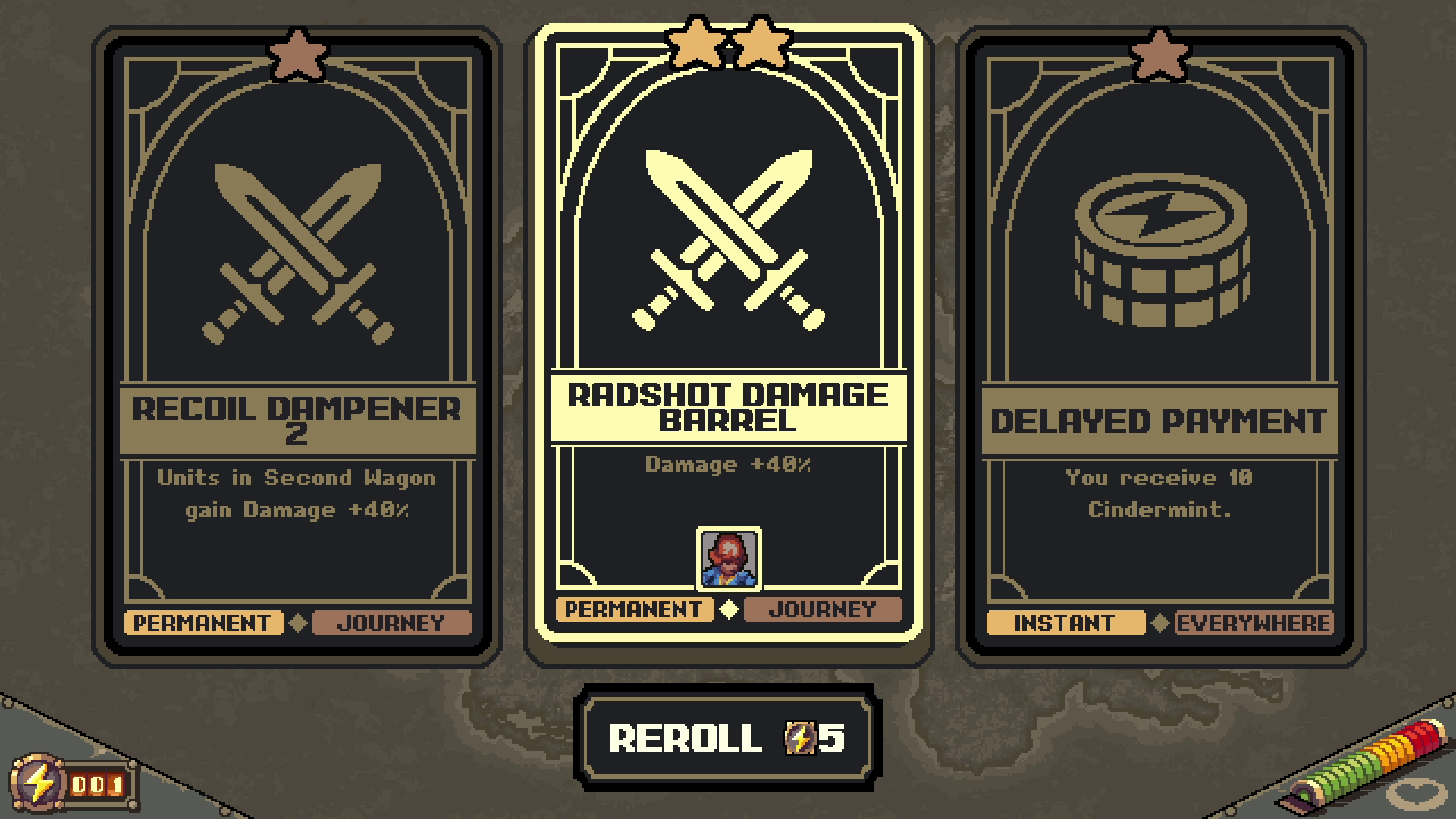
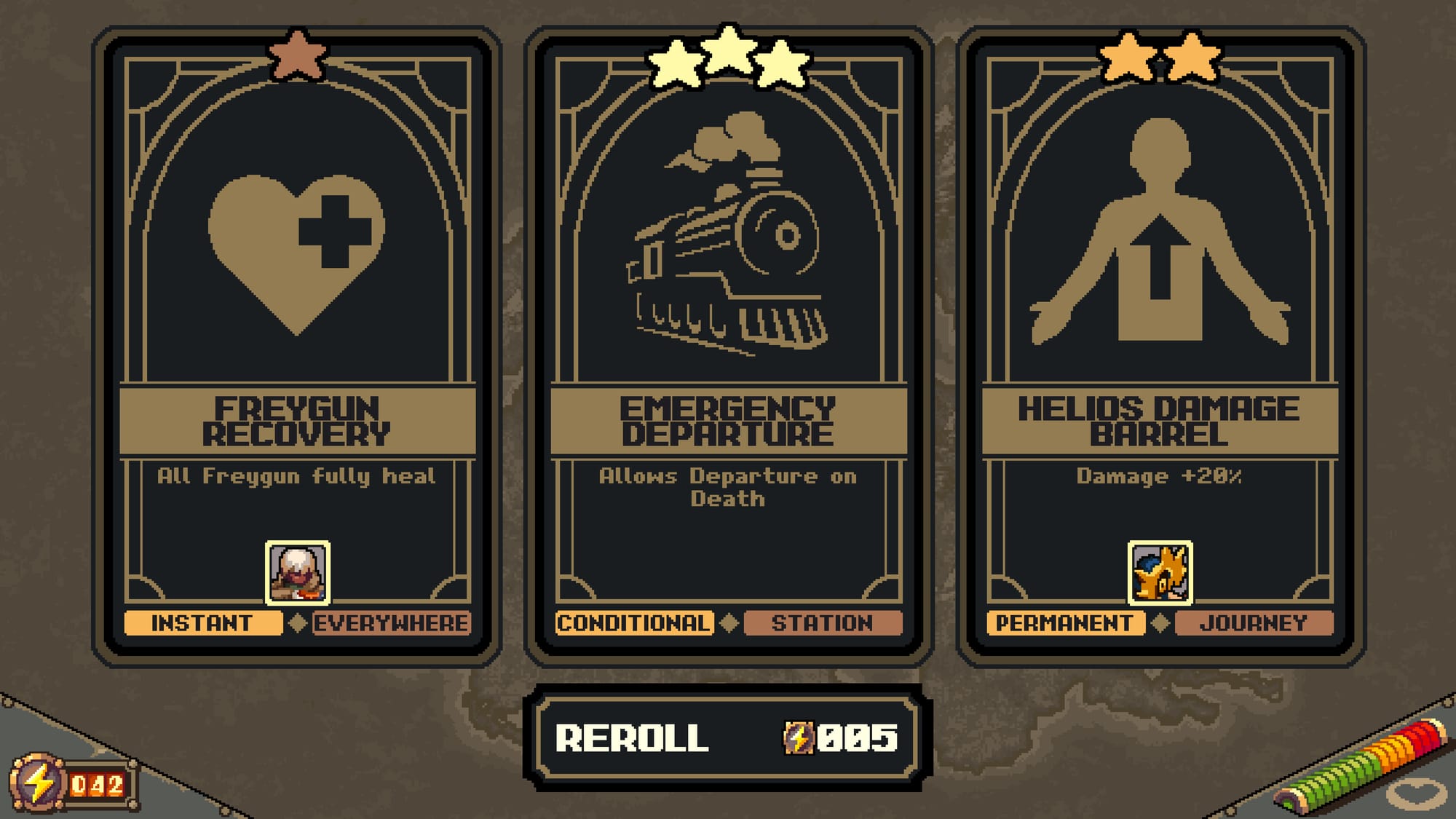
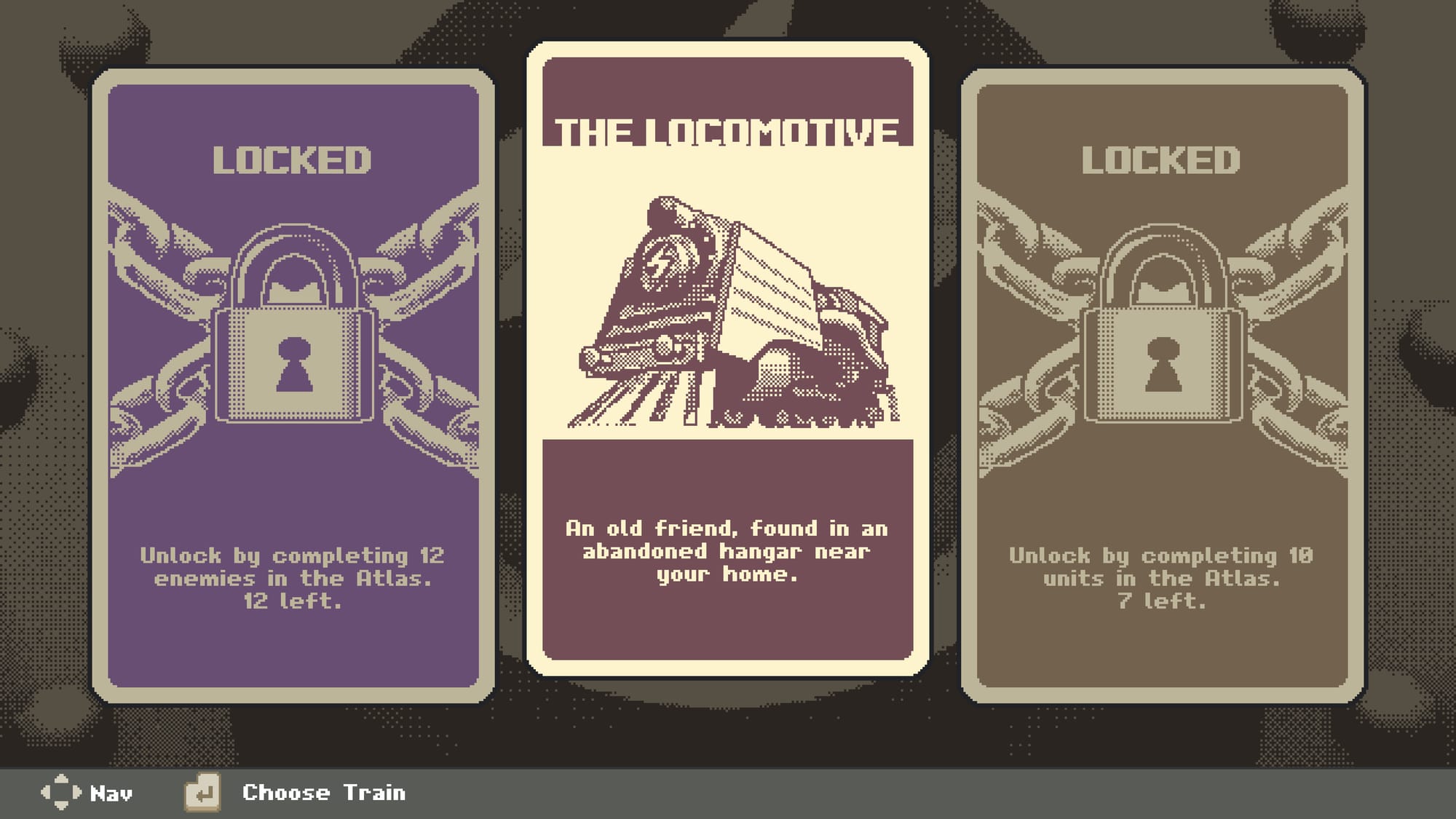
In the game, players take on the role of hired mercenaries defending a cargo train as it navigates a monster-infested, drained seabed. The mission is to escort the cargo across this hostile terrain while fending off endless waves of enemies at every station. If the shipment arrives intact, it's a win! Before the train departs, players must deploy and strategise their limited units in order to hold off waves of enemies in turn-based combat with unit merging (1,500+ combinations across 30+ unit types), where experimentation is key. Then, players can unleash overload and become the Bullet Hell in real-time battles with additional direct control options. After each successful station, players can choose from reward cards that grant substantial perks and boosts. This allows players to craft unique builds by mixing cards with their evolving crew to create new strategies.
"I had very low hopes for this odd prototype I'd been playing with, but when I showed it to Mystic Forge, they didn’t even flinch at the experimental genre mix, wrote the check for a small development cycle, and supported us throughout development. No guardrails, no caveats, just a firm belief that games need new ideas, and that it is worth chasing that," said Ismail when announcing the game. Mystic Forge is a new indie publisher created by founding members of Good Shepherd Entertainment. It was launched to support "bold projects by teams they believe in". With Australia Did It, the publisher took a deliberately hands-off approach. "From the very start, I knew that Mystic Forge had to run with Rami going up to bat and taking a big creative swing with this game. Once we chatted about design intent with the focus on high-tension moments, and heard his full pitch with the proposed title name, we were ALL IN," said Randy Greenback, Portfolio Director. "Mystic Forge exists to support ideas that deserve to be seen and played, especially if they don’t follow the rules. Australia Did It is experimental, there isn’t anything else like it."
A playable demo of Australia Did It will be available as part of Steam Next Fest. The demo will be playable from 23 February to 2 March 2026.
Marcel Kleffmann is Chief of Content of GamesMarket and our B2B and B2C expert for hardware, market data, products and launch numbers with more than two decades of editorial experience.