Rockfish Games' CEO: "56.5% of the Dev Budget Comes Straight From Our Own Pocket"
Rockfish Games recently received a record-breaking grant of €8 million. In this interview, CEO Michael Schade discusses the ~€20 million budget, the six-year development period, the importance of the grant for the Hamburg-based studio, and Germany as a location for the games industry.
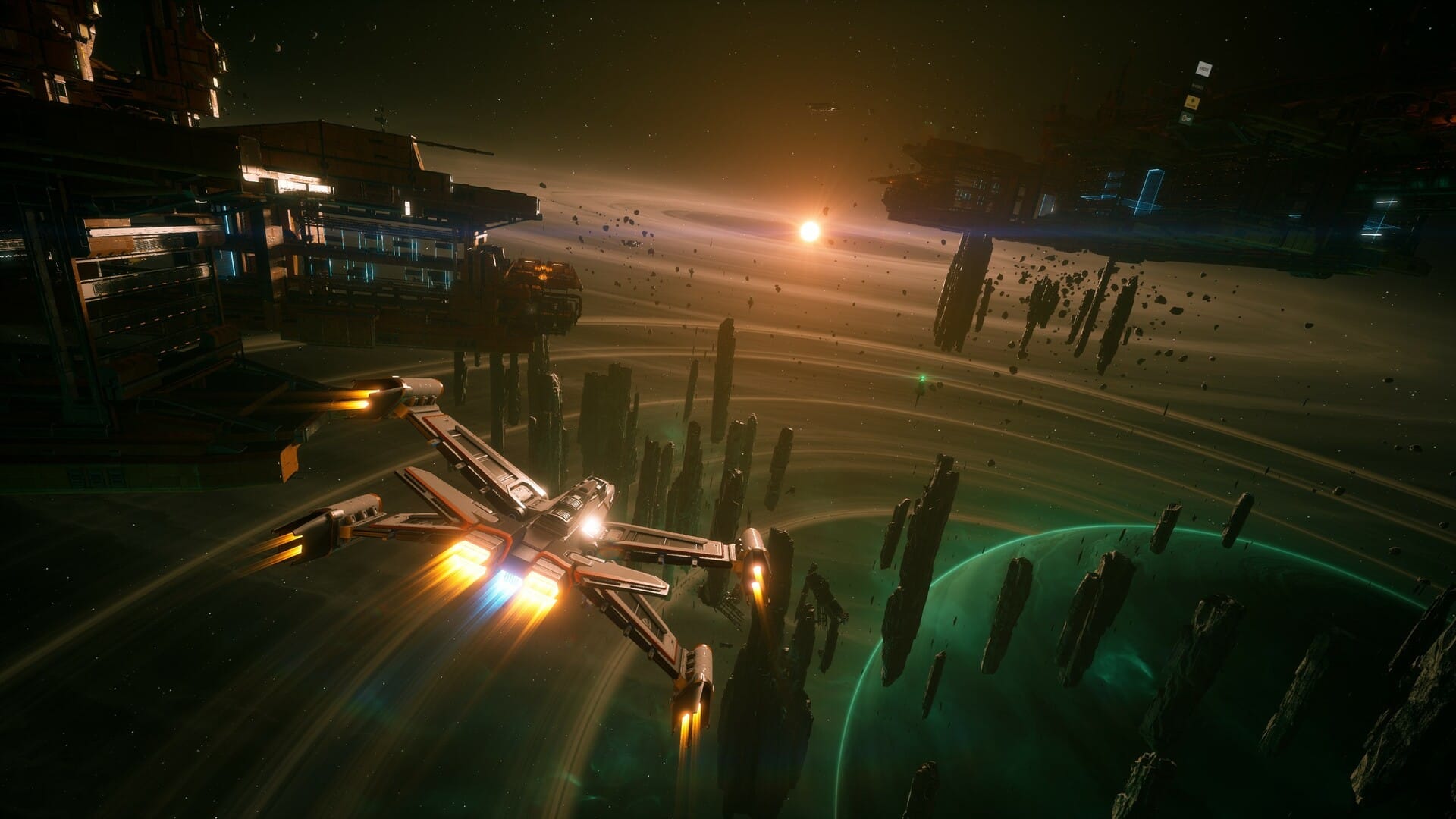
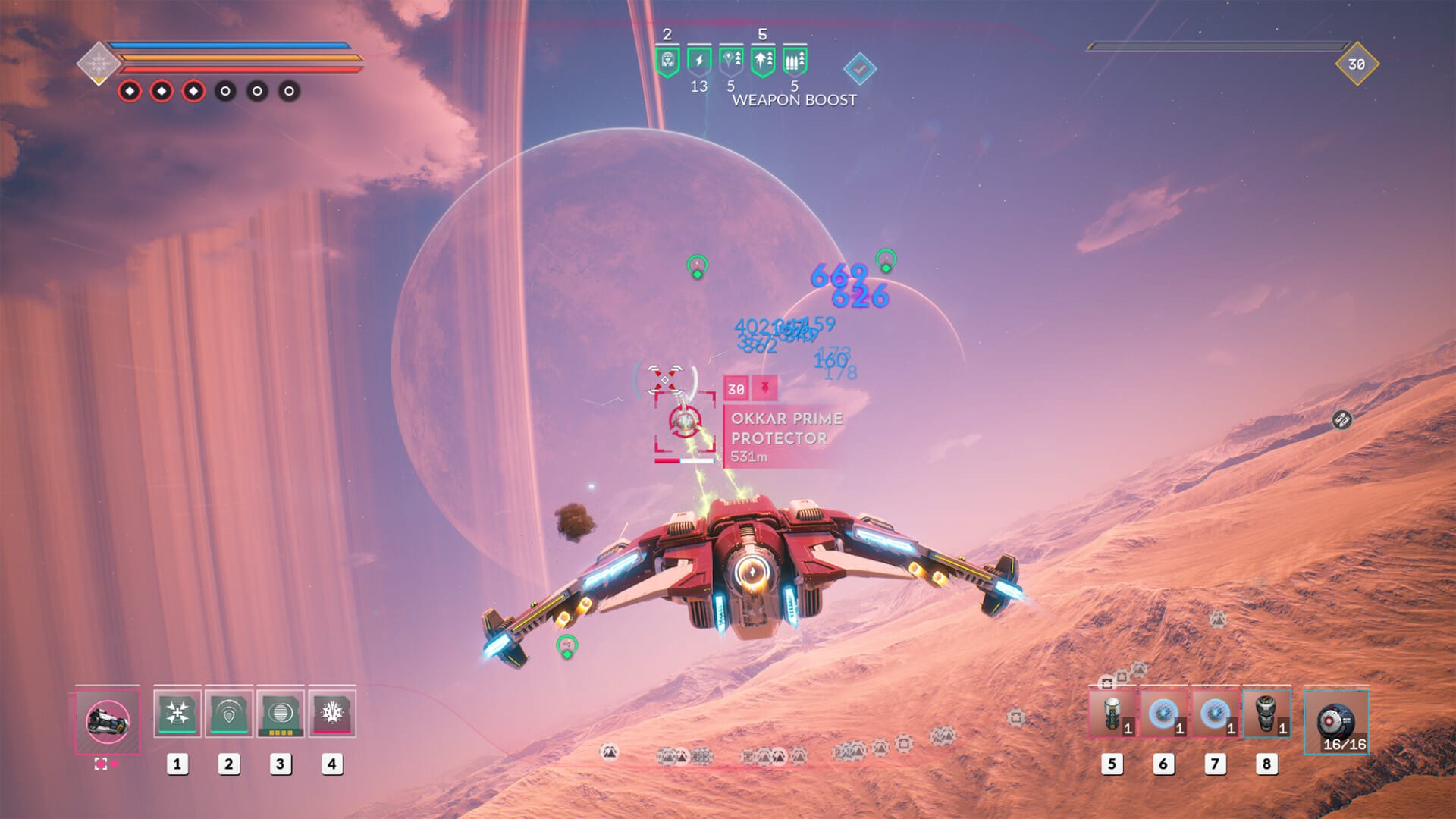
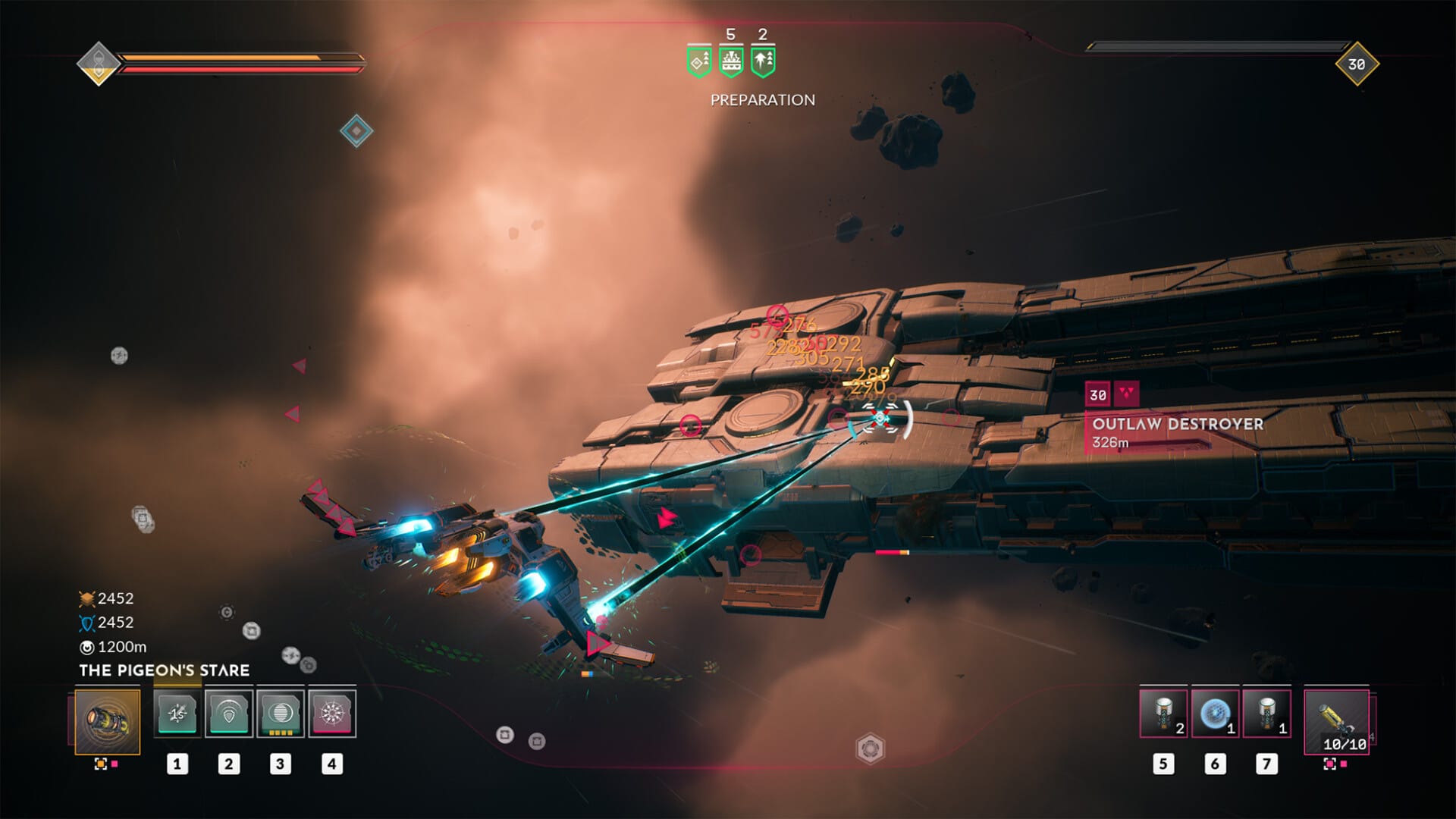
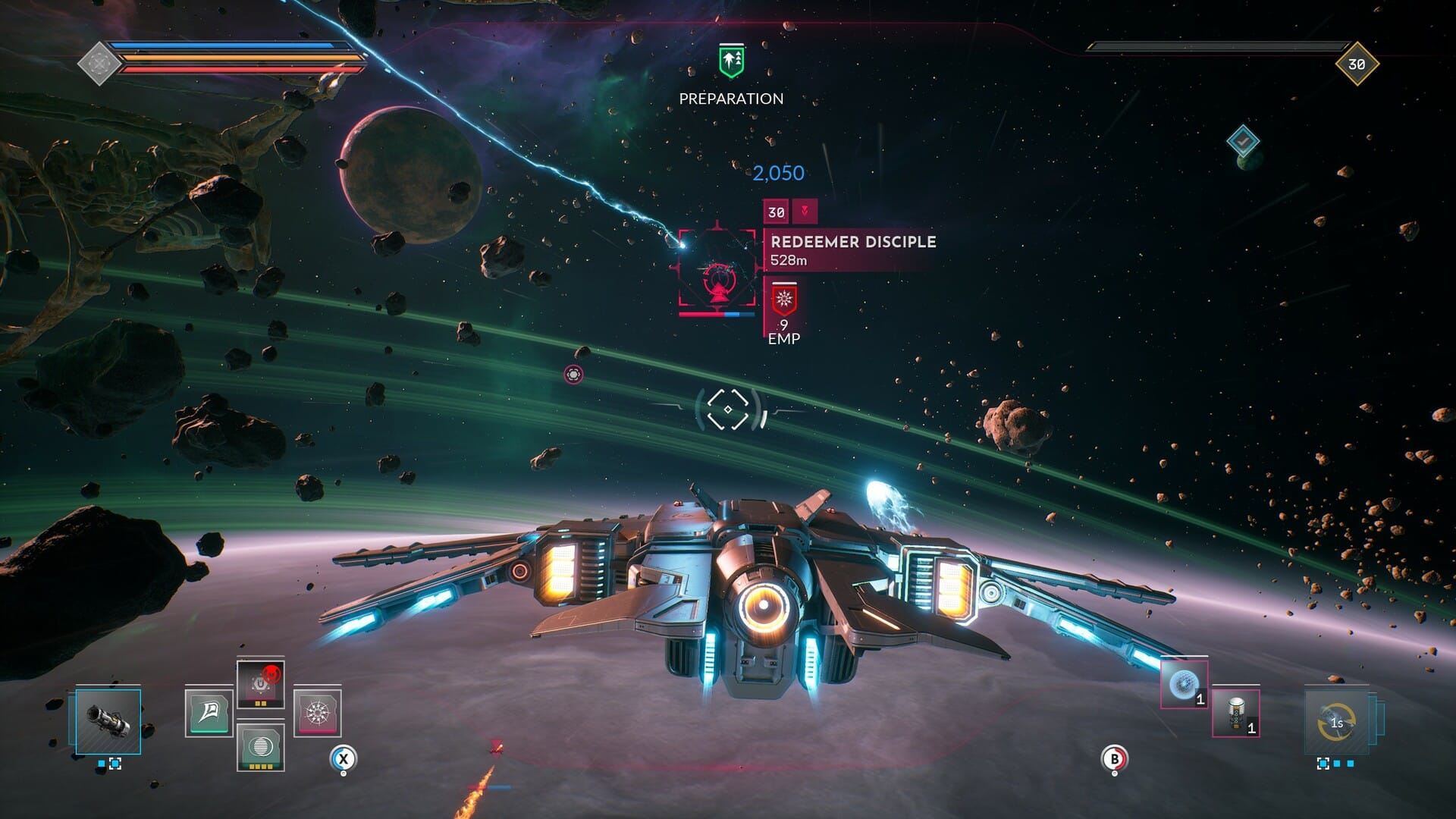
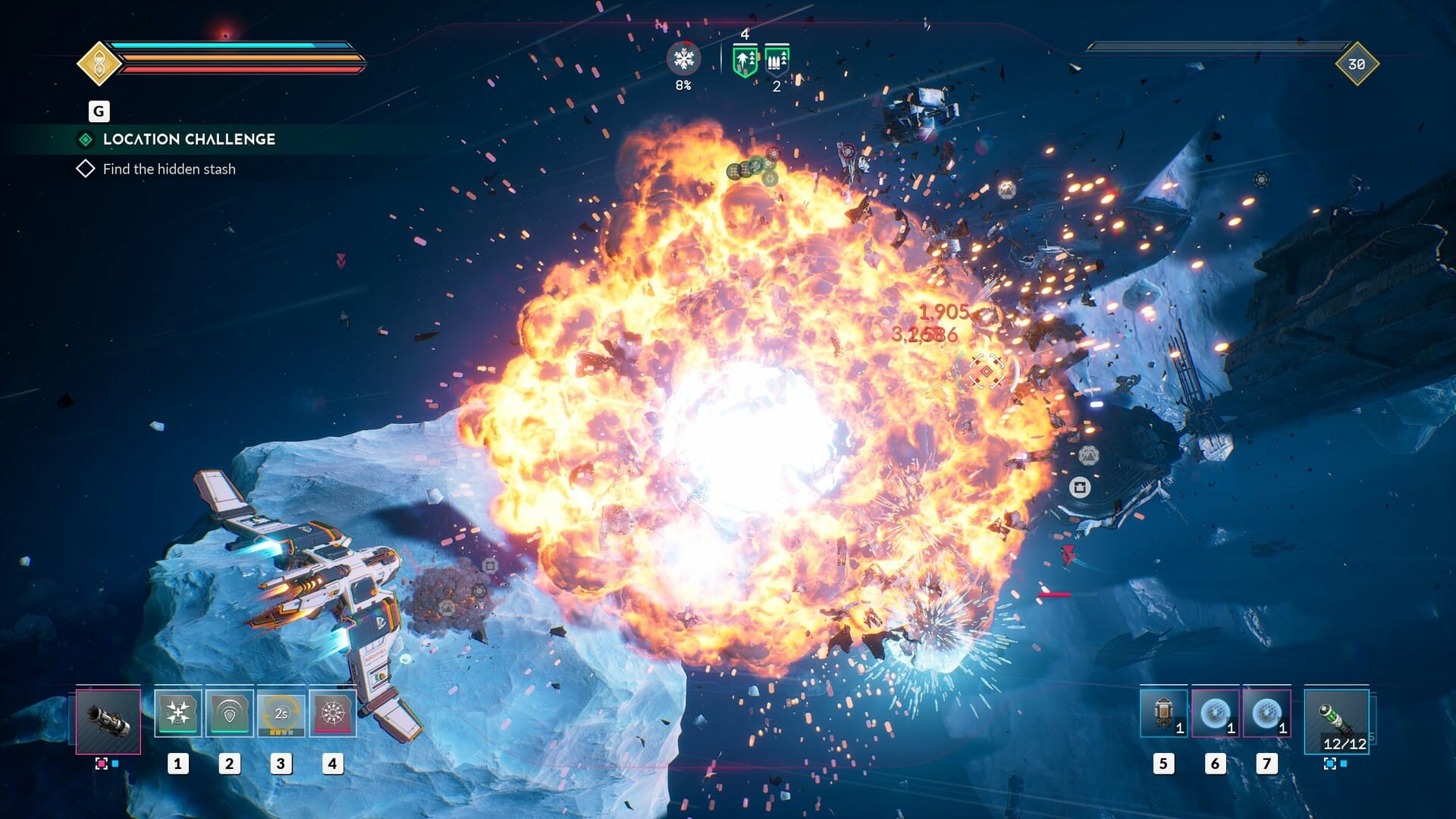
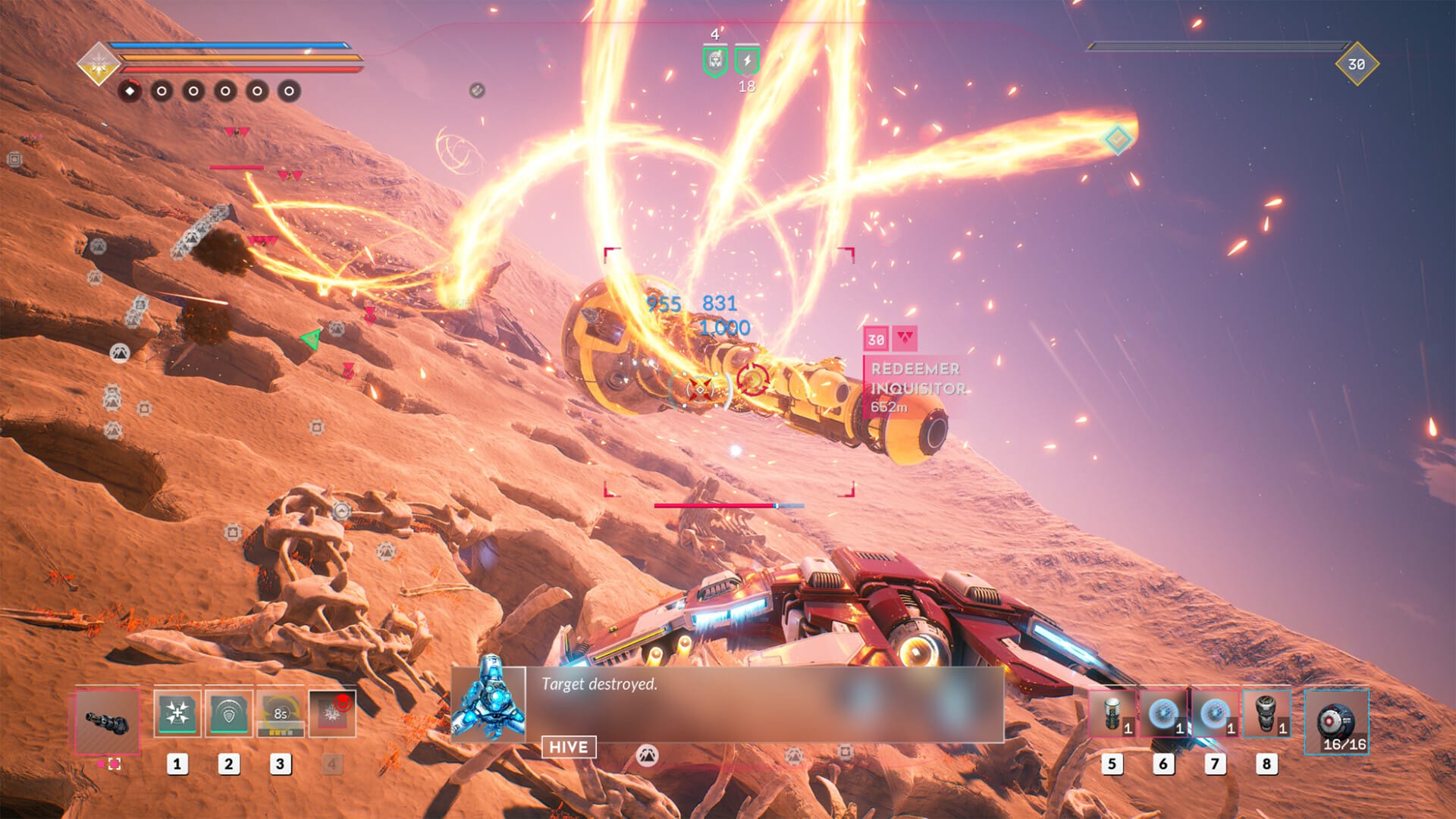
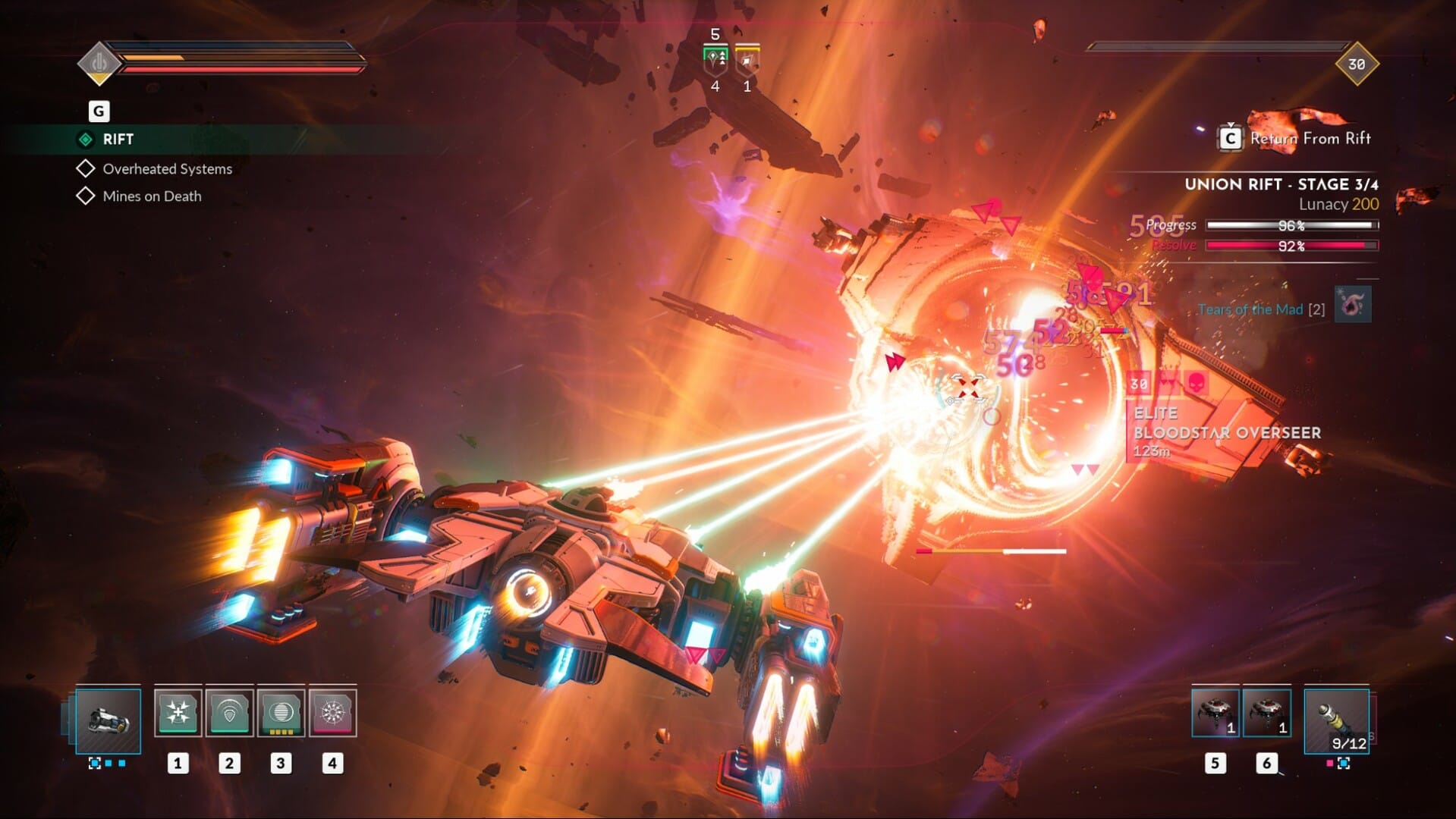
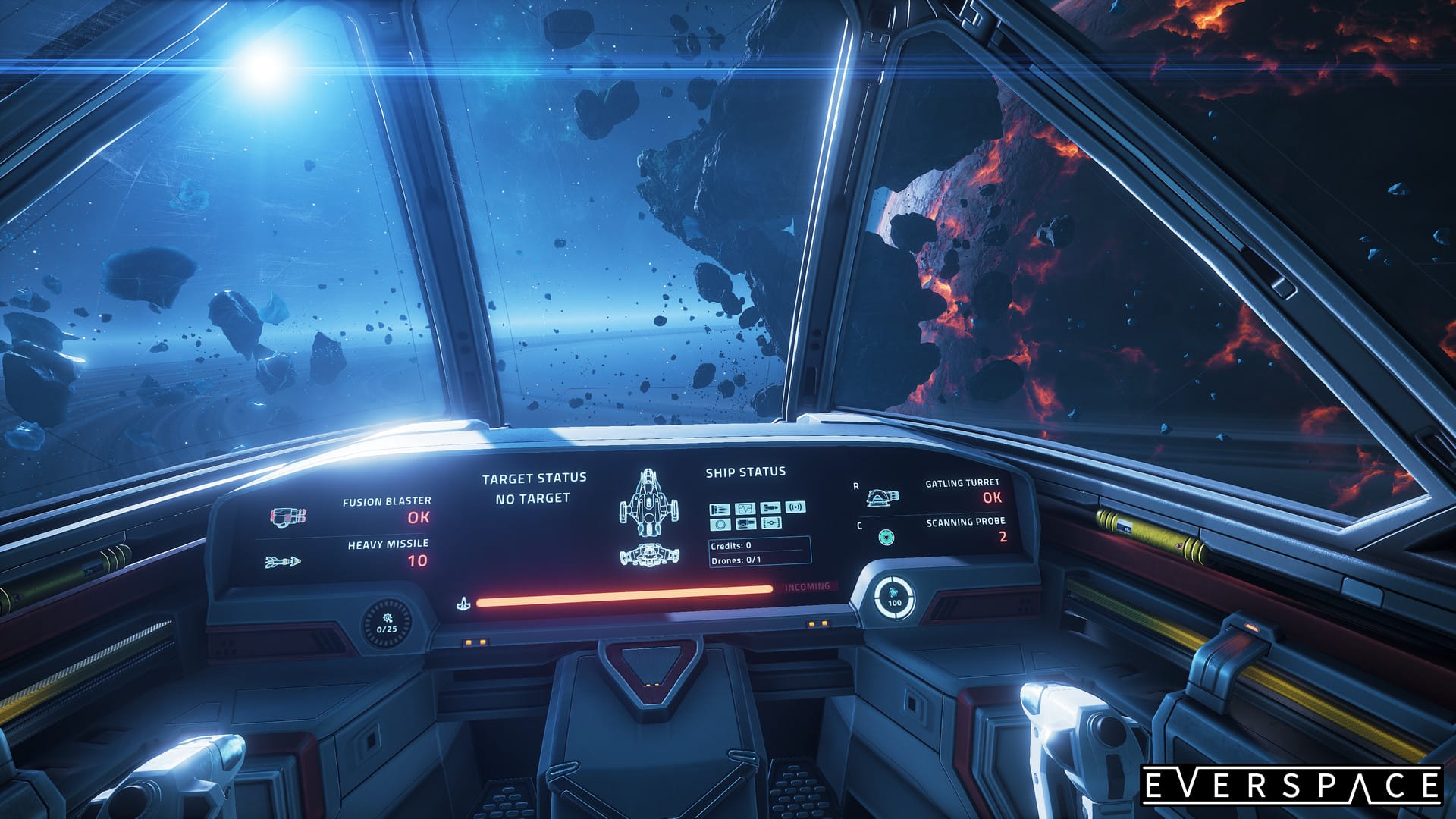
Hamburg-based independent studio Rockfish Games has been awarded an €8 million grant by the Federal Ministry of Research, Technology and Space (BMFTR) to develop the next instalment in its Everspace franchise. This is the largest grant yet awarded to a German video game developer from this fund, and it will be paid out over five years. This support is hugely important for the studio, enabling it to increase the scale of the project - without funding, it would certainly have been smaller. We learned all this and more in an interview with CEO Michael Schade. He discusses the ~€20 million budget, the source of the studio's own funds, the six-year development period and the significance of the €8 million grant from the German government for the Hamburg studio.
GamesMarkt: How will this substantial grant affect the operation of Rockfish Games in Germany?
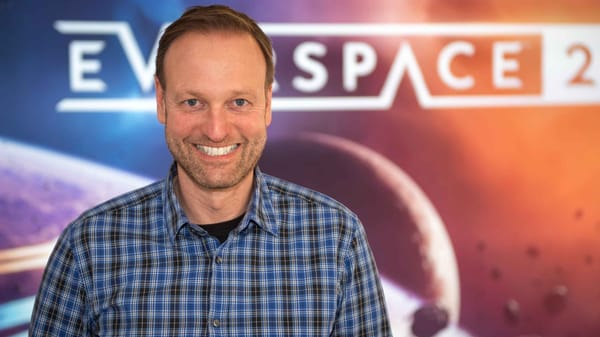
Michael Schade: "This grant gives us long-term planning security in Germany and lets us scale up the next Everspace project properly without giving up our independence. Because the funding is paid out over five years, Rockfish Games will be more stable than ever before – no publisher or investor can suddenly have a change of heart and pull the plug, even if the team delivers outstanding work, which is exactly what happened to us nine months after we rebooted as Rockfish Games in 2014. In that sense, we're now pretty much the textbook definition of an independent AA studio: we finance our games through our own IP, our community, and this federal grant, while keeping full creative and strategic control in Hamburg, Germany."
GamesMarkt: This substantial grant naturally provides financial security, even though the funding period of five years is quite long. Do you know how and for what you want to use the money?
Michael Schade: "Yes, the use of funds is very clearly defined. Together with an already completed one-year prototype phase, we're looking at roughly six years of development for the next Everspace title, which is in the same ballpark as Everspace 2 including its post-launch phase. As we've significantly expanded the team both internally and externally compared to Everspace 2, the overall budget for the new base game including pre-production is now around 20 million euros."
"This grant covers roughly half of that and allows us to bring in additional specialists in design, art, engineering, and production that we simply couldn't afford at this scale without funding. At the same time, it lets us invest heavily into new gameplay systems, bigger and more varied locations, and a proper technical leap by building the project directly in Unreal Engine 5. On top of that, we're putting money into our pipelines, tools, and workflows so the structures we build now will enable for a much bigger vision of the next Everspace project."
GamesMarkt: Without this funding, would it have been possible to create the next game in the Everspace franchise in the way that is now possible?
Michael Schade: "We would have made another Everspace game either way, but without this funding it would have been smaller, and we'd have been much more conservative with new features, technology, scope, and overall production quality. As an independent self-publishing studio we always have to keep a close eye on our risk profile. Thanks to the grant, we can now add significantly new gameplay mechanics and environments that would not have been feasible otherwise, which allows us to reach new target audiences and grow not only our creative vision for the Everspace universe, but also the studio commercially in a healthy way."
GamesMarkt: The Federal Games Funding may not exceed 50% of a project's eligible costs. Where did you get the rest of the financing? Is it from the proceeds of previous successful games, or did you receive other support?
Michael Schade: "To be exact, 56.5% of the dev budget comes straight from our own pocket – mainly from Everspace and Everspace 2 sales and DLCs on PC and consoles over the last years. We've built Rockfish quite deliberately as a studio that can finance its projects largely through its own IP, our community, and strong platform partnerships instead of relying on investors or classic publishing deals. Previous support, like earlier grants and significant platform deals with services such as Game Pass, Google Stadia, and Amazon Luna, helped us reach a wider audience and create the financial base we're building on now. For this new project, however, the non-funded part of the budget is covered entirely by our own revenues and reserves."
GamesMarkt: Would Germany be a viable gaming location internationally without this federal games funding programme?
Michael Schade: "There are currently no classic AAA studios in Germany, and that's okay - the real potential lies in a strong mix of indie and AA studios. Without this programme, Germany would still have successful developers, but it would be much harder for more teams to make the jump from indie to sustainable AA production. In a global market where many countries offer attractive incentives, federal funding is an important lever to keep exactly this mid-tier segment growing here: independent studios that own their IP, work closely with their communities, and can still deliver technically and creatively ambitious games from Germany."
Marcel Kleffmann is Chief of Content of GamesMarket and our B2B and B2C expert for hardware, market data, products and launch numbers with more than two decades of editorial experience. (marcelDOTkleffmannATgamesmarktDOTde)
PEGI Director Dirk Bosmans and USK MD Elisabeth Secker have worked together on the changes (PEGI/USK)