The Rise of "Friendslop": Why Low-Fidelity Social Chaos is Shaking Up the Games Industry
In 'Zoran's Update', experienced games manager Zoran Roso comments on current industry topics on LinkedIn, speaking from the heart for many in the industry. GamesMarkt is now republishing the update with Zoran's consent. This time's topic: The Rise of 'Friendslop'.
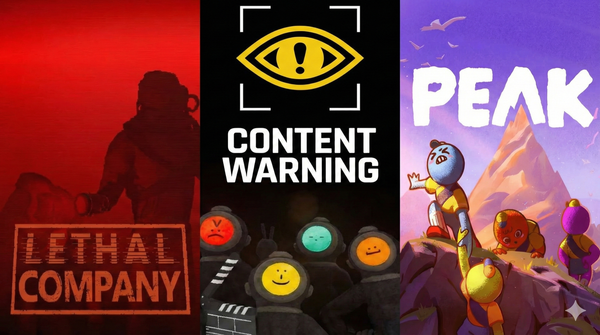
The video game industry thrives on innovation and shifts in consumer behavior. Over the past 18 months, an emergent micro-genre, often dubbed “Friendslop”, has captured the attention of millions, particularly Gen Z and Gen Alpha. While the term originated as a social media jest, it now defines a powerful market segment built on low barrier-to-entry, high social chaos, and viral shareability.Understanding this phenomenon is critical for both developers seeking breakout hits and publishers aiming to align their pipelines with the next generation of player demands.
Defining the Friendslop Phenomenon
What is "Friendslop"? "Friendslop" refers to a category of multiplayer co-op games characterized by a few core traits:
Low Fidelity, High Concept >> Graphics are often simple, stylized, or low-poly. The development focus is not on cutting-edge visuals but on a compelling, easily understood core gameplay loop.
Chaos and Proximity Chat >> The games inherently encourage unscripted, chaotic interaction. The use of proximity chat is often integral, turning simple moments of panic or cooperation into hilarious, shareable soundbites.
Low Cost, High Impact >> These titles are typically indie-developed, released at a low price point (often under $15), yet deliver good, cheap fun that leaves an incredible emotional impact on players—a high emotional return on investment rarely matched by multi-million dollar products.
So let’s have a look at the “Landfall Model” which challenges the concept of Multi-Million Dollar Projects, shall we? The rise of Friendslop is equally a story about streamlined development. Many successful titles, including Landfall's Peak, are born from short, highly focused game jams. A small team might develop a complete, shippable product in a single month in an Airbnb. This process results in a minimal budget (salaries, travel, and platform fees), creating a super low-risk profile and achieving a quicker Break Even point. This model fundamentally challenges multi-million dollar AAA projects by demonstrating that viral success, cultural relevance, and significant revenue can be achieved with a fraction of the budget and a vastly accelerated Time-to-Market.
Market Snapshot: By The Numbers
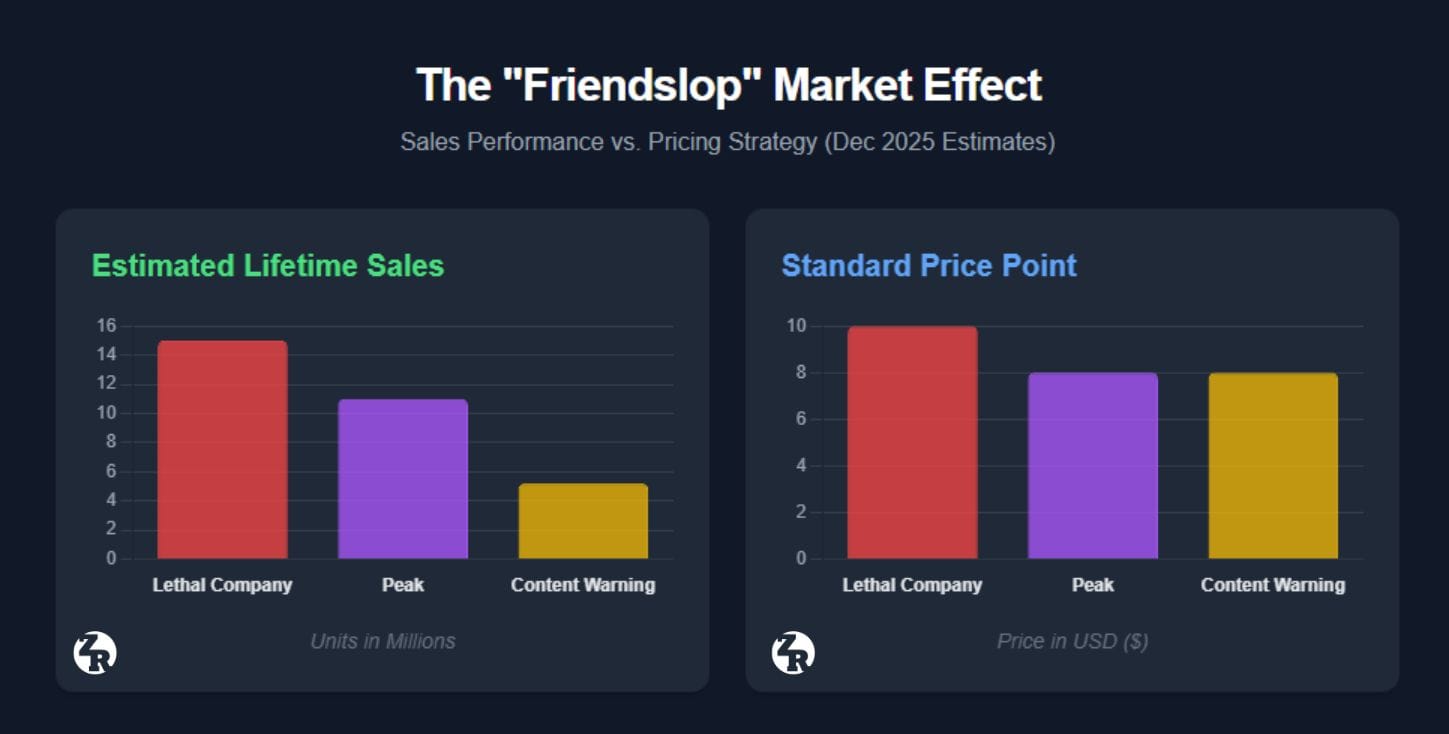
The commercial efficiency of this genre is staggering. Comparing the estimated performance of the genre's titans reveals a market hungry for low-friction fun:
Title
Release
Est. Sales
Peak Concurrent Players
Pricing Strategy
Lethal Company
Oct 2023
~15 Million+
240,000+
$9.99
Content Warning
Apr 2024
~5.2 Million+
204,000+
Free (24h) then $7.99
Peak
Jun 2025
~11 Million
170,000+
$5 Launch, then $8
Data estimates based on SteamDB and public tracking as of Dec 2025.
The Gen Z and Gen Alpha Engine: Bonding in a Digital-First World
The success of Friendslop is inextricably linked to the consumption habits and social development of Gen Z and Gen Alpha. For these audiences, gaming is fundamentally a social medium, a trend massively accelerated by two key forces:
1. The Pandemic Effect The COVID-19 pandemic normalized digital-first socialization. For the younger generations, online games became the primary (and often only) viable place to form and maintain friendships. This experience permanently cemented the expectation that a game’s primary function is to serve as a reliable, casual, and low-friction social space.
2. Foundational Platforms This generation grew up in the sandboxes of Minecraft and Roblox, games that prioritize player creation, low-fidelity visuals, and shared, emergent experiences over linear AAA storytelling. They also embraced the early, chaotic co-op mechanics of games like Fortnite's early PVE modes. This cultivated a preference for fun and emergent interaction over graphical polish, setting the stage for the low-fidelity, high-fun Friendslop genre to flourish.
High Value, Low Friction >> The low price point and quick-to-learn mechanics of Friendslop titles create an undeniable value proposition. Players are getting a high-impact, memorable social experience that is cheaper than other forms of entertainment (like movies or concerts), reinforcing the habit of playing these games purely for shared moments with friends.
Virality is the Marketing >> These players live and breathe clip culture. Games that produce short, funny, 15-second moments of unexpected chaos (e.g., a friend being abducted by a monster mid-sentence) are instantly shared across TikTok, YouTube Shorts, and Discord. This virality is free, organic, and far more effective than traditional advertising.
The "Vibe Check" Over Polish >> This generation prioritizes fun, authenticity, and a shared experience over the technical polish and structured narrative that often defines AAA. The quick entry makes it easy for a whole friend group to dive in on a whim.
The Influence on AAA Development
The Friendslop paradigm is beginning to influence high-end game development, signaling a shift in how studios design persistent social loops. This is not about AAA adopting low-fi graphics, but about internalizing the focus on emergent co-op and player-driven consequences.
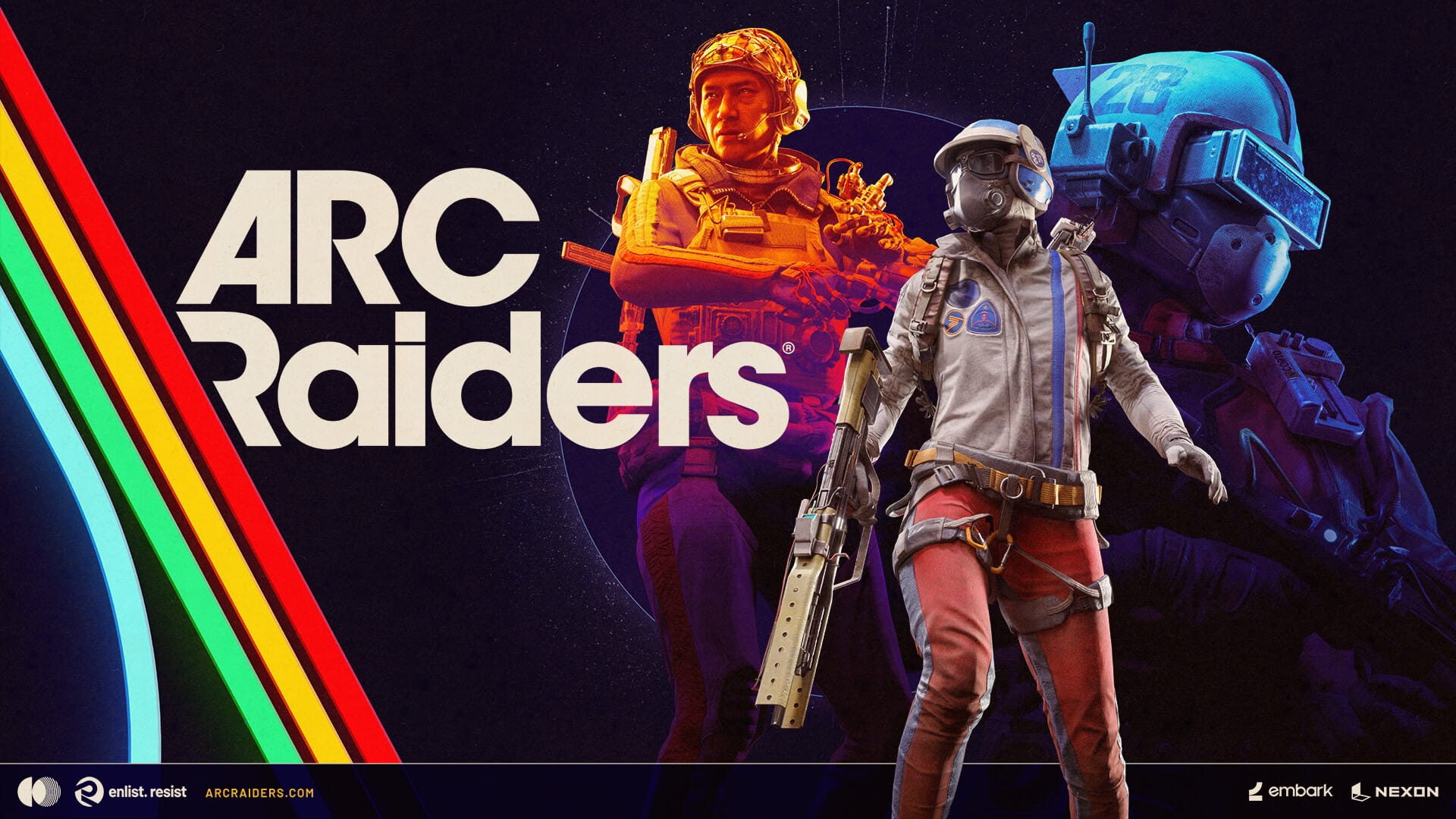
A prime example is the AAA extraction shooter ARC Raiders. While the genre (extraction shooter) is designed around inherent conflict, the community has repeatedly expressed a strong, organic desire for cooperation over competition.
In ARC Raiders, the core conflict is PvE (Player vs. Environment) against the alien ARC threat, with optional PvP (Player vs. Player). However, the default reward structure of many extraction games often incentivizes betrayal, killing another player grants all their loot with minimal personal risk.
What the Friendslop trend highlights is a player mandate: Gamers often prefer social bonding and shared accomplishment over pure adversarial winning. In ARC Raiders, players frequently use proximity chat to negotiate truces, assist strangers fighting ARC bosses, and even share rare loot, especially in solo lobbies. This is the Cooperation Paradox in action: the game design provides the incentive to kill, but the player culture, informed by the Friendslop ethos, provides the social incentive to help.
The paradigm shift is this: AAA studios are now competing not just on fidelity and content volume, but on the quality of unscripted, social bonding moments, even within competitive environments. Ignoring this emergent cooperative desire risks alienating a large segment of the next-generation player base.
Key Takeaways for the Industry
1. For Developers
Prioritize Rapid Iteration (Time-to-Market) Embrace the "jam" mentality. Develop a Minimum Viable Product (MVP) with a strong social hook in weeks, not years. Use early community involvement and testing to drive rapid feature development and bug fixes, ensuring your Time-to-Market is measured in months, not cycles.
Focus on the Hook, Not the BudgetInvest resources into the unique social mechanic (physics, chat, unpredictable events) rather than graphical polish. The success hinges on the game's ability to create clip-friendly moments, not render quality.
Low Risk, High Return The Friendslop model provides an unprecedented opportunity to achieve a quick Break Even. Launch lean, iterate fast, and build your community around the chaos.
2. For Publishers
Invest in Low-Risk Micro-IPs Friendslop games represent a vital hedge against escalating AAA costs. These titles offer high potential returns with minimal capital exposure, balancing the financial risk of multi-million dollar projects.
Re-evaluate the Marketing Budget Traditional campaign spending is less effective for this segment. Allocate resources to content creators, focus on community management, and measure success by organic virality and player-generated clips, not just impression volume.
Incentivize the Social Contract For high-end multiplayer titles like ARC Raiders or other PvPvE games, publishers must push developers to create system-level rewards for cooperation. Implement reputation systems, karma scores, or special loot/XP bonuses for reviving strangers, trading gear, or helping clear high-threat PvE zones giving players a mechanical reason to honor the emergent social contract, rather than just a moral one.
Zoran Roso stands as a highly influential veteran of the video game and entertainment industry, with a distinguished career spanning over 25 years in global publishing, marketing, and leadership roles. His professional journey includes serving in significant executive positions at some of the world's most recognizable gaming giants, including Rockstar Games/Take 2 Interactive, Activision Blizzard, and Sony PlayStation, where he was instrumental in the marketing and strategic positioning of flagship AAA franchises and brands. Most recently, he leveraged this extensive experience as the Global Publishing & Marketing Director at Tencent Games, a critical role focused on expanding the company's international reach and developing successful go-to-market strategies for its massive portfolio of internal and partner studios.
Now operating as the founder of ZR Consulting, Zoran continues to drive success in the industry by advising major global publishers and developers. His firm specializes in crafting winning strategies for international brand development, optimizing live service performance, and executing flawless launch plans across all major platforms, including console, PC, and mobile. An active figure in the global games community, his career is marked by a clear strategic vision and a successful track record in translating complex products into global commercial successes.
Zoran Roso, founder of ZR Consulting, brings 25+ years of global gaming marketing experience. Formerly Global Publishing/Marketing Director at Tencent Games, he has held leadership roles at Sony PlayStation, Activision Blizzard, and Rockstar Games.
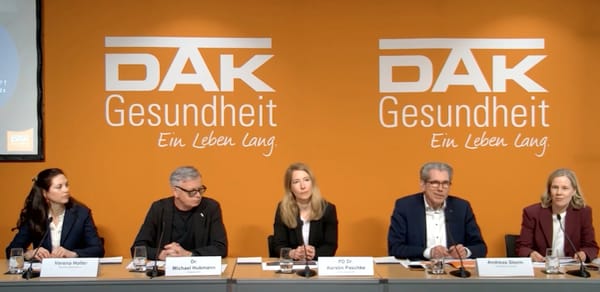
Verena Holler (Founder and Speaker ‘Smarter Start at 14’ parents' initiative), Dr Michael Hubmann (President of the Professional Association of Paediatricians), Dr Kerstin Paschke (Principal researcher and medical director of the German Centre for Addiction Issues in Children and Adolescents (DZSKJ) at the UKE), Andreas Storm (CEO DAK) and Julia Rasche (Head of Press and Political Communications & Press Officer) | Screenshot press conference