The Transport Fever franchise from Urban Games in Switzerland has been the undisputed leader in logistics and transport simulation games for years. Transport Fever 3 is said to mark "the next major leap for the genre".
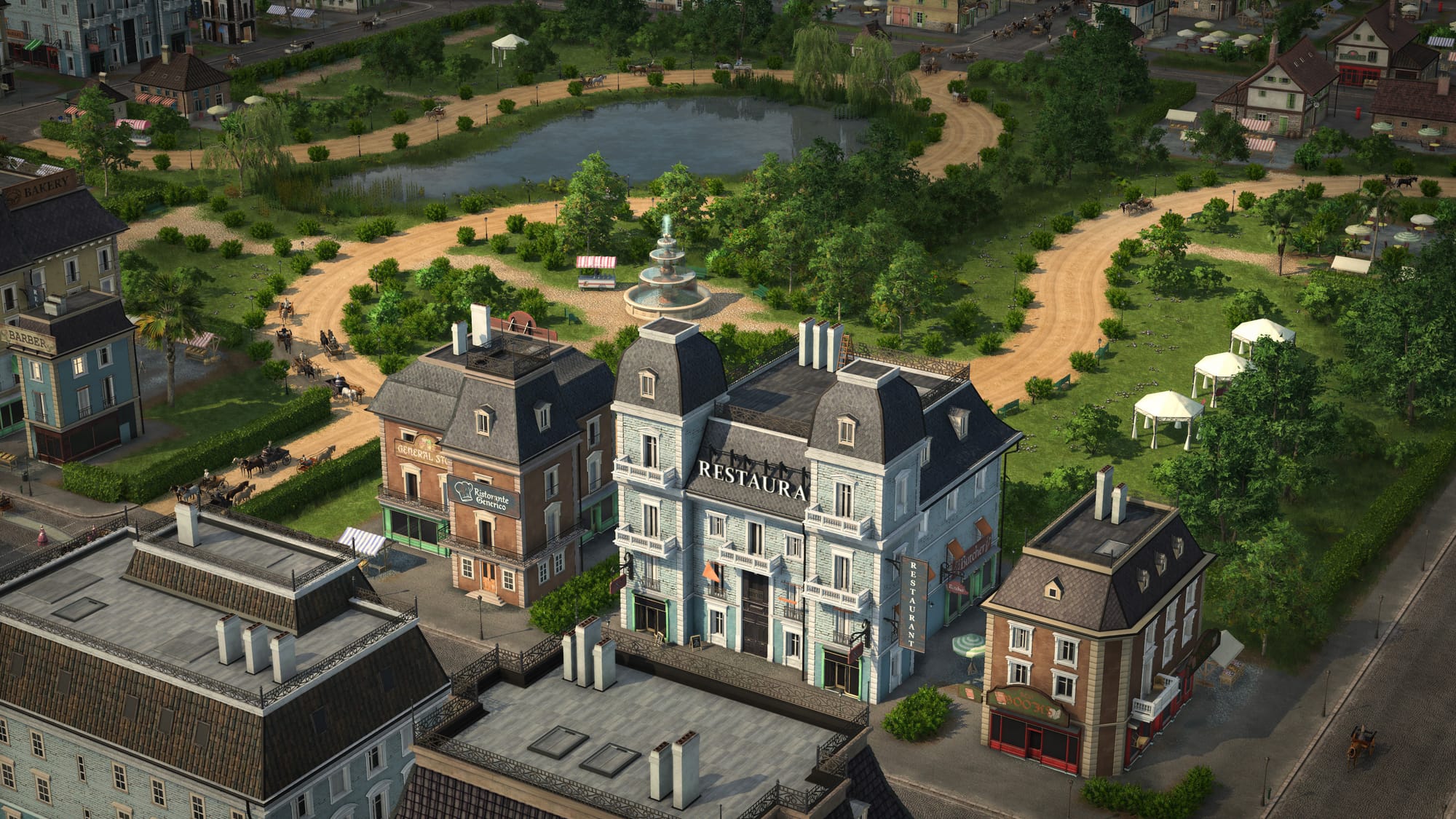
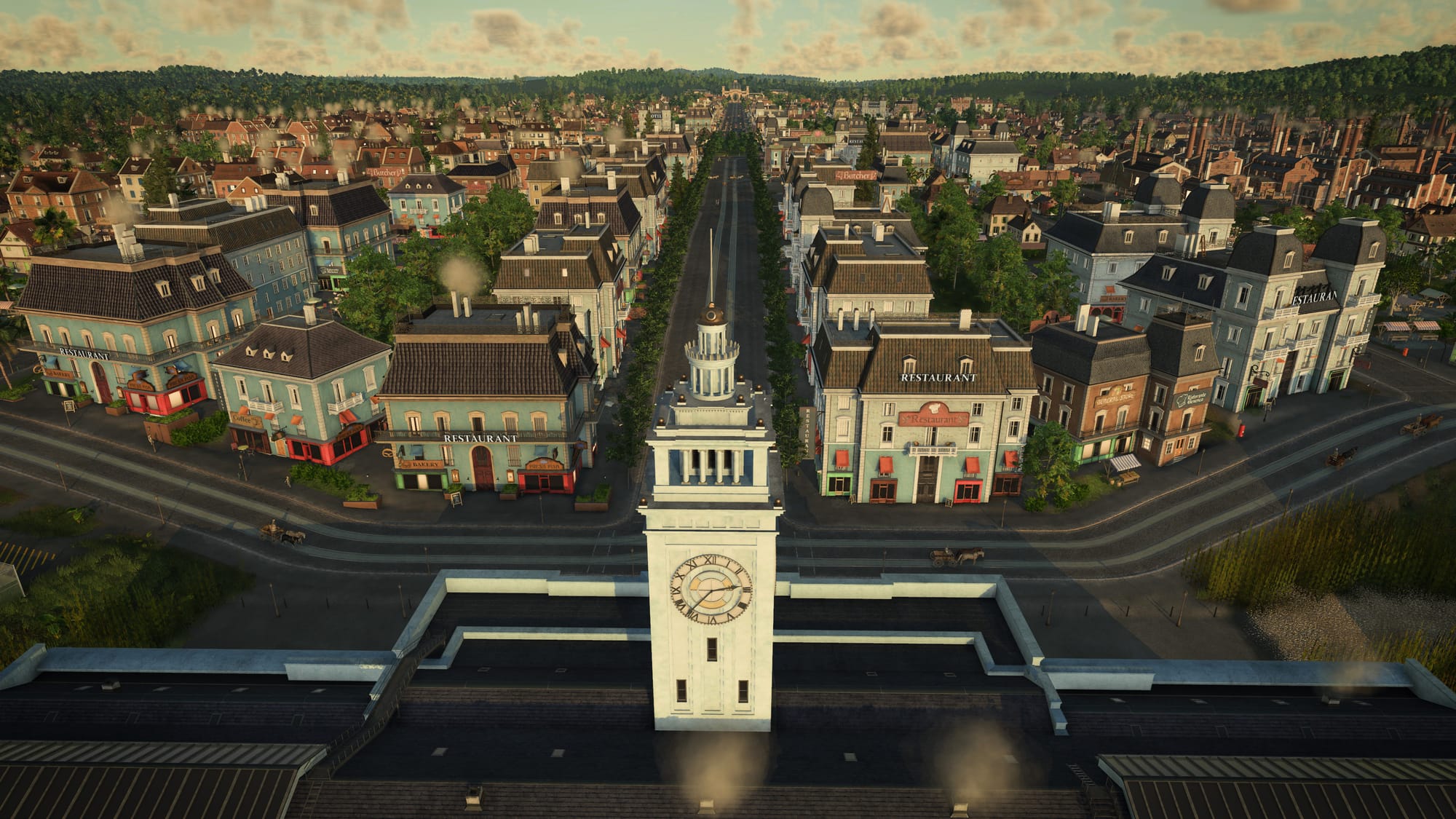
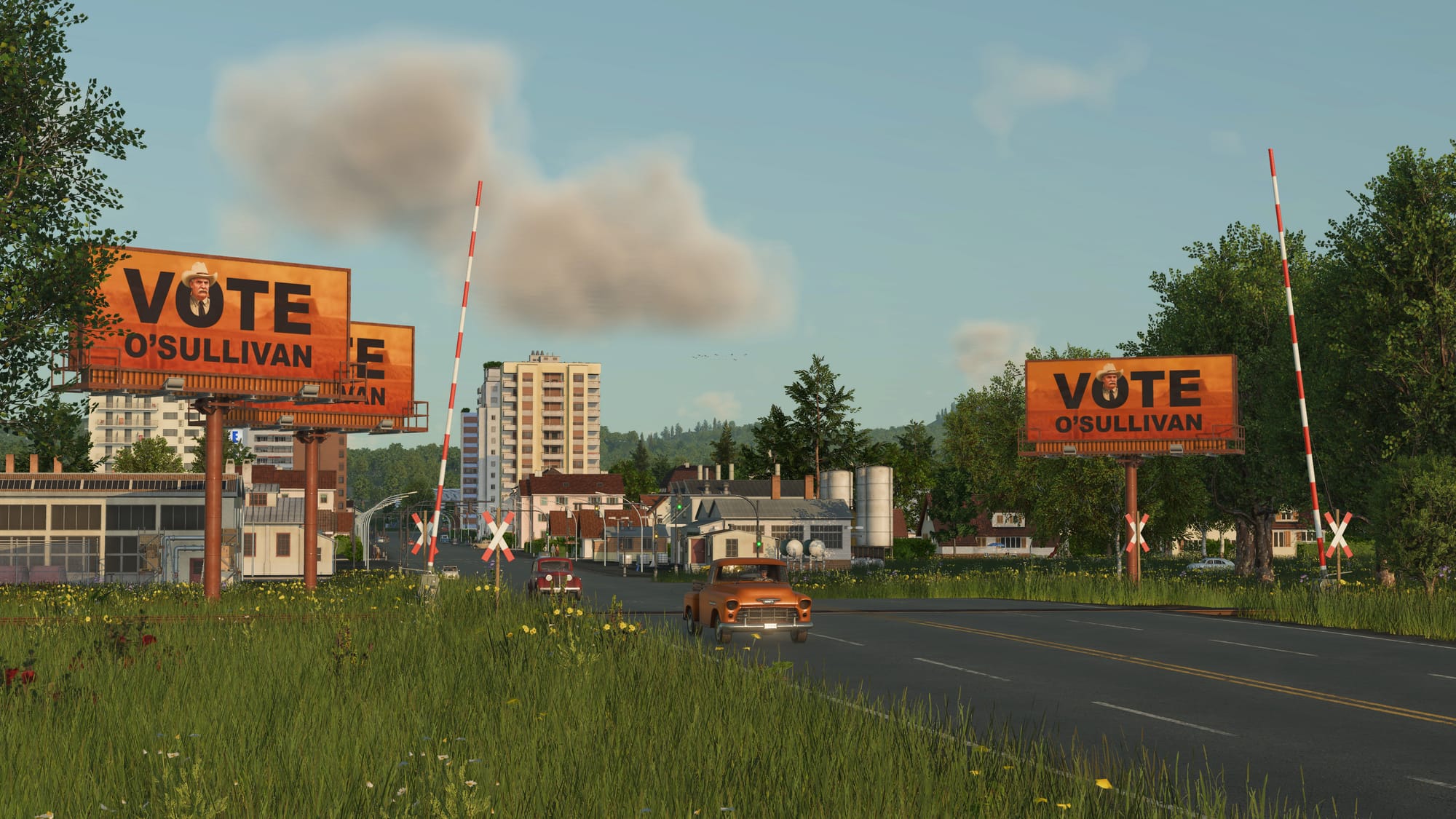
Just like in the two previous games or the classic Transport Tycoon, players in Transport Fever 3 build their own transportation empire. They connect cities and industries by road, rail, water and air, creating lucrative logistics networks for delivering goods and transporting passengers. This means not only that players have more money in their accounts and their companies grow, but also that the cities they supply grow dynamically. Depending on the goods they specialise in, cities can also change and become production centres or commercial hubs, for example. Cities now react to noise, pollution and traffic, meaning growth will no longer depend entirely on efficient supply chains. Additionally, a risk-reward system has been introduced, whereby players can take on time-limited contracts that promise high profits but can also result in failure.
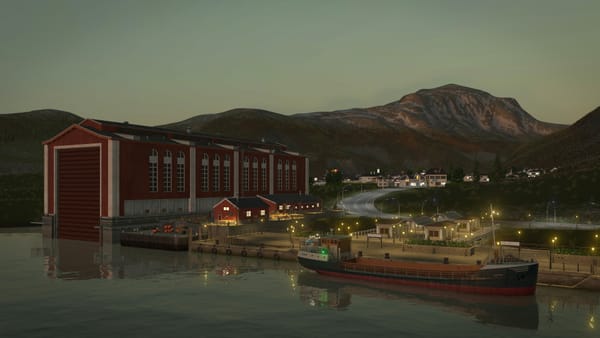
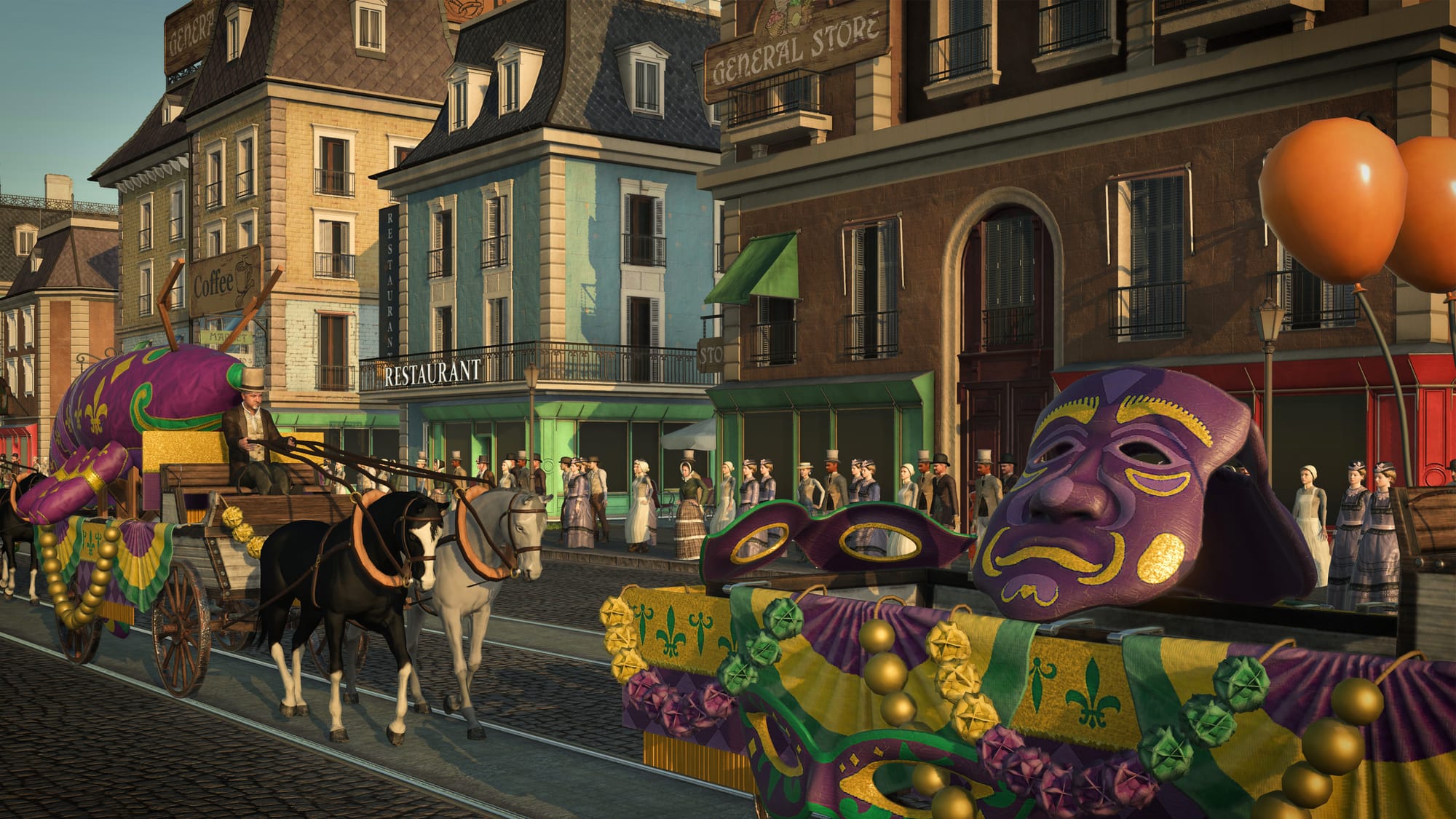
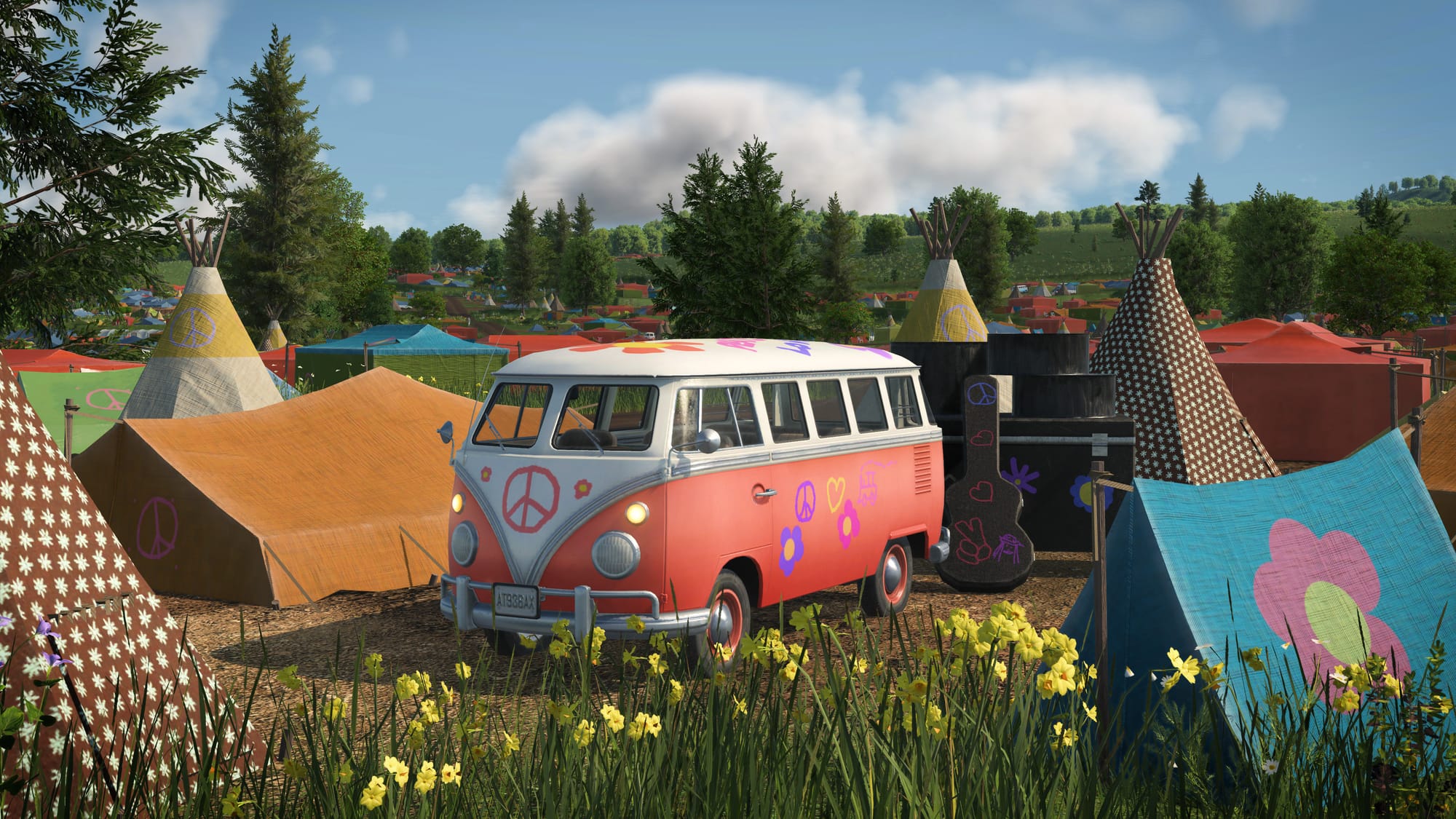
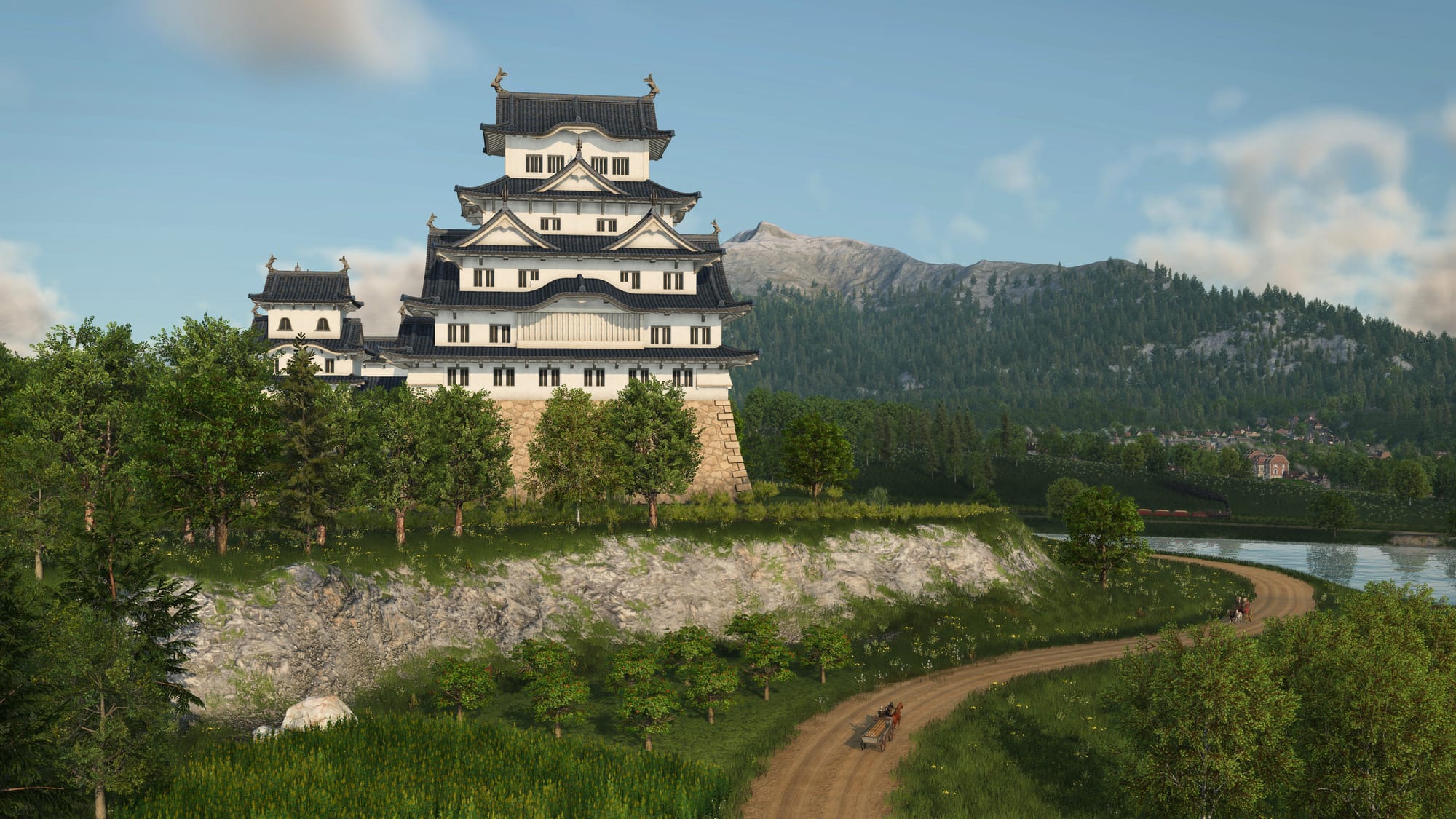
The game offers a story campaign, a tycoon mode, a sandbox mode without financial constraints, and a map editor, as well as an integrated cross-platform mod browser. The eight-mission campaign serves as a tutorial and aims to engage players with its variety, playful touches and better structure. The missions draw on historical events related to transportation and demonstrate the importance of a functioning logistics network, for example during Mardi Gras in New Orleans (1906) and the Woodstock Festival (1969), as well as for oil production in Norway (1971) and future space travel in Japan (2033). The focus here is on providing a fun gaming experience rather than historical accuracy.
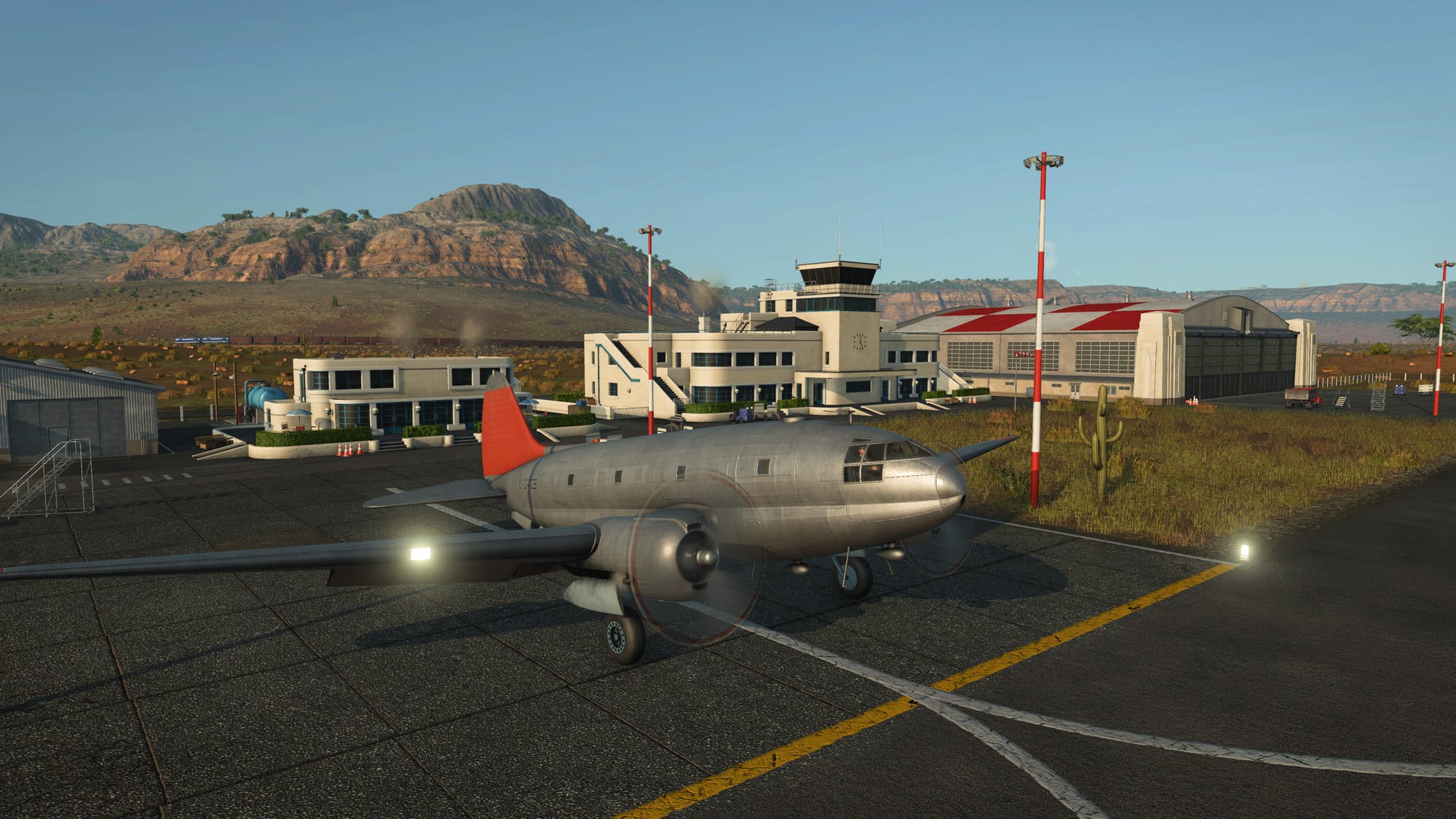
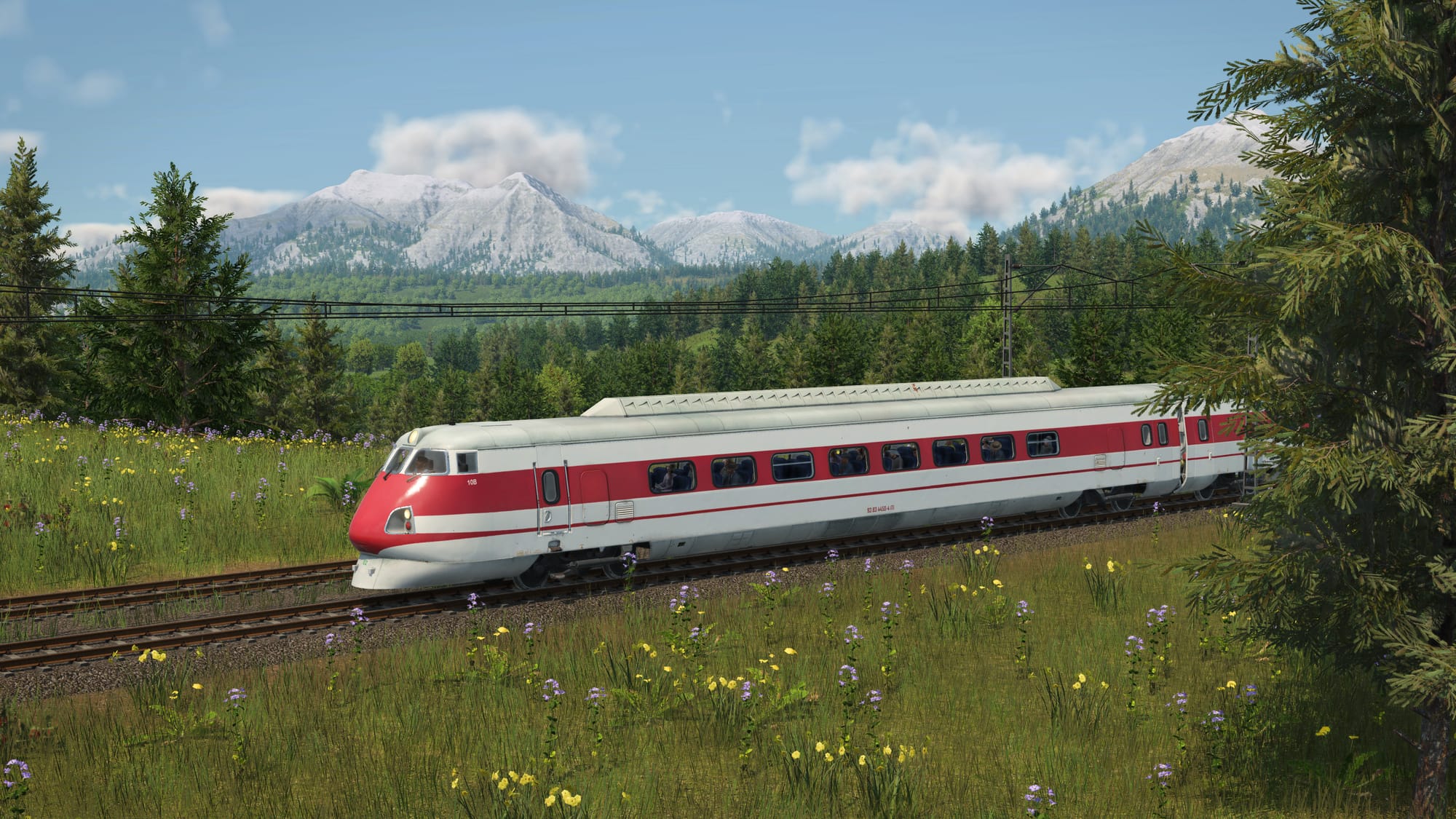
Urban Games describes Transport Fever 3 as "the next major leap for the genre". Boasting over 275 models, it has the largest vehicle roster in the franchise's history. These range from historical classics to modern high-tech giants. For the first time, the game will feature helicopters for passenger transport and cargo trams for cargo transport. In general, it places greater emphasis on tycoon gameplay and the economic principles on which it is based. The industrial system has been completely overhauled to make it more dynamic. As cities develop, production chains must adapt to meet evolving needs, creating a more multi-layered system. With 32 different industry types - twice as many as in Transport Fever 2 - and 37 different cargo types, players must build and optimise extensive supply chains. While pre-built stations at industrial sites make it easier to get started, careful long-term planning is still required. Factories also provide clearer visual feedback on capacities and bottlenecks. Detailed statistics are still available for those who want to delve deeper.
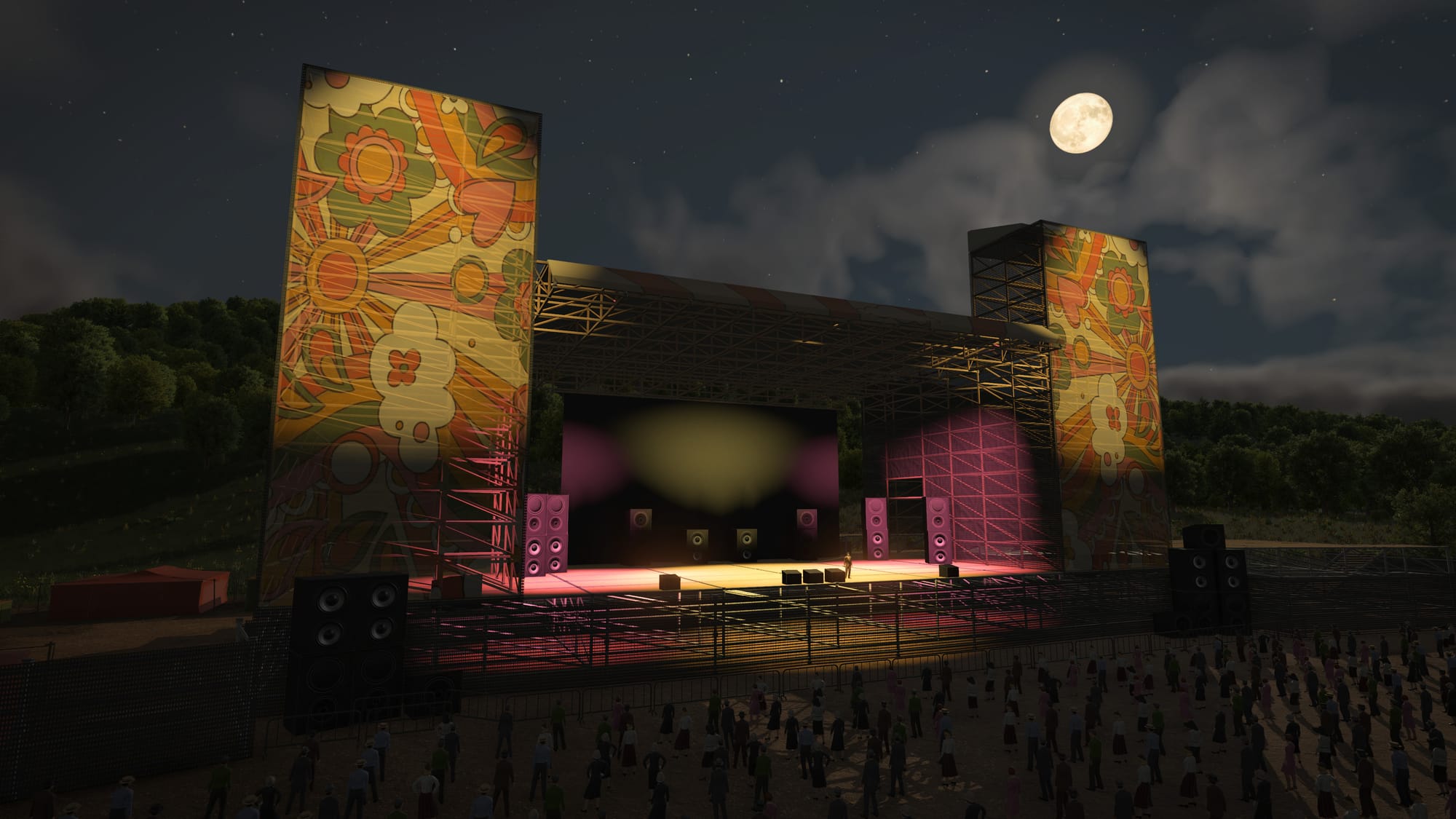
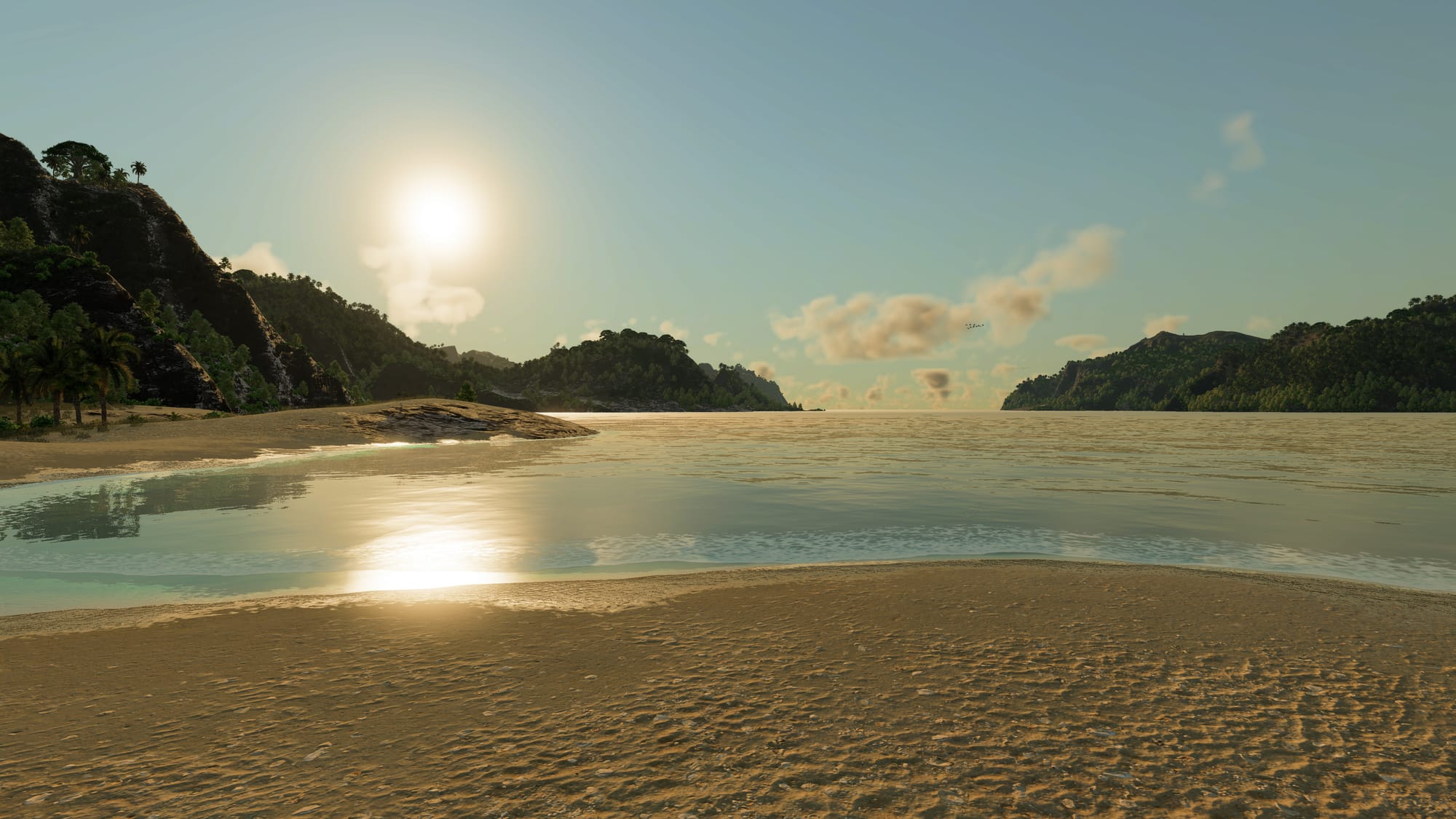
Unlike its predecessors, Transport Fever 3 gives players control over every stage of the supply chain. Specific cargoes can be assigned to individual sections and warehouses can be used for temporary storage and transhipment. Combined with new features such as station specialisation and modular elements at stations and stopovers, as well as improvements to elements like highway construction, these additions open up new possibilities for planning and gameplay. The entire technical foundation has been rebuilt, too. Game lighting has been drastically improved with countless detail enhancements, including the addition of a day-night cycle. All of these new features will be accessible to modders, enabling the community to expand the range of available vehicles after the game's release.
Transport Fever 3 is scheduled for release in 2026, simultaneously on PC, PlayStation 5, and Xbox Series X|S.
Marcel Kleffmann is Chief of Content of GamesMarket and our B2B and B2C expert for hardware, market data, products and launch numbers with more than two decades of editorial experience. (marcelDOTkleffmannATgamesmarktDOTde)