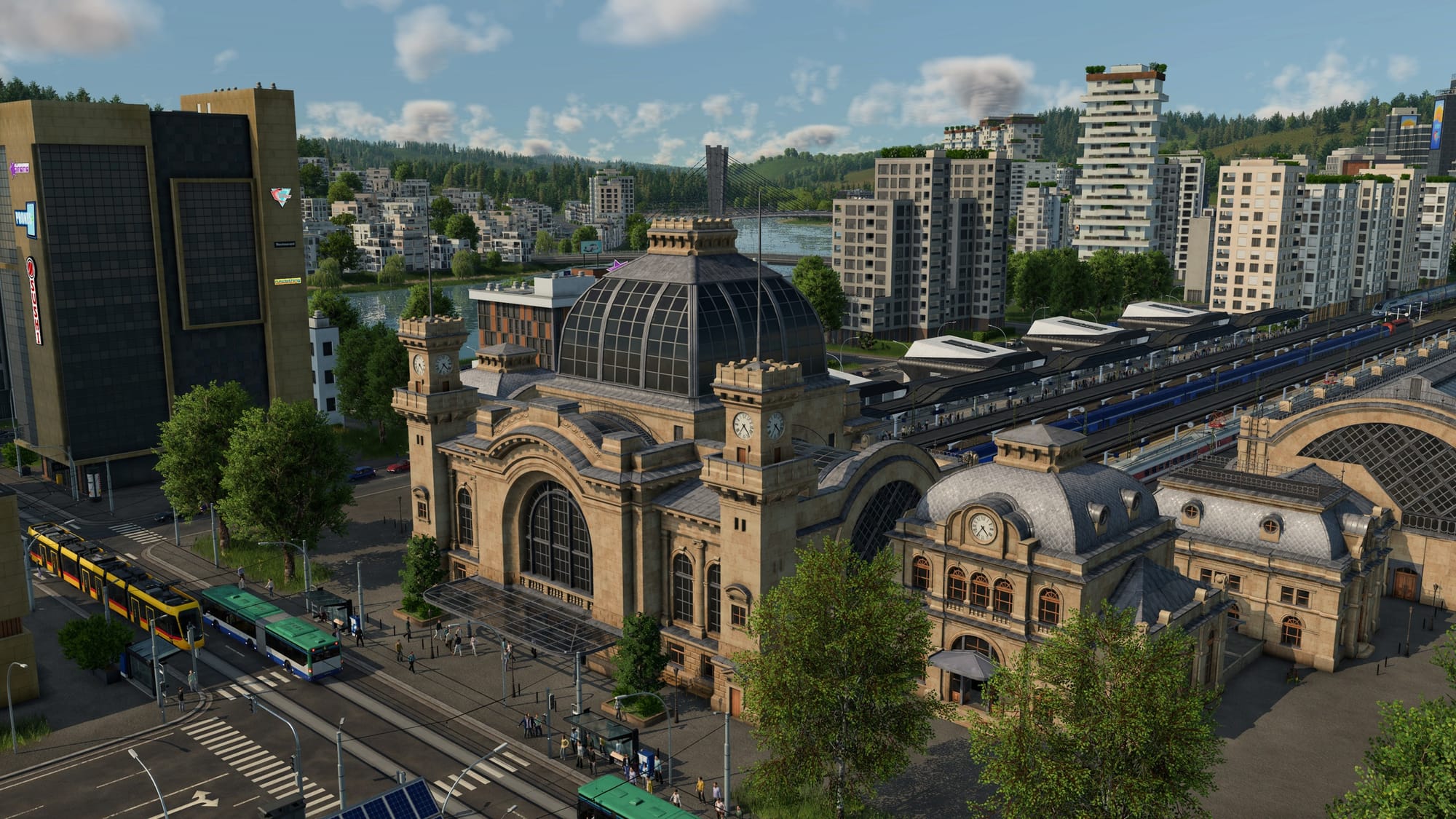
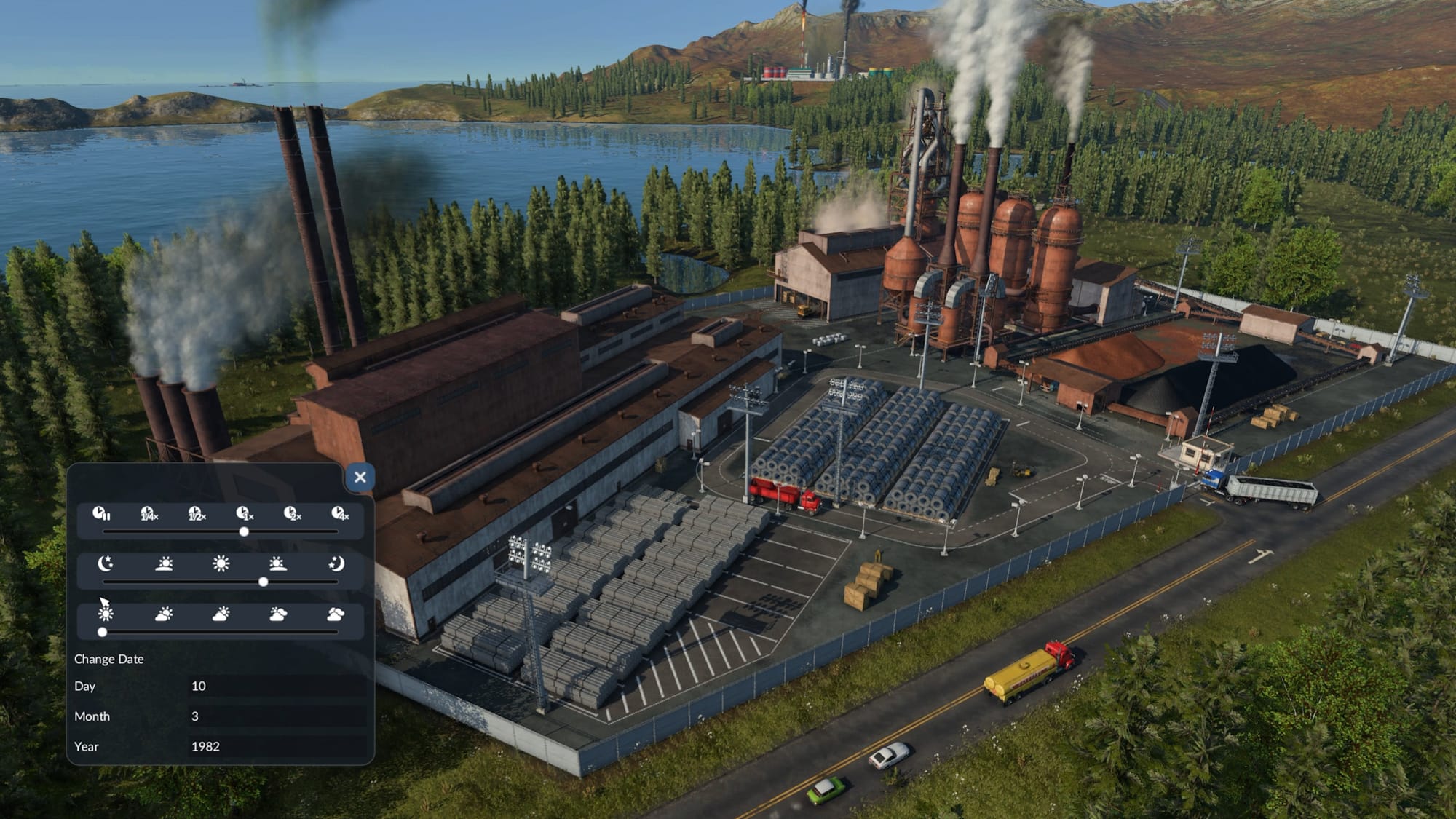
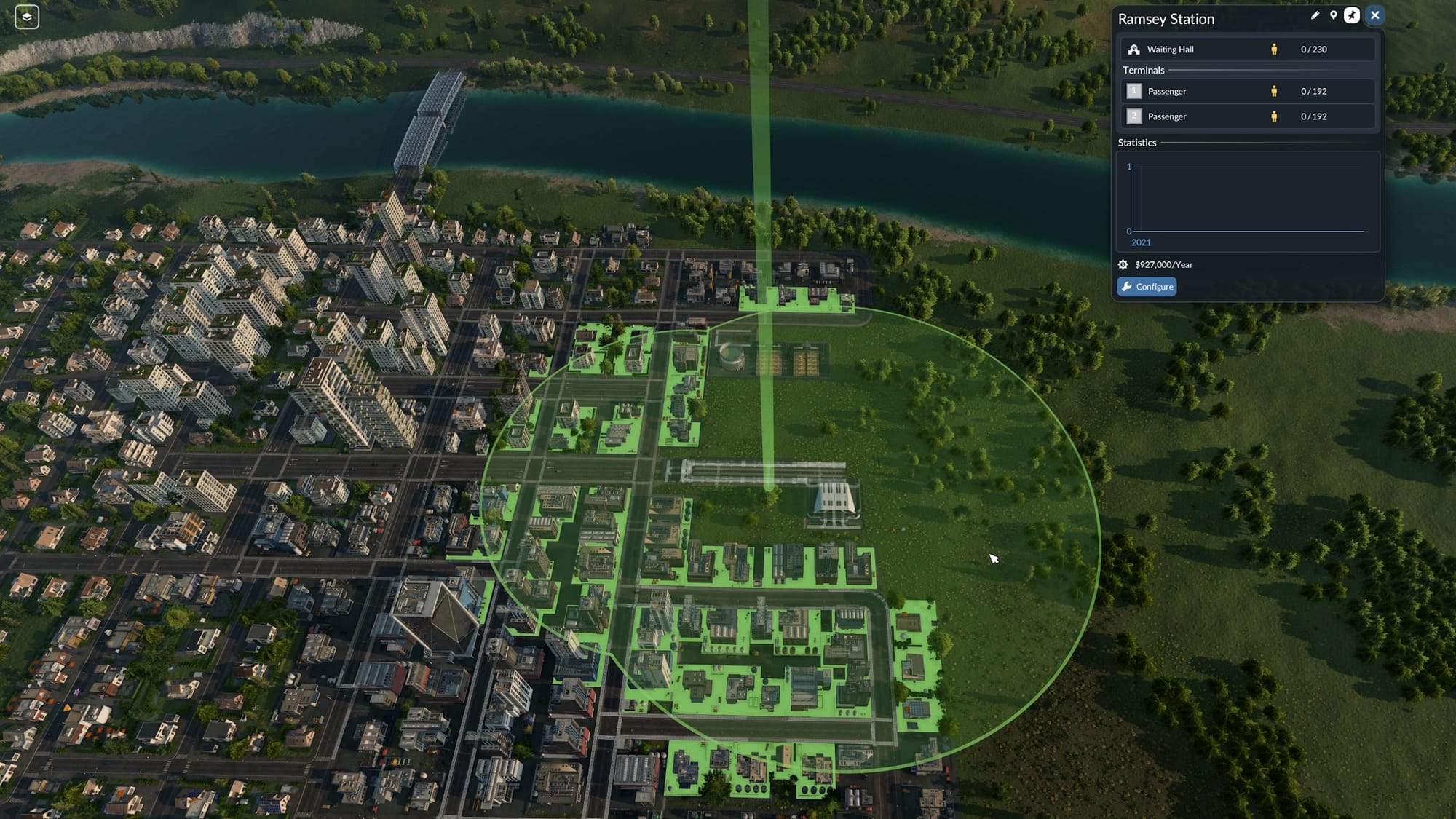
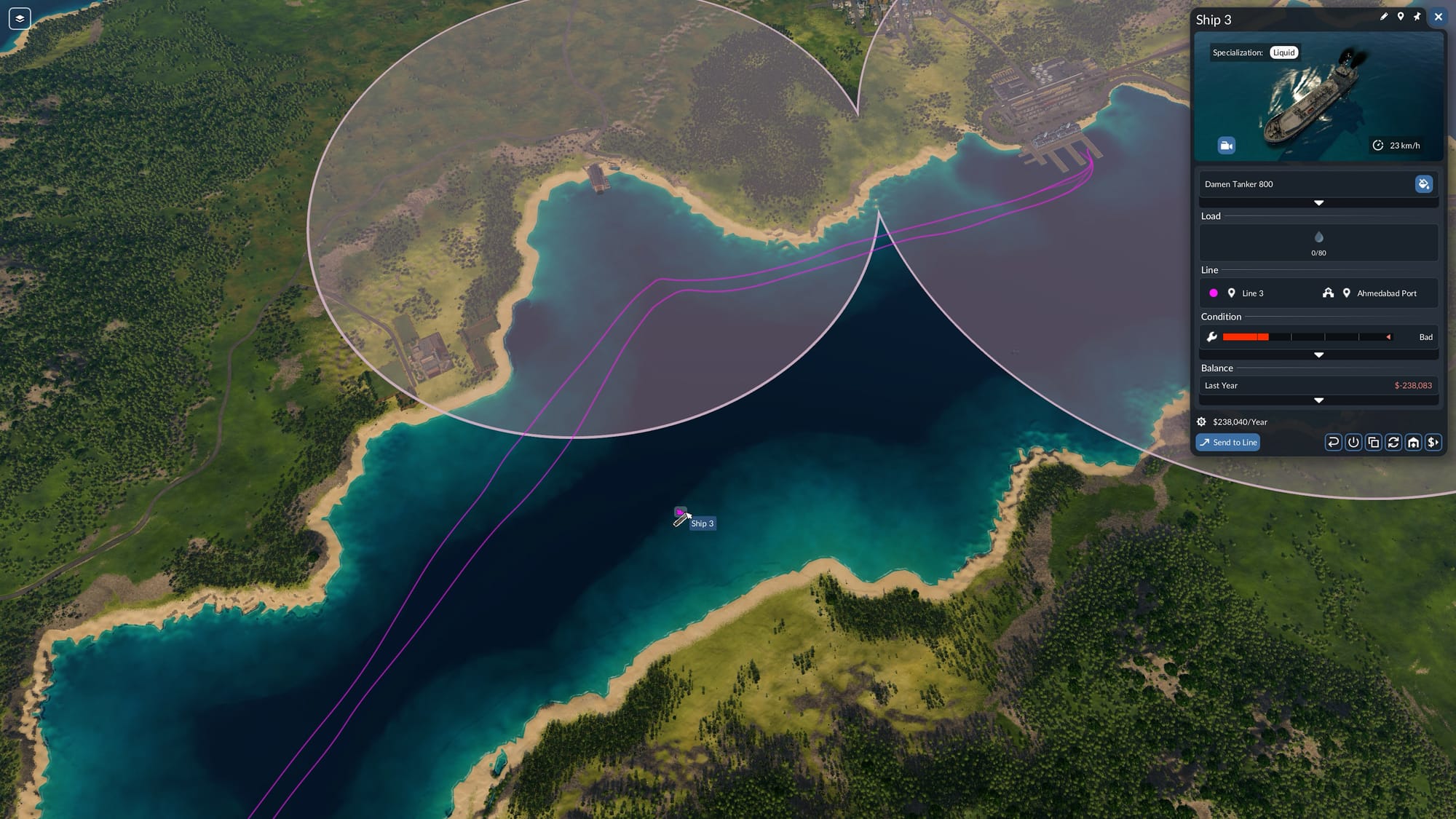
The logistics and transport simulation market is effectively dominated by just one title: Transport Fever by Urban Games. Transport Fever 3 is bigger and more extensive than ever, with particular expansion of the economic simulation and tycoon elements.
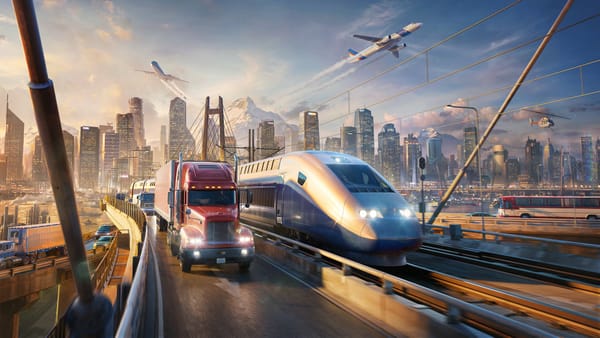
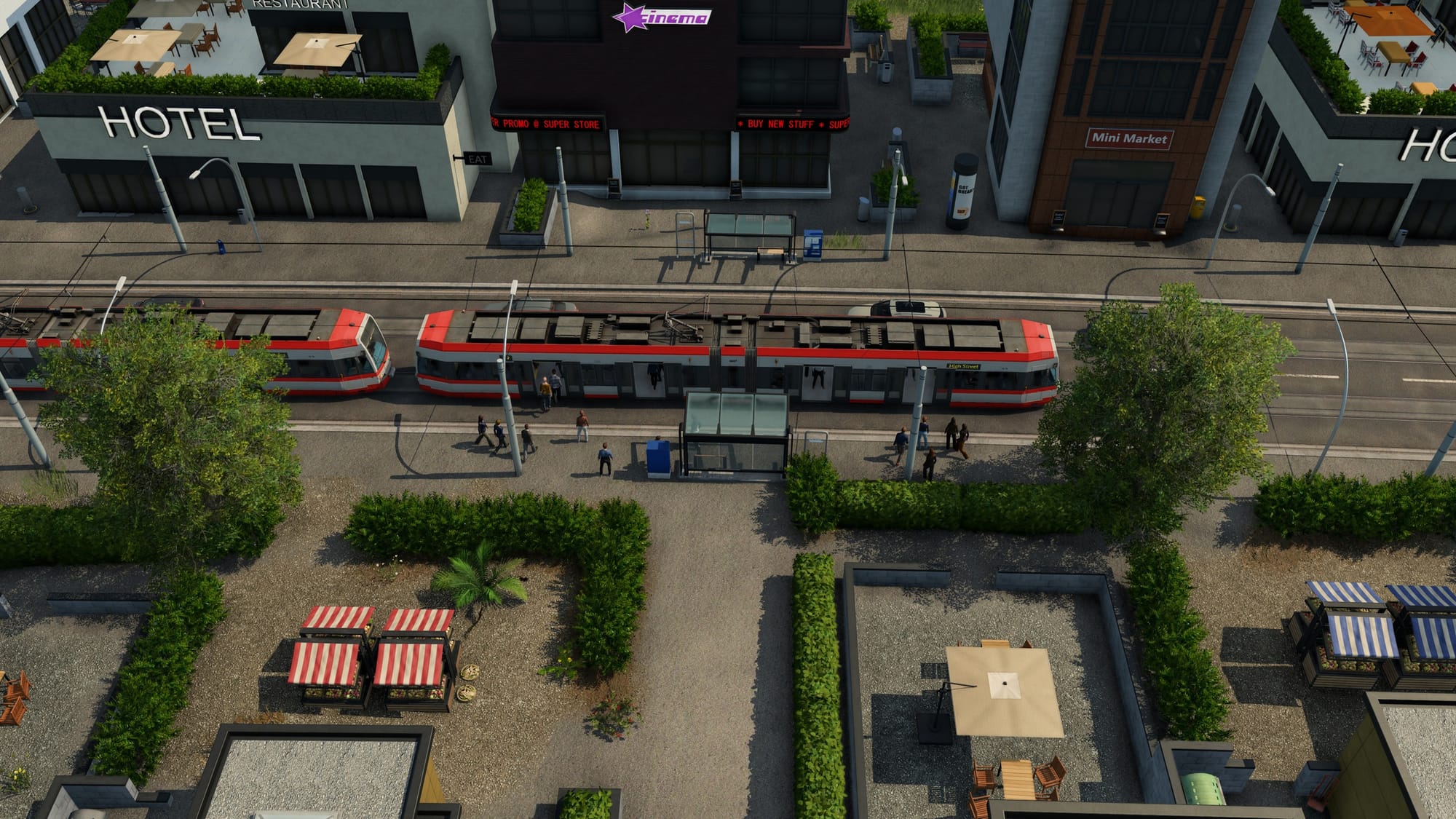
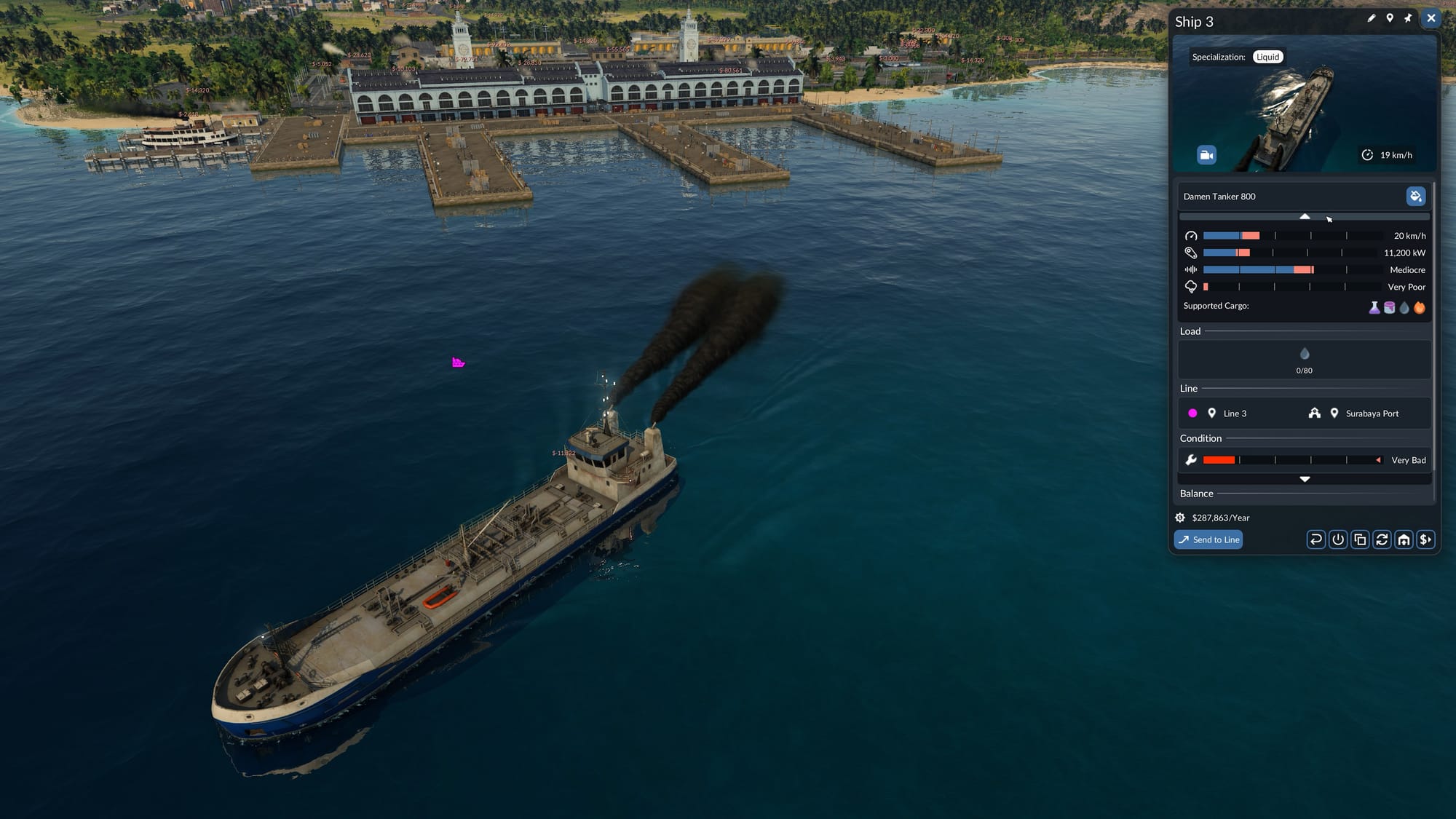
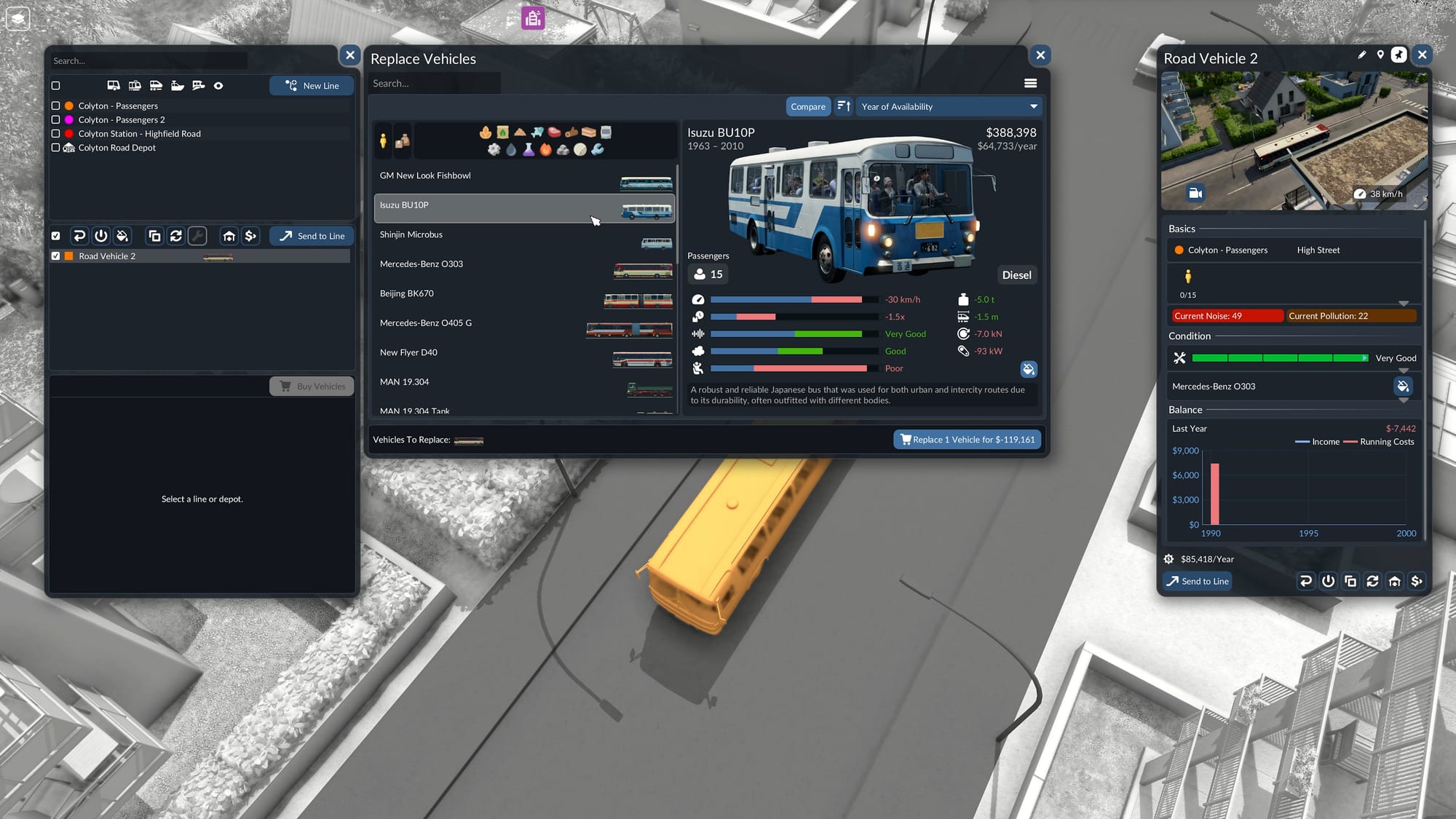
Just like in the previous two games and the classic Transport Tycoon, players in Transport Fever 3 build their own transport empire over more than 125 years of transport evolution, from horse-drawn wagons to high-speed trains. The transport vehicle arsenal includes over 275 realistic vehicles, such as trains, buses, trams, trucks, ships, and aircraft. New to the third instalment are helicopters and cargotrams for inner-city or cross-city freight transport.
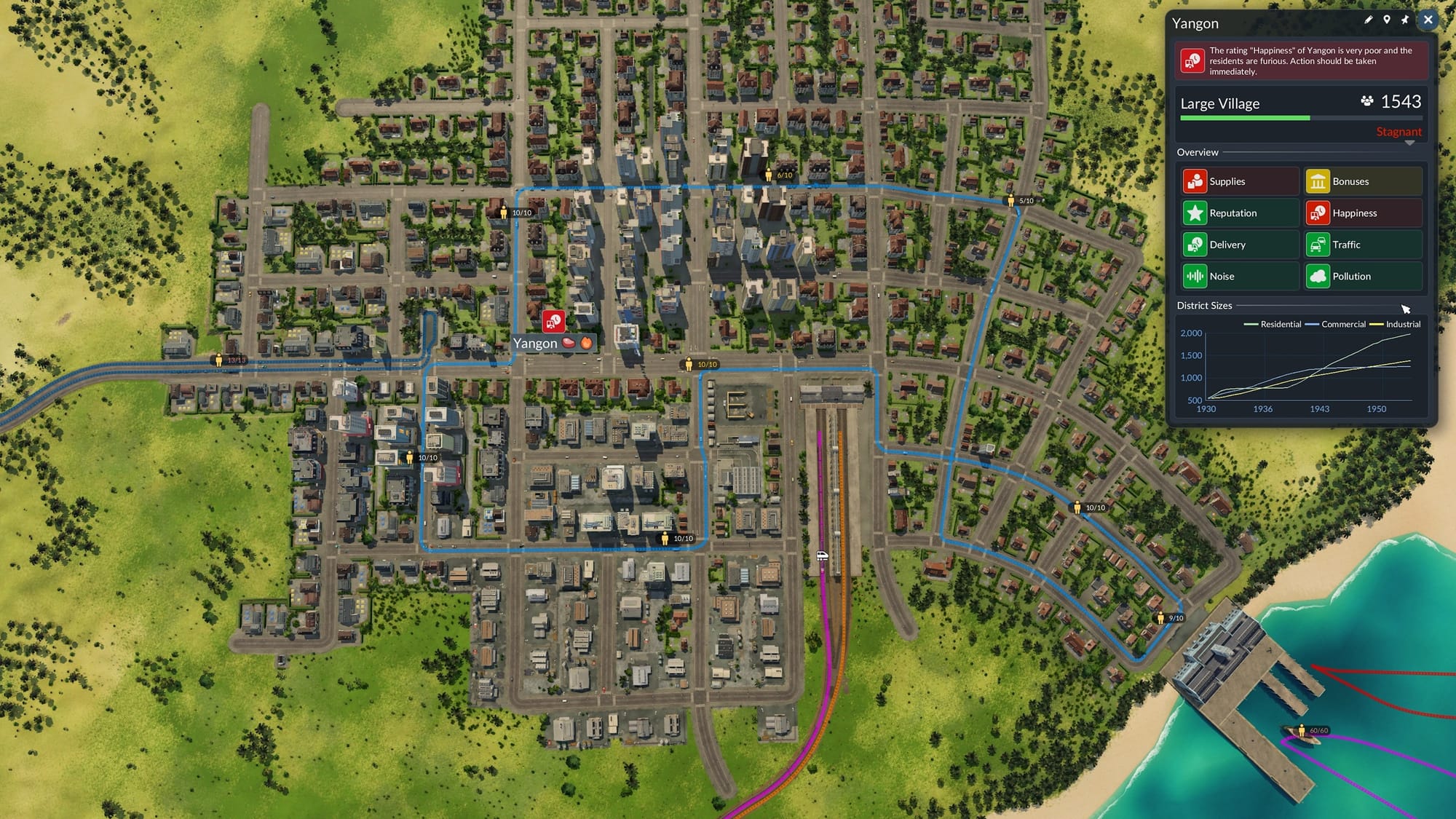
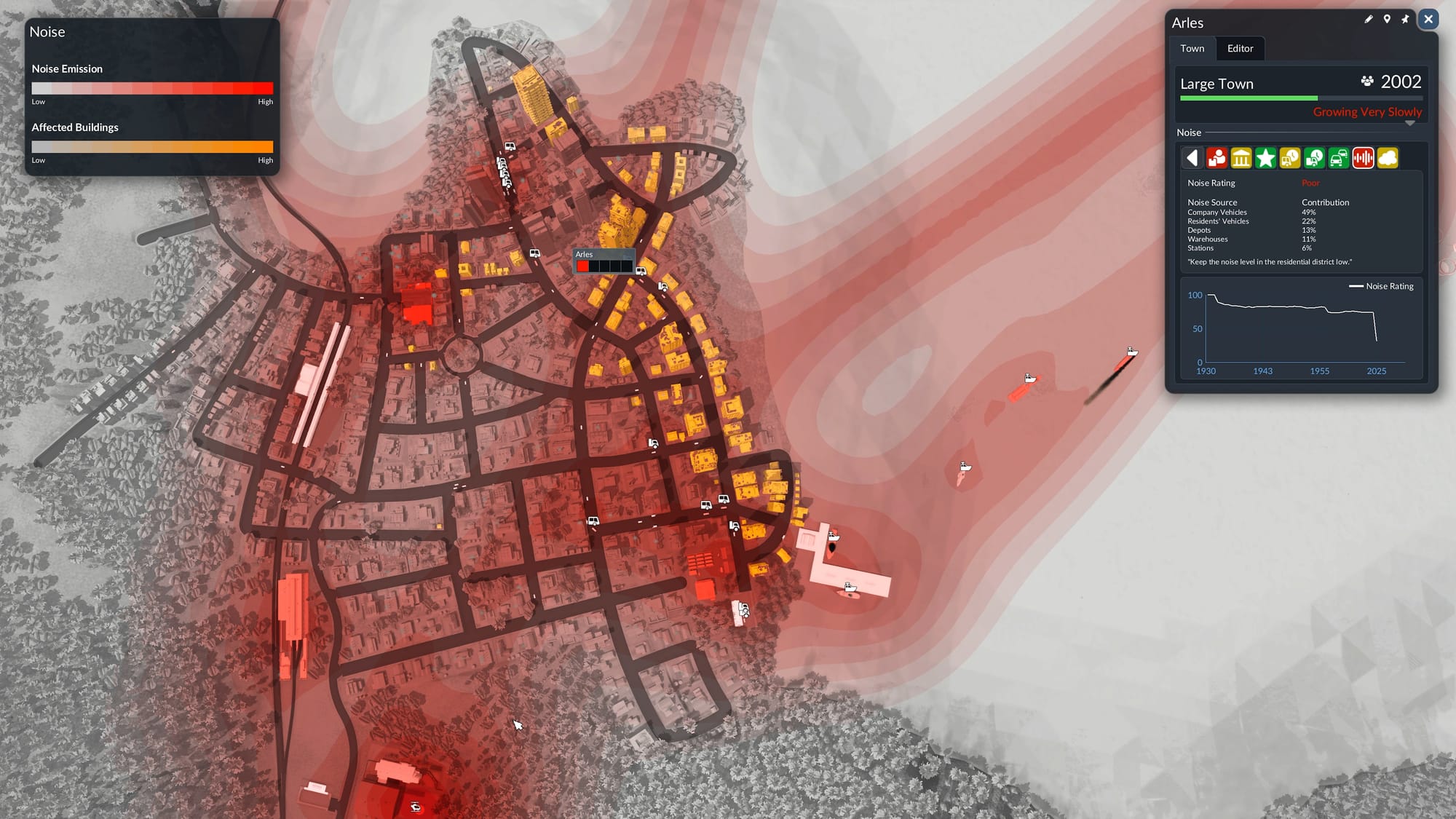
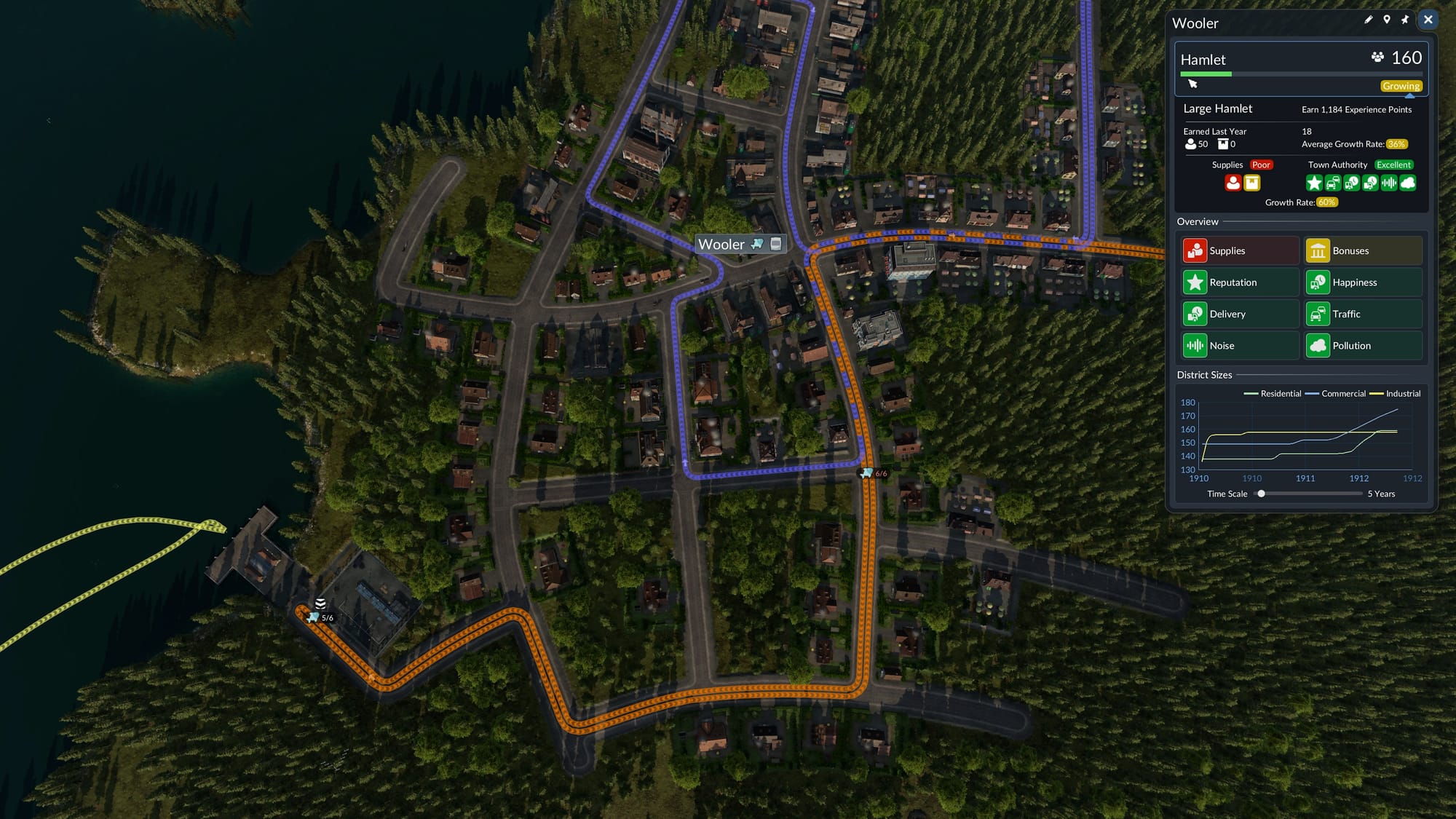
They connect cities and industries by road, rail, water and air, creating lucrative logistics networks for the delivery of goods and the transportation of passengers. This means that players have more money in their accounts, their companies grow and the cities they supply develop dynamically. Depending on the goods they specialise in, cities can also evolve into production centres or commercial hubs. Now, cities react to noise, pollution and traffic, meaning growth will no longer depend entirely on efficient supply chains.
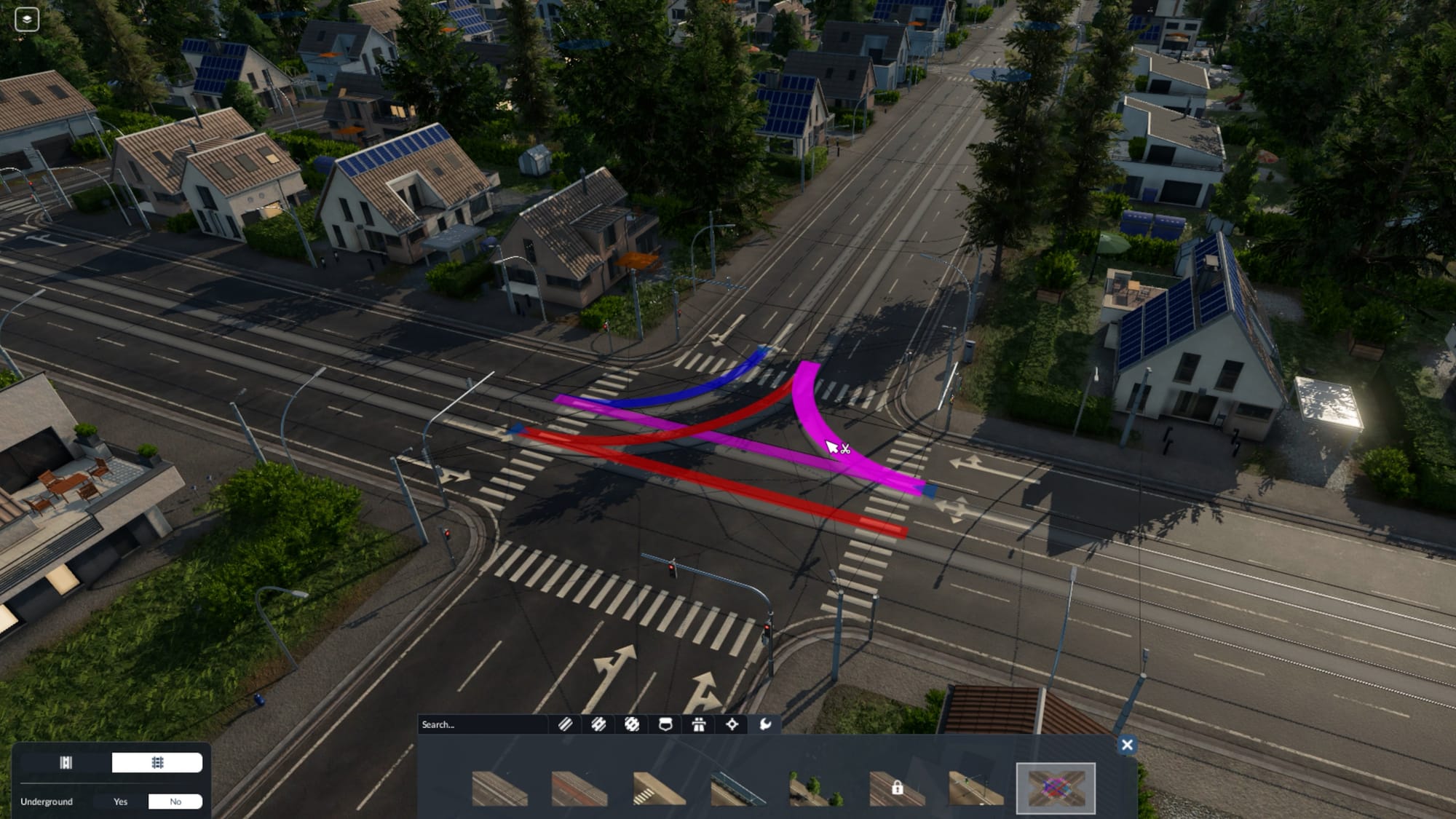
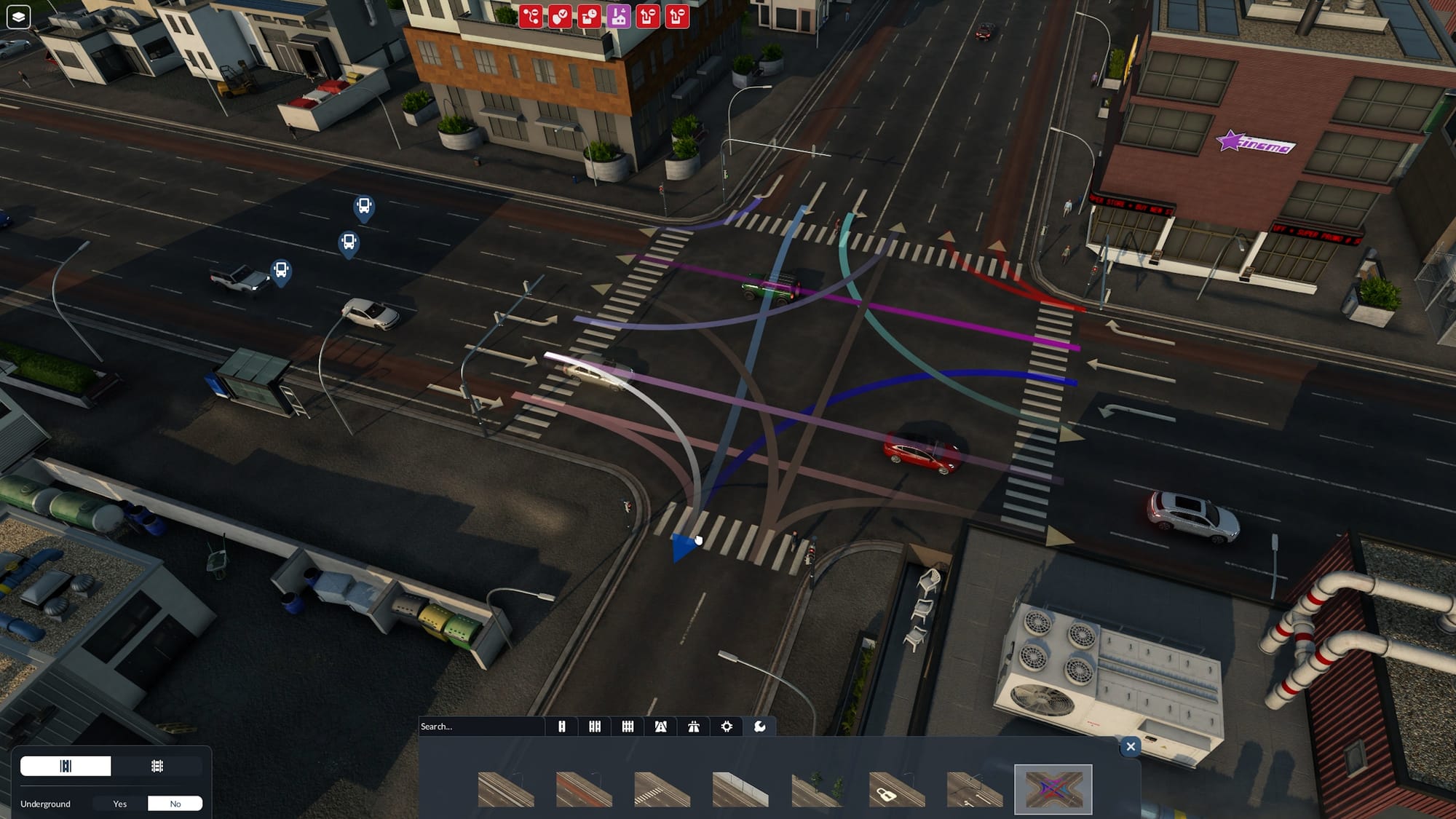
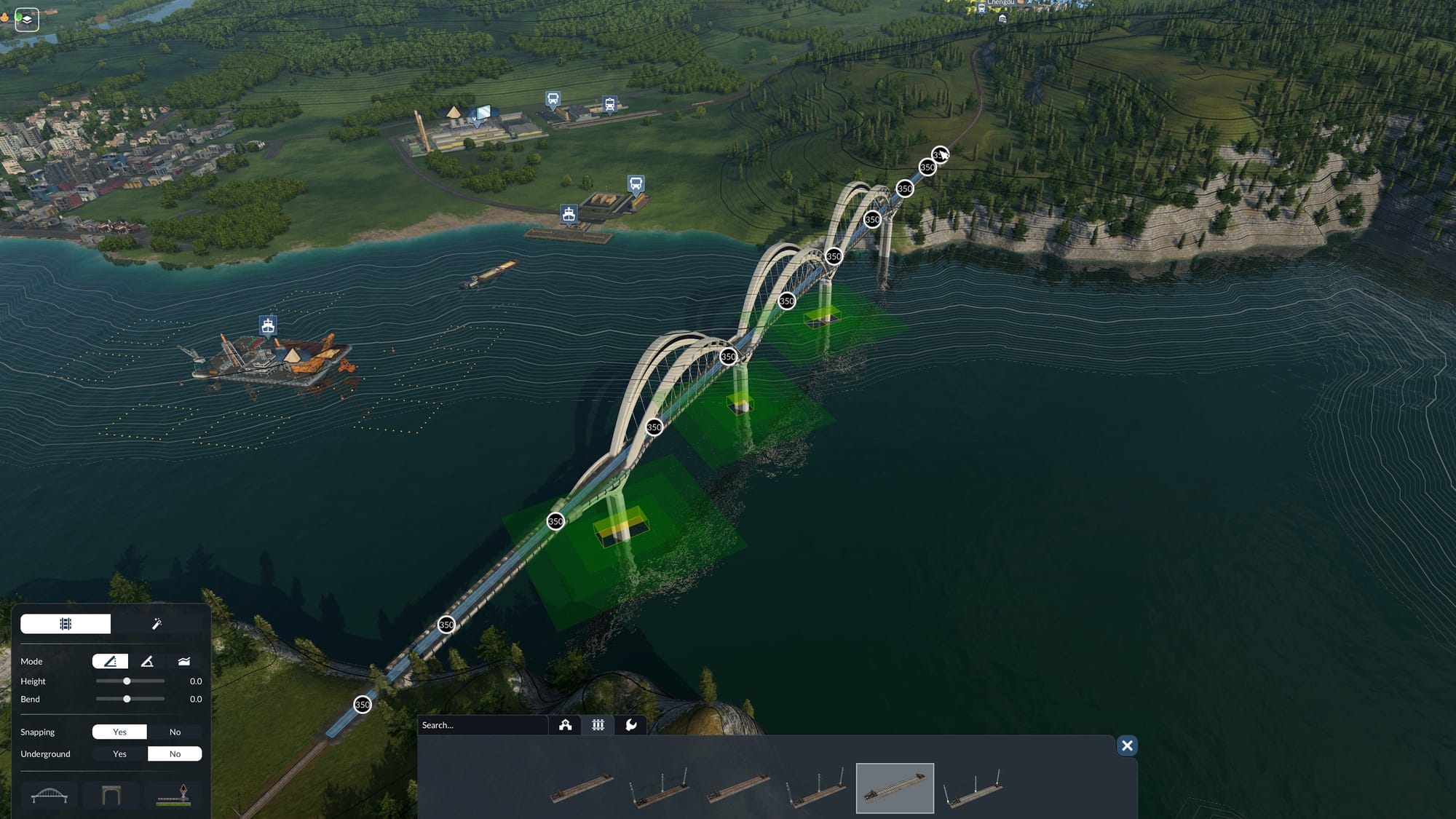
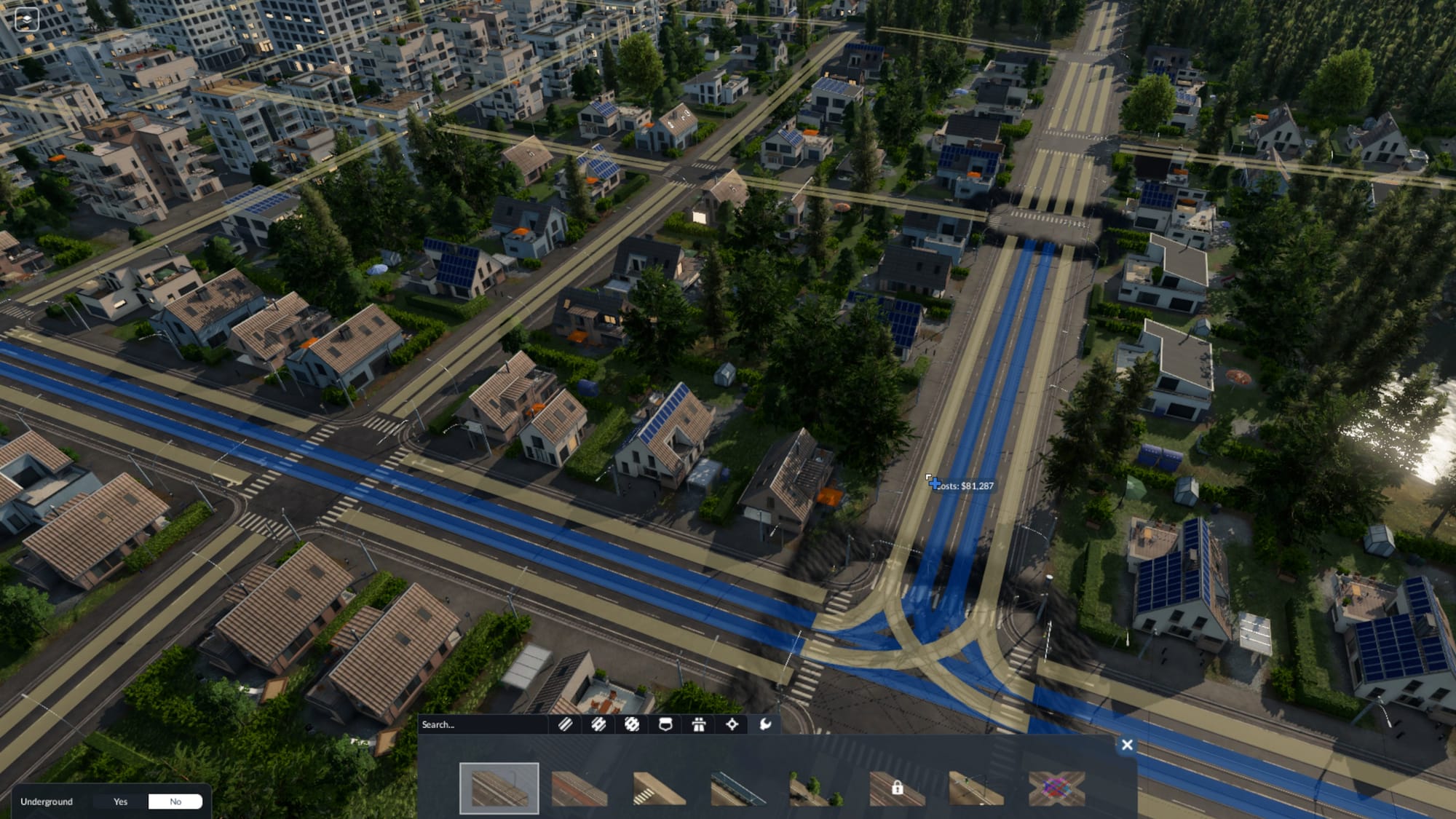
Unlike its predecessors, Transport Fever 3 puts players in control of every stage of the supply chain. Specific cargoes can be assigned to individual sections, and warehouses can be used for temporary storage and transhipment. Combined with new features such as station specialisation, modular station and stopover elements, and improvements to highway construction, these additions open up new possibilities for planning.
In general, economic simulation and tycoon elements were expanded to provide players with a more challenging gaming experience. In the second instalment, money was almost in abundance in the endgame, but in Transport Fever 3 it is just one of many factors. Players must manage and optimise their vehicle fleet, balancing maintenance costs, efficiency and priorities. They must resolve bottlenecks and meet the evolving demands of dynamic towns and a multitude of onshore and offshore industries.
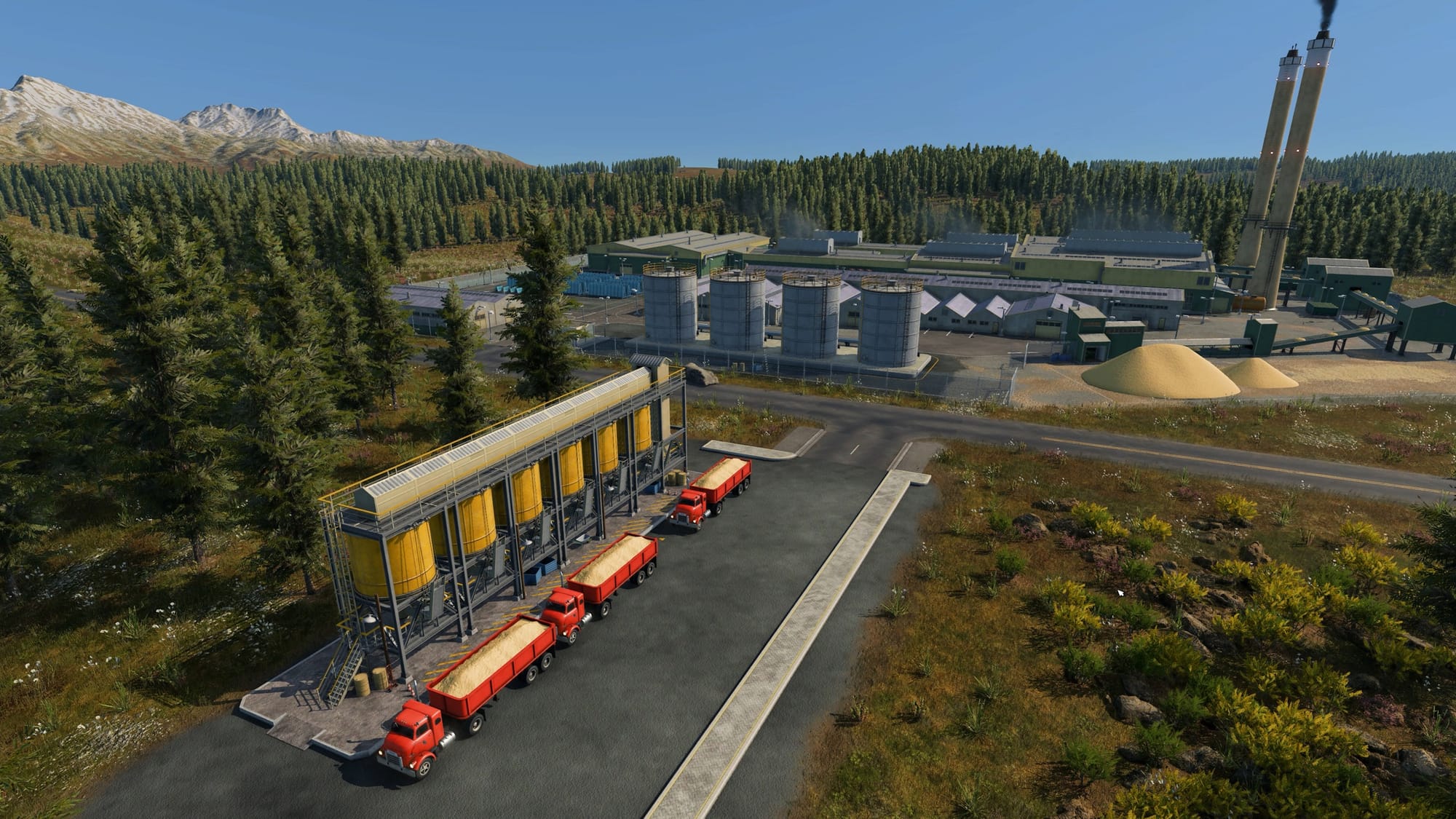
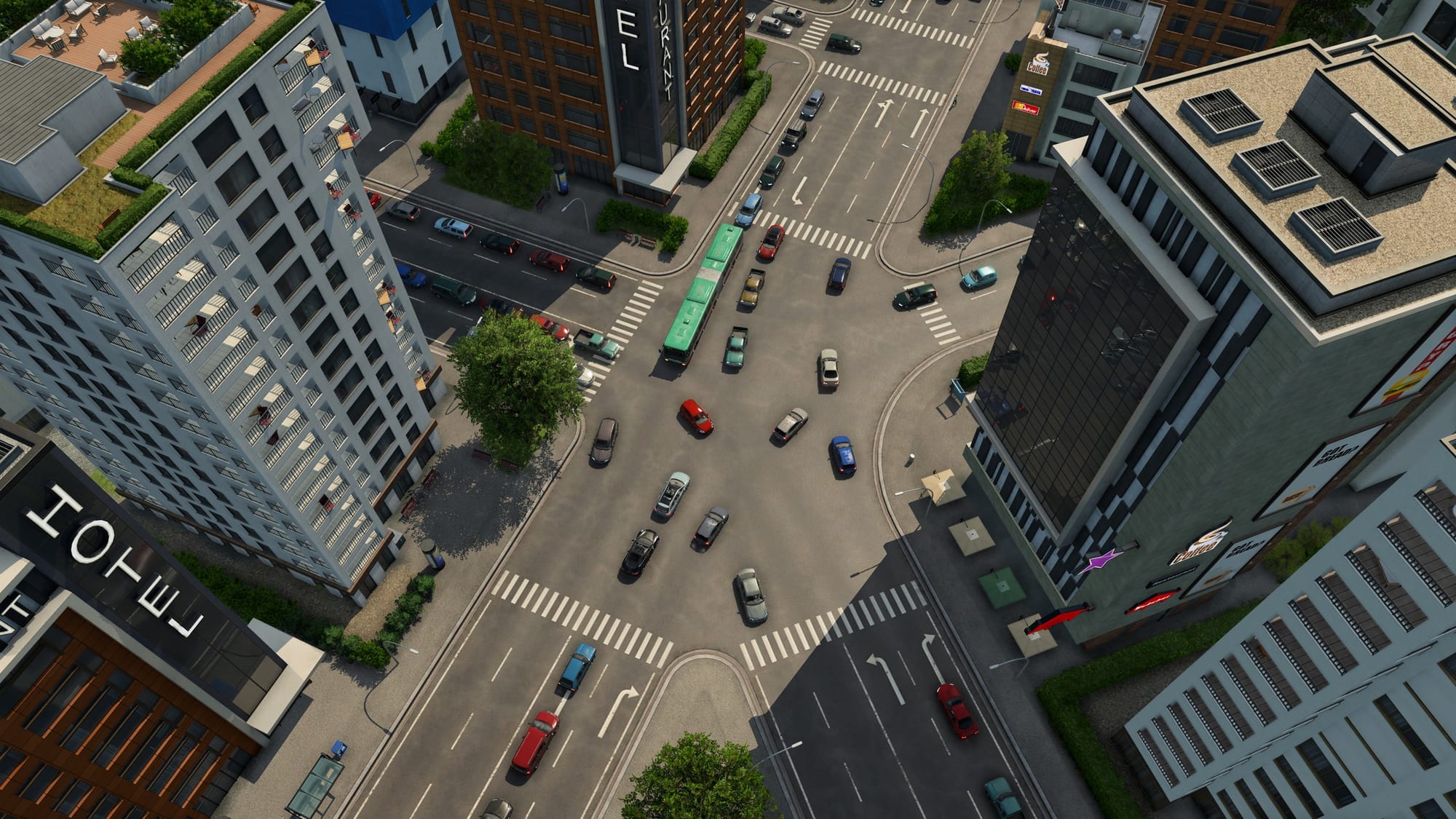
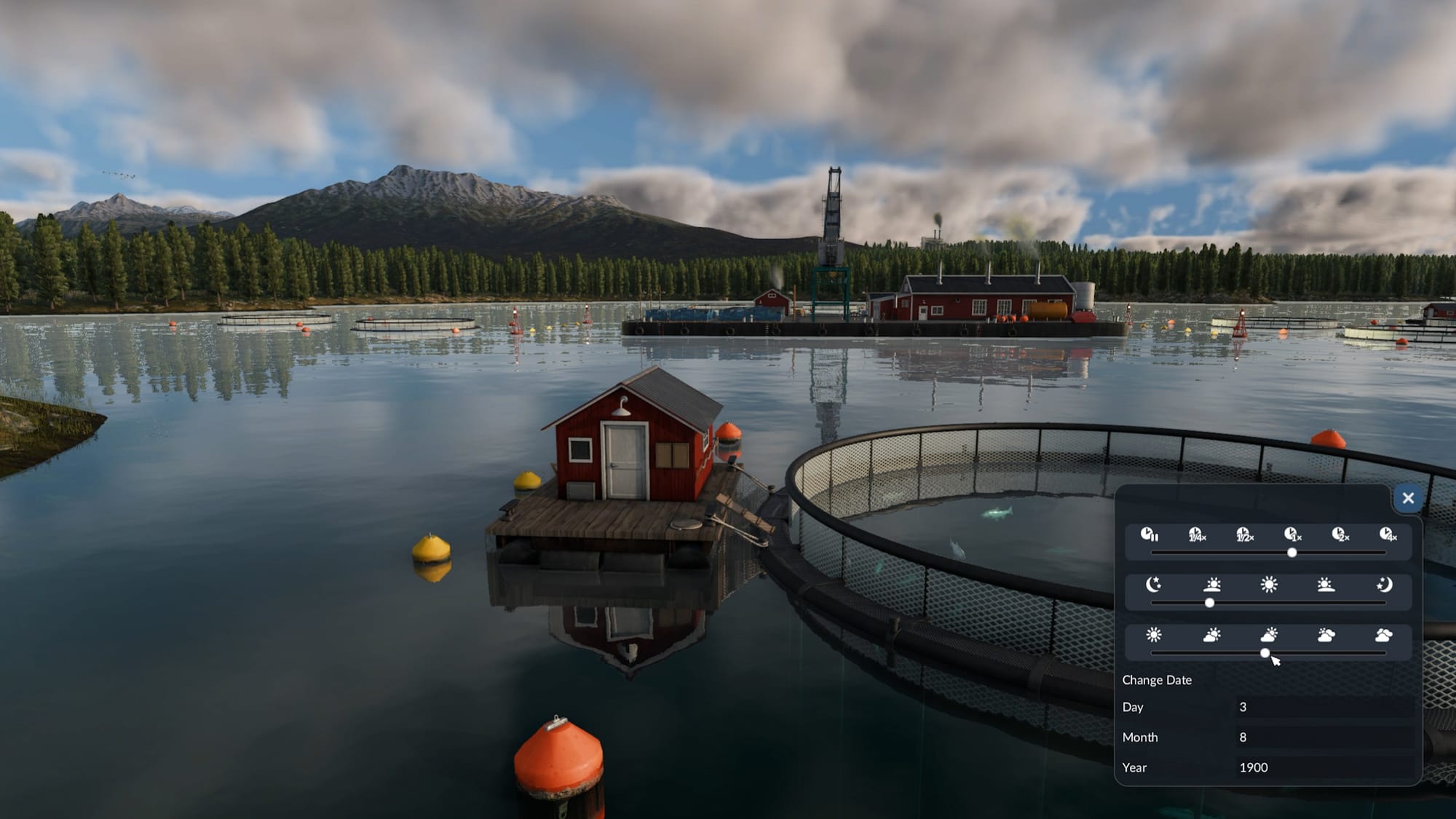
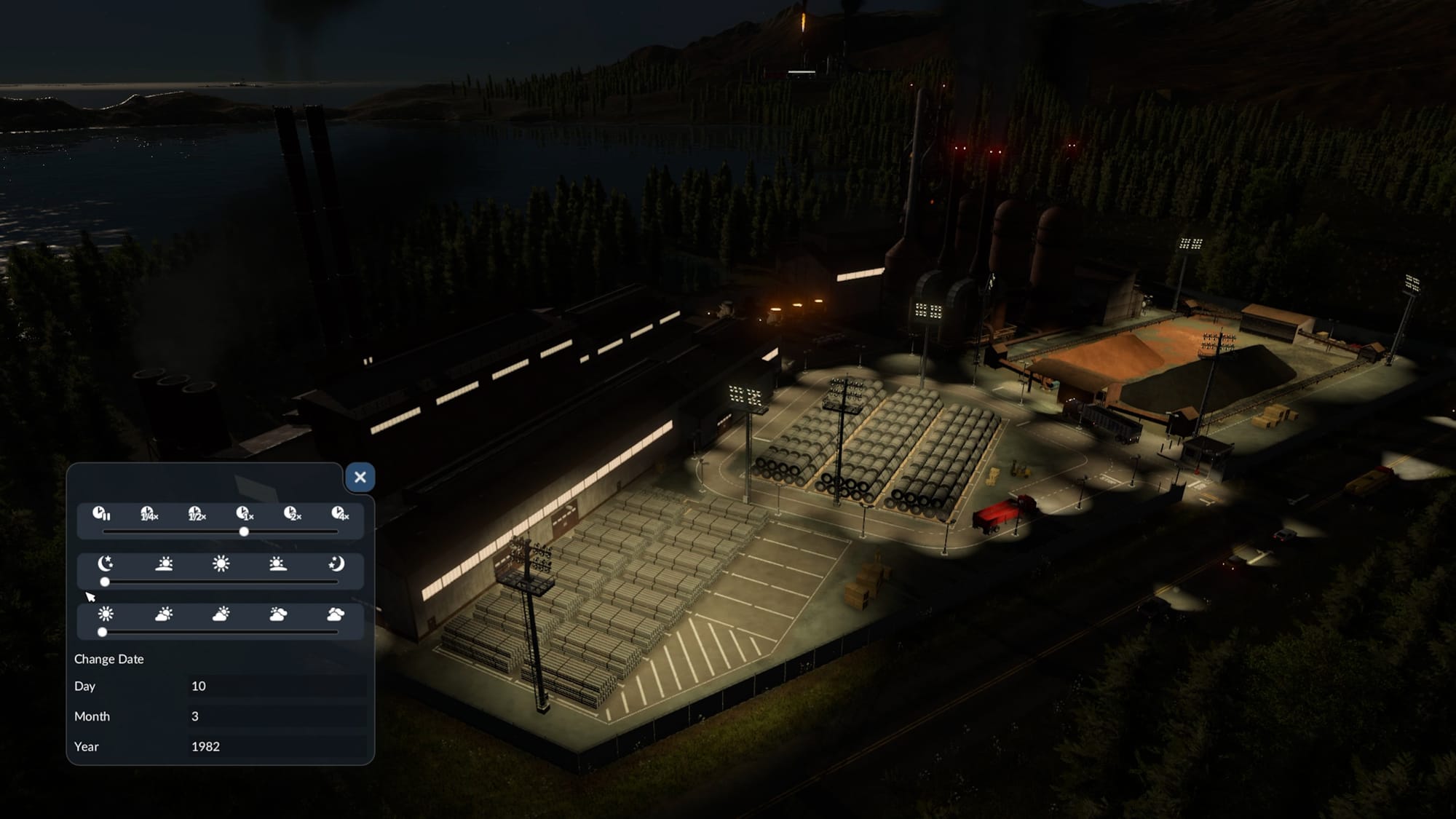
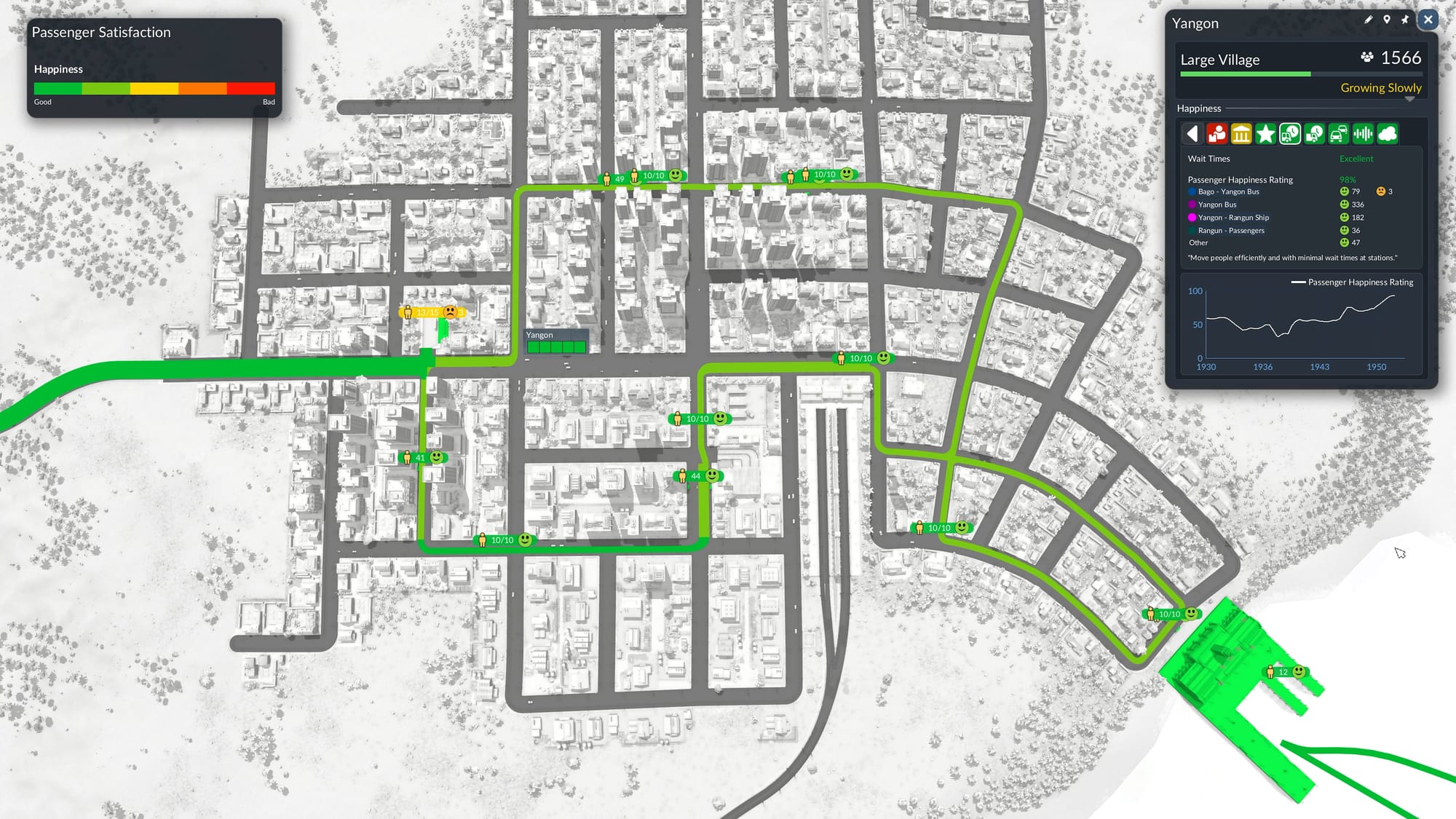
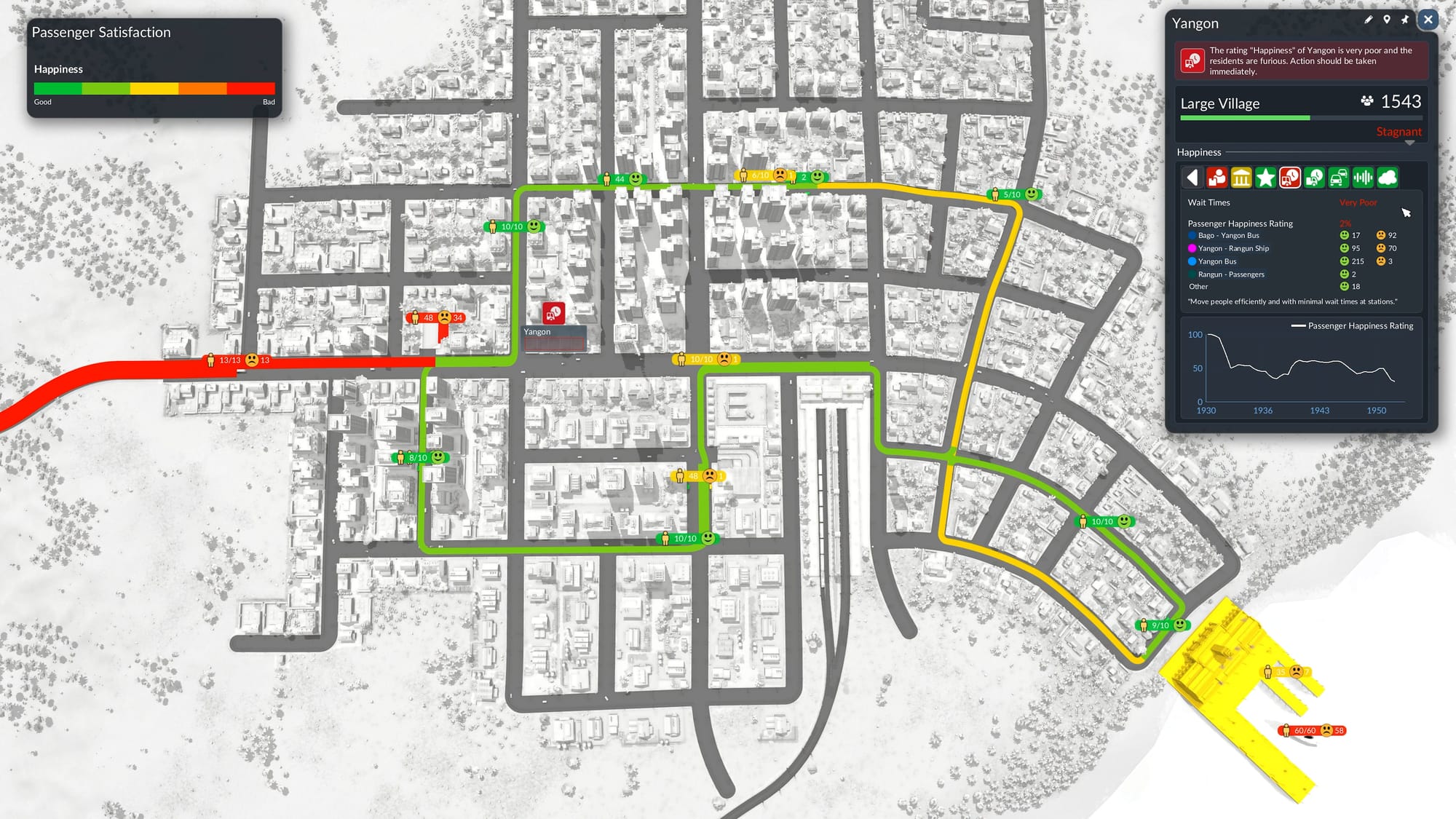
There are over 35 unique industry types — twice as many as in Transport Fever 2 — and while pre-built stations at industrial sites make it easier to get started, careful long-term planning is still required. Warehouses and specialised terminals for intermediate storage also help with logistics optimisation. This means the cities and their needs are more dynamic, requiring adjustments and optimisations, as well as new mechanics such as expiration dates for certain goods, noise/pollution from traffic, inflation over the years, and other elements — most of which are well visualised, including practical heatmap overlays. Additionally, a risk-reward system has been introduced whereby players can take on time-limited contracts that promise high profits but can also result in failure. The traffic simulation with lane control and realistic behaviour, such as overtaking, is also convincing, while landmarks inspired by real-world architecture add character to towns and regions. Either way, the game still has the charm of a model railway world.
The game offers a story campaign, a quick-start tutorial, a Free Game Mode with many customisable options, and a map editor, as well as an integrated cross-platform mod browser. The eight-mission campaign serves as a tutorial, engaging players with its variety, playful touches, and improved structure. Drawing on historical events related to transportation, the missions demonstrate the importance of a functioning logistics network during events such as Mardi Gras in New Orleans (1906), the Woodstock Festival (1969), oil production in Norway (1971), and future space travel in Japan (2033). The focus here is on providing a fun gaming experience rather than historical accuracy. By doing this, the developers have created a more accessible starting point for newcomers without compromising the depth of the game later on. The later missions are certainly challenging, too. However, there is no multiplayer mode, nor are there any active AI competitors on the maps. Urban Games has retained the series' core principle: the focus is entirely on planning, optimising, and growing the transport network, free from the pressure of computer opponents. However, some single-player missions feature built-in competition as a scripted element.
With over 15,000 mods currently available on the Steam Workshop from communities of modders around the world, Transport Fever 2 has long been recognised as a modder-friendly game. Transport Fever 3 builds on this by providing an even stronger toolset. Almost every new feature has been developed with moddability in mind, and mods are available across platforms via the in-game Mod Hub. There are also the first developer-supported mods in the game from launch. The game "introduces a newly developed automated approval system, created in collaboration with Sony and Microsoft, which will allow for a broader range of mods to be available on consoles - a first for the series. From new vehicles, maps, script-mods, savegames and even localizations, players can look forward to an international and iconic selection of mods available in the Mod Hub from Day One," the developers said.
Transport Fever 3 is the fourth game from Urban Games. This independent video game developer is based in Schaffhausen, Switzerland, and was founded in 2013 by Basil and Urban Weber. The studio released its first game, Train Fever, in 2014, followed by Transport Fever in 2016. Their third game, Transport Fever 2, was released in late 2019 and became available successively on PC, PlayStation 4 and 5, and Xbox Series X|S. Good Shepherd Entertainment was the publisher of both its predecessors. The previous instalments have sold over two million copies, and with a budget of almost $25 million, Transport Fever 3 is by far the most expensive game in the franchise. "Transport Fever 3 has been largely self-financed. This has been made possible primarily because virtually all proceeds from the games have been continuously invested in developing the next title since the success of Train Fever. Each game has performed significantly better than predicted, enabling us to accumulate substantial equity over time, covering most of Transport Fever 3's budget. In addition to this substantial equity investment, the budget is supplemented by traditional debt financing, which is solely allocated to marketing costs," said Basil Weber in an earlier interview at GamesMarket.
However, they have partnered with publisher Paradox Interactive for the release, in order to gain more leverage and opportunities without giving up control of the IP. They had originally planned to self-publish the game. Basil Weber continued, "We are delighted to partner with Paradox Interactive, a publisher that shares our core values and long-term vision. Together, we will continue on the path we have set for Transport Fever 3 and deliver the greatest possible value to the players, for which this partnership will have nothing but positive effects. We are honored to join forces with such a respected publisher (...)"
Paradox Interactive is also pleased with the partnership, given that the franchise already has a strong fanbase. Mattias Rengstedt, Paradox Interactive's CBO, said: "Transport Fever 3 is a perfect fit for the Paradox portfolio and we're incredibly impressed by what Urban Games has created in this series. The game matches every aspect of what we're looking for in a new title, offering a deep and endless experience that we think players will love. We’re excited to take this important step for the series together with Urban Games and ship, haul, fly, and truck Transport Fever 3 across the world."
Transport Fever 3 was released on 29 September 2026 for PC, Mac and Linux via Steam, the Epic Games Store and GOG.com, as well as for PlayStation 5 and Xbox Series X|S. This is the first simultaneous launch of a game by Urban Games on PC (€49.99) and consoles (€59.99). The game is available in Standard, Deluxe and Collector's editions for the first time. The Deluxe Edition (PC: €64.99; Console: €74.99) includes bonus content featuring eleven special vehicles, including the Concorde and the Trans-Europe Express, as well as two architectural wonders (the Eiffel Tower and the Taj Mahal), three hand-crafted maps, four wild animals, and franchise soundtracks. Initially limited to 10,000 copies, the Collector's Edition (€119,99) includes a digital Deluxe Edition Steam key and a statue inspired by the game's cover artwork. This edition also features a 200-page illustrated hardcover art book, a themed card game, a music box, a collectible keychain, a sticker set, a poster, and a thank-you card.
Conclusion
Transport Fever 3 is the most comprehensive and consistent advancement of the transport and economic simulation genre to date, making it the best game in the franchise.
Features
Logistics simulation now featuring significantly greater economic depth
Dynamic and vibrant game world
Great game for "city beauticians" and logistics optimisers
Marcel Kleffmann is Chief of Content of GamesMarket and our B2B and B2C expert for hardware, market data, products and launch numbers with more than two decades of editorial experience. (marcelDOTkleffmannATgamesmarktDOTde)