Vanessa Chia: "Turn-Based Games Are Seeing a Renewed Wave of Interest Right Now."
Vanessa Chia, producer and co-founder of Cococucumber, talks in this interview about the turn-based gaming market, where Echo Generation 2 sits within it, and developing a sequel to a "hidden gem" game.
Turn-based games remain popular. Examples include Baldur's Gate 3, Clair Obscur: Expedition 33 incorporated real-time elements and Slay the Spire 2 attracted more than 500,000 concurrent players on Steam. Cococucumber, a Toronto-based developer and publisher of indie games led by Vanessa Chia and Martin Gauvreau, also favours this genre. We spoke to Vanessa Chia, the company's producer and co-founder, about the turn-based gaming market, their positioning of Echo Generation 2 within it, and the development of a successor to a hidden gem of a game.
GamesMarkt: How would you currently assess the market for turn-based games? What is doing well and what is not doing well in the genre?
Vanessa Chia: "Turn-based games are seeing a renewed wave of interest right now. The success of Clair Obscur: Expedition 33 and the excitement around Slay the Spire 2 show that the genre still has strong momentum. You can also see it at the community level. Initiatives like #TurnbasedThursday and the #TurnbasedThursdayFest event on Steam continue to grow, and when we hosted the first #TurnbasedThursday of 2026 there was a real sense of optimism around the genre."
"From a design perspective, many developers are experimenting by blending real-time elements like parries or timing mechanics into turn-based combat. At the same time, there is still strong demand for classic, nostalgic approaches. Players continue to appreciate the tactical depth and pacing that traditional turn-based gameplay offers."
GamesMarkt: How are you trying to generate interest in Echo Generation 2 and excite your intended audience?
Vanessa Chia: "For Echo Generation 2, we are leaning more directly into the turn-based and deckbuilding communities."
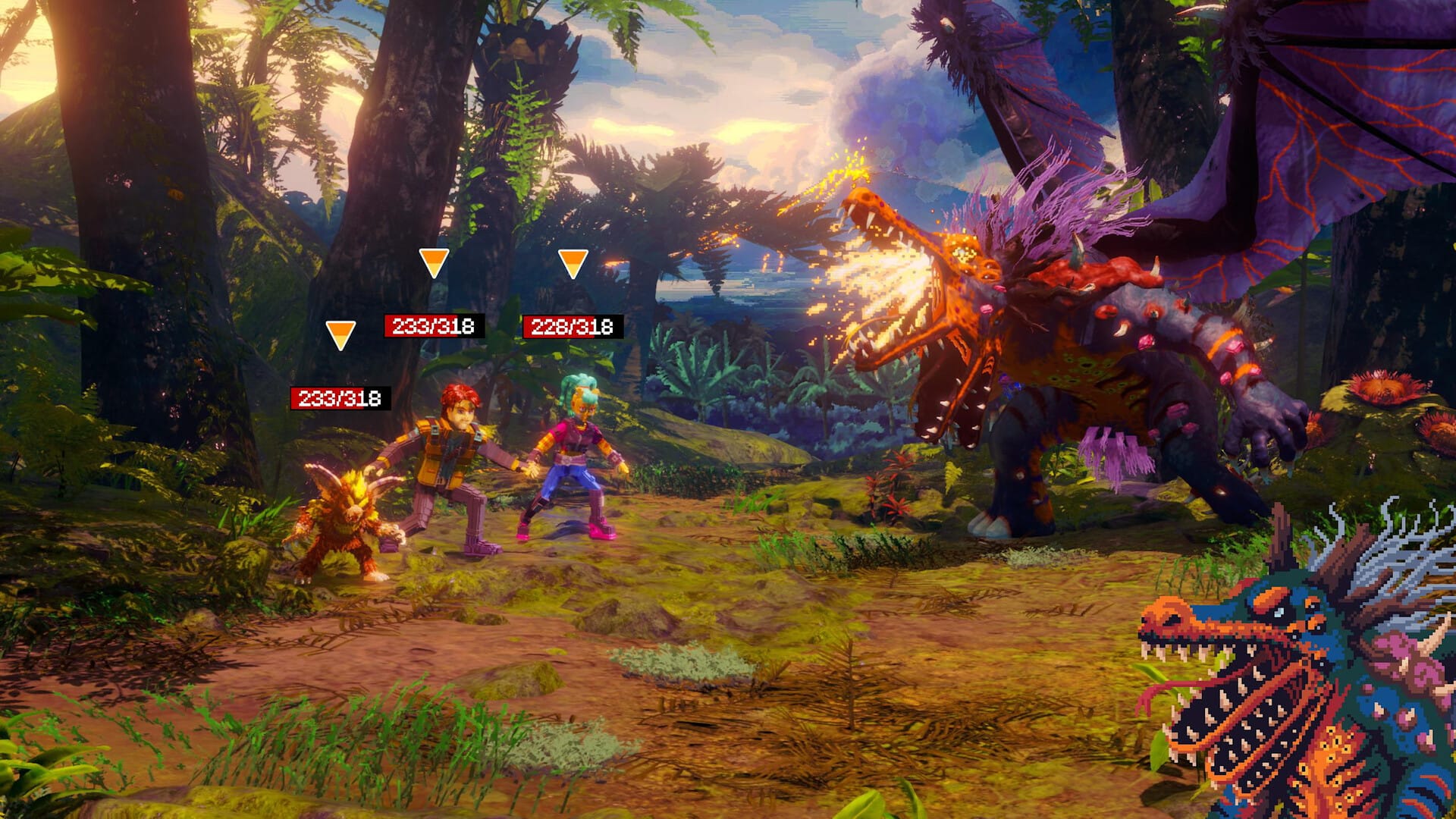
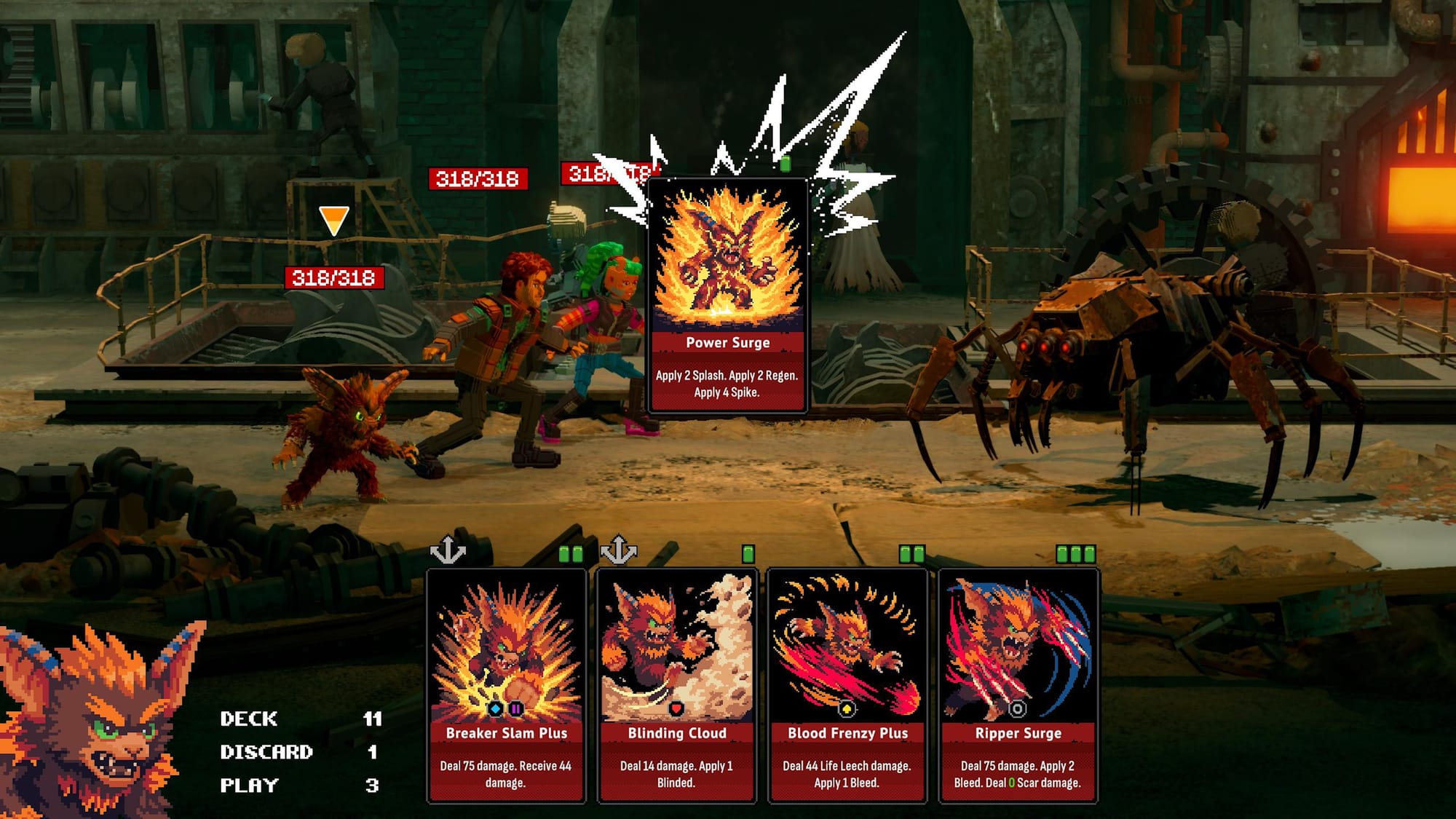
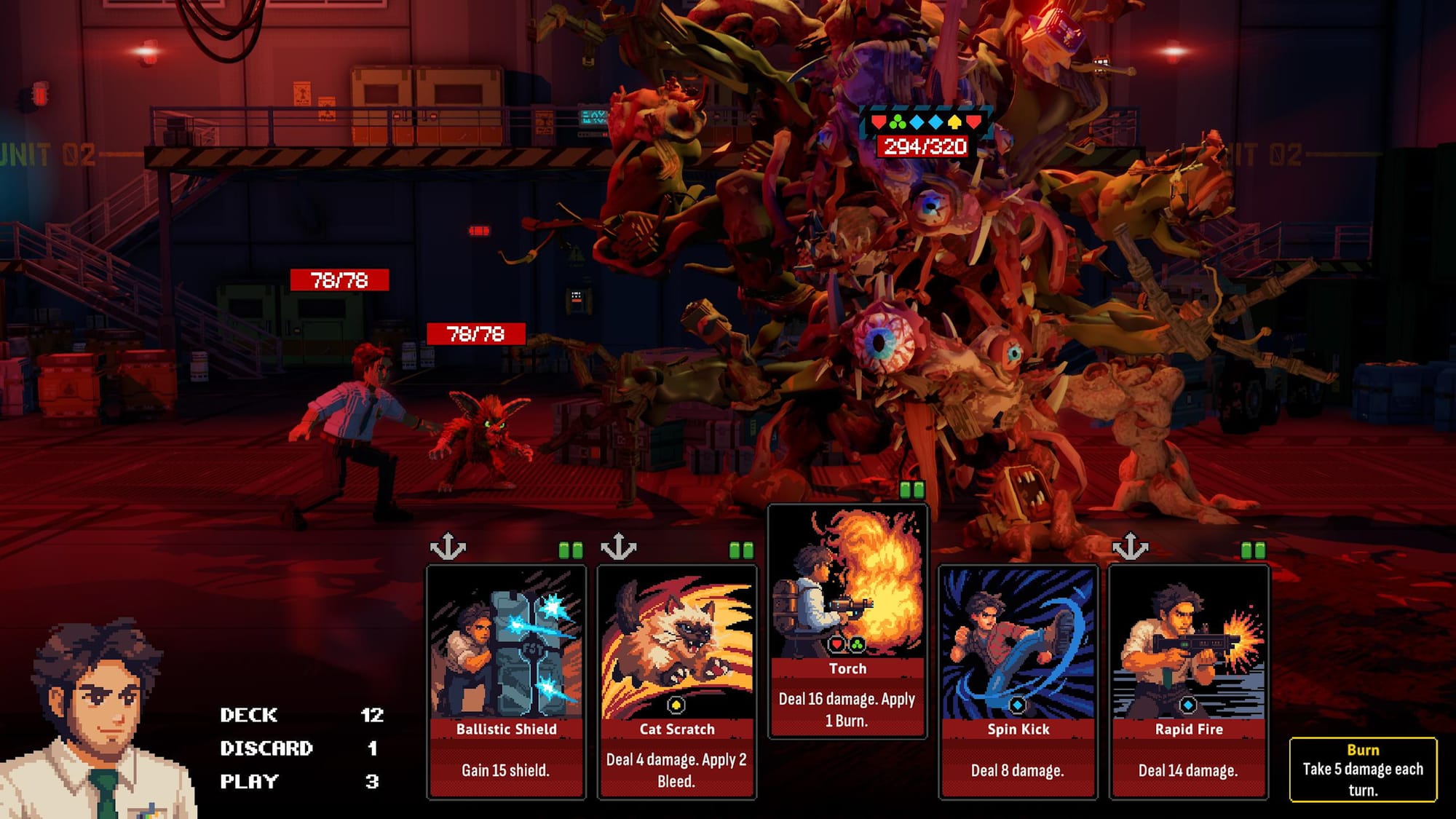
"We are positioning Echo Generation 2 as a mix between a deckbuilder and a JRPG-style adventure. Fans of the first game will notice the biggest evolution in the combat system. The original Echo Generation used more Paper Mario-style timing mechanics, while the sequel introduces a tactical card-based system inspired by games like Slay the Spire."
"The first game developed something of a hidden gem reputation. It resonated strongly with the players who discovered it and built a passionate niche audience. With the sequel, our goal is to expand that audience while continuing to deepen the connection with fans who already love the series."
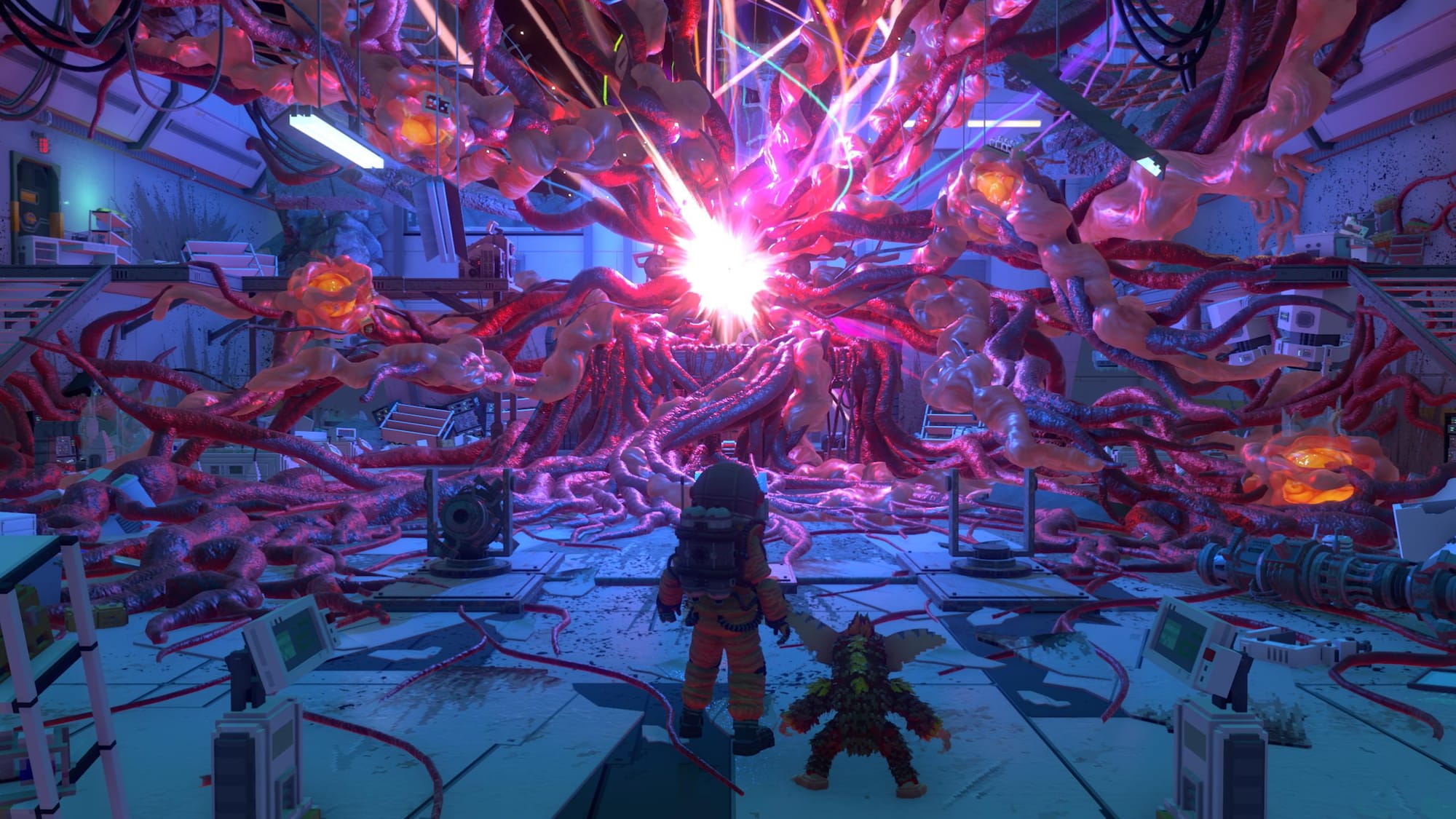
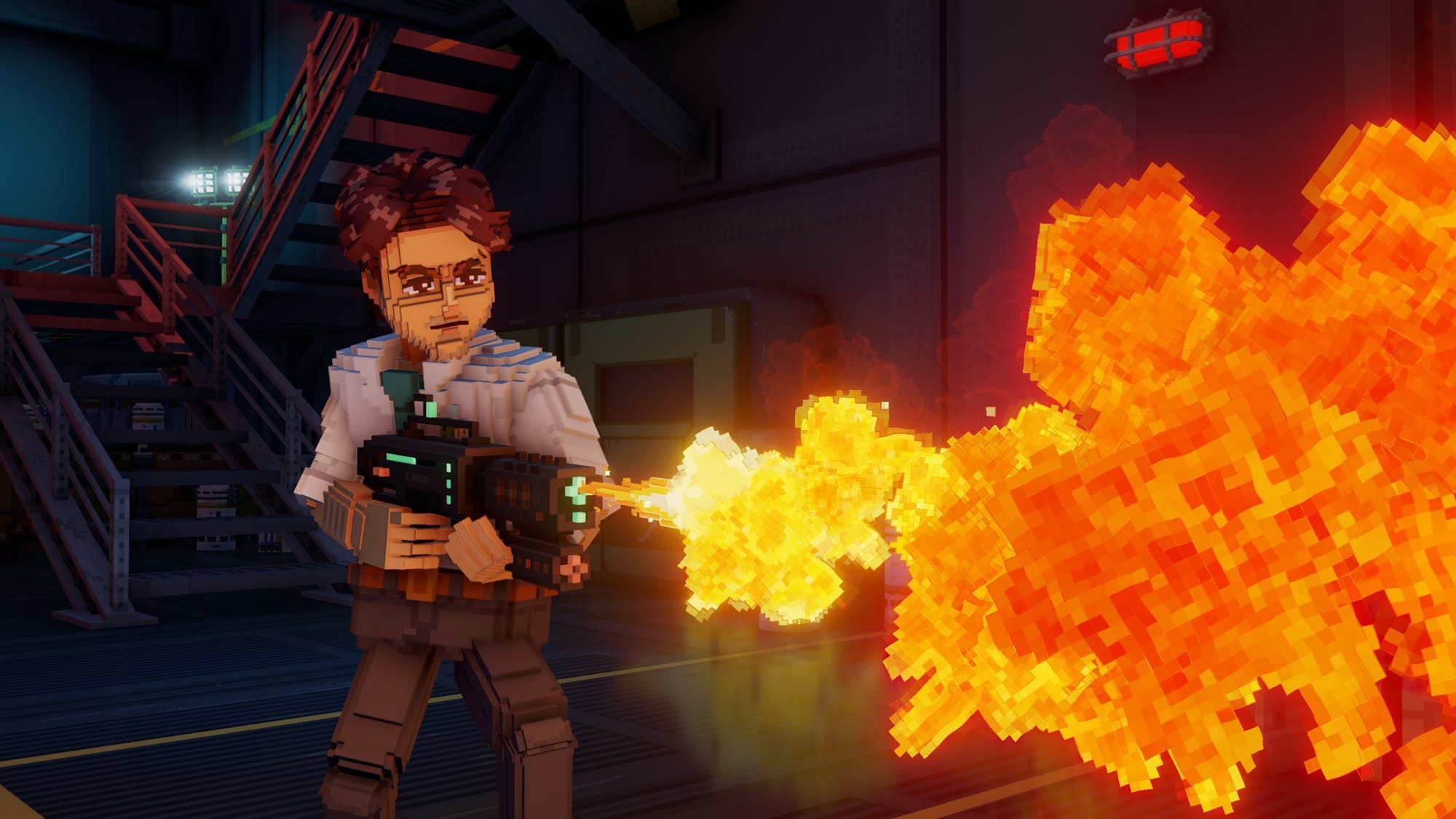
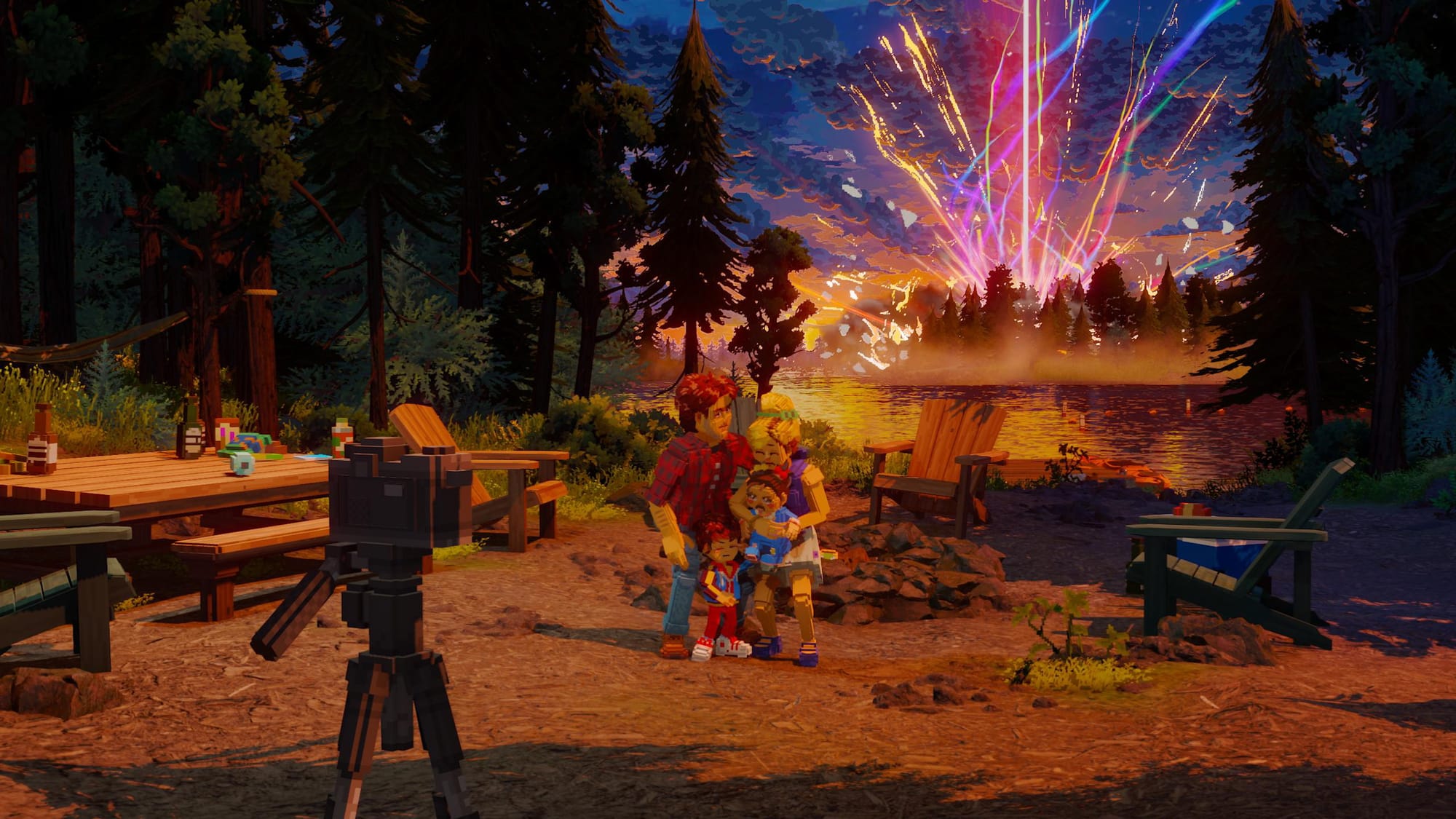
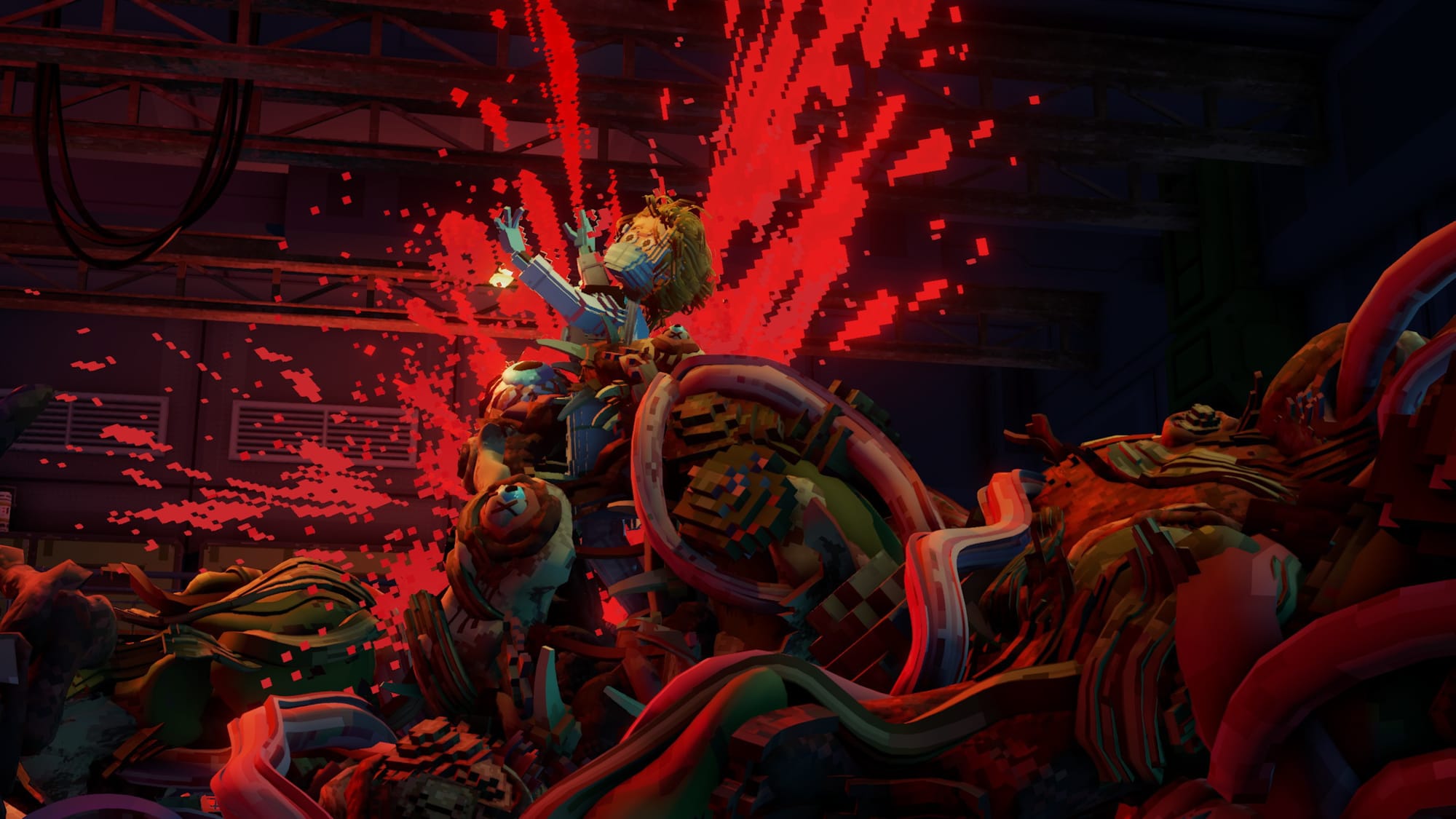
Echo Generation 2 is a turn-based, sci-fi, deck-building RPG. Players build mighty decks, summon quirky allies and face off against cosmic creatures, blending turn-based combat and deck-building strategy with sci-fi adventure in a style reminiscent of Stranger Things. The game features a retro 3D pixel aesthetic accompanied by an analogue synth soundtrack inspired by the 1980s, created by Pusher. A demo can be downloaded here.
GamesMarkt: How does Echo Generation 2 fit into this market, and what makes it stand out?
Vanessa Chia: "With Echo Generation 2, we wanted to evolve turn-based combat in a way that feels strategic but still story-driven."
"The sequel keeps the core turn-based structure but introduces deckbuilding mechanics to deepen the tactical layer. At the same time, it is not a roguelike deckbuilder. At its heart, Echo Generation 2 is still a narrative adventure where exploration and storytelling are just as important as combat."
"Most deckbuilders today are built around roguelike progression, so we were interested in exploring a different direction. What happens when deckbuilding mechanics are integrated into a handcrafted story experience that players can complete from beginning to end? That question shaped much of the design for Echo Generation 2."
"We also want players to finish the journey, complete the achievements, and feel a clear sense of accomplishment."
GamesMarkt: Echo Generation 2 is the first sequel to be released by your studio. What made you decide to create a sequel, and how does it differ from the previous game?
Vanessa Chia: "We felt there were still many stories left to tell in the world of Echo Generation. After finishing the original game, there were several unanswered questions we wanted to explore. For example, what really happened to Jack while he was missing, and what is the true purpose of the FST research center?"
"At the same time, we wanted the sequel to take creative risks. We introduced new protagonists and evolved the combat into a tactical deckbuilding system. The story is also structured in chapters with different playable characters."
"It is a different experience from the first game, but pushing the series forward creatively was important for us."
GamesMarkt: Why did you decide to release it on the PC and Xbox platforms?
Vanessa Chia: "Xbox has been an important platform for the Echo Generation series from the very beginning."
"The original game launched as a timed exclusive on Xbox and Xbox Game Pass, and a large portion of our player base comes from the Xbox community. With Echo Generation 2, we wanted to continue that relationship while also launching on Steam at the same time."
"Echo Generation 2 will release on Xbox and Xbox Game Pass on day one, and we are very excited to be working with Microsoft again. They have supported our studio across several titles, including Riverbond and Ravenlok."
"We do plan to bring the game to additional platforms later, and we appreciate our fans' patience while we work toward that."
GamesMarkt Daily Newsletter
Sign up to receive the free daily newsletter about the Games Industry in GSA, Europe and beyond.
No spam. Unsubscribe anytime.
Love our reporting? Set us as Preferred Source on Google and see more of our coverage in your search results.
Marcel Kleffmann is Chief of Content of GamesMarket and our B2B and B2C expert for hardware, market data, products and launch numbers with more than two decades of editorial experience. (marcelDOTkleffmannATgamesmarktDOTde)