The Game Studies Watchlist newsletter, curated by Prof Dr Rudolf Inderst, is published weekly on GamesMarkt. This week's topics include Police Quest and Copaganda, in-game photography, DOGE gamification and more.
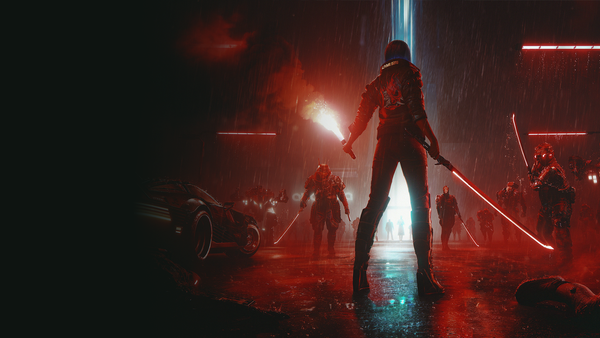
This week's video essay of my selection is by Michael Coorlim and it chronicles a full playthrough of Sierra's Police Quest: In Pursuit of the Death Angel, created by ex-cop Jim Walls to simulate authentic patrol procedures, from timed locker room prep and vehicle walkarounds to DUI arrests and felony stops. Officer Sunny Bonds tackles drug rings and murders in Leighton, CA, escalating from beat cop to undercover narcotics operative infiltrating high-stakes poker at Hotel Delforia, culminating in a raid on crime lord Jesse Baines.
Copaganda, the strategic portrayal of police as heroic and infallible, finds fertile ground in Game Studies as digital games simulate procedural realism drawn from ex-cop creators, embedding players in "authentic" law enforcement routines that normalize authority while obscuring systemic violence. This is compelling because games' procedural rhetoric, enforcing rule-bound obedience through fiddly mechanics like vehicle checks or timed briefings, doubles as ideological training, priming players for real-world compliance and countering critiques of police brutality, much like post-Floyd media backlash. Scholars thus probe how such simulations launder cop narratives into interactive "training tools," revealing tensions between ludonarrative immersion and the medium's potential for abolitionist counter-play.... and whenever I read about Copaganda, I can only think about Propaganda, a hypnotic 2000 track by Norwegian indie rock band Briskeby from their album Brand New Car, sung by Lise Karlsnes with brooding synths and a pulsing beat.
Sebastian Möring has updated his reading list for in-game photography and it currently contains almost 50 items. I find this all pretty exciting since in-game photography, enabled through dedicated photo modes, marks a pivotal shift in digital games, transforming players into curators of virtual aesthetics. Unlike screenshots, these tools, seen in Death Stranding or The Last of Us Part II, offer cinematic framing and post-processing, encoding developer intent into player expression while raising questions of authorship and virtual realism. Positioned at the intersection of Game Studies and Photography Theory, it bridges gameplay, fan production, and platform economies as player images circulate as cultural artifacts. So check out Sebastian's updated list right here.
The Brunel Games Research Lab, together with colleagues from Goldsmiths University, London College of Communication, and independent game creators, is hosting a free side event at the London Games Festival: "Why Games Education?" on April 17th from 3–7pm at the V&A in South Kensington. This unconference asks the big questions: Where is games education thriving and where is it falling short? How can creative teaching connect to an industry that's constantly reinventing itself? And where do we go from here? No fixed agenda, no passive audiences – you shape the conversation. Get your tickets right here.
Elon Musk's proposal to "gamify" US federal government via his Department of Government Efficiency (DOGE) transforms bureaucracy into a real-time strategy system with leaderboards, XP mechanics, and crowd-sourced spending "quests." While leveraging gamification's behavioral incentives for efficiency, experts warn of oversimplification, as metric-driven competition risks short-termism over institutional stewardship. This techno-libertarian approach, echoing platform capitalism, raises concerns about democratic legitimacy when algorithmic leaderboards displace pluralistic policy deliberation. Now, this all sounds interesting to you? Here's the whole article with the backgorund by Ben Tarnoff and Quinn Slobodian.
On LinkedIn, I just learned that the Ukrainian Association for Game Research and Game Education has announced an open competition for the creation of the official logo of the Association. Please find further info right here.
... and last but not least friendos of the tape ... here's what we call a real Leckerbissen for you!
P l e a s e support my work in game research & culture, consider contributing via Buy Me a Coffee.
Rudolf Inderst is a Professor of Game Studies, Podcast Host of “Game Studies”, Newsletter Writer of “Game Studies Watchlist” , Video Essay Aficionado and Krav Maga Practioner.
PlayStation Network (PSN) has been called this since its inception for the PlayStation 3. Now, it's going to undergo branding changes (SIE)