Developed by Sonderlust Studios, Generation Exile has flown somewhat under the radar. This space-faring colony management simulation game received hardly any attention when it was released on Early Access, but deserved better.
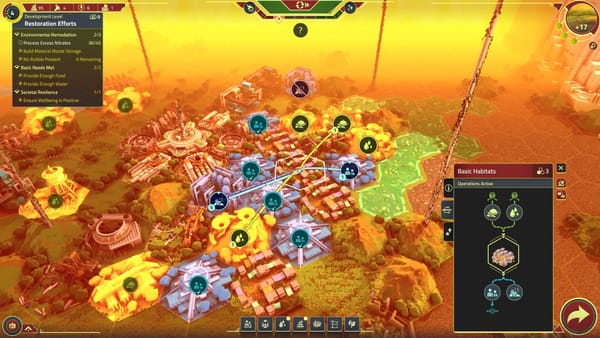
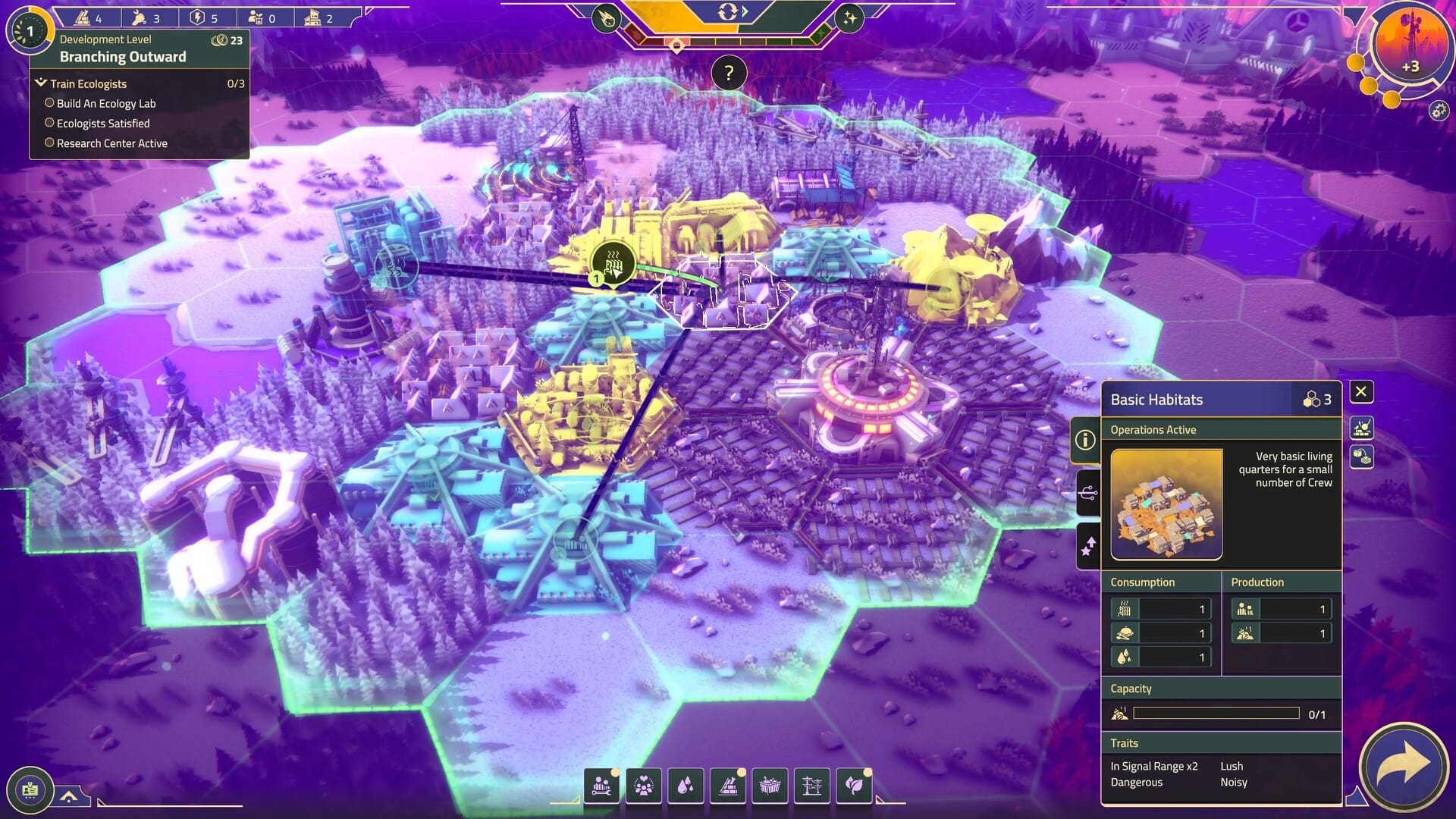
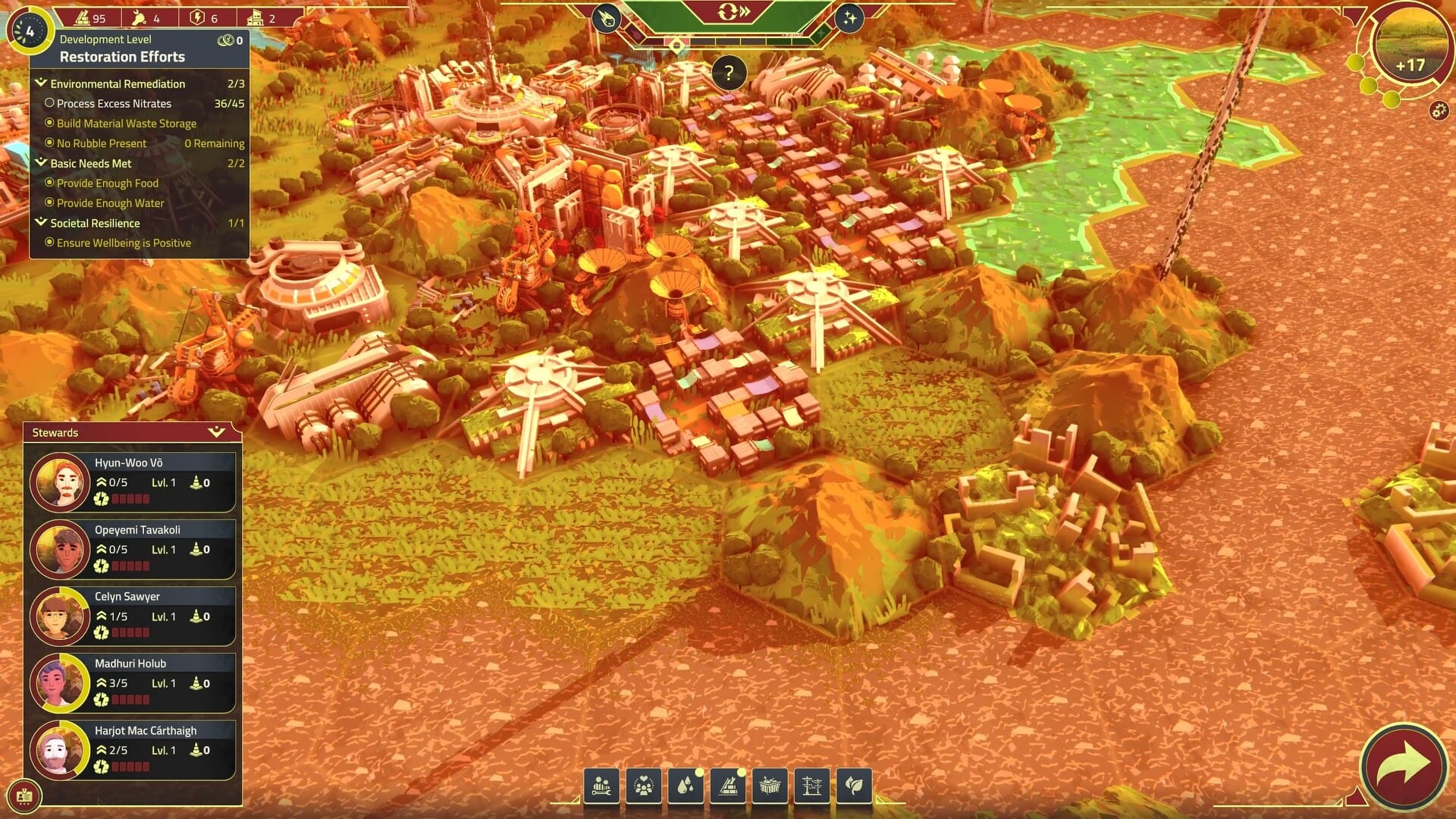
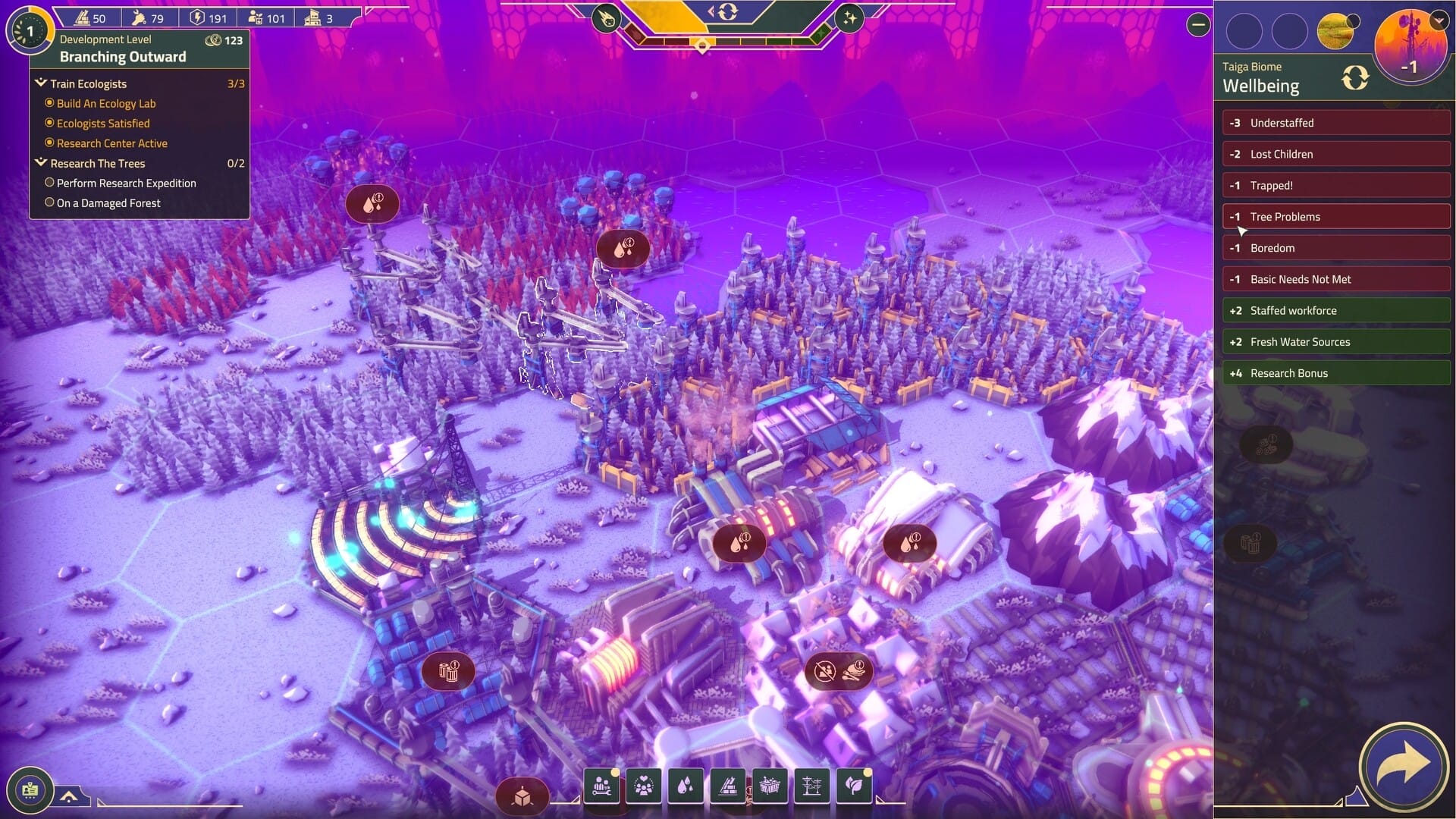
Generation Exile is a turn-based, space-faring colony management simulation game — or, more specifically, a solarpunk city builder — set on humanity’s first and last generation ship, which is on the brink of collapse because genetically modified creatures have somehow managed to board and wreak havoc. As the Caretaker, the player must rebuild human settlements across multiple biomes to ensure the survival and resettlement of humanity throughout the cosmos. Much like in tile-based tabletop games, players create settlements with production chains to meet society's needs and sustain it. They also upgrade structures and restore ecosystems to build a circular, sustainable society without excessive resource consumption, as resources and available building space are both scarce on the spaceship. The focus is on sustainability and making do with what is already available rather than exploiting resources and expanding massively.
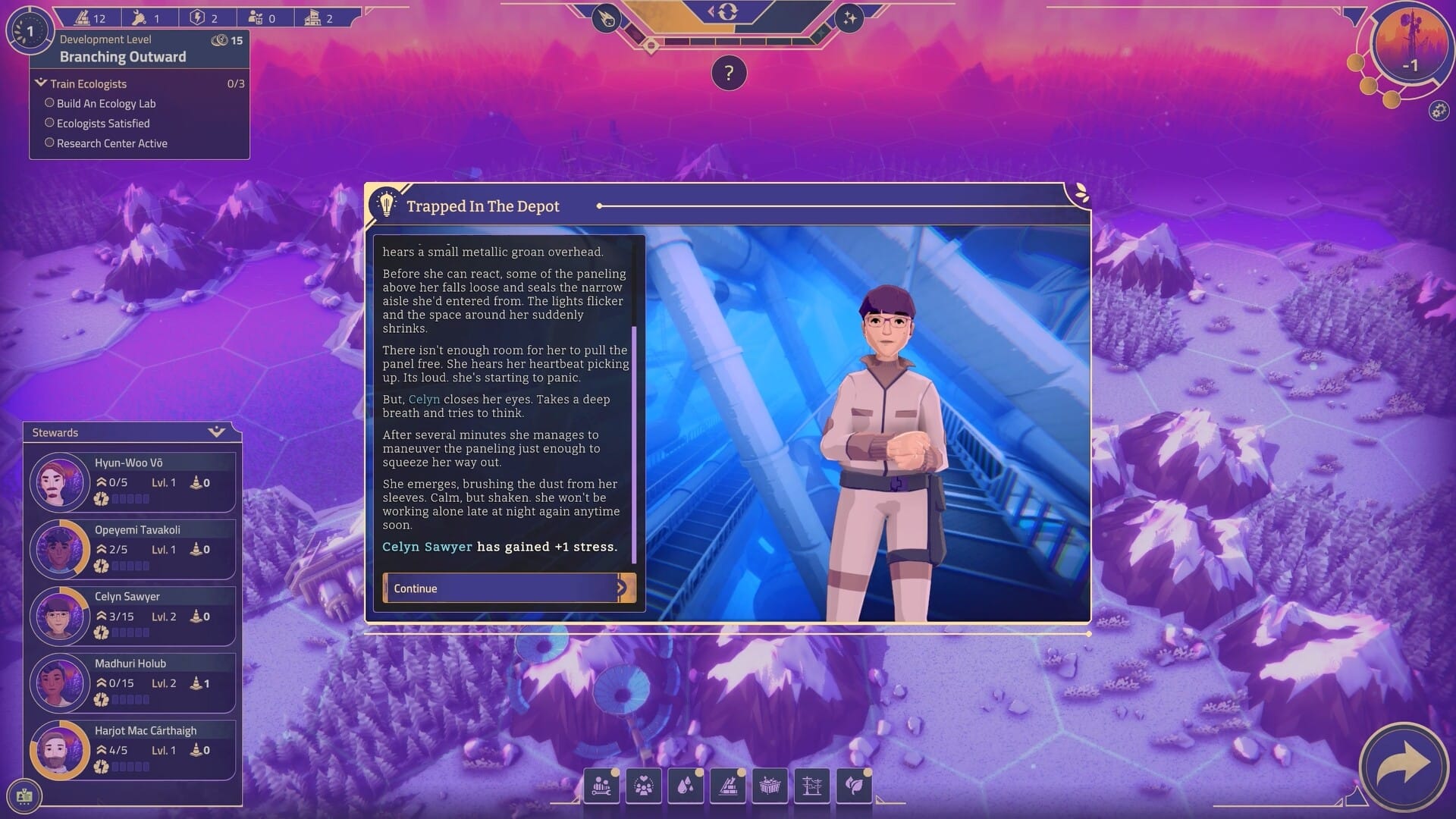
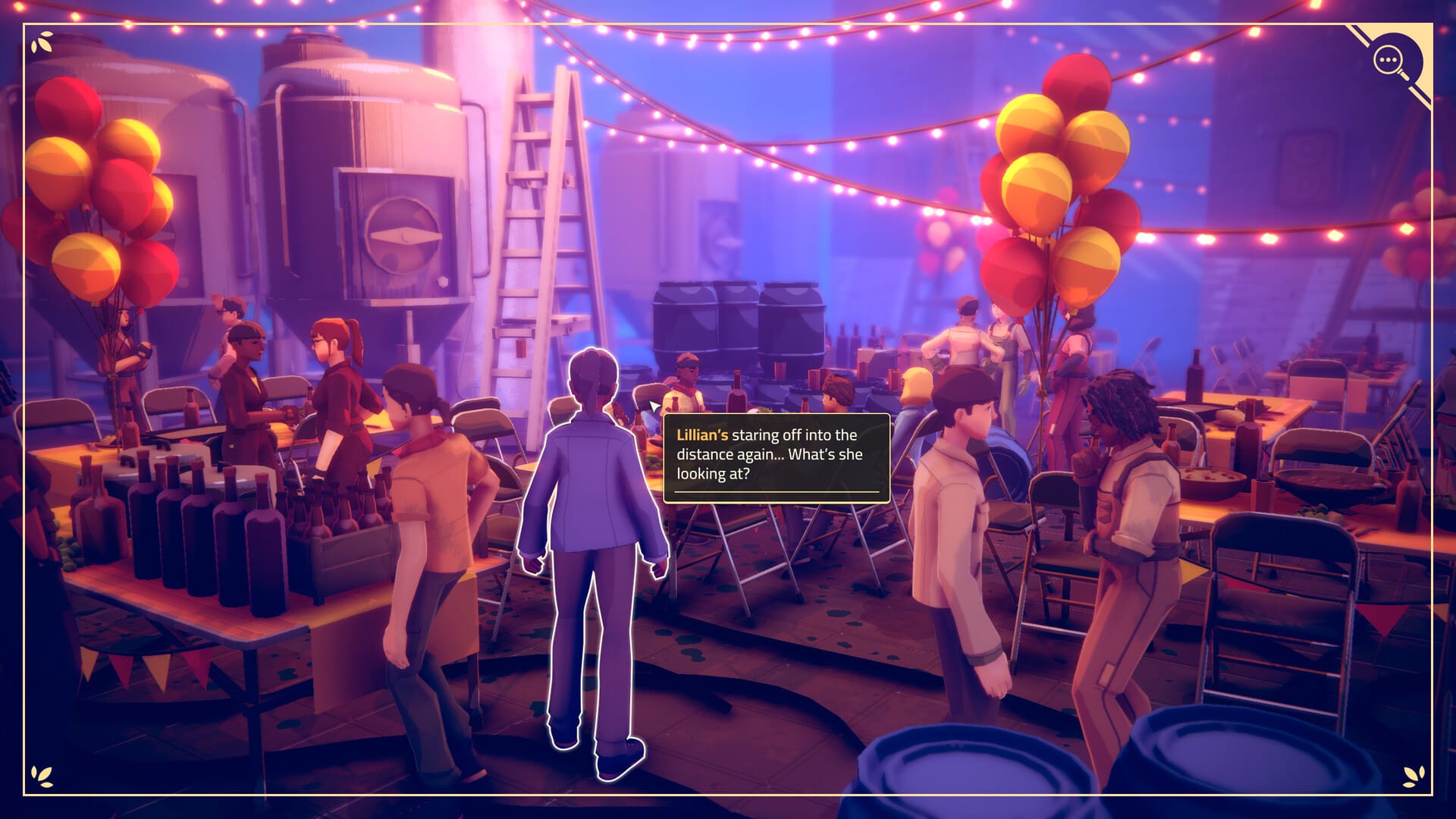
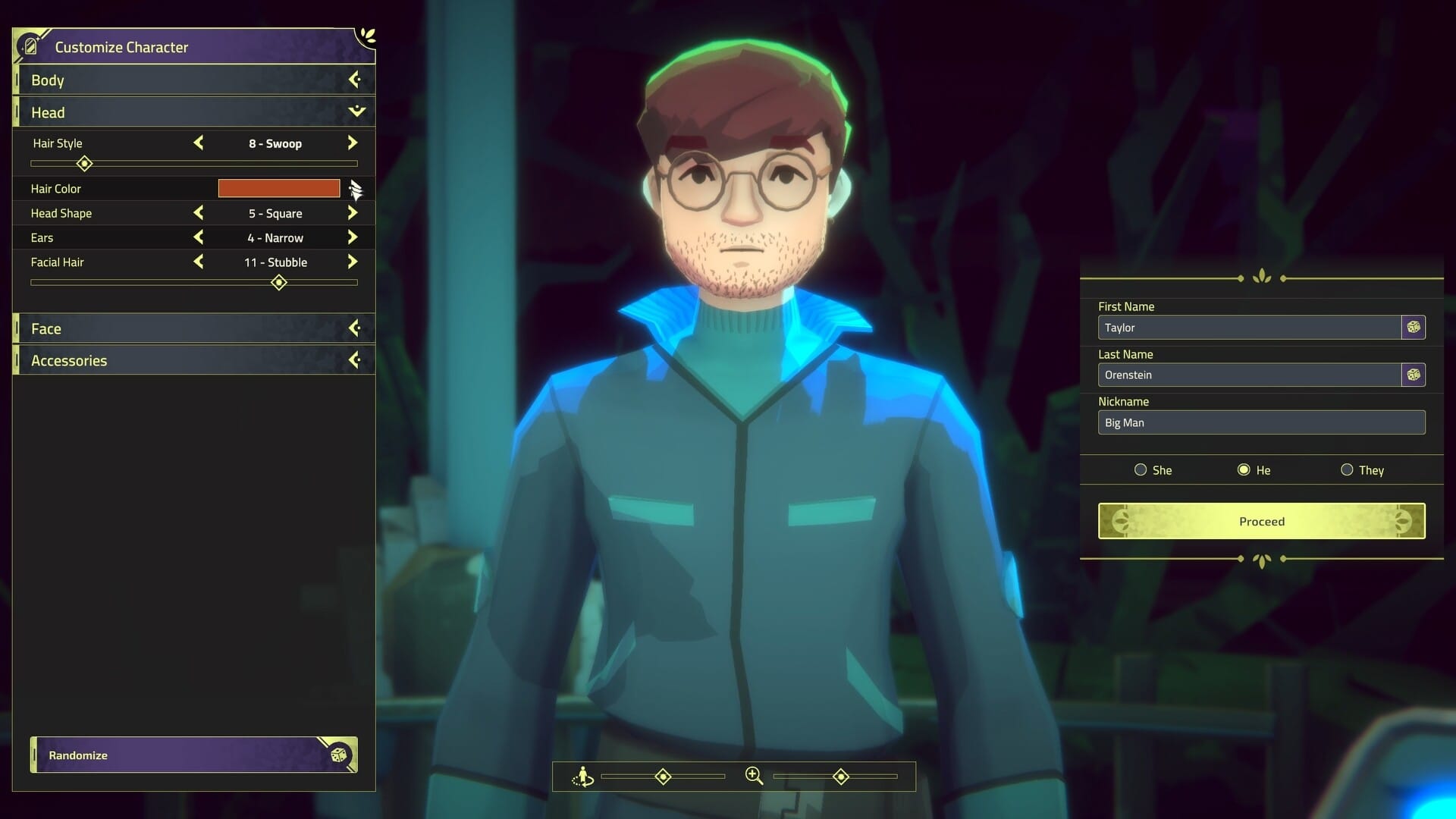
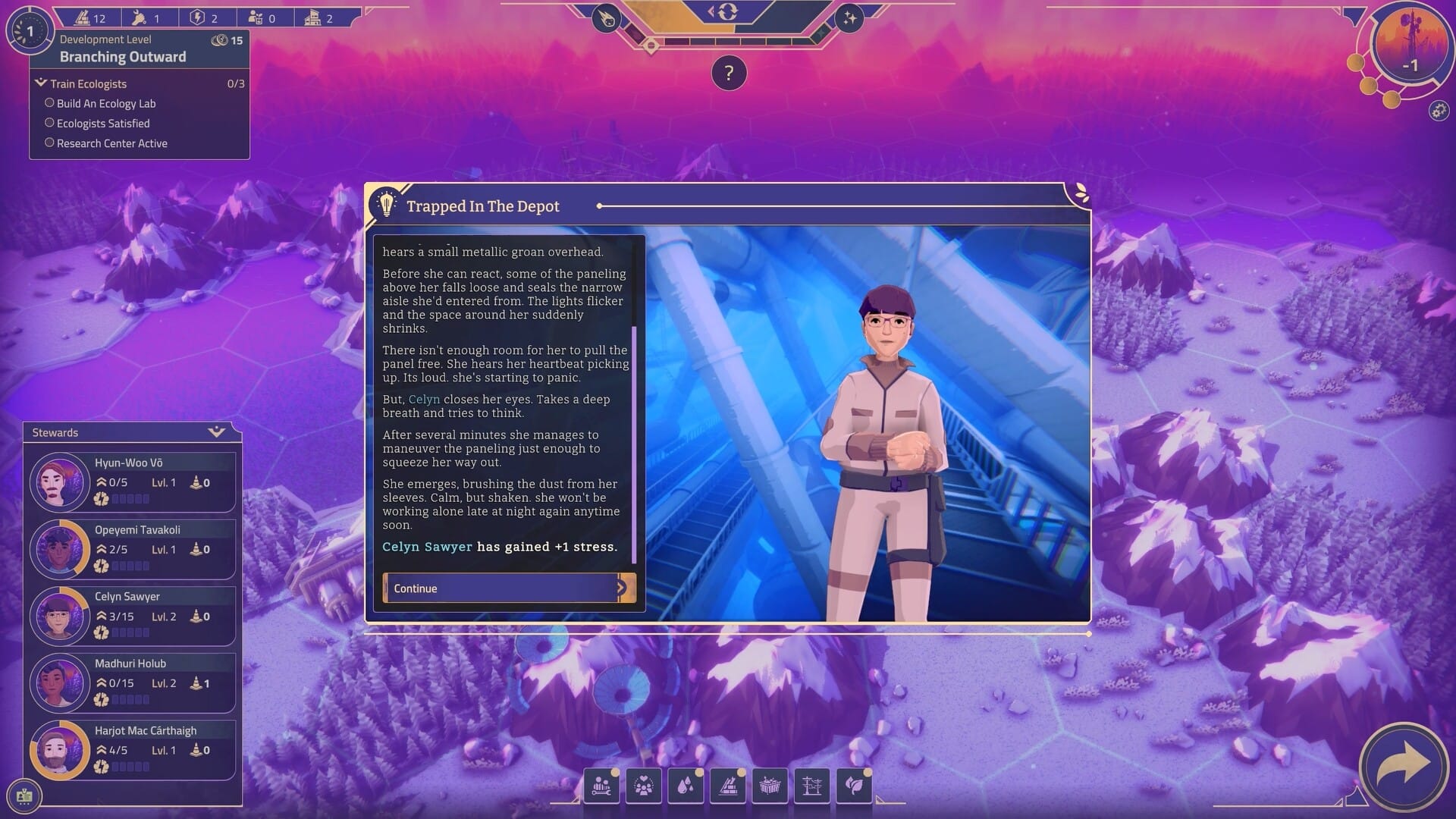
Players' decisions regarding crew assignments, rationing and narrative events have consequences for the well-being of the settlements and crew. Spanning generations over hundreds of years, the time frame of the game is remarkable. The dynamic, procedurally generated crew ages, forms families and remembers events, ensuring that every playthrough is different.
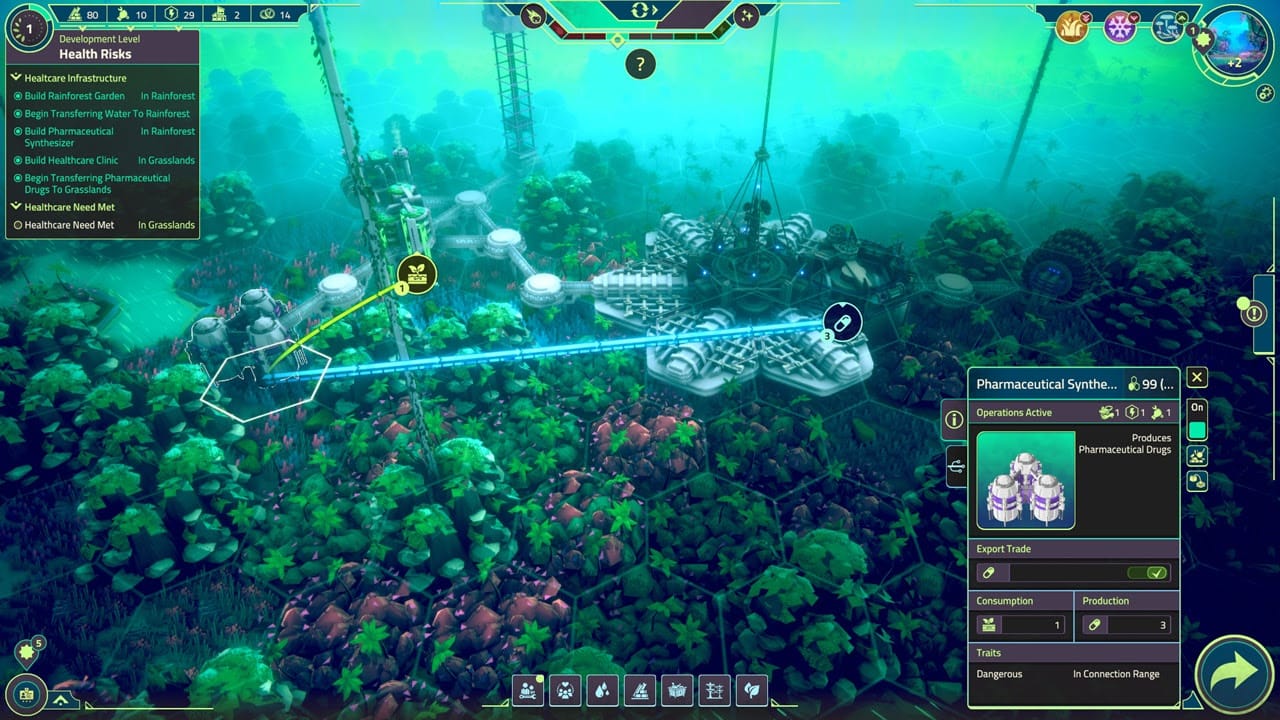
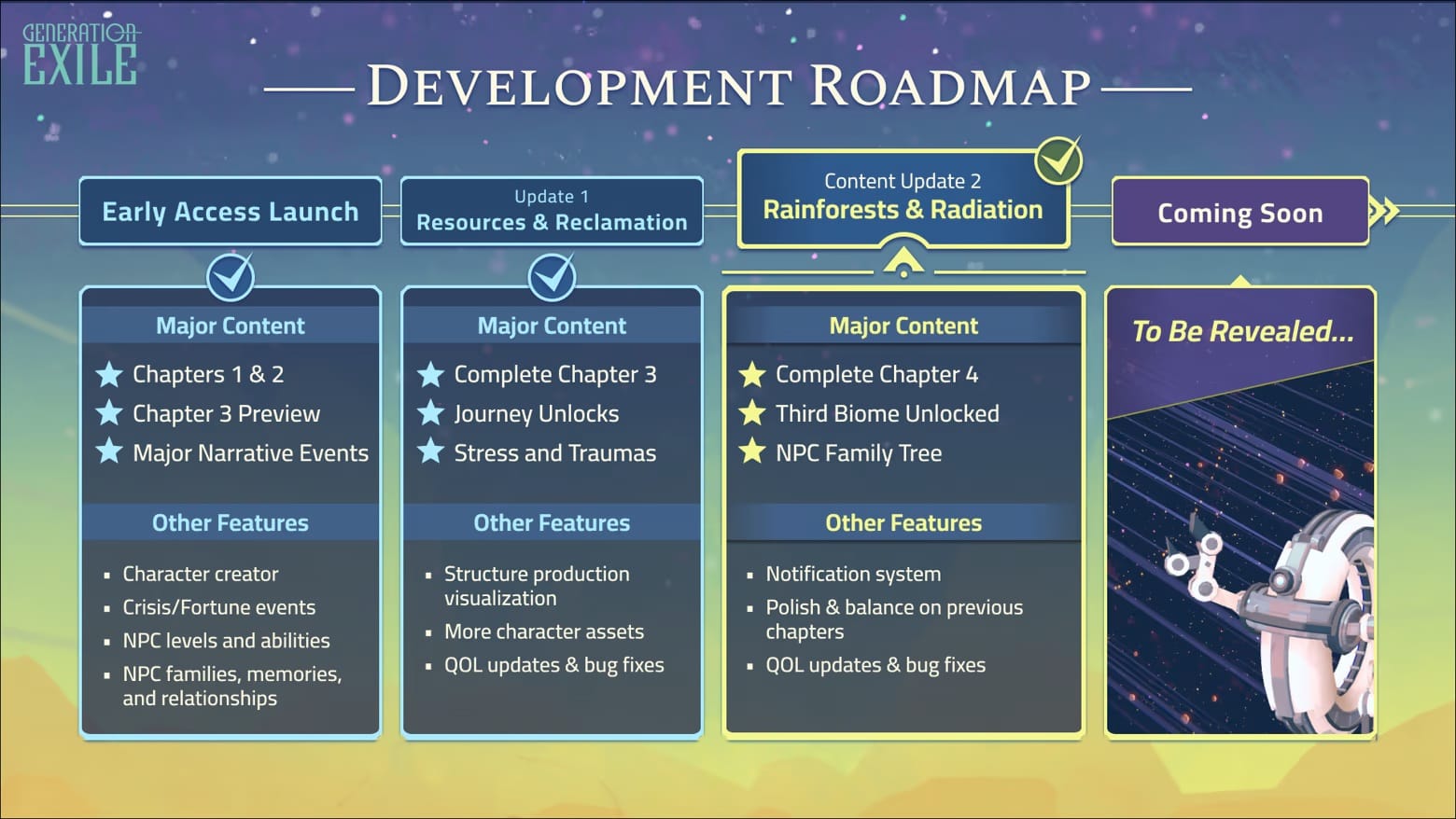
Each biome presents new obstacles for players to overcome as they build settlements, manage scarce resources and optimise production chains, all the while facing tricky decisions. At the Early Access launch, there were the grasslands and taiga biomes; with the last update, the rainforest biome was added, which is the most dangerous aboard the ship as colonies of radiotrophic fungi have appeared there. While these fungi are able to absorb and metabolise interstellar radiation leaking into the generation ship, they also discharge spores that are dangerous to people.
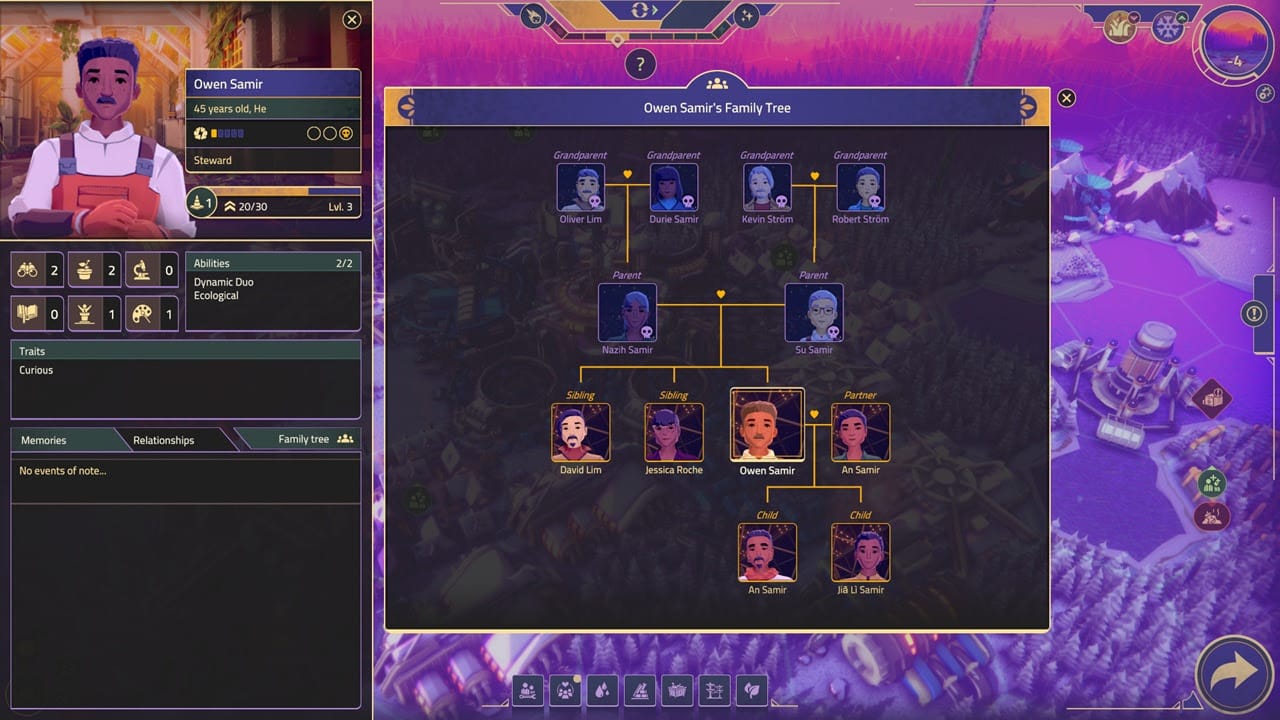
In this biome, gameplay centres on creating networks of elevated walkways to stay above the radiotrophic fungi while reclaiming and repurposing the ineffective hull plating in collaboration with these fungi, ensuring that shipboard life is protected from dangerous levels of cosmic radiation. Additionally, inter-biome resource trade becomes essential as the Rainforest biome's radioactive hazards necessitate greater planning and specialisation among the ship's biomes. The aforementioned Early Access update also introduces Family Trees, bringing procedurally generated lineages to the game's characters. Meanwhile, gameplay improvements and rebalances make the game smoother with less friction across all biomes.
Generation Exile is the first game being developed by Sonderlust Studios in Vancouver, Canada. The team is led by Nels Anderson, co-creator of Firewatch and lead designer of Mark of the Ninja, and Karla Zimonja, co-creator of Gone Home and Tacoma. The distributed team comprises experienced developers from titles such as Baldur's Gate 3, Far Cry 5 and 6, and the creator of the Game Dev Guide YouTube channel. The sound was provided by Power Up Audio, the audio designers of Celeste, Tunic, and the Darkest Dungeon series. The soundtrack is by Ben Prunty, composer of Into the Breach, FTL and Subnautica: Below Zero.
Generation Exile was released in Early Access for €29.99 on 4 November 2025 - the same day as Europa Universalis V, and shortly before Whiskerwood and Anno 117: Pax Romana. However, the launch of the game was a disaster, as Nels Anderson describes in a post-mortem article. "I spent 7 years making Generation Exile, a solarpunk city-builder. Trailers in PC Gaming Show June '24 & '25. Top 70 most played demo during our Next Fest. Did all the things you’re supposed to. Launched in Early Access last week with over 35,000 wishlists. So far, we've sold fewer than 300 copies."
This was well below even the most conservative forecasts. He continues by writing that positive signs from playtests and events, the distribution of keys to numerous creators and members of the press, and a low return rate from buyers did not hide the fact that the expected surge in demand did not materialise. Anderson suggests that growing scepticism towards Early Access is a possible cause: many players avoid it entirely following the failures of other titles, creating a collective stigma that affects "even good games". The release date, amidst fierce competition, exacerbated this, as did a 'chicken and egg' problem amongst creators, who prioritise the familiar only. Price and marketing were solid, and quality wasn't the issue - rather, it was saturation in the genre and a lack of awareness, according to his explanation.
However, comments on his post also mention that, aside from the unfavourable release window, the marketing material - particularly the trailer - didn't really convey what the game is about and that the available content was a bit too sparse, despite its replayability. Nevertheless, the team intends to stay on track, executing the Early Access roadmap and completing the game within six to twelve months of launch. A release is currently expected in the second quarter of 2026.
As a city builder set on a generational spaceship, Generation Exile offers a creative and unique approach. Unfortunately, the game has flown under the radar.
Marcel Kleffmann is Chief of Content of GamesMarket and our B2B and B2C expert for hardware, market data, products and launch numbers with more than two decades of editorial experience. (marcelDOTkleffmannATgamesmarktDOTde)