Indie publisher tinyBuild is going strong at the moment. Sand: Raiders of Sophie in June, ReStory: Chill Electronics Repairs in August, and Graveyard Keeper 2 in September, were all commercial successes. However, Probably Stolen – Cyberpunk Shopkeeper Sim easily tops them all.
It sold 200,000 copies in the first few hours, 350,000 copies in the first 24 hours, and attracted more than 500,000 players in the first two days. Questing Goose Studio and tinyBuild have landed a veritable hit with Probably Stolen – Cyberpunk Shopkeeper Sim, which has also benefited from the fact that a demo of the game attracted a great deal of attention and became the most-played demo of the Steam Next Fest in October 2026, shortly before its launch. Over 660,000 unique players tried out the demo, which has 'overwhelmingly positive' (98%) user reviews on Steam. Prior to its release, the game also surpassed 500,000 wishlist entries.
The game maintained this momentum at launch on 28 October, when it was priced at €19.99, and its popularity soared. No other game from the publisher has achieved a six-figure number of concurrent active users: Probably Stolen – Cyberpunk Shopkeeper Sim had 156,413 concurrent users at its peak, more than double Graveyard Keeper 2's peak of 60,538 concurrent users. Things are going well for tinyBuild: Raiders of Sophie in June and ReStory: Chill Electronics Repairs in August, had both previously recorded five-figure concurrent user numbers.
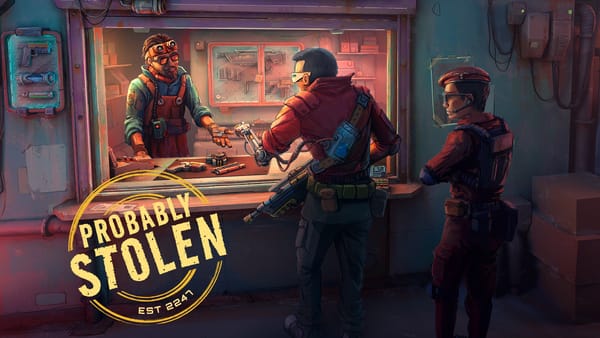
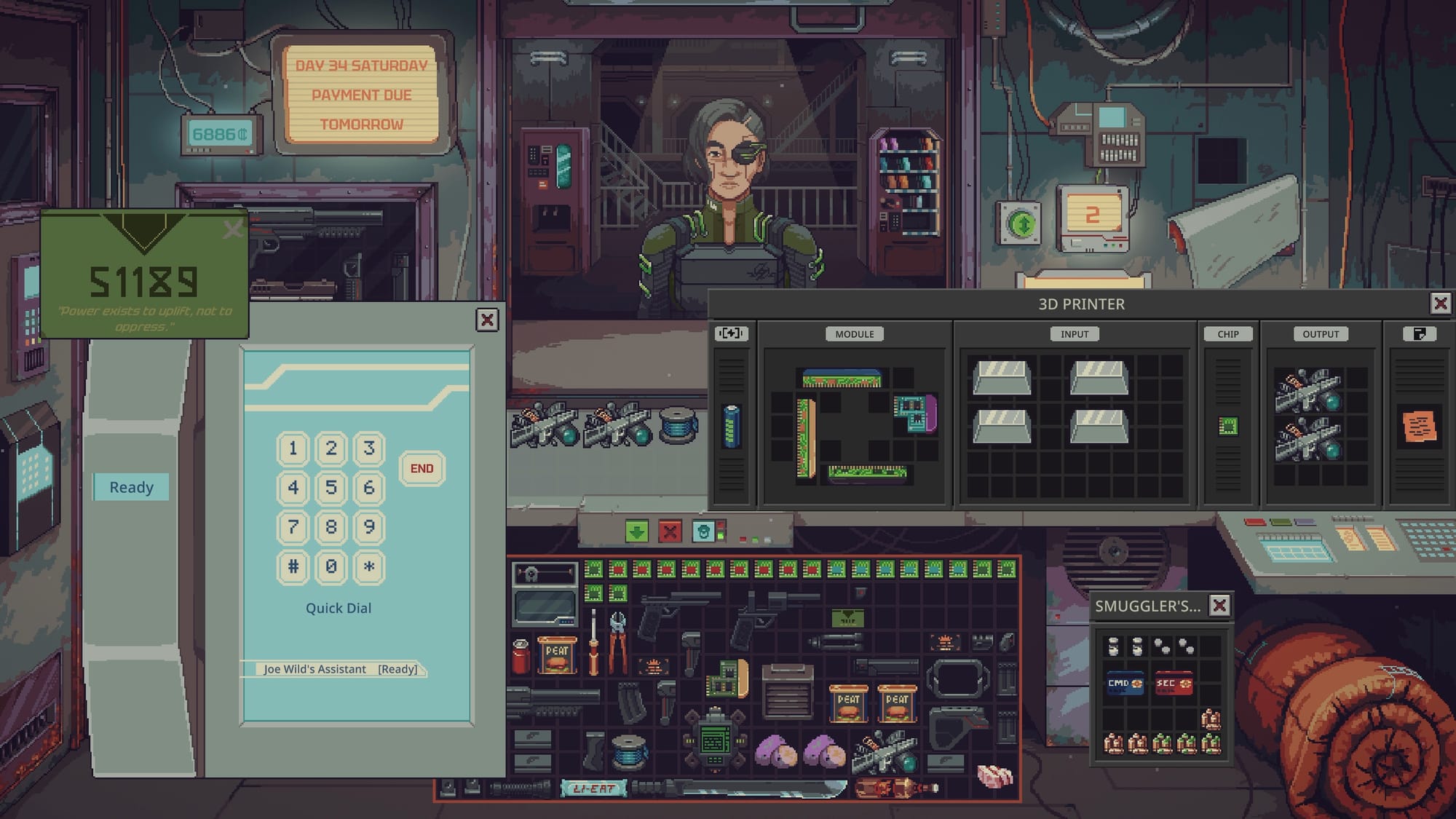
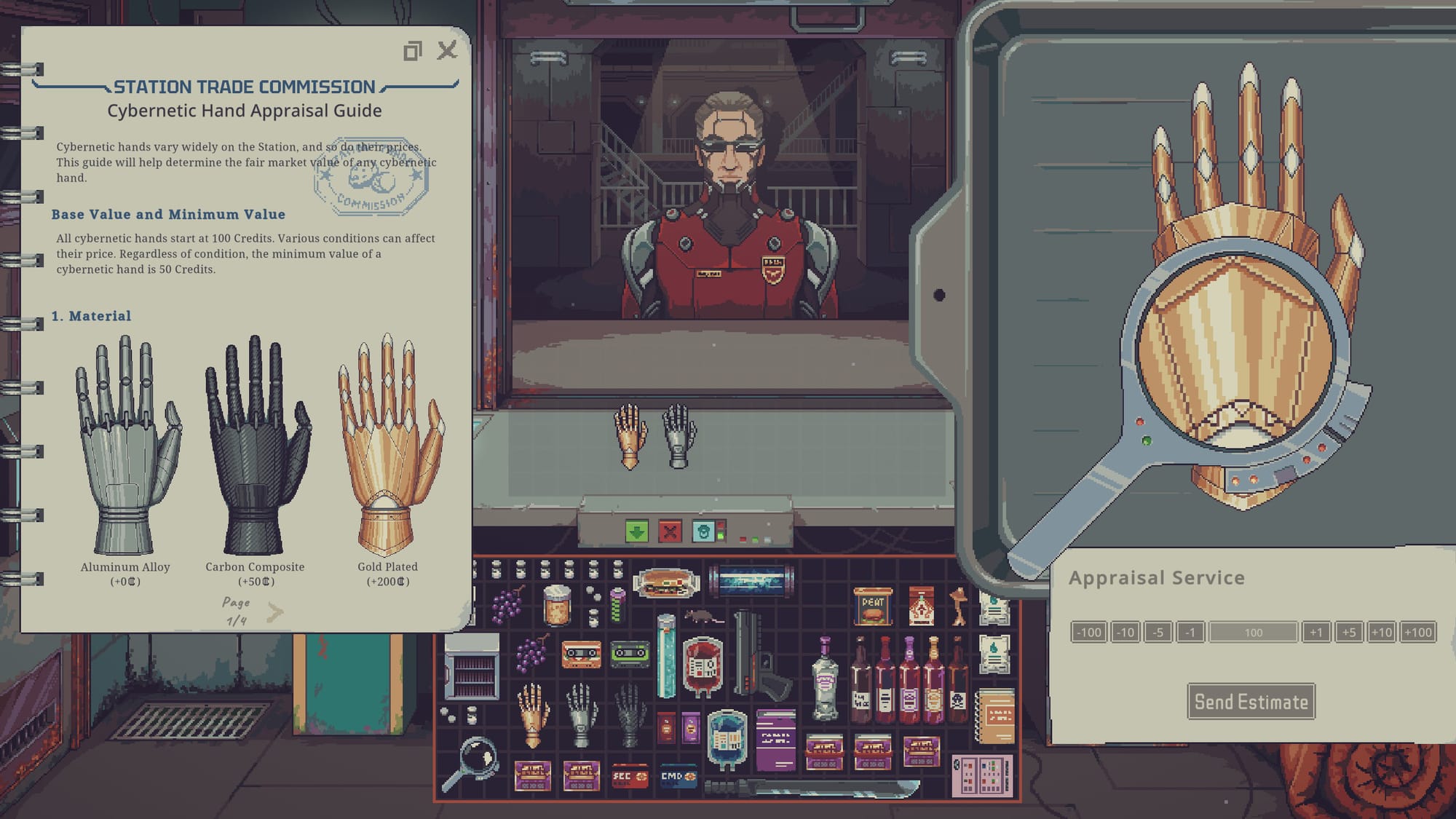
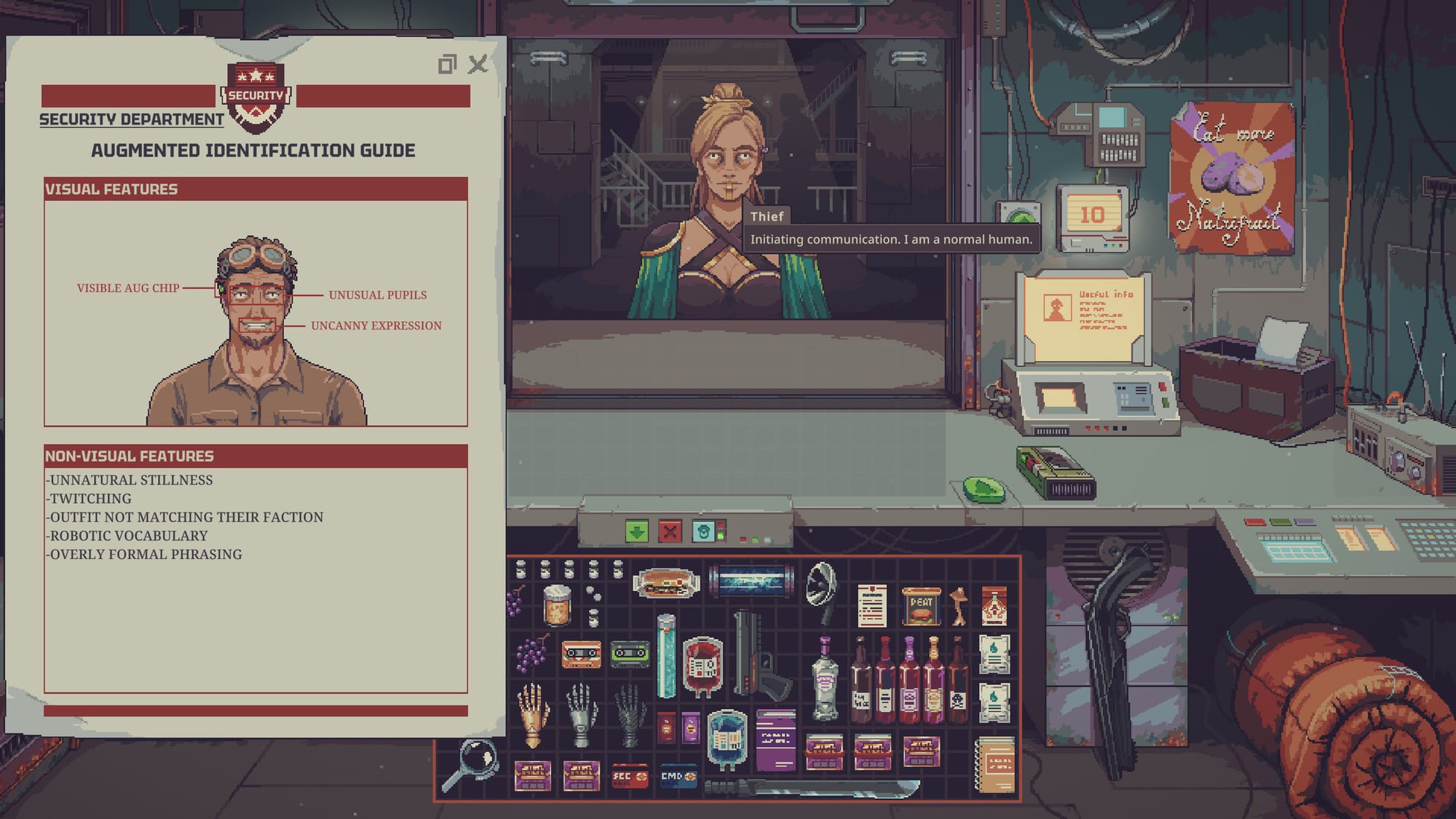
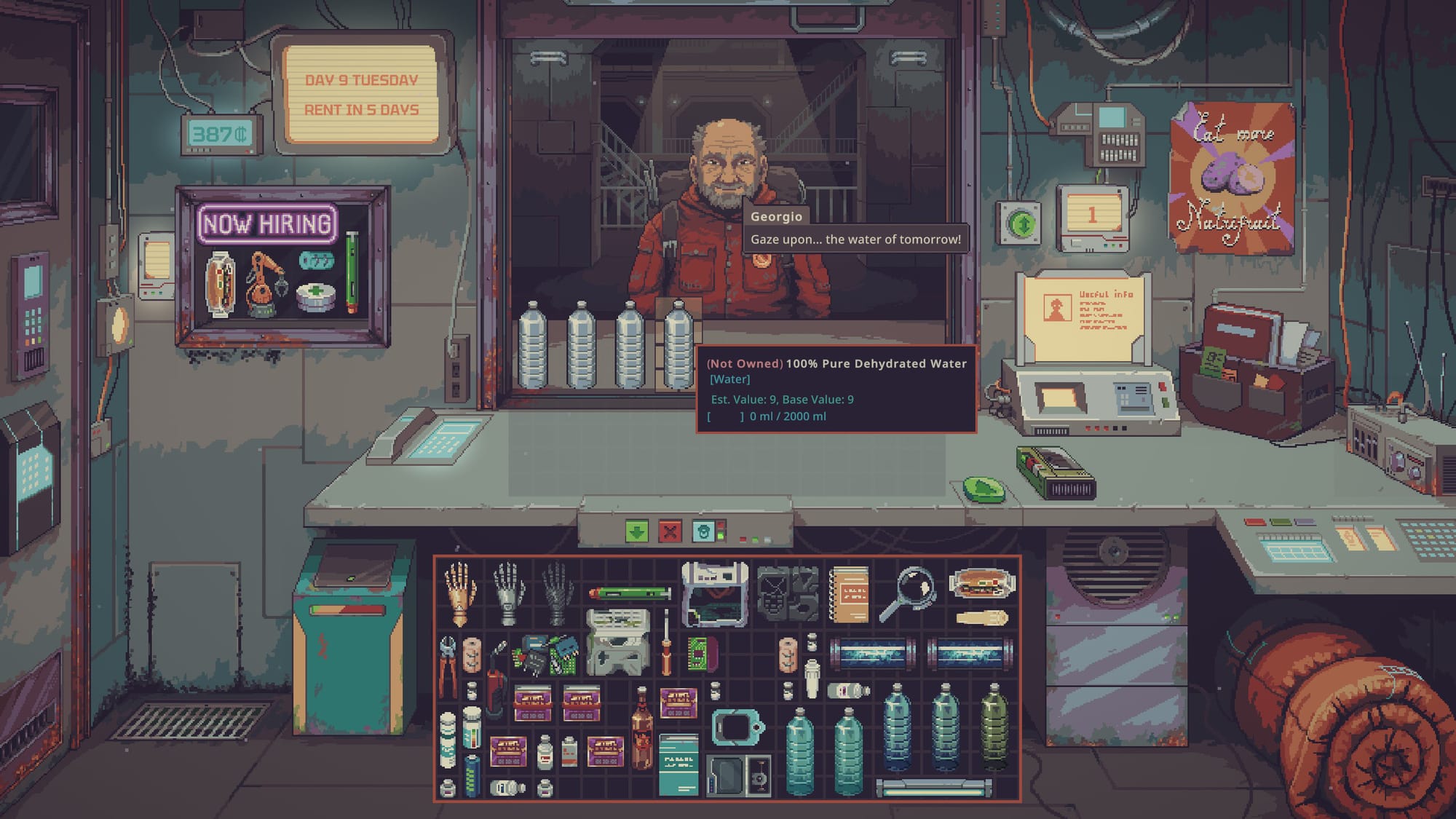
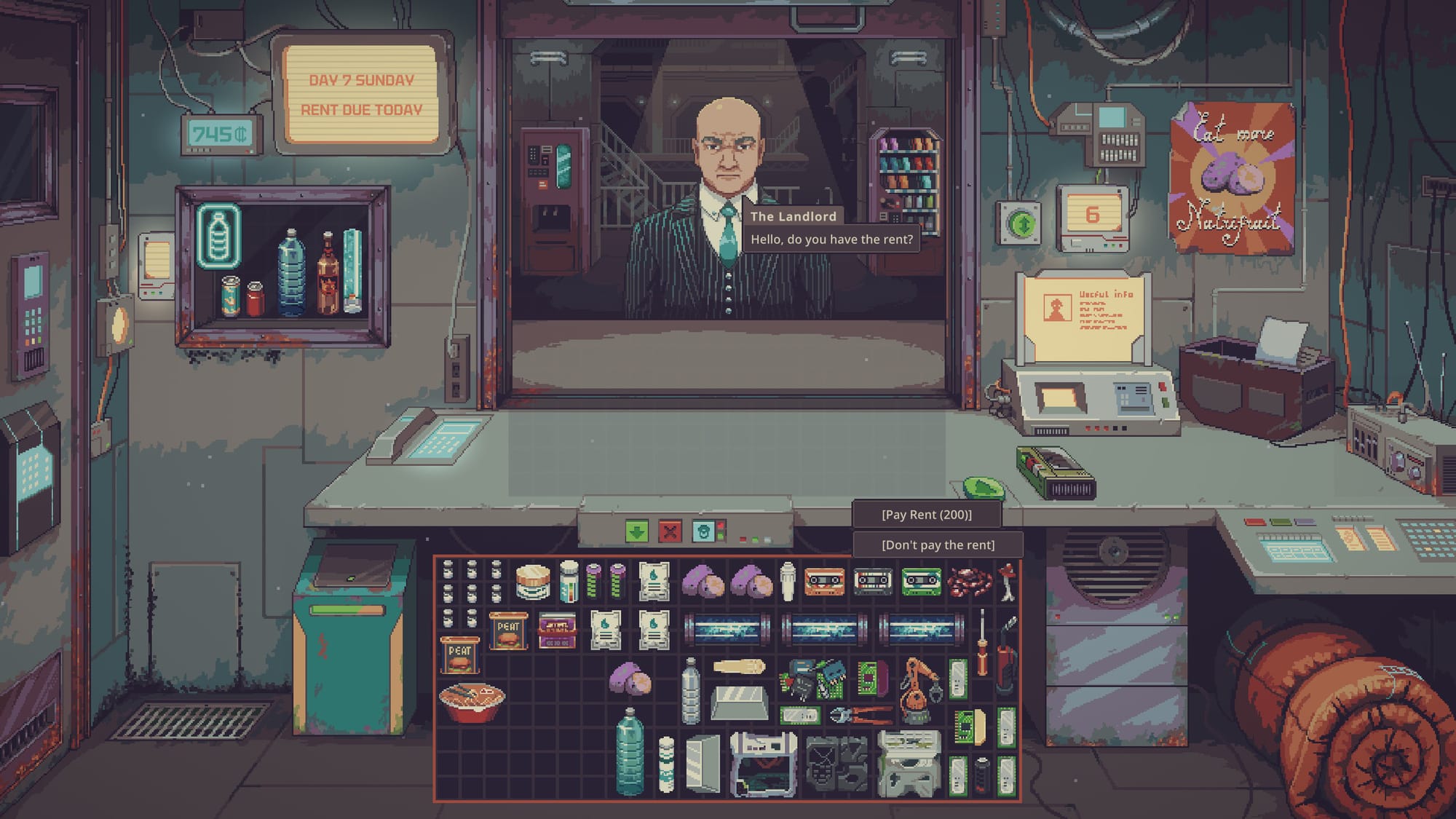
As the title suggests, Probably Stolen – Cyberpunk Shopkeeper Sim is a game about running a shop in a cyberpunk setting. Set in the 'Lower Levels' of a dystopian space station full of moral grey areas, it combines store management and crafting with a checklist mechanic in the style of Papers, Please. The aim is essentially to sell items to customers and buy other items as cheaply as possible, while carefully checking exactly what is being purchased in an attempt to keep the shop running, earn enough credits to pay the ever-rising rent, and ultimately buy one's freedom. As honest trade barely brings in enough to cover running costs, players quickly become involved in the black market, especially since the station is ruled by unscrupulous factions, corrupt security forces, wanted criminals, and other troublemakers. Not to mention the sentient AI Augs that mimic customers. This means players never know who will be standing at their counter next, or whether they are out to rip them off or are interested in the 'special' goods.
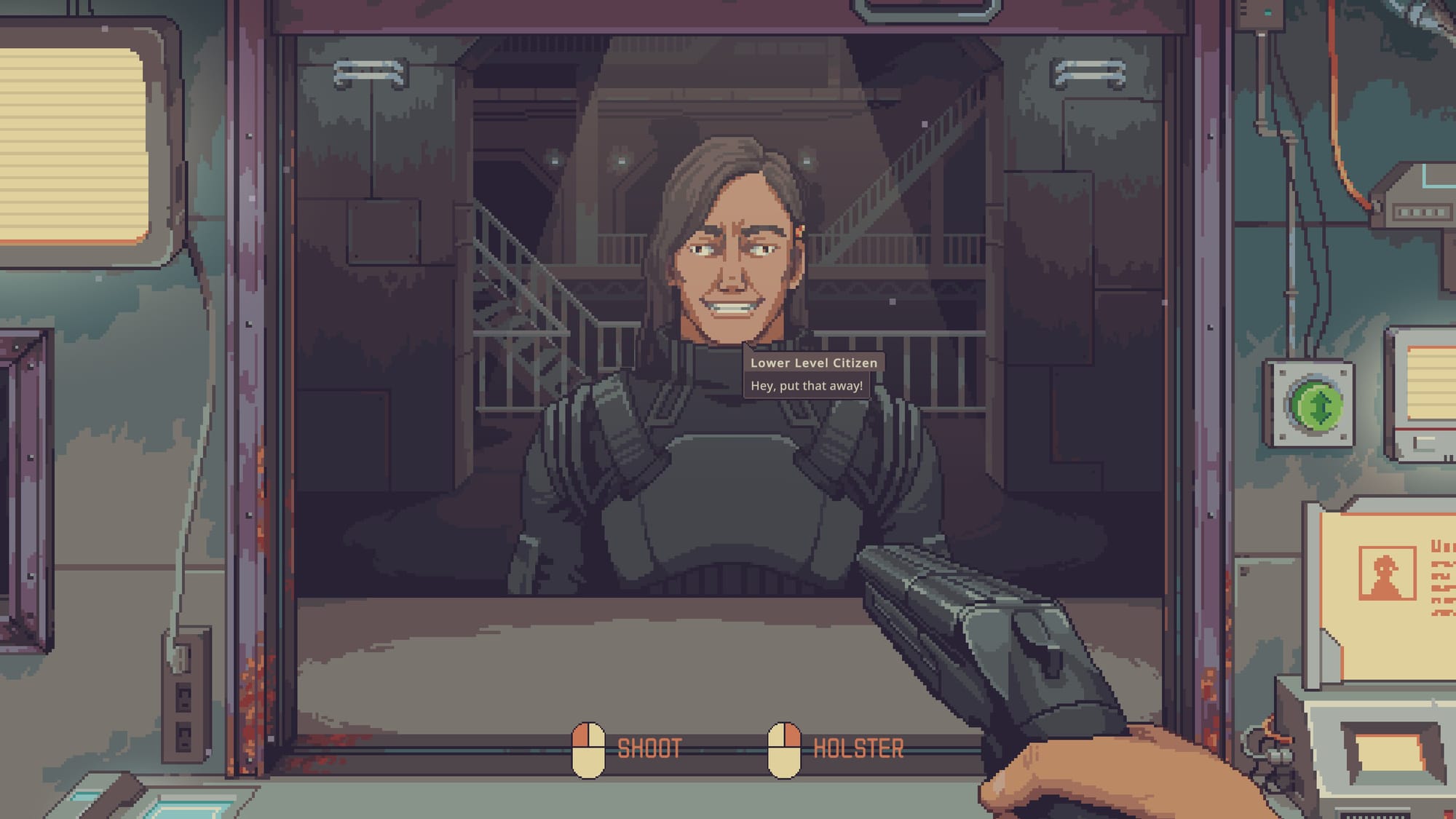
In addition, players have a hidden weapon under the counter. If they identify an AI-controlled host based on subtle behavioural or scan indicators, they have official permission from all factions to shoot them on the spot. However, if they mistakenly shoot a normal customer, there are serious consequences.
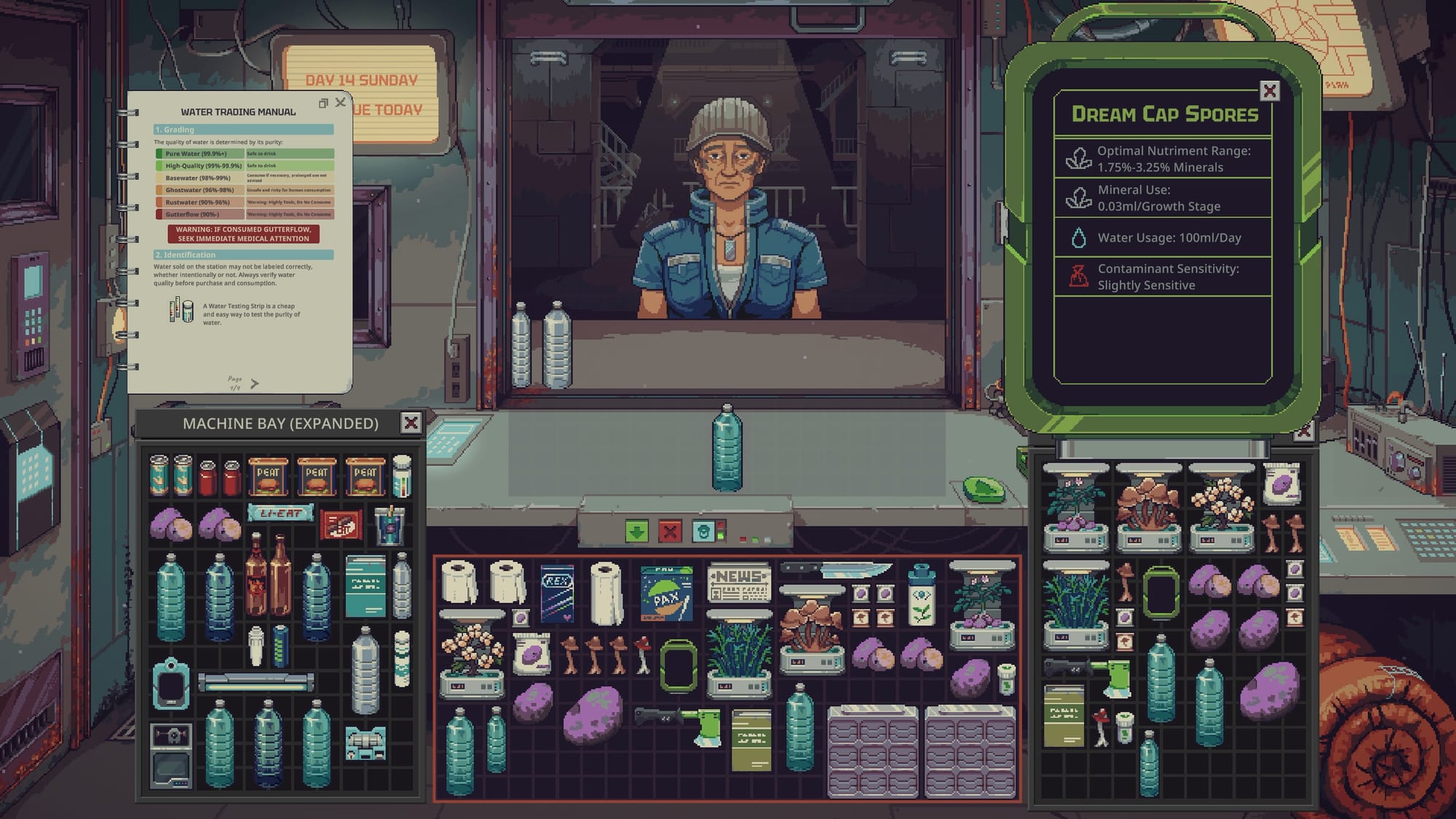
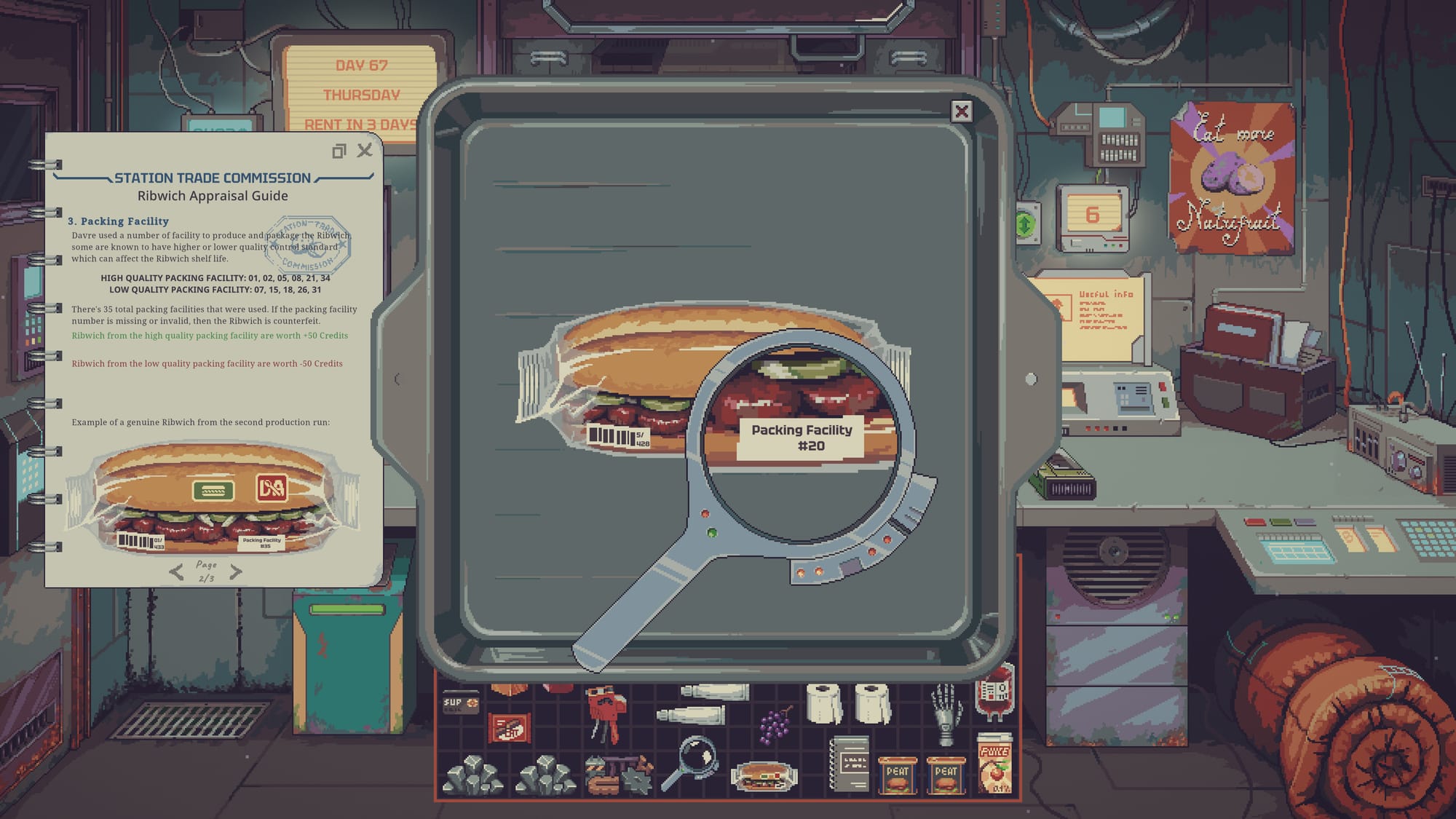
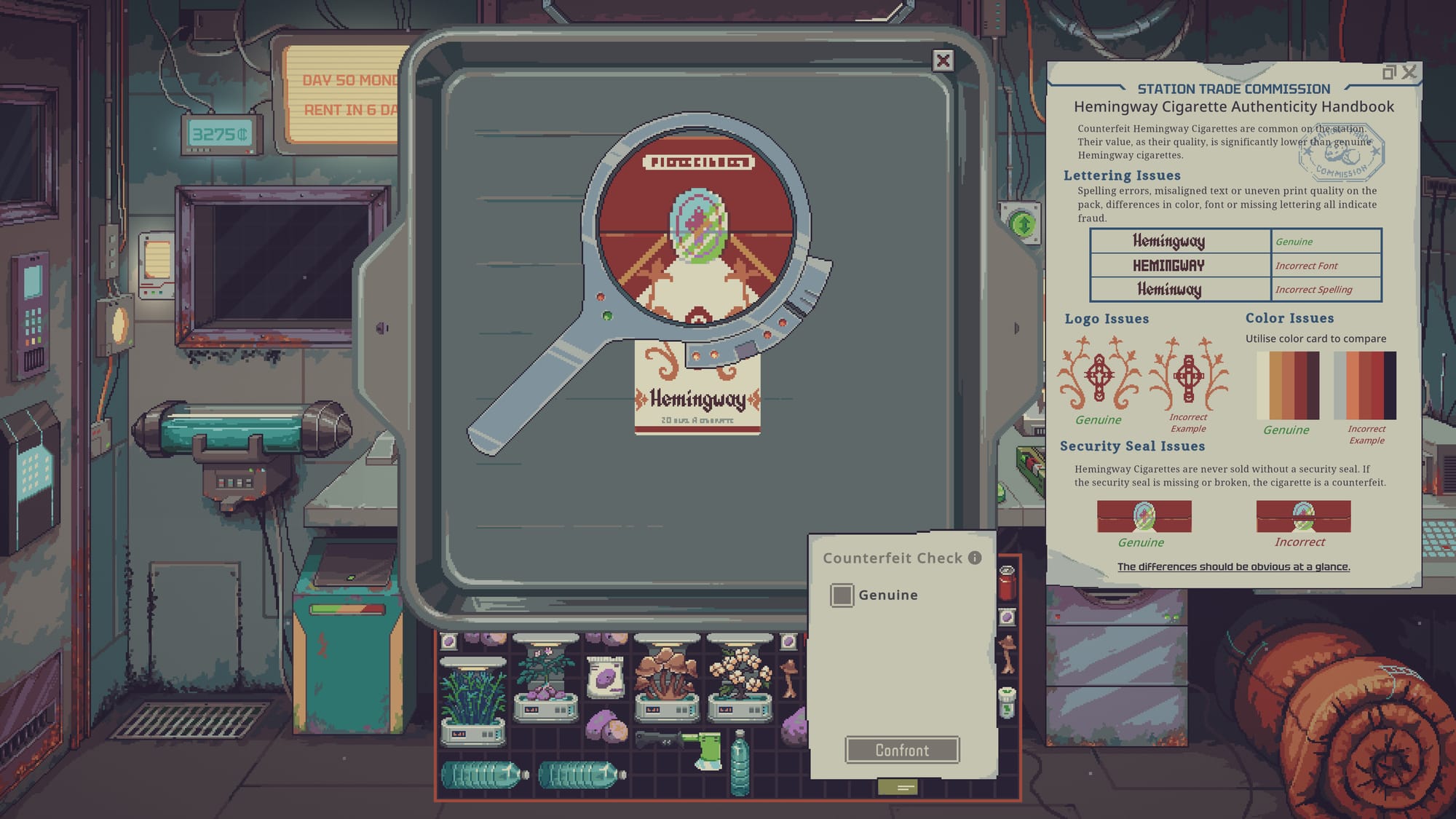
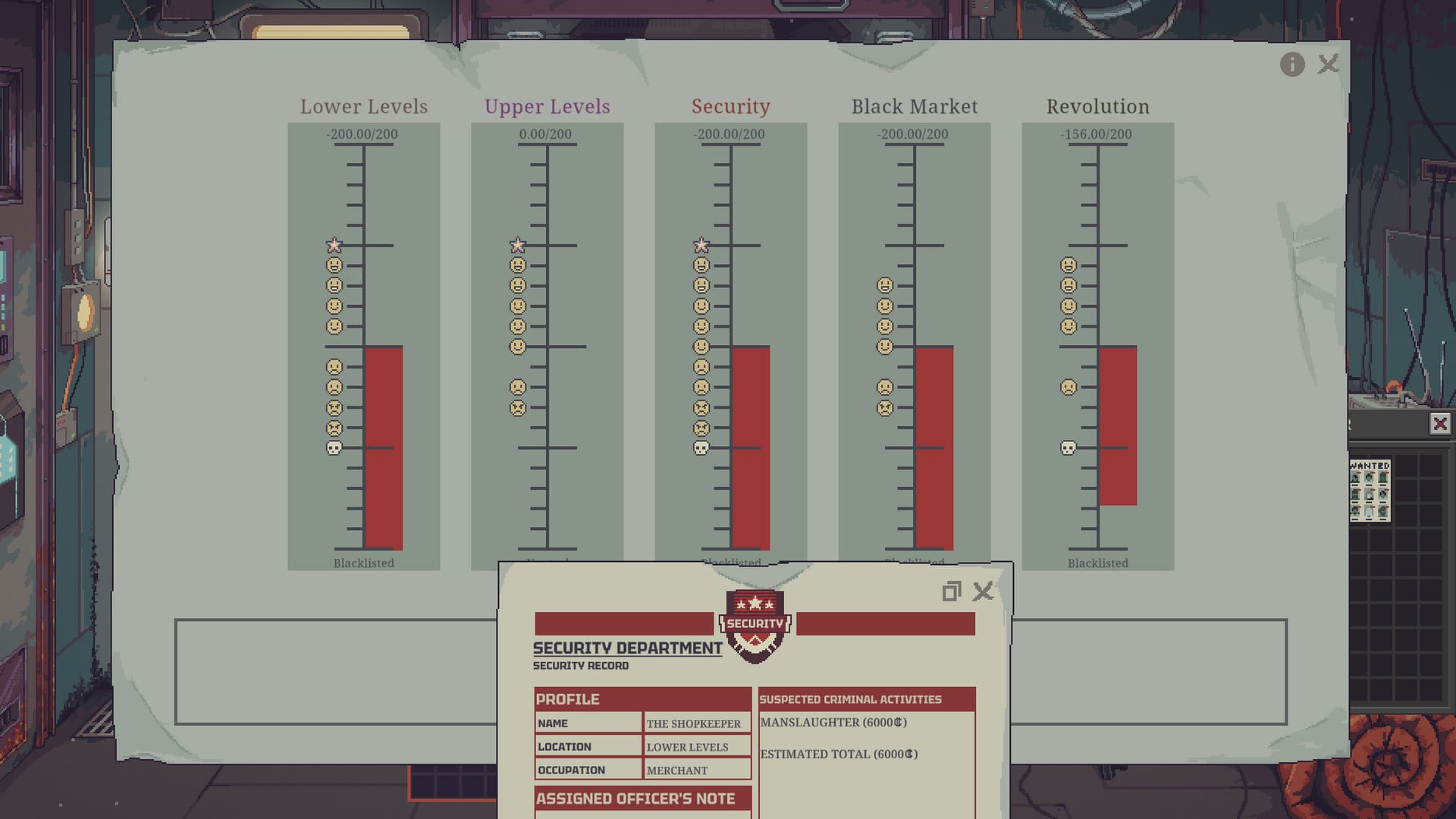
Most of the gameplay takes place behind the shop counter and is presented in a detailed 2D pixel art style. Customers and suppliers are constantly offering or looking for items. Before buying or selling, players must closely examine the goods. Are the packets of cigarettes counterfeit? Is the drinking water contaminated? Is that rare antique really worth as much as the seller claims? Using scanners, manuals and direct observation, players can uncover attempts at fraud – or relabel fakes themselves. The highest profit margins come from stolen goods and contraband, although the station's security authorities carry out regular checks. Anyone handling illegal goods must either hide them in time or bribe the inspectors. Every sale is a gamble. Every customer at the counter demands a decision. Should players report a wanted criminal to security in order to collect the bounty and boost their reputation with the authorities, or should they cover for the criminal in order to secure lucrative underworld contacts? Do they help the starving or exploit their situation? Every action affects your standing with the station's various factions and changes the business opportunities available.
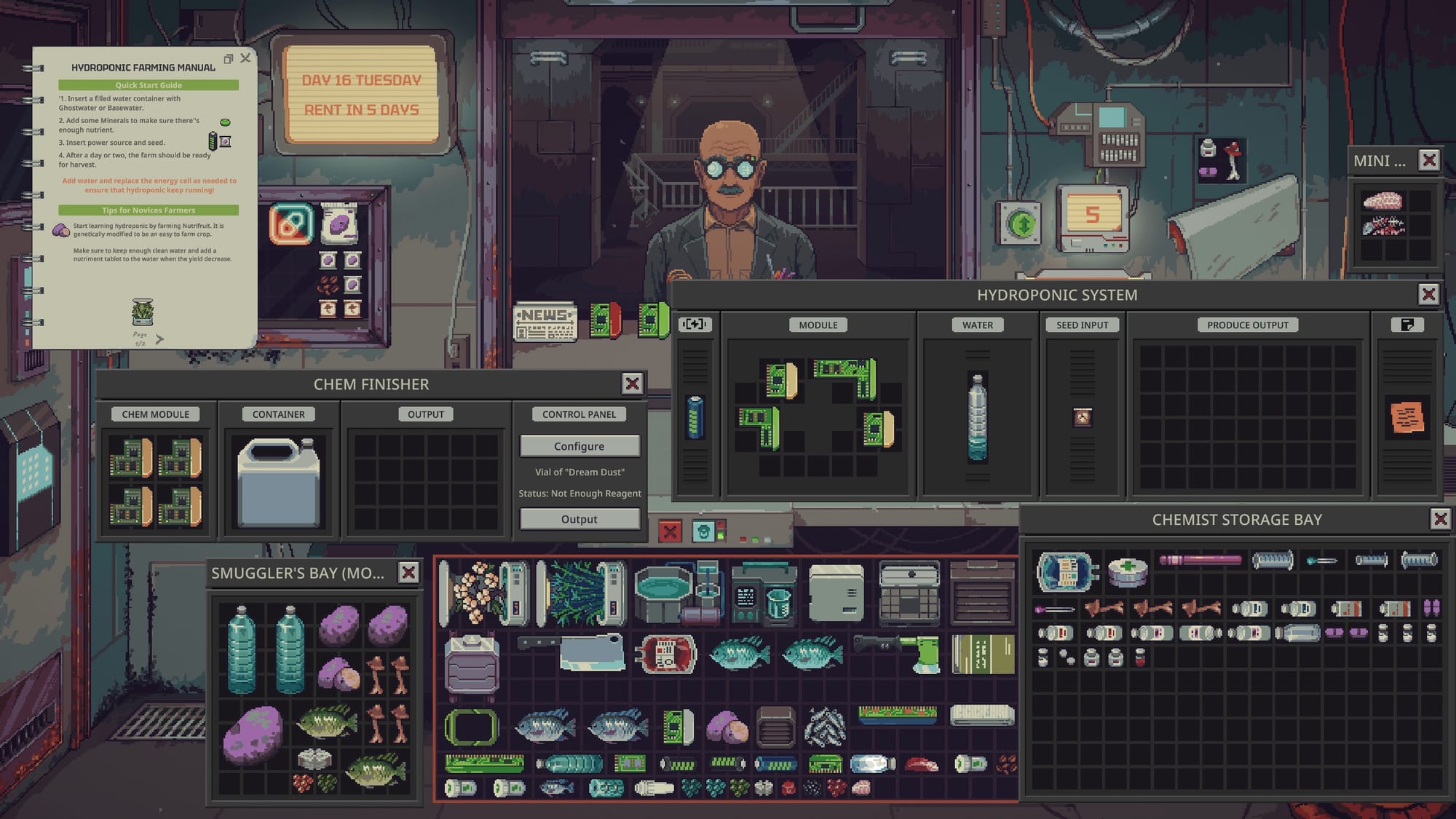
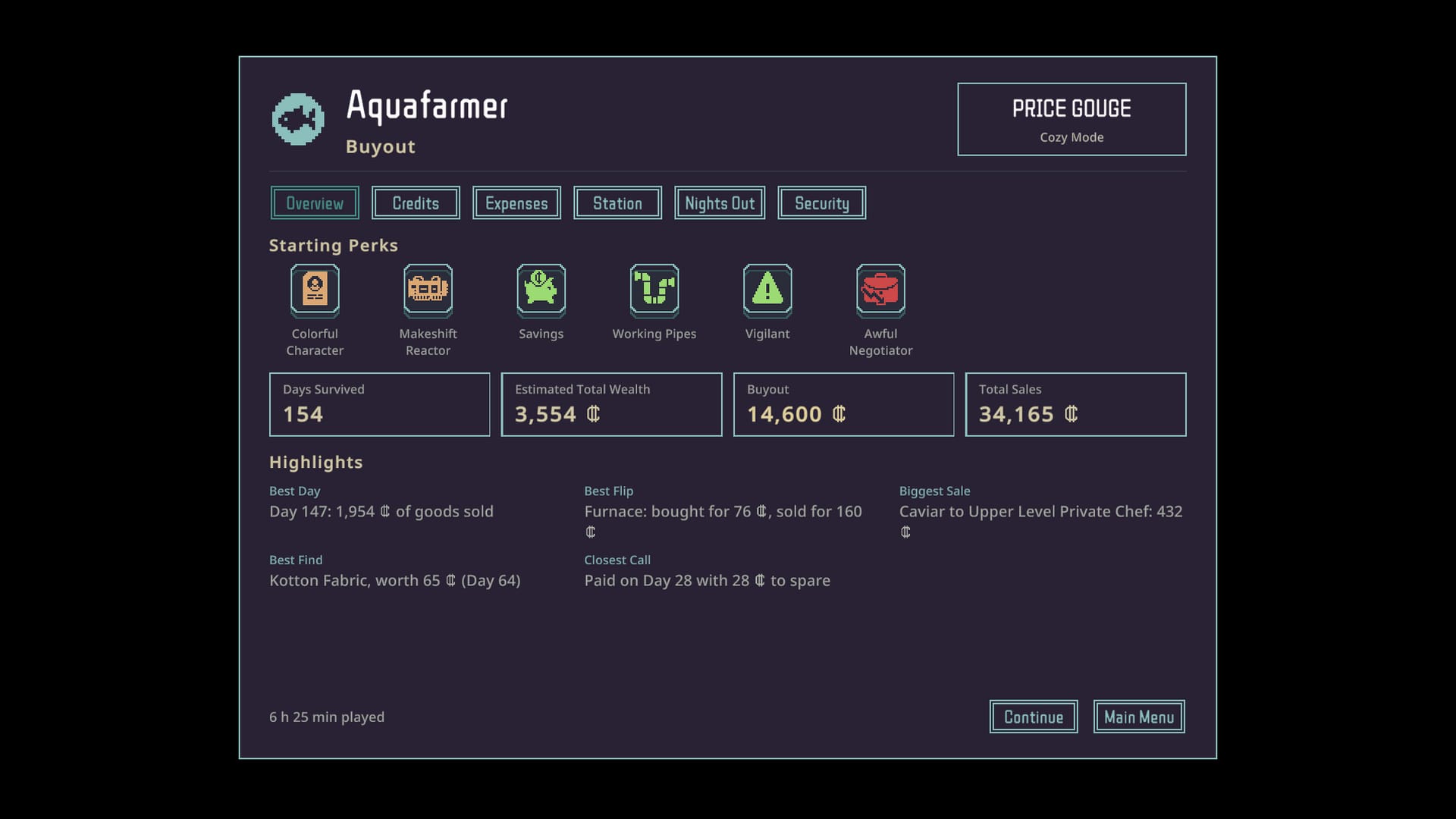
Rather than simply buying and reselling goods, players can expand the back room significantly – managing machines and production chains to craft valuable artefacts. Ultimately, players can purchase rare and useful machines, unlocking critical upgrades, kits and licences needed for progression. There are also various starting scenarios, including the tutorial as an apprentice, for example. After that, career paths include gunsmith, chemist, water merchant, fence, farmer or starting from rock bottom. Each product line has its own profit curve and way of causing problems: weapons lead to inspections, chemicals lead to addiction, water leads to liability and contraband leads to raids. Some trades require heavy machinery and permits.
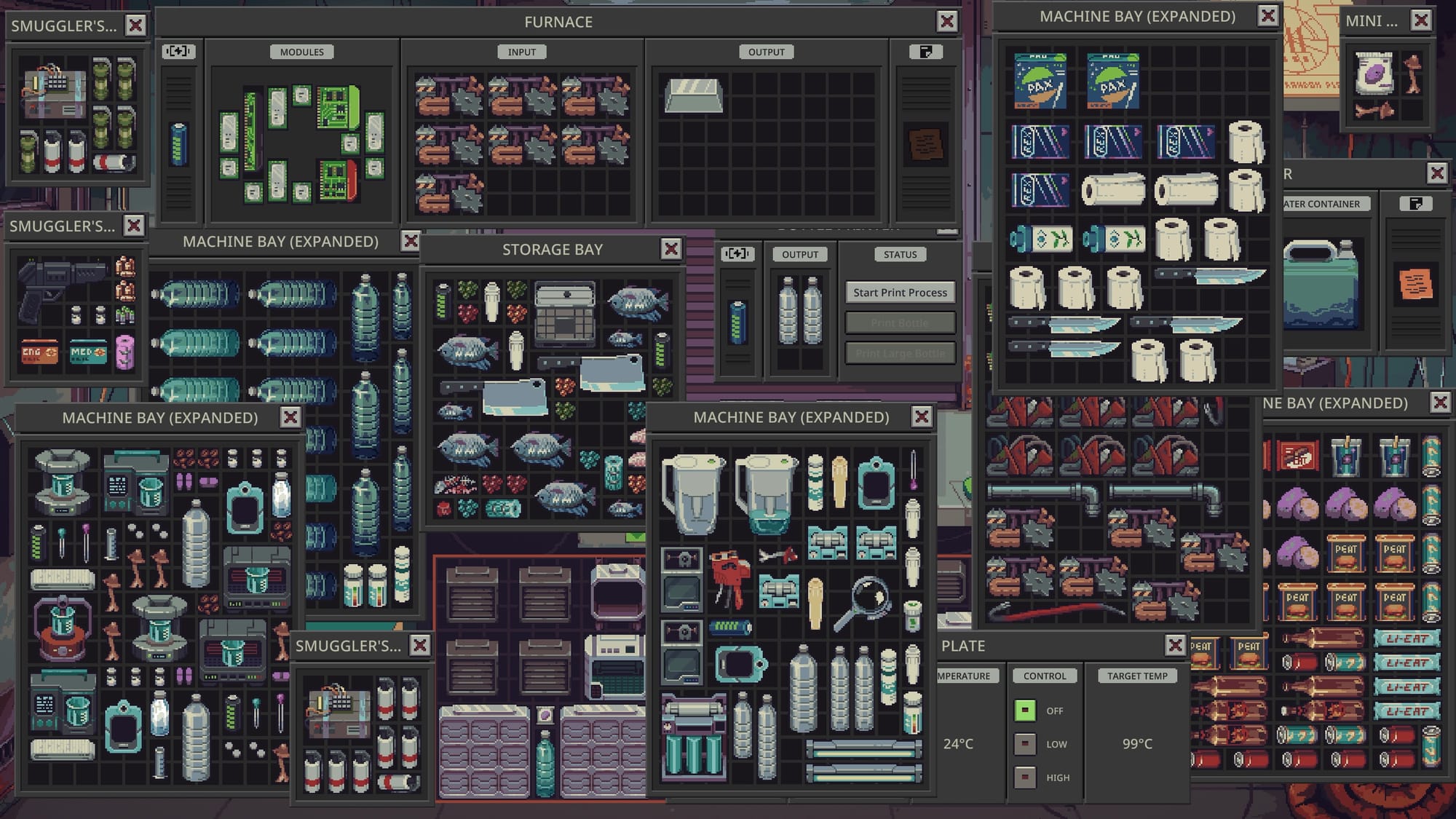
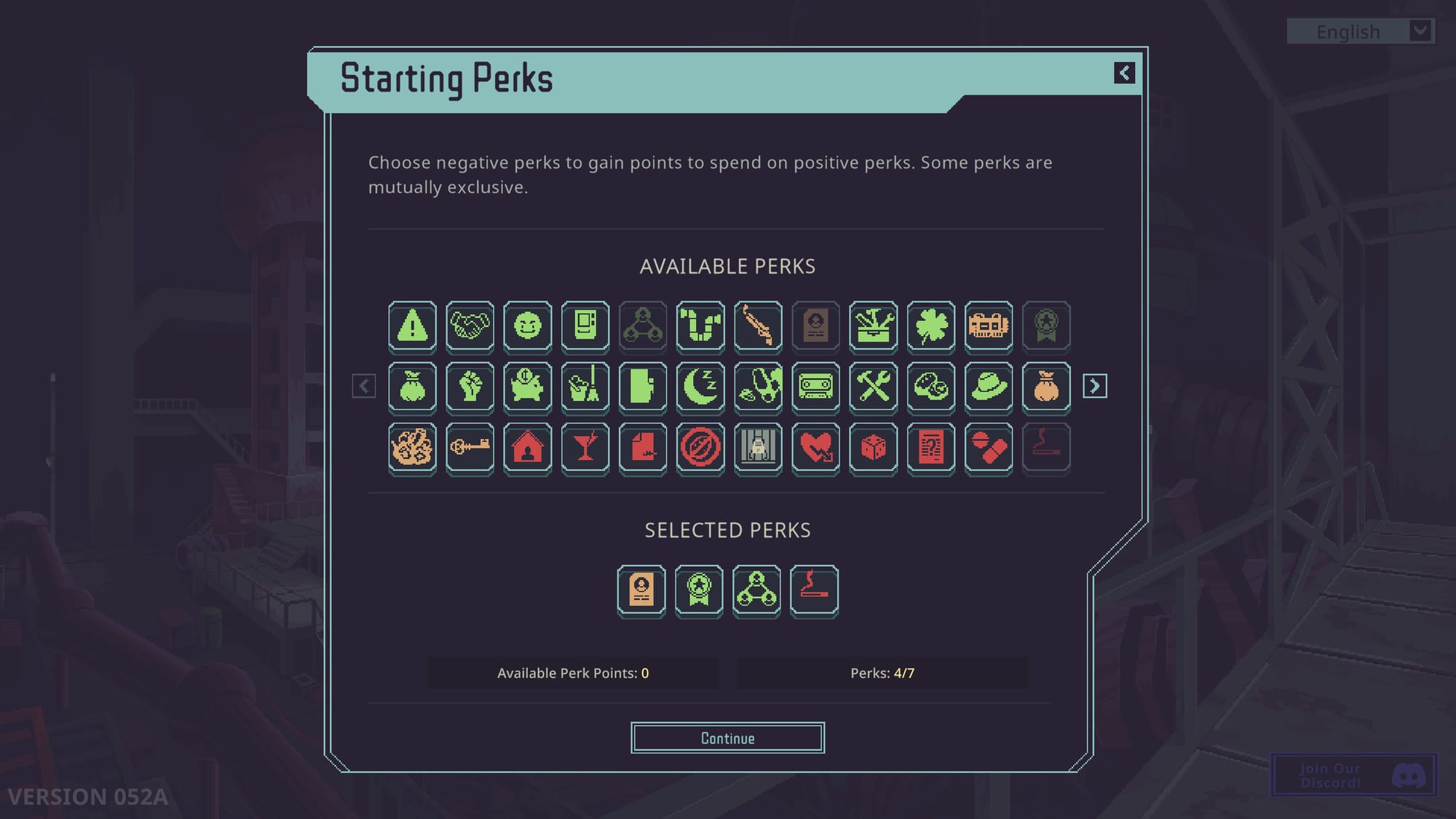
The combination of time pressure from rent payments, collecting loot and expanding the shop creates an extremely engaging gameplay loop. Thanks to the numerous specialisations and faction paths, each playthrough feels different. Moral decisions directly affect the range of goods on offer, prices, and survival chances. The gameplay is generally more complex than expected, combined with a perk point system after the first playthrough. However, players have to get used to 'Tetris-style' inventory management, as well as the cluttered and overloaded user interface. This is rather overwhelming due to the many scanners, inventory tabs, and inspection mechanics, and it takes time to get to grips with it all. Nevertheless, repetition creeps in here and there due to repetitive dialogue and check procedures.
Probably Stolen – Cyberpunk Shopkeeper Sim is the first game from Questing Goose Studio, a small independent game studio based in Montreal, Canada. Probably Stolen was previously called Deepspace Emporium and had a demo last year. When publisher tinyBuild came on board, the project became larger, more elaborate and more ambitious. Although headquartered in the Seattle area of the USA, tinyBuild has a strong global presence, with studios across the US, the Netherlands and Eastern Europe. Starting out as an indie game developer, the company has evolved into a developer-publisher committed to 'creating long-term partnerships'. They have published dozens of games, including Hello Neighbor, Graveyard Keeper 2, SpeedRunners, I Am Future, The King is Watching, ReStory, and many more.
The Probably Stolen team plans to add more content to the game in future updates, including new starting scenarios and an extension to the main story.
Conclusion
Probably Stolen – Cyberpunk Shopkeeper Sim is a roaring success for Questing Goose Studio and tinyBuild. The shopkeeper simulation is captivating, surprisingly deep and cleverly designed.
Marcel Kleffmann is Chief of Content of GamesMarket and our B2B and B2C expert for hardware, market data, products and launch numbers with more than two decades of editorial experience. (marcelDOTkleffmannATgamesmarktDOTde)