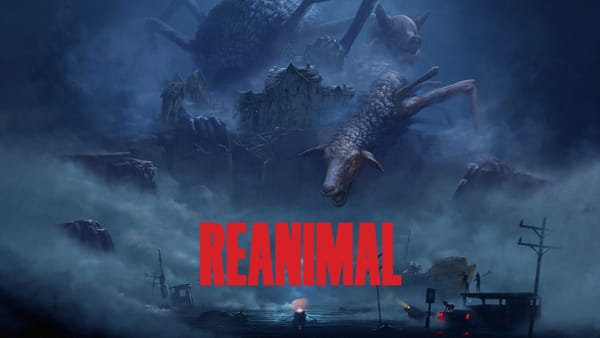
Reanimal is on over a million wish lists - and that's just on PC. The demo has also been downloaded over a million times. This (co-op) horror adventure from Tarsier Studios and THQ Nordic has already caused quite a stir. Rightly so?
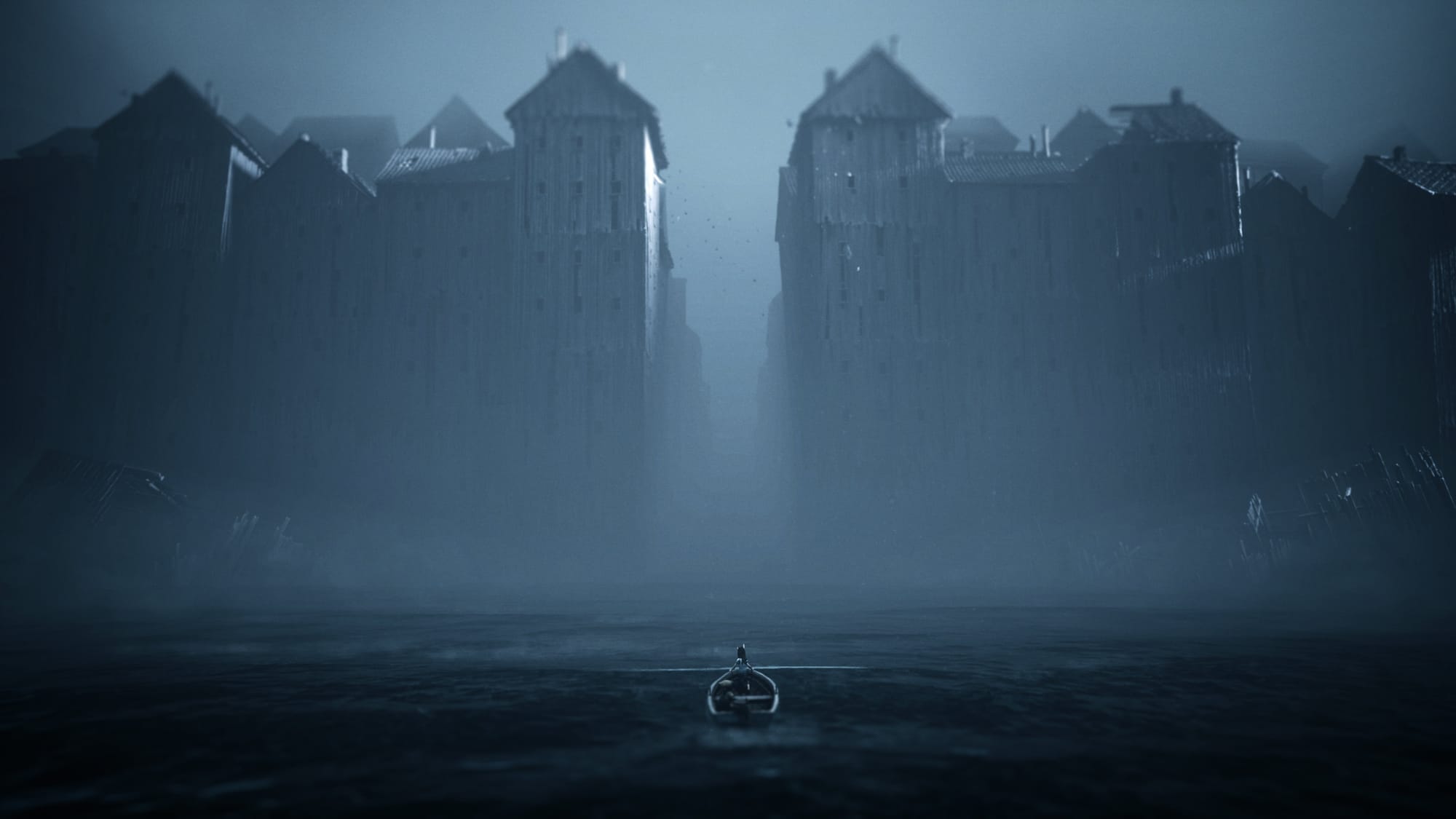
Friday the 13th is, of course, the perfect date for horror games, and this is exactly what Austrian publisher THQ Nordic had in mind when choosing the launch date for Reanimal. This horror adventure sees a brother and sister go through hell together to rescue their missing friends. Players must use their wits to survive on water and on land, working together to escape a hellish, war-torn island, uncover a dark secret from their past and overcome deep-seated fears. Reanimal is designed as a cooperative experience for two players (local and online). For solo players, an AI player takes on the role of the other character, which works well for the most part. However, it could generally benefit from more co-op interactions; Hazelight's games excel in this area. Reanimal features a Friend's Pass, enabling owners of the game to invite their friends to play with them in either online or couch co-op mode free of charge.
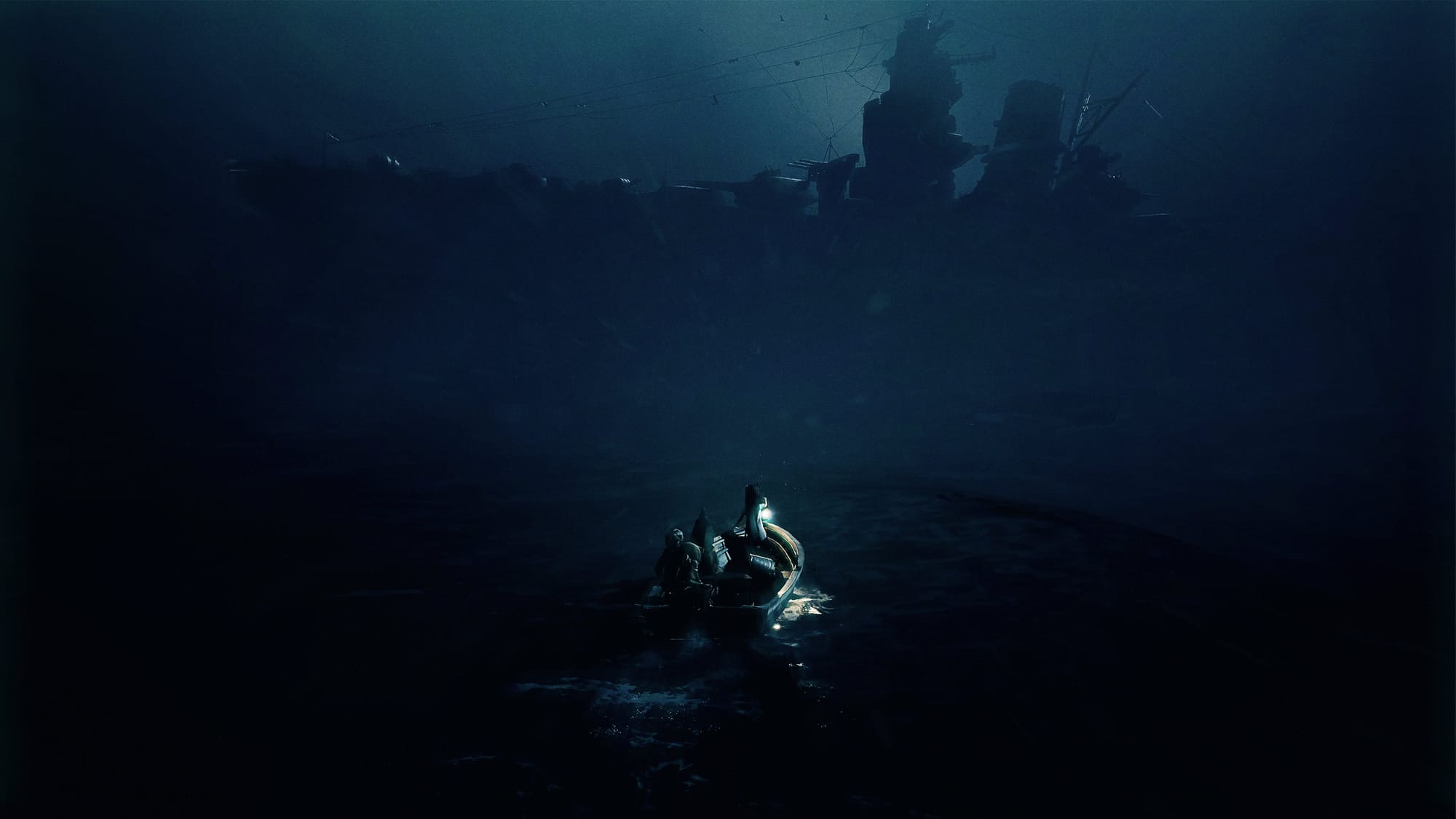
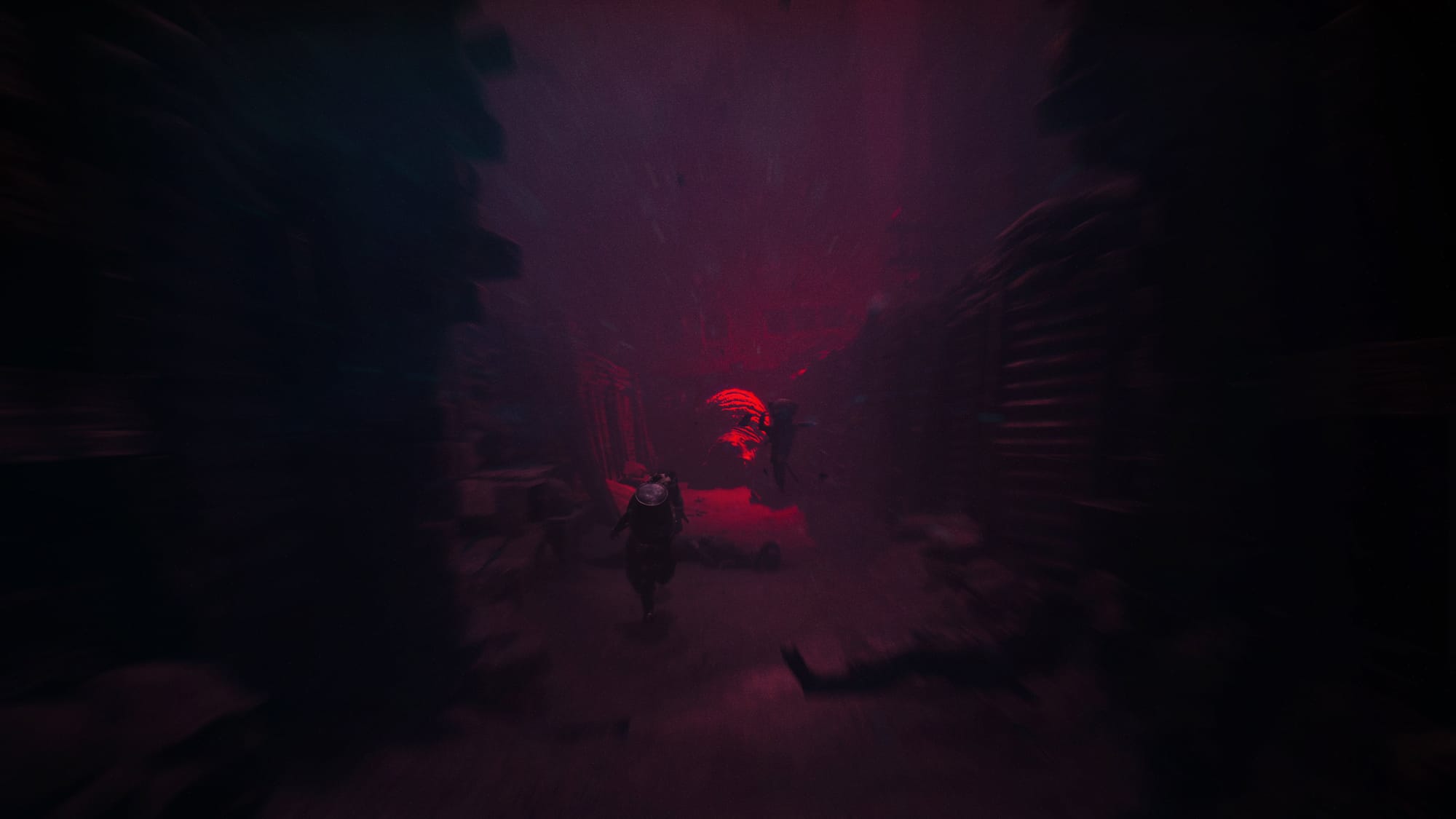
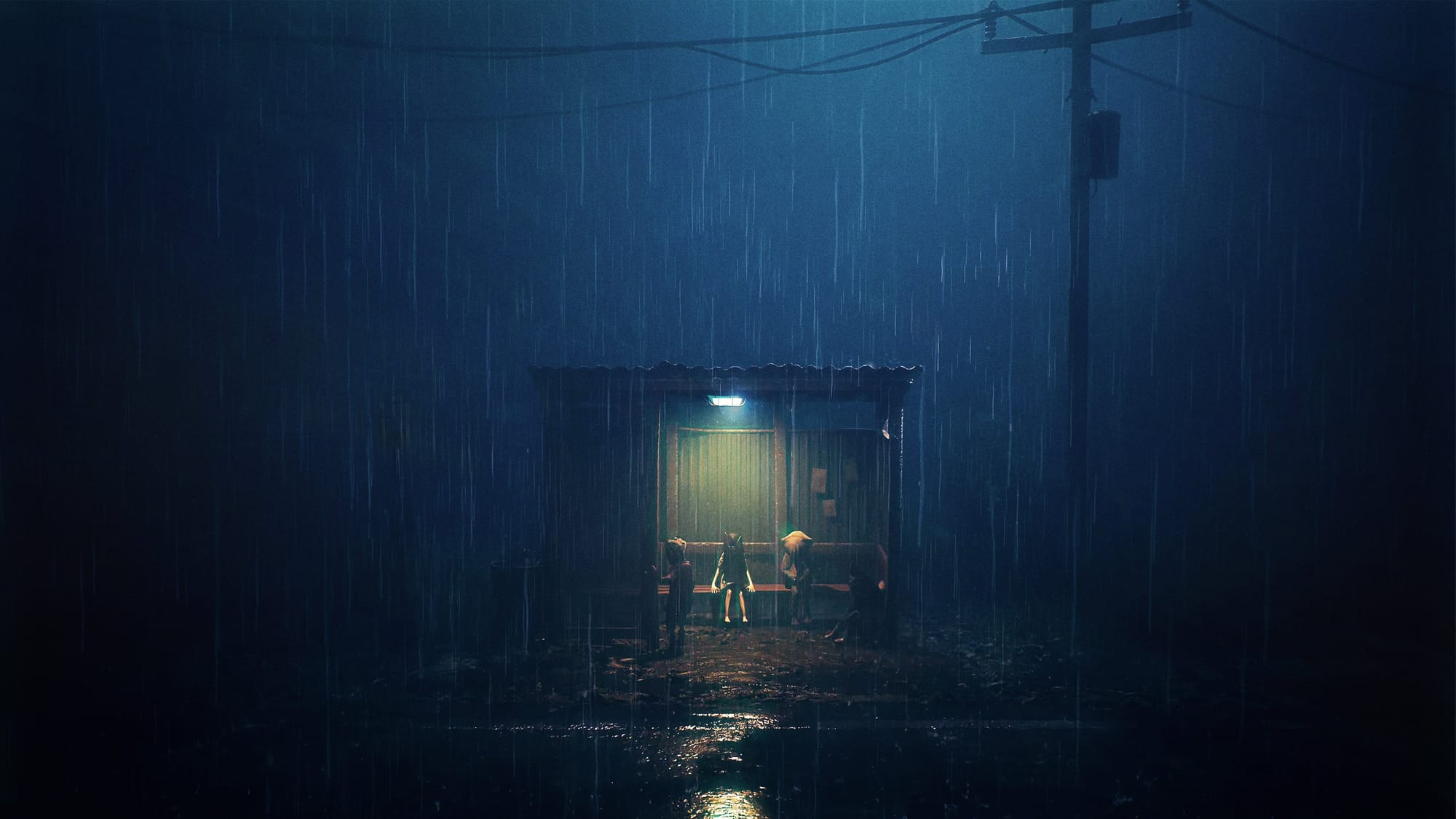
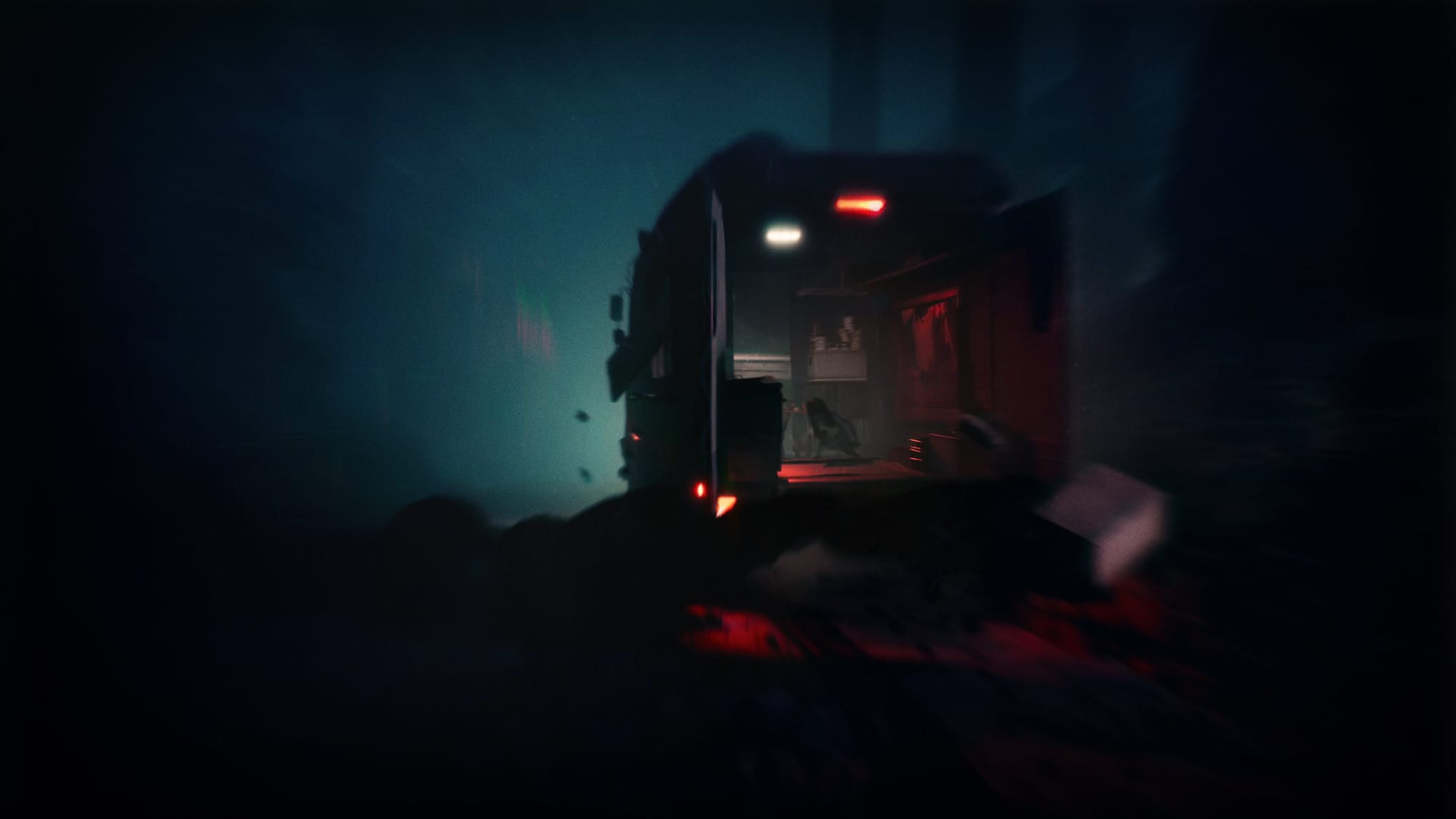
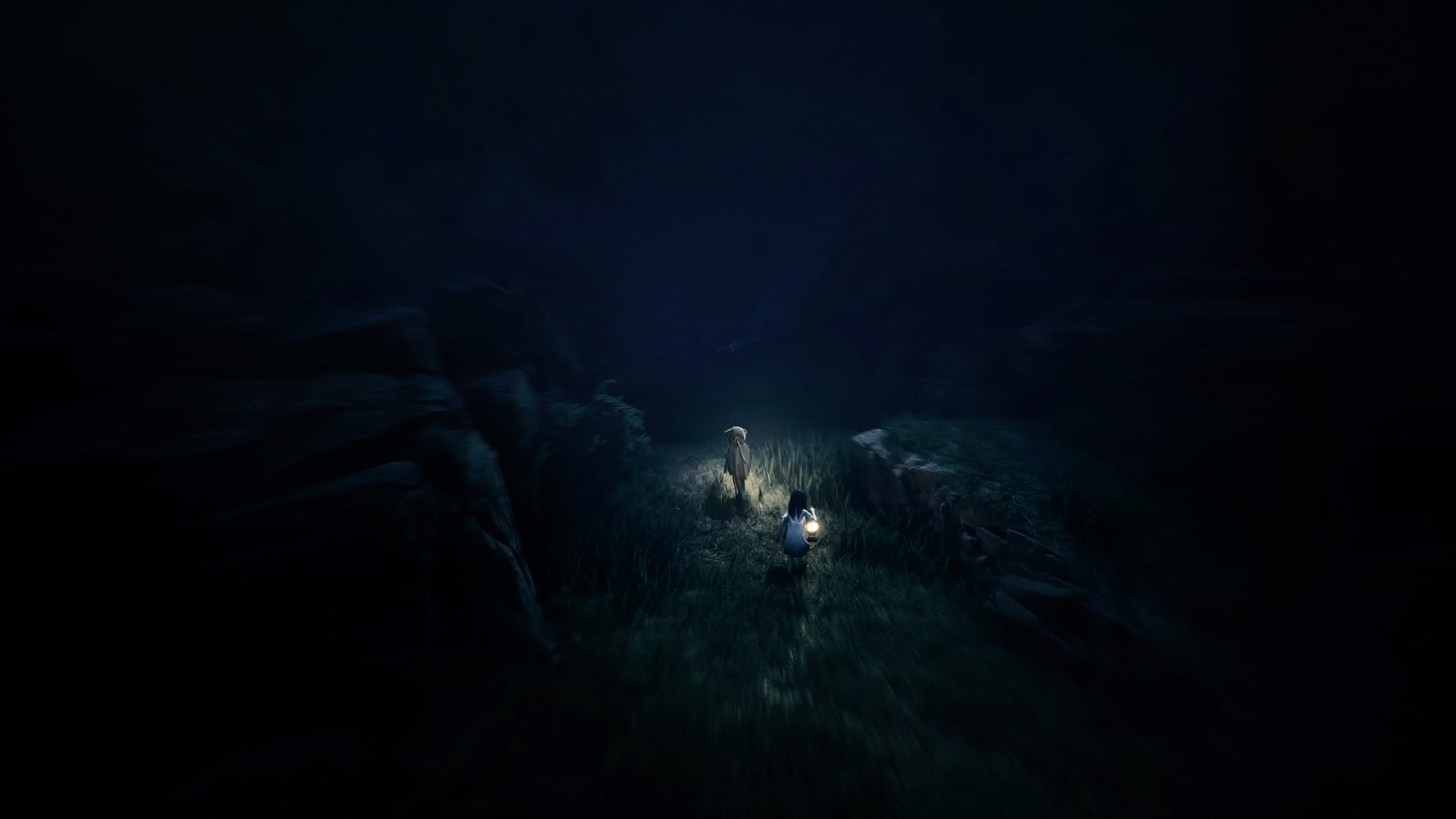
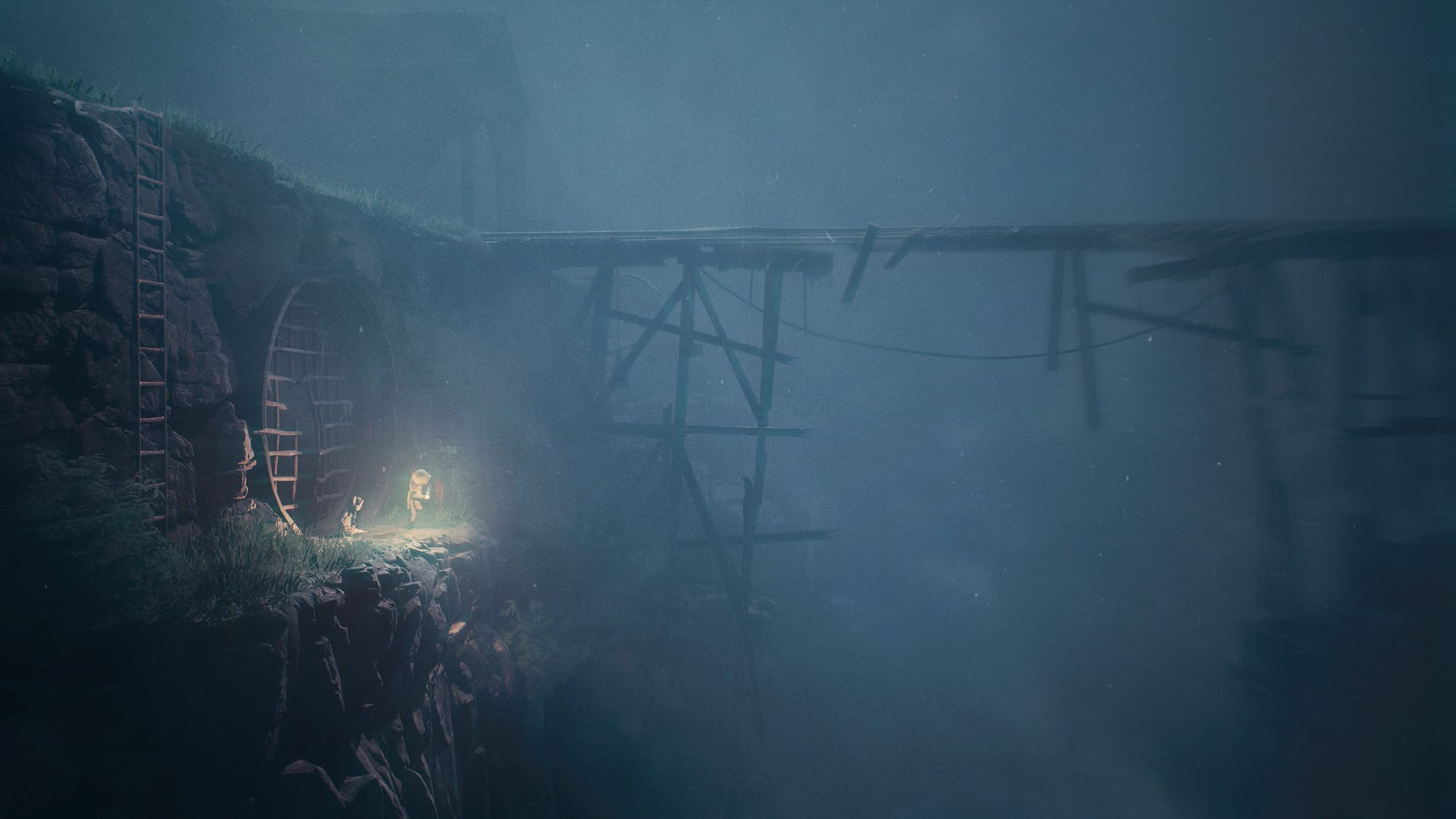
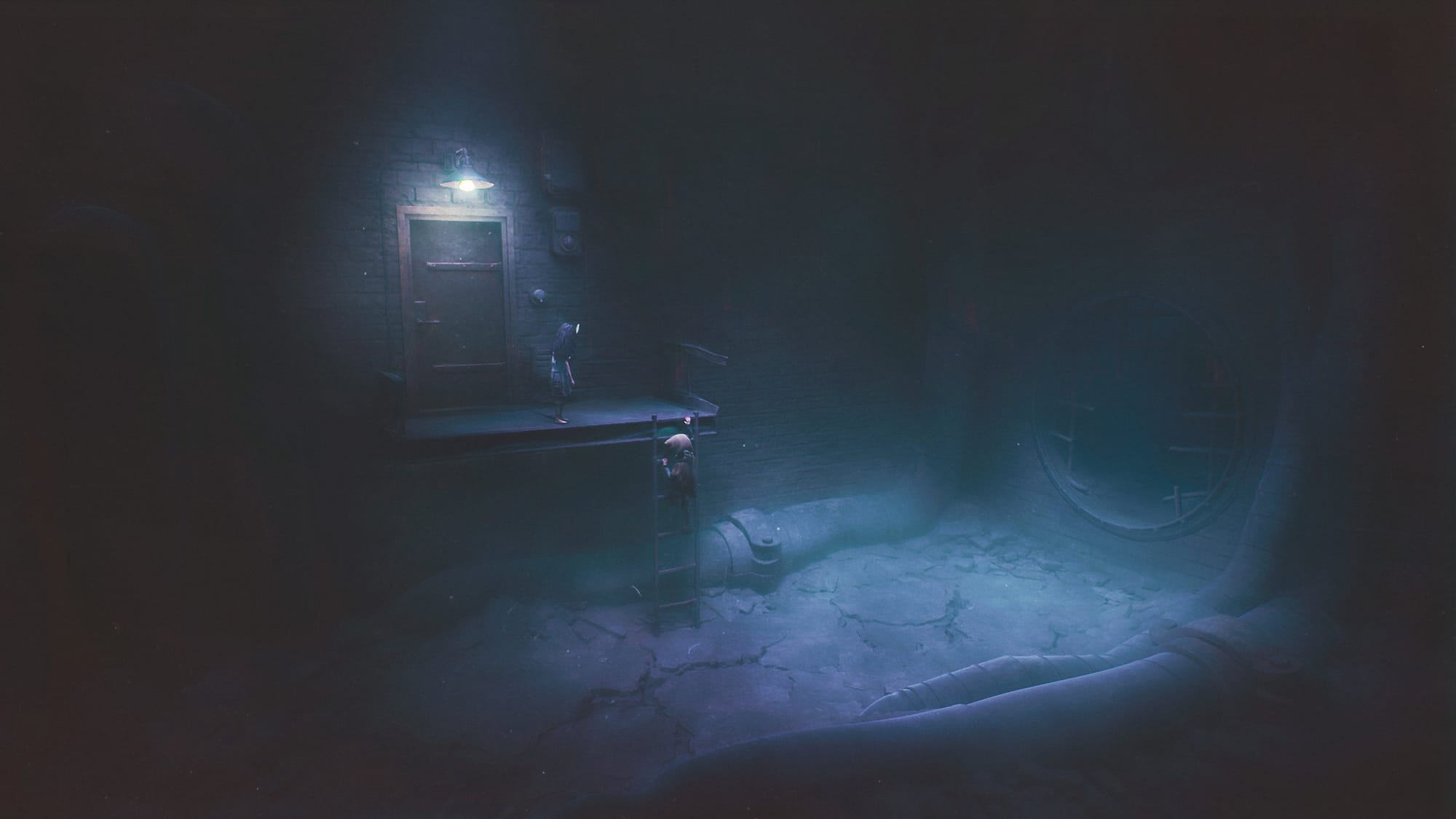
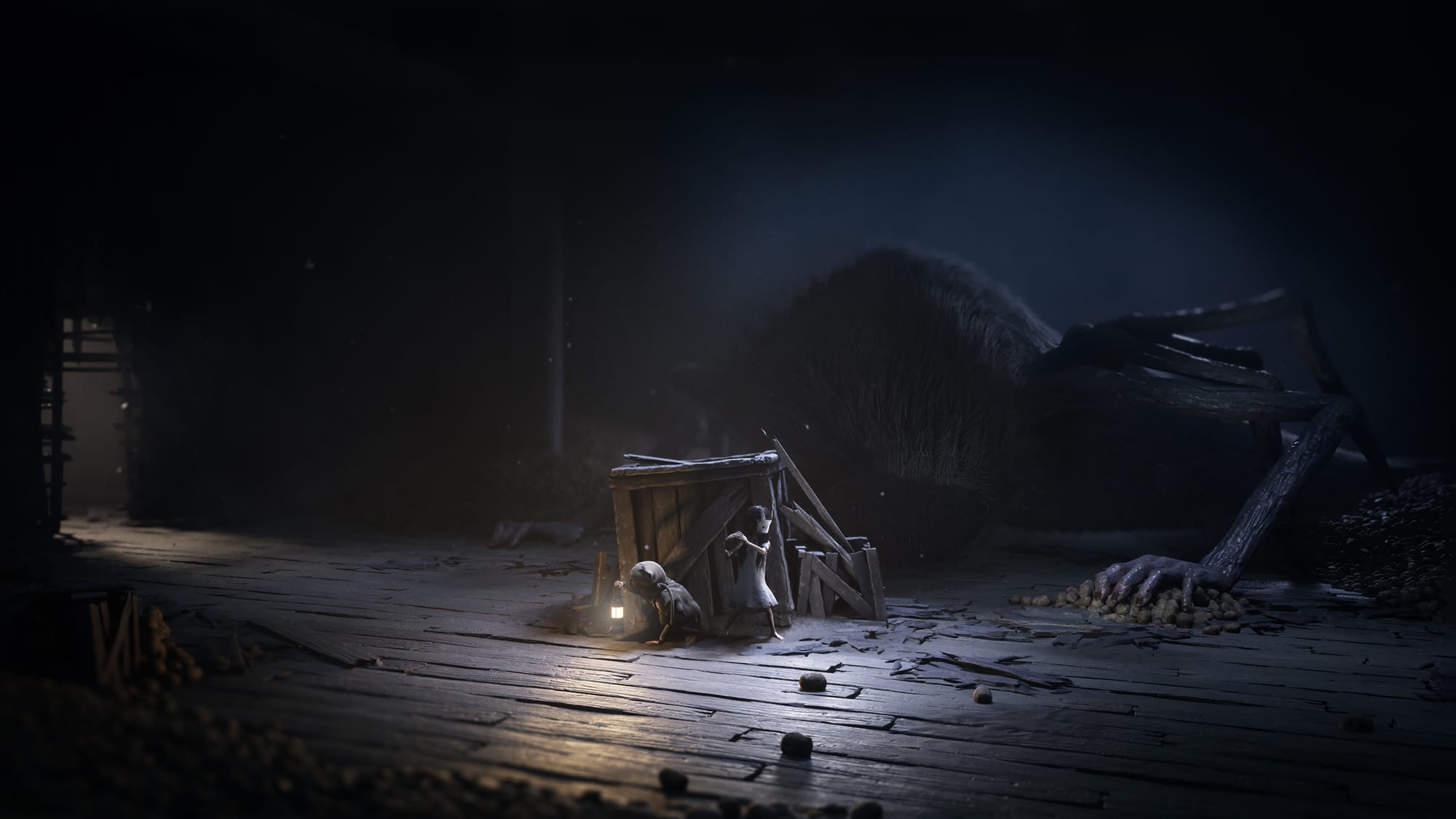
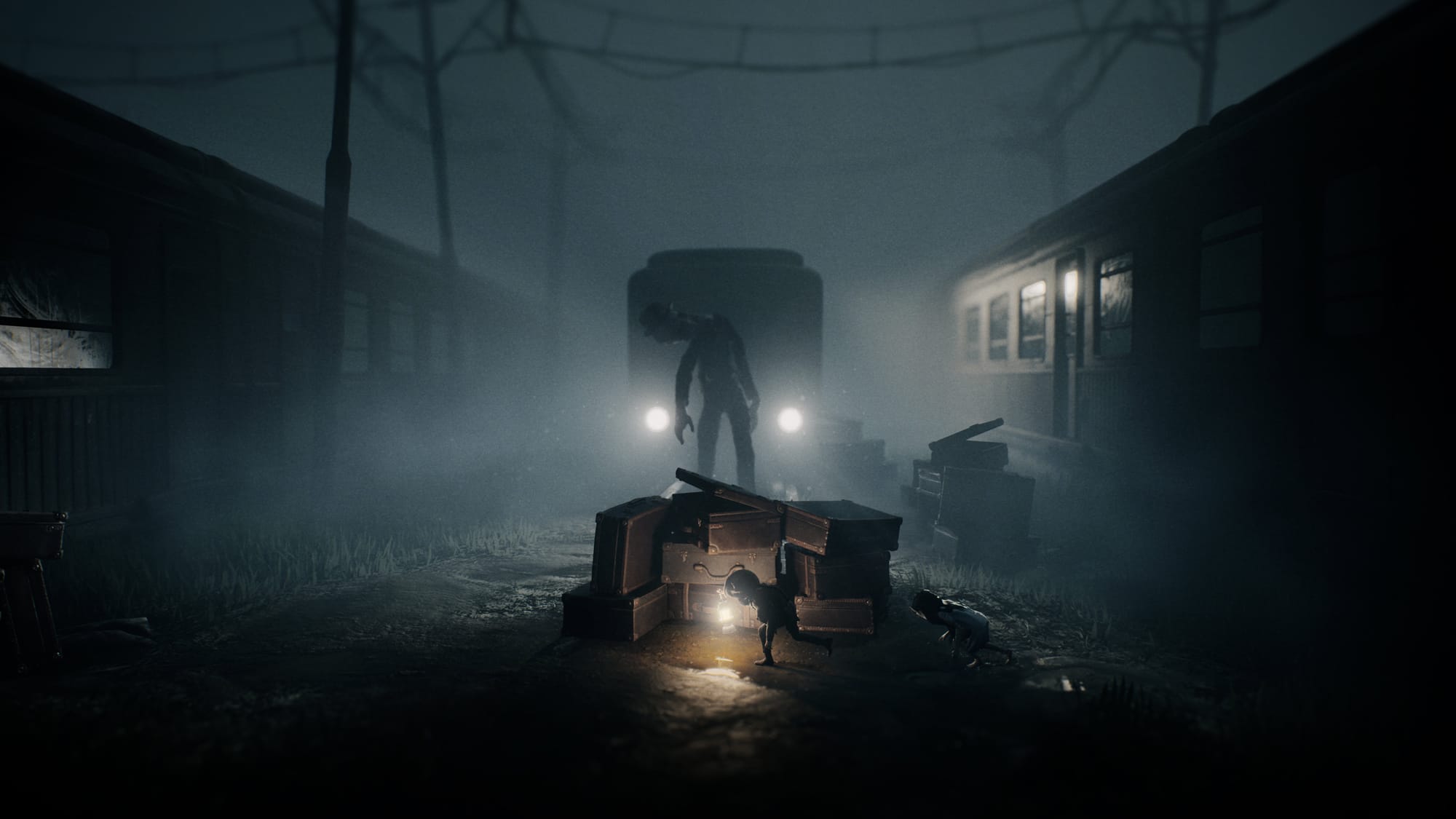
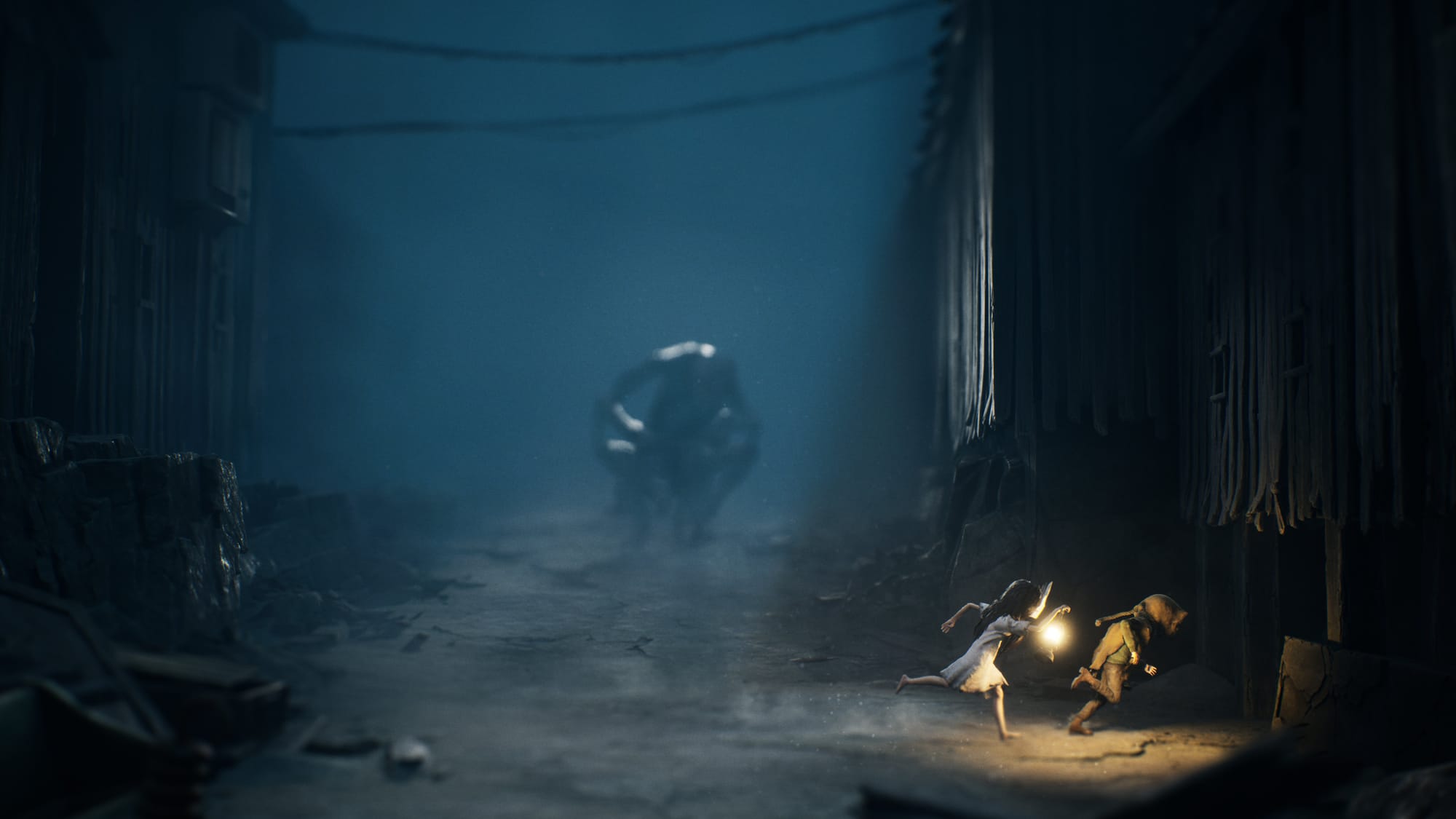
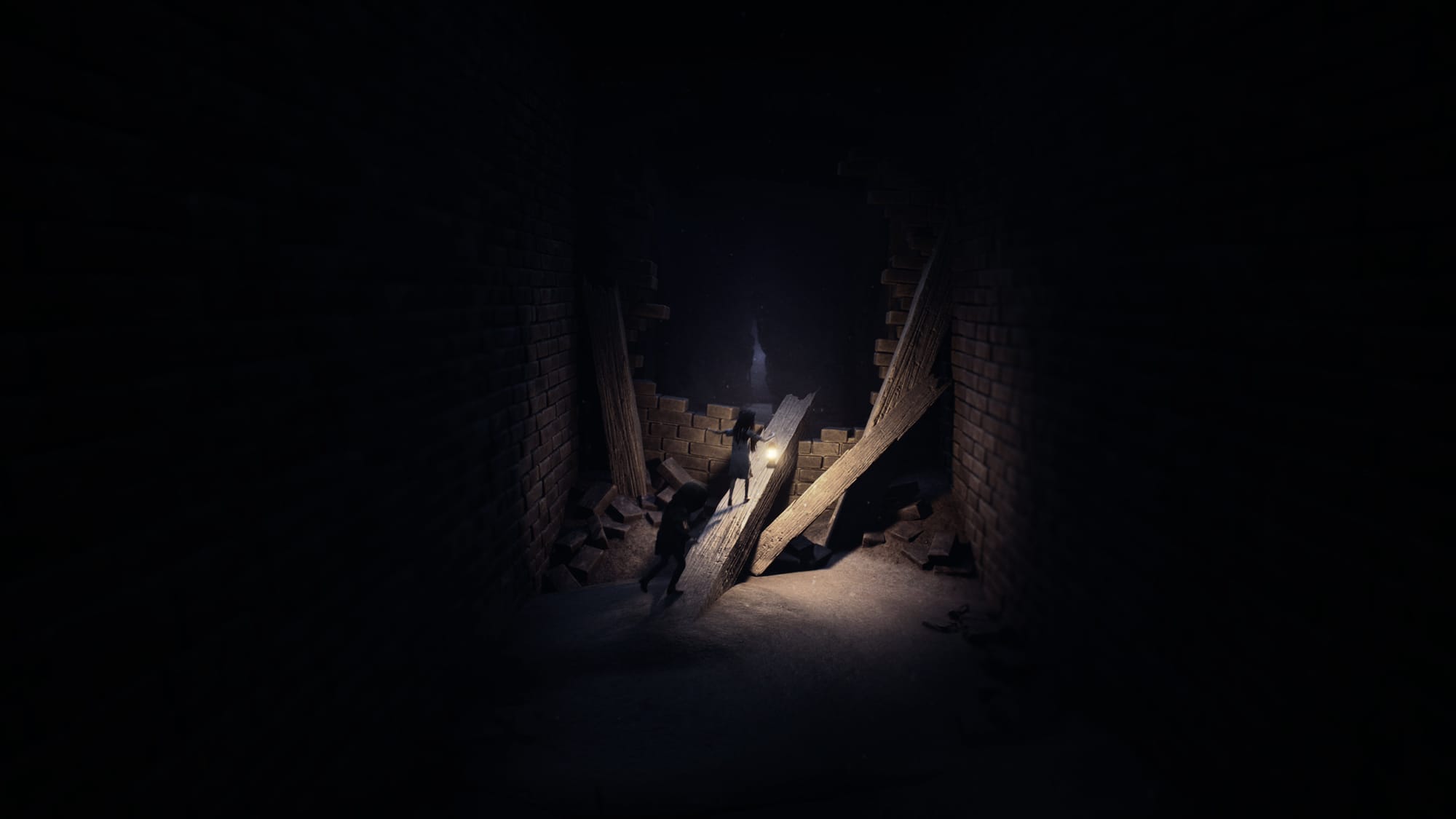
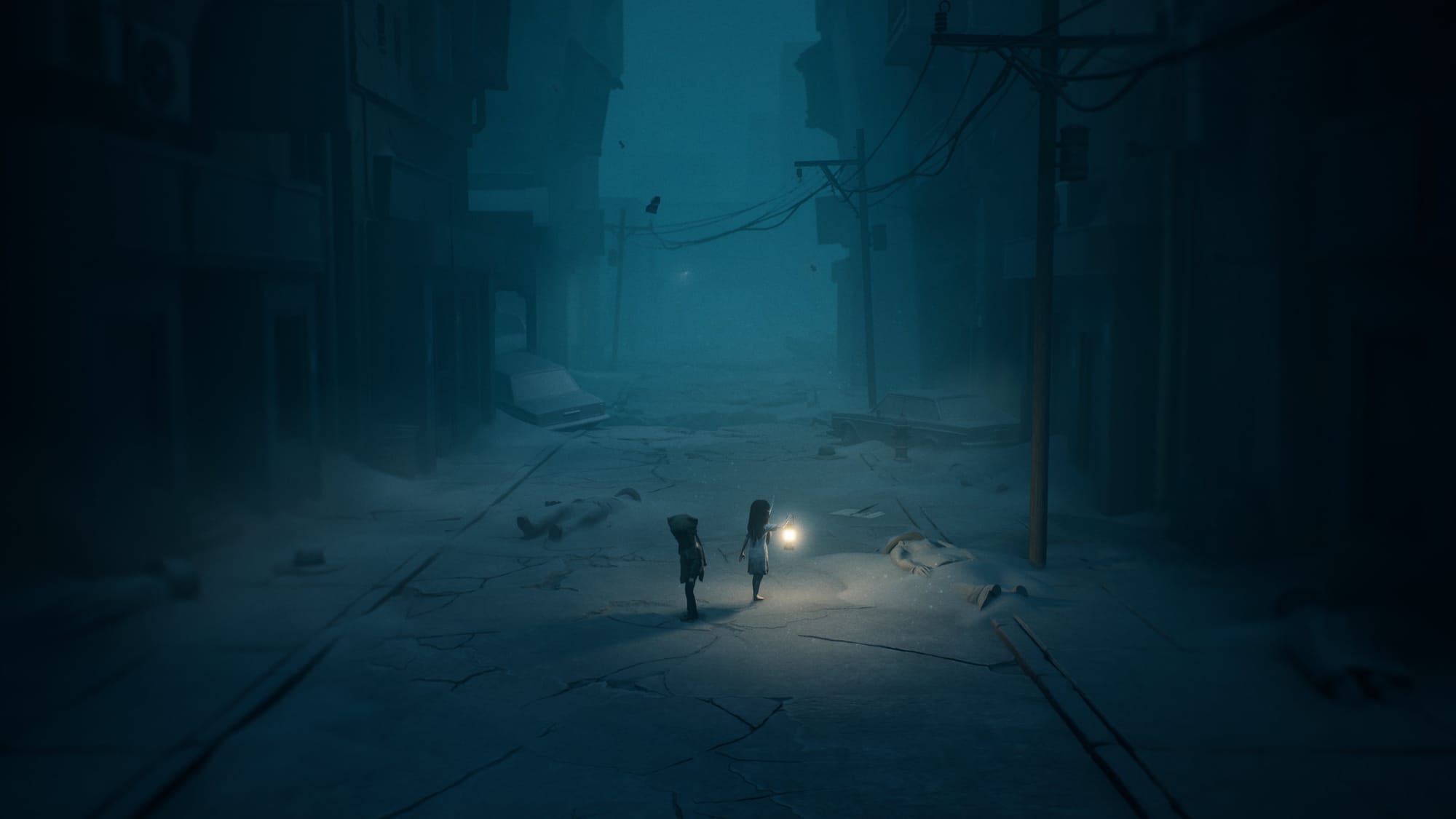
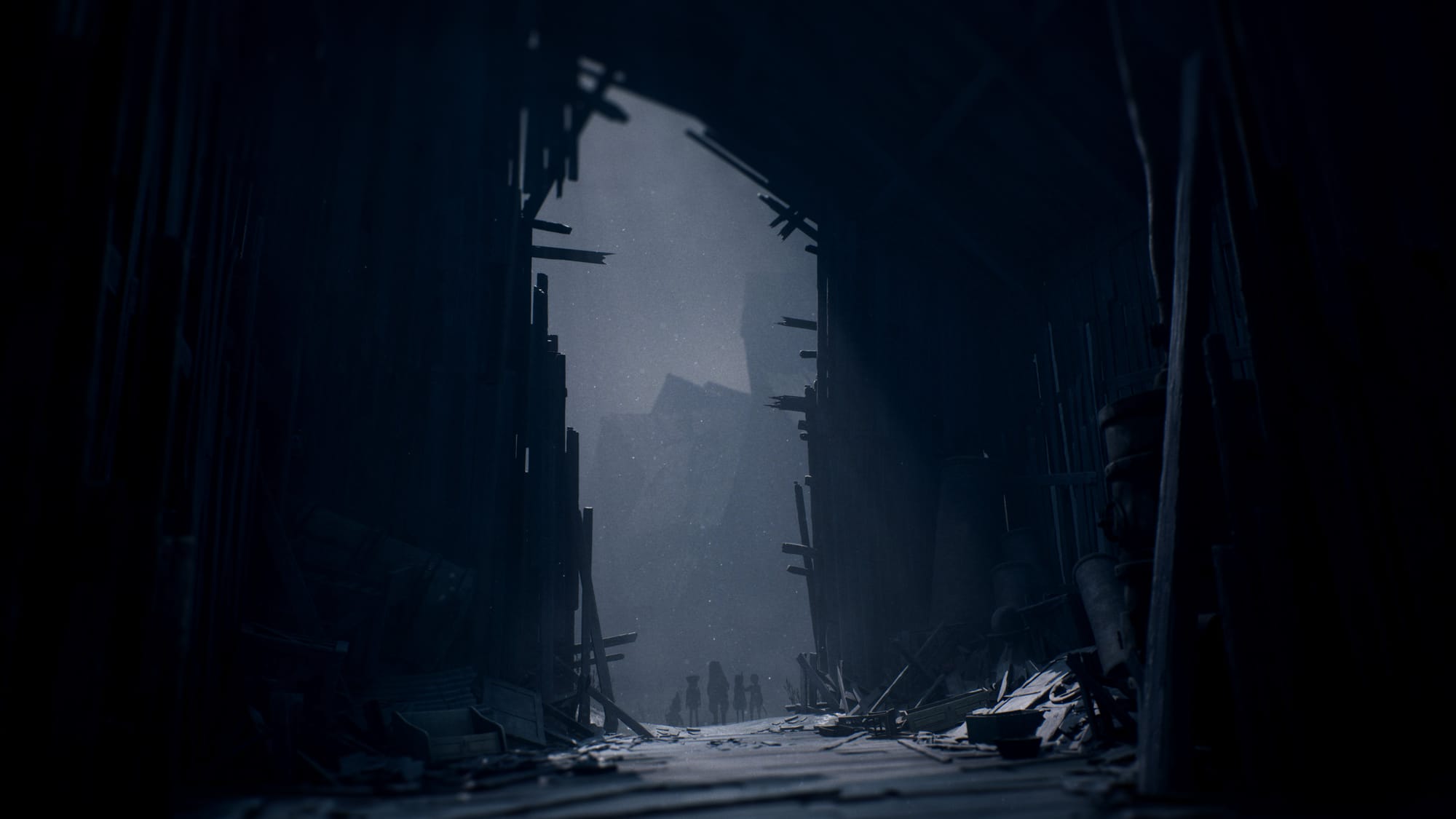
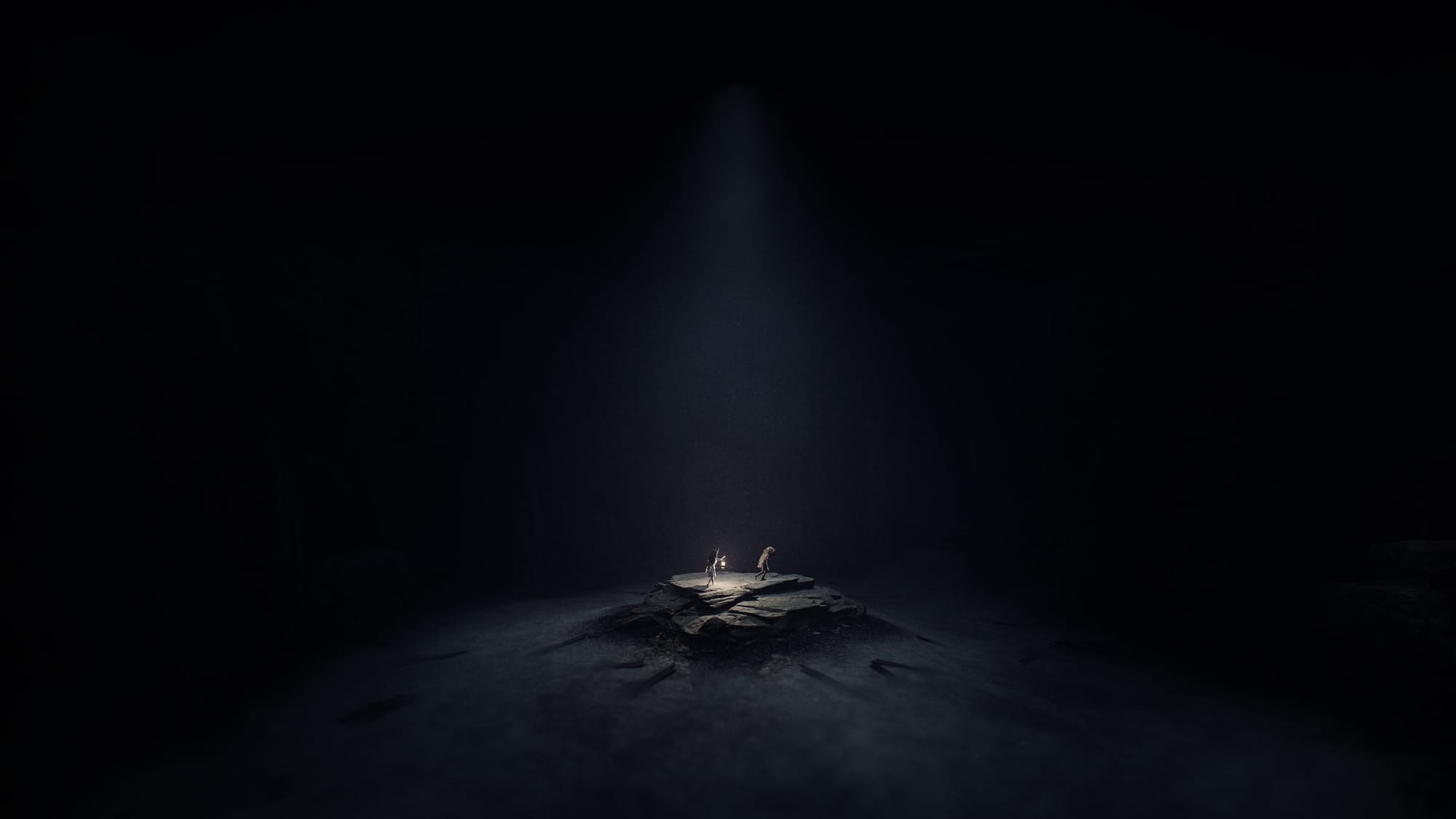
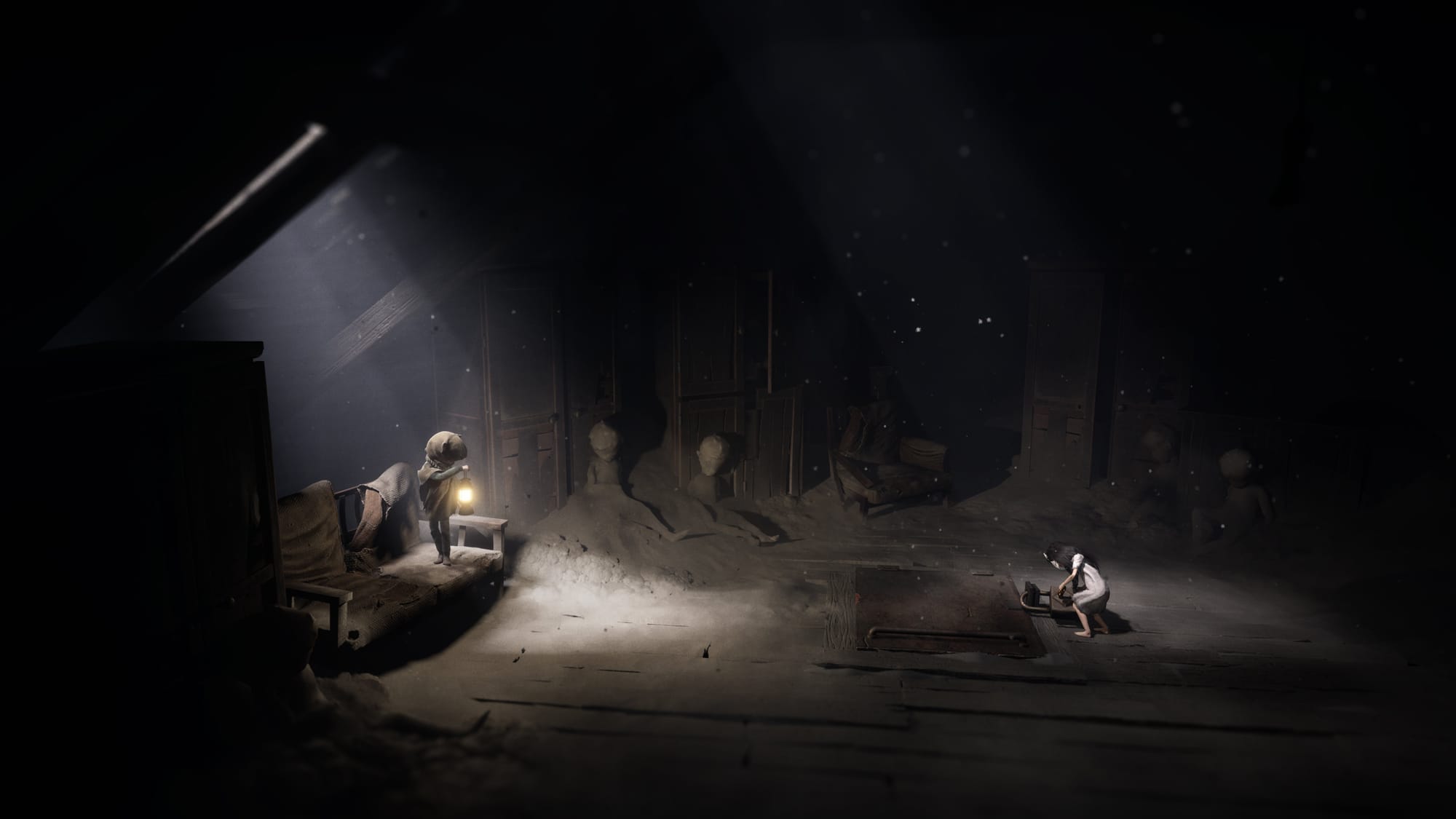
What makes the game stand out, however, is its dark, nightmarish and threatening atmosphere (Unreal Engine 5), which is almost like a painting in shades of grey and black, accompanied by a powerful soundscape. The world is both fascinating and terrifying, and the monsters are equally creative and creepy. The children's dark past is reflected in their character design and the monsters that now plague them. Mystery takes centre stage, with much left unsaid, which can make it difficult to connect with the characters emotionally. In terms of its staging and direction, it is clear that Tarsier Studios (Little Nightmares 1 & 2) has matured, showing a level of expertise that suggests a significant evolution in their approach and vision. This story-driven adventure takes around six to seven hours to complete.
The gameplay is very similar to Little Nightmares. Players sneak around, solve puzzles (some of which are quite creative), explore their surroundings and flee or hide from giant creatures. However, they can also fight. Although the story is largely linear, there is more to discover here and there. The gameplay and game mechanics are kept rather simple - Reanimal thrives more on its audiovisual impact. The game is played from a third-person perspective, with both players always in view, captured by a dynamically responsive but fixed 3D camera. This works well for the most part, but not always. The same applies to the controls, which can be a little fiddly at times.
Reanimal was developed by Tarsier Studios, a game development company based in Malmö, Sweden. Founded in 2004, the studio was originally called Team Tarsier. They worked on the LittleBigPlanet franchise for many years, but it was their outstanding games Little Nightmares (2017) and Little Nightmares II (2021) that brought them to the attention of a wider audience. They also released the VR game Statik (2017) and the Switch exclusive The Stretchers (2019). Bandai Namco owns the Little Nightmares IP, Tarsier owns the Statik IP, and Nintendo owns the Stretchers IP. Tarsier was not involved in the development of Little Nightmares 3, which was created by Supermassive.
In 2019, the studio was acquired by the Embracer Group for just under €9.5 million. The studio remained autonomous within Embracer's wholly owned subsidiary Goodbye Kansas Game Invest, but following Embracer's restructuring, it now belongs to THQ Nordic. Tarsier Studios currently employs around 60 people. On their website, they write: "We're terrible at social media. We're excellent at social gatherings. We have breakfast together every friday."
The game will be published by the Austrian company THQ Nordic, which is part of the Embracer Group. Following the spin-off of Asmodee (board games) in February 2025 and Coffee Stain Group (small-to-medium productions) in December 2025, THQ Nordic will belong to Fellowship Entertainment — former working name 'Middle-earth & Friends'. The group will steward the commercial rights to J. R. R. Tolkien's works The Hobbit and The Lord of the Rings, as well as the intellectual properties Kingdom Come: Deliverance, Dead Island, Killing Floor, Darksiders, Remnant, and Tomb Raider, among more than 300 other gaming IPs. Fellowship Entertainment will consist of companies such as 4A Games, Aspyr Media, CrazyLabs, Crystal Dynamics, Dambuster Studios, Dark Horse, Deca Games, Eidos-Montréal, Flying Wild Hog, Gunfire Games, Limited Run Games, Middle-earth Enterprises, Milestone, Plaion, Tarsier Studios, THQ Nordic, Tripwire Interactive, Vertigo Games and Warhorse Studios, as well as more than 40 others.
Reanimal is an extremely important release for THQ Nordic (as well as Embracer). This is because many of their past releases, including Outcast - A New Beginning (2024), Alone in the Dark (2024), Space for Sale (2025) and Wreckreation (2025), fell short of sales expectations. Even the big licensed title SpongeBob SquarePants: Titans of the Tide (2025), could have performed better given its major licence. Wreckfest 2 could have had a stronger start in Early Access, but it has a solid foundation and an impressive physics engine. Titan Quest II, on the other hand, got off to a great start in Early Access in August 2025 with over 27,000 concurrent players, surpassing even Jagged Alliance 3. However, this is likely due to the promotional price at launch. Nevertheless, the maximum concurrent users (CCUs) are still far behind those of Biomutant and the two Remnant games.
This year, the publisher has not only Reanimal in the pipeline, but also the Gothic 1 Remake. As with Reanimal, a demo of the RPG remake has been released to engage players as early as possible and gather feedback. This is particularly important, given the cult status of the original game in Germany. The Gothic 1 Remake has already been added to over a million wishlists on Steam. It is set to be released on 05 June 2026 for PC, PS5, and Xbox Series X|S. Other upcoming titles include the medieval economic simulation The Guild - Europa 1410 (Ashborne Games); the hand-drawn platformer adventure The Eternal Life of Goldman (Weappy Studio); the immersive first-person RPG Fatekeeper (Paraglacial); the action-adventure Darksiders 4 (Gunfire Games); the third-person shooter Söldner: Secret Wars Remastered (Pixelcloud Games & Wings Simulations); the story-driven adventure Tides of Tomorrow (Digixart); and the hunting simulation Way of the Hunter 2 (Nine Rocks Games). The latter is the successor to Way of the Hunter, which has sold well since its release in 2022, breaking the one million mark in June 2025 - partly thanks to the exemplary DLCs.
Reanimal will be released on 13 February 2026 for PC, PlayStation 5, Switch 2 and Xbox Series X|S. There is a Standard Edition (€/$ 39.99) and a Deluxe Edition (€/$ 59.99). The Deluxe Edition includes the Season Pass for all three DLC chapters, as well as the exclusive Foxhead and Muttonhead masks DLC. The first of three upcoming chapters in The Expanded World is scheduled for release in summer 2026. The Expanded World will tell an entirely new story centred on new child protagonists. Both the Standard and Deluxe Editions are also available as physical boxed editions, in addition to a Collector's Edition (€/$ 199.99).
Conclusion
Reanimal is a thrilling adventure that excels in its audiovisual strength and eerie atmosphere.
Features
Powerful and intense atmosphere
Fantastic and creepy game world
Playable solo or cooperatively local/online (with Friends Pass)
Marcel Kleffmann is Chief of Content of GamesMarket and our B2B and B2C expert for hardware, market data, products and launch numbers with more than two decades of editorial experience.
Pictures by the Academy of Interactive Arts and Sciences