Seven Questions for Martin Wahlund, CEO of Fatshark
Several updates and years were needed for Warhammer 40,000: Darktide to reach a genuinely good state. Fatshark is satisfied, too. We spoke to the company's CEO, Martin Wahlund, about class DLCs, the co-op-centred design, and the parallel development of Darktide and Vermintide 2.
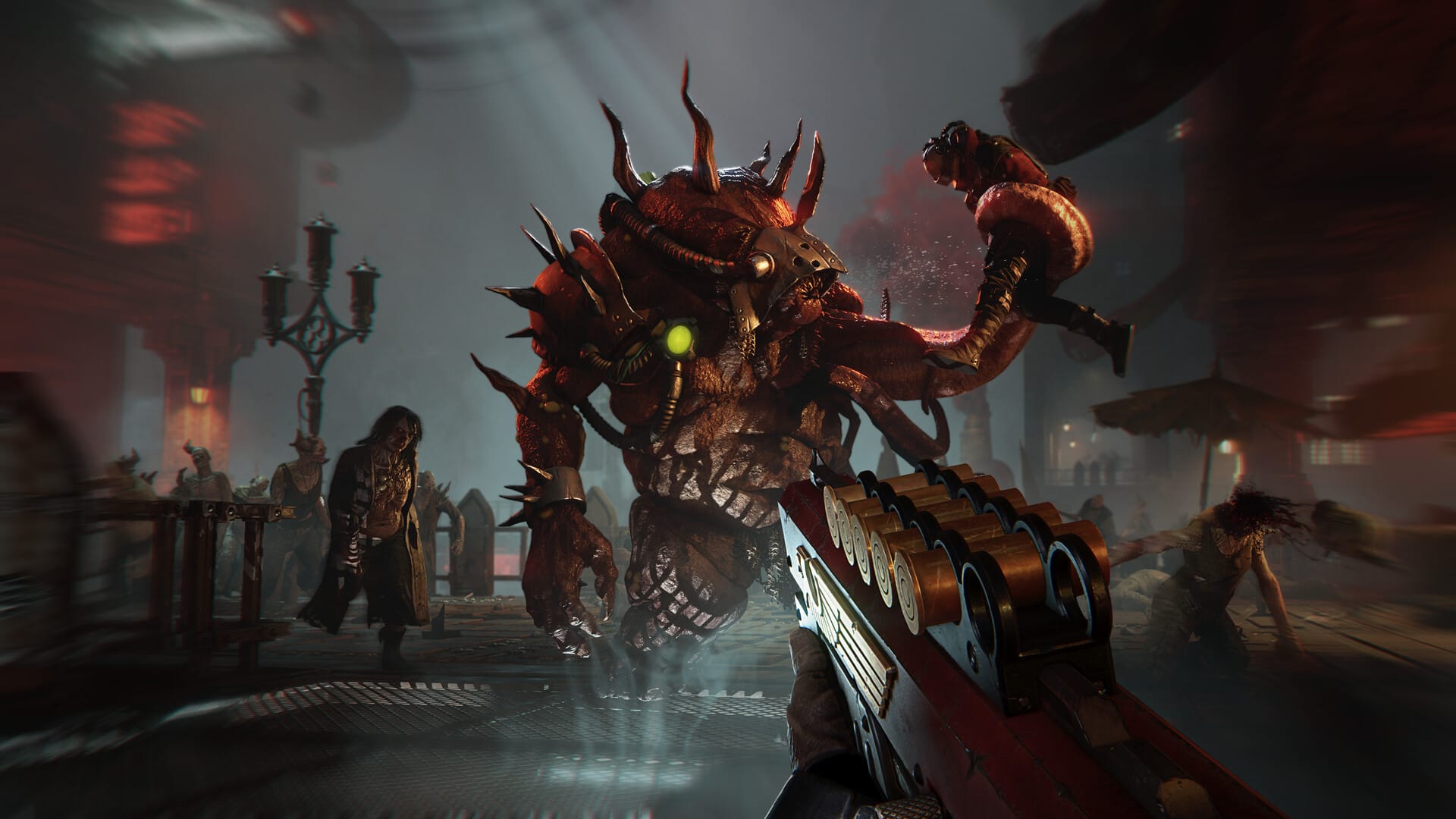
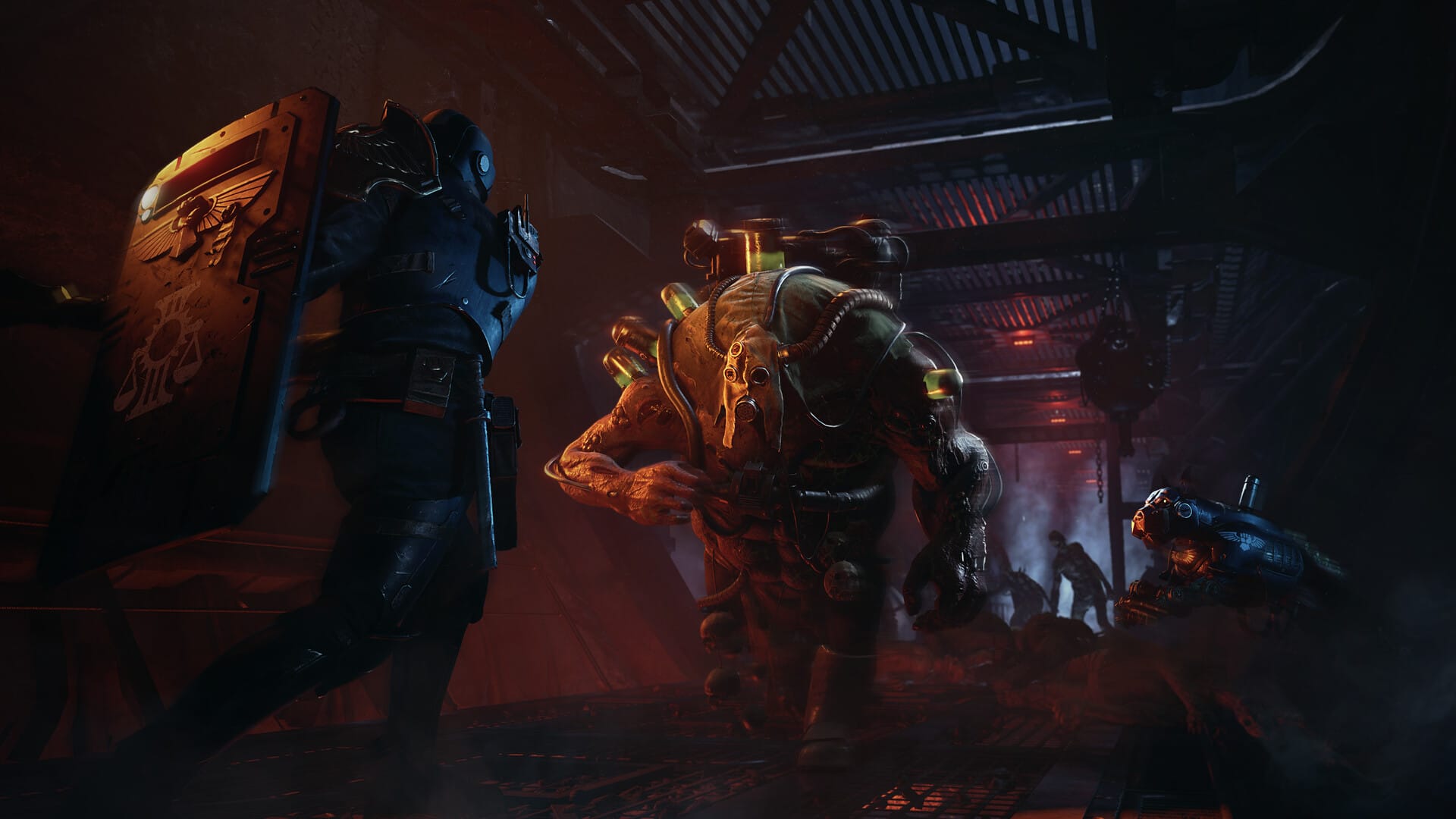
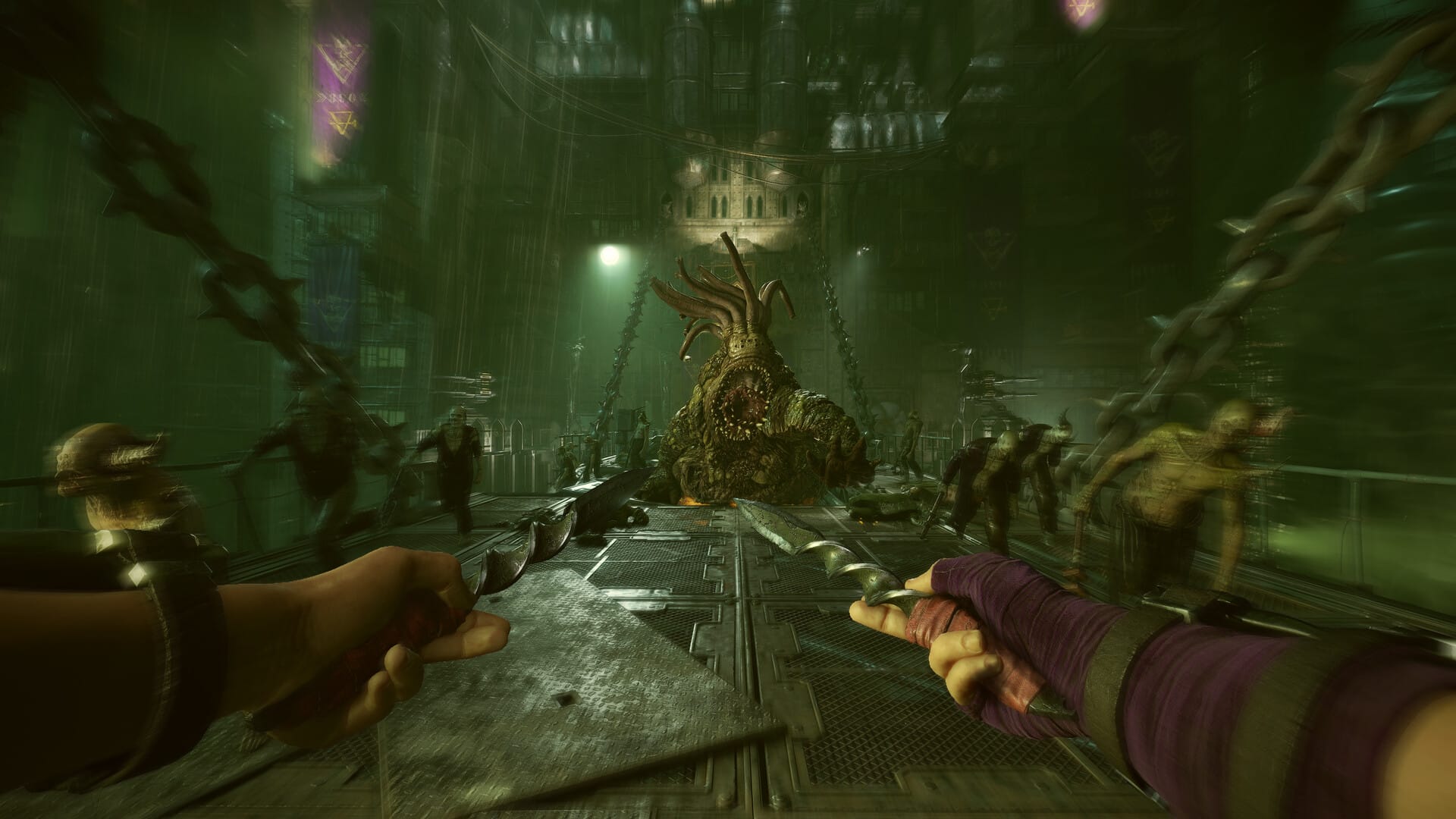
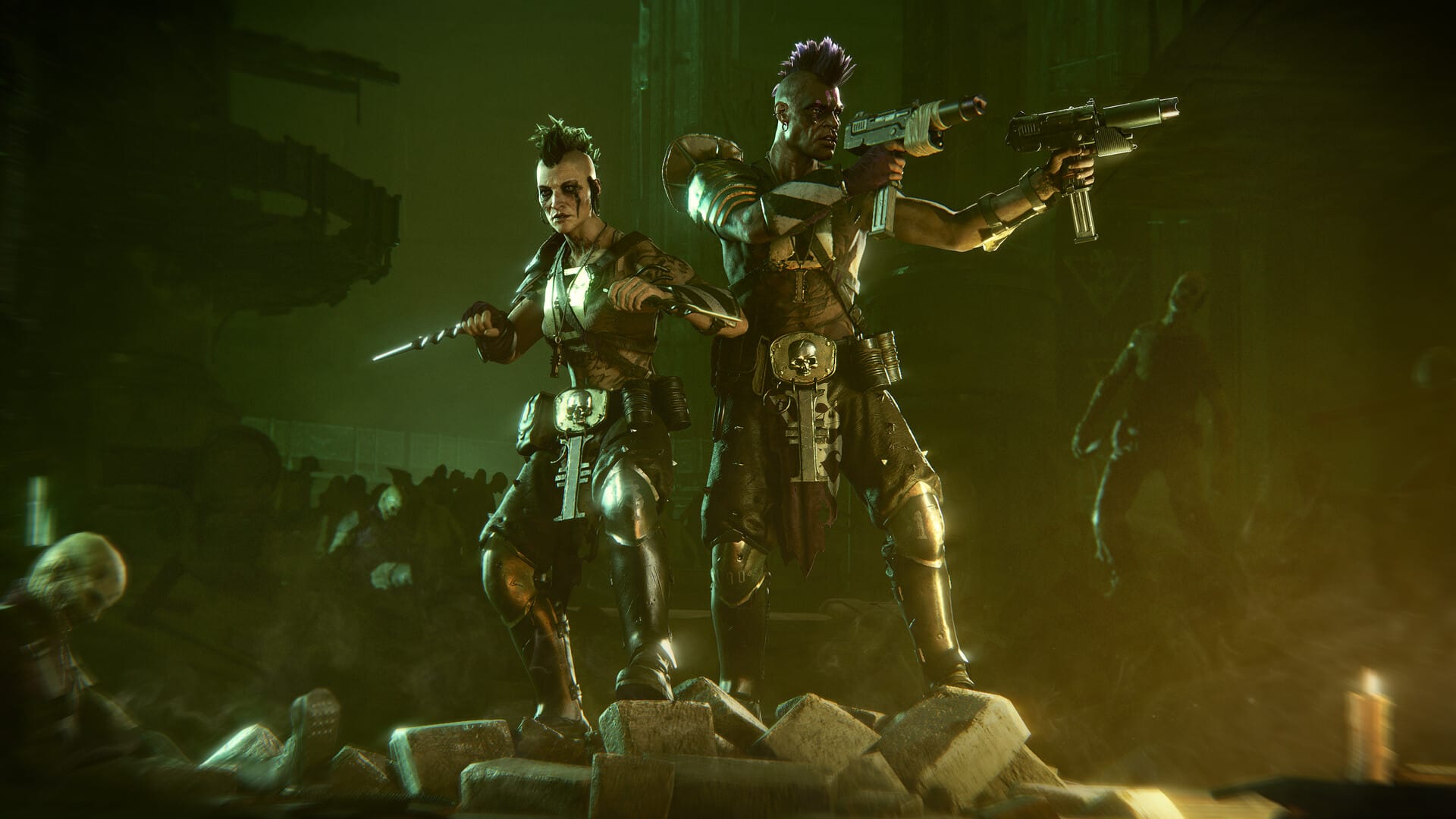
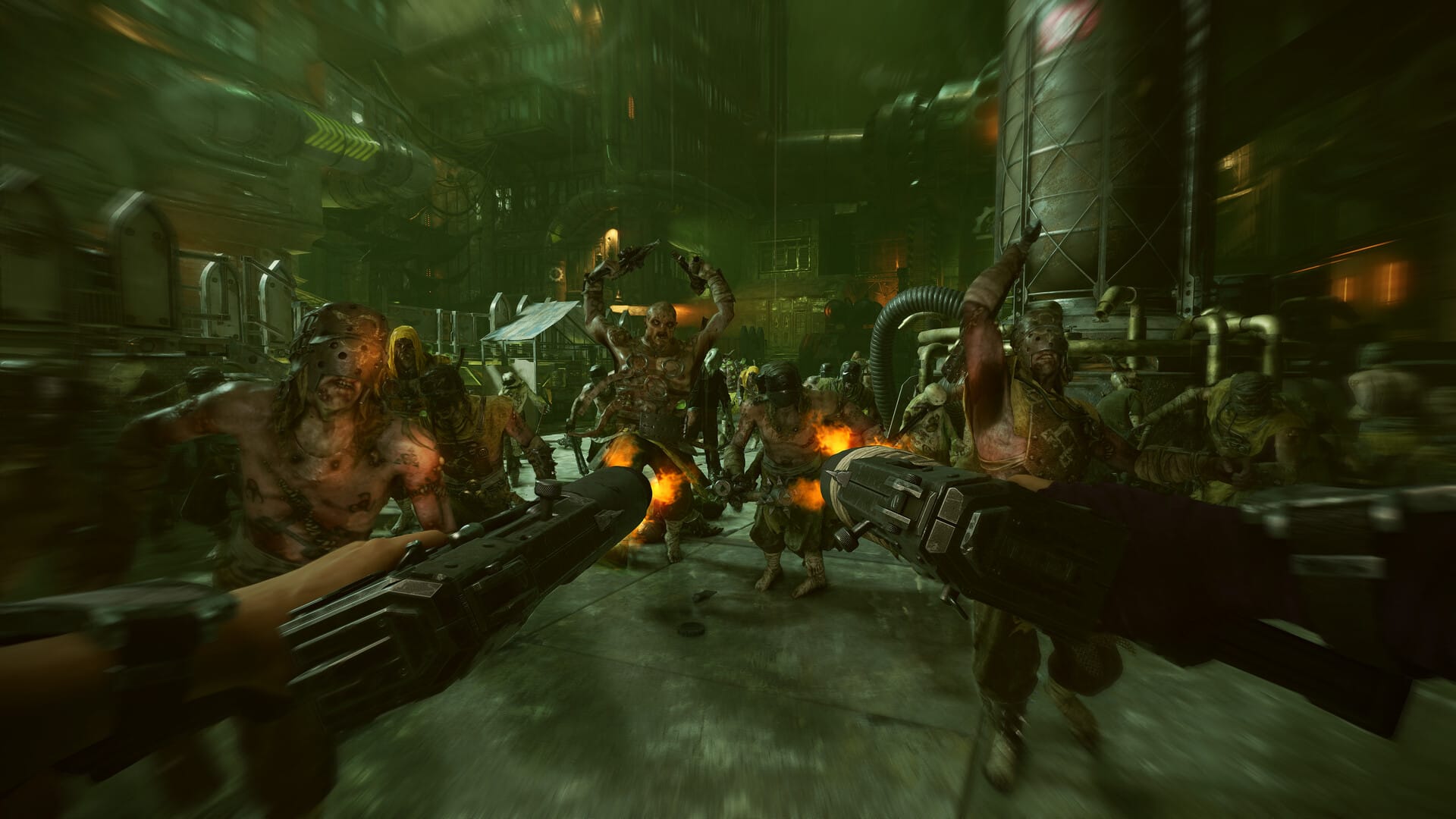
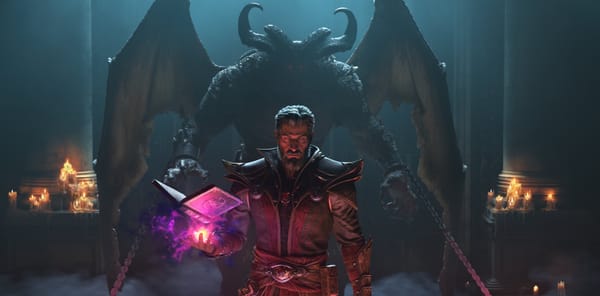
Warhammer 40,000: Darktide is a cooperative first-person shooter which combines melee and ranged combat more effectively than its predecessor, Warhammer: Vermintide 2. Since its release in November 2022, Darktide has undergone significant redesigns and improvements. At launch, the game essentially operated in Early Access mode despite not being an Early Access title. Just two months later, Fatshark's CEO, Martin Wahlund, confirmed that they planned to update core game systems such as crafting and progression, and that premium cosmetics would be suspended in the meantime. They stuck to their word, implementing the aforementioned updates alongside a reworking of the character classes (including skill trees), before weaving the loose missions into a more linear campaign and implementing a weapon mastery system. The Mortis Trials also introduced a horde mode with roguelite elements.
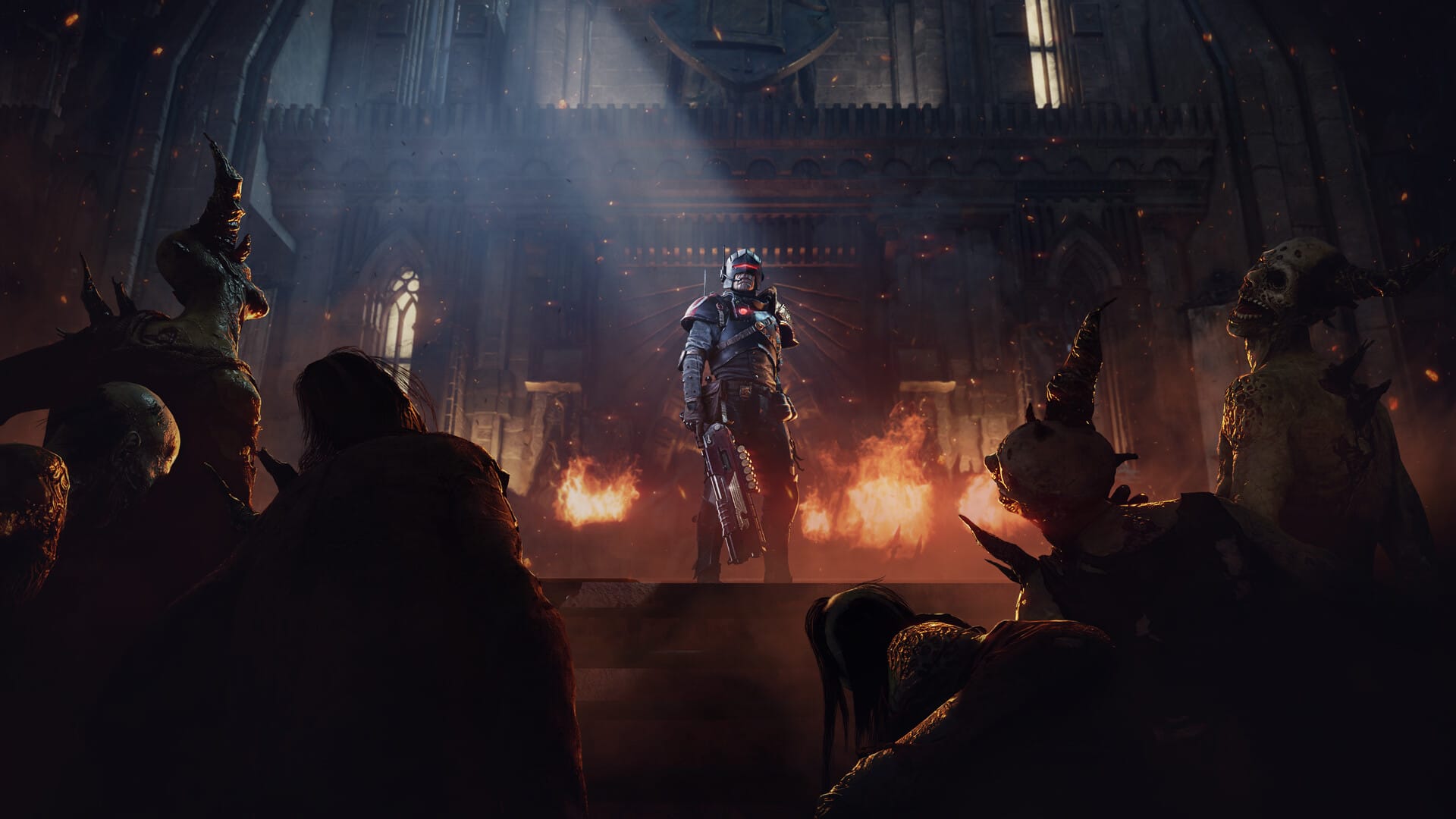
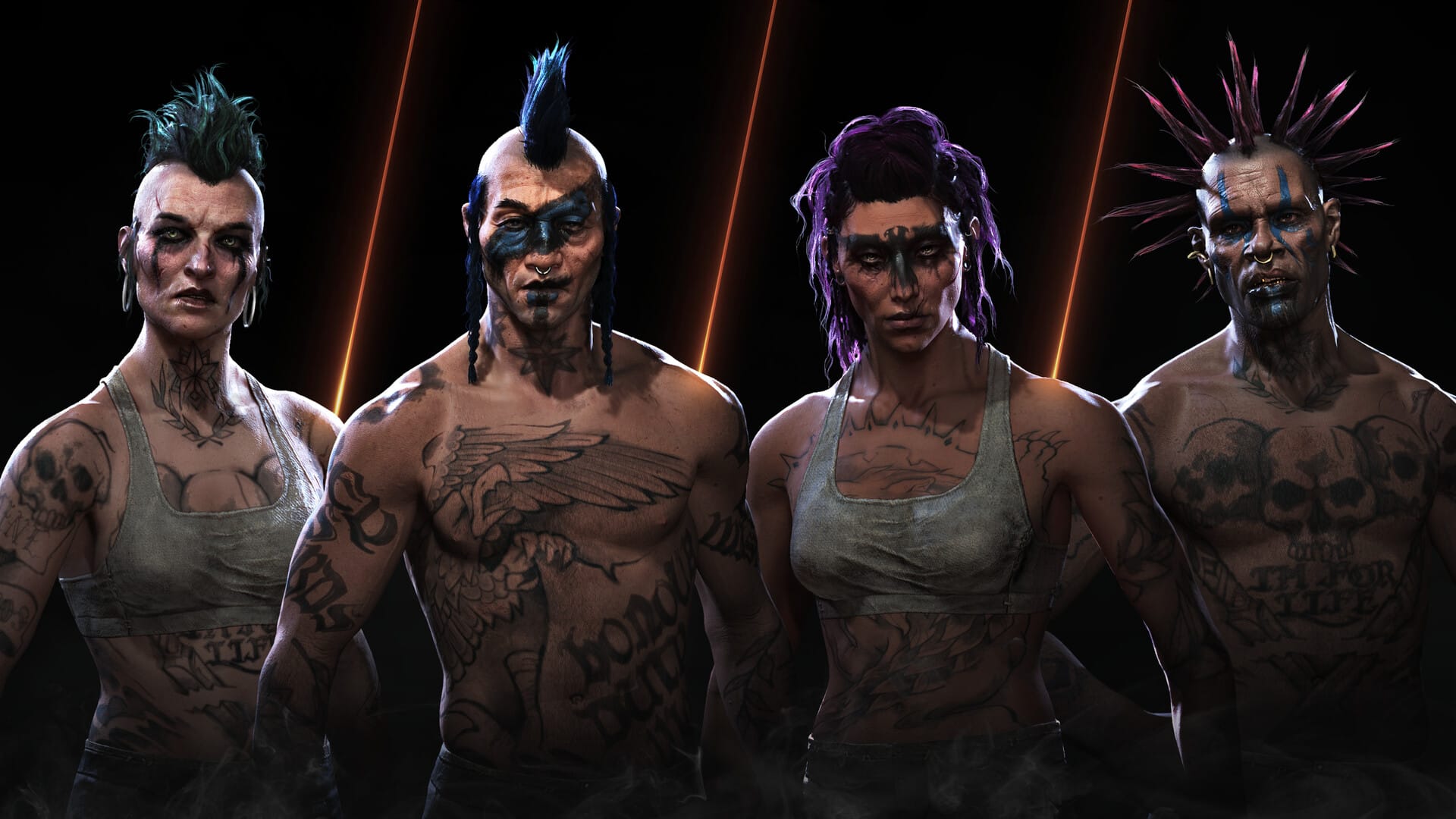
All of these updates were made available to players free of charge. In addition to cosmetic items, Fatshark released two DLCs (each with premium skin variants) introducing new playable classes: Arbites in June 2025 and Hive Scum in December 2025. Players wishing to select these classes must purchase the DLC. And they will continue with this strategy this year. In their annual wrap-up, the Darktide team wrote, "We are happy with last year's releases, and we are not aiming to slow down in 2026! To tease a bit, we can tell you that the next class has already been in the works for quite some time now (...)".
GamesMarkt: Now that Warhammer 40,000: Darktide has evolved and improved massively since its release, how happy are you with it?
Martin Wahlund: "Very happy obviously. You can of course always do better but I think the game is in a great state right now."
GamesMarkt: Darktide has undergone frequent expansion and improvement through regular free updates. But how well are the new DLC classes being received, and how well are they selling?
Martin Wahlund: "Yes, the classes do really well. I think it is important to sell things that our players want and I think we have found something that the players feel is worth paying for. Of course we want to add free content as well, which we're also doing frequently."
GamesMarkt: Warhammer 40,000: Darktide is not playable in solo mode. How did players react to this decision? Vermintide 2 could still be played solo.
Martin Wahlund: "It is primarily a co-op game. Of course there are players that wished there was a solo mode but we made other priorities. These priorities are tough ones but they need to be made."
GamesMarkt: Fatshark has mostly focused on one game, but now Warhammer: Vermintide 2 is also receiving additional content. Why did you decide to continue supporting two games? How does that affect Fatshark as a company?
Martin Wahlund: "Vermintide 2 has gotten regular updates every year since launch, and we have dedicated teams working on the games. We think it is important to continue to support our games as long as possible. Vermintide 2 has over 25 million owners now which is pretty amazing. However, it is always easier to focus on one project but we feel it is important to both build new games as well as support the current live games."
GamesMarkt: Do you have any resources left to tackle a third (new tide) project?
Martin Wahlund: "Of course we are always looking into potential new projects but it is a call we make when the time is right."
GamesMarkt: Fatshark has focused on co-op-centric games from the beginning. How do you currently assess this market segment? Is the market oversaturated with co-op games, or does everything simply benefit from co-op?
Martin Wahlund: "Hard question. Everything does not benefit from being co-op even though I love playing co-op games. There are a lot of games in almost every genre nowadays but I strongly believe we should build games we believe in and want to play and we love co-op games!"
GamesMarkt: As a Swedish company, do you know why so many successful co-op games are developed in Sweden? Examples include Valheim, Satisfactory, RV There Yet and Helldivers 2.
Martin Wahlund: "I think success breeds success. We inspire each other to build great games. It is a great game developer community in Sweden and we always have to aim for global hits as our market is too small to focus on for most games."
GamesMarkt: How is Fatshark positioned as a company for 2026?
Martin Wahlund: "Our games do really well. We are doing well financially despite the fact that we haven't shipped any new games in the last few years. So I think we are in a really good spot right now."
Fatshark was founded in 2007 by Martin Wahlund, Rikard Blomberg, Joakim Wahlström and Johan Jonker. With the help of Paradox Interactive, their first game was the Wild West shooter Lead and Gold. In 2009, Fatshark co-founded Bitsquid, which was acquired by Autodesk in 2014. The money from this sale funded their first self-published game: Warhammer: End Times - Vermintide (2015). This was followed by Warhammer: Vermintide 2 (2018) and Warhammer 40,000: Darktide (2022). The studio is located in Södermalm, the creative quarter of central Stockholm in Sweden, and employs just over 200 people. Tencent is the largest shareholder of Fatshark.
GamesMarkt Daily Newsletter
Sign up to receive the free daily newsletter about the Games Industry in GSA, Europe and beyond.
Marcel Kleffmann is Chief of Content of GamesMarket and our B2B and B2C expert for hardware, market data, products and launch numbers with more than two decades of editorial experience.