The Game Studies Watchlist newsletter, curated by Prof. Dr Rudolf Inderst, is published weekly on GamesMarkt. This week's topics include The Legend of Zelda, Japan’s Game Preservation Society and a reading tip.
While Hamburg and Berlin are reportedly still stuck in snow and ice chaos, there is little sign of it here in Munich. Plenty of greenery can already be seen. Of course, NOT the green of a ZELDA! To help us all remember better, I have selected an essay from Let's Talk Game Design this week.
The Legend of Zelda (NES) is iconic, and now 40 years old. To celebrate, I've remastered my old definitive playthrough that looks at game design points, analyses the positives and negatives of what the series invented all those years ago, and goes from beginning to end for everyone to enjoy at peak performance.
YES, The Legend of Zelda is a landmark title and I frequently talk about it in my seminars because it crystallizes early design principles of exploration, player agency, and systemic worldbuilding within a technically constrained environment; its open overworld structure encourages non linear progression and rewards curiosity, making spatial navigation and knowledge acquisition central to play. By the way, our students tend to point out that this gem from back in the ludo-days foregrounds mechanics such as item based gating and environmental puzzles that later became foundational for action adventure design and it also exemplifies how minimal narrative framing can coexist with strong player driven storytelling, as meaning emerges through discovery, mapping, and experimentation rather than scripted exposition. Not exactly their words. But ...
Anyway ..., The Legend of Zelda offers a key case for examining how games construct worlds, guide players without explicit instruction, and balance freedom with structured progression.
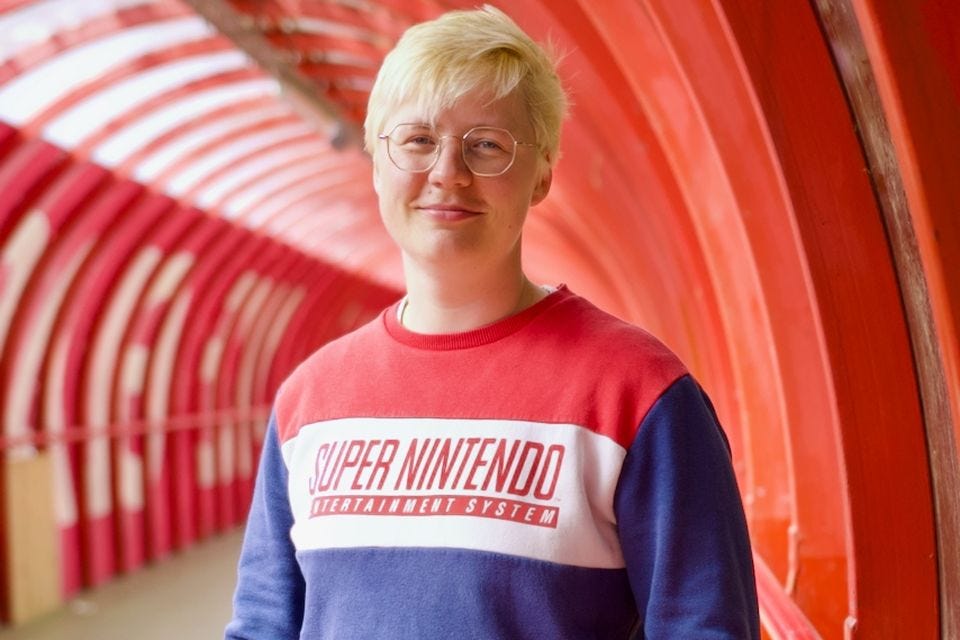
In Why Nintendo is Super, George E. Osborn reflects on Keza MacDonald’s new book Super Nintendo to explore what makes Nintendo such a lasting force in games and culture. Drawing on MacDonald’s lifelong engagement with Nintendo—from Super Mario World to Zelda: Breath of the Wild—the book traces how the company’s unique creative philosophy, collaborative development culture, and playful approach to hardware and software have shaped its global impact. I am really hoping to get my hands on a review sample in order to invite Keza to my podcast.
Japan’s Game Preservation Society has launched a Patreon and is establishing a sister organisation in the United States after losing a major round of government funding and facing restrictive copyright rules at home. The move aims to create a digital library and archive work that isn’t currently possible under Japanese regulations and to attract expertise in areas like copyright and data management.
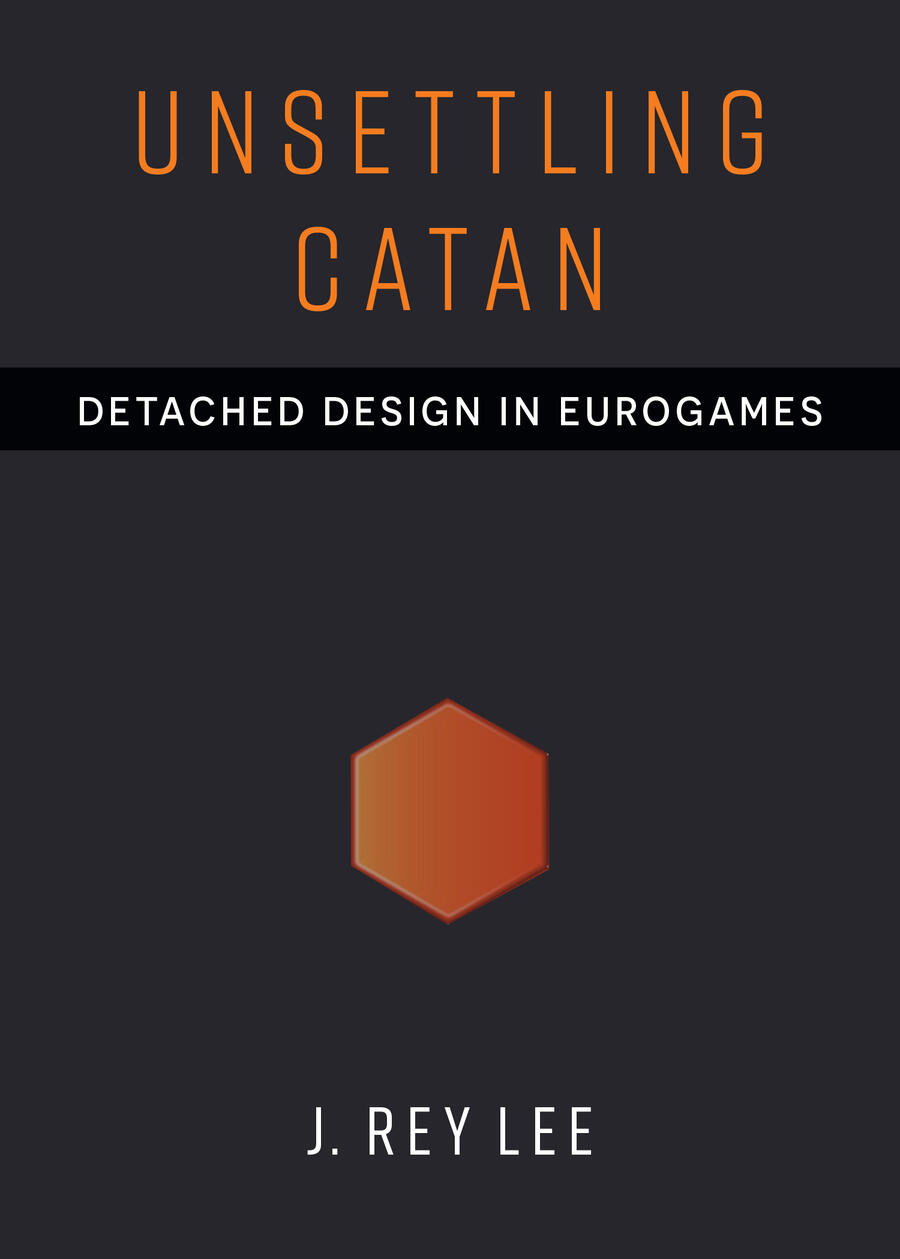
Here comes a reading tip:J. Ray Lee’s Unsettling Catan revisits Klaus Teuber’s iconic Settlers of Catan as a quiet revolution in modern board game design. While acknowledging the game’s enormous commercial and cultural impact, Lee critically examines how its pastoral, “peaceful” eurogame aesthetics can render competition and even implicitly imperial themes abstract and palatable.
As Sam Woods for The Gamer is telling us, "over the last few days, players have discovered that Little Saint James, also known as "Epstein Island," contained a Pokemon Go PokeStop, something which the game's creators have now been forced to remove."
As we wrap up this week’s edition, let’s not forget: it’s Friday the 13th! After all, horror has a long history in games, from slasher board games to survival video games. So, whether you’re dodging spooky surprises or just enjoying a classic horror flick, stay sharp because even a seemingly peaceful game might have a twist waiting just around the corner! #nesmemories #famicommemories
P l e a s e support my work in game research & culture, consider contributing via Buy Me a Coffee.
Rudolf Inderst is a Professor of Game Studies, Podcast Host of “Game Studies”, Newsletter Writer of “Game Studies Watchlist” , Video Essay Aficionado and Krav Maga Practioner.