The Game Studies Watchlist newsletter, curated by Prof. Dr Rudolf Inderst, is published weekly on GamesMarkt. This week's topics include a Story Analysis of Still Wakes the Deep, an interview with Manuel Reinher and a proto-Game Pass by Sega.
Fast money, they said. Honest work, they said. Turns out it’s just you, the sea, and a platform that wants you dead!
The video essayist Infomercial takes a deep dive into Still Wakes the Deep (2024), the latest psychological horror game by The Chinese Room, reading it less as a monster story and more as a meditation on work, exploitation, and extraction. Set on a 1970s North Sea oil rig, the game foregrounds labor conflict, unsafe working conditions, and class tensions long before its Lovecraftian horror fully emerges. Infomercial situates the game within The Chinese Room’s history of tightly curated, narrative-driven experiences and links its themes to real-world contexts: the decline of postwar prosperity, anti-union politics, global extraction economies, and contemporary parallels between the 1970s and the 2020s. Drawing on influences like Ken Loach and classic Cold War horror, he argues that the game’s true monster is not just a supernatural entity, but the systems that treat workers as expendable. The result is a compelling reading of Still Wakes the Deep as a bleak yet resonant allegory about labor, solidarity, and the human cost of keeping the machine running.
From my own perspective, Still Wakes the Deep is particularly interesting since it demonstrates how games can encode social theory at the level of form rather than exposition. The game’s restrictive mechanics, controlled pacing, and denial of player empowerment turn labor, vulnerability, and dependency into lived systems instead of abstract themes. Rather than using choice or progression to signal meaning, it relies on limitation, embodiment, and spatial pressure, making it a strong case study for discussions around agency, procedural rhetoric, and how games can model structural conditions without overt didacticism.
Look, what we found here: a Call for Papers! Bedroom Journalists? Zines and Early Player Cultures invites research on DIY gaming magazines, fanzines, and newsletters from the 1980s–90s- The issue seeks interdisciplinary contributions on production, circulation, community formation, and the cultural significance of these early player-led publications. Abstracts (300–500 words) with author bios are due by 01.06.2026 to [email protected] or [email protected].
Trent Kusters sits down with Manuel Reinher, Creative Director at Ubisoft Mainz, to explore his journey from the art team to leading the Anno series. They delve into the creative and technical challenges of historical strategy games, their approach to portraying the Roman Empire in Anno 117: Pax Romana, the far-reaching design implications of shifting from square to hexagonal tiles, and how they balance accessibility with depth and complexity.
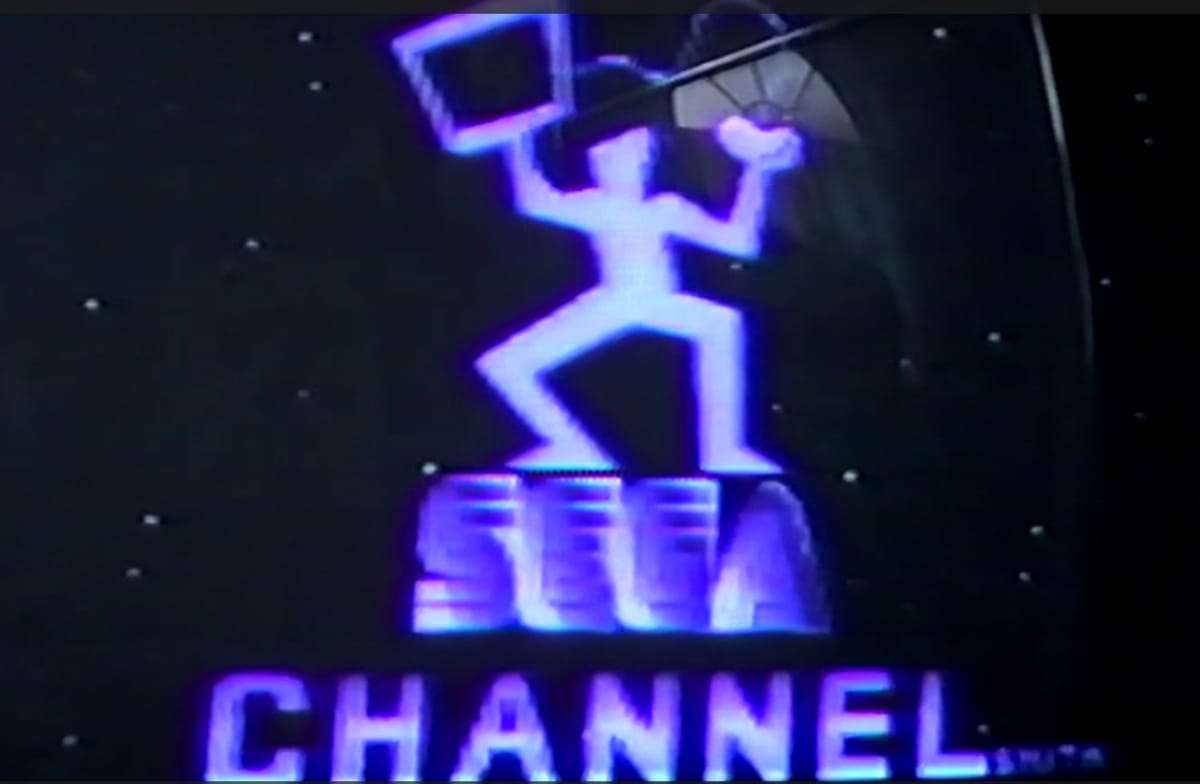
The Typebar piece revisits the Sega Channel, a 1994 cable‑based service that let Genesis owners download and play games long before broadband and digital stores existed. By sidestepping early internet limitations and using cable infrastructure, Sega offered a rotating subscription catalog of titles, in many ways a proto‑Game Pass. Though commercially short‑lived, the Sega Channel’s ambition foreshadowed modern digital distribution and underappreciated leaps in games delivery.
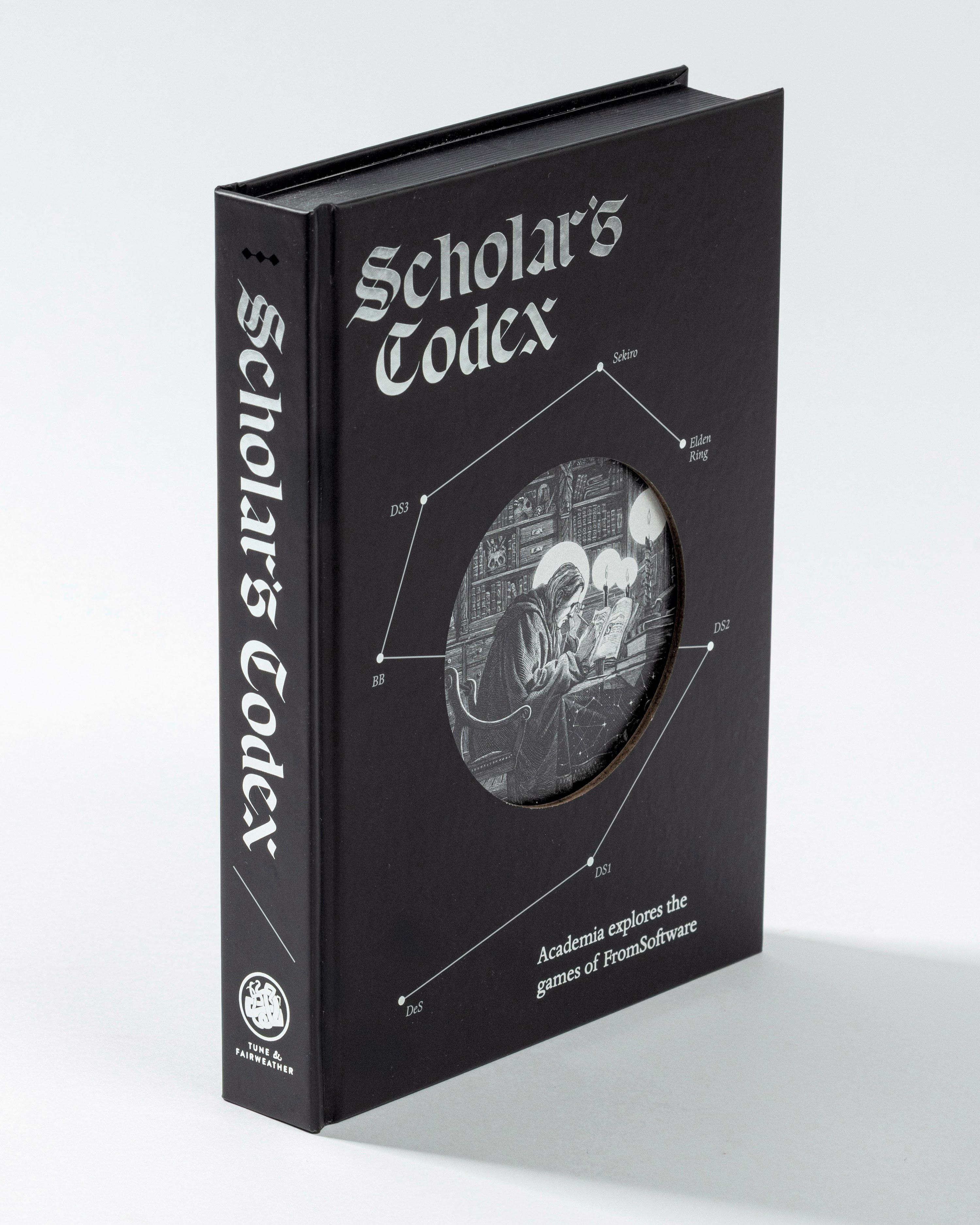
Tune & Fairweather can be really proud to announce Scholar’s Codex; that's a brandnew anthology where academia explores the games of FromSoftware. Beautifully produced as a premium hardcover ...all while I can’t help staring in endless envy (I mean ... LOOK AT IT!). And since I’m currently working with two other editors on an anthology about Elden Ring, there couldn’t be a better time. 2026 is shaping up to be a reading feast!
... how old am I really? Now, hold on ... 25 years? *sigh Aaanyway, who would not recognize Road Rash (1991) as the motorcycle pioneer of "combat racing". "At the time of its release, it became Electronic Arts' most profitable title to date" (says @gaminghistory.bsky.social). And yes, I! LOVED! IT! SO! MUCH!
P l e a s e support my work in game research & culture, consider contributing via Buy Me a Coffee. ☕️ 💸
Rudolf Inderst is a Professor of Game Studies, Podcast Host of “Game Studies”, Newsletter Writer of “Game Studies Watchlist” , Video Essay Aficionado and Krav Maga Practioner.