How Don't Scream Together Recovered From Its Disastrous Launch
The co-op multiplayer horror game Don't Scream Together from Digital Cybercherries didn't have the best launch on Steam. Technical issues with a key feature led to negative user reviews on Steam. However, the developers managed to turn things around by communicating openly and honestly.

Although Don't Scream Together sold more than 200,000 copies in its first week on Steam, this milestone does not tell the whole story for Digital Cybercherries (Hypercharge: Unboxed). The real feat for them lies in how the team pulled together after a troubled launch. At the game's release, many players encountered major technical issues affecting the core mechanics, including microphone calibration and in-game audio. According to Digital Cybercherries, these problems did not emerge during internal testing and only became apparent once thousands of players joined at launch.
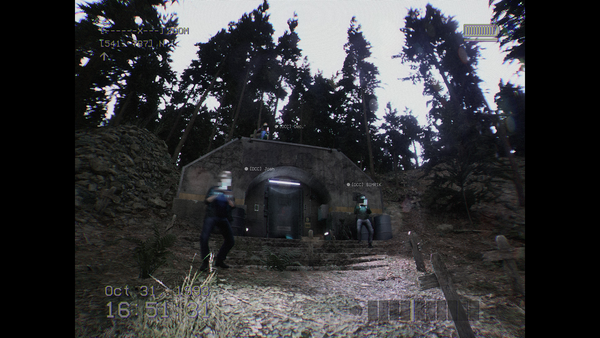
In this game, players explore a huge, pitch-black forest with camcorders in 1993. Their goal is simple: to reach 8:00 am without screaming or making loud noises. As they wander through the forest, they must search for batteries to power the camcorders and look out for symbols scattered throughout the area. The forest is filled with strange locations, hidden traps and the occasional hunter. The aim is to avoid screaming, so a properly functioning microphone is essential.
The game opened on Steam with 23% mostly negative reviews. The team say they also underestimated the technical ambition of the project. Don't Scream Together primarily uses a microphone mechanic, which worked well during development. However, the transition to multiplayer introduced numerous new challenges across various setups. The team now realise that this twist on horror is more complex than they expected when it reaches a large and varied audience. Rather than stepping back, the team chose to engage with players directly. They replied to reviews, released rapid updates and wrote open messages explaining the issues and how they were being addressed. This approach helped rebuild trust. The Steam rating climbed from 23% negative to nearly 60% mixed, and continues to rise as more players join.
The team says that it believes that the continued sales and improving review scores reflect how players have responded to its open and transparent communication. Many players have cited this honesty as a key reason for supporting the game. "People do not lose trust because a game has problems. They lose trust when developers pretend those problems are not there. So we decided to face everything head-on," said Joe Henson, Creative Gameplay and Marketing Director at Digital Cybercherries. "We want to thank everyone who stayed with us, shared feedback and gave us the chance to make things right."
Written by