"In 2026, I Expect Smarter Monetization Rather Than Bigger Monetization"
In our GDC 2026 interview with Chris Hewish (President) and Berkley Egenes (Chief Marketing and Growth Officer) at Xsolla, we discuss monetisation trends, games concentration, direct-to-consumer growth, hardware cost pressures, distribution trends and XR.
Chris Hewish (President) and Berkley Egenes (Chief Marketing and Growth Officer) of Xsolla joined us for an interview ahead of GDC 2026. Topics covered included monetisation trends, the discovery problem caused by the concentration of games, the recent growth in direct-to-consumer sales, the cost of hardware due to the current storage crisis, the potential impact of Steam Machines, distribution trends, XR and how the General Data Protection Regulation could influence product design.
GamesMarkt: What monetisation trends dominated the games industry in 2025, and what do you expect to see in 2026?
Berkley Egenes: "2025 felt like the year of 'hybrid everything'. Even premium games leaned into battle passes, cosmetics, and seasonal content. That live-service backbone didn't disappear; it just matured. Subscriptions such as Xbox Game Pass and PlayStation Plus continued to shape players' expectations regarding value. In 2026, I expect smarter monetization rather than bigger monetization. More personalized offers, more direct-to-consumer web shops, and better use of party data. Publishers want the customer relationship - not just the transaction."
Chris Hewish: "I'd describe 2025 as a correction year. Companies became more cautious after overextending on live services. In 2026, we’ll see fewer massive bets and more portfolio logic. Also, D2C is no longer a side experiment; it’s becoming structural."
GamesMarkt: Is the market for video games oversaturated? On Steam alone, an average of 50 games were released every day last year, but only a small proportion of these were truly successful. What is your assessment of the situation?
Chris Hewish: "From a visibility perspective? Yes. Platforms such as Steam have seen approximately 18,000 new titles annually, averaging around 50 per day. That's a discoverability crisis. But demand isn't shrinking. Global games revenue remains approximately $185-$195 billion annually. Players aren't leaving, they're concentrating attention."
Berkley Egenes: "Exactly, and that concentration is extreme. On Steam, a relatively small percentage of titles capture the majority of revenue and playtime. New releases account for a surprisingly small share of total playtime compared to catalog titles. Supply is saturated, but attention is the real scarce commodity. The issue isn't 'too many games', it's 'too many similar games fighting for the same visibility channels'."
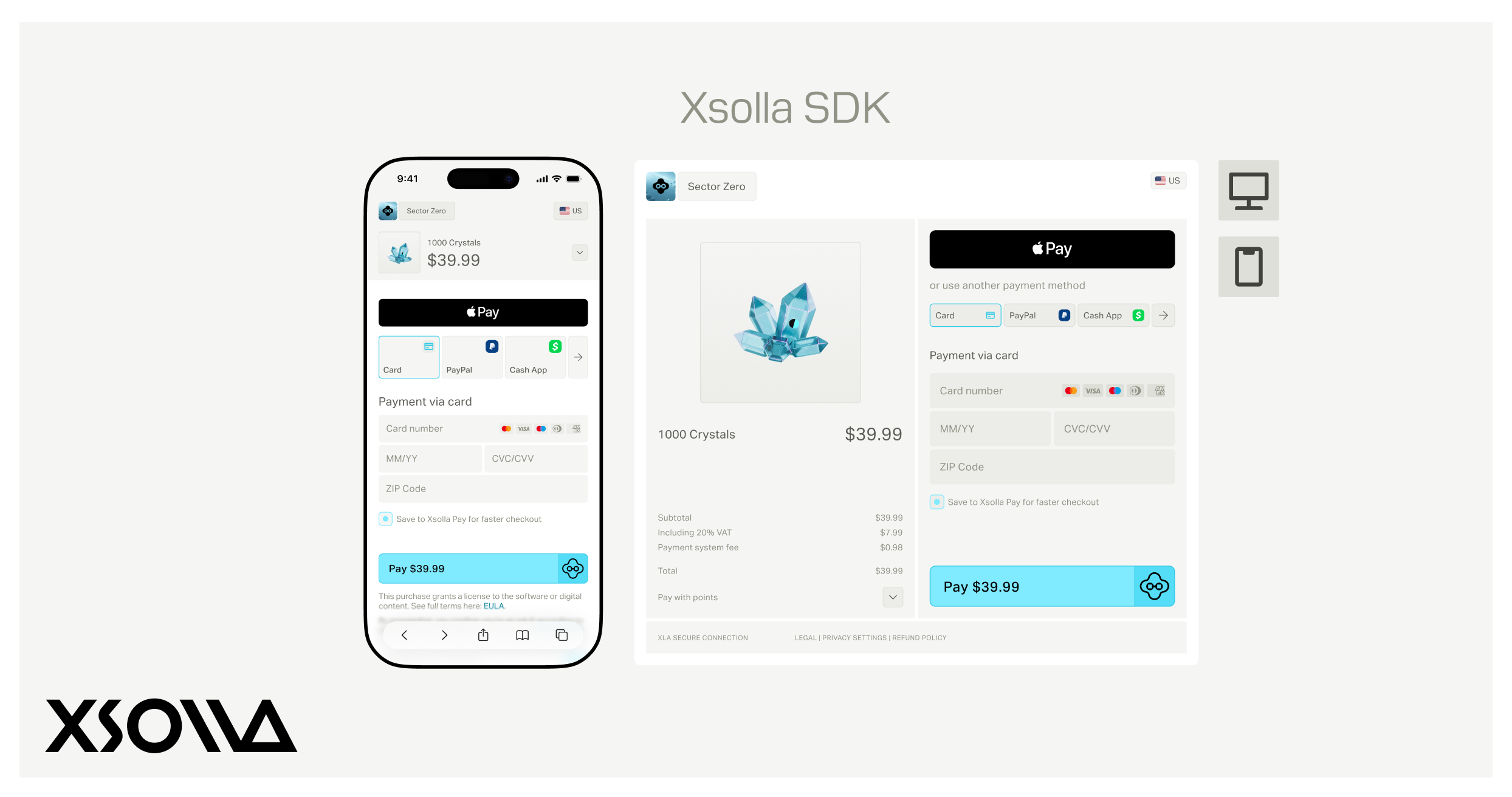
GamesMarkt: In its 'Mobile Market Landscape 2026' report, AppMagic found that revenue from direct-to-consumer (D2C) and alternative payment systems grew by 26% year on year (YoY) across games in the US. What is the situation in other regions of the world, particularly Europe? Do you expect this segment to continue growing strongly?
Chris Hewish: "Europe is definitely following. Growth rates vary, but several Western European markets have seen double-digit growth, in some cases exceeding 20-30%, depending on genre. The regulatory environment plays a role. The European Union’s Digital Markets Act has prompted discussions on alternative payment systems and platform openness."
Berkley Egenes: "Asia remains ahead in execution. South Korea and parts of Southeast Asia are very comfortable with publisher web shops. Europe's complexity, including VAT systems and local payment methods, slows implementation, but D2C is becoming structurally embedded. I expect strong continued growth in 2026, albeit not at hypergrowth rates forever."
GamesMarkt: Is it plausible that D2C will gain a stronger foothold in the console sector, or do Microsoft, Nintendo and Sony have such clear platform usage regulations that this is not permitted for developers and publishers?
Chris Hewish: "Right now, consoles are still tightly controlled. Microsoft, Sony, and Nintendo set their billing/player-commerce rules in ways that favor platform billing. The 30% platform cut funds for hardware subsidies and ecosystem development. So, full D2C payment bypass inside console storefronts is unlikely without regulatory pressure.*
Berkley Egenes: "That may change, but probably only via regulation or competitive pressure. The more plausible short-term path is indirect D2C, purchasing currency or bundles via web shops that sync to console accounts. At GDC 2026, we anticipate this to be an ongoing hallway topic: publishers want more payment flexibility, but platform holders remain cautious. The tension is real, but it's incremental, not revolutionary."
GamesMarkt: Speaking of consoles, can Steam Machines pose a threat to established consoles?
Chris Hewish: "The modern resurgence of Valve’s hardware ideas, like the Steam Deck, shows there are viable PC-centric alternatives. But they aren't poised to dethrone consoles anytime soon."
Berkley Egenes: "They're complementary rather than disruptive. Steam hardware and similar platforms expand PC gaming into more living-room and handheld contexts, but they don't meaningfully shift console market share yet. Console ecosystems still have massive installed user bases and exclusive content pipelines."
GamesMarkt: In light of the explosion in hardware costs (RAM, storage, silicon, etc.), how much of a threat does this pose to the industry's growth this year? There are already reports and rumours of price increases and possible delays for the next generation of consoles. Could this present an opportunity for cloud gaming?
Chris Hewish: "We're seeing hardware cost pressures. Tariffs and component shortages have driven up prices, with major console launches projected to be more expensive for consumers. That creates friction in the hardware refresh cycle. According to broader industry projections, the total video games market was still expected to grow modestly in 2025, but hardware price sensitivity is clearly part of that equation."
Berkley Egenes: "That's where cloud gaming could shine. If hardware becomes more expensive, consumers - especially casual players - may prefer lower-cost access via cloud gaming. But there's a contingent on broadband quality and latency improvements. Cloud gaming gains relevance, but it isn't a panacea; it doesn't yet rival traditional ownership for most core players."
GamesMarkt: In what ways are cross-platform and cloud gaming redefining distribution?
Chris Hewish: "We're seeing distribution become account and ecosystem-centric rather than device-centric. Cross-play, cross-save, and shared progression are expected on day one."
Berkley Egenes: "And cloud is part of that ethos. It means players can pick up a session on multiple devices, shift play contexts seamlessly, and engage beyond the traditional 'store and console' model. Distribution is increasingly about identity and persistence, not just downloads and installs."
GamesMarkt: How would you currently assess the state of the XR gaming market? Meta has scaled back its involvement significantly, closing studios and so on.
Chris Hewish: "XR's hype cycle has definitely plateaued. Massive investments have cooled, especially after major players cut back or redirected XR initiatives."
Berkley Egenes: "The installed base isn’t big enough to support big AAA risk yet. It’s niche and fragmented, but that’s not a signal of failure; it’s a sign of hardware maturity waiting for better economics and broader consumer adoption."
GamesMarkt: Rami Ismail came to a rather negative conclusion about the current state of the games industry. He argues that the industry's aversion to risk stifles innovation. While indie developers continue to generate new ideas, they often struggle to fund their games. What are your thoughts on this situation, and how can we encourage more creativity and a greater willingness to take risks in the industry?
Chris Hewish: "There's some truth in it. AAA budgets are huge, and that naturally reduces appetite for risky mechanics or new storytelling forms. Middle-tier publishing has contracted, and independent publishers are the engines of innovation."
Berkley Egenes: "But there are ways to encourage creativity, such as alternative funding, tools that lower production costs, and better discovery channel's so creative games aren't hidden in the long tail. The ecosystem around indie work, while it's vibrant, still needs support and visibility if we want the next big idea to break through."
GamesMarkt: In what ways are accessibility, community safety and data protection regulations pushing studios to prioritise player wellbeing? How are these regulations proving that trust and inclusivity drive long-term engagement and growth?
Chris Hewish: "Regulations like the General Data Protection Regulation aren't just legal obligations; they change product design. Teams are prioritizing privacy and player safety, and this's becoming a selling point."
Berkley Egenes: "And that's correlated with long-term engagement. Inclusive design drives a broader audience and trust, which in turn drives retention and sustainable monetization. It's not just compliance, it's also strategy."
Xsolla is a global video game commerce company offering a set of tools and services designed specifically for the video game industry. Since its foundation in 2005, Xsolla has helped thousands of developers and publishers of all sizes to fund, market, launch and monetise their games globally and across multiple platforms. Xsolla is headquartered in Los Angeles, California, and has offices in Berlin, Seoul and other cities around the world. It supports major gaming titles such as those from Valve, Twitch, Roblox, Ubisoft, Epic Games, Take-Two, Krafton, Nexters, NetEase, Playstudios, Playrix and miHoYo.
GamesMarkt Daily Newsletter
Sign up to receive the free daily newsletter about the Games Industry in GSA, Europe and beyond.
Marcel Kleffmann is Chief of Content of GamesMarket and our B2B and B2C expert for hardware, market data, products and launch numbers with more than two decades of editorial experience.