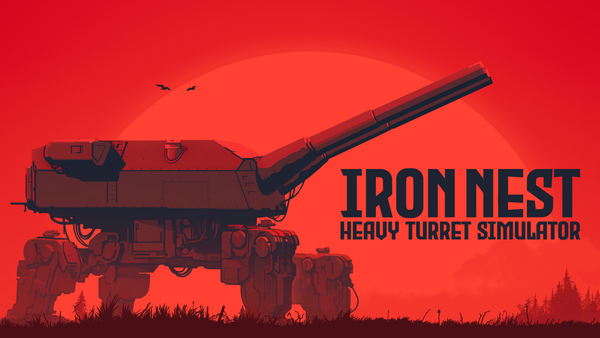
The Iron Nest: Heavy Turret Simulator demo attracted more than a million players had a 98% positive review rating, and saw players spend an average of nearly 2.5 hours. With this popularity, the game made it onto over 900,000 wishlists. But what lies behind this heavy spider-turret simulator?
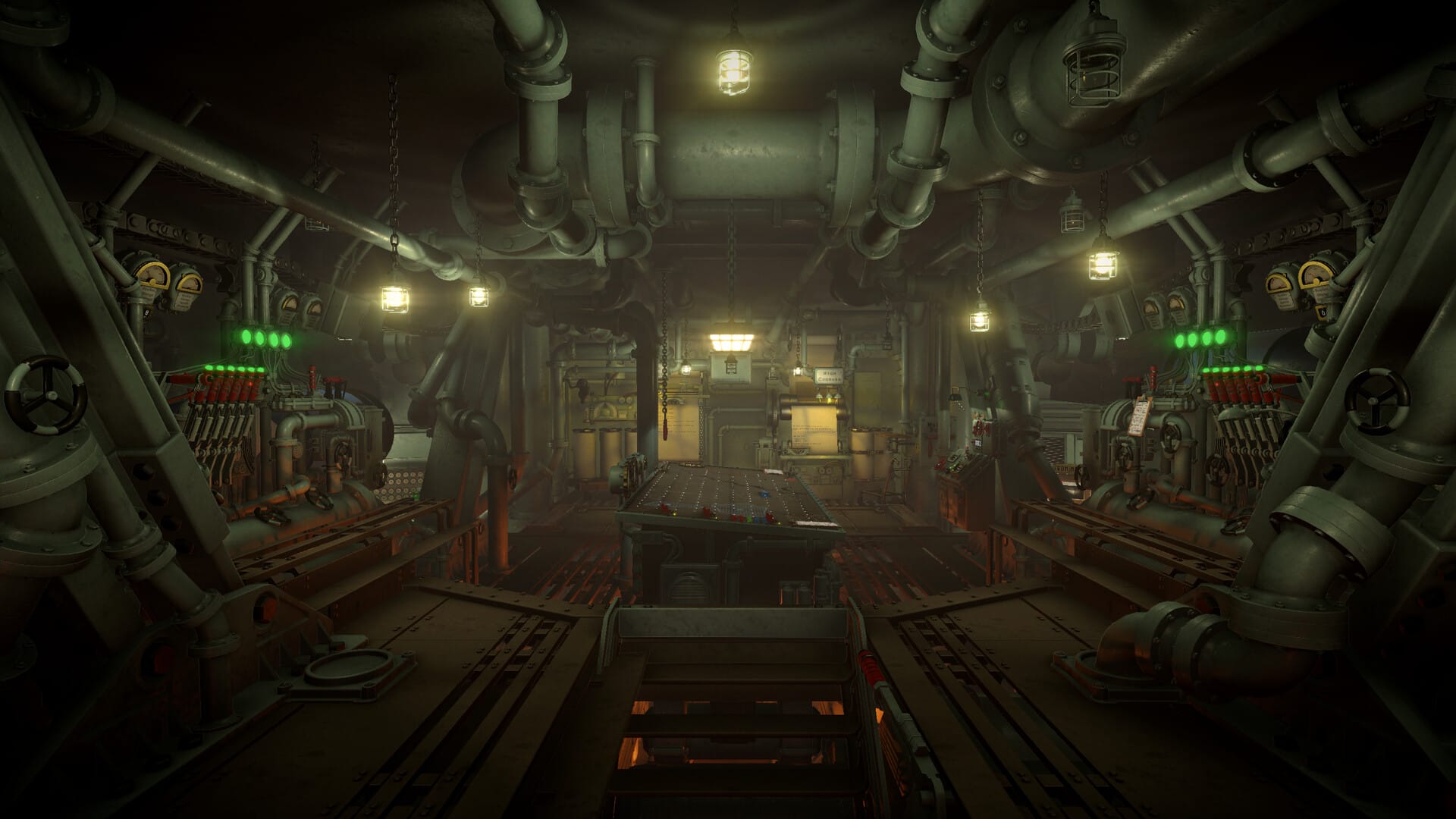
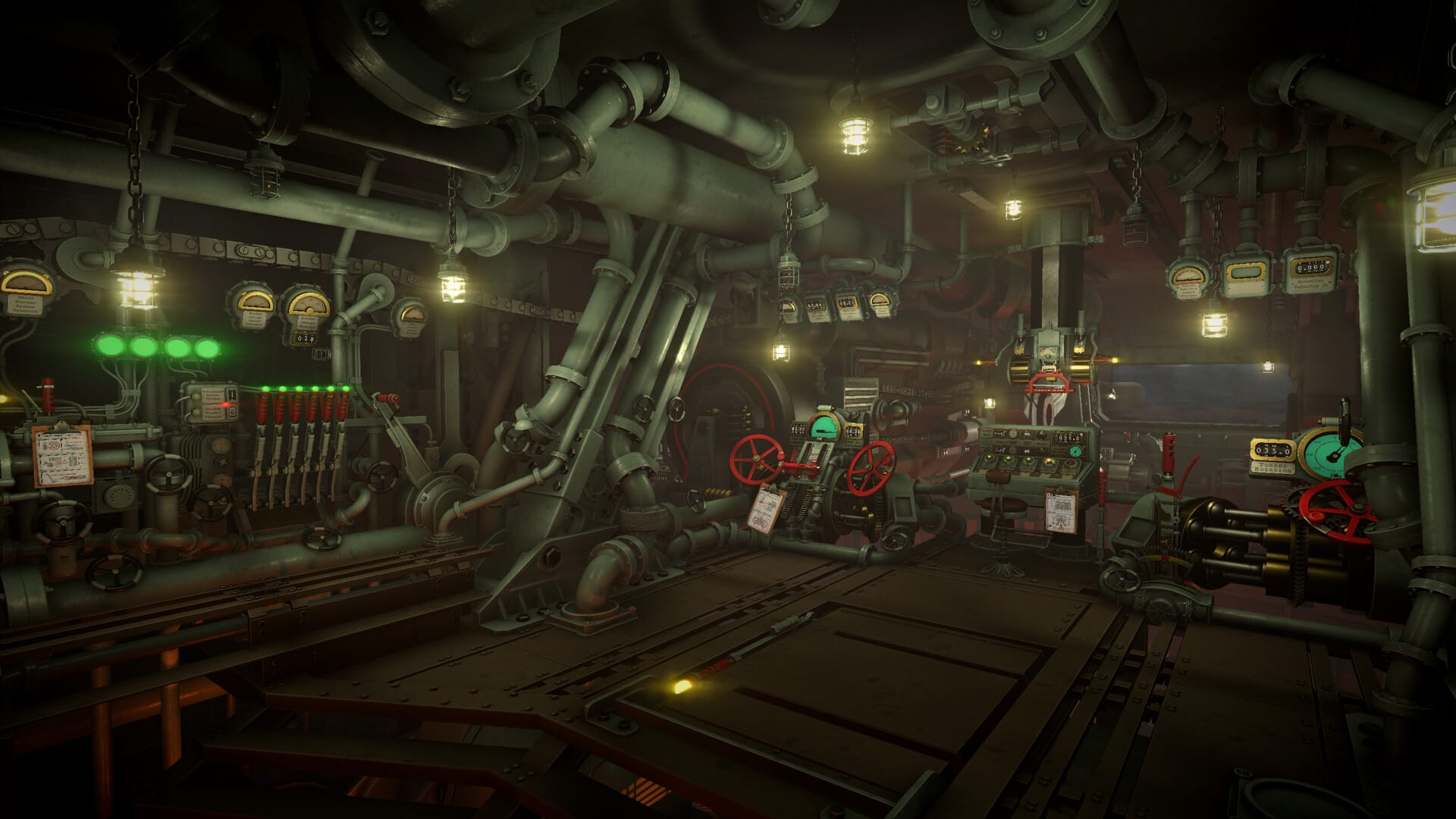
The title speaks volumes, even though the developers could have called their game 'Heavy Spider Turret Simulator' (HSTS) or 'Walking Spider with Big Guns' (WSWBG). Iron Nest: Heavy Turret Simulator is a first-person heavy artillery simulation with dieselpunk aesthetics, blending tactical problem-solving, war machine management and strategic decision-making. It is set in an alternate-history Spain on the brink of a civil war in the late 1920s. In this timeline, the monarchy still holds power and a republican uprising is spreading across the country. The game features two core modes: a story campaign and challenge missions. It is estimated that completing all missions without replaying any of them will take roughly 8–12 hours. Challenge missions offer greater replay value thanks to procedurally generated targets, unlockable ammunition, reconnaissance abilities and Steam leaderboards.
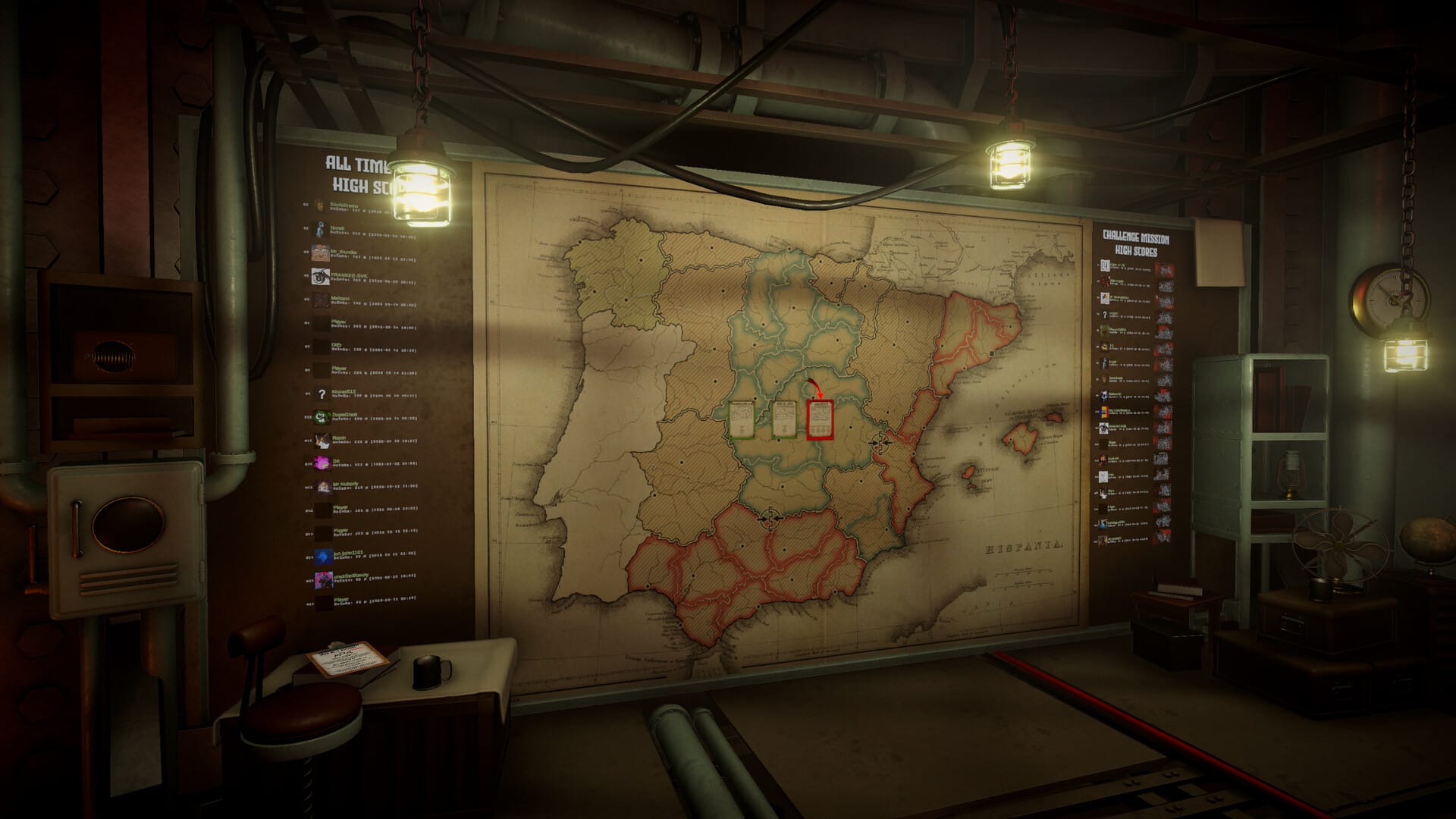
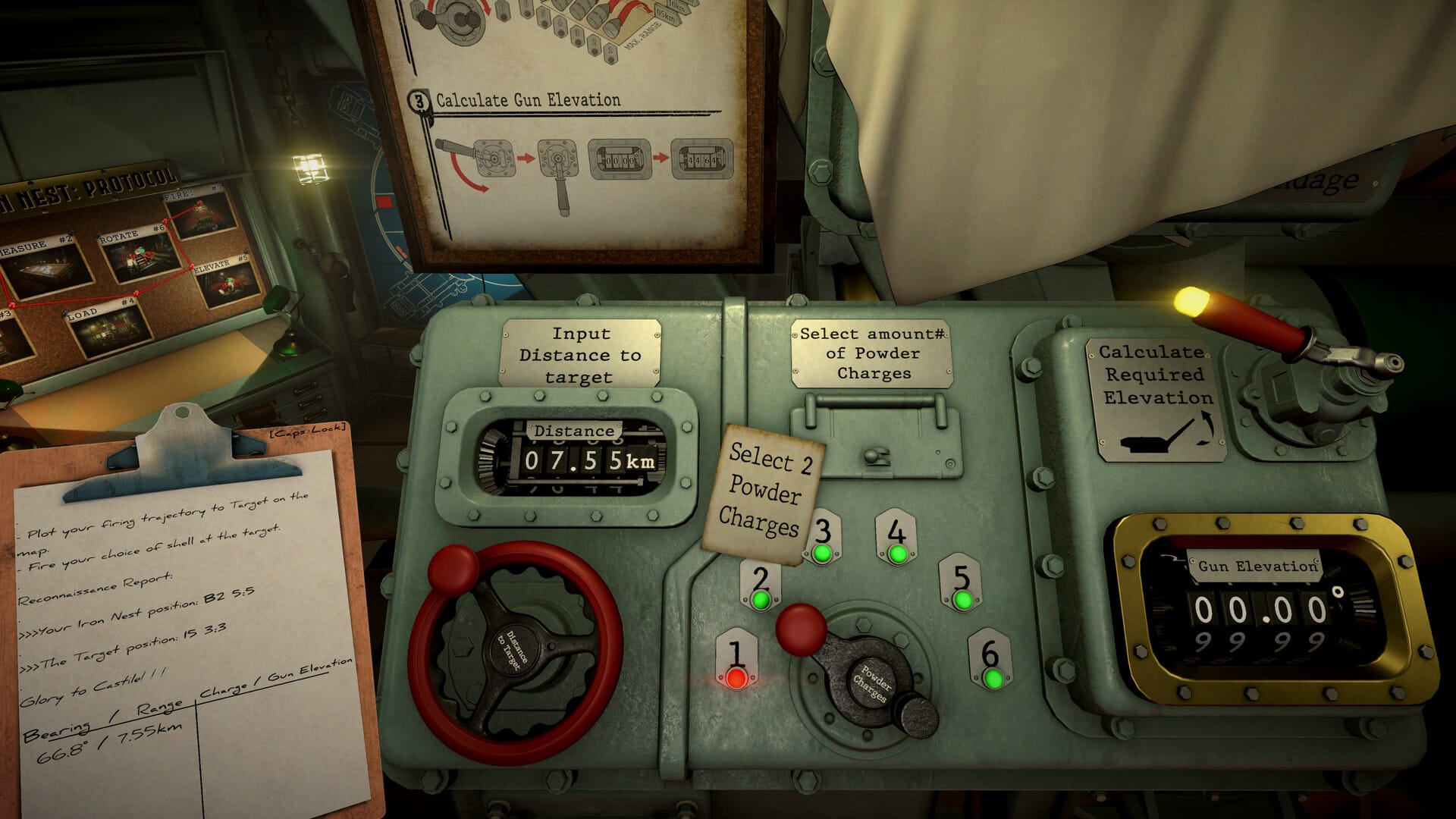
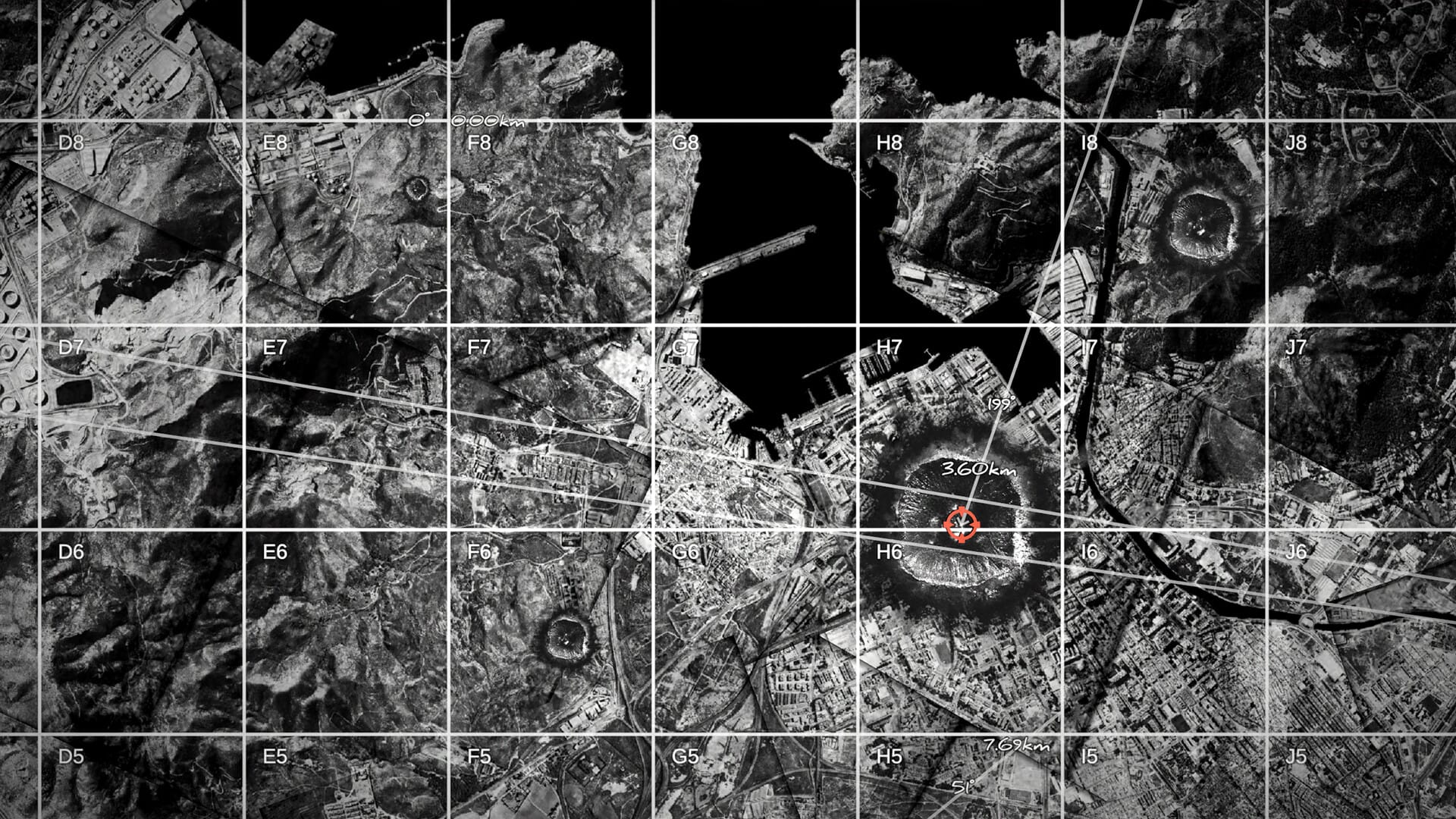
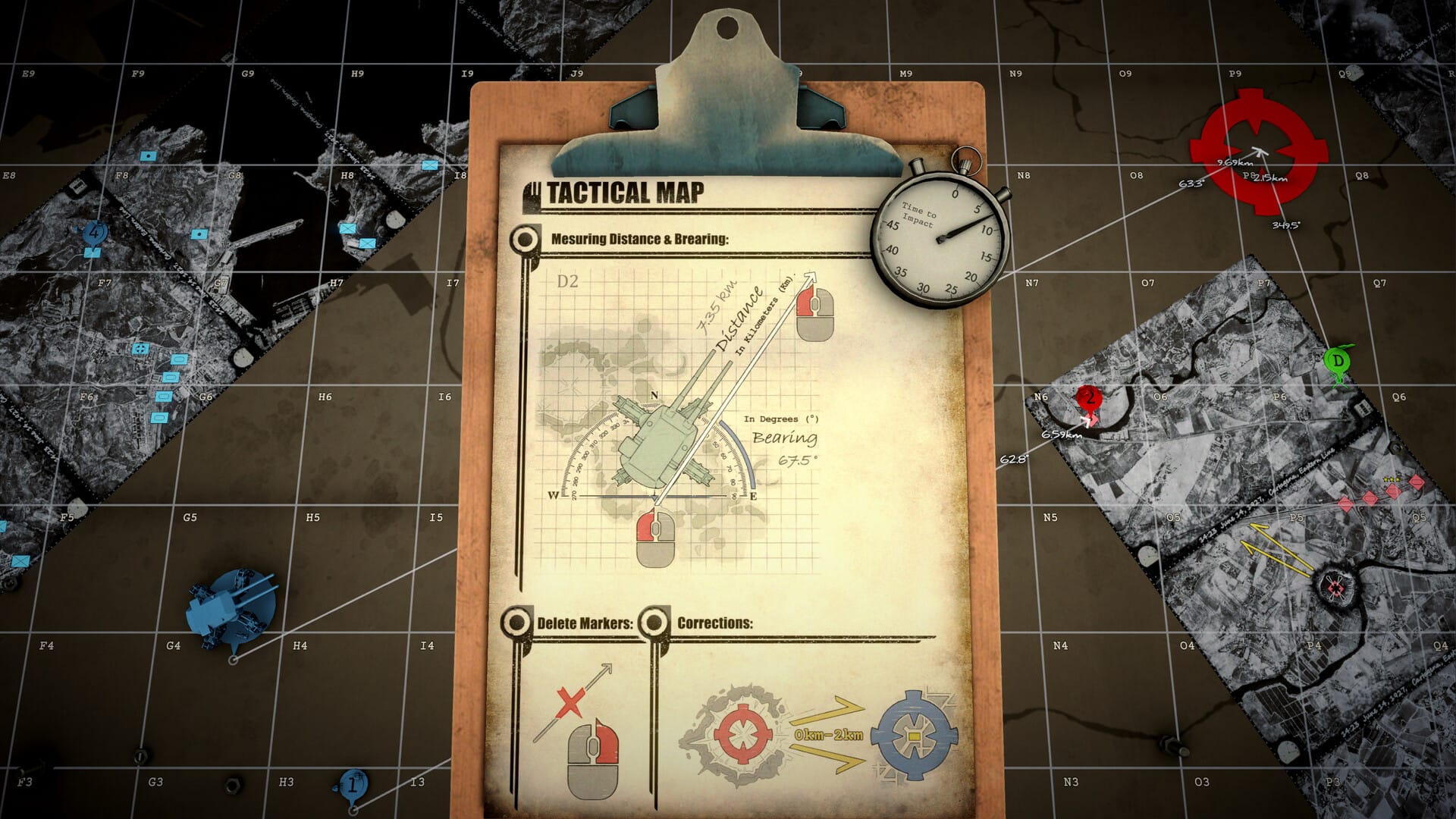
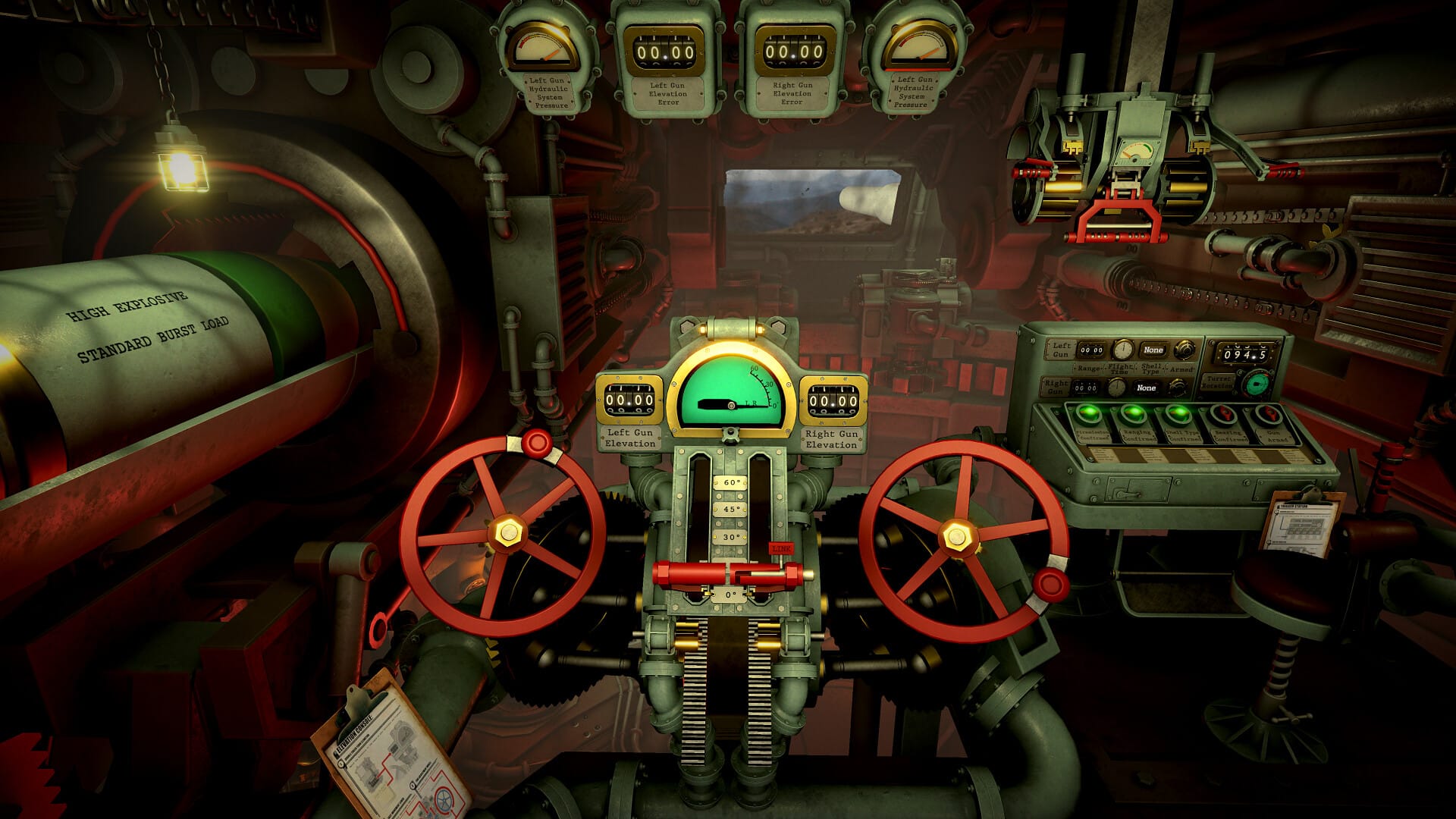
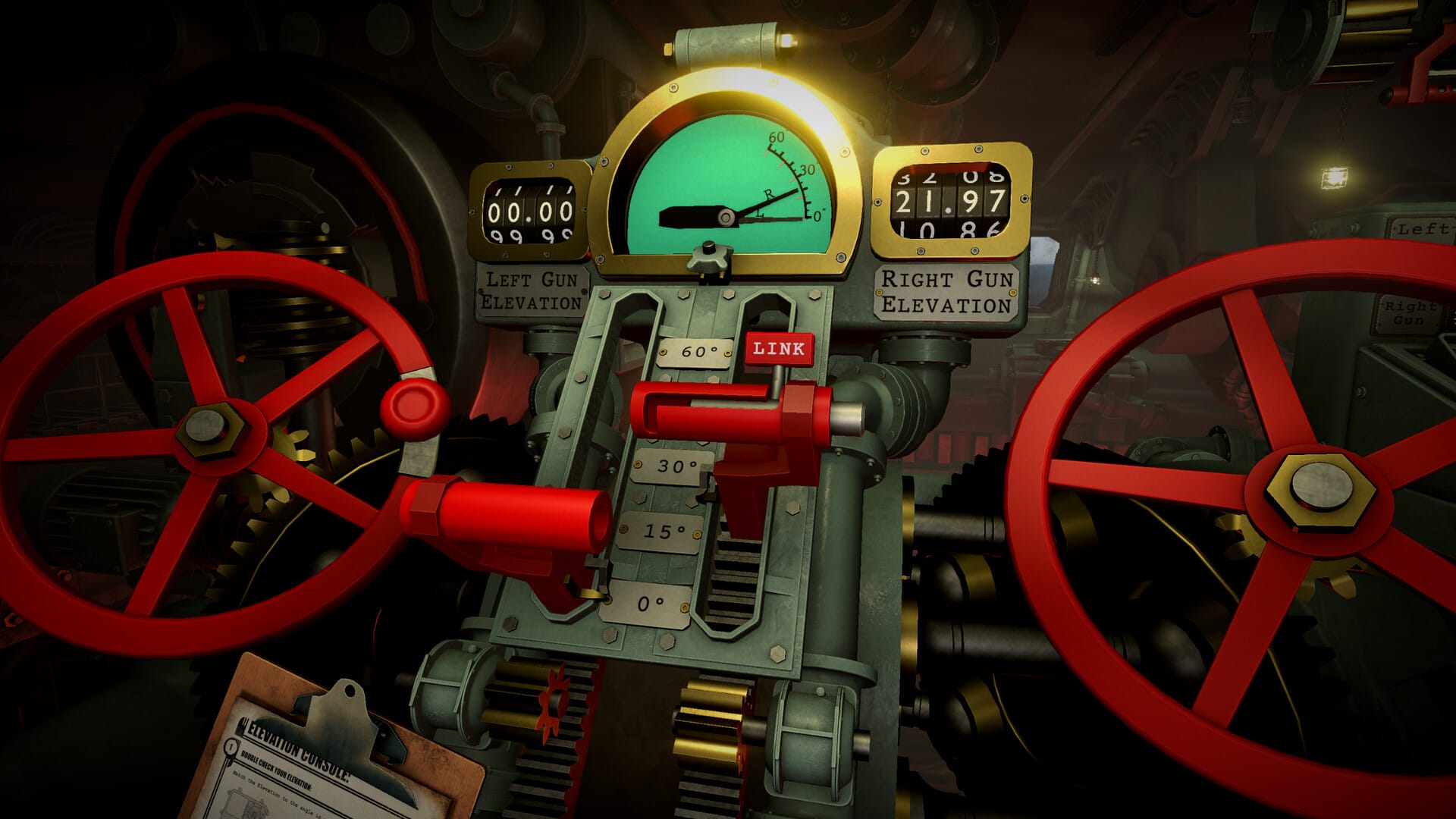
In the game, players control a 5,000-metric-ton spider turret, a mobile colossal battle station. In its simplest form, each mission begins with the operator receiving orders via the teleprinter. They must then interpret these orders, noting the most important information in their notebook and using the tactical map to take measurements. First, aerial reconnaissance is used to map the area and determine the enemy's position. As there is no crosshair, the distance and angle must be calculated manually. These measurements are then entered into the ballistic calculator to determine the required gun elevation. The player then selects the correct ammunition for the target, loading it alongside the appropriate number of powder charges used in the calculation. They also adjust the elevation and rotation of the turret, arm the left gun, right gun or both, depending on the situation, before finally firing.
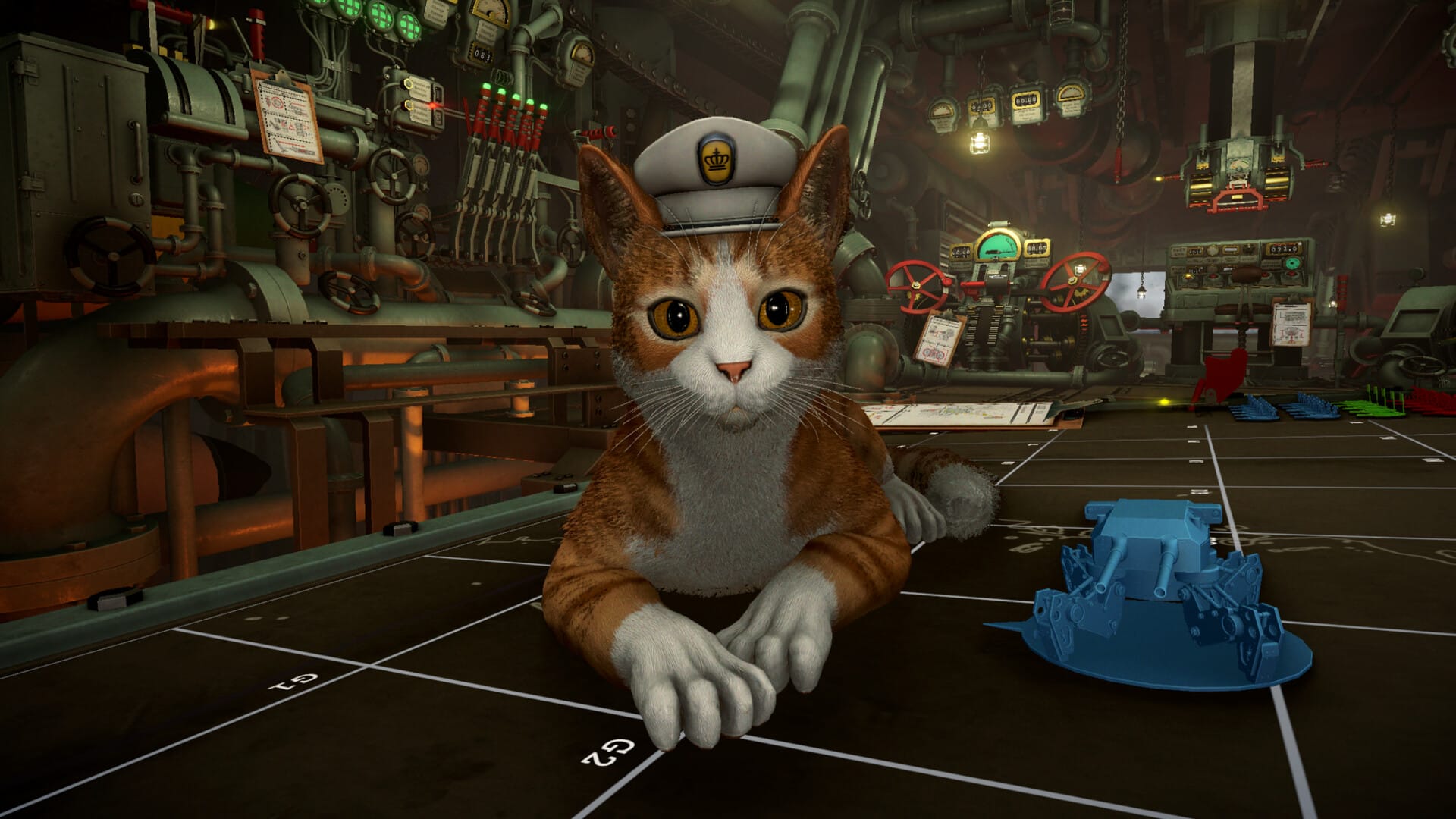
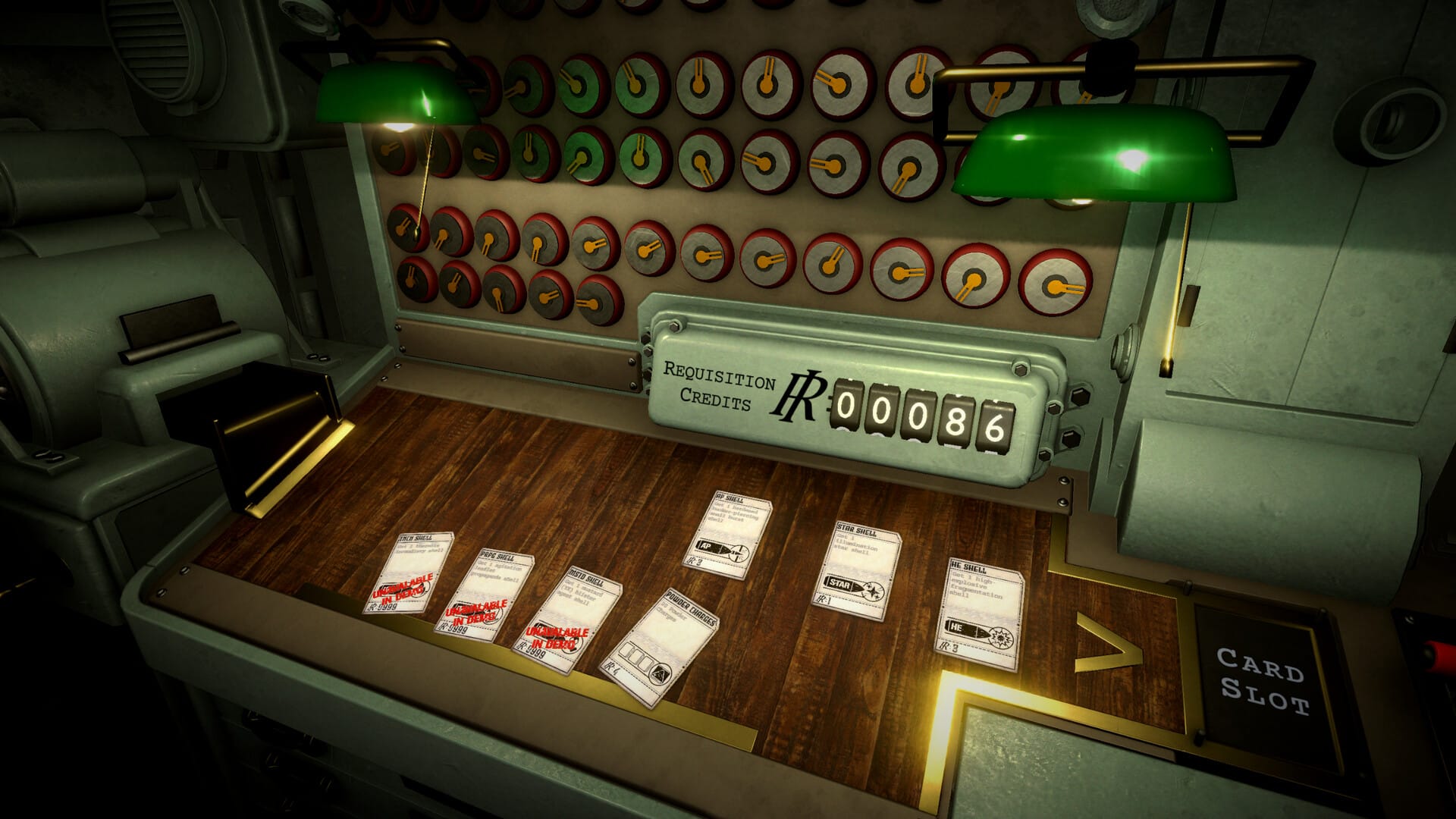
Once all the mission objectives have been completed, the player receives a newspaper summarising the operation and the latest world events. Then the next mission begins. Between assignments, the operator can use the requisition console to request new ammunition, abilities and other supplies. However, there is also a moral component, since players are merely executing orders. If players make incorrect calculations and enter the wrong measurements, they can often hit civilian targets, such as hospitals, which will be pointed out in the subsequent newspaper report. In between times, operators can also distract themselves with a cat companion, a coffee machine and a record player.
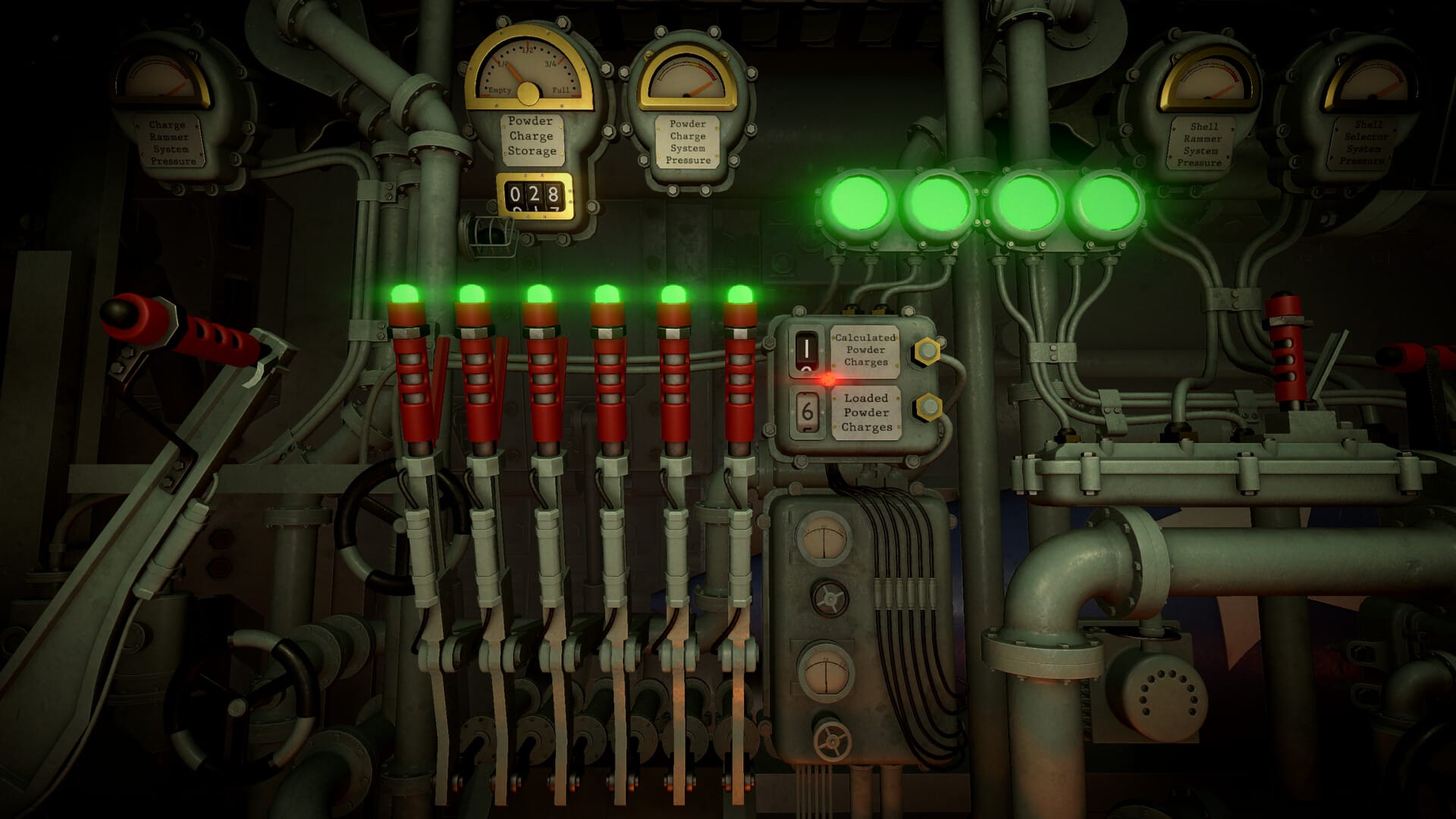
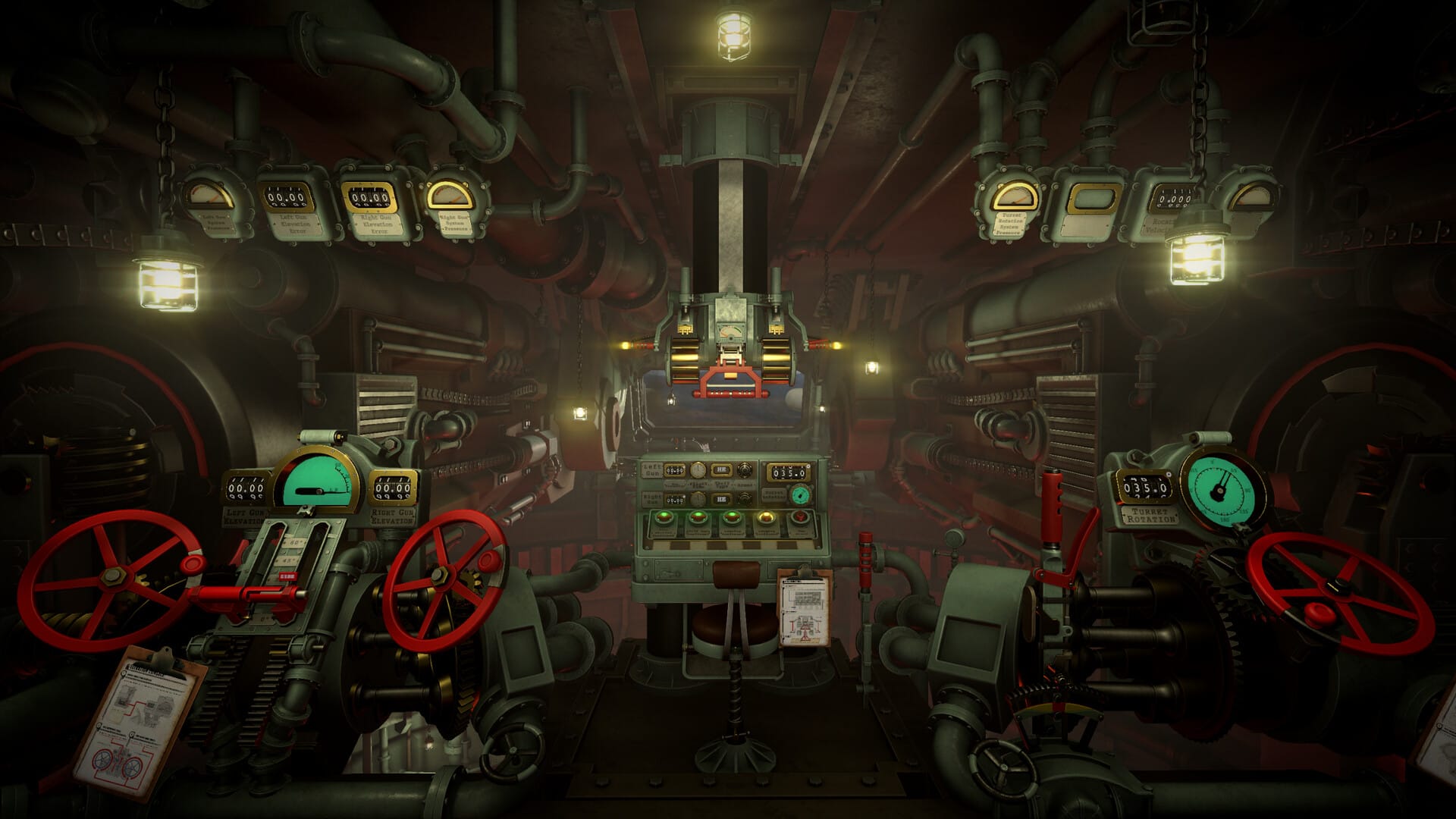
Preparing a shot can sometimes take several minutes. The developers place particular importance on immersion and the feel of the weapon. After all, this is a simulation. There are no shortcuts or hand-holding. Every lever, valve and mechanism serves a purpose. An important part of the gameplay is that systems can fail during missions, forcing players to improvise and calculate themselves. Reloading the gun involves physically pulling each handle, engaging the loading bridge, locking the chamber and manually feeding each powder charge. This gunnery simulation, which covers ammunition selection, powder charges, elevation/rotation and firing, is only one part of the core loop. Equally important is the strategic layer, in which players take map measurements based on orders from command to plan their shots. On top of that, players progress through a Requisition Console, requesting everything from extra powder charges to aerial reconnaissance support and specialised ammunition. Progression centres on unlocking new types of ammo and a range of reconnaissance and battlefield control abilities. A total of 30 ammo types and abilities can be unlocked.
The developers discuss the authenticity of the simulation in the FAQ: "Mechanically, it's grounded. The turret's function and animations aim to be accurate, drawing inspiration from systems like Bismarck, Schwerer Gustav, Iowa-class guns, and early French autoloaders ... with some mix-and-match for the best visuals and gameplay. Control-wise, it's simplified so one Operator can run the whole machine; in real life, those roles are split across multiple crew members and compartments. We also make a big visual break from reality by keeping everything open and readable. Real turrets are packed with sealed compartments, which would hide the machinery and kill the spectacle. Fun and clarity come first, but the hardware logic is there."
Two people are behind Iron Nest: Heavy Turret Simulator. Nick Talmers (developer) from Spain and Dominik Latos (marketing and PR) from Poland. The project is fully self-published, with no publisher or outside investors. Together, Nick and Dominik have over 25 years of industry experience. The idea for the collaboration was sealed at gamescom, fuelled by "alcohol and questionable decisions... just like any proper field operation". They are both fans of PVKK: Planetenverteidigungskanonenkommandant from Bippinbits and cite it as inspiration. However, they clarify that their core gameplay loop revolves around ground-based artillery, which brings a completely different setup, mechanics, and challenges compared to an orbital gun. Not to mention that PVKK also features a story rich with political intrigue and moral dilemmas.
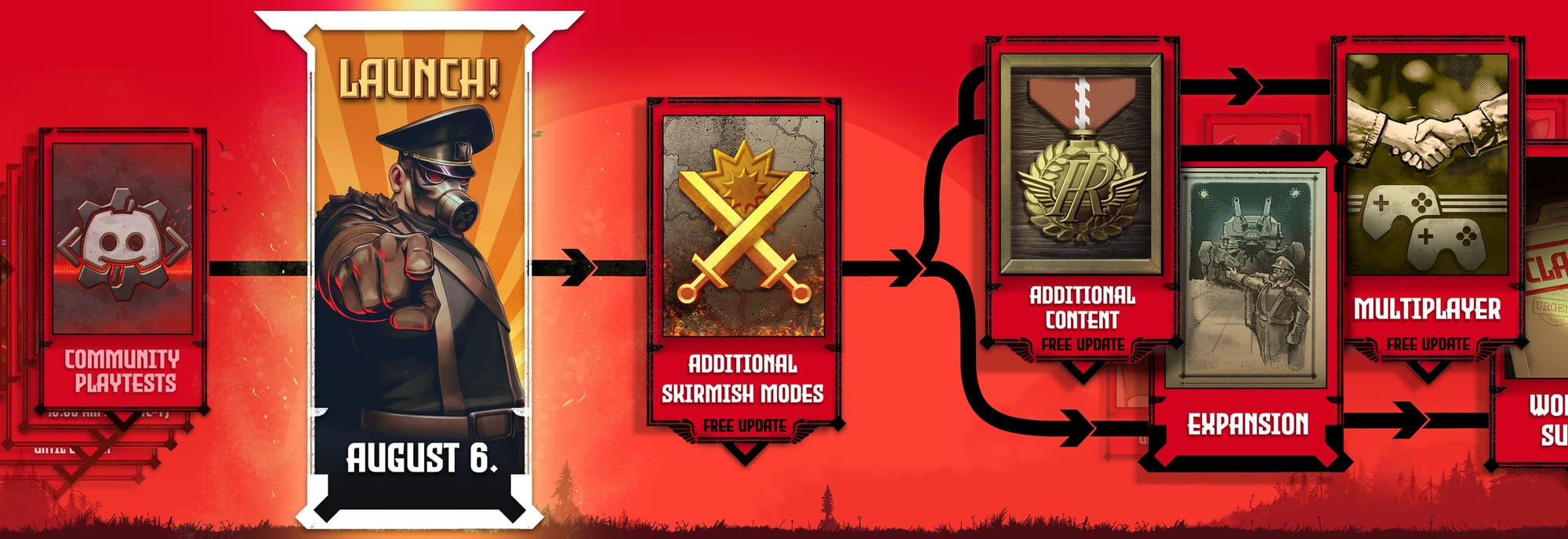
Iron Nest: Heavy Turret Simulator was released on 6 August 2026, priced at €19.99, on PC via Steam, GOG and the Epic Games Store. The post-launch roadmap features free future content updates, including additional skirmish modes and a multiplayer mode with cooperative and competitive options, as well as an (paid) expansion. Console versions for Xbox, PlayStation and Nintendo Switch 2 are planned after the PC release. A VR version is also intended.
In addition, there are plans for a separate, standalone co-op game. In this game, players will work together on the same platform with their fellow operators. Currently planned for late 2027 or early 2028, it will be the next game set in the Iron Nest universe.
Conclusion
Iron Nest: Heavy Turret Simulator transforms complex ballistics and the management of a gigantic spider turret into an engaging tactical puzzle. It is also a unique homage to the allure of controlling this enormous mechanical cannon, which weighs several metric tons.
Features
Immersive and highly atmospheric dieselpunk heavy-artillery simulator
Marcel Kleffmann is Chief of Content of GamesMarket and our B2B and B2C expert for hardware, market data, products and launch numbers with more than two decades of editorial experience. (marcelDOTkleffmannATgamesmarktDOTde)
One of the games universities in Bavaria is Ludwig-Maximilians-Universität in Munich, but other institutions have even more special programmes and labs to offer (LMU)