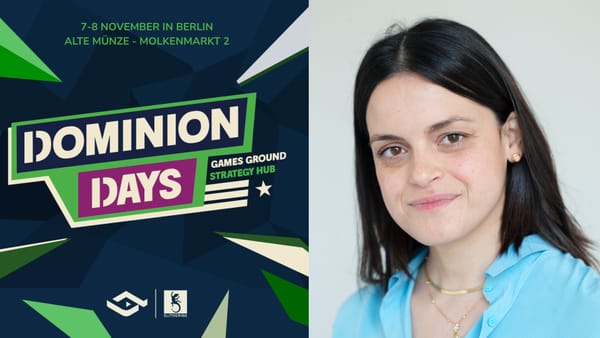
Olliver Heins (Aonic) on Europe as a Gaming Location
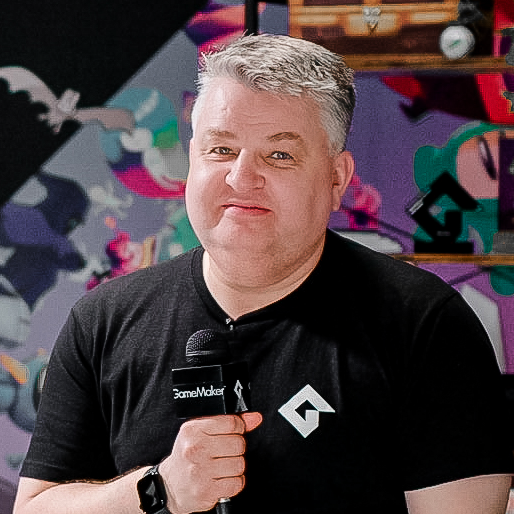
How do industry executives rate Europe's position in the global market? We spoke to Olliver Heins, Co-Founder and Chief Product Officer at Aonic, to find out.

– 4 min read

How do industry executives rate Europe's position in the global market? We spoke to Olliver Heins, Co-Founder and Chief Product Officer at Aonic, to find out.

The European games market is large and varied, but how does its level of competitiveness compare with that of the USA and Asia? So, how are companies dealing with these challenges? This series of interviews features numerous executives answering all these questions. We interviewed Olliver Heins, Co-Founder and Chief Product Officer at Aonic (UK).
GamesMarkt: What is your opinion of the current state of the European games market?
Olliver Heins: "We all know that people in Europe and around the world still love playing games. Steam is breaking its own records for concurrent users frequently. The sales are just divided between more games, which leads to a highly competitive market, with gamers hunting discounts and the best value for money.
Meanwhile, price increases across the board on consoles, console games and accessories have not helped this predicament.
As a production location, Europe is fantastic. Most of the top-performing mobile games are developed in Europe – yes, in some cases they are owned by US companies, but produced in Europe. In PC and console, games like Kingdom Come: Deliverance II, Split Fiction, the Batman Arkham series and many more prove what European developers are capable of."
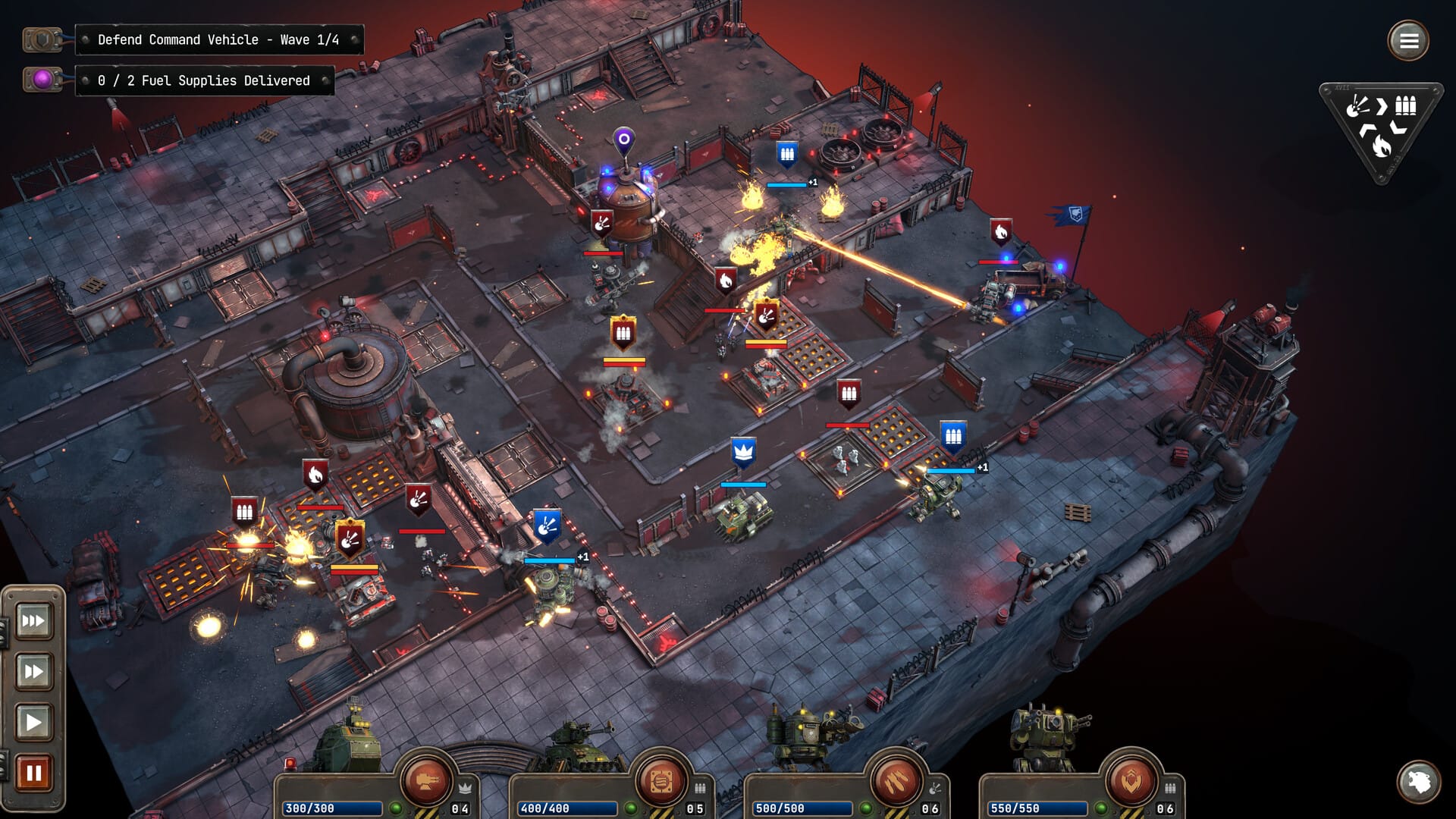
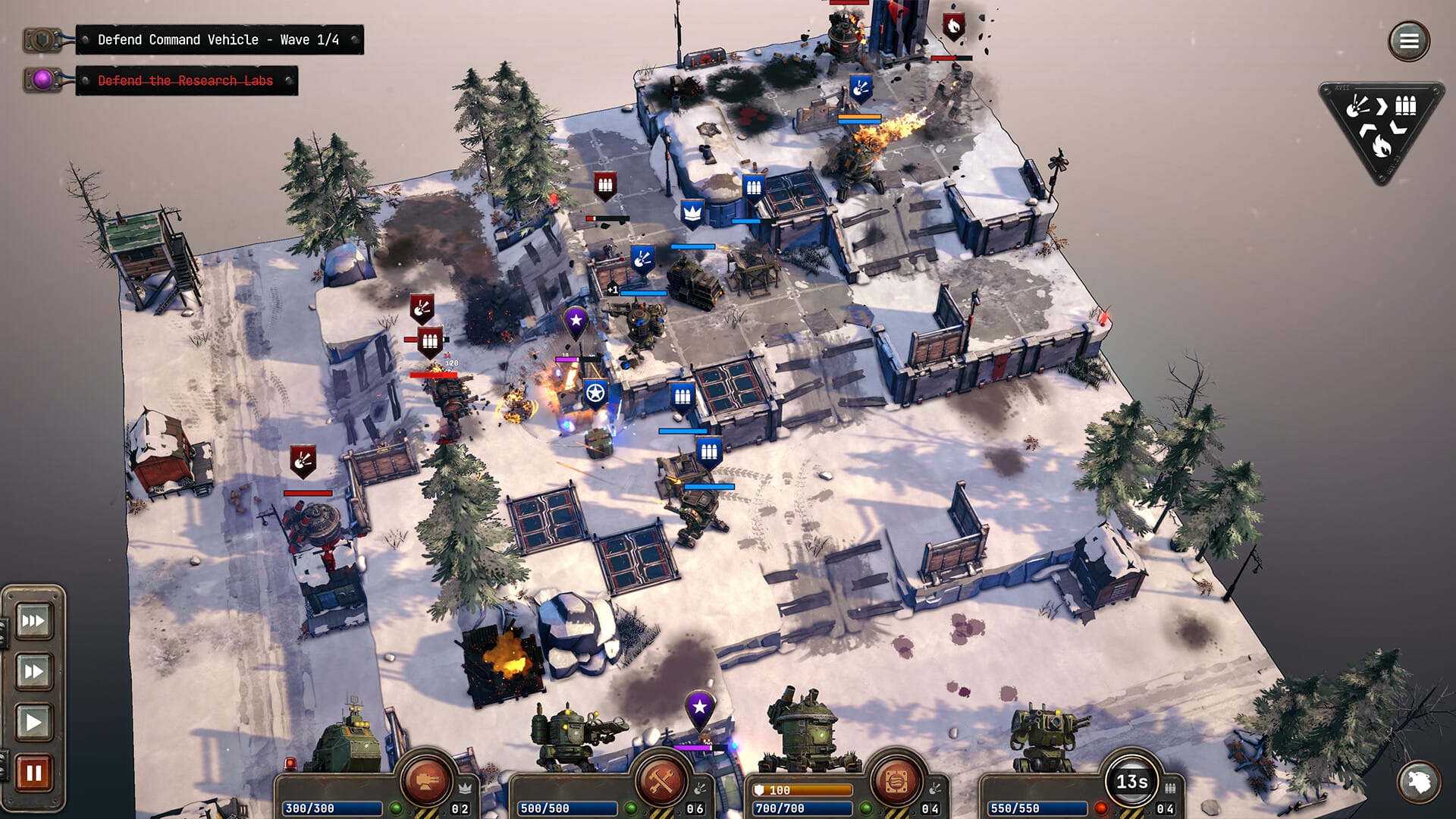

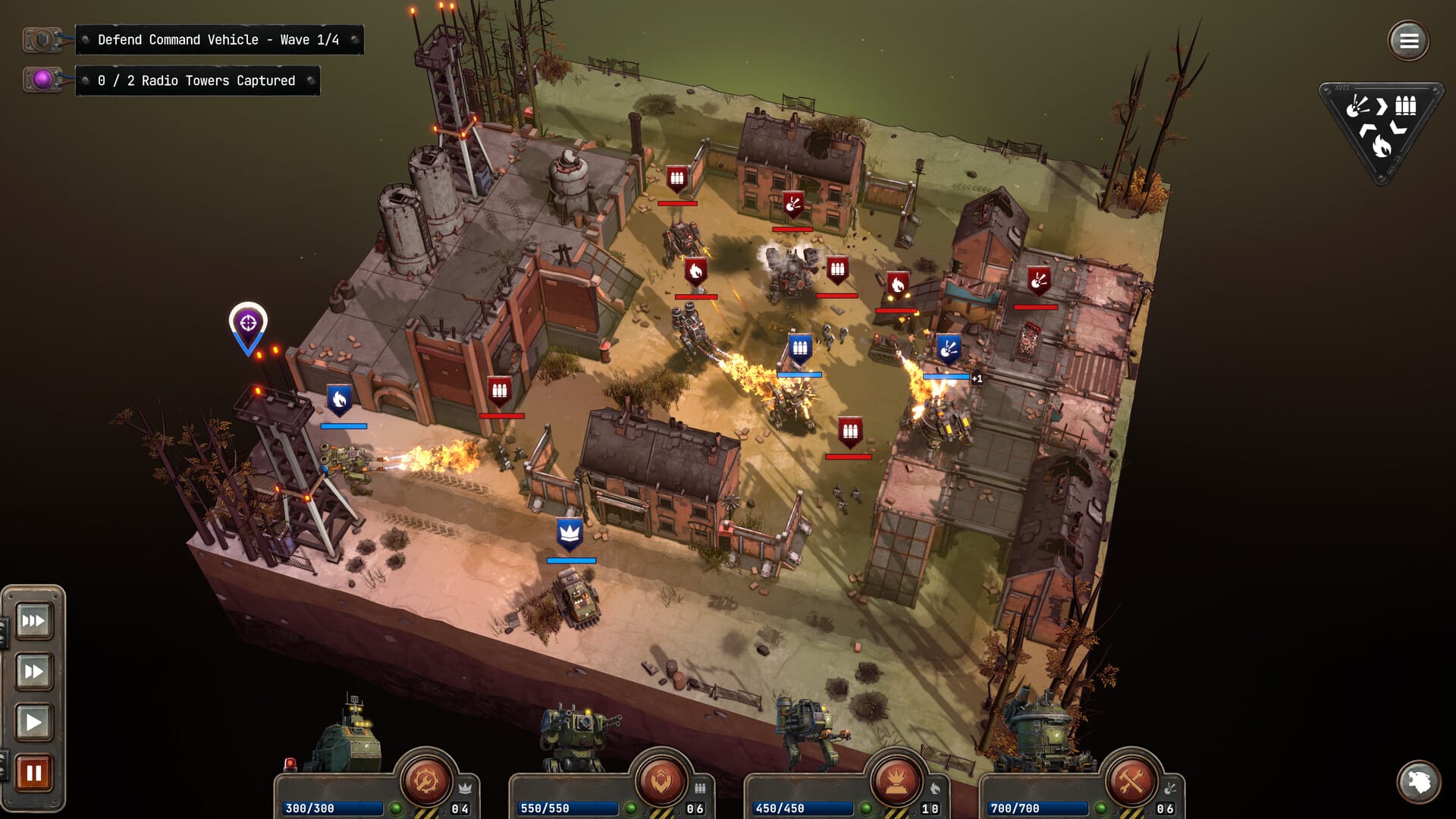

Grit and Valor - 1949 by Milky Tea Studios is the first game from Megabit Publishing, the publishing arm of Aonic
GamesMarkt: Is Europe able to compete with the other major markets, particularly North America and Asia?
Olliver Heins: "Europe's development costs are lower than in the US, while facing a challenge from markets like China, India and Taiwan. But mostly, I think Europe is in a good spot in terms of balancing cost and quality of production.
China is a really interesting market, with some huge games which are only really successful domestically. But they have also now shown that they can build games for the global market – the standout example being Black Myth: Wukong, a fantastically executed game that looked brilliant. We can expect to see more examples of this.
Europeans, generally, wouldn't build AAA games of the scale and cost of their US counterparts, with budgets exceeding $100 million. But that's not to say that European studios do not have the pedigree to create amazing AAA-quality titles – just look at the output of Remedy.
When you have smaller budgets, you need to think differently. This is why Europe is really good when it comes to indies. Just take Enshrouded, an amazing product from Keen Games, that certainly did not have the budget of a game like Baldur's Gate 3, but has been hugely successful on its own terms.
So Europe, North America and Asia all have our strengths and weaknesses - and we all have our place in the market."
GamesMarkt: How would you say Aonic is positioned in terms of the opportunities and challenges it faces in the European market?
Olliver Heins: "Aonic is a diverse group; so we have not one game, but multiple games. We have not one studio, but multiple studios, across multiple locations in Europe and North America.
This gives us the ability to react a bit more. We can slow down on one game and pace up on another, if we see a shift in the market that shows this is the right choice. If a game needs more time, or some other changes, it's not a reason to panic like it might be for a smaller team.
At the same time, we know we have a lot to prove. We want Aonic and Megabit to be known for some of the best games around, which takes a lot of time and work. Our mission is to do everything we can to get there, step by step."

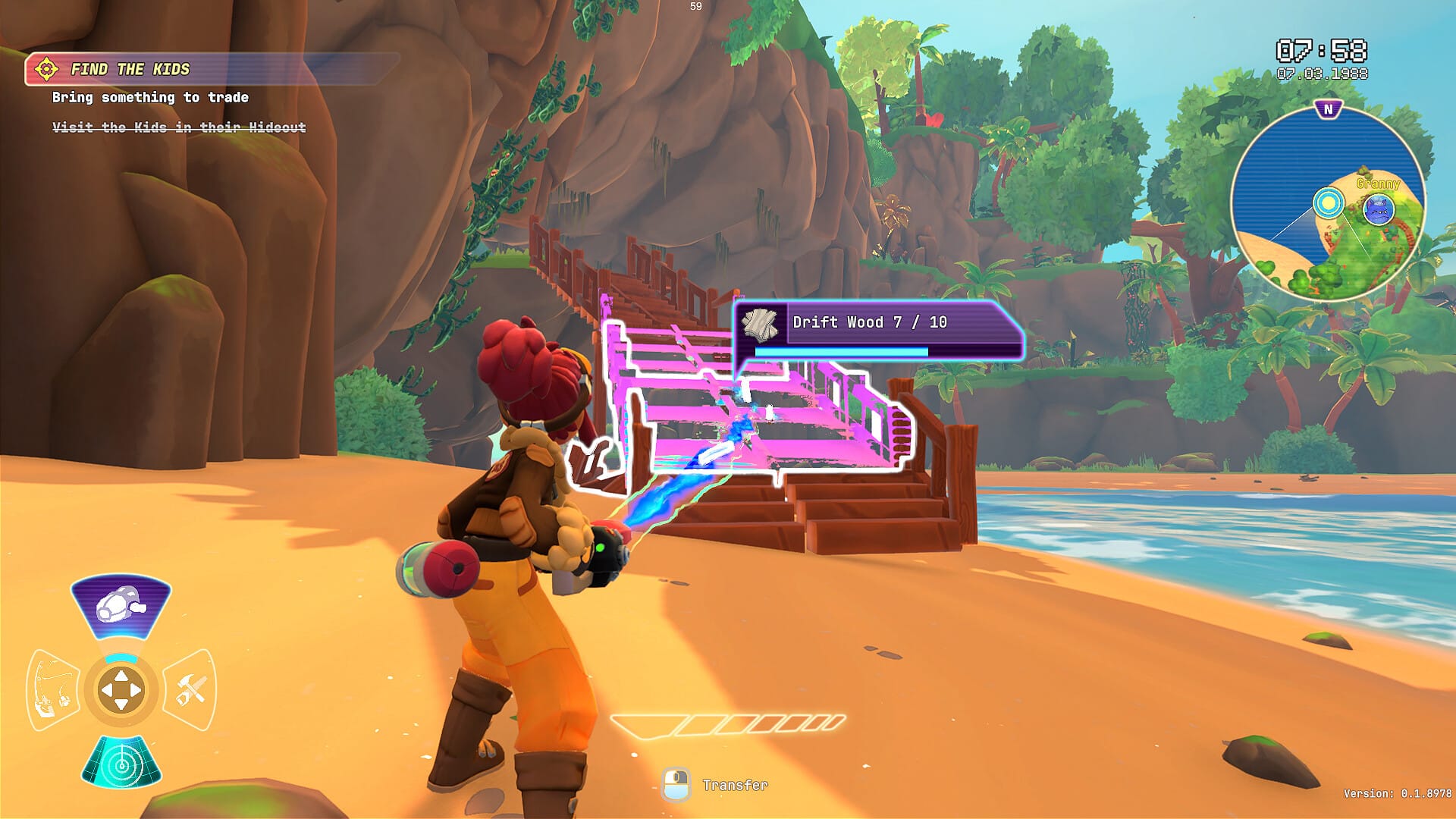

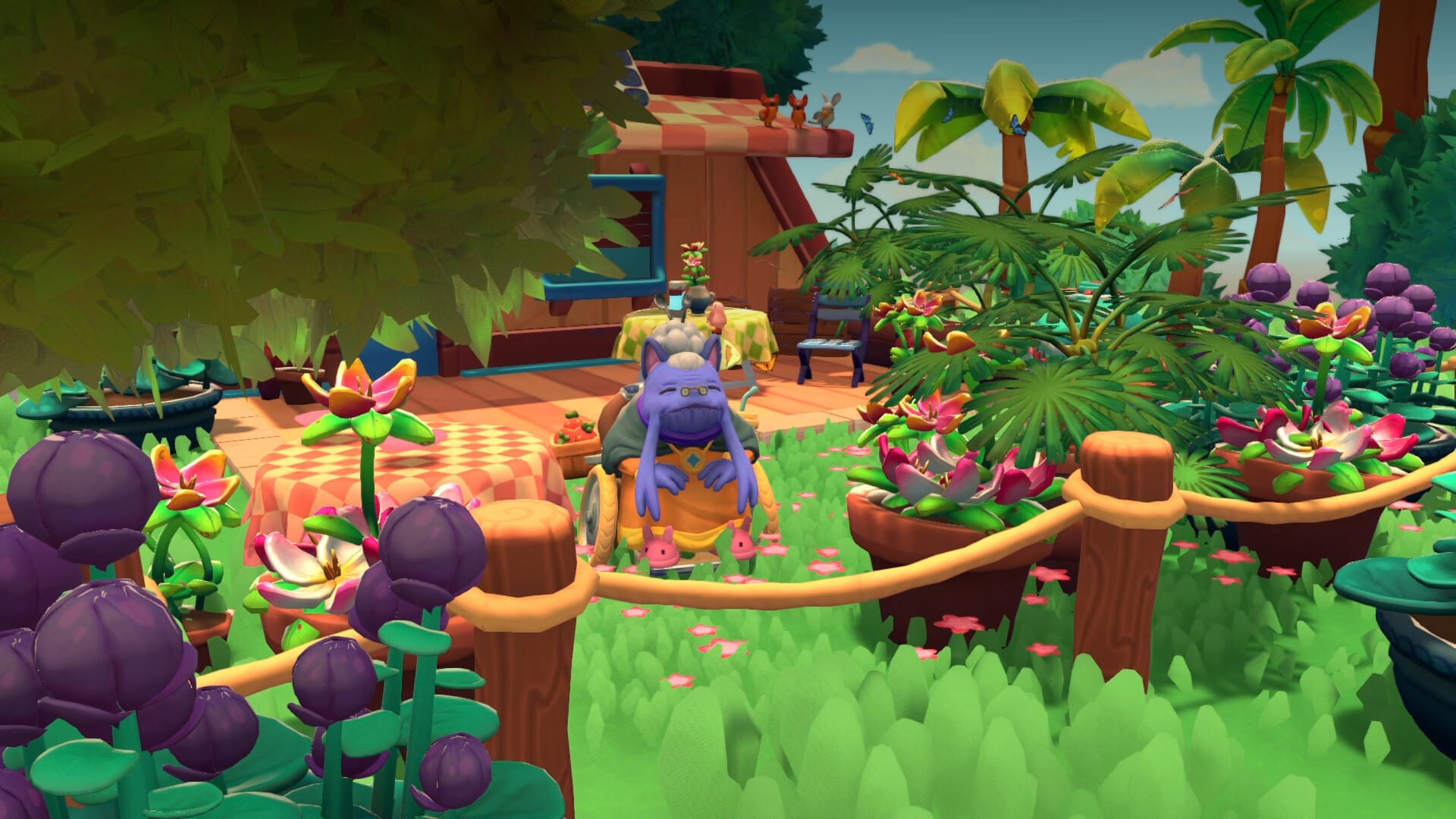
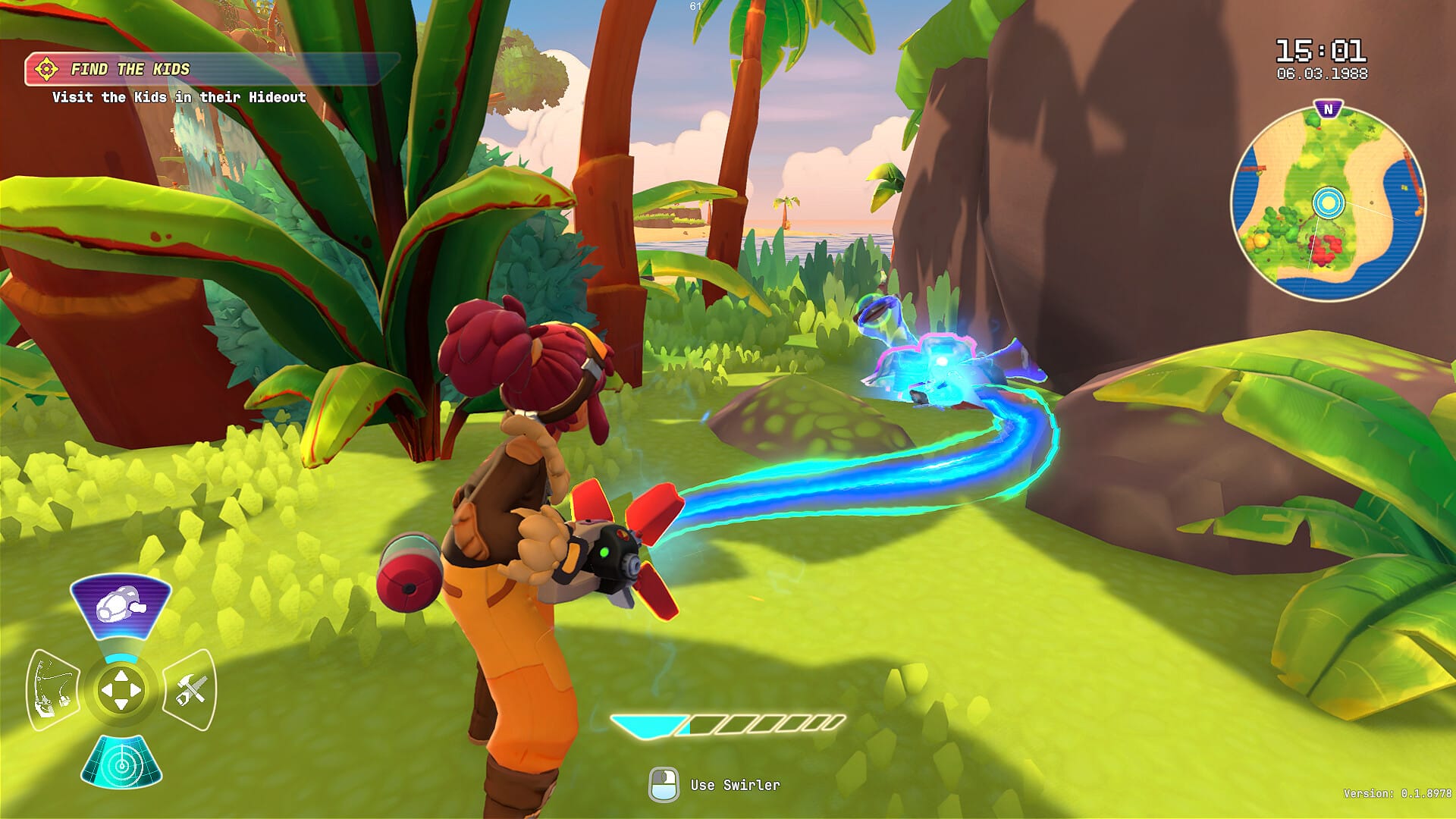

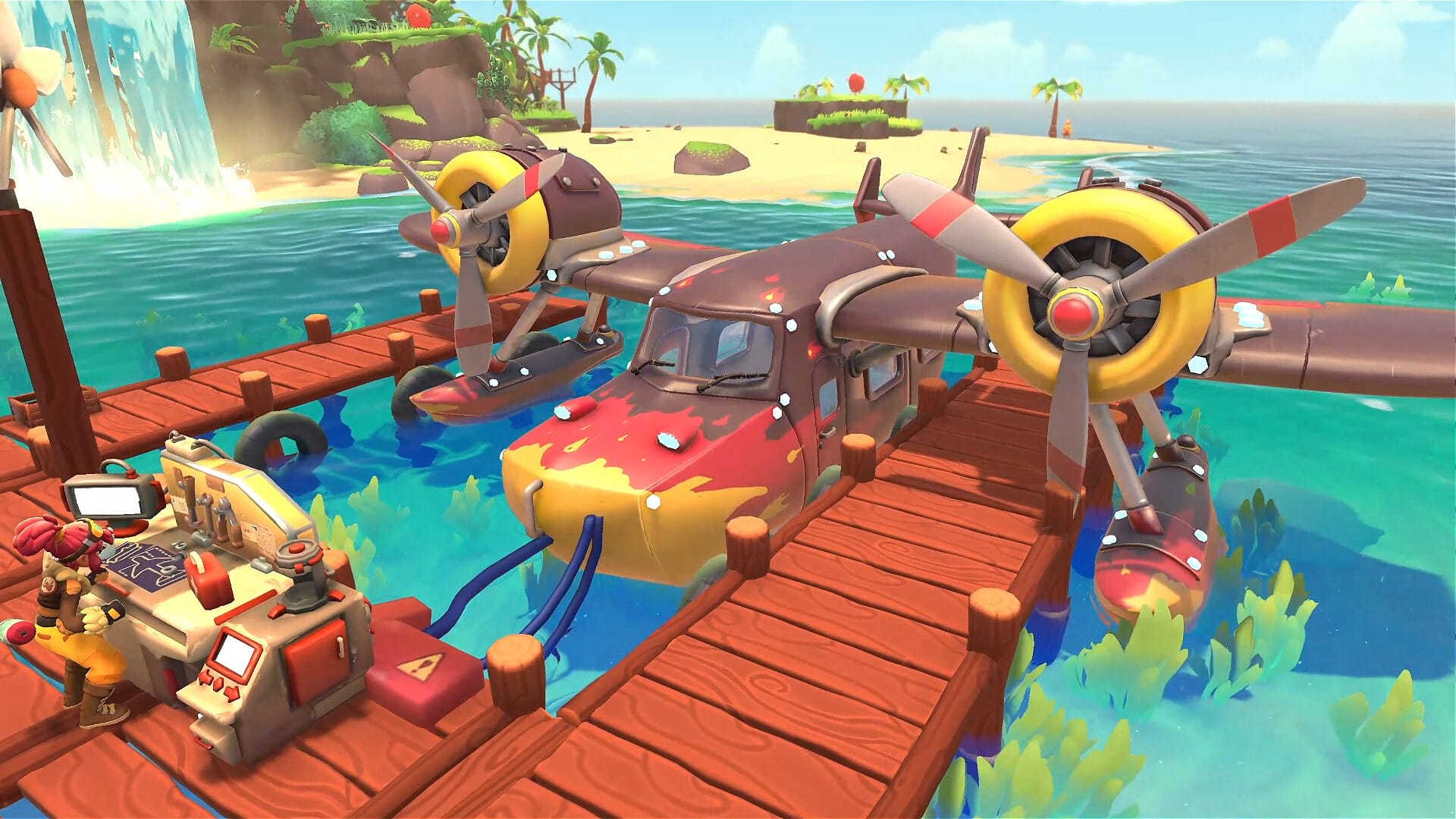
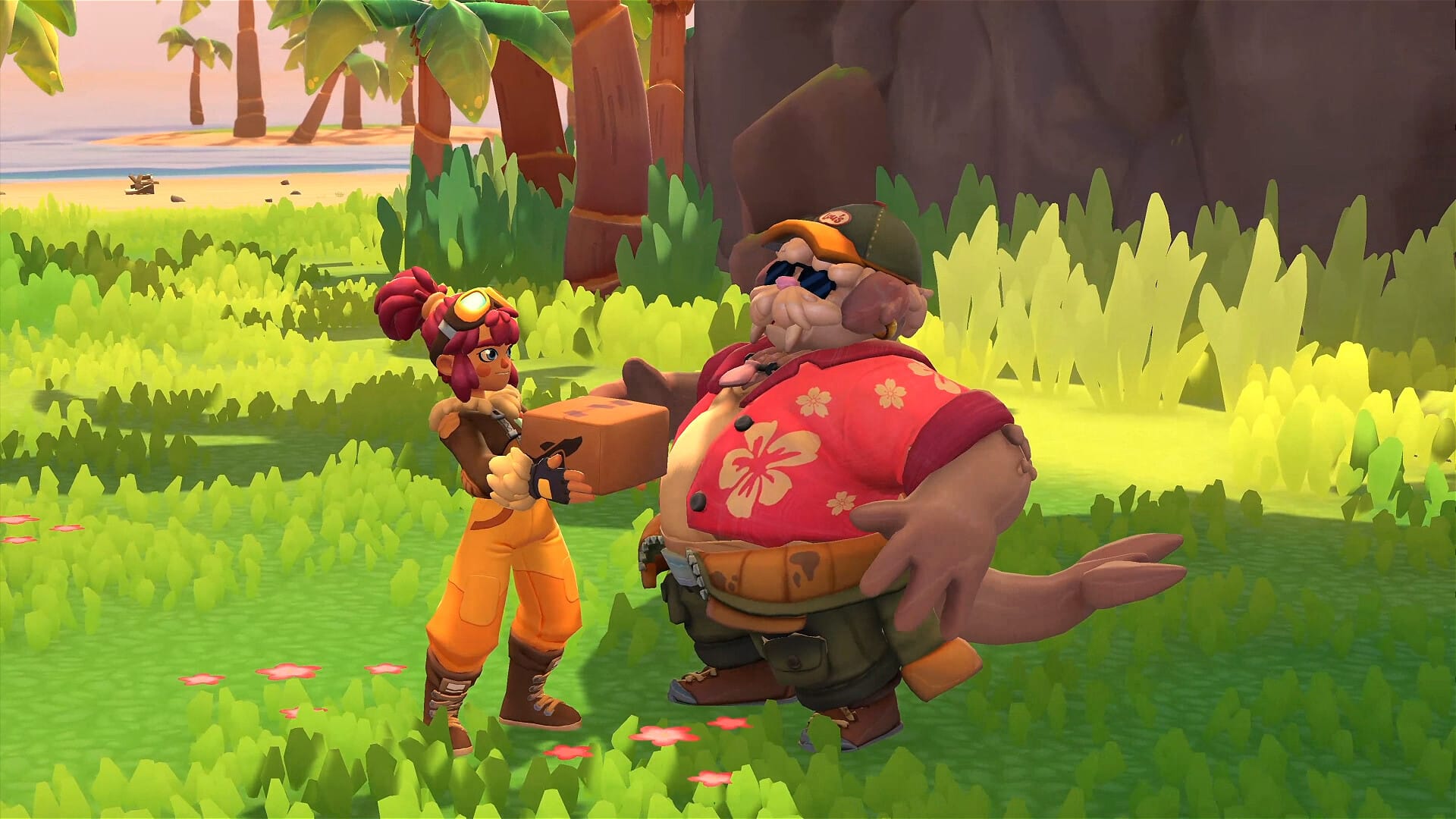
Tiny Roar, a Hamburg-based company owned by the Aonic Group, is developing Lou's Lagoon. The game will also be published by Megabit Publishing in collaboration with rokaplay.