One Piece: Grand Gourmet isn't the first big IP game of cult Japanese sim dev Kairosoft (that would be Doraemon), but it's the studio's most elaborate game so far, while still retaining their usual, captivating build and manage formula.
On PCs and even consoles, the name Kairosoft is still relatively unknown outside of Japan; after all, the Japanese development team’s games have only been appearing more frequently there again for the past few years. On smartphones, however, the simulation developer is a major player: The company, which has been around since 1996, made a name for itself primarily with Game Dev Story, a 2012 mobile remake of its 1997 Windows title of the same name.
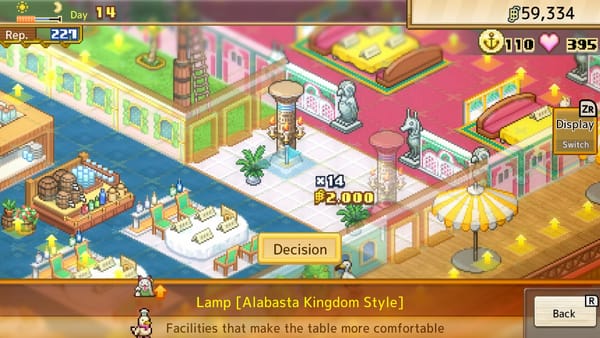
The mobile adaptation not only defined the game mechanics for which Kairosoft would become famous, but also its graphical style: Since 2012, the developer’s games have remained virtually unchanged; only the setting—and, accordingly, the individual sprites of these ever-charming pixel games—vary. Over 30 mobile games from Kairosoft have been available for purchase in the West since then, and more than ten others haven’t even been translated from Japanese yet. And it’s certainly fair to say: If you know one, you know them all. But this is by no means meant as a criticism, because Kairosoft games have a large fan base, and the gameplay has almost always masterfully struck the fine balance between management challenges and laid-back base-building. Consequently, the format of these games has essentially become a “Kairosoft formula”: No matter what the setting is, players are always building an area, whether it’s an entire city like in Oh! Edo Towns or an office like in Game Dev Story. The buildable items always interact with one another—either by forming compatible sets that unlock new visitors or mechanics, or by influencing each other’s stats, thereby making the core business of the respective management system more lucrative.
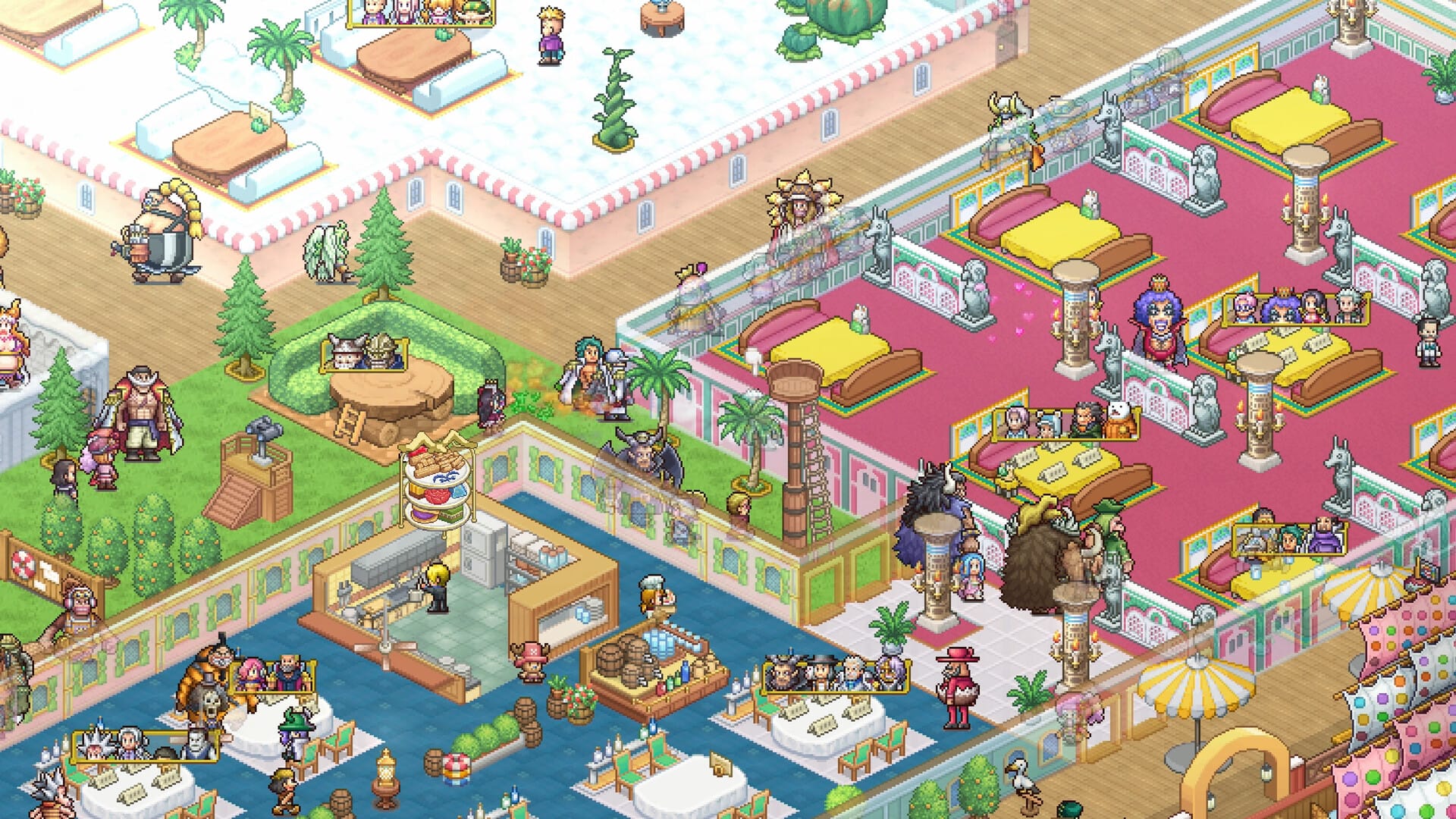
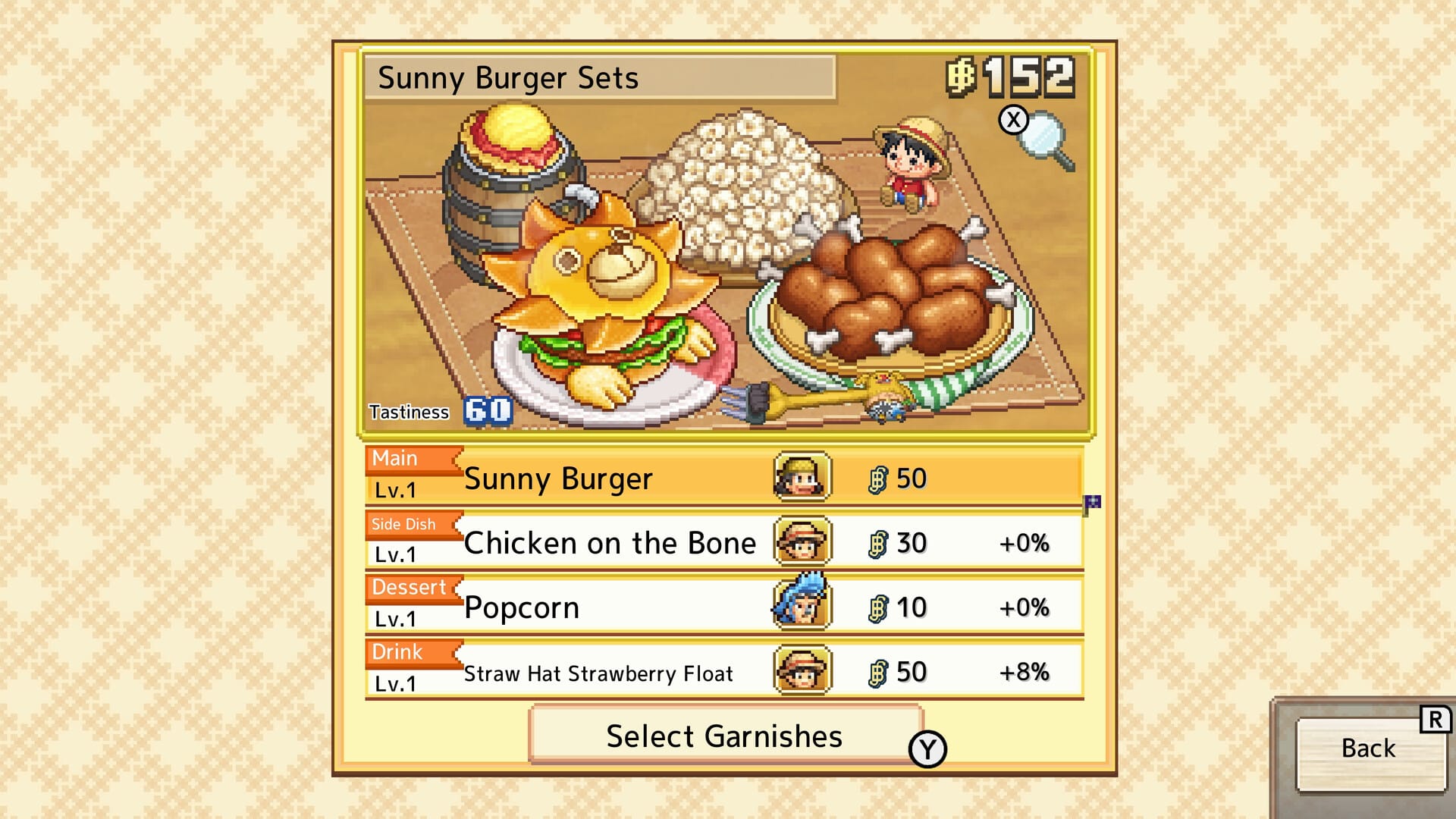
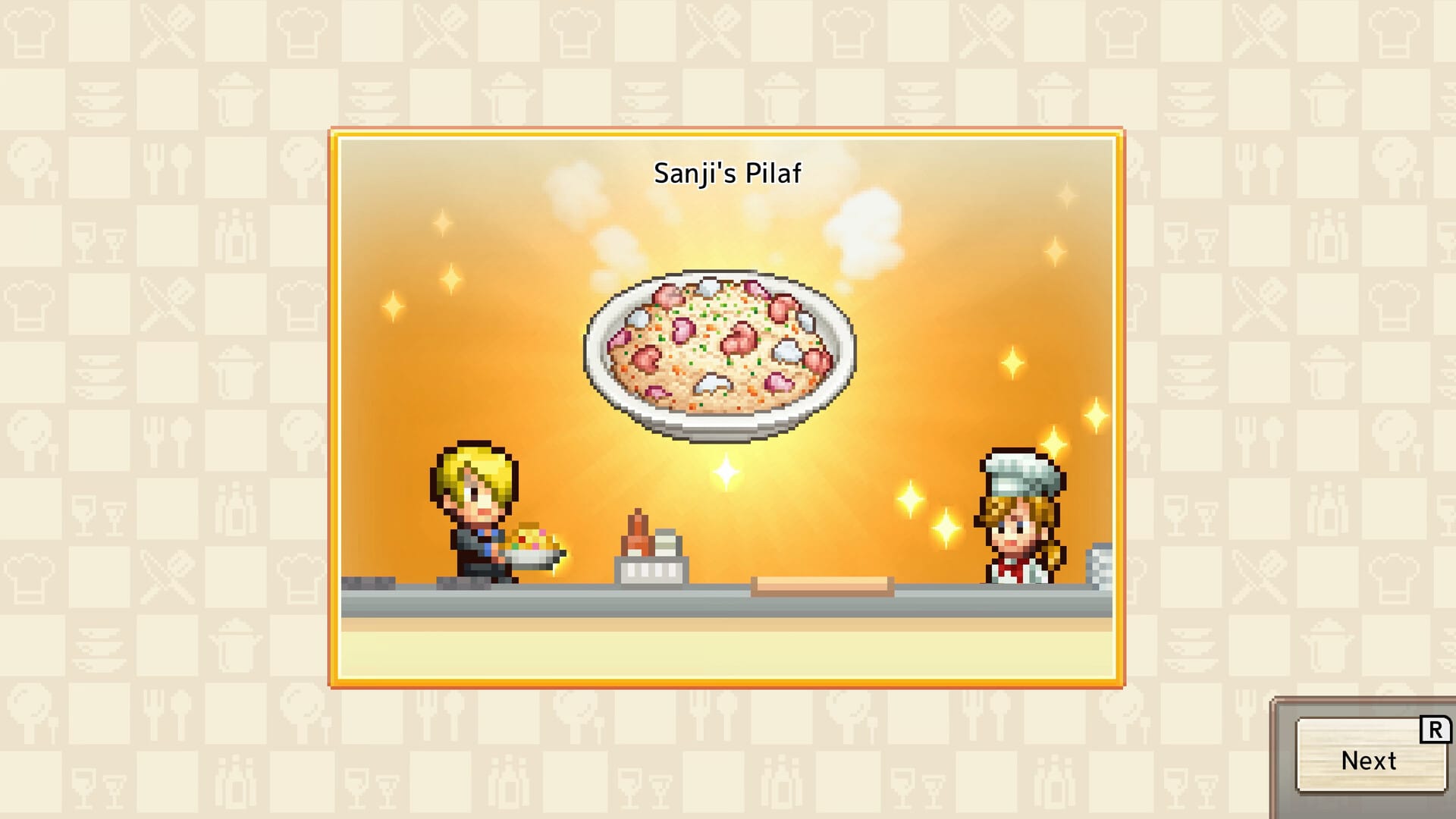
So why does a review of One Piece: Grand Gourmet—the management game set in the iconic anime pirate universe, published by Bandai Namco Entertainment and developed by Kairosoft—begin with such a lengthy description of Kairosoft’s game formula? Well, because Grand Gourmet doesn’t deviate from the Kairosoft formula at all. The game looks exactly like all Kairosoft titles—and plays that way, too. But the setting is quite impressive: As players, we rebuild a mini-version of the restaurant ship Baratie from scratch, starting with the very first dining table. Since the Straw Hat Pirates are scattered across the seas at the beginning, we initially have Sanji cook the meals in the restaurant while Luffy goes on expeditions to find new ingredients. Gradually, the other pirates return, and numerous familiar characters from the manga and anime also find their way onto our gourmet ship as guests. If you serve good food and create a pleasant atmosphere on the ship through clever combinations of items, you’ll earn money and can even turn guests into fans who’ll follow the ship to another ocean just for a serving of popcorn or a hearty burger.
Unfortunately, One Piece: Grand Gourmet is significantly more text-heavy than other Kairosoft titles. This is likely a deliberate choice to introduce new players—who may not be familiar with Kairosoft but were drawn in by the anime IP—to the game’s signature gameplay; however, it results in a slow start, especially on mobile devices, which are designed for quick gaming sessions. Once you’re in, though, the mix of furniture placement, budget management, and the numerous restaurant upgrade options housed in various menus remains as appealing as ever. And for One Piece fans, Grand Gourmet will undoubtedly be the best Kairosoft game anyway.
One Piece: Grand Gourmet was released on October 22, 2026, for Android, iOS, Nintendo Switch, and PC.
Conclusion
One Piece: Grand Gourmet doesn't reinvent any wheel and fits neatly into Kairosoft's oeuvre, but it's a charming and captivating management and restaurant building sim and a great addition to the One Piece game cosmos.
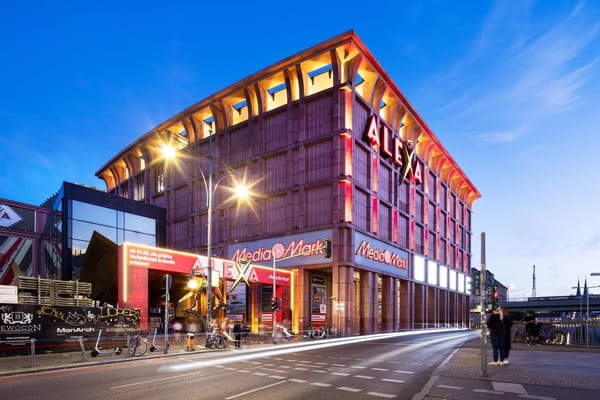
MediaMarktSaturn is focusing on various store concepts in Germany. The “Tech Village Berlin” on Alexanderplatz was reopened in 2022 as a "lighthouse market". (Picture: MediaMarktSaturn)