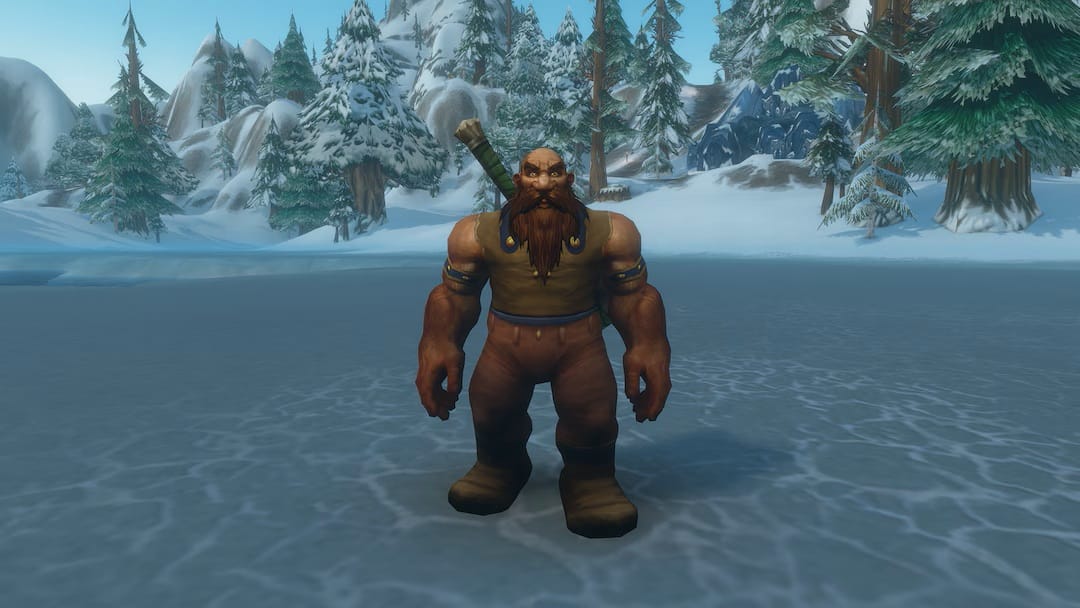
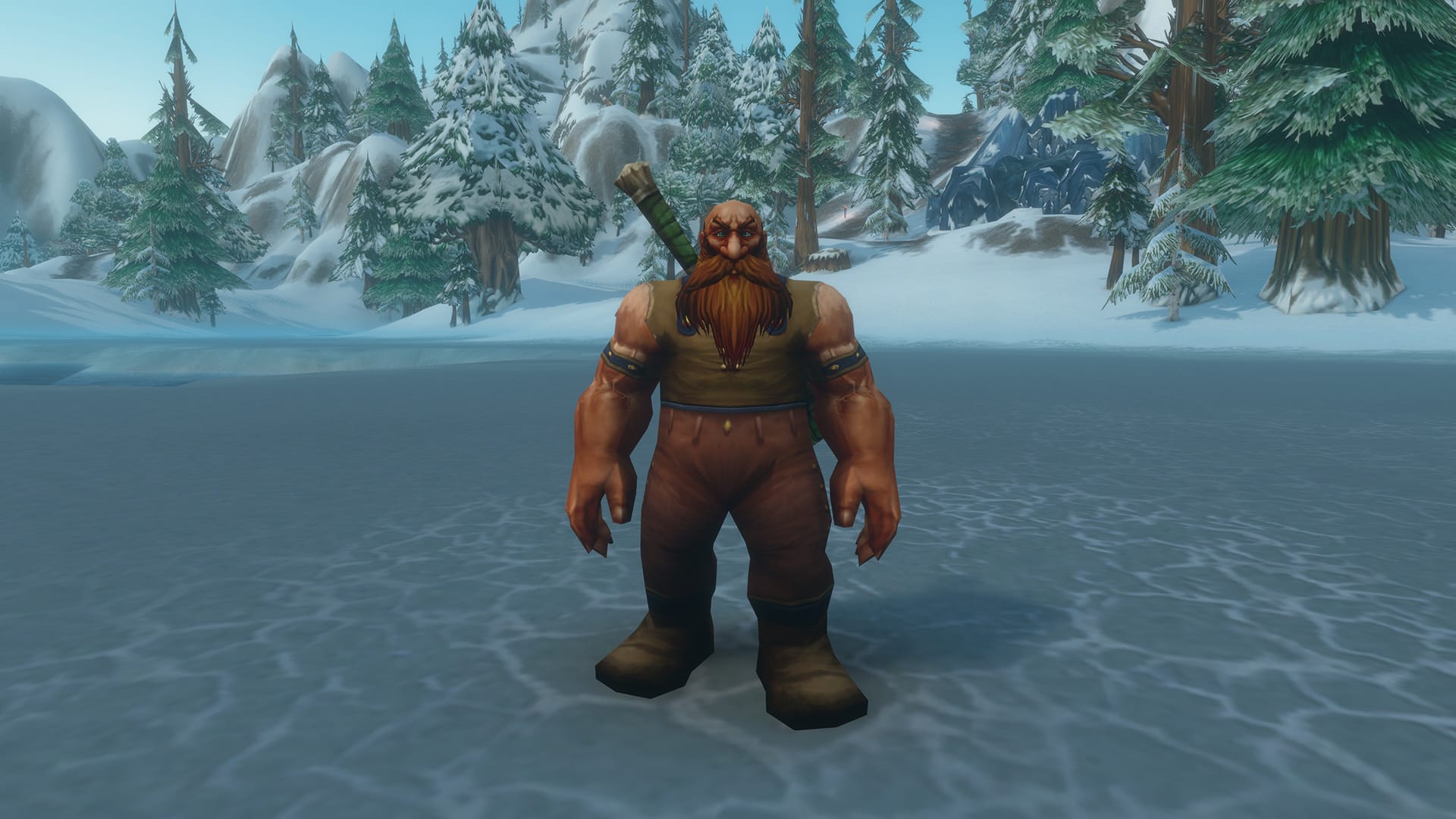
More classic than Classic. With World of Warcraft: Forever, Blizzard Entertainment is releasing an expanded version of the original game, in which players cannot progress beyond level 60. The focus is on the journey itself, exploring the world and long-forgotten MMO elements.
Jagex's Old School RuneScape has demonstrated that expanded classic MMORPGs can be successful. Blizzard Entertainment followed suit with World of Warcraft Classic, a triumph despite it essentially being a re-release of old content and the same series of expansions. However, they are now going one step further by fulfilling the wishes of countless players and expanding the classic version of WoW with lots of new content while leaving the core gameplay experience intact. The rush to play the beta was huge — the biggest in the Warcraft franchise history — proving that it was a great idea. But what is it about WoW Classic that's generating such massive interest?
World of Warcraft has now diverged significantly from its original gameplay experience of 2004/2005. WoW Retail, as the current version is known within the community to distinguish it from 'Classic' or 'Forever', has diverged considerably from the original version with each expansion. Even though the improvements introduced by the expansions sounded entirely plausible and sensible at the time, the sheer number of changes has resulted in a completely different game over the course of over 20 years. In The Burning Crusade (the first expansion), for example, difficulty levels and flying mounts (for fast travel) were introduced. Wrath of the Lich King (the second expansion) introduced the Dungeon Finder, which significantly automated group formation, including automatic teleportation to the dungeon location. Cataclysm (the fourth expansion) added the Raid Finder towards the end of the update cycle, tweaking the classes so extensively that many aspects were standardised, in line with the motto 'bring the player, not the class'. However, this has diluted the identity of the classes. Further adjustments and simplifications followed, for example to the talent system (Mists of Pandaria).
Meanwhile, the non-instanced game world became increasingly irrelevant and 'smaller'. Azeroth and the other content islands hardly played a role anymore, and the levelling phase turned into a sheer grind all the way to the level cap, just to be able to play the repeatable endgame content that provided gear and rewards. Although the talent system returned with Dragonflight, and a housing system was implemented before Midnight, the appeal of exploring the vast game world had long since disappeared from Retail, with players no longer spending time searching for a group or travelling through the world to a dungeon (except Mythic dungeons and the search for the quickest portal to the dungeon). All of this will return in Forever. Everything is designed to be more relaxed and to rely on the systems that made the game so popular in its early days. Even though there were plenty of rough edges back then. Over time, these systems have increasingly been replaced by automations and simplifications that sound practical enough but have also robbed the game of some of its fascination and that essential MMO factor.
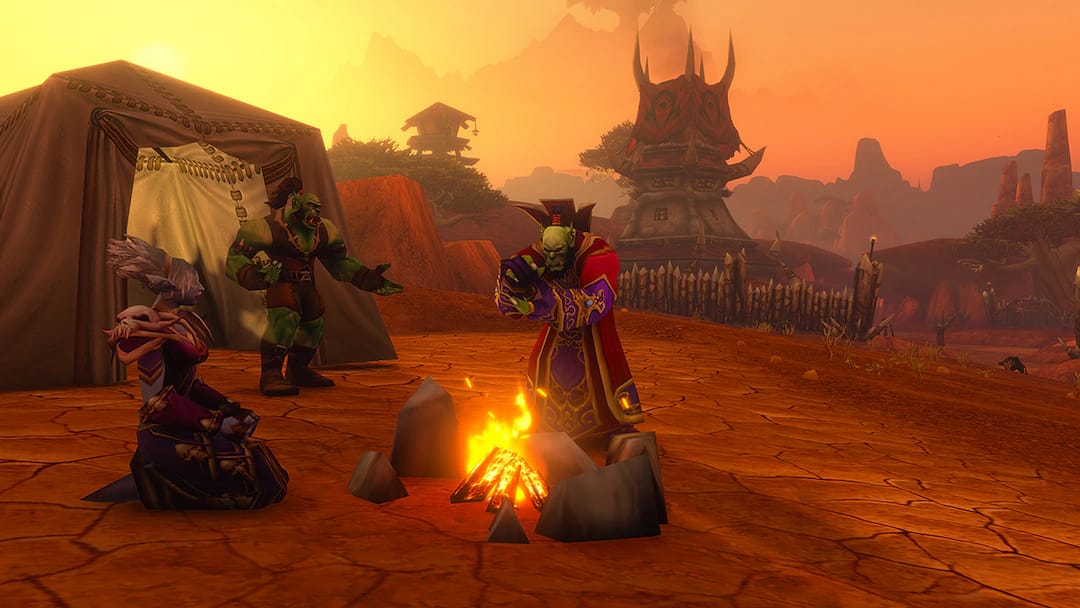
Firstly, the game will be based on Vanilla WoW, particularly in terms of pace. It will therefore be rather more relaxed, with the world taking centre stage and the journey to max level being at least as important as the endgame. Combat will be more tactical. Even the old system will be used for mob targeting, while players can socialise at new campsites. Incidentally, level 60 will be the level cap in Forever. There won't be any expansions; instead, there will be horizontal live updates in the form of new zones, quests, PvP and so on. This also means that players will keep the items they've earned for longer, as they won't be replaced so quickly. All of this will encourage players to play and interact with friends more. In total, there will be more than 1,000 quests, three new zones, nine additional dungeons and two new raids.
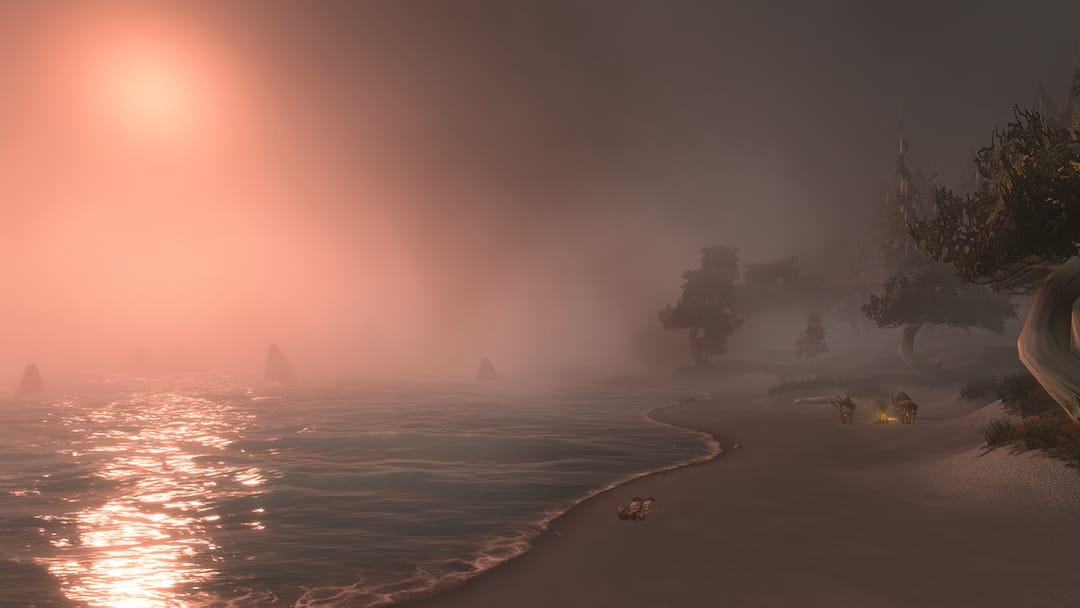
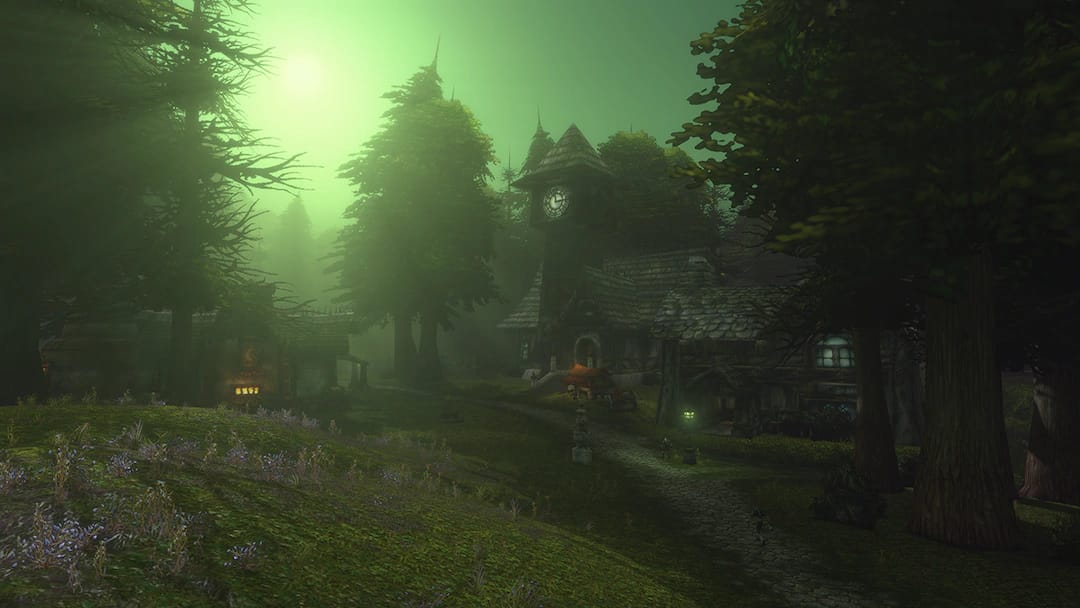
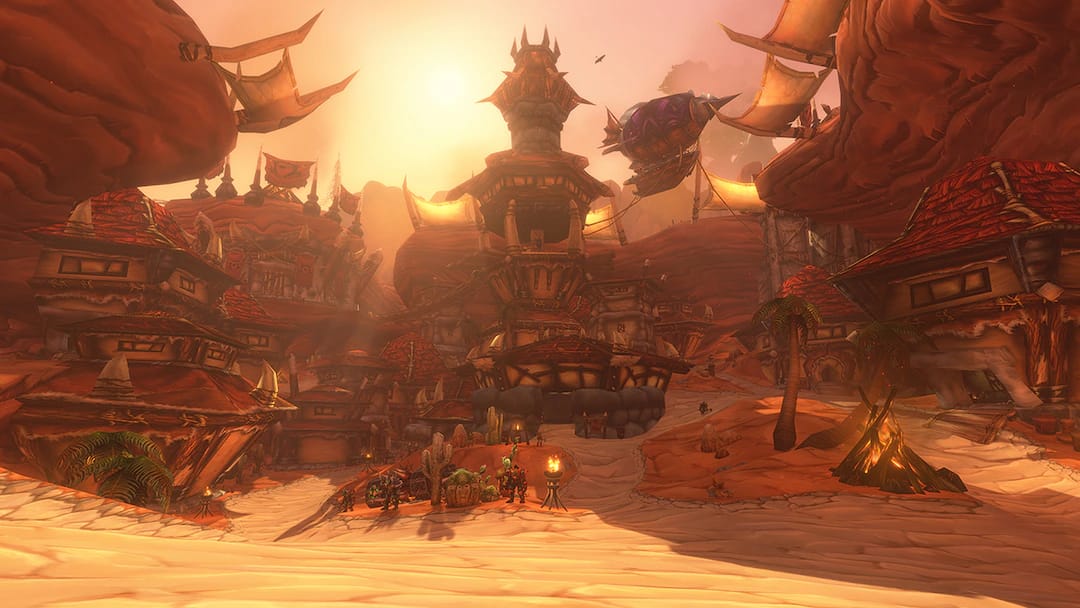
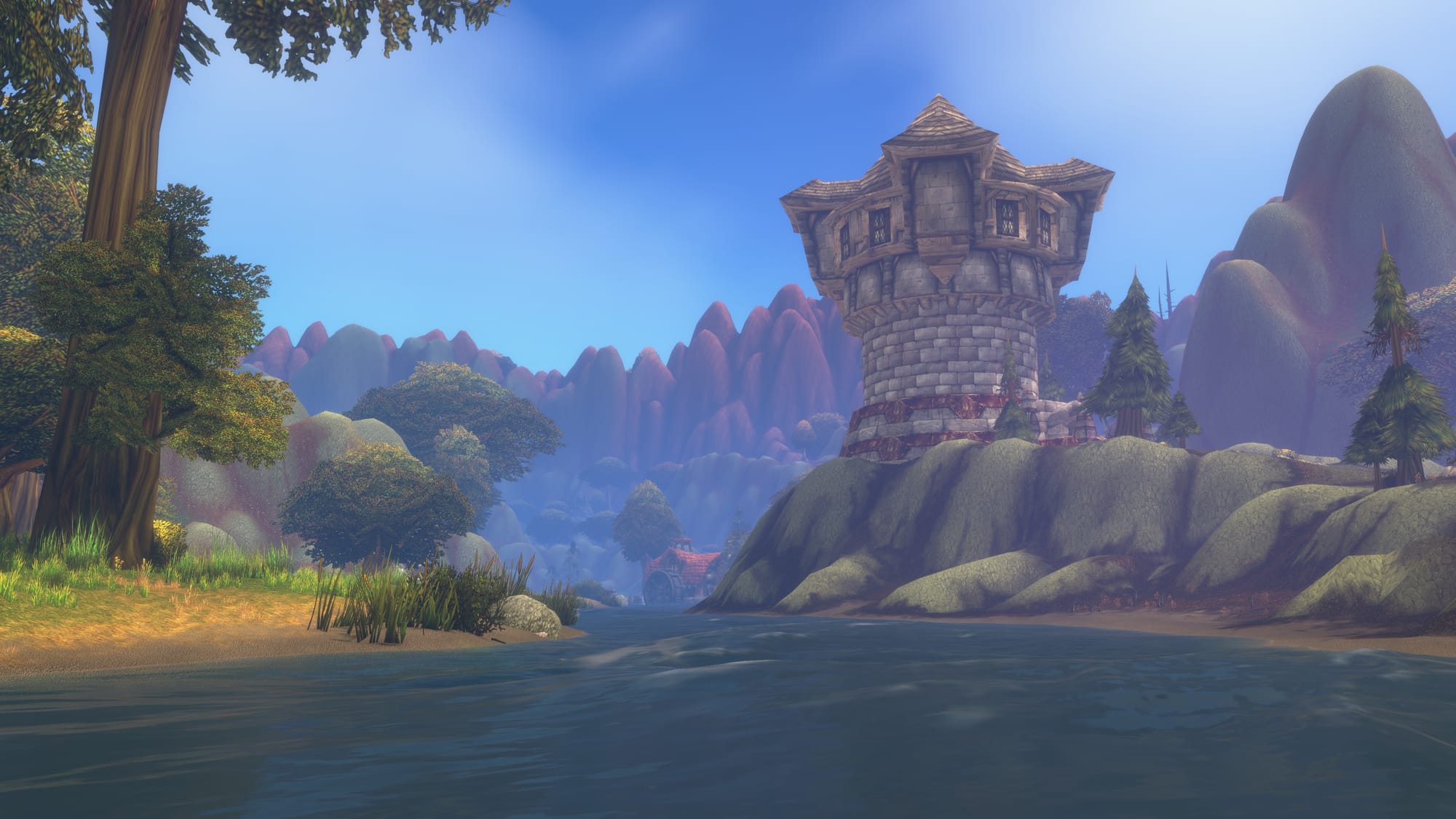
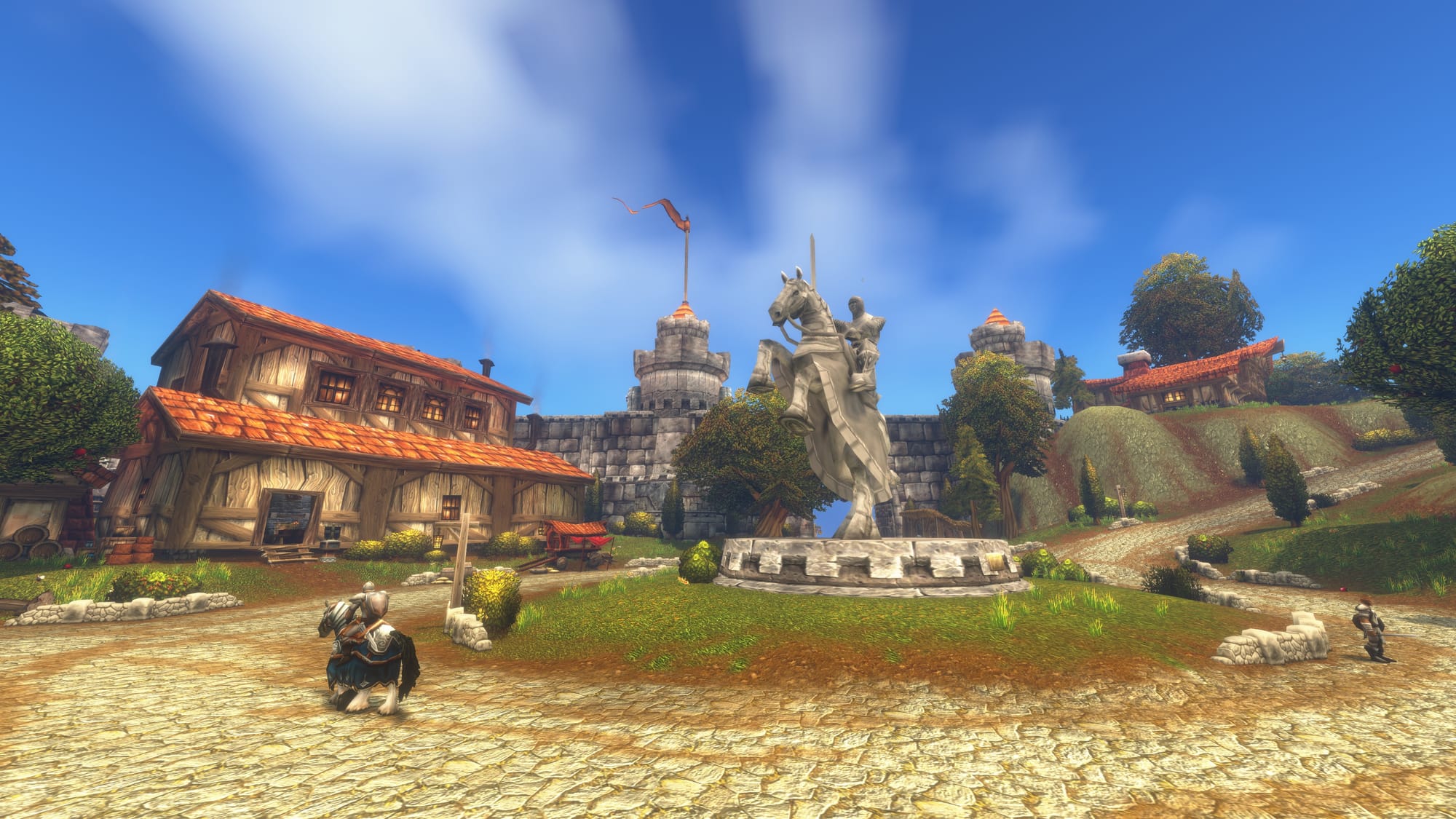
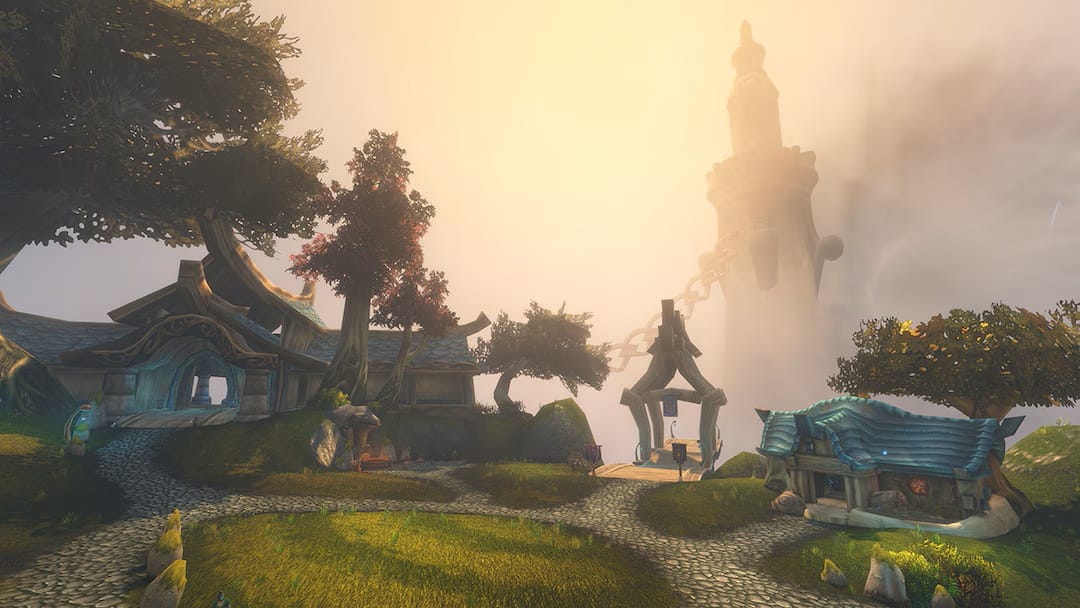
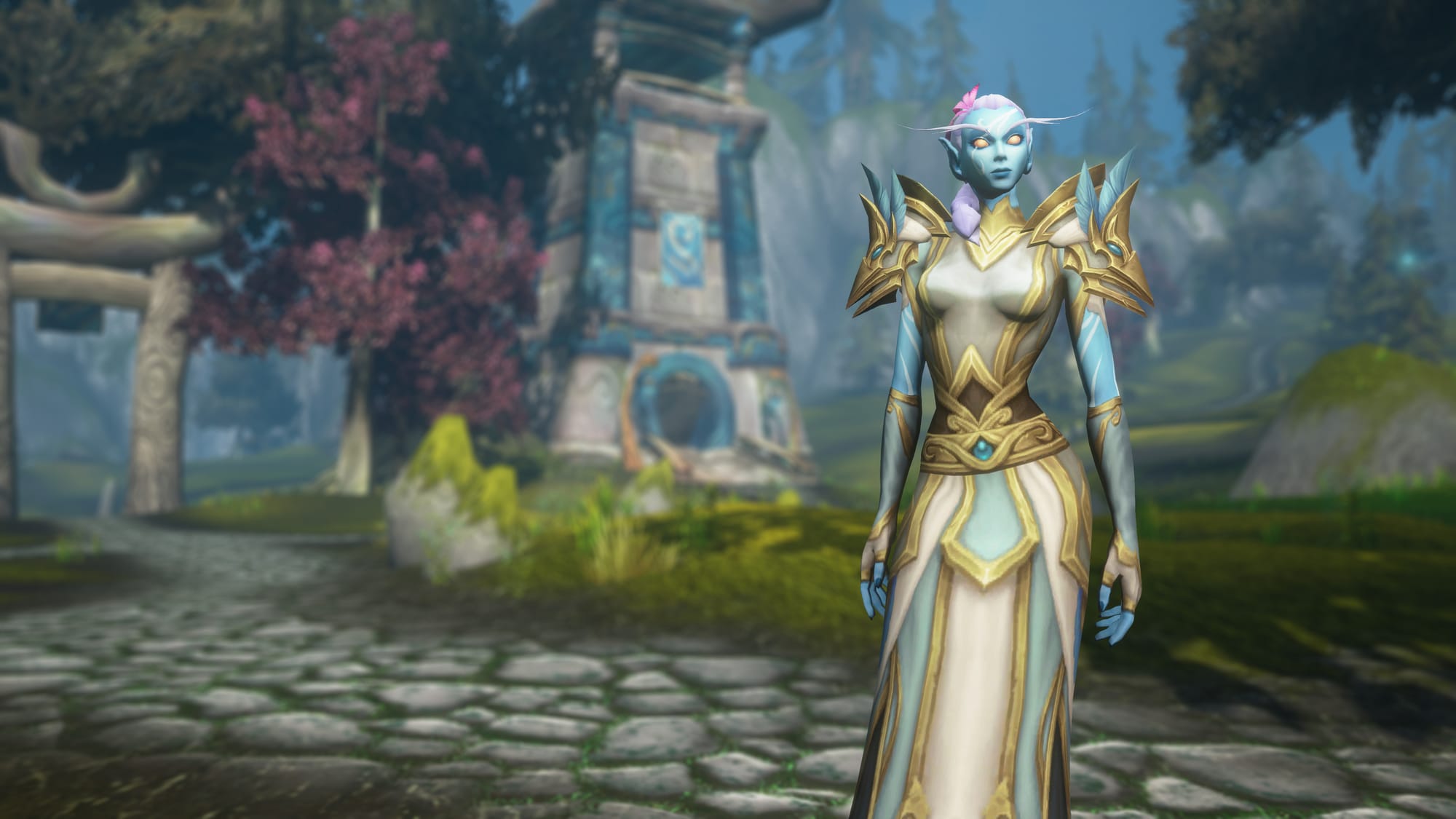
New areas include Hyjal, Shen'dralas, the Riverglades, and Zephras Isle. Mount Hyjal, for instance, is an endgame area where players can explore the aftermath of Archimonde's defeat in Warcraft III. The small region of Shen'dralas lies between Mulgore and Desolace, and a new adventure linked to the Shen'dralar, Eldre'Thalas, Dire Maul and the area's centaur tribes unfolds there. The Riverglades, located in the Eastern Kingdoms, offer players a rugged frontier comprising rivers, grasslands, trade routes, struggling communities, and ancient feuds. There are over 150 new quests designed for characters in the mid-30s to mid-40s level range. Zephras Isle is the starting point for the new Skyborne Elf race, who must choose between the Alliance and the Horde at the end of the area.
Speaking of classes... While there aren't any new classes, Blizzard Entertainment has tweaked many of the existing ones, making those that were previously weak in Classic and barely usable in group content more balanced and versatile without losing their identity. Even though Blizzard Entertainment made further changes to the game's balance following the beta, with the aim of bringing the classes' signature abilities to the fore once again, some of these changes were significant.
Blizzard: "Over the course of Beta, we came to the realization that trying to hold ourselves roughly to Classic power budgets for each class meant that every new element we added needed to come at the expense of something else. Those reductions left some iconic abilities feeling lackluster, and closed the door to other potentially exciting design options. So over the last two weeks, we’ve raised damage on classes across the game, and have increased the health of higher level creatures to compensate. This additional “headroom” has allowed us to tune things to a place that we hope feels better overall. Beyond that, some of this round of changes reflects areas where we were likely hasty in turning to Burning Crusade- or Wrath-era solutions rather than carving out new ones that better fit into the Forever combat model. Our aim in class design is not perfect numerical equality, but rather for every class to feel valuable to the groups they join, with powerful, unforgettable moments brought on by mastering them. In Forever this is accomplished by doubling down on the strengths and differences that make each class unique, rather than overly unifying them."
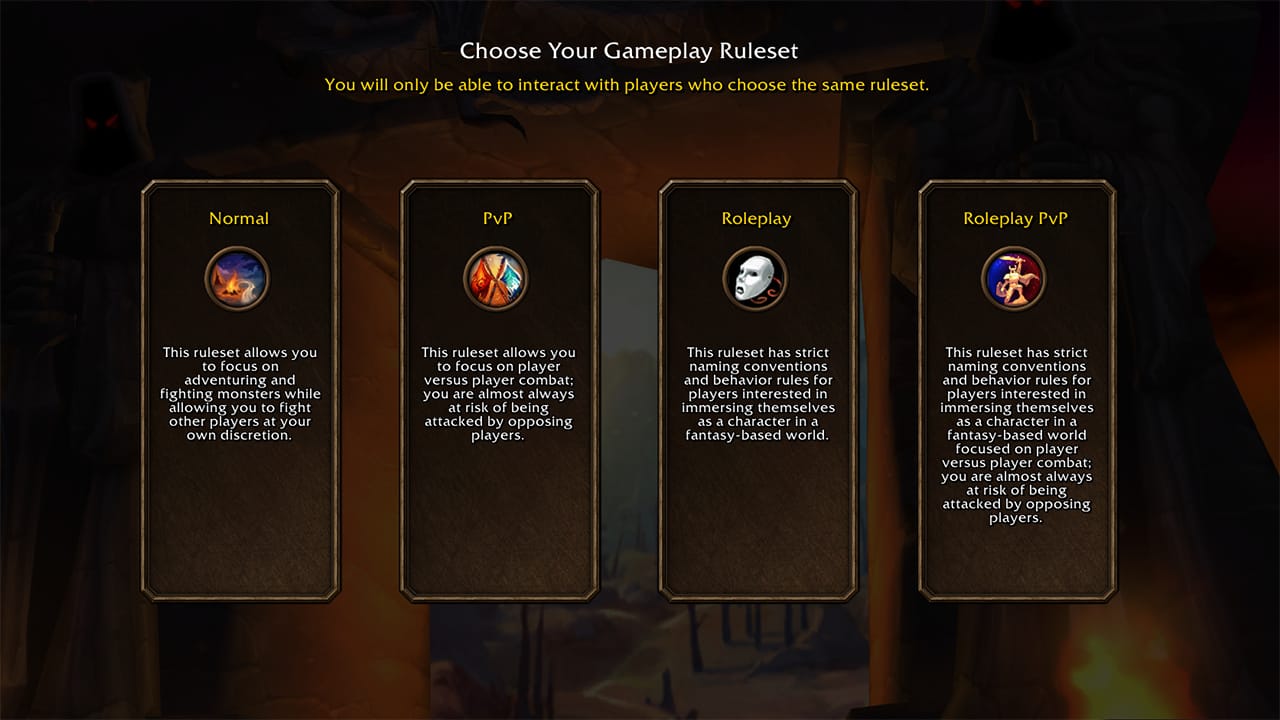
Also, realms will no longer exist. Instead, there will be one large server for everyone, divided into regions offering multiple layers for languages and friends. Before creating a character, players must choose a ruleset rather than a realm - and characters now have a first name and a surname. The options are: Normal (typical PvE adventures with optional player-versus-player combat); PvP (player-versus-player combat between the Alliance and the Horde forms part of the gameplay experience); Roleplay (strict naming conventions and rules of conduct for players); and Roleplay PvP (a roleplay ruleset with more active PvP combat). For players seeking the ultimate challenge, the Hardcore type will be released sometime after launch: here, a character's death is permanent and the character is transferred to a standard server.
A new account-wide progression system called the Legacy system has been introduced in Forever. This new way of progressing focuses on exploring everything the game has to offer rather than simply accumulating power. It is somewhat reminiscent of achievements and applies to all characters on an account. Players unlock Legacy Points by playing the game, levelling up characters, developing professions, exploring, and undertaking raids. These points can then be invested in permanent improvements to professions (e.g. finding more and better materials, levelling up professions more effectively), adventures (e.g. faster rest bonuses and distributing talent points from level 5 onwards) and resourcefulness (e.g. earning more reputation, experiencing less durability loss and enjoying longer-lasting buff effects). The new system rewards players who play multiple characters with different classes and professions, as well as those who re-experience the journey. However, all character benefits can be unlocked with a single character.
Players who wish to spend a little extra can purchase the Skyborne Elves as a new playable race; otherwise, only a WoW subscription is required.
World of Warcraft: Forever is launching in Europe on Thursday, 5 November 2026, at 12:00 CET (midnight between Wednesday and Thursday). The global launch will take place simultaneously on 4 November at 15:00 PST.
Conclusion
By releasing World of Warcraft: Forever, Blizzard has struck the right chord with long-time fans of the original game. Forever emphasises how good the original World of Warcraft game and its world design were. It combines this with a wealth of new content that fits very well with the traditional concept, along with a healthy dose of nostalgia.
Marcel Kleffmann is Chief of Content of GamesMarket and our B2B and B2C expert for hardware, market data, products and launch numbers with more than two decades of editorial experience. (marcelDOTkleffmannATgamesmarktDOTde)