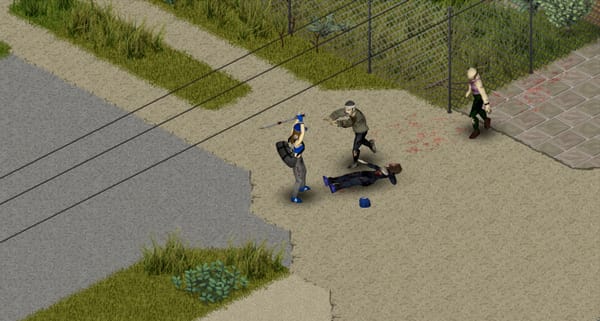
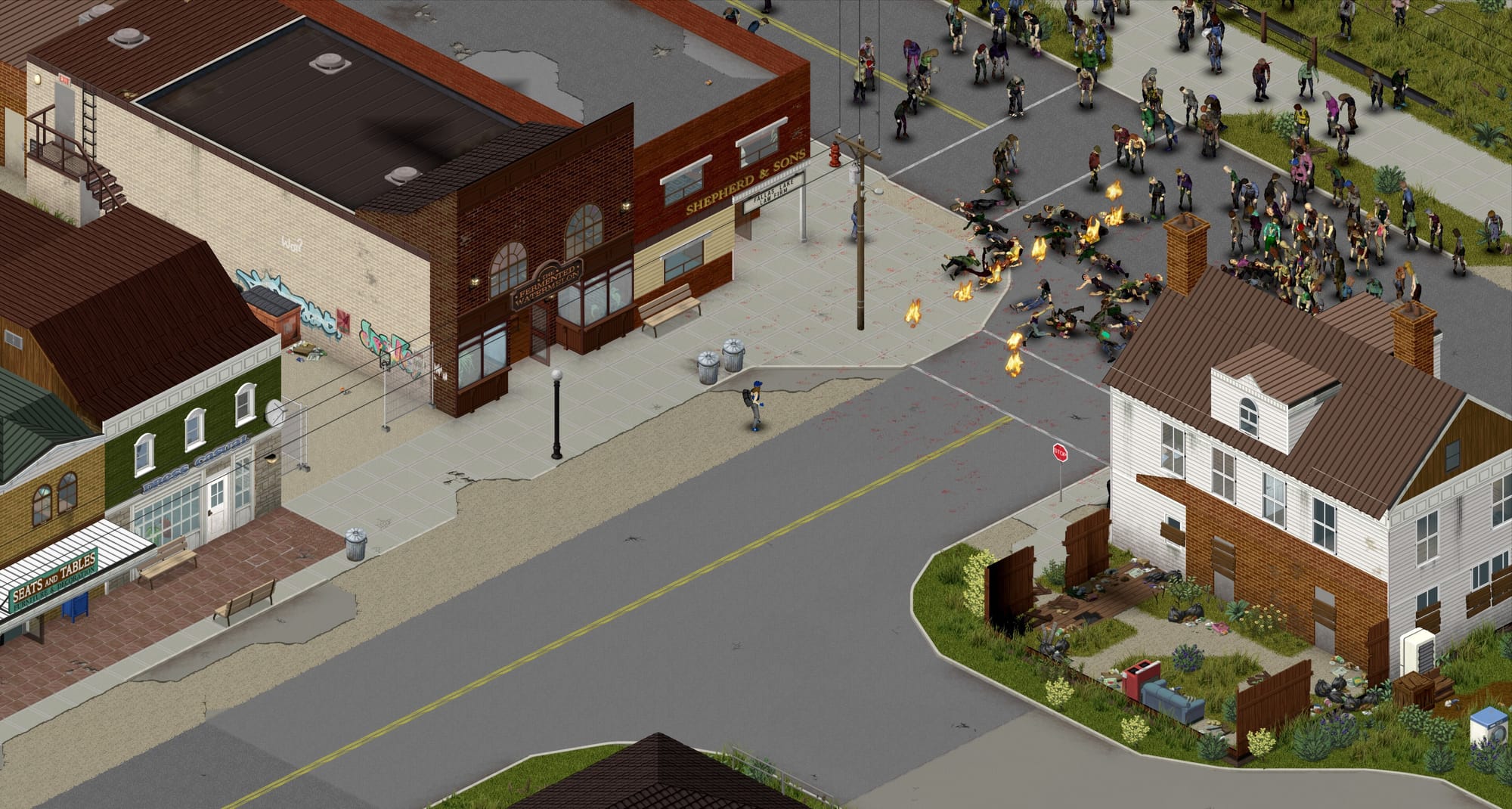
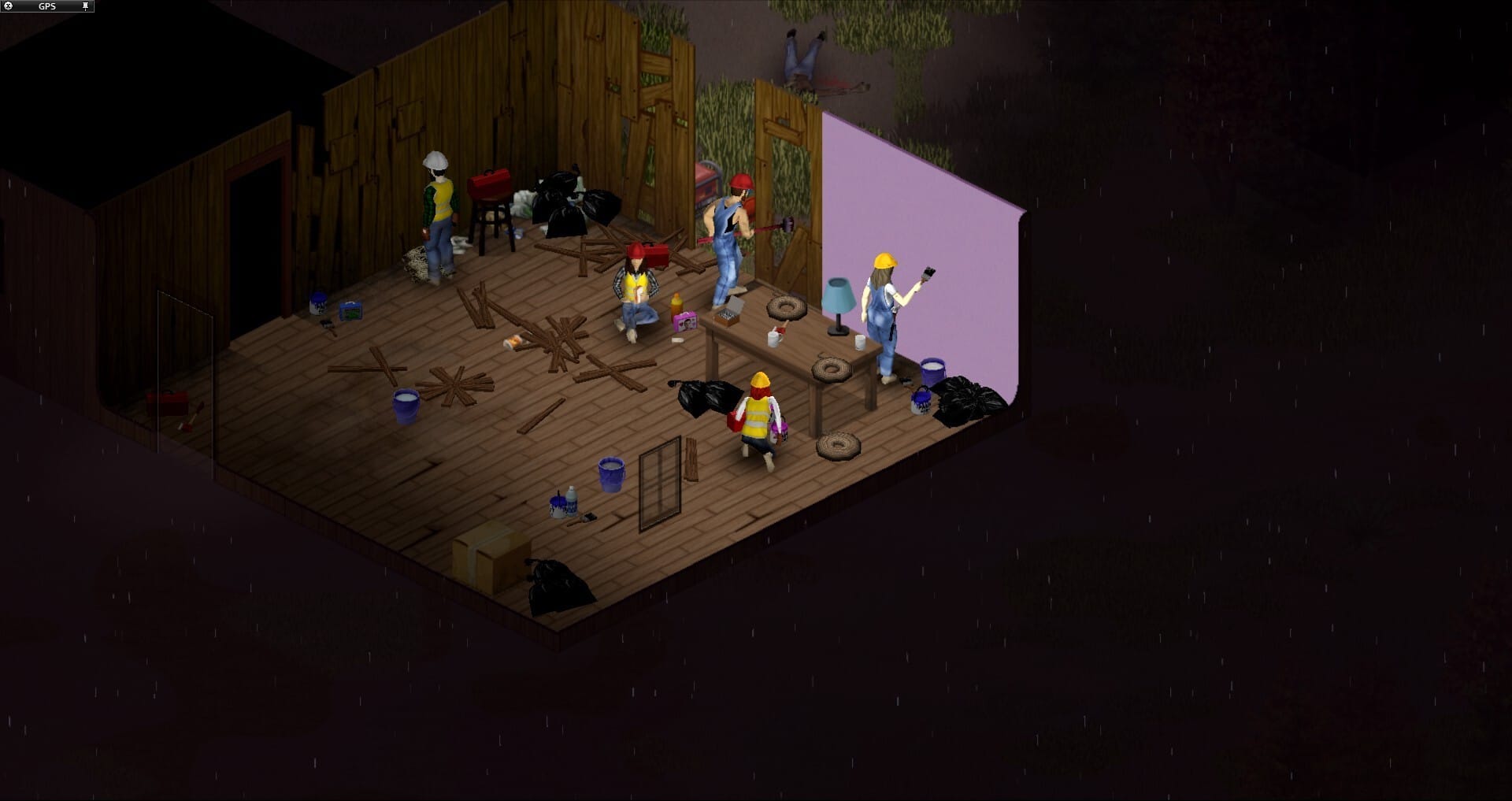
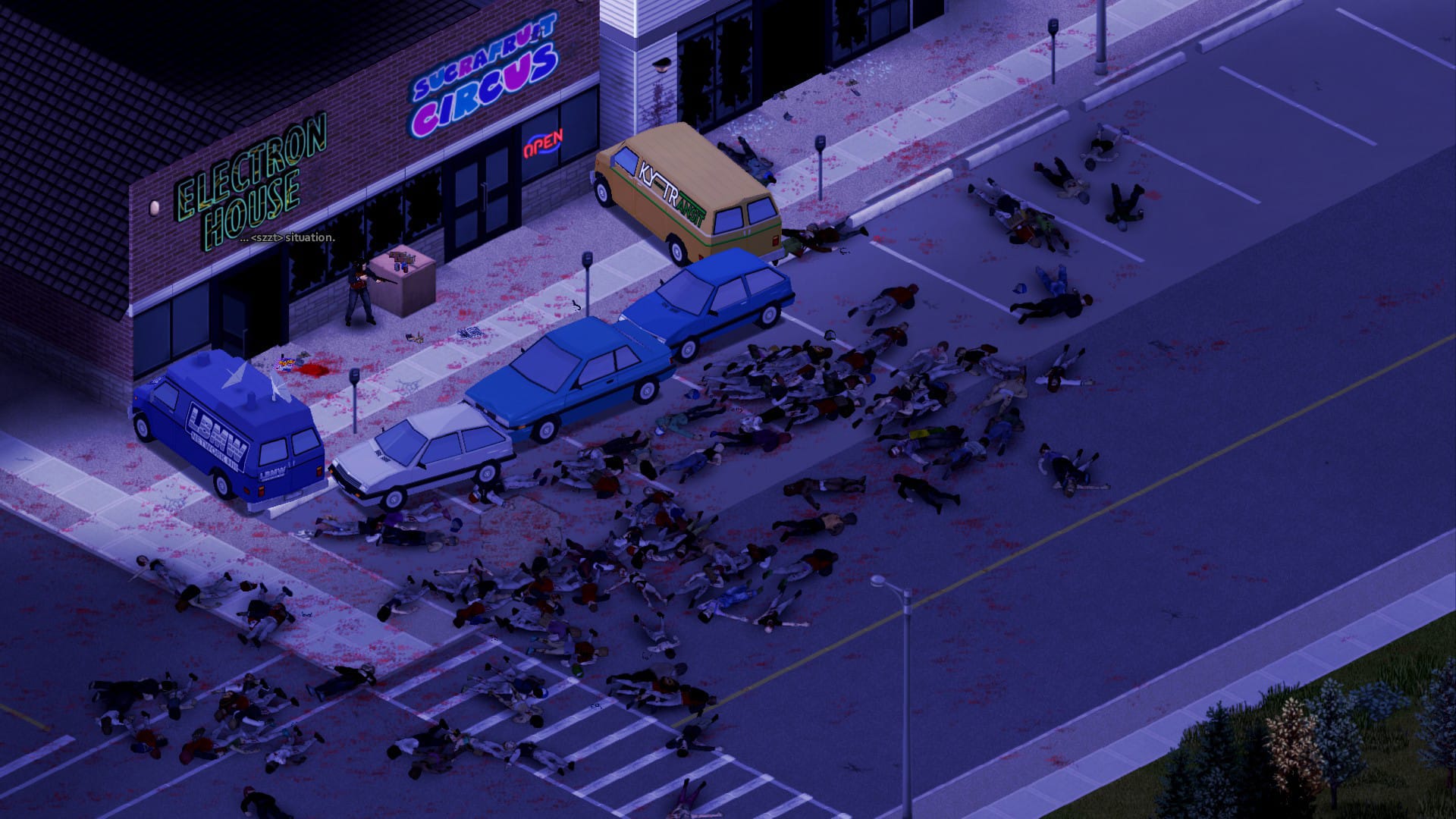
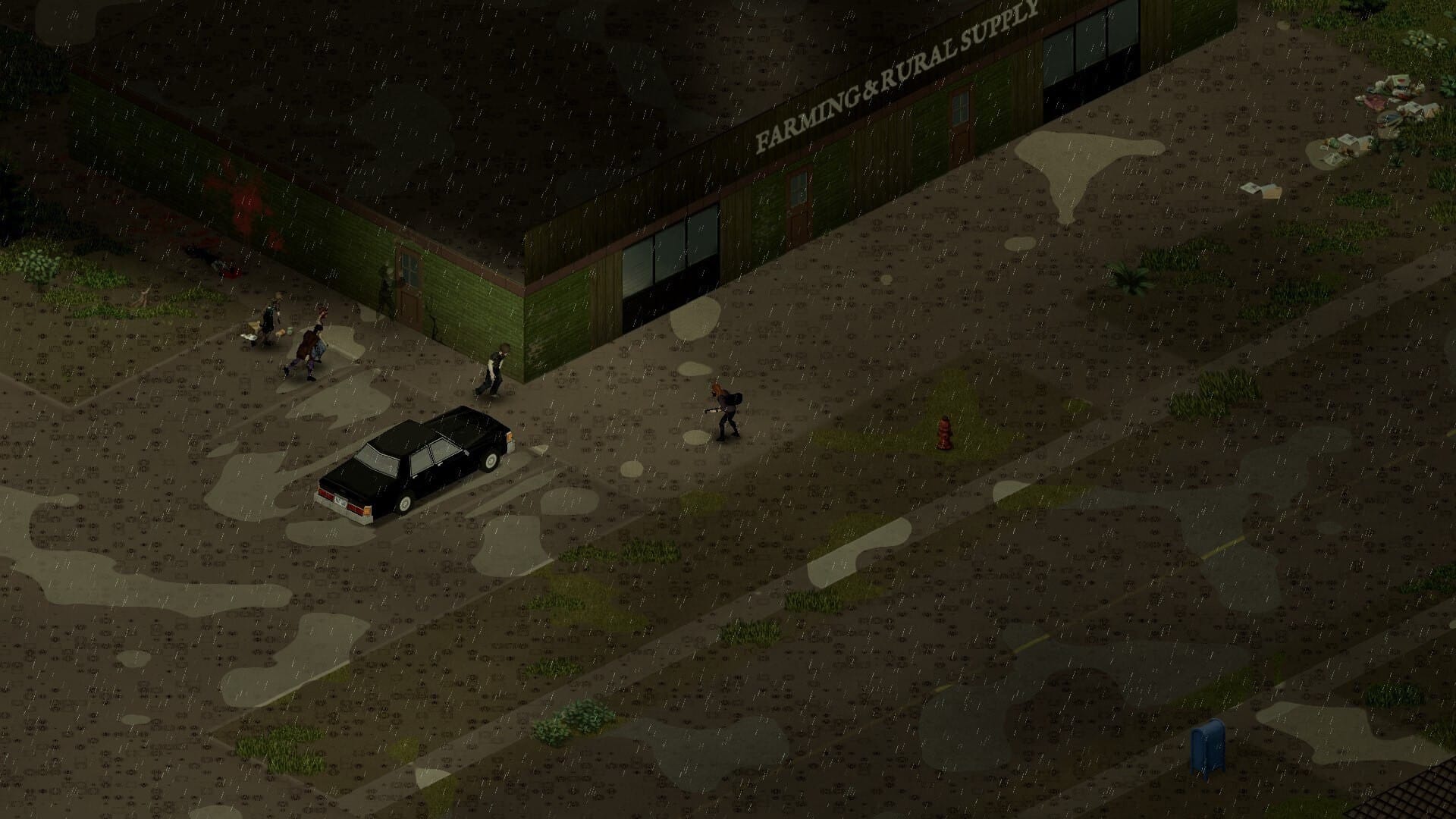
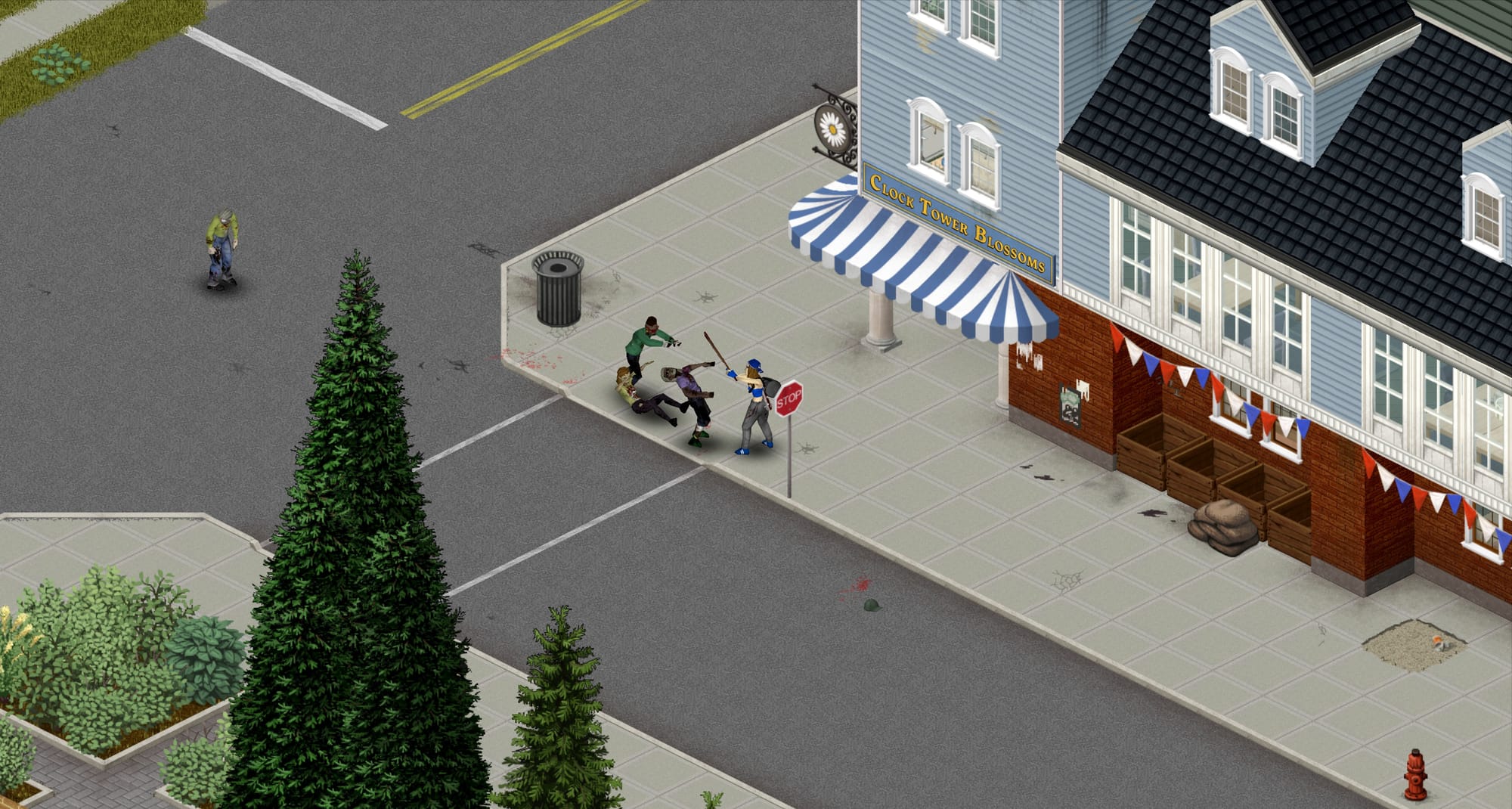
Thirteen years have passed since Project Zomboid entered Early Access, and following almost two years of development, Build 42 was recently released. This survival simulation game was already excellent and is improving all the time, deservedly becoming more successful.
From its earliest days as an alpha version, Project Zomboid has evolved into one of the most detailed survival sandboxes available on PC. The game combines zombie survival with deep simulation, base building, crafting, character progression, multiplayer, and a vast isometric map of Kentucky, not to mention mod support.
It is one of the most realistic and detailed hardcore survival sandbox simulations with an isometric perspective, and it is merciless. There is no happy ending or final goal; the core objective is simply to delay the inevitable demise for as long as possible, either alone or in co-op mode (including split-screen), or together on large multiplayer servers with over 32 players. In multiplayer mode, interaction with potentially hostile survivors adds a psychological element. Before starting, players can customise almost every aspect of the apocalypse in detail. This includes the amount of loot, the number and strength of zombies, their speed, and the frequency of alarm systems. Incidentally, players fight classic zombies that don't run unless activated in the sandbox menu. There are also pre-set configurations that offer a slightly 'easier' or more stressful survival experience.
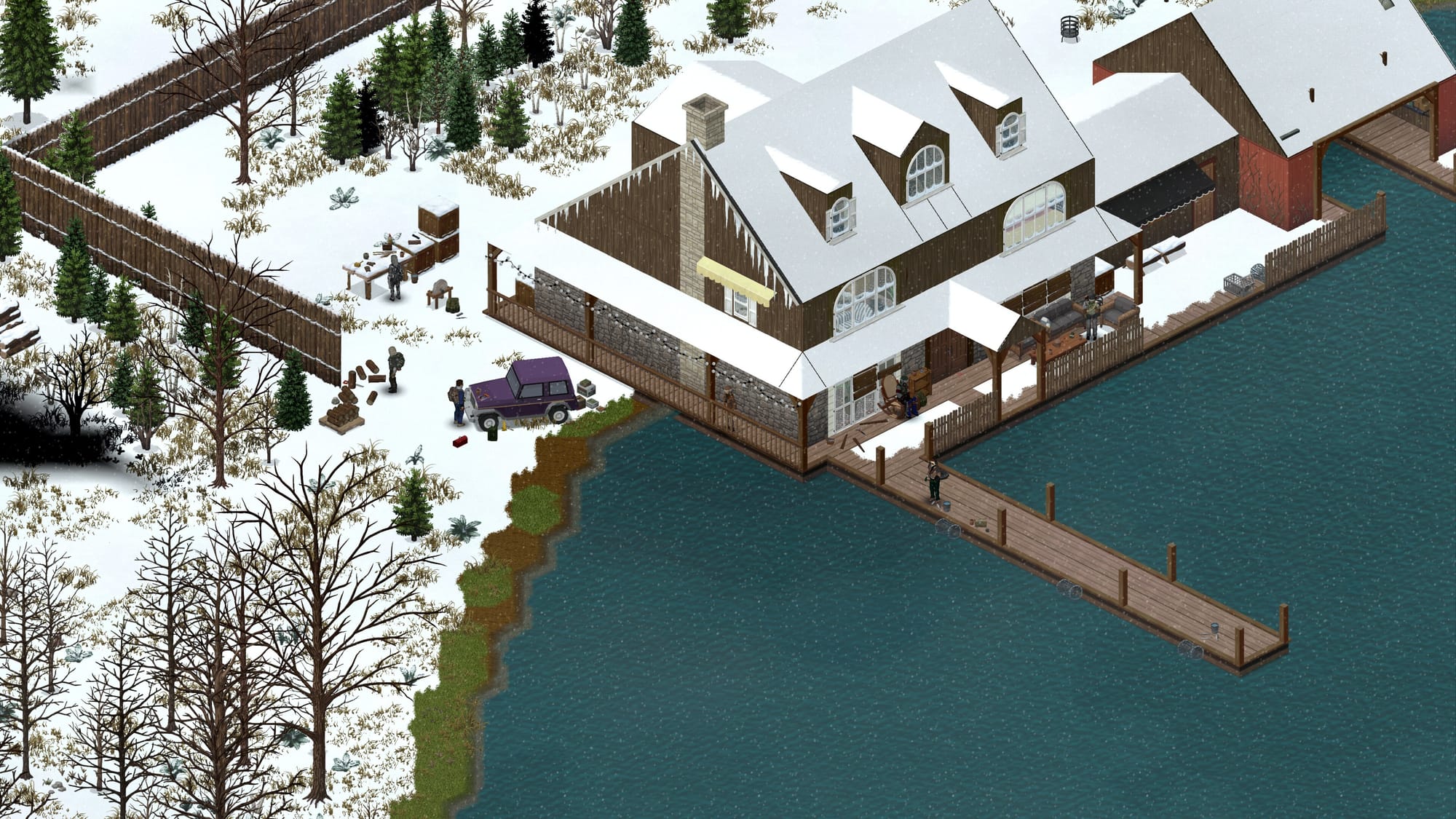
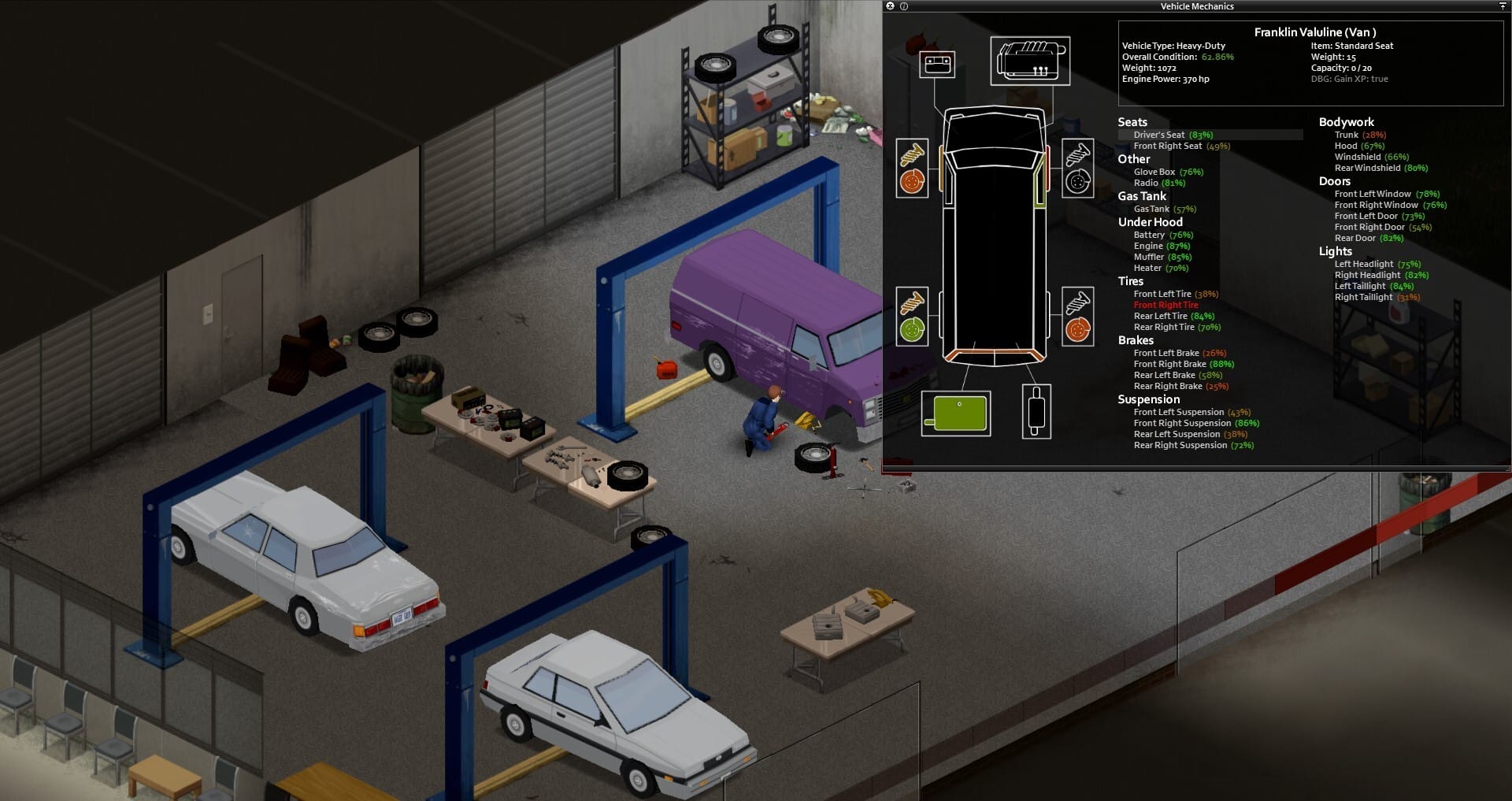
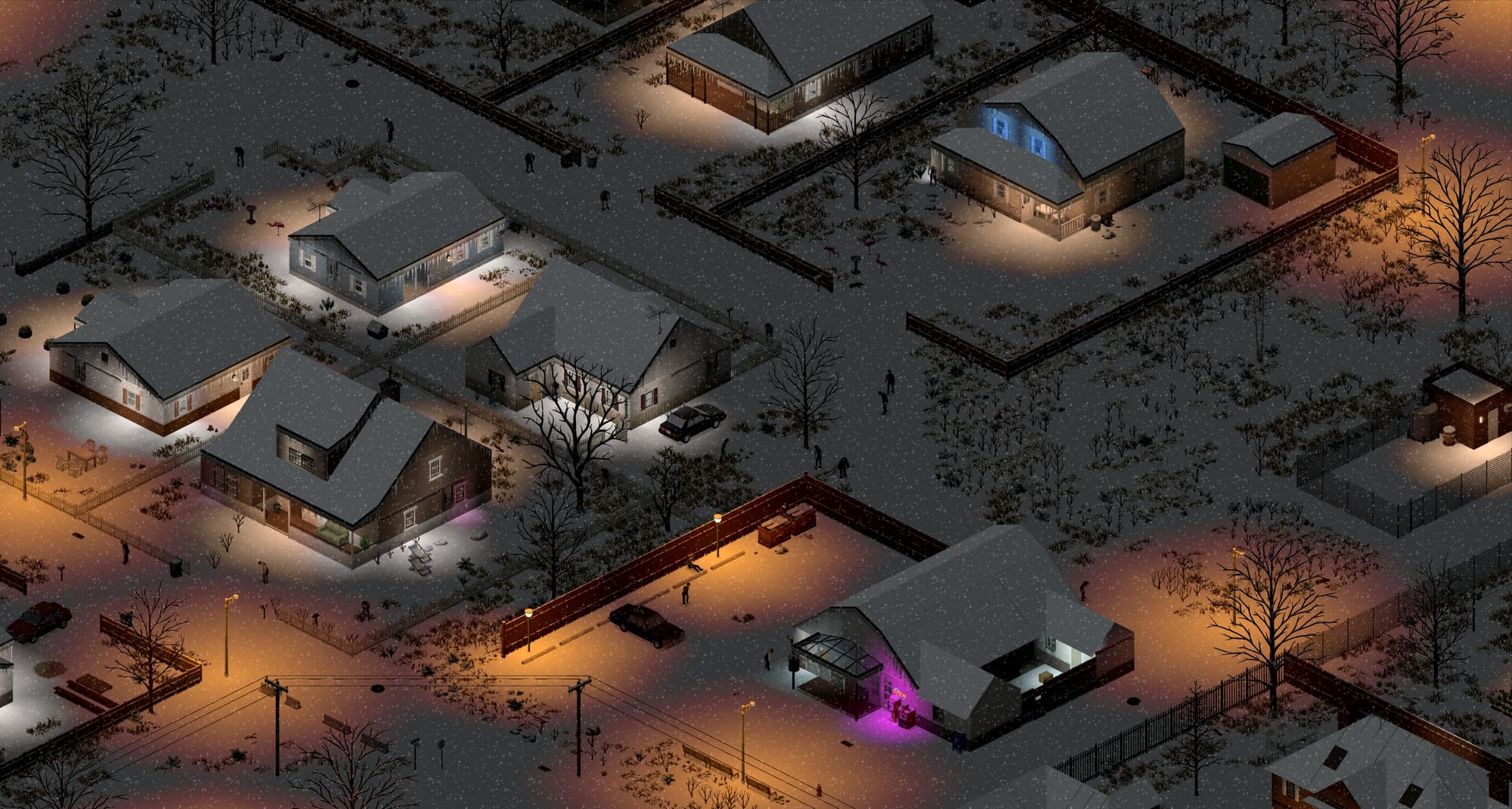
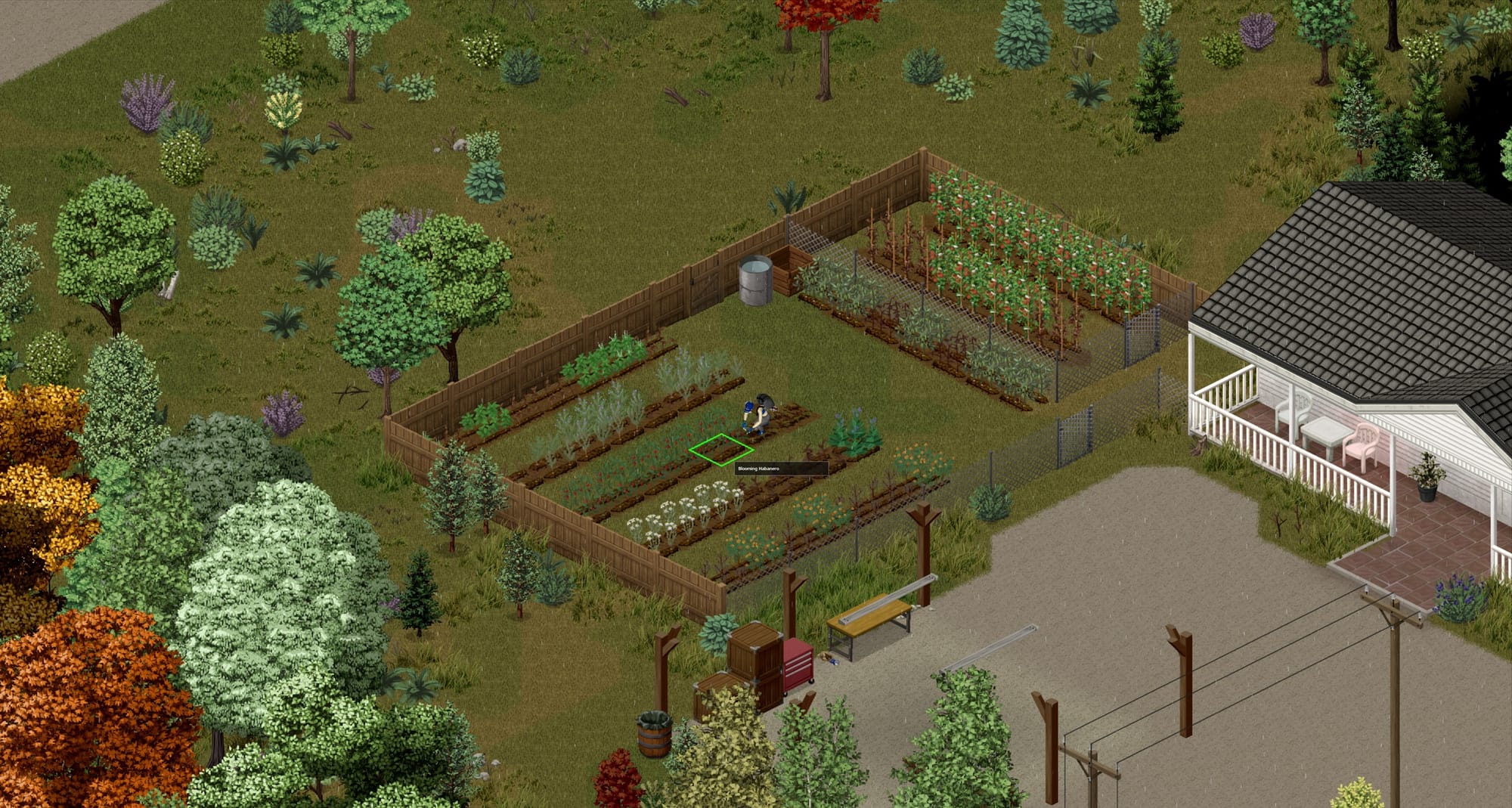
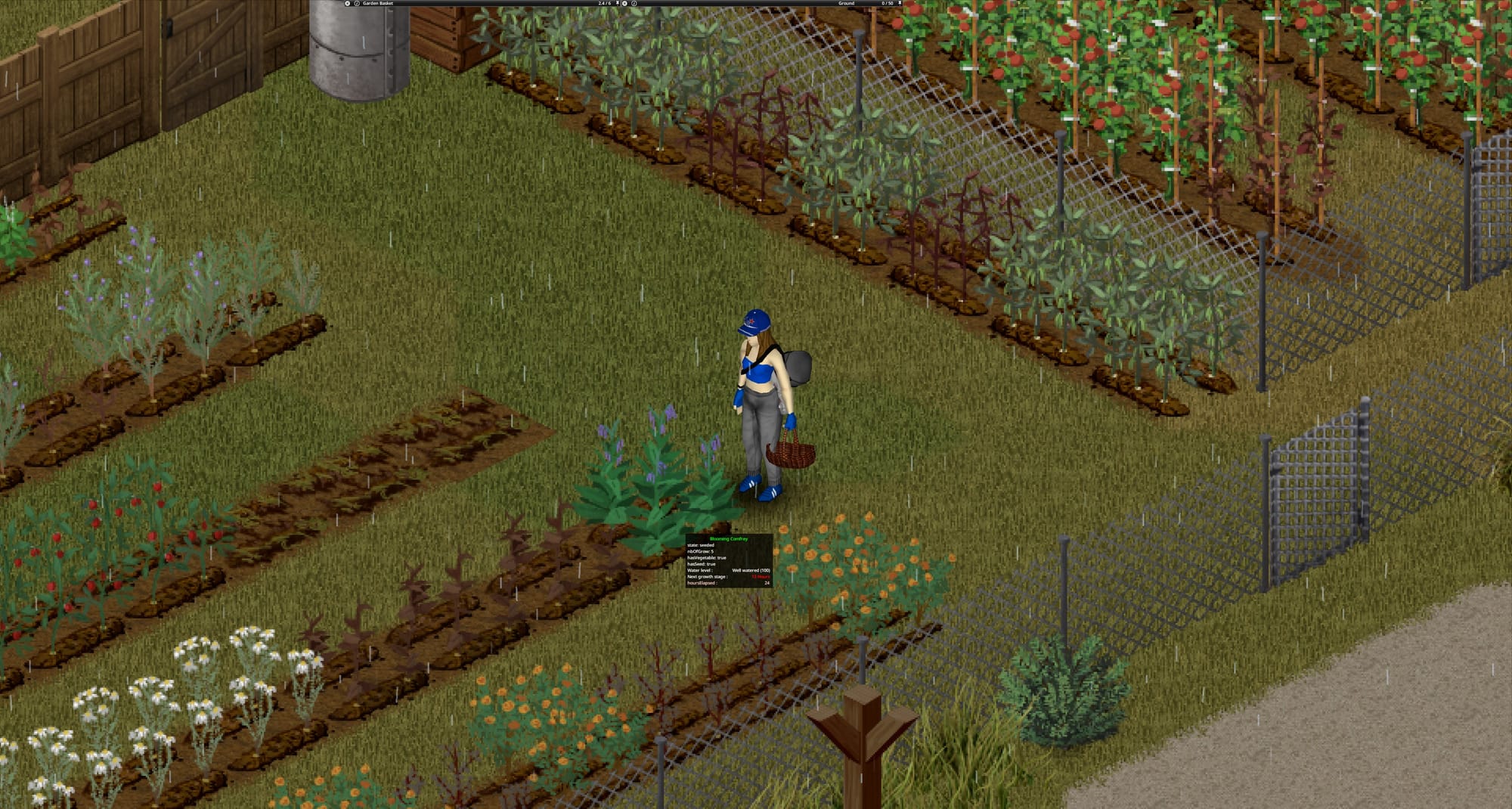
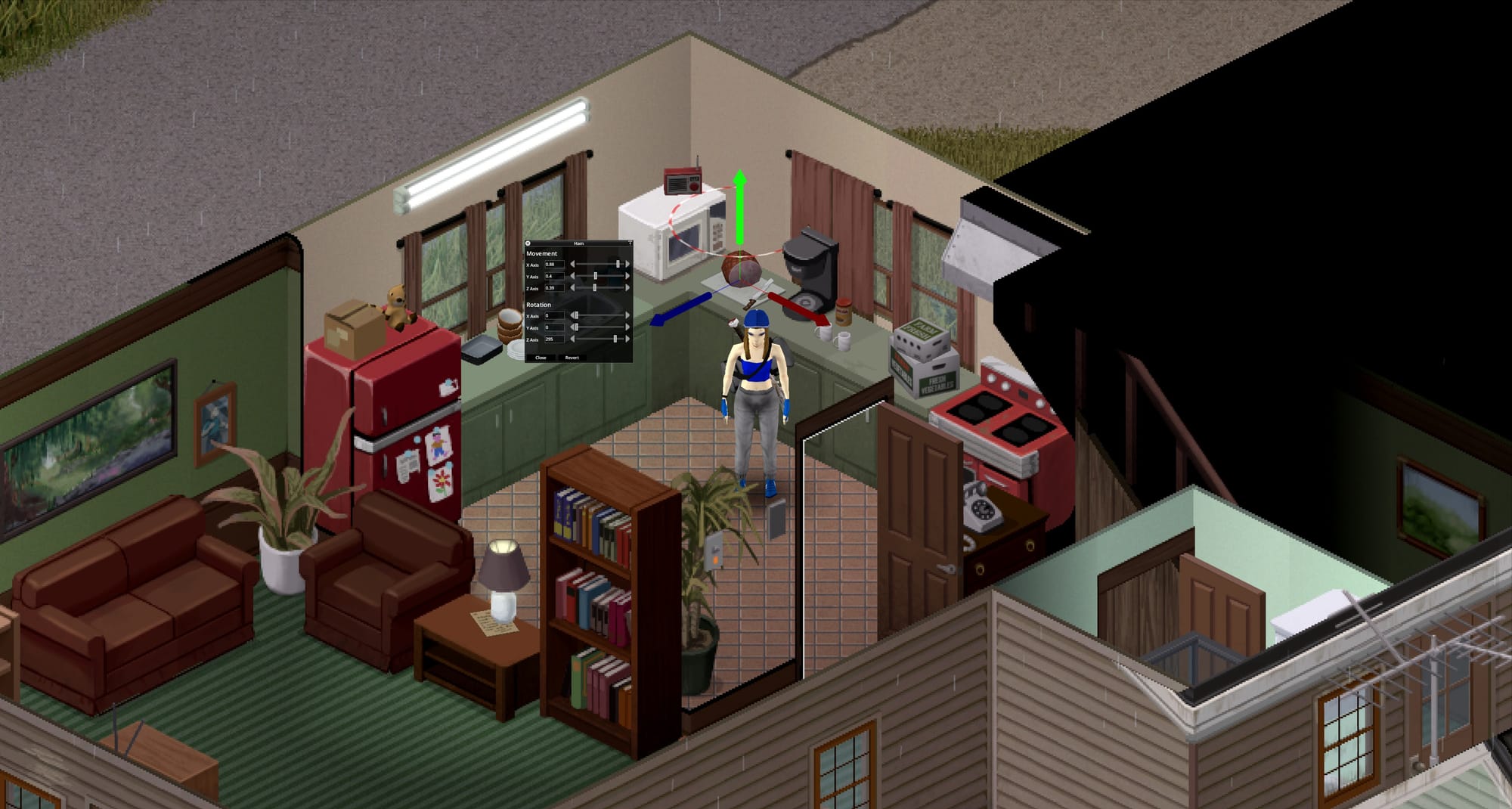
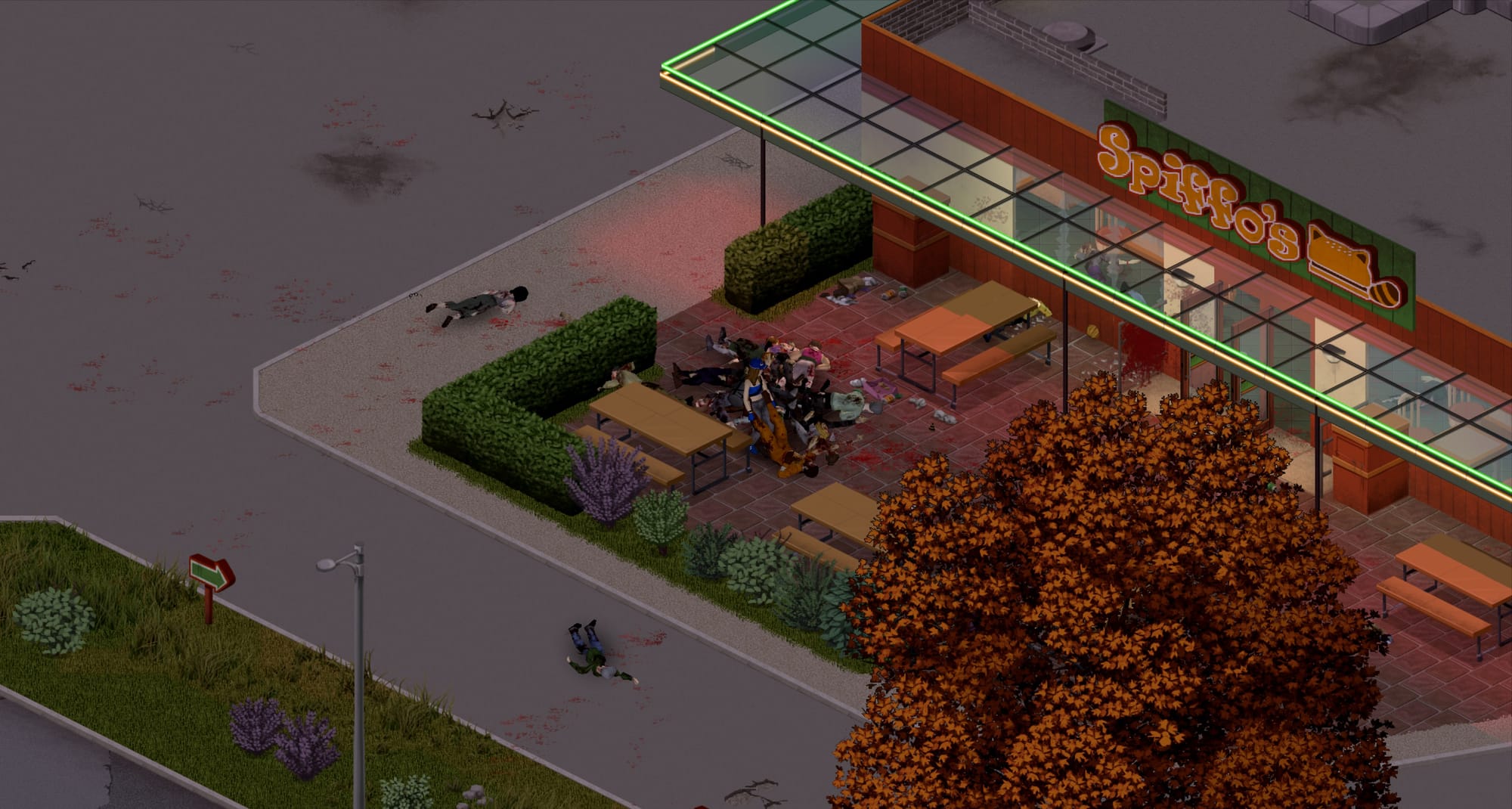
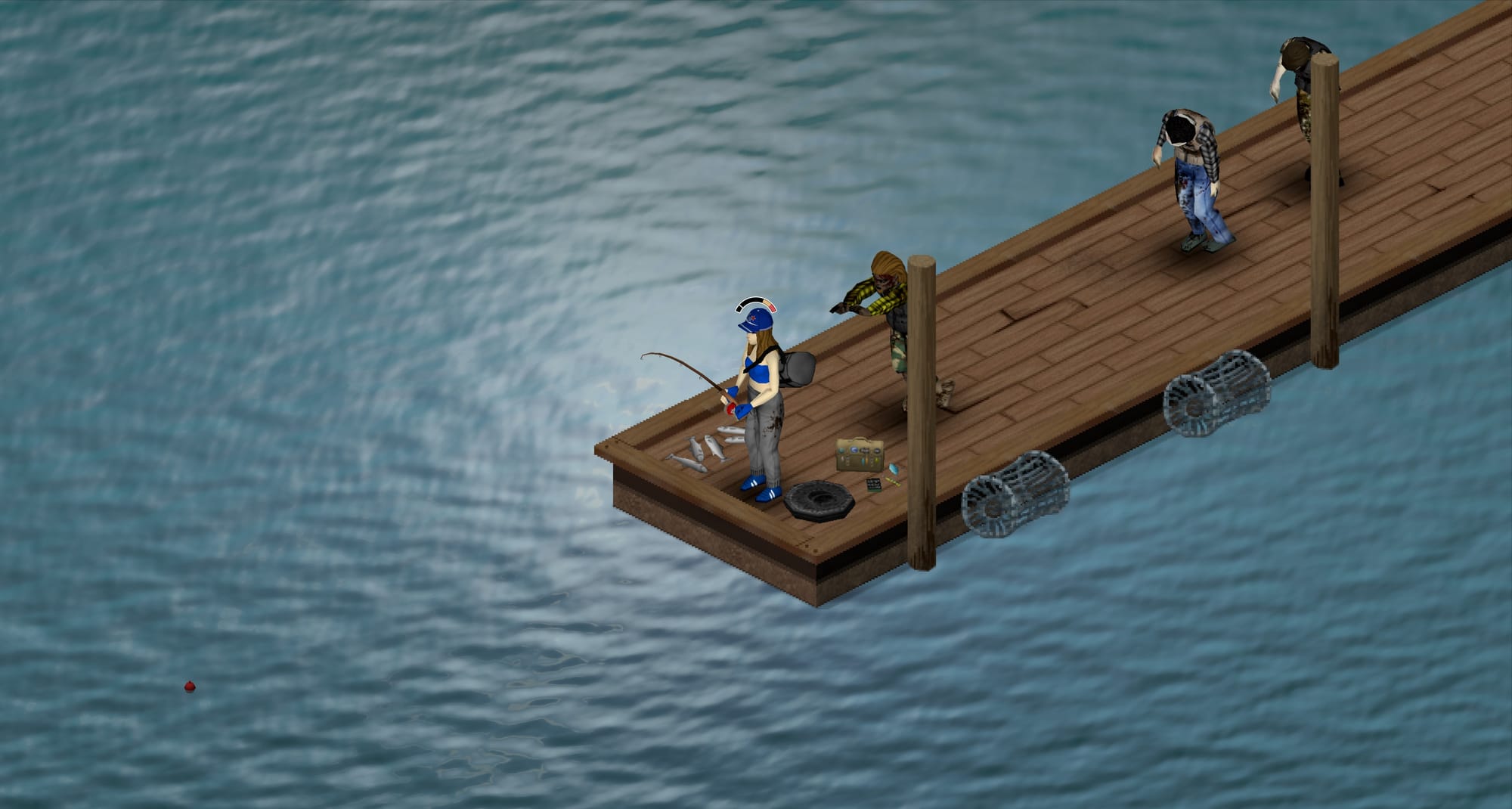
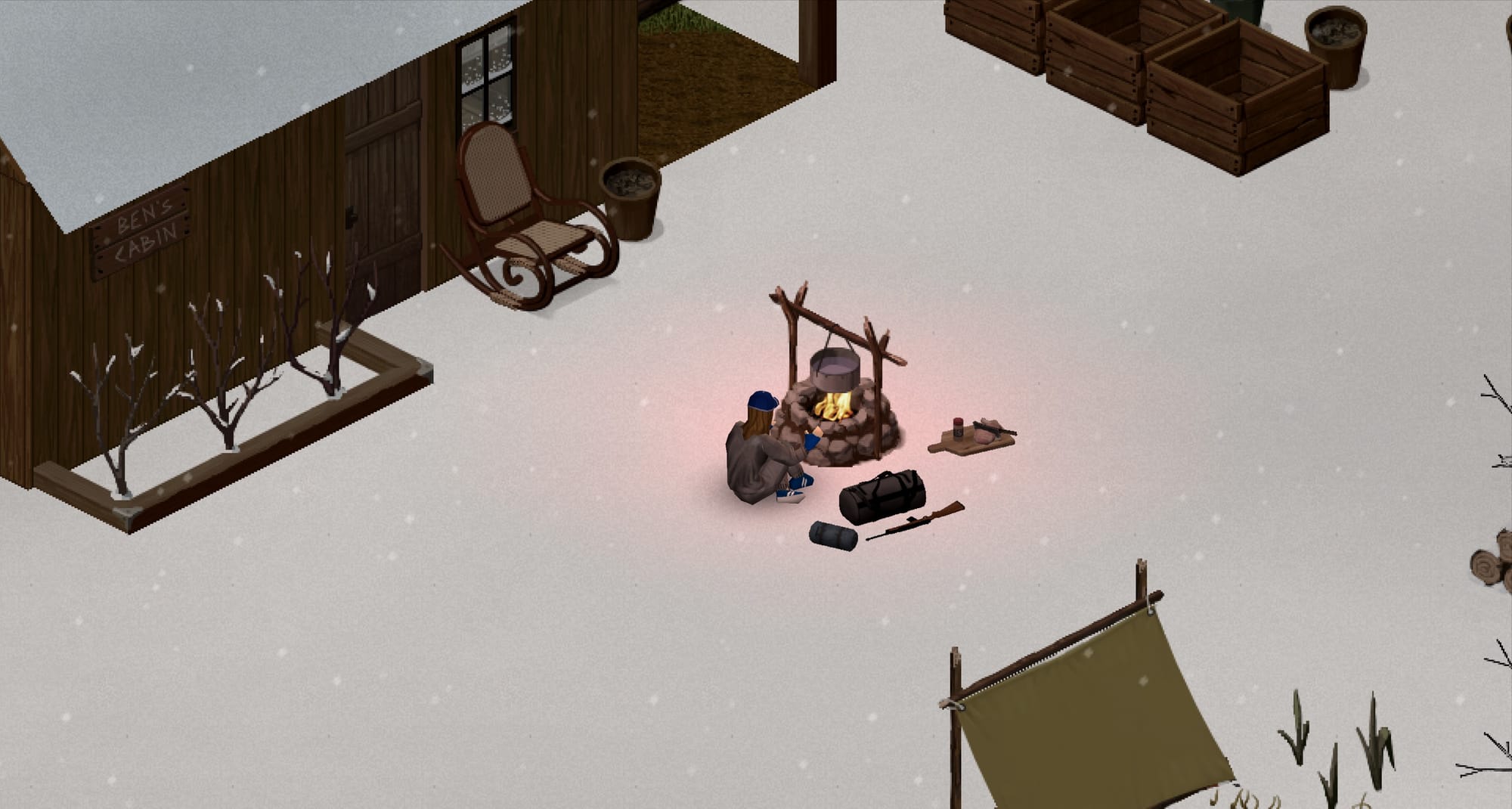
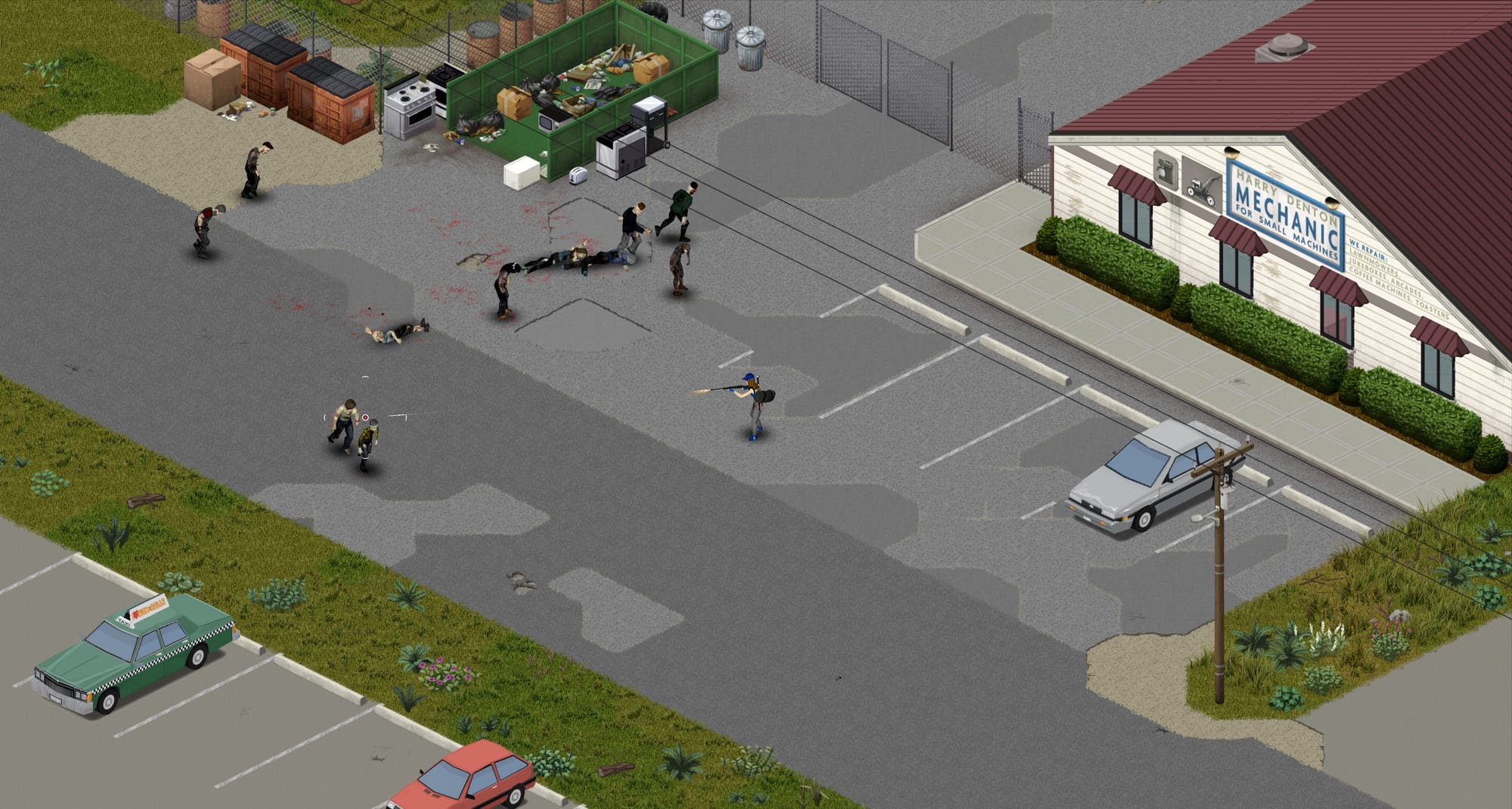
The open-world game Knox Country is set in the real-world area around Fort Knox and Louisville in 1990s Kentucky. Players can explore this huge area, loot buildings and set up their (hopefully) zombie-proof forts by chopping down trees, sawing wood and scavenging for supplies. However, it is also an ever-changing sandbox: the electricity fails, winter sets in, and nature gradually begins to take over. The game mechanics extend far beyond simply fighting the undead, and in terms of depth they often resemble games such as Dwarf Fortress or The Sims. Alongside the core elements, there are in-game activities such as farming, fishing, carpentry, cooking, trapping and more. All of these skills develop based on in-game actions. Players must cope with depression, boredom, hunger, thirst and illness. There are also vehicles with full physics.
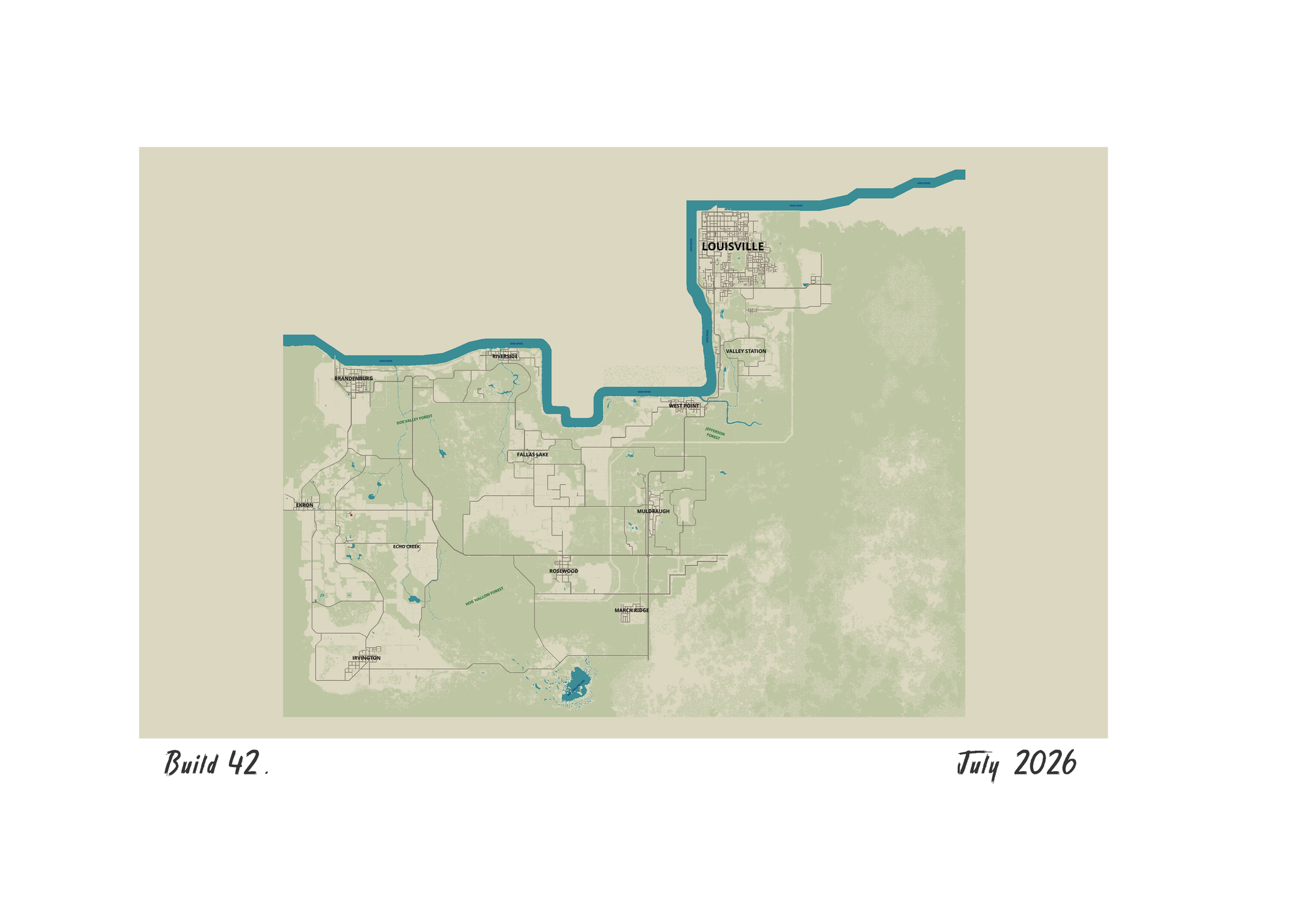
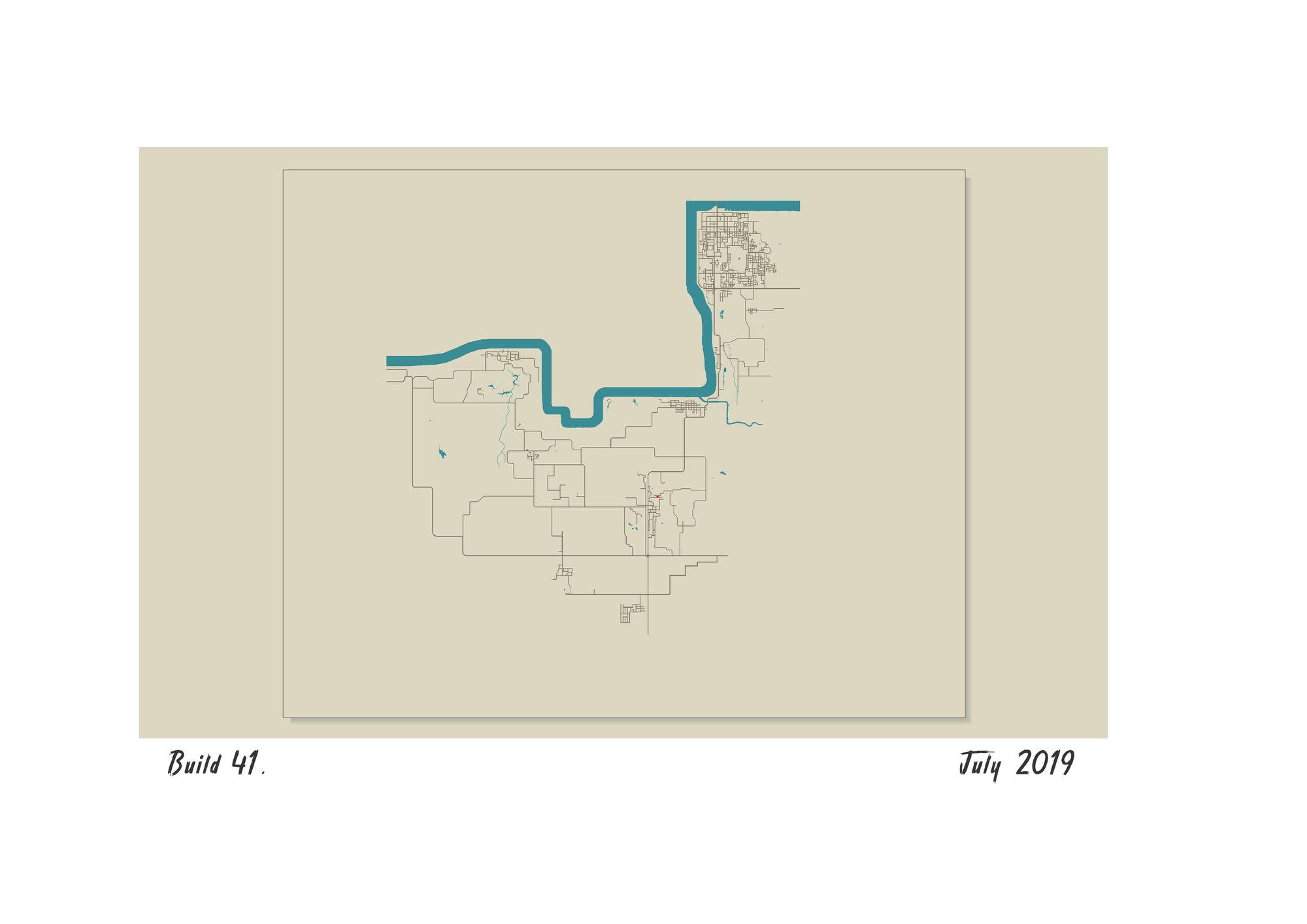
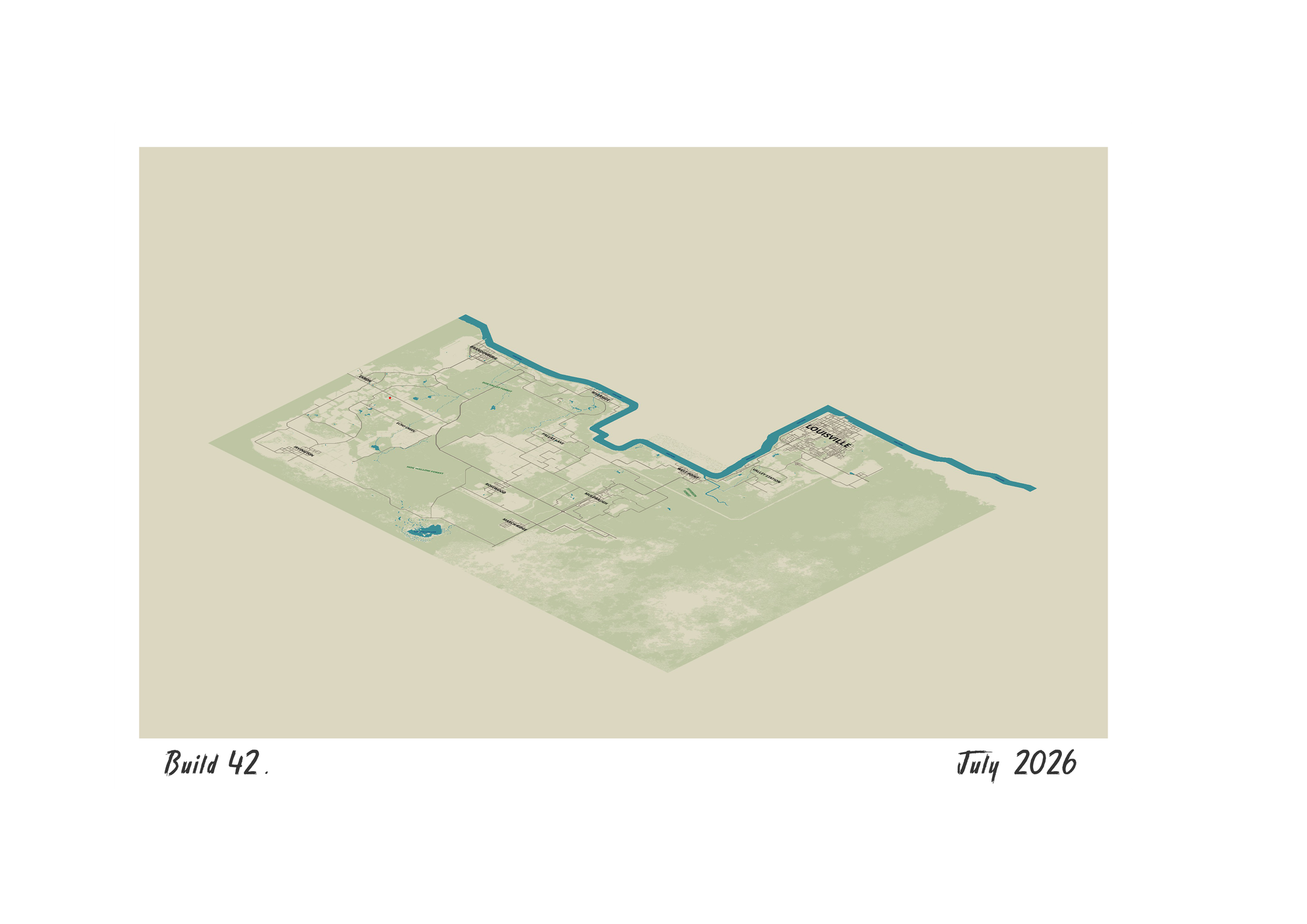
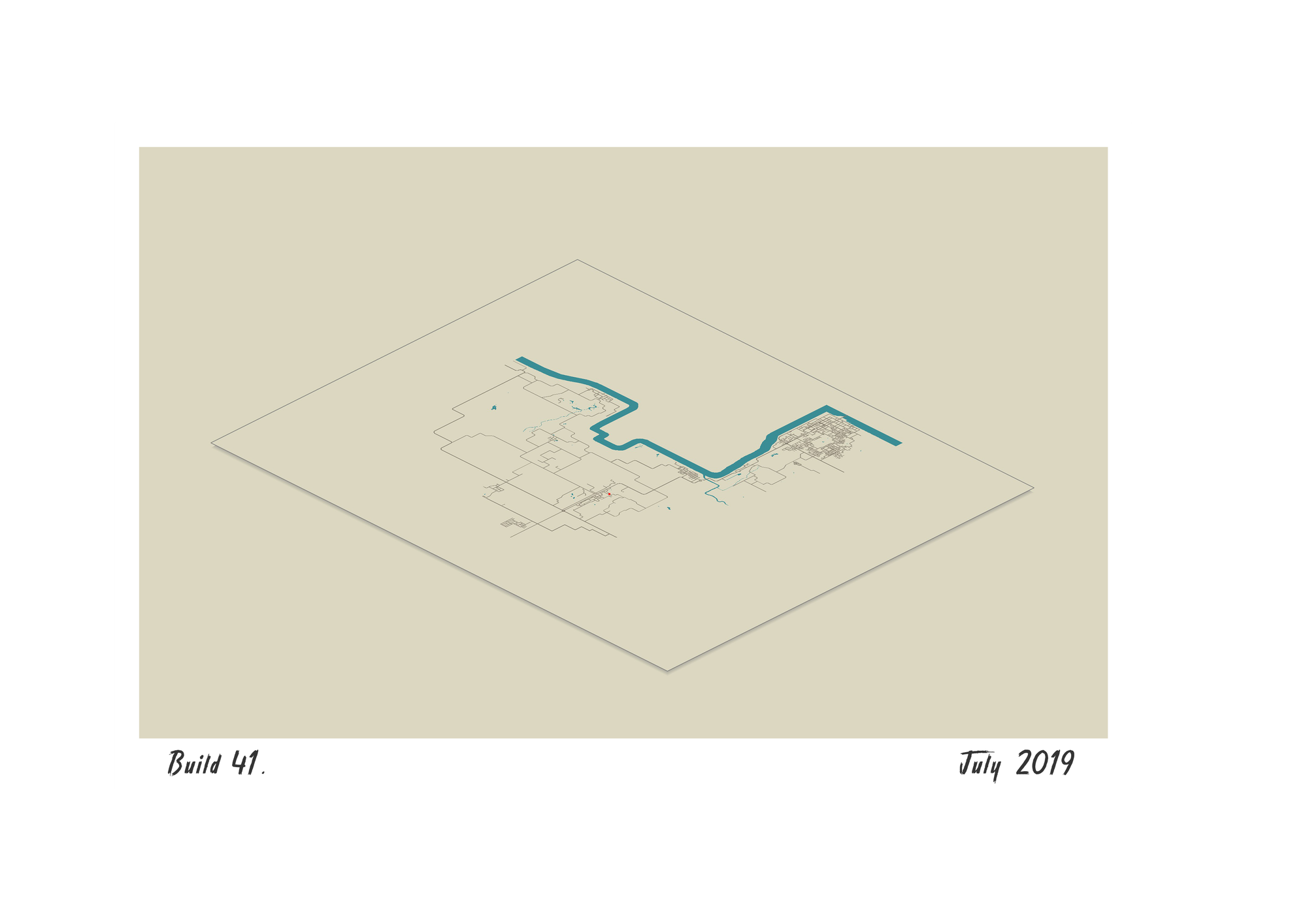
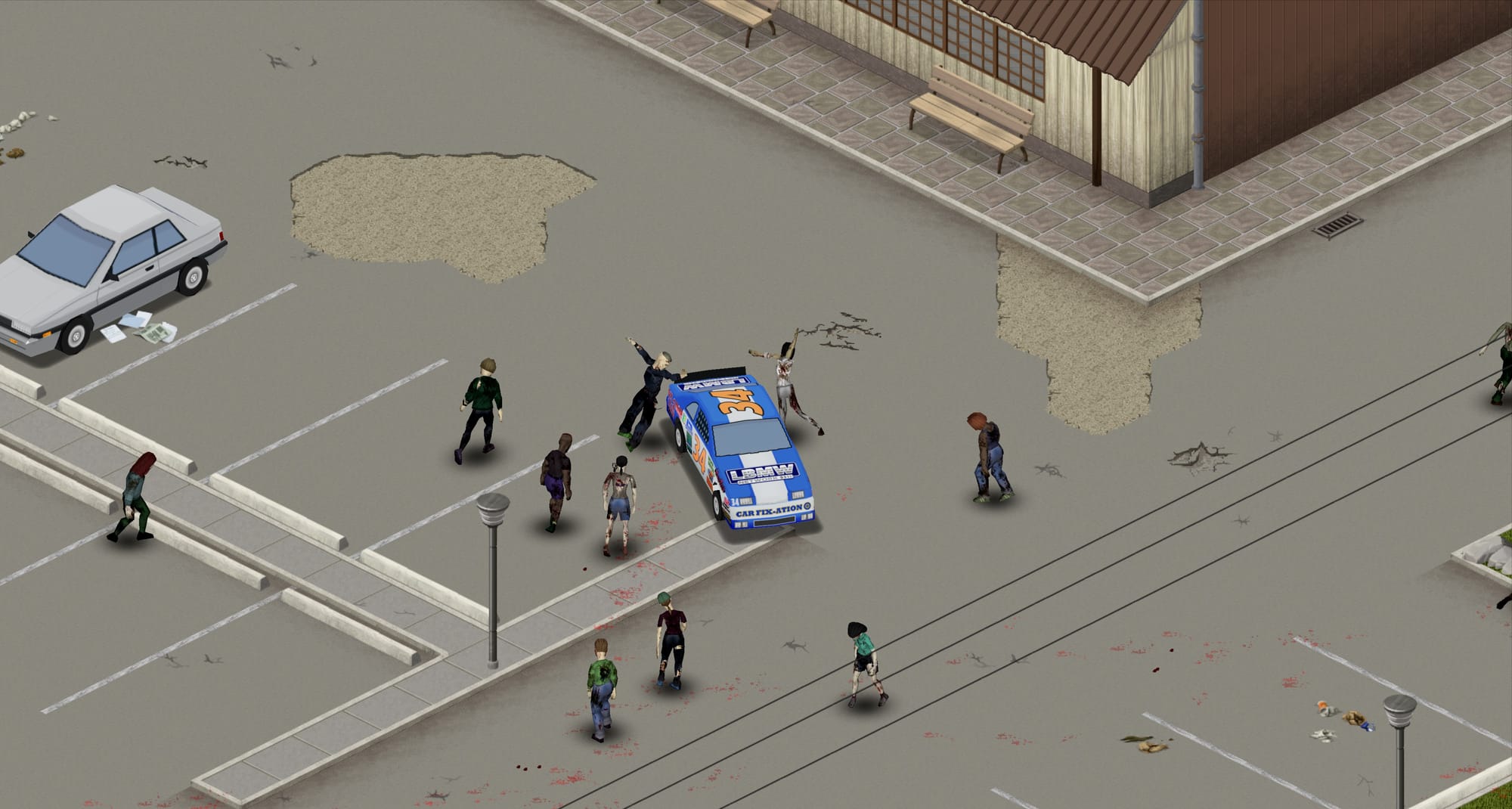
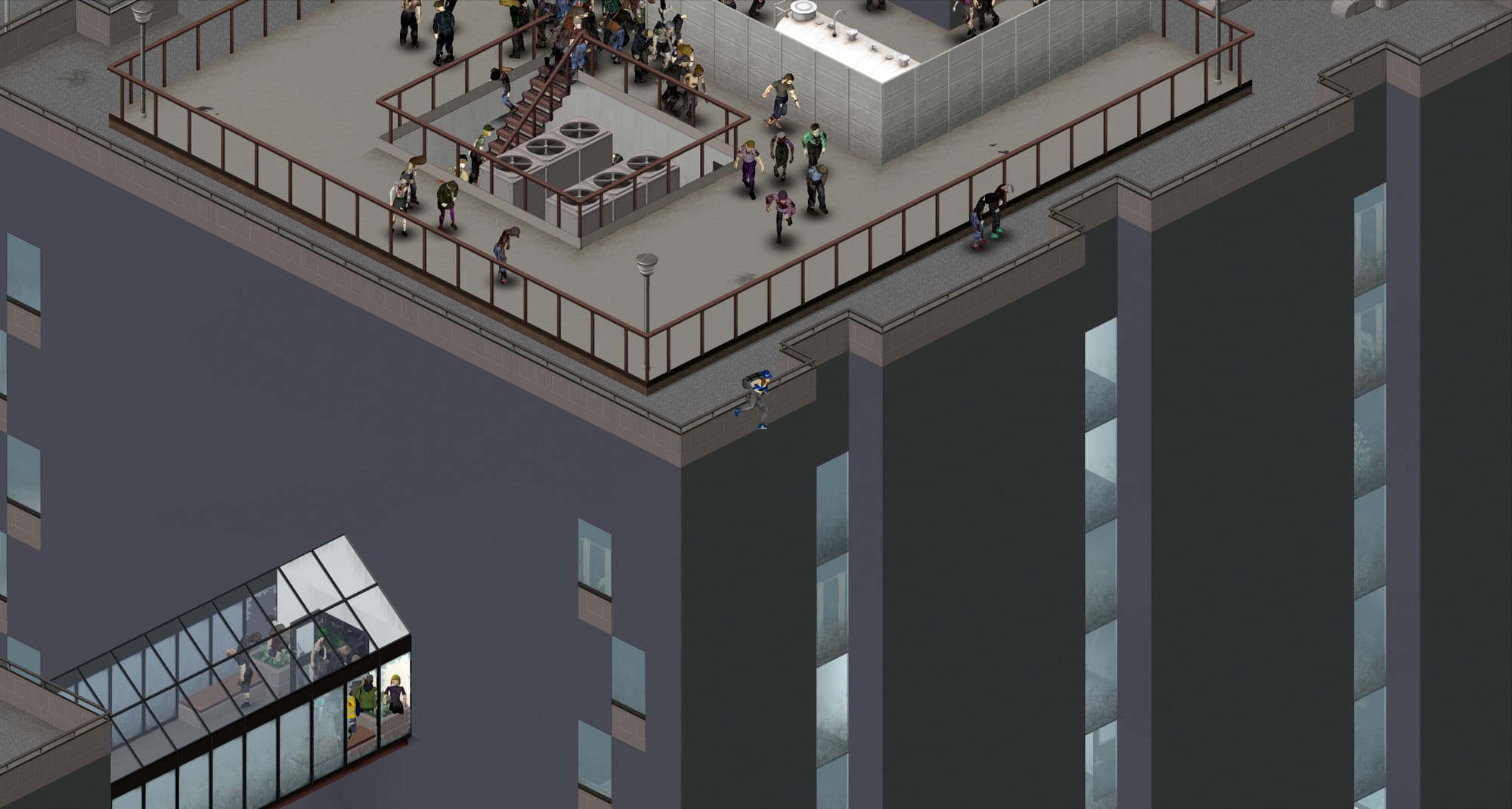
The developers at The Indie Stone have spent around two years working on Build 42 of Project Zomboid. As part of this major update, the already vast game world is being further expanded and overhauled with new and reworked areas. Many existing towns have been upgraded, most notably Riverside, West Point, Rosewood, Fallas Lake, Muldraugh, Ekron and Dixie. Many areas are now significantly more detailed. Basements have also been added, as well as very tall skyscrapers of up to 32 floors. The lighting system has also been completely overhauled. Zombies now feature a ragdoll system; they will react realistically if run over by vehicles. The crafting and building systems have both been expanded to give players more ways to create, maintain and improve their long-term survival setup. This should particularly impact mid- and late-game crafting, making it more complex.
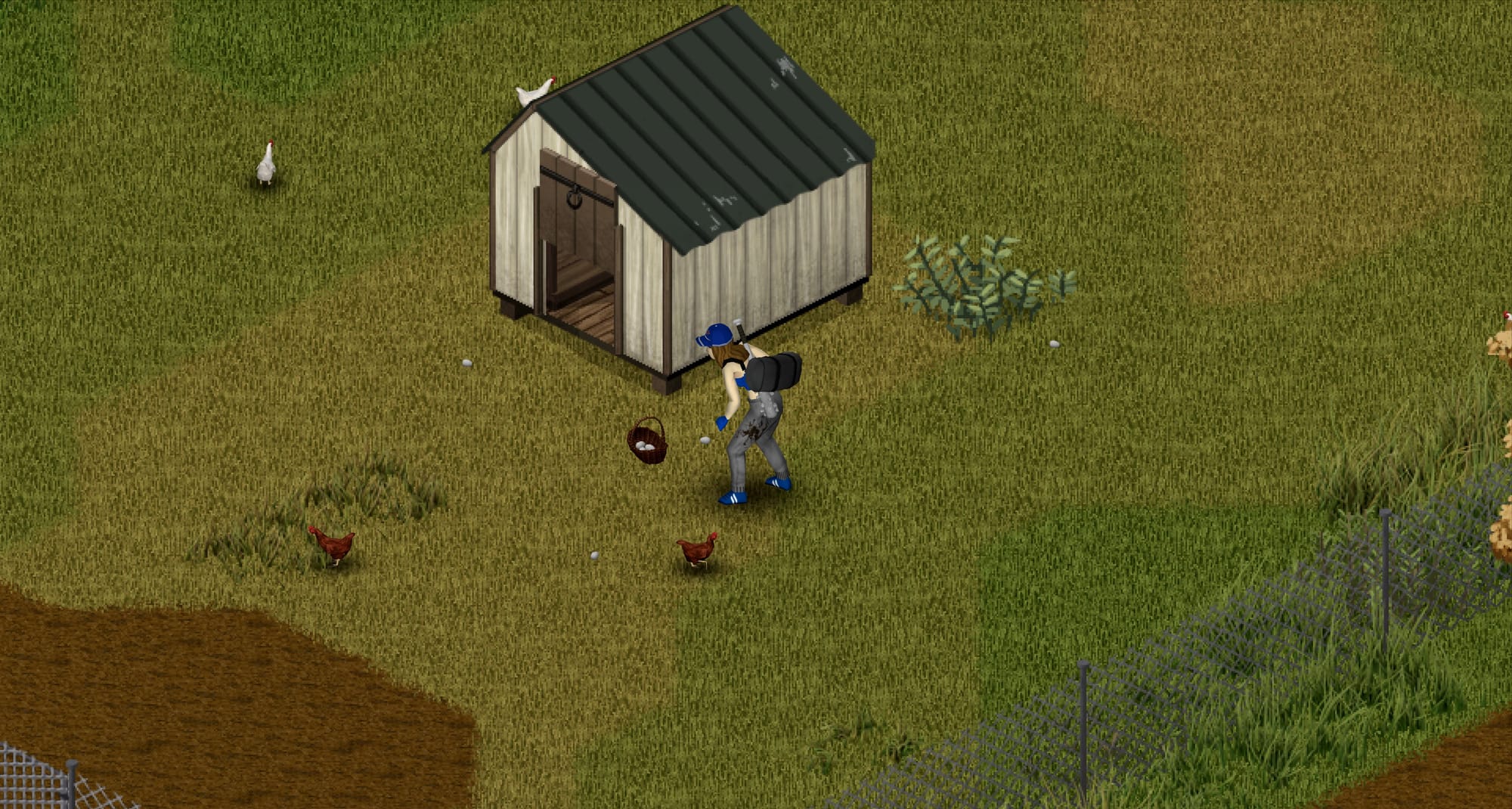
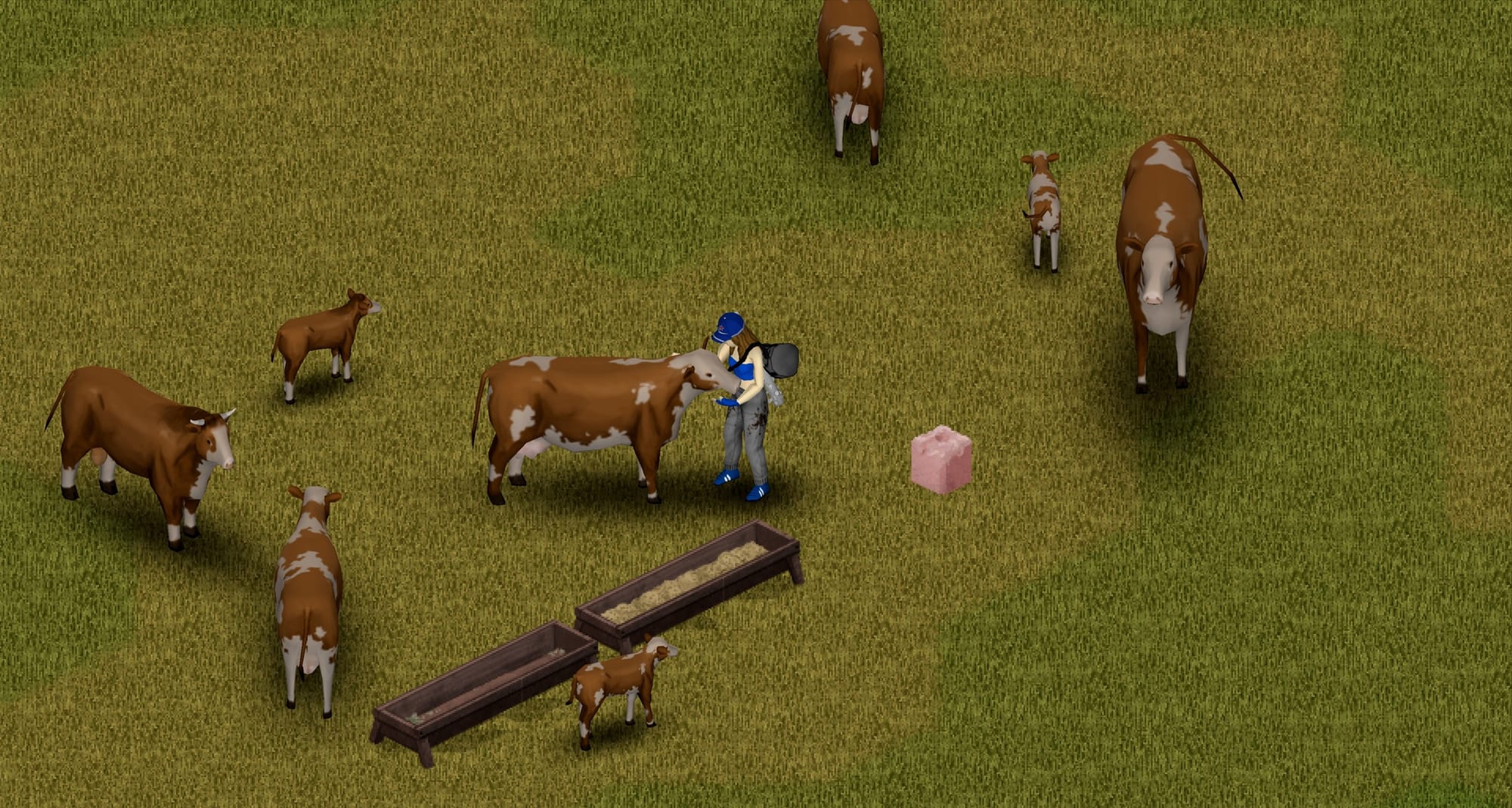
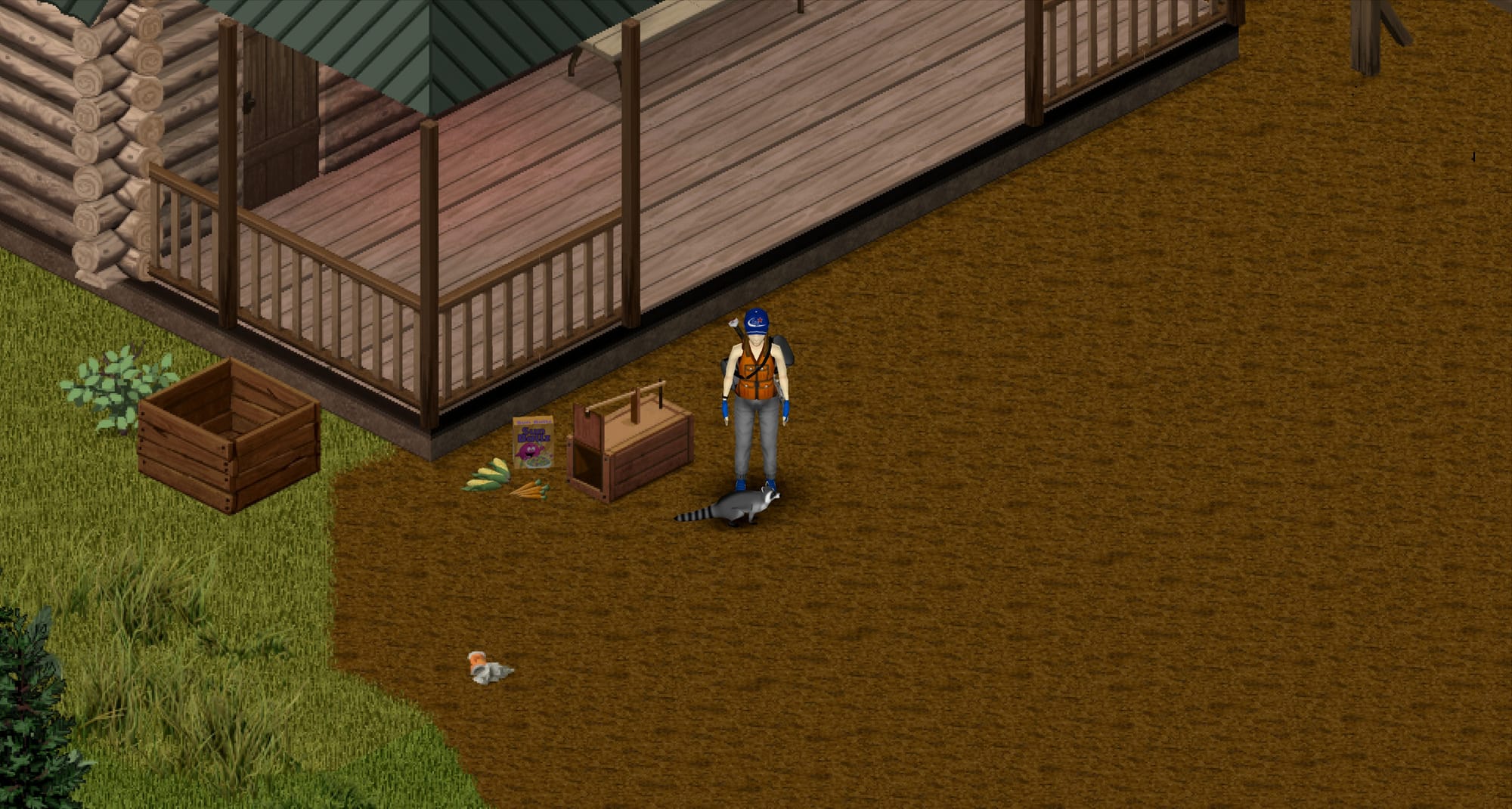
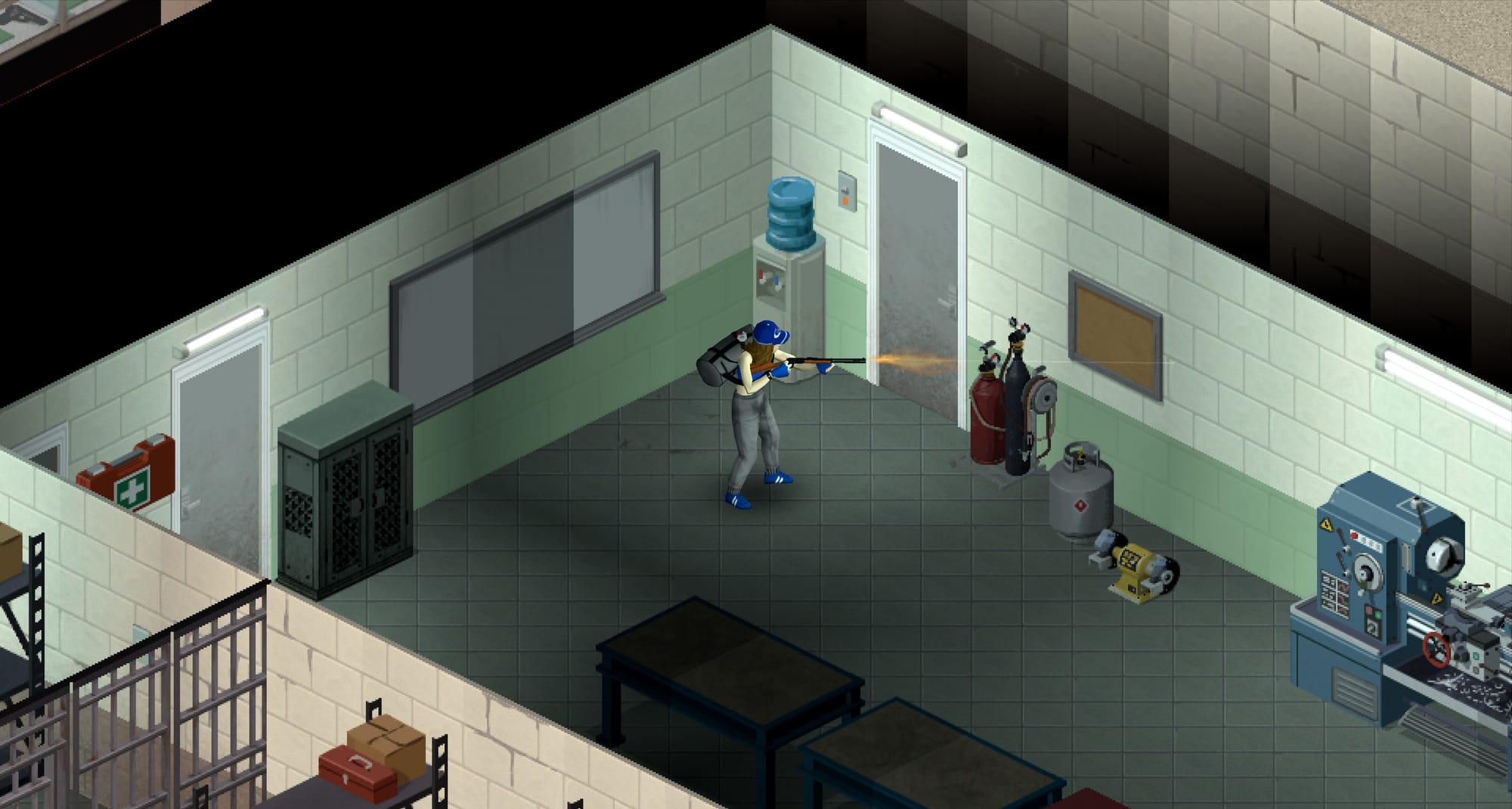
The addition of animals and animal husbandry adds new dimensions to wilderness survival, farming and food production. Players can find and hunt a variety of domestic and wild animals, including sheep, chickens, pigs, cows, rats, rabbits and deer, and can use them to produce items such as meat, leather, eggs, manure and milk. A new firearm aiming system has been introduced, enabling precise targeting of zombies. The world has been enriched with environmental storytelling and more lore. Quality-of-life improvements and system updates have also been made to the inventory, interactions, UI, and more.
However, despite the game's enormous depth and lengthy development period, there is still a lack of non-player characters (NPCs) capable of complex behaviour. Even after Build 42, the game is still in Early Access, and the introduction of animals is likely to be the first step towards creating more complex NPCs. Until now, players could install NPC mods or play in multiplayer mode. Please note that Build 41 save files are not compatible with Build 42. It is possible to switch back to an older Steam branch, but the mods will also need to be adapted to the new version first.
"Build 42 has been a huge undertaking for the team, and we are all incredibly grateful to the community for sticking with us: testing, surviving, dying, and then doing it all again, while providing valuable feedback all along the way. Project Zomboid has always been about creating a world where the player tells their own story, and this update gives them even more areas, systems, and tools to create the memories of How They Died." - Christian Allen, Design Director at The Indie Stone
In any case, Update 42 was a huge success. A new record was set for the number of concurrent active players. The CCU chart is impressive in its own right. Since its release at the end of 2013, the CCU figure has risen slowly but surely. While peak figures (monthly) in the early years were mostly around 1,000, the game surpassed 5,000 in November 2021, reaching its previous peak of 65,505 in January 2022 with the release of Build 41. Since then, the game has never fallen below a monthly CCU peak of 20,000. Build 42 equalled this record, but almost doubled the figure. The current CCU peak is 124,995. User reviews are equally impressive. The game has received over 470,000 reviews, 94 per cent of which are positive.
Project Zomboid was released in Early Access on 8 November 2013. Its price increased during the Early Access period, and it now costs €25.49. It is available on PC, Mac and Linux via Steam and GOG.
The game is being developed by The Indie Stone, a studio founded by four people based in the UK and Canada, who set out to create their vision of the ideal zombie survival game. Now, the game is being developed all over the world. They have contributors and support staff in Canada, England, France, the US, Germany, Russia, Australia and many other countries. During development, they have collaborated with several companies, including Vertex Break/General Arcade (multiplayer and vehicle coding), Arrival UK (soundscape) and TEA Games (animation system and multiplayer coding).
Conclusion
Build 42 makes the already detailed and complex survival simulation game, Project Zomboid, even better.
Marcel Kleffmann is Chief of Content of GamesMarket and our B2B and B2C expert for hardware, market data, products and launch numbers with more than two decades of editorial experience. (marcelDOTkleffmannATgamesmarktDOTde)
One of the games universities in Bavaria is Ludwig-Maximilians-Universität in Munich, but other institutions have even more special programmes and labs to offer (LMU)