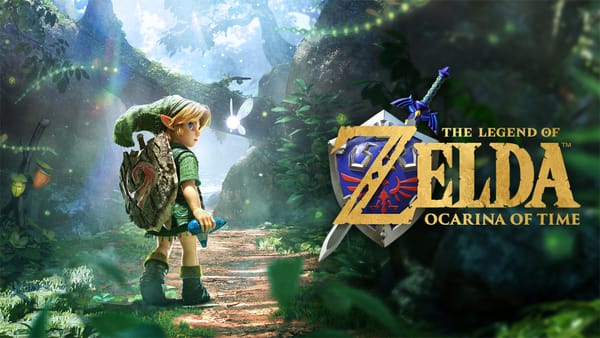
The System Seller for Nintendo Switch 2: The Legend of Zelda: Ocarina of Time
With the upcoming holiday season approaching, Nintendo has just the game to keep interest in the Nintendo Switch 2 high once again: a remake of The Legend of Zelda: Ocarina of Time. The original game is widely considered to be one of the greatest of all time.
No doubt. Despite the challenging market and the difficult macroeconomic environment, the launch of the Nintendo Switch 2 was a resounding success, with an impressive 23.68 million consoles sold by the end of June 2026. For the upcoming holiday season, Nintendo has the perfect game to make the console even more appealing: It’s a remake of The Legend of Zelda: Ocarina of Time.
Looking up the best game of all time on Metacritic, there is only one title that sits undisputedly at number one and only one game with a Metascore of 99: The Legend of Zelda: Ocarina of Time, released in 1998 for Nintendo 64. This very game is what Nintendo will be bringing back as a remake this year, just in time for the 40th anniversary of the franchise, as the first instalment was released in 1986.
Yes, Ocarina of Time has already been remade for Nintendo 3DS, but what is set to be released on 5 November 2026 for Nintendo Switch 2 represents a significant advancement. As in the original game, players control Link from a third-person perspective as he travels through Hyrule in two different time periods in order to defeat Ganondorf. He fights with a sword and shield and can use other gear, such as a slingshot, a bow, bombs and magic spells. Of course, he collects rubies again, which can be spent in shops. Players will immediately recognise the familiar feeling of exploration, combat and adventure, but it is particularly on a technical
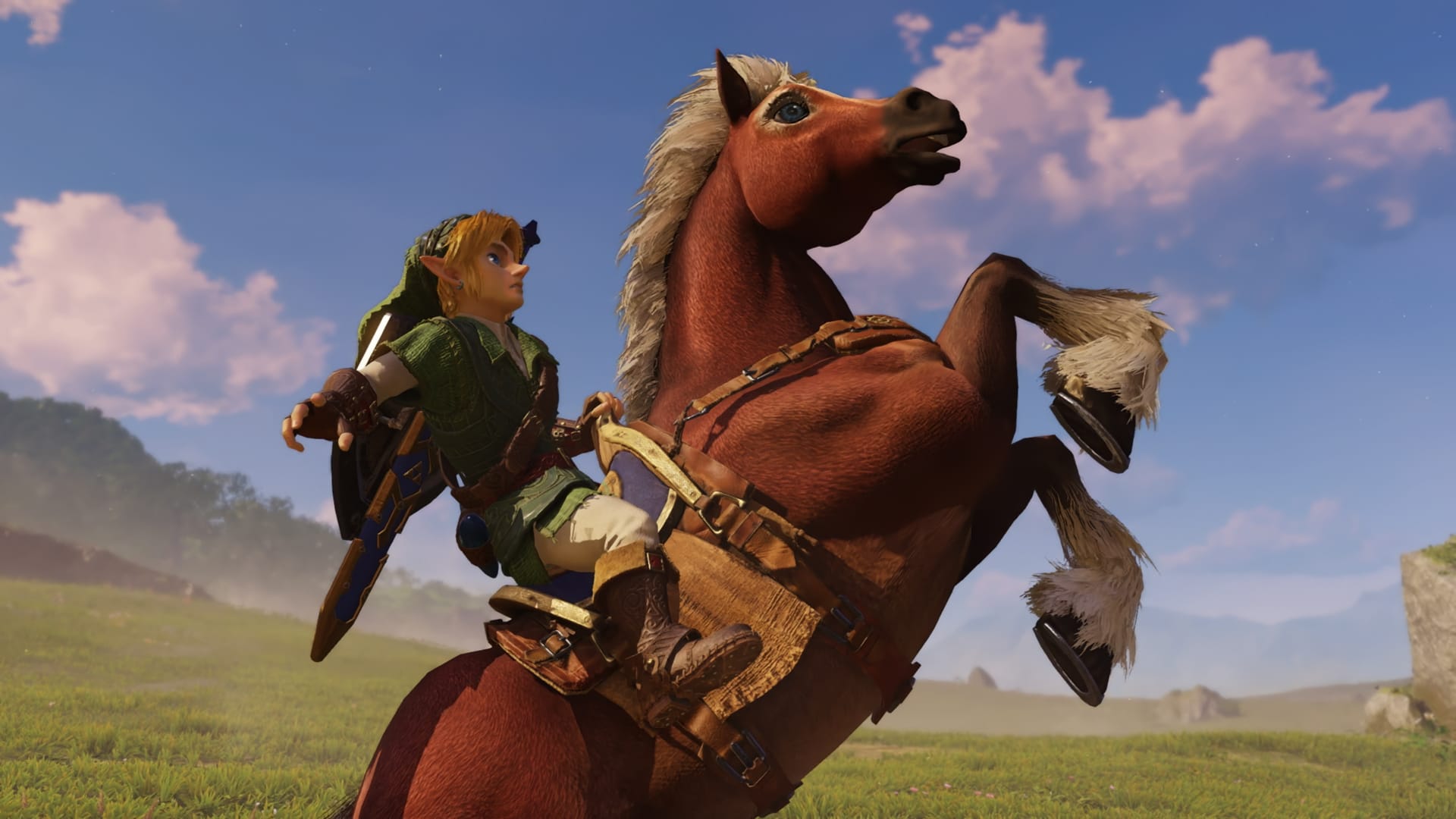
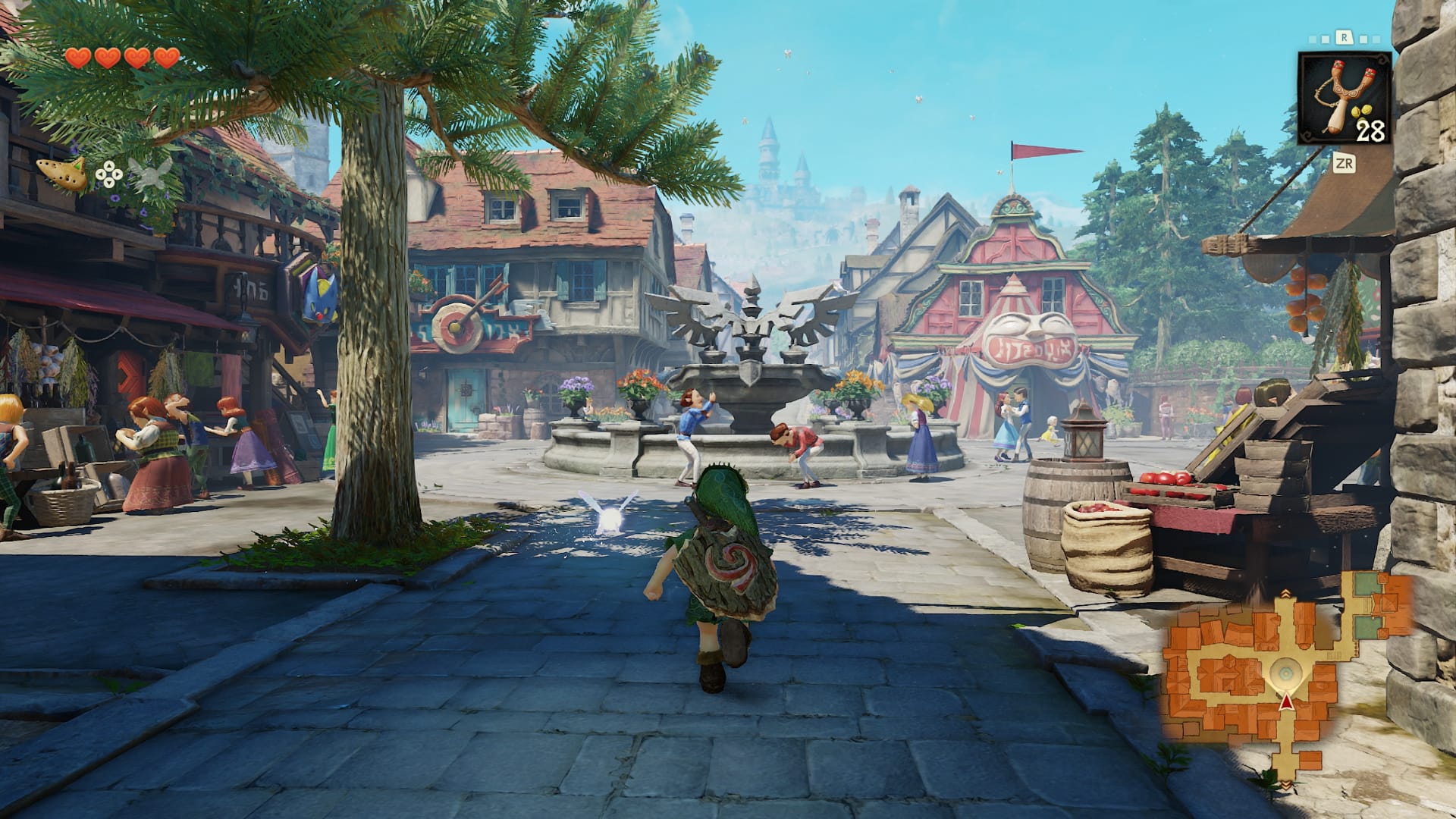
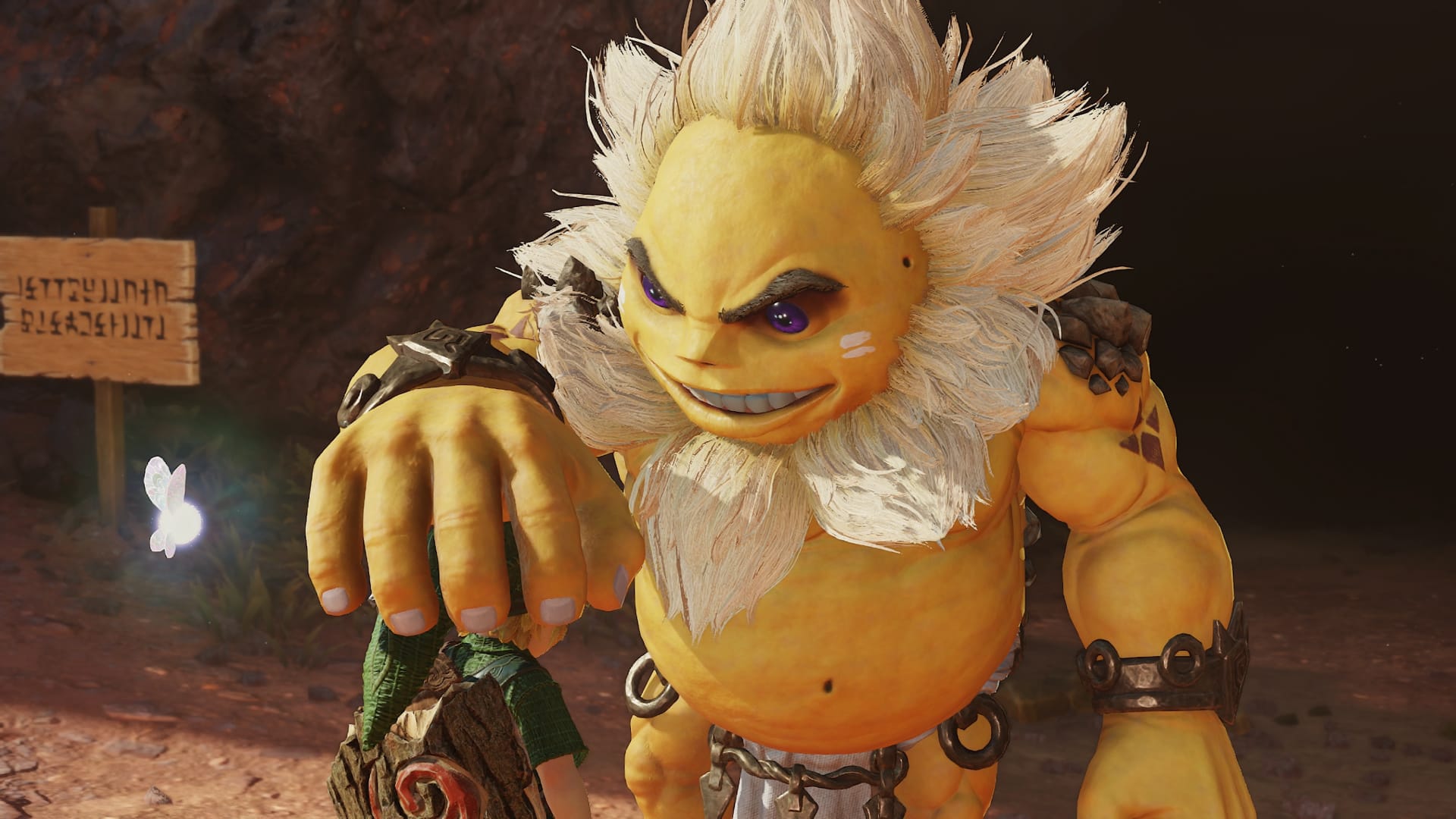
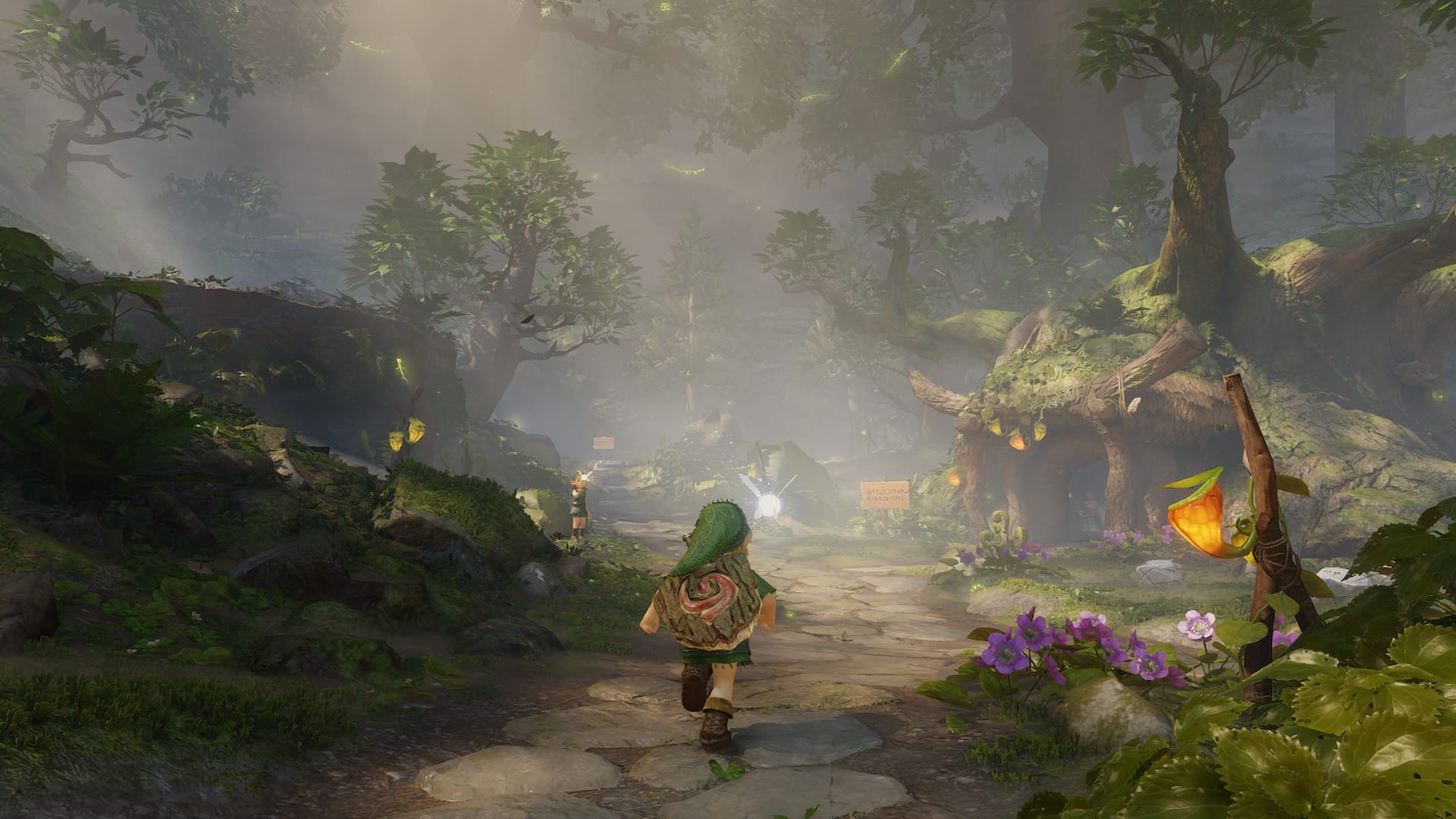
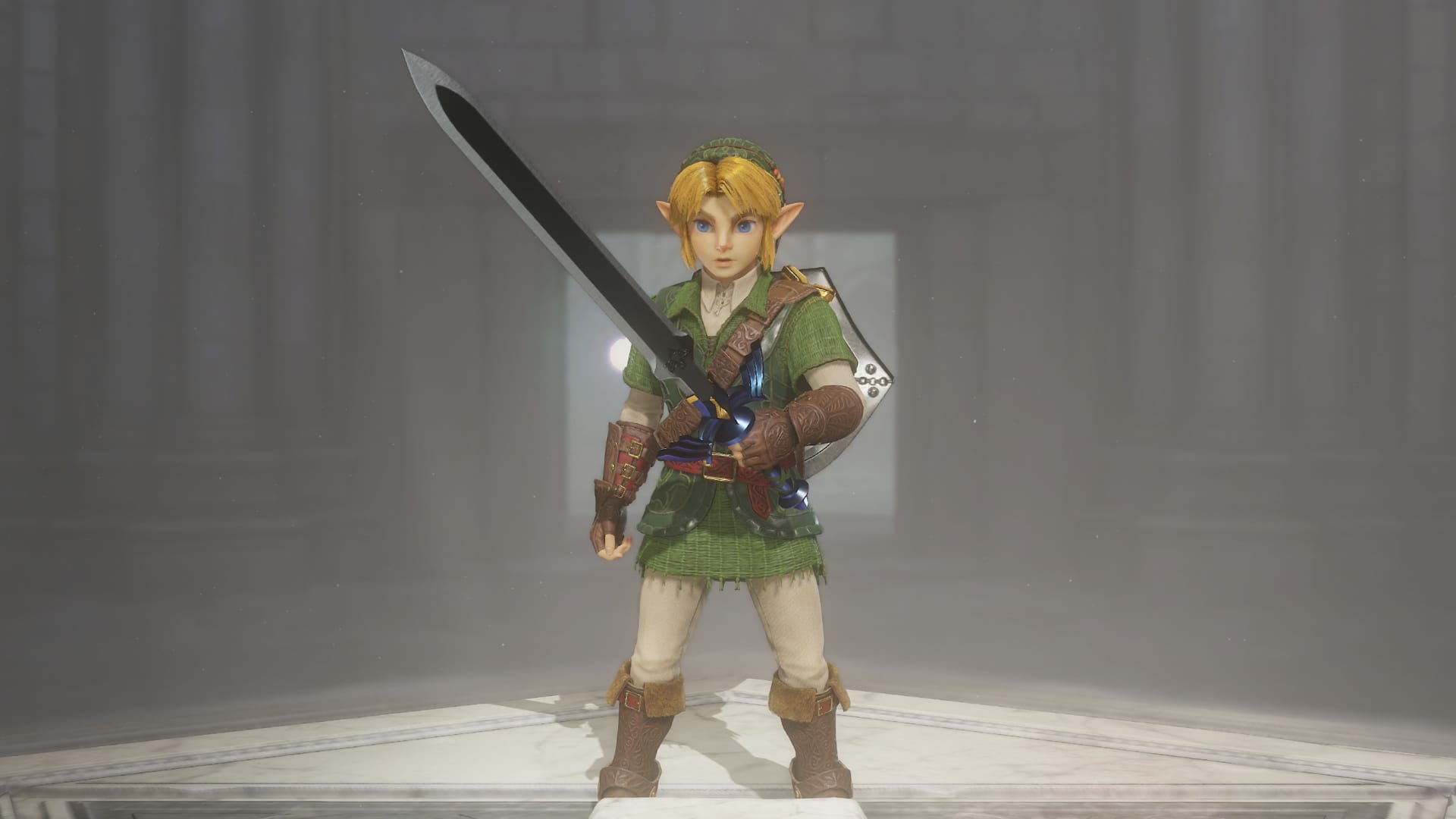
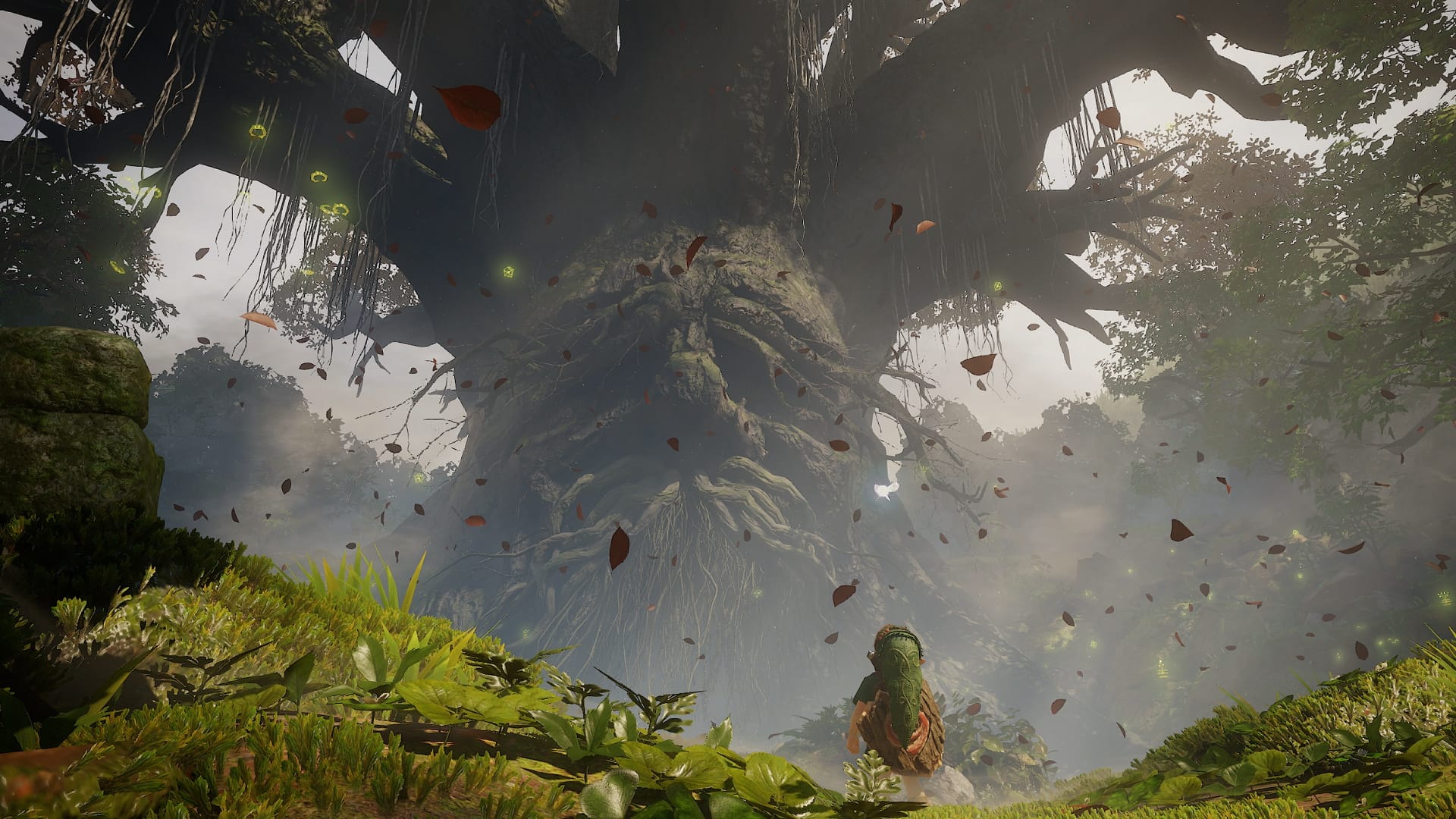
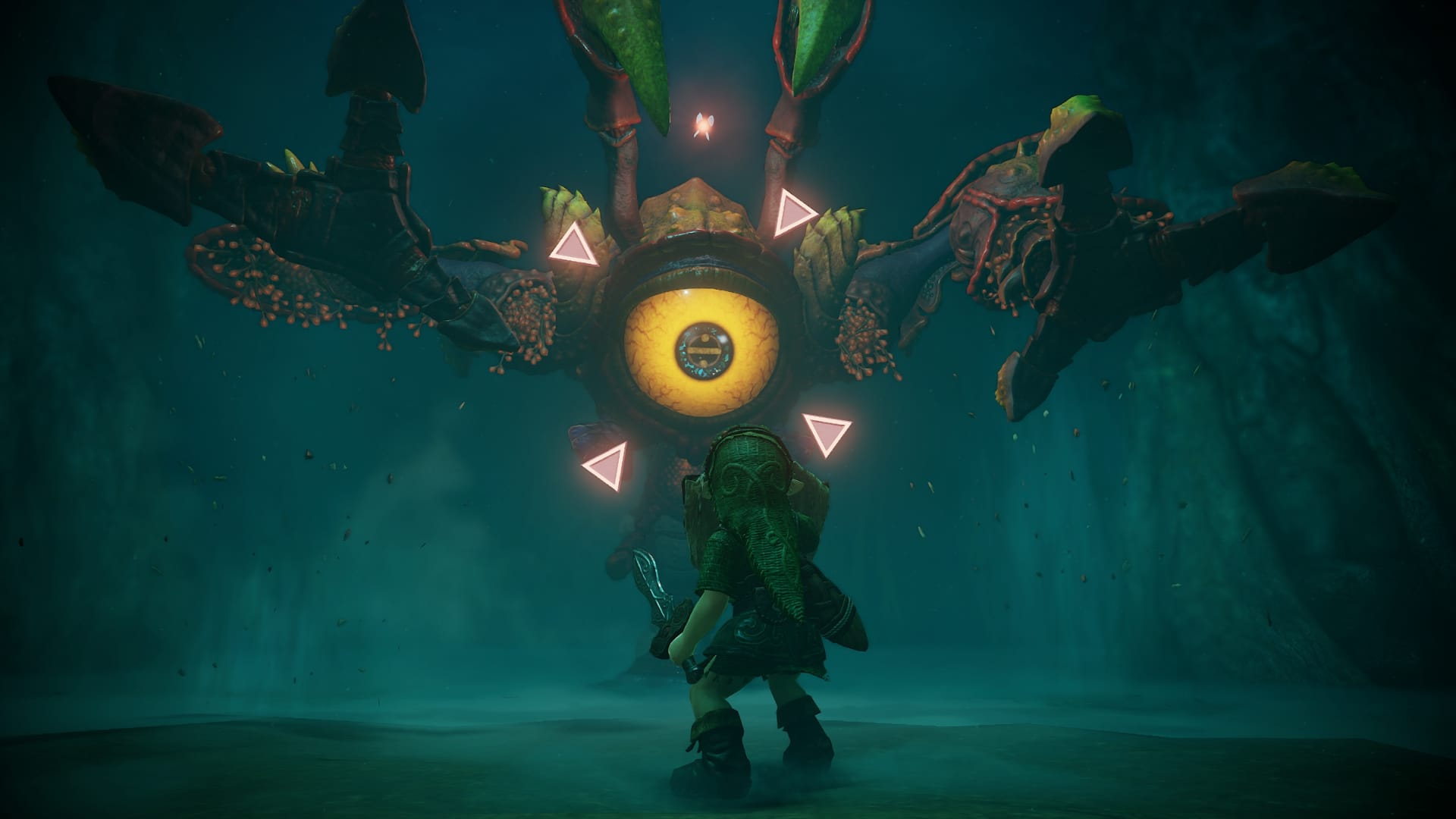
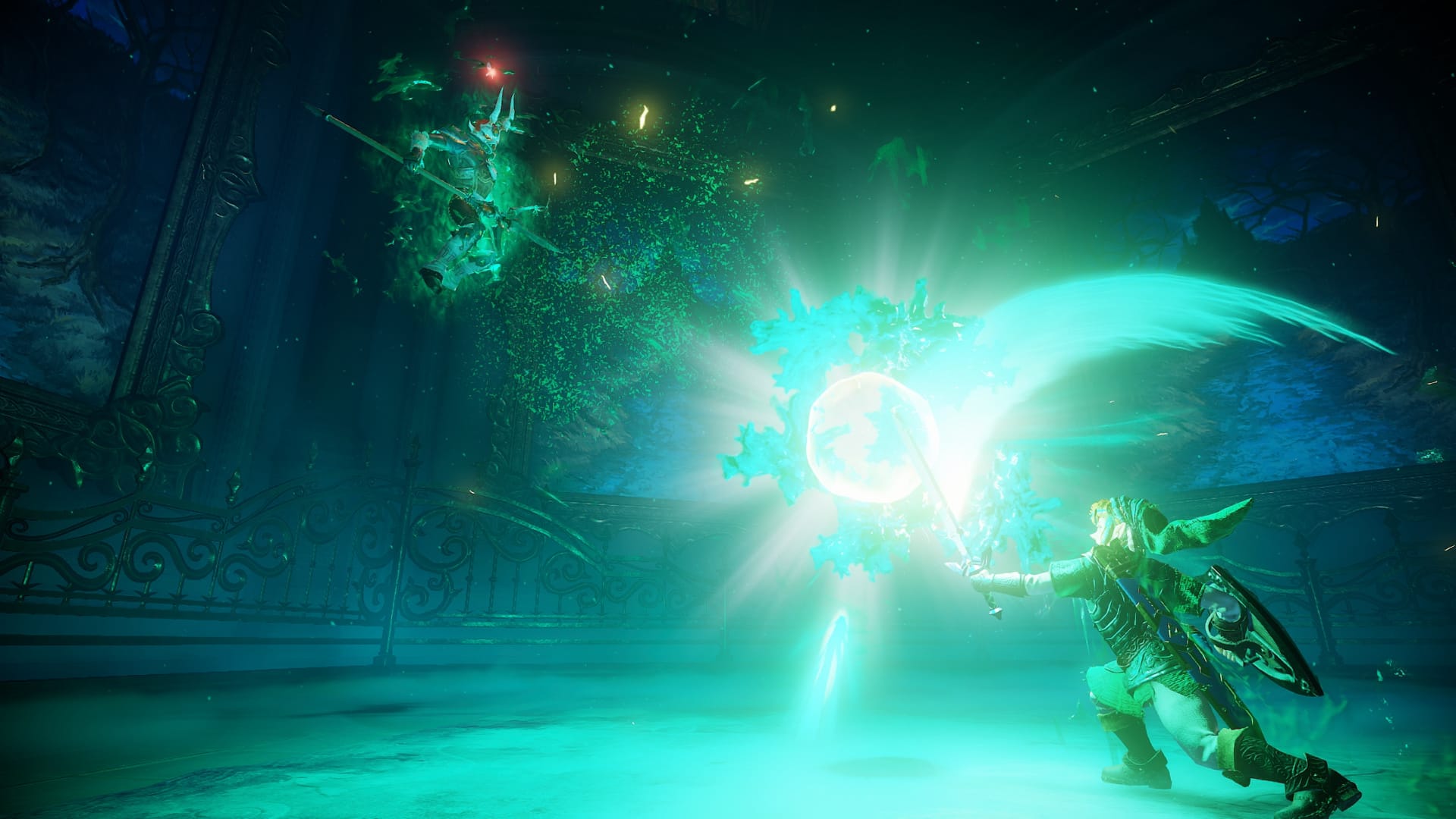
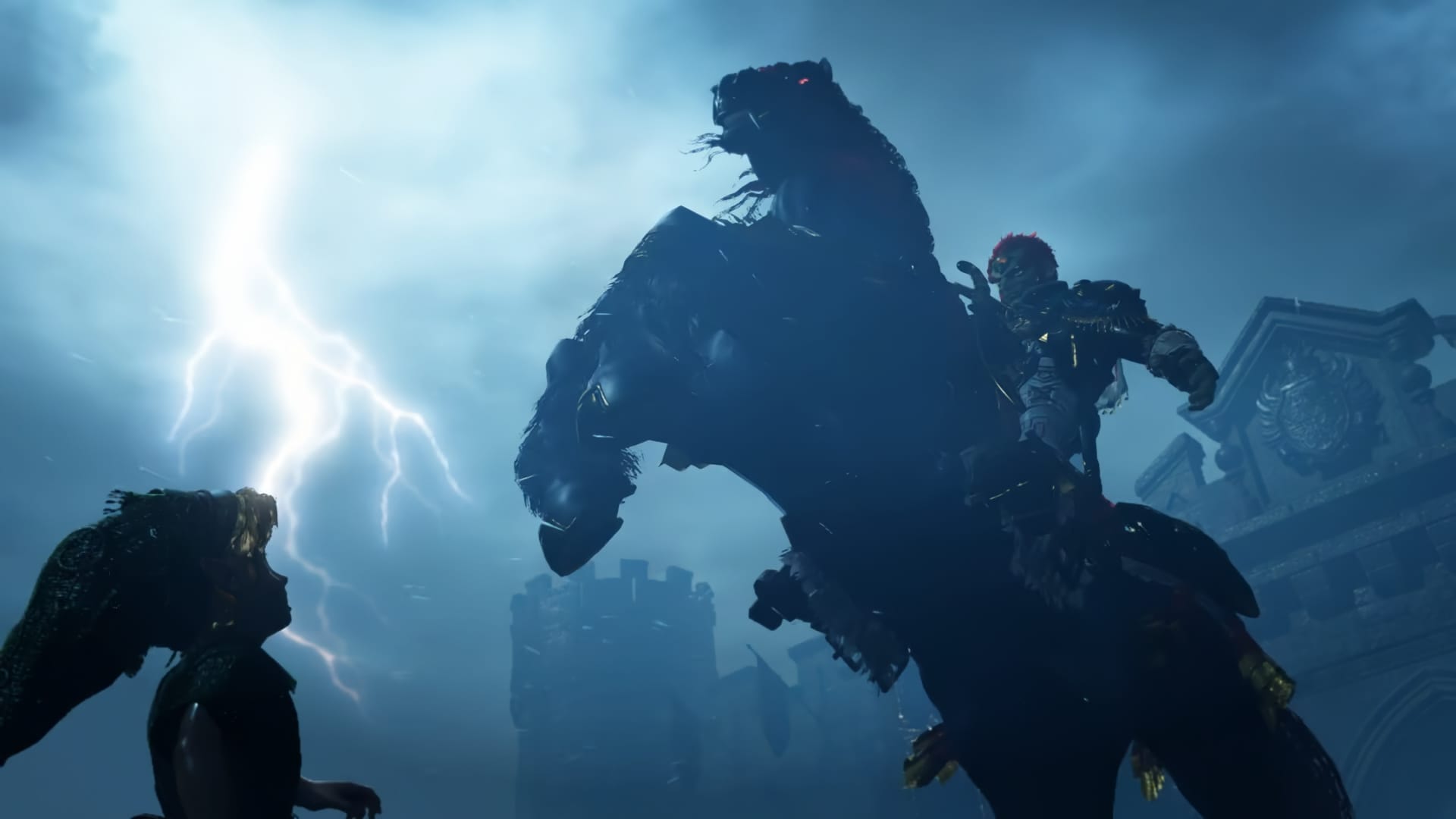
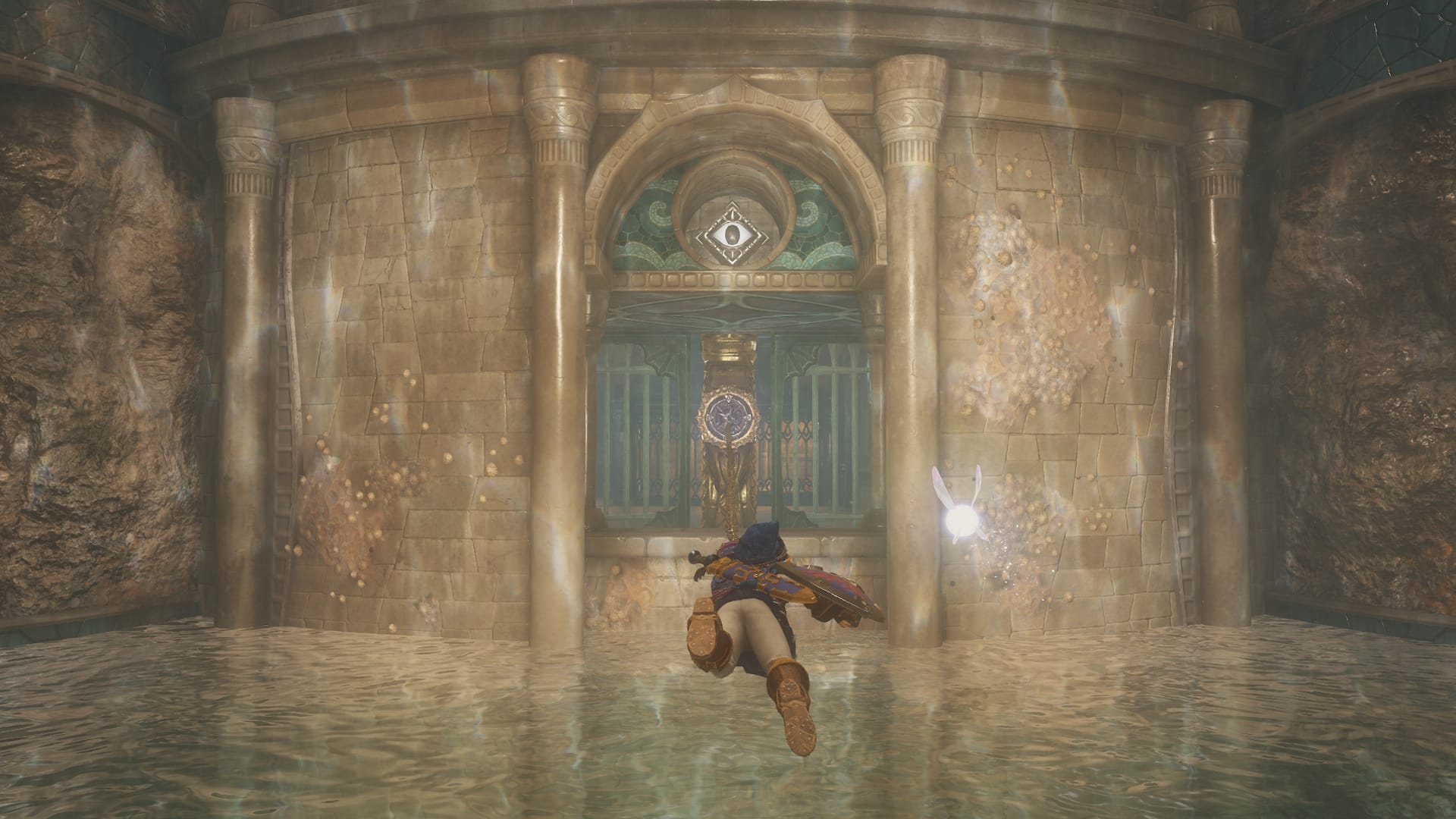
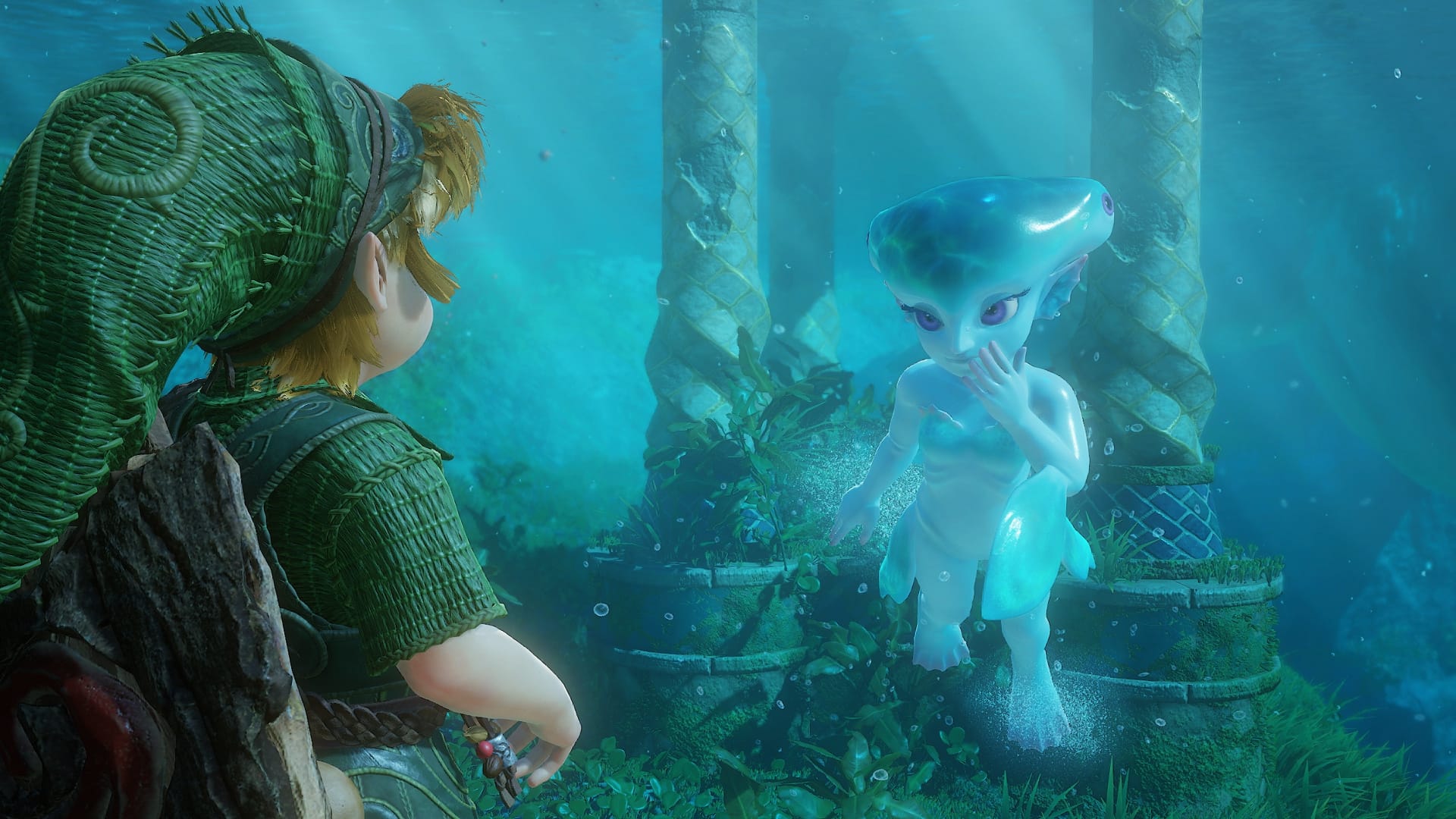
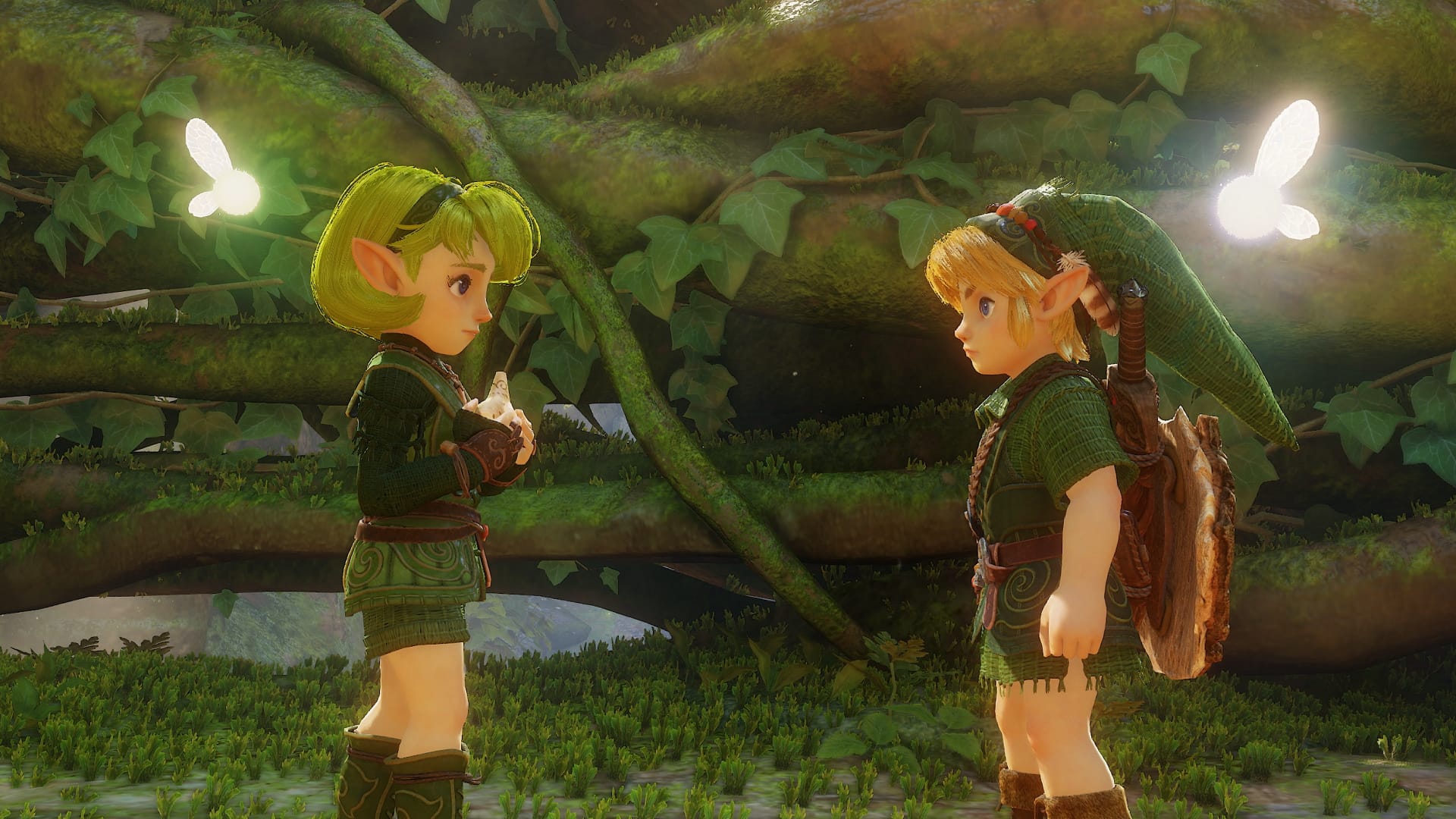
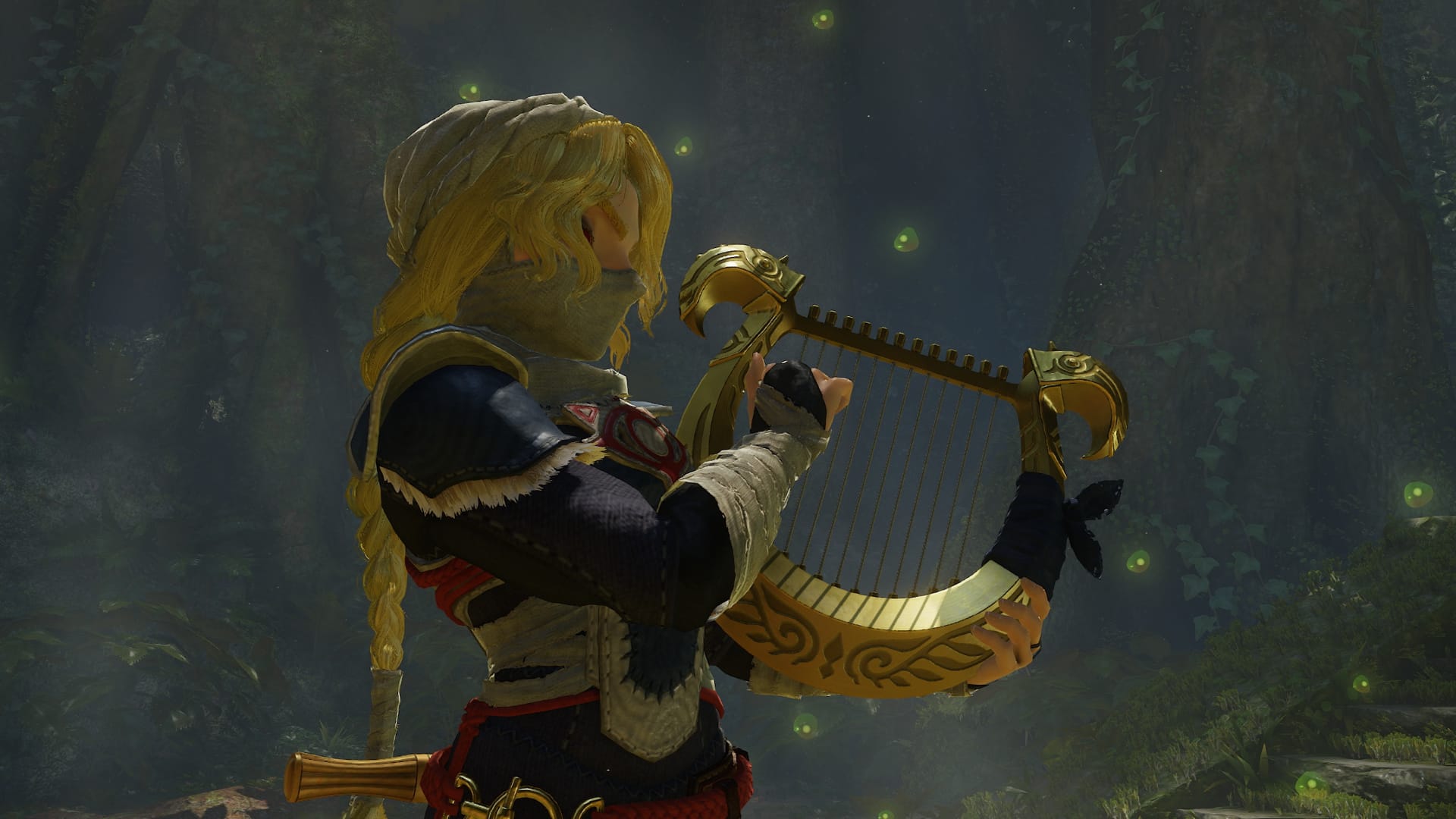
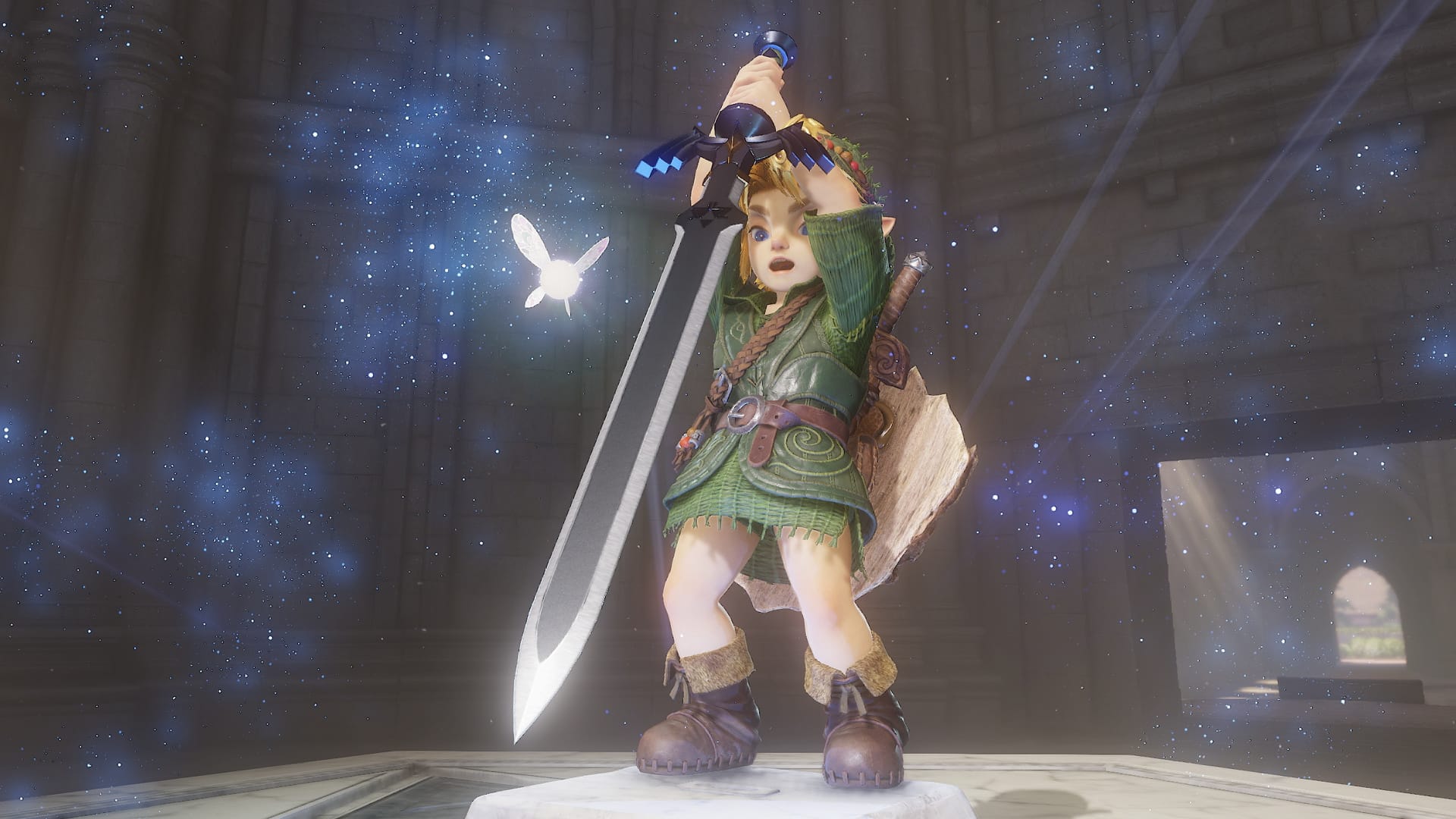
level that Link’s quest showcases the capabilities of Nintendo Switch 2. The visuals have been completely overhauled and now boast a level of detail that allows players to make out the textures of different materials, especially in clothing. Compared to the original, the world features significantly more three-dimensional and complex objects, dense vegetation, elaborate particle effects, a modern and dynamic lighting system, HDR support as well as a greater draw distance.
While the world makes a fairly realistic impression, the elaborate character models are rather stylised and smoothly animated. The gameplay runs significantly faster and more fluidly than in the original, and all actions feel more responsive. Loading times are faster, although Nintendo has not embraced the open-world trend. Instead, the world is divided into several areas, some of which are quite large, as in the original game. According to series producer Aonuma-san, the decision to split the game into separate sections with very short loading times was deliberate, in order to recreate the feel of the game from back then. The day-night cycle now continues throughout the game, regardless of Link’s location, making the world seem even more alive. In the original game, this cycle would pause inside buildings or in towns. However, it’s not just the graphics that have been improved; the soundscape has also been overhauled. The remake features symphonic orchestral music, fully voiced cutscenes, and expanded character dialogue.
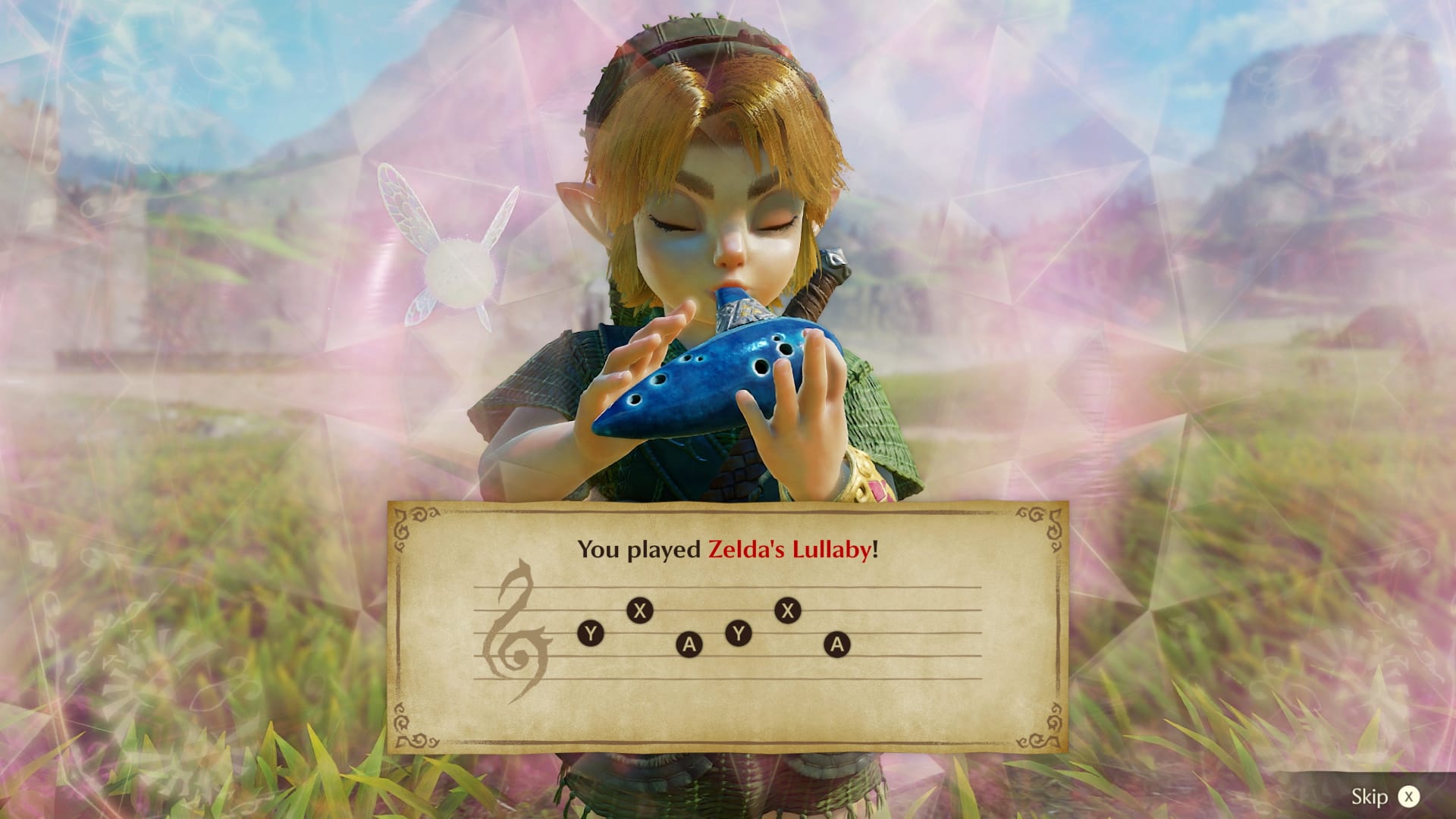
These may sound like minor details, but thanks to new control features, players can now jump, swim and run faster. The right stick provides full 360° camera control. Inventory management has also been improved, allowing for quick equipment changes. When players play or hum ocarina melodies that Link has learnt within range of the console’s built-in microphone, Link will play the same melody in the game. Additionally, the game responds to musical instruments, including the new playable electronic ocarinas due to be released soon.
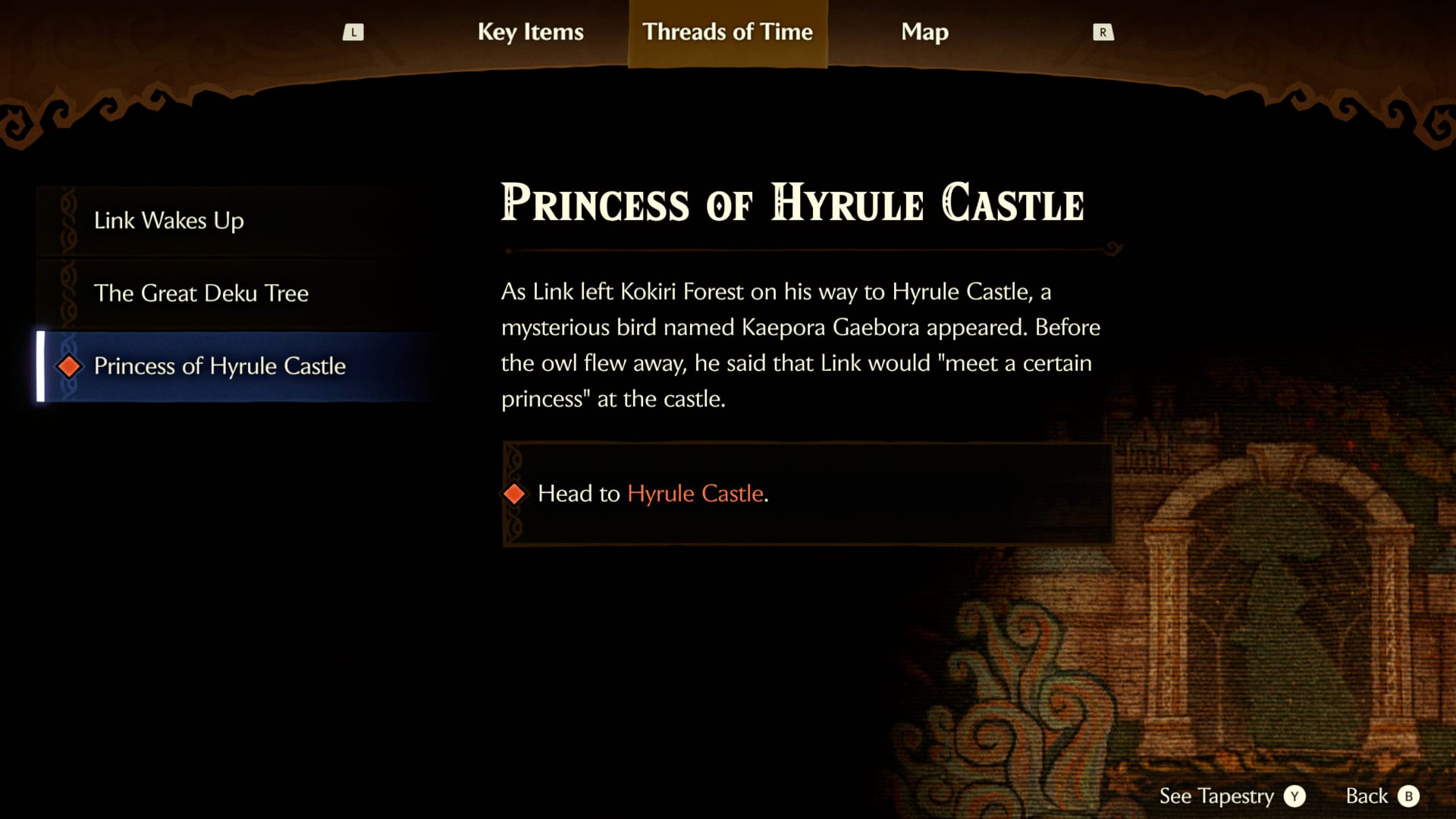
Furthermore, players can view their progress and check their next destination at any time. As the adventure progresses, a large tapestry known as the Threads of Time fills with new details. This serves as a visual quest log. Meanwhile, the Hall of Fallen Foes, which contains statues of defeated monsters, is located somewhere in Hyrule. There, players can learn about these monsters and face them again.
The Legend of Zelda Franchise Timeline
1986 - The Legend of Zelda (NES)
1987 - Zelda II: The Adventure of Link (NES)
1991 - A Link to the Past (SNES)
1993 - Link's Awakening (Game Boy)
1998 - Ocarina of Time (Nintendo 64), Link's Awakening DX (Game Boy Color)
2000 - Majora's Mask (Nintendo 64)
2001 - Oracle of Seasons & Ages (Game Boy Color)
2002 - A Link to the Past & Four Swords (Game Boy Advance), The Wind Waker (GameCube)
2004 - Four Swords Adventures (GameCube), The Minish Cap (Game Boy Advance)
2006 - Twilight Princess (GameCube, Wii)
2007 - Phantom Hourglass (Nintendo DS)
2009 - Spirit Tracks (Nintendo DS)
2011 - Ocarina of Time 3D (Nintendo 3DS), Four Swords Anniversary Edition (Nintendo DSi, Nintendo 3DS), Skyward Sword (Wii)
2013 - The Wind Waker HD (Wii U), A Link Between Worlds (Nintendo 3DS)
2015 - Majora's Mask 3D (Nintendo 3DS), Tri Force Heroes (Nintendo 3DS)
2016 - Twilight Princess HD (Wii U)
2017 - Breath of the Wild (Wii U, Switch)
2019 - Link's Awakening (Switch)
2021 - Skyward Sword HD (Switch)
2023 - Tears of the Kingdom (Switch)
2024 - Echoes of Wisdom (Switch)
2025 - Breath of the Wild & Tears of the Kingdom – Nintendo Switch 2 Edition (Switch 2)
2026 - Ocarina of Time (Switch 2)
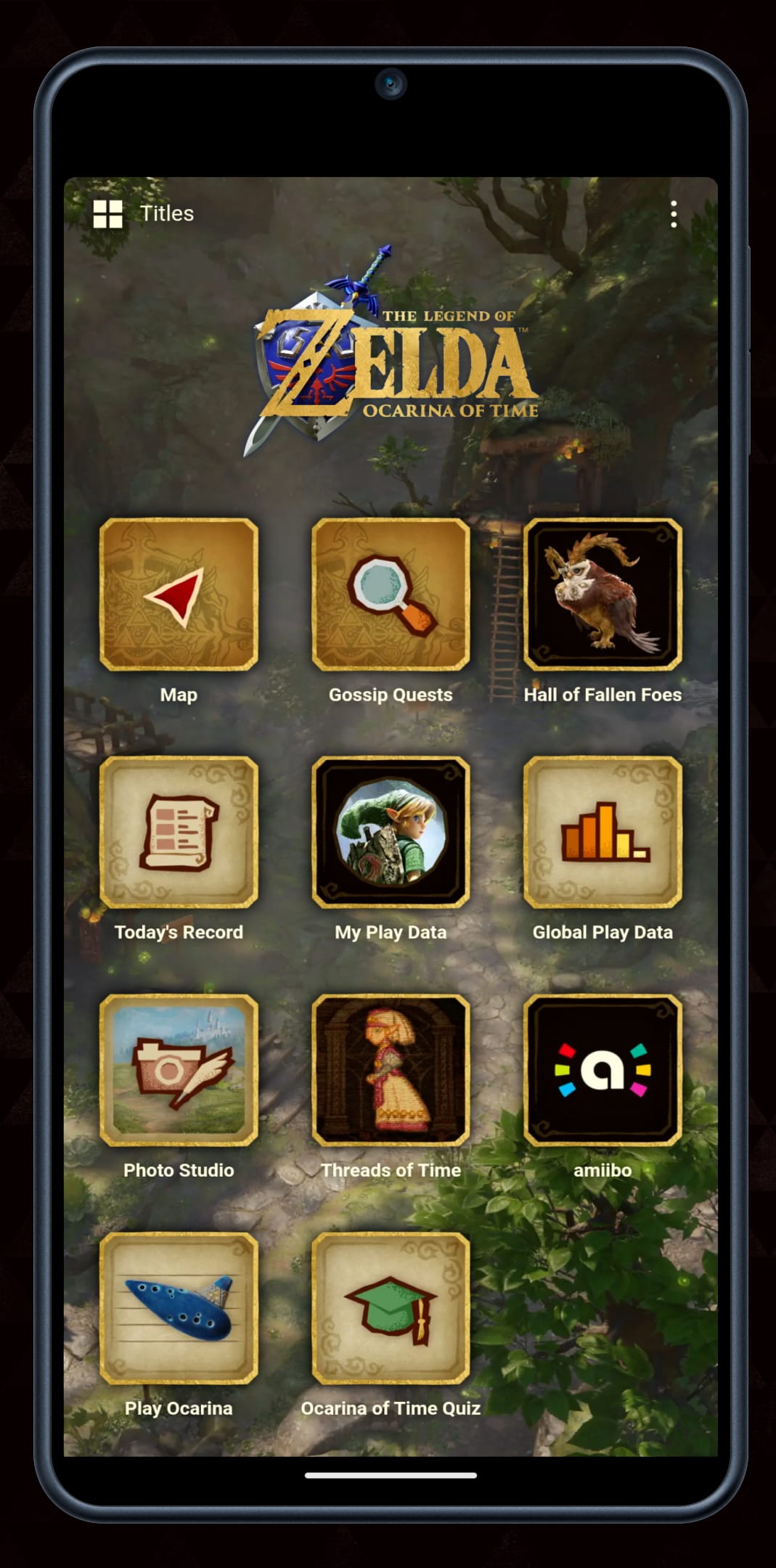
Zelda Notes, a game-specific service accessible via the Nintendo Switch app on compatible smart devices, is also being expanded to include several new features. The service currently offers a range of handy features for the Switch 2 editions of The Legend of Zelda: Breath of the Wild and Tears of the Kingdom. In Ocarina of Time, for example, Zelda Notes allows players to track their progress through the adventure and view statistics, as well as providing hint images to help them find specific locations in the game. There is even a quiz with over 2,000 questions to test players’ knowledge of the game.
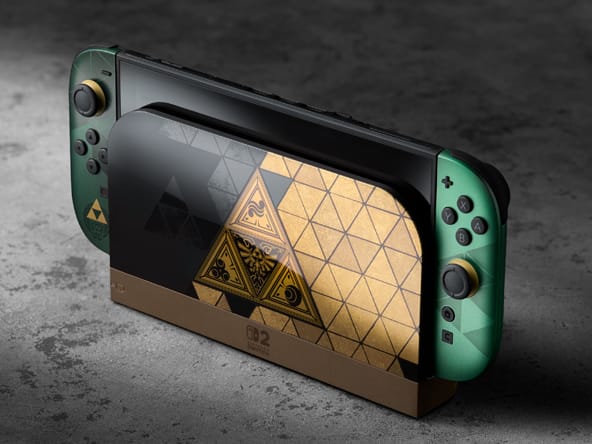
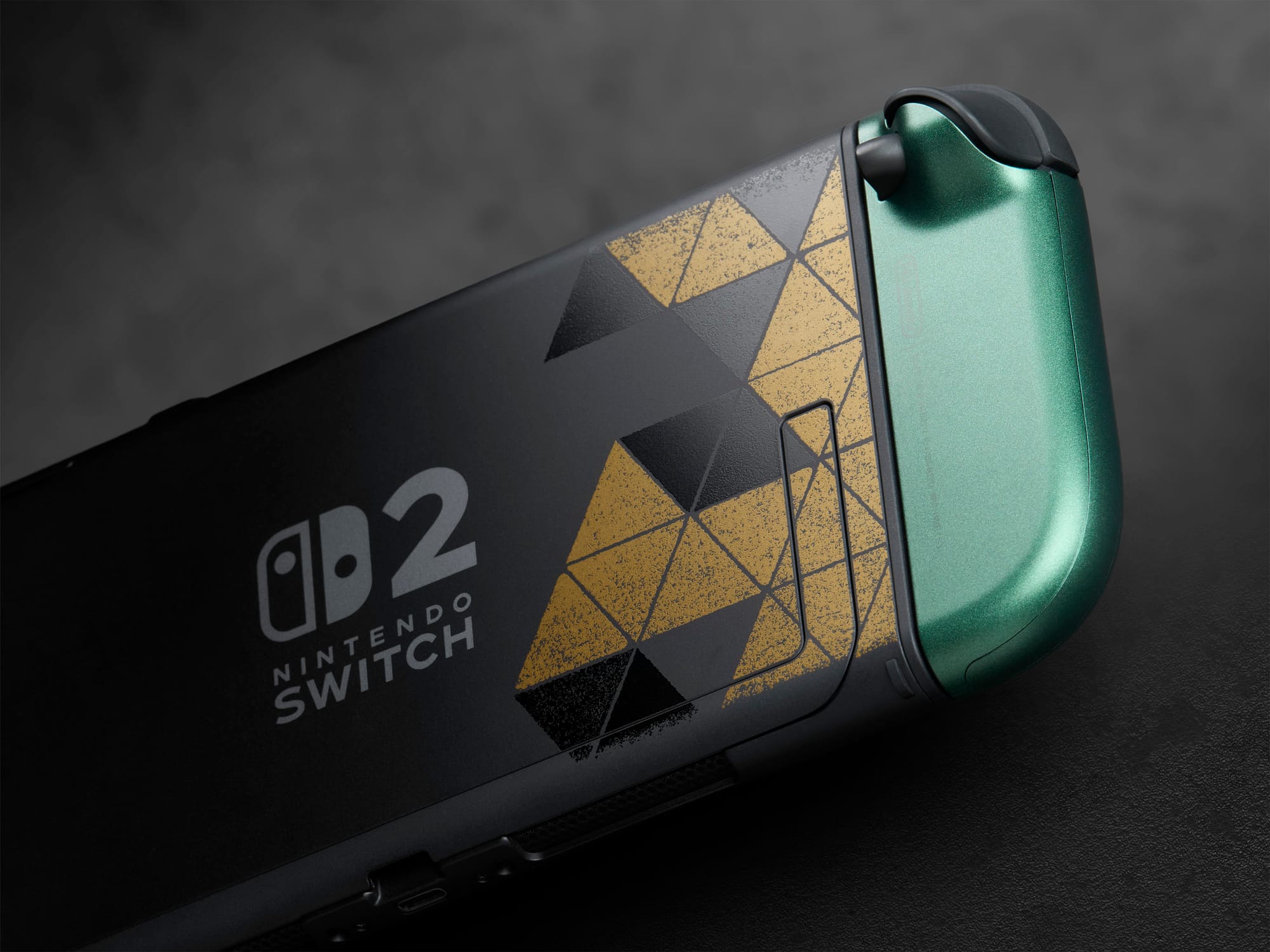
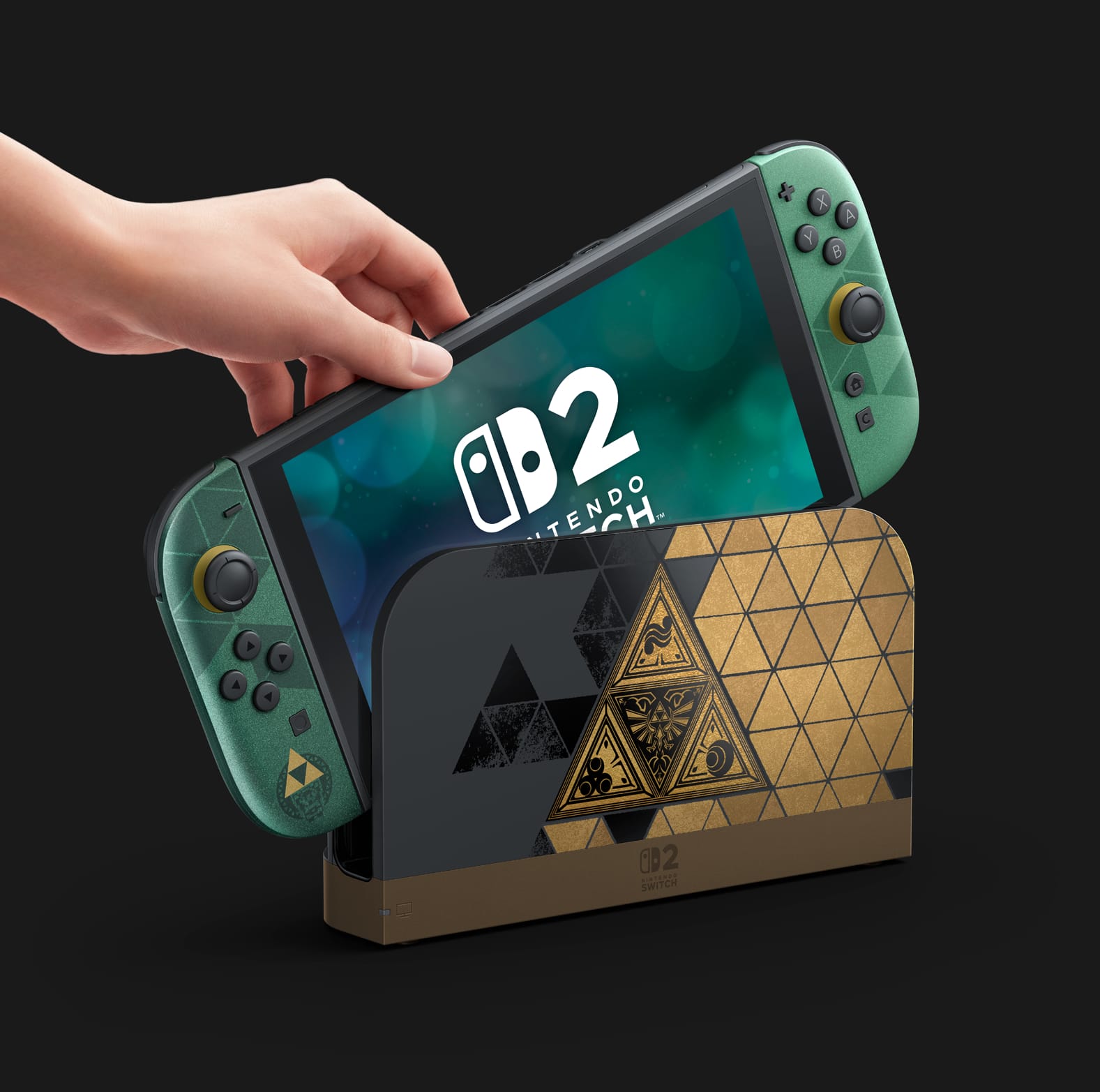
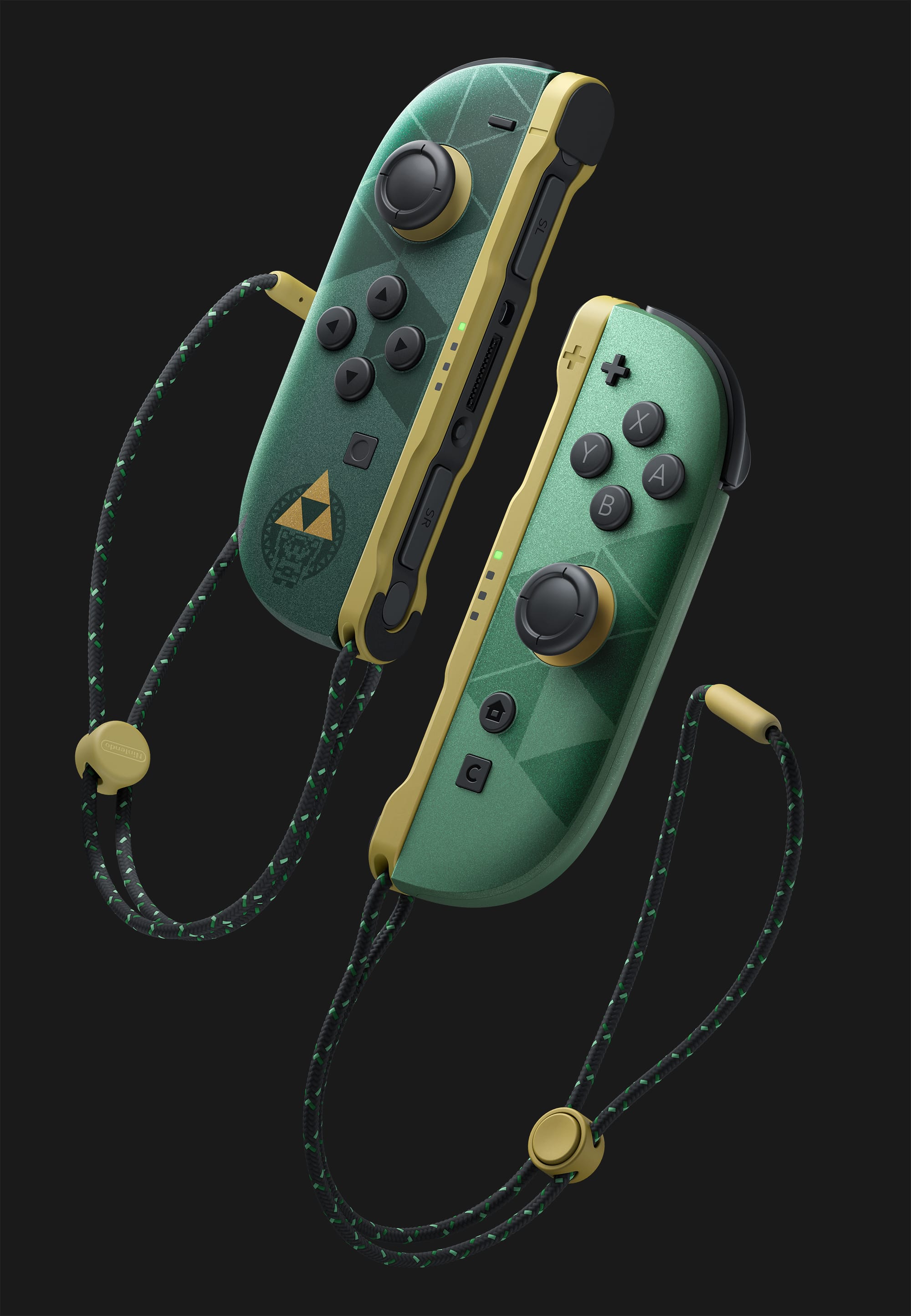
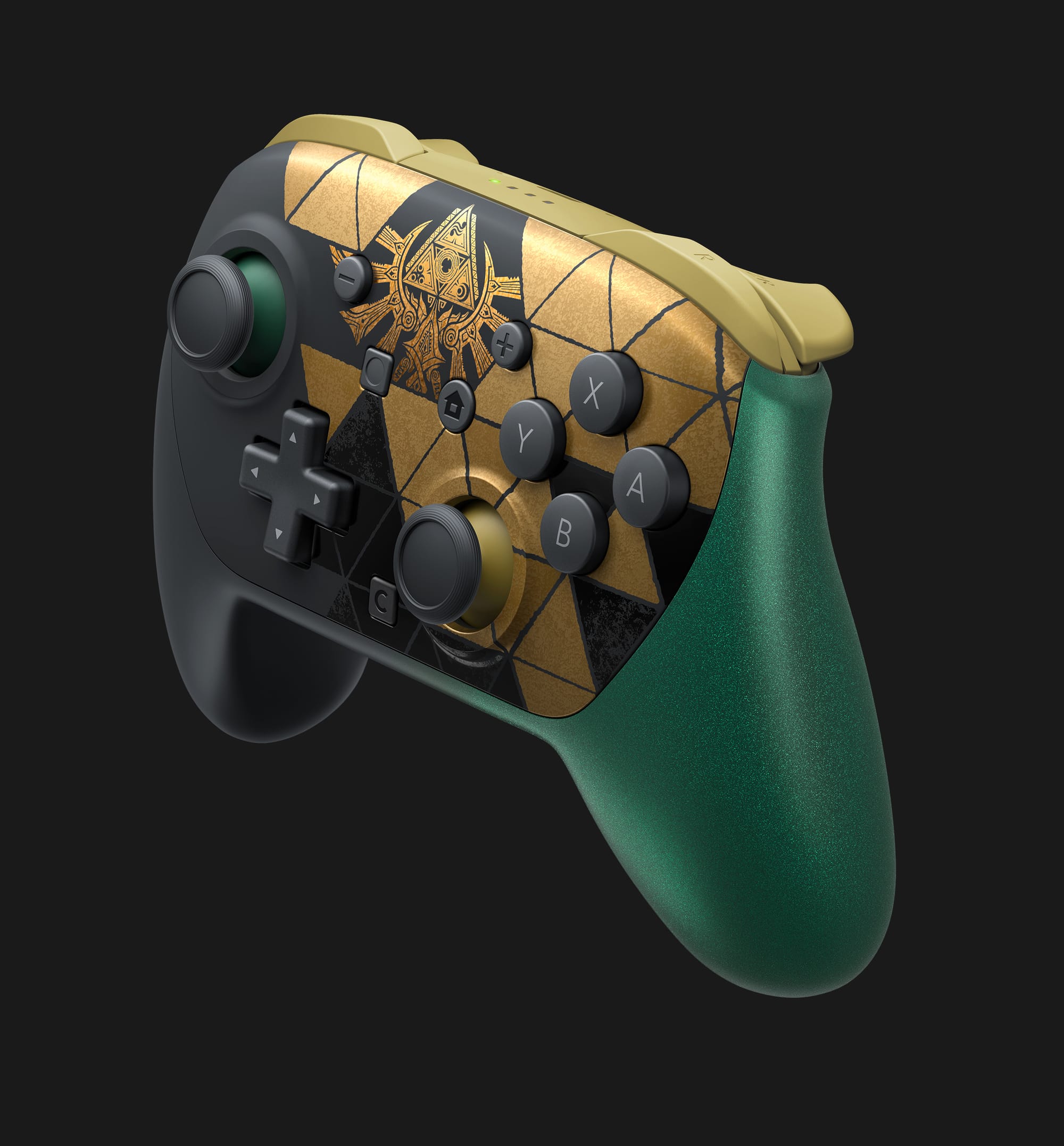
To celebrate this much-anticipated release, Nintendo is launching Ocarina of Time-branded Switch 2 console hardware and peripherals. From 29 October 2026, one week before the game’s release, fans of The Legend of Zelda can look forward to anniversary editions of the console and accessories featuring a Triforce design.
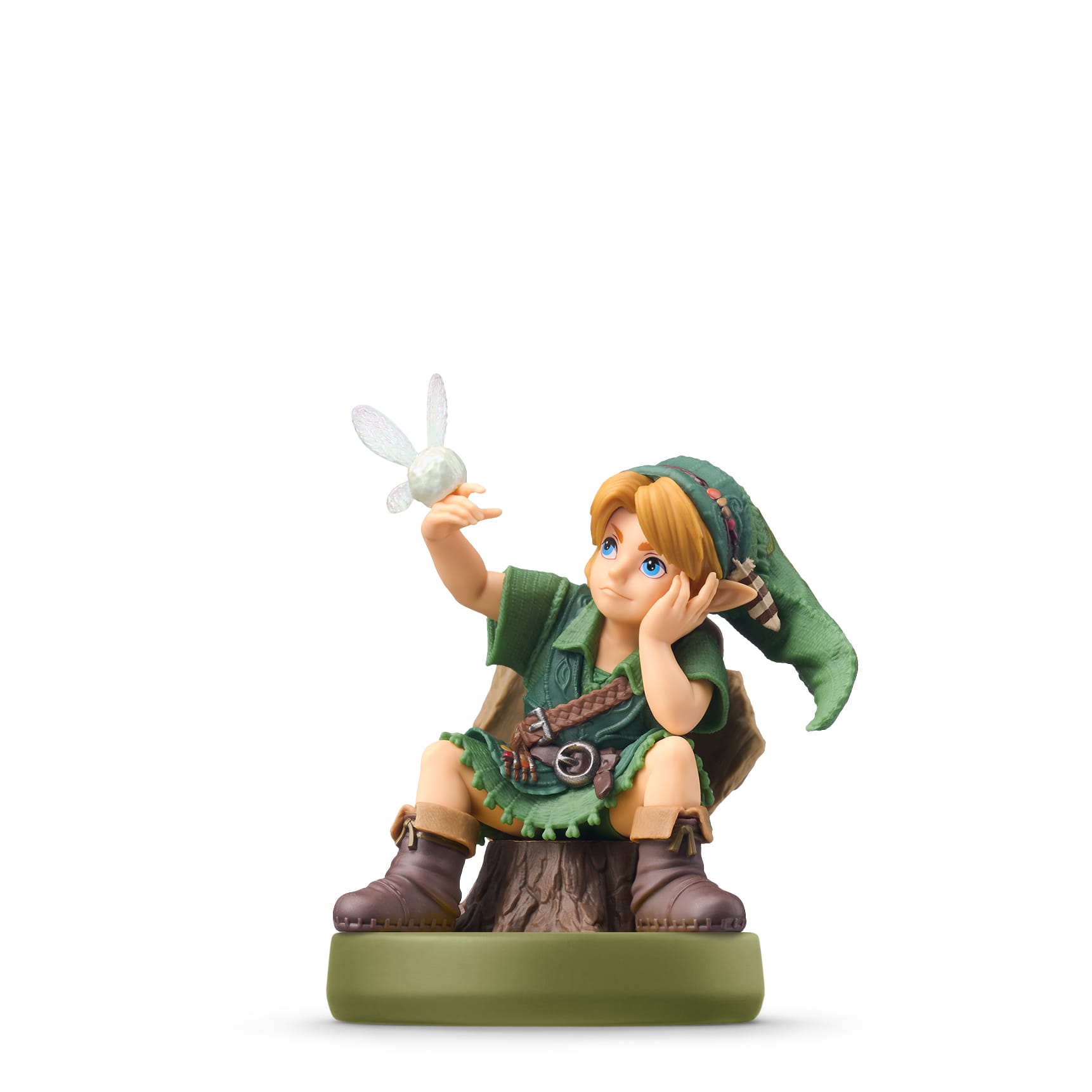
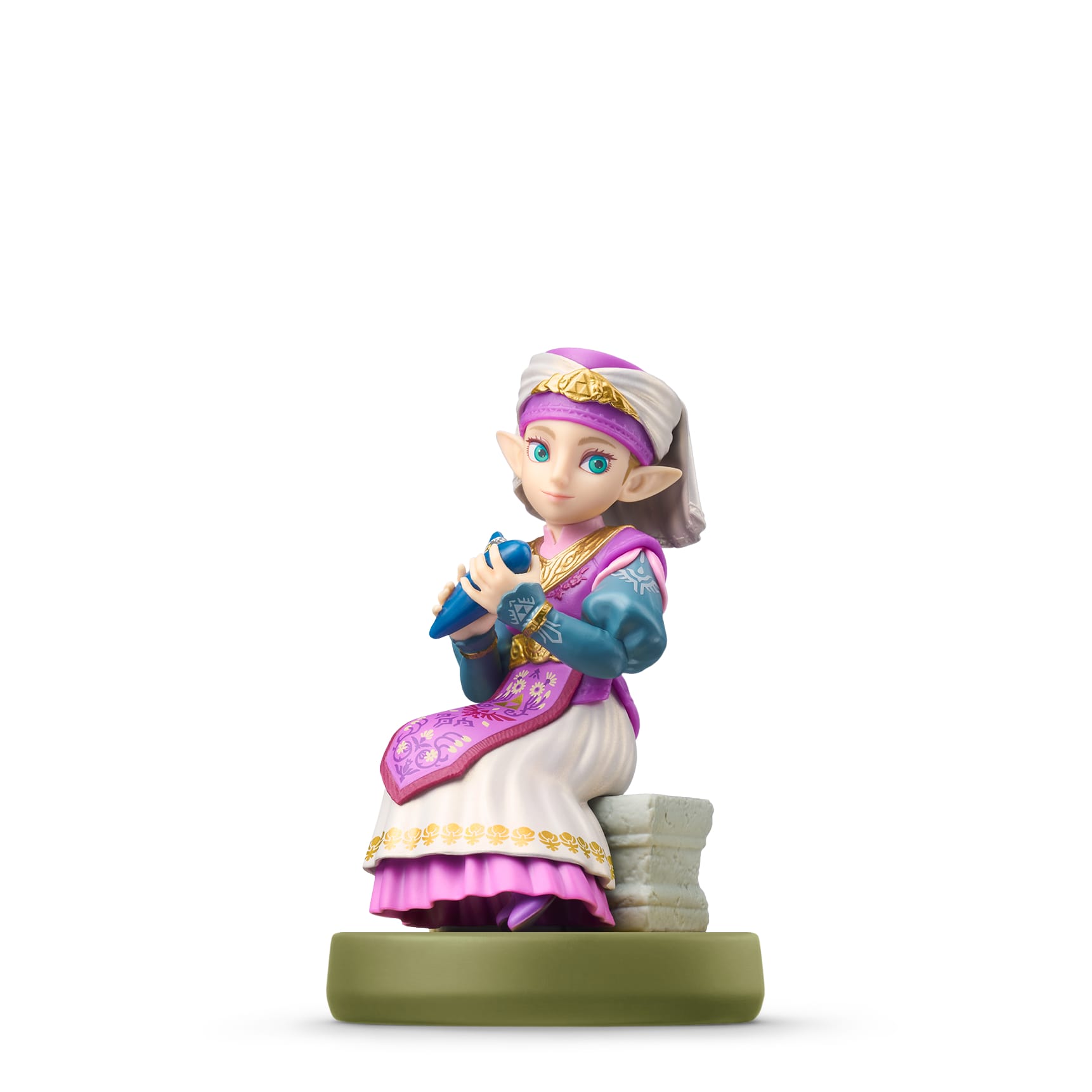
These include the Nintendo Switch 2 The Legend of Zelda – 40th Anniversary Edition (which does not include the game), a special Nintendo Switch 2 Pro Controller with a stand (exclusively available at the Nintendo Store) and a Nintendo Switch 2 case with a screen protector. Amiibo figures of Young Link and Young Zelda are set to be released next year. These can be used to unlock special retro-style masks within the game.
Finally, The Legend of Zelda: Ocarina of Time releases exclusively on Switch 2 on 5 November 2026, available both digitally and in physical retail stores. To mark the release, the initial physical print run will come in special packaging featuring a textured foil sleeve. With this game, a new generation of players will be able to experience a cult classic in a new form, while fans of the original will be able to rediscover the familiar world in all its enhanced glory. One thing is certain, though. Nintendo has set the bar extremely high for remakes.
Conclusion
The Nintendo Switch 2 remake of The Legend of Zelda: Ocarina of Time is a real highlight for the console!
Marcel Kleffmann is Chief of Content of GamesMarket and our B2B and B2C expert for hardware, market data, products and launch numbers with more than two decades of editorial experience. (marcelDOTkleffmannATgamesmarktDOTde)