GamesMarkt: What is your verdict as you look back on 2025?
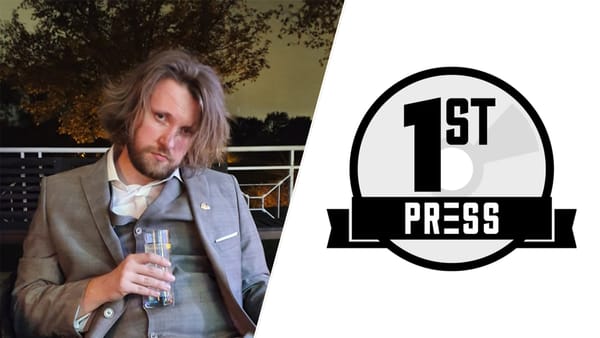
Thomas Reisenegger: "2025 was honestly one of the most contradictory years I've seen in games. On one hand, it was a really hard year structurally: investment more or less dried up or didn't come back, a lot of studios had to downsize or shut down, and long timelines with big teams, especially in indie, really struggled. A big readjustment is clearly happening. But creatively, I don't think the industry is in a bad place at all.
For players, it was actually an amazing year. We've seen a massive rise of very small team, sometimes just one to three people, making incredibly successful games that really break out, make the top charts and best games list and inventing a couple of new genres, pretty wild! New-ish micro-genres like survivor-likes, shopkeeper sims, friend slop, balatro-likes and other tightly scoped concepts really took off. These games blew up on Steam out of nowhere and felt fresh. AAA still delivered big hitters, but this was one of the first years where indie games felt almost on par in Game of the Year conversations. So economically rough, creatively exciting."
GamesMarkt: What are your predictions for the gaming industry in 2026?
Thomas Reisenegger: "I don't think 2026 will bring a huge reset or big change, it feels more like a continuation of 2025. The market will probably stay tough, but developers are now much more used to shorter timelines, smaller teams and tighter budgets, it really feels like new expectations and standards are finally making the rounds. Indie will stay very strong, especially for focused, fast-to-produce games that react quickly to trends. That being said I really hope some investment comes back, because otherwise we risk losing a generation of more senior people that got laid off this year.
Marketing trend wise 2025 definitely felt like the year of the demo, with Steam demos becoming central to discovery, and it’s hard to predict what the next big visibility shift will be. Social media also feels very settled and maybe due for change, maybe a new platform or a new vibe how to talk to players. Hardware-wise, Steam's move into new hardware could change things in the long run which could be interesting."
GamesMarkt: How is Future Friends Games positioned for 2026?
Thomas Reisenegger: "We're going into 2026 in a really strong position. With CloverPit, we hit our first million-selling game as a publisher and Slots & Daggers was our second biggest release ever, which gave was a great end to a strong year. I think we feel quite in touch with the Steam market at the moment so I hope we can keep that up next year. On top of that, our work-for-hire side is very healthy, and we're working on a lot of great projects, including games that regularly chart well. We've already signed several new titles to publish, which we’ll be announcing soon, some from well-known developers, some from completely new teams. What gives me the most confidence, though, is our team. We’ve been working together for a long time, we collaborate closely with our developers, and we’ve deliberately chosen not to grow too fast. We try to stay modern but keep it simple: find really good games and actually promote them in a way that is fun for players. So for 2026, our focus is simple: stay steady, find really sick games, and help small developers reach a much wider audience so they can keep making cool games."
Future Friends Games specialises in indie game publishing and self-publishing support. "We think that puts us in a really special spot where we know loads of publisher things from our games (how to talk to first parties, how get the most out of your budget, how certification works etc) but also have all the knowledge from our agency games (good press and influencer contacts, on top of social media trends, etc) which helps both sides of the business", the UK-based company states.