Bulwark Studios and Kasedo Games are building on the success of the popular Warhammer 40,000: Mechanicus with the release of its sequel. However, they aren't afraid to make major changes.
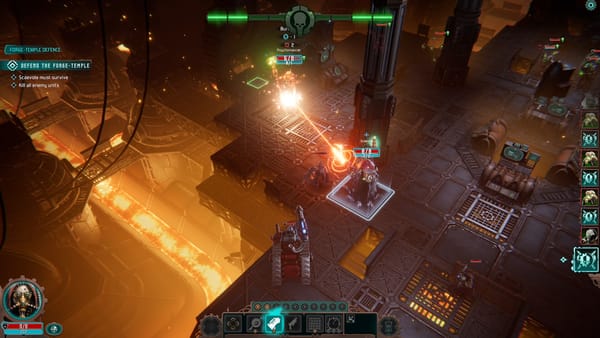
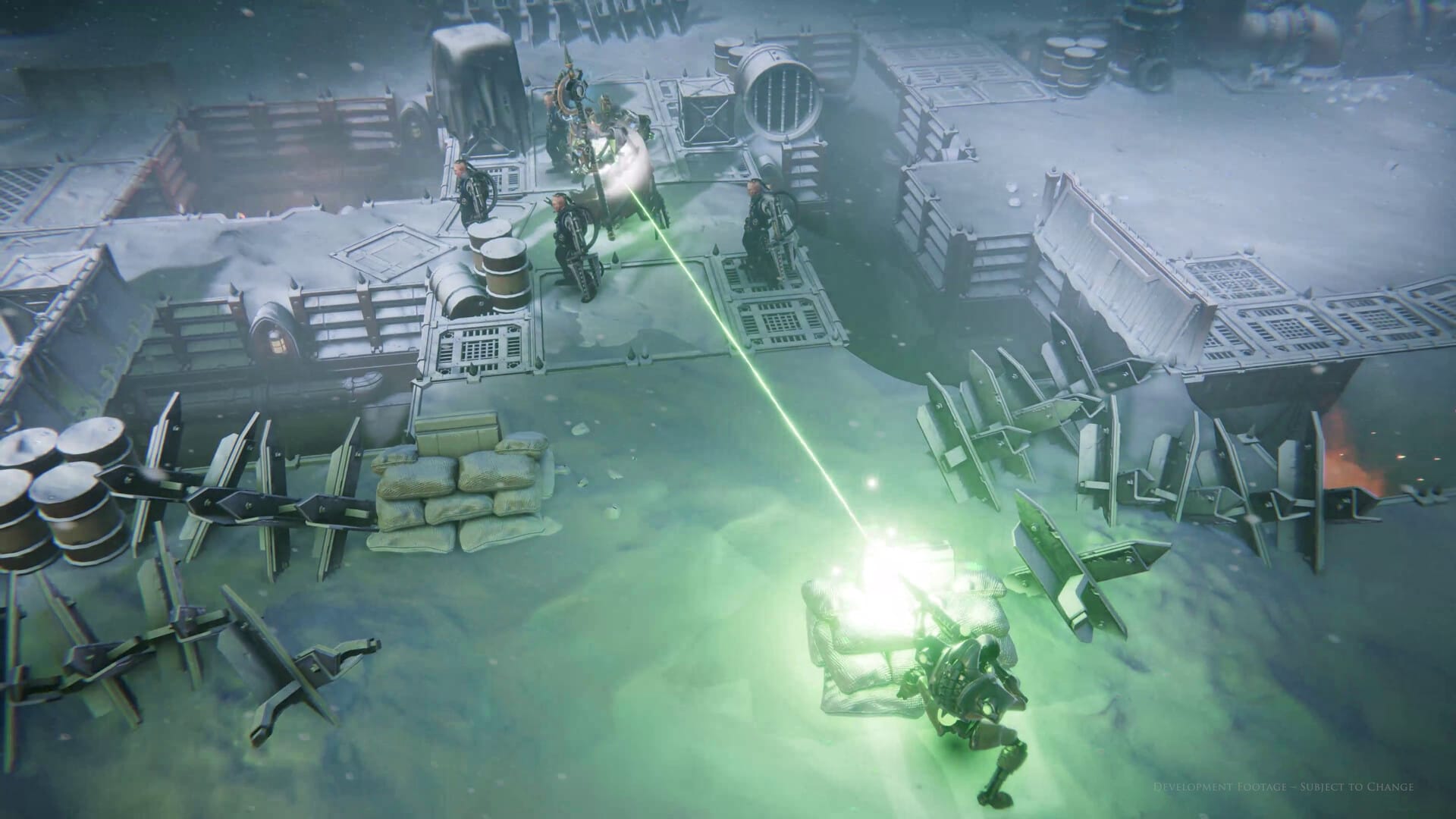
Released in 2018, Warhammer 40,000: Mechanicus was well received, thanks to its customisation options for Tech-Priests, authentic Warhammer atmosphere, and fantastic soundtrack. It's no surprise that a sequel has been made, but Warhammer 40,000: Mechanicus II takes a different approach, introducing several changes to the gameplay. In particular, the visuals, combat animations and user interface have been improved. The only aspect that falls short is the soundtrack.
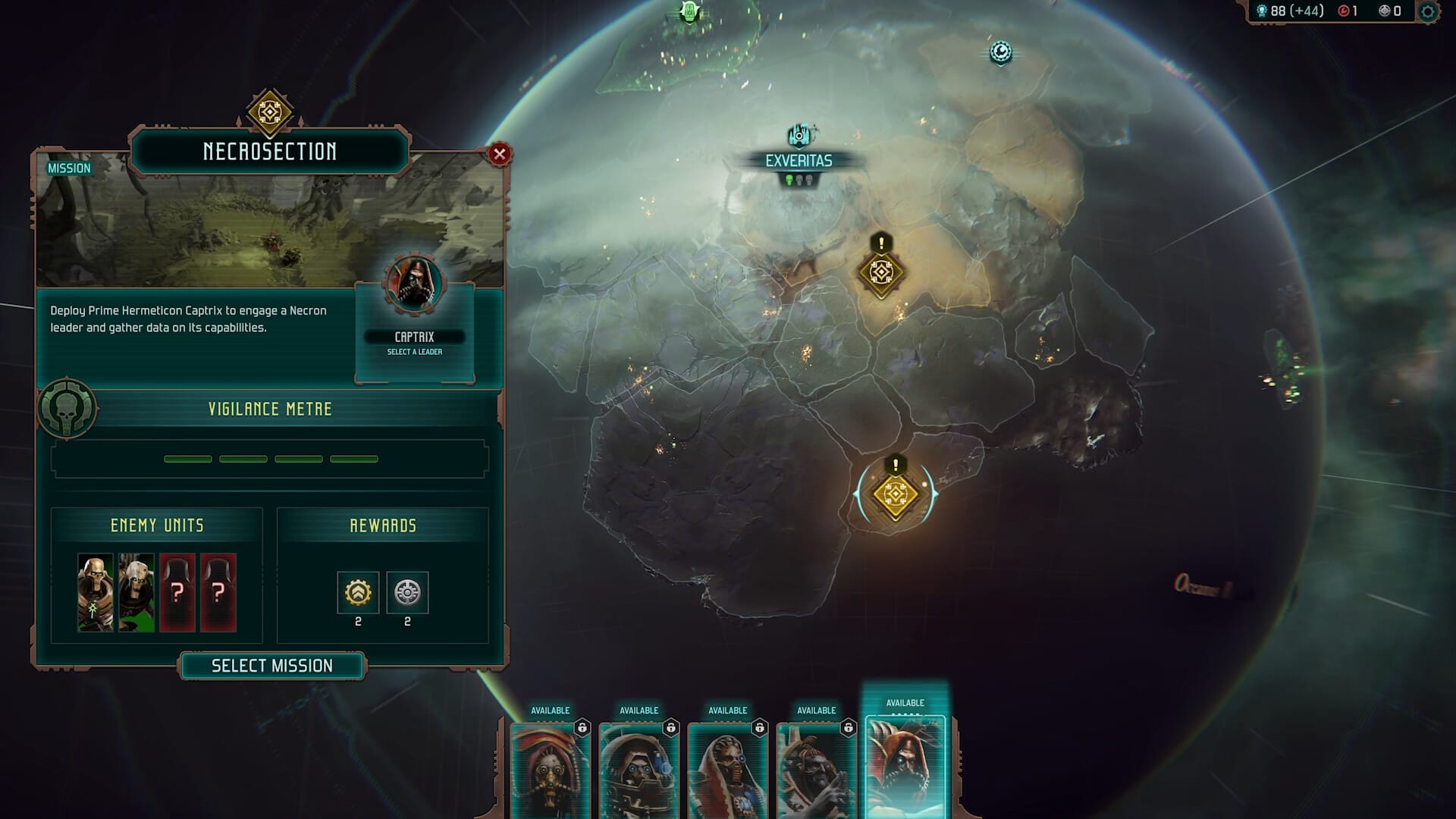
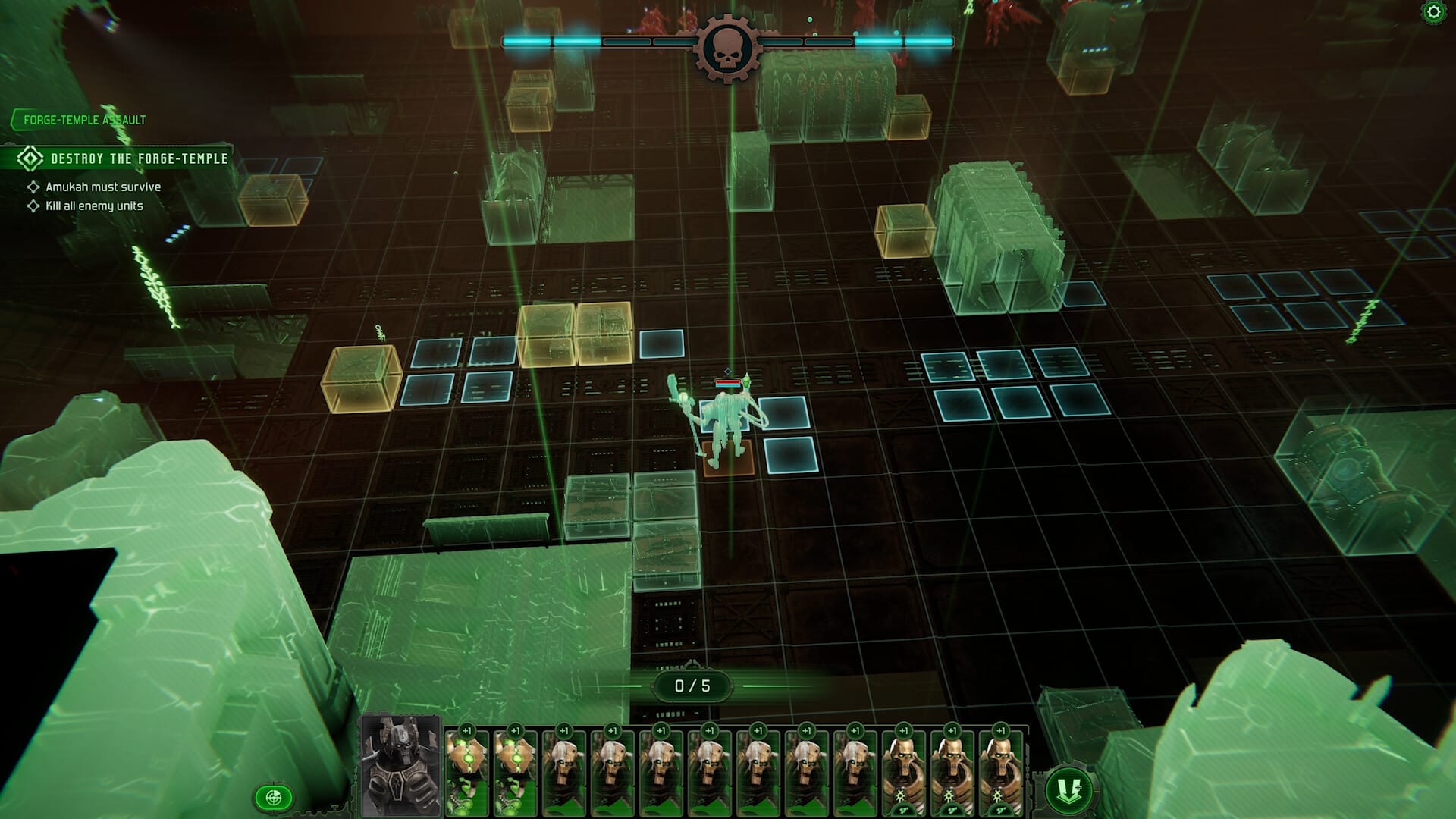
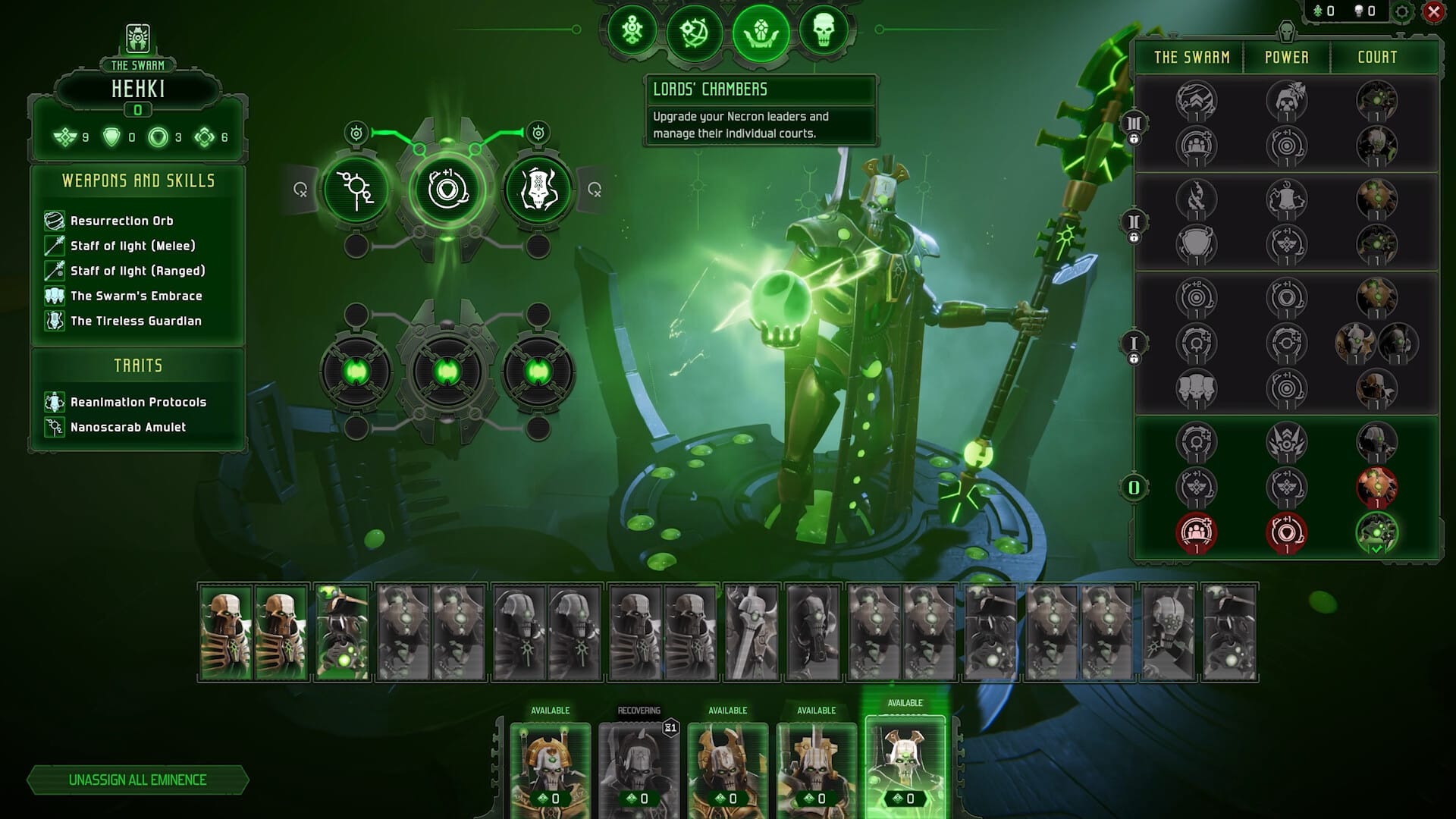
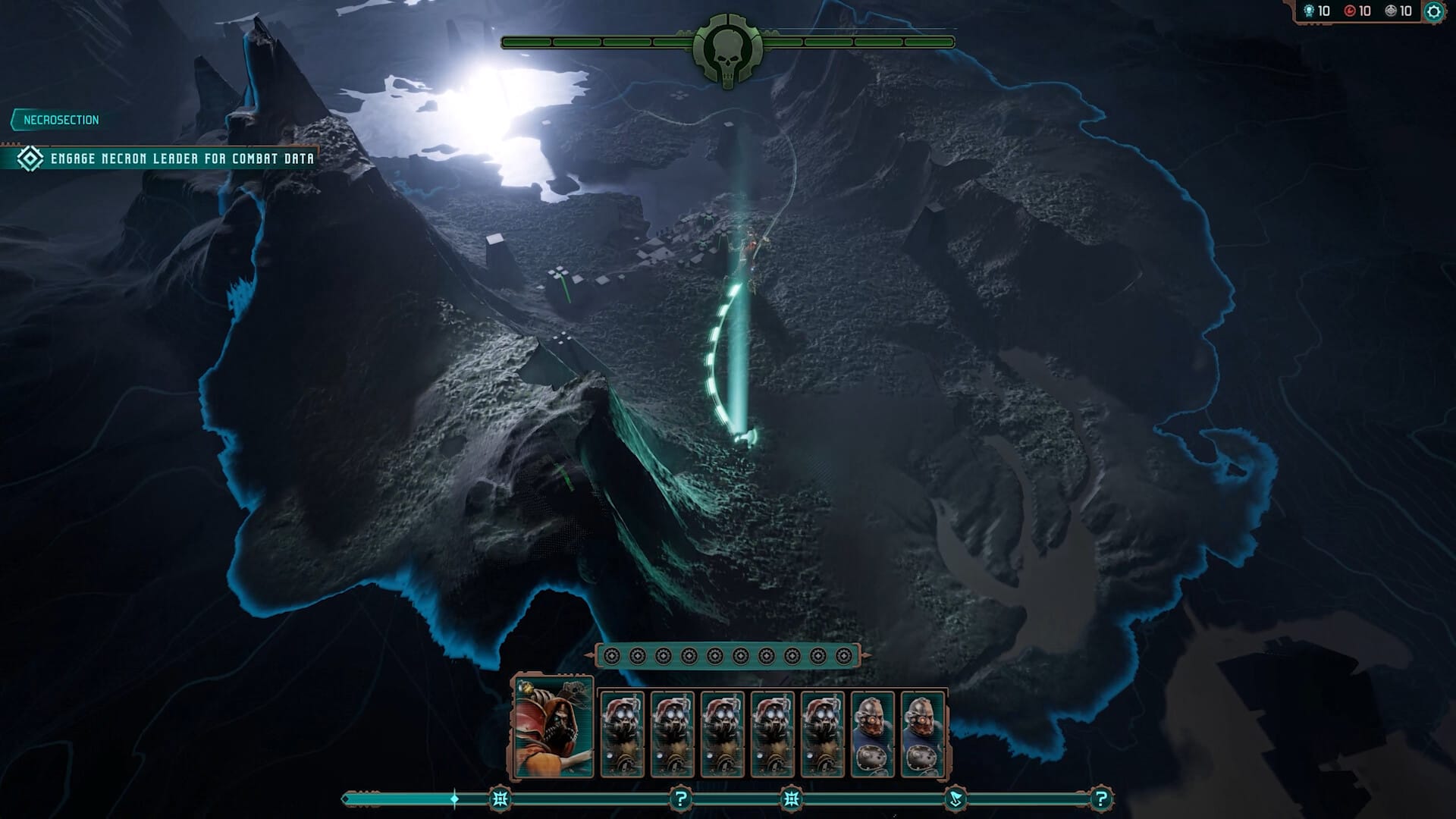
The story centres on the conflict on Hekateus IV, where the Adeptus Mechanicus and the Necrons stand opposed. The Adeptus Mechanicus aims to transform the planet into a factory world, while the Necrons seek to reclaim their tomb world. Written by Black Library author Ben Counter, the story plays a larger role than in the previous game and is also well-suited to newcomers to the universe. Unlike the previous game, which only featured the Adeptus Mechanicus, this one allows players to control both factions. Rather than the roguelike-style exploration of catacombs in the first part, the game has evolved into a planetary war, with battles fought and territory expanded across the map. This is a straightforward territory and garrison management system at a higher level. Players conquer and defend regions on the planet, allocate resources, and assemble troops for battle. As more forges become operational on the planet's surface, new units can be unlocked and upgraded.
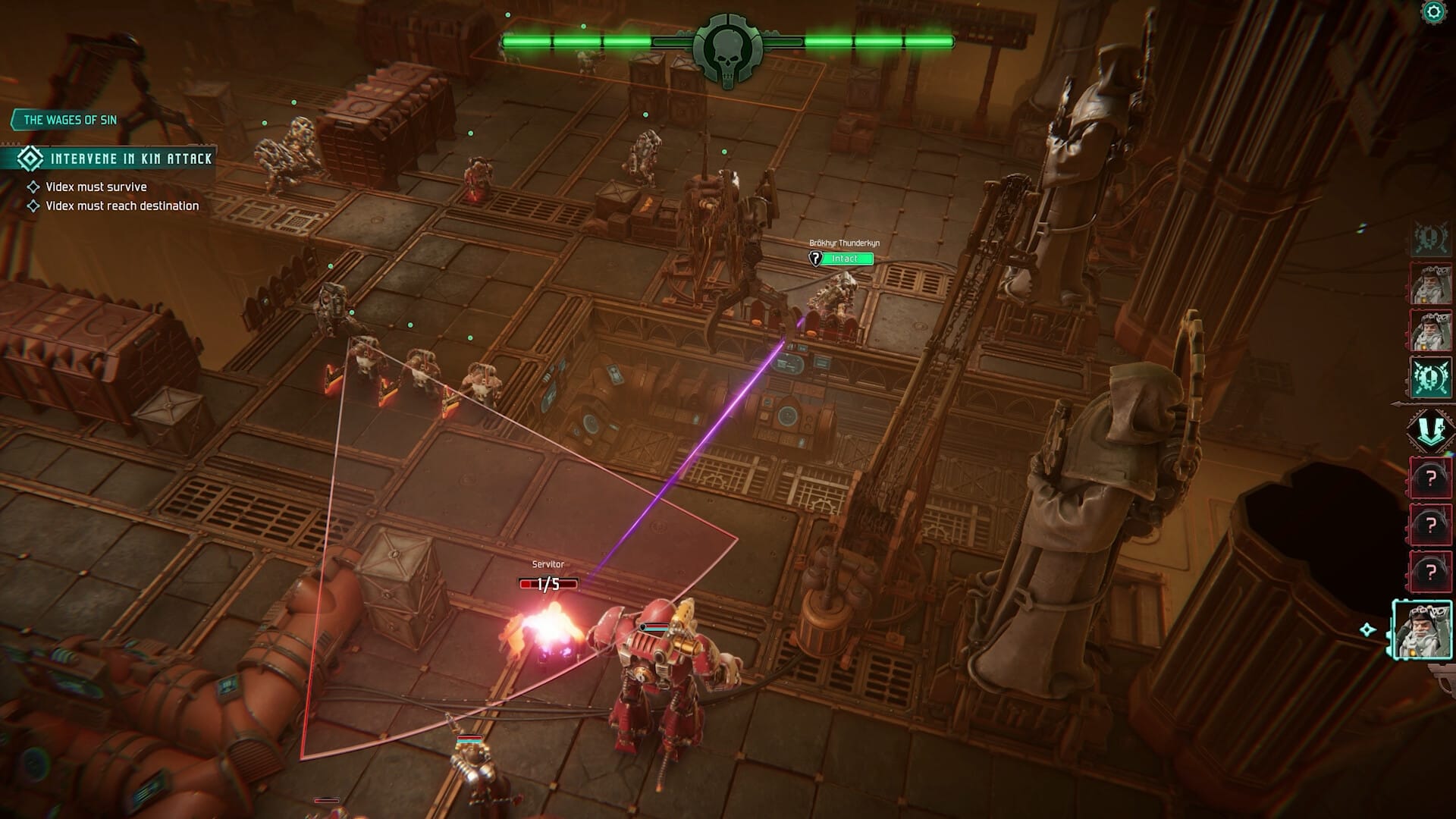
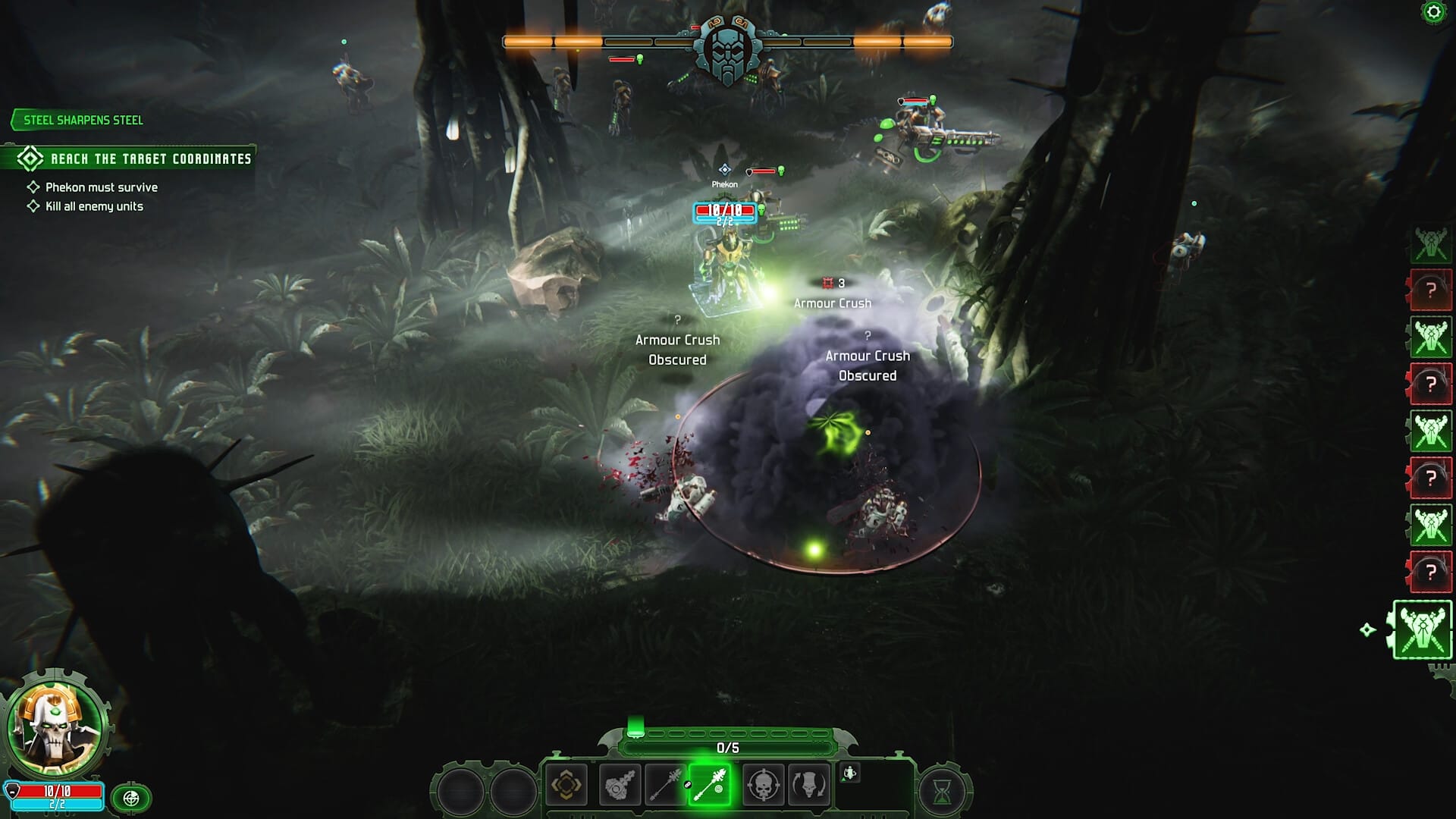
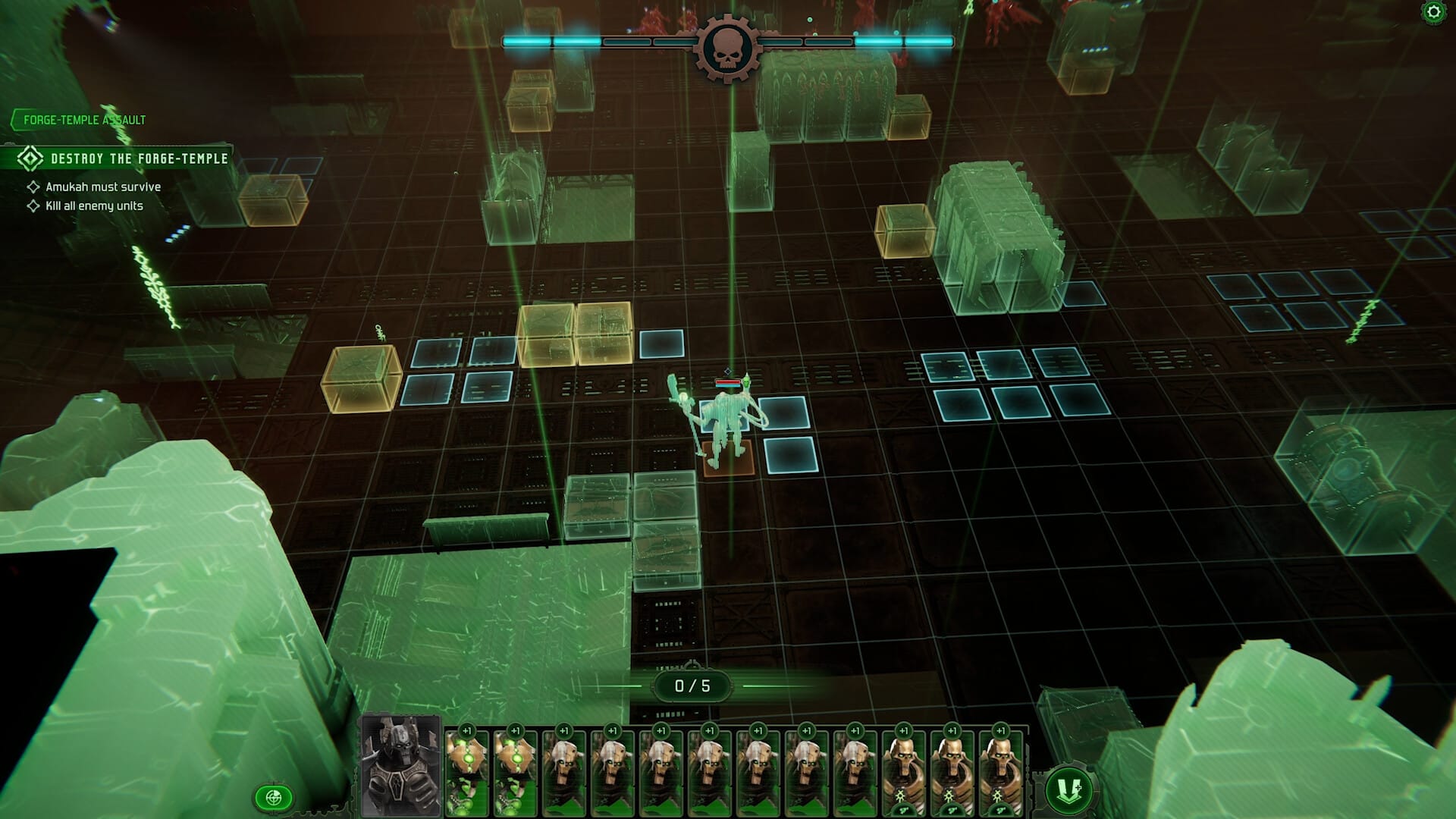
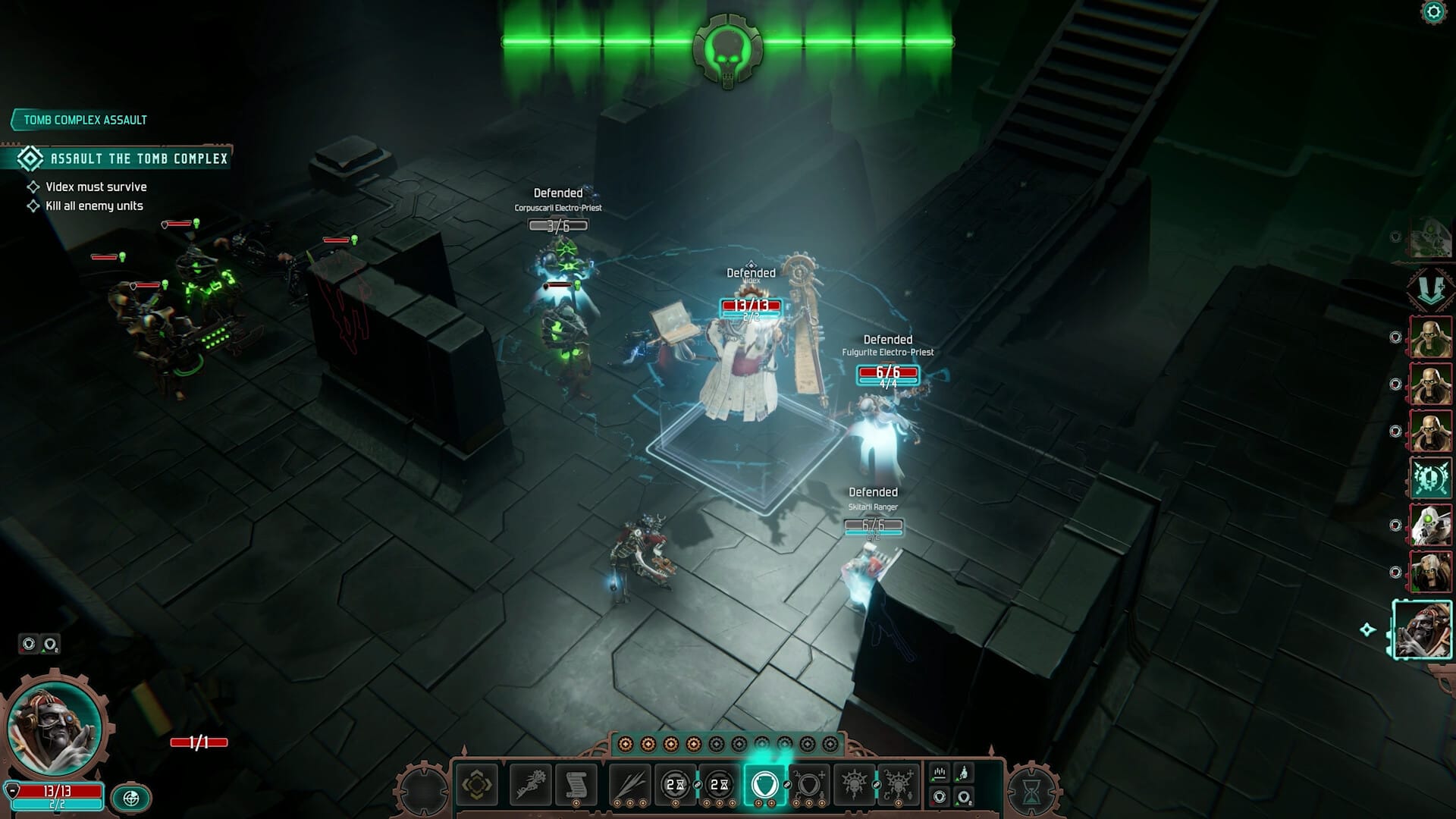
Mechanicus II remains a turn-based tactical game modelled on its predecessor - or, for those unfamiliar with the previous game, on the modern XCOM. As with Warhammer 40,000: Mechanicus, the game does not use hit probabilities. This makes damage predictable, so tactics, positioning and resource management take centre stage. Additionally, there is now a cover system and destructible objects behind which units can seek shelter, which is more important for Adeptus.
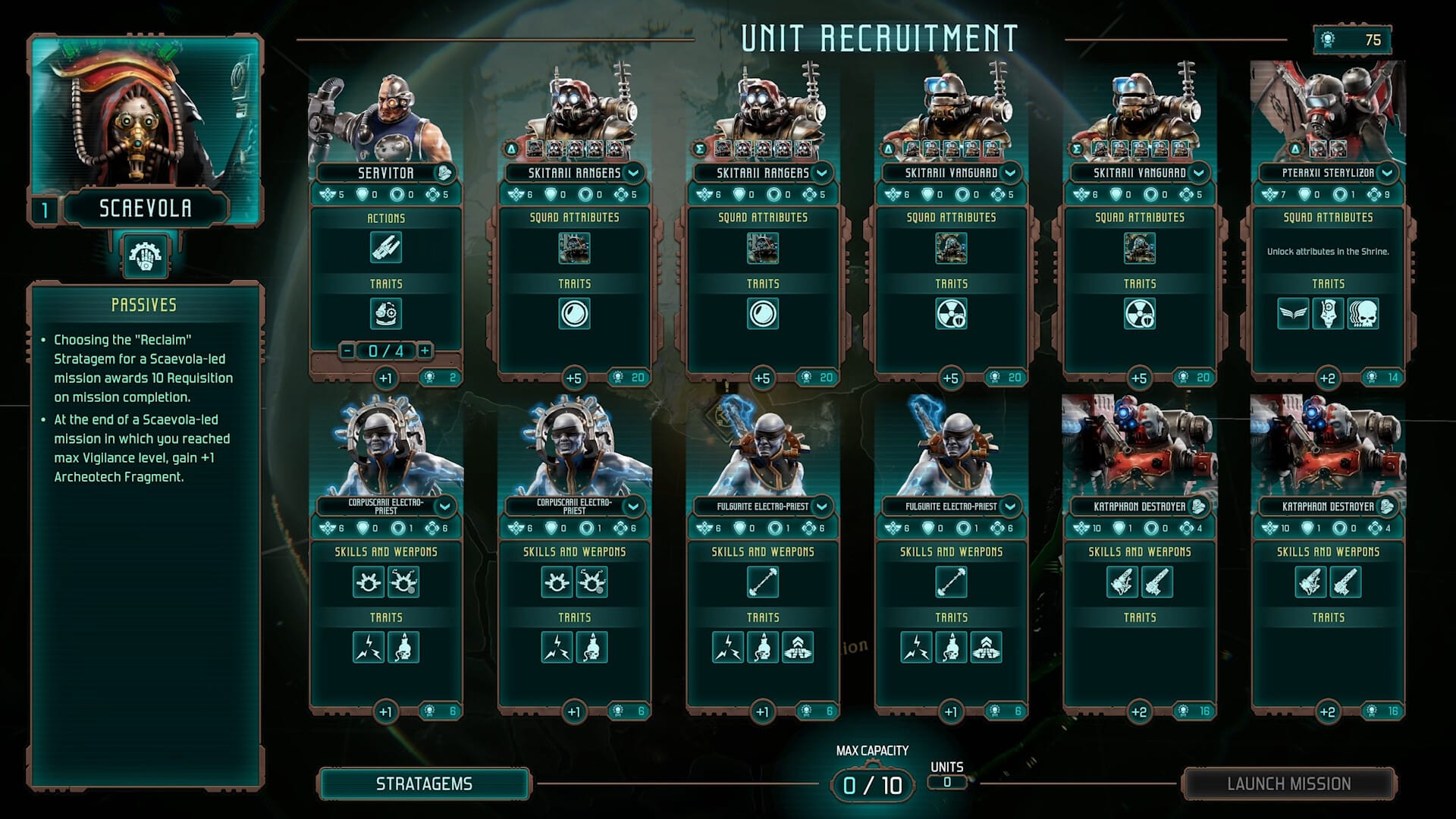
However, the campaign is quite linear and follows a predetermined path. The appeal of planning, taking risks and choosing a route through the catacombs in the original game is lost due to the linear nature of this one. The biggest change is that one slot in every mission is reserved for a 'hero' who brings essential skills, and the remaining slots are filled with disposable troops from the faction. Even if the 'escort' troops survive, they must be 'recruited' again for the next mission using recruitment points.
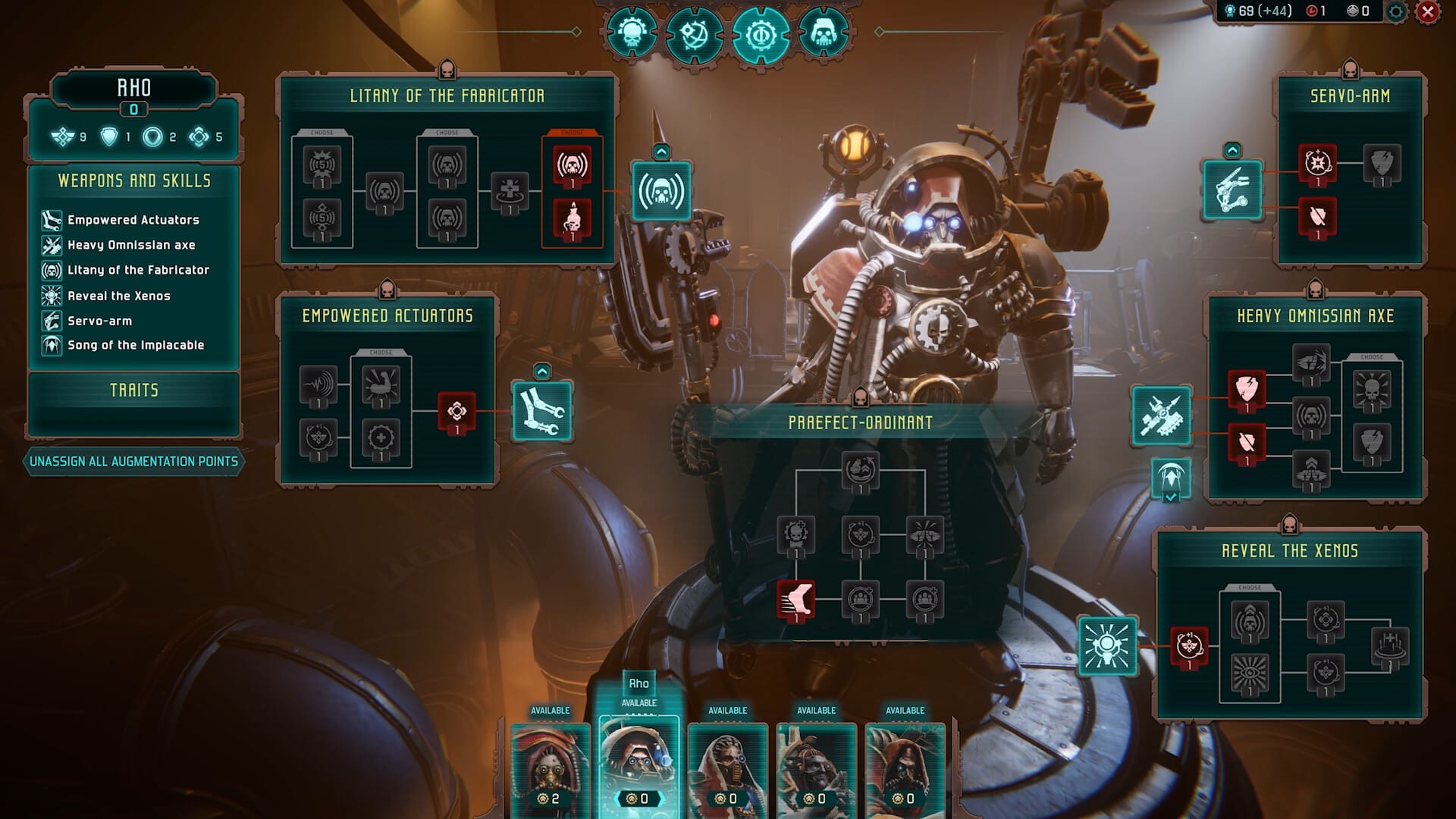
Each faction has five named characters, each with their own skill trees. While these still offer plenty of customisation options, they don't come close to the variety and possibilities of the predecessor, especially since much of it is only unlocked over time. It is also not possible to change their classes or weapons. The restriction to just one hero, rarely more, who must survive at all costs, limits tactical freedom. This forces a repetitive playstyle where everything focuses on protecting them. Even the different mission objectives in the operations don't help much. Although Warhammer 40,000: Rogue Trader as a turn-based tactical RPG can't quite be compared to Mechanicus II, the game from Owlcat Games offers more variety in combat and character creation than Warhammer 40,000: Mechanicus II, and everything feels bigger — but it's also bulkier.
The Adeptus Mechanicus is a fragile faction that primarily excels through long-range attacks and precision strikes from a distance. Instead of collecting resources from specific points on the map, the units generate Cognition by fulfilling their roles. The Necrons reward an aggressive playstyle where the best defence is a good offence, and they essentially grow stronger the longer the battle lasts and the more damage they deal. Both factions play relatively similarly, though this is largely due to the fundamental design of hero protection. However, the Necrons' gameplay is more harmonious with the overall structure, i.e. key heroes and interchangeable troops.
If the player loses a hero and with it a mission, there is no penalty for losing a fight. The player simply has to replay the mission, which has no effect on global war progress. This would have made the campaign much more dynamic. Finally, the PC version is still struggling with performance issues.
Bulwark Studios developed the game. Based in Angoulême, France, the studio was co-founded by Emmanuel Monnereau and Jérémy Guéry in 2012. Focusing on strategic and tactical games, the studio released Crowntakers in 2014, Warhammer 40,000: Mechanicus in 2018 and Ixion in 2022. In May 2021, Kasedo Games — the digital-first label of Kalypso Media — became the majority shareholder of Bulwark Studios. Kasedo Games plans to publish 'Triple I' titles such as Life Below from Megapop, Rise of Industry 2 from SomaSim, Uncle Chop's Rocket Shop from Beard Envy, and Sweet Dreams, Alex from Clarity Games.
Warhammer 40,000: Mechanicus II was released on 21st May 2026 for PC, PlayStation 5, and Xbox Series X|S, priced at $39.99/€39.99/£34.99. It was released during the Warhammer Skulls Showcase. A Omnissiah Edition is also available, which includes the base game, a digital artbook, the complete original soundtrack (composed by Guillaume David) and an in-game legacy soundtrack.
Conclusion
Warhammer 40,000: Mechanicus II is a solid Warhammer tactics game that has improved in some areas, but it's no longer as unique as its predecessor.
Features
Both Adeptus Mechanicus and Necrons are playable
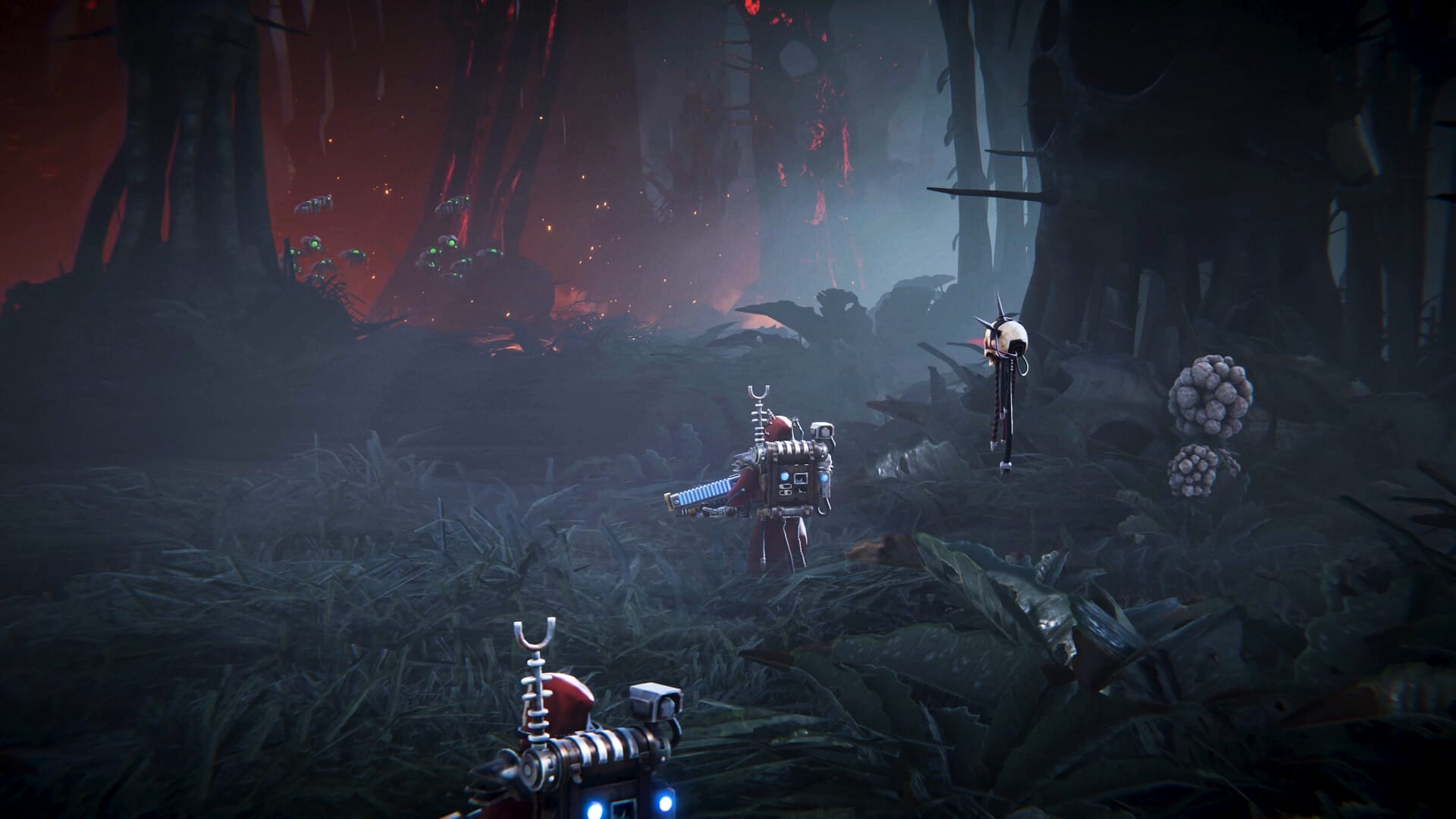
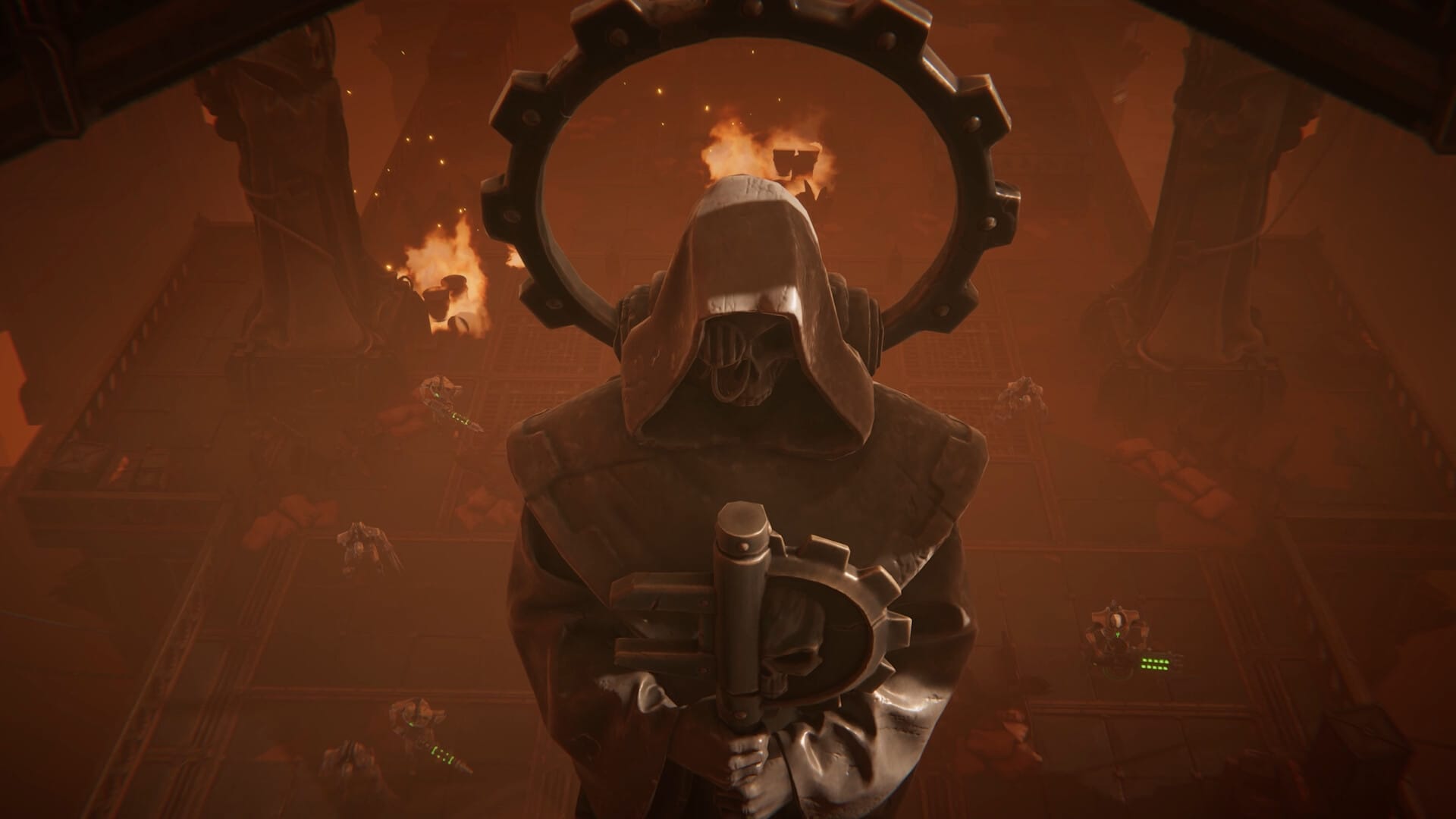
Captures the Warhammer 40,000 vibe very well, mostly through its visuals and story
Battles are predictable, involving tactics, positioning and resource management
Marcel Kleffmann is Chief of Content of GamesMarket and our B2B and B2C expert for hardware, market data, products and launch numbers with more than two decades of editorial experience. (marcelDOTkleffmannATgamesmarktDOTde)