In their weekly interview series Womenize! features inspirational, diverse people who work in the games and tech industry, to share their experiences, give valuable advice and talk about their projects. In cooperation with Womenize! and Madeleine Egger, GamesMarkt is republishing these inspirations.
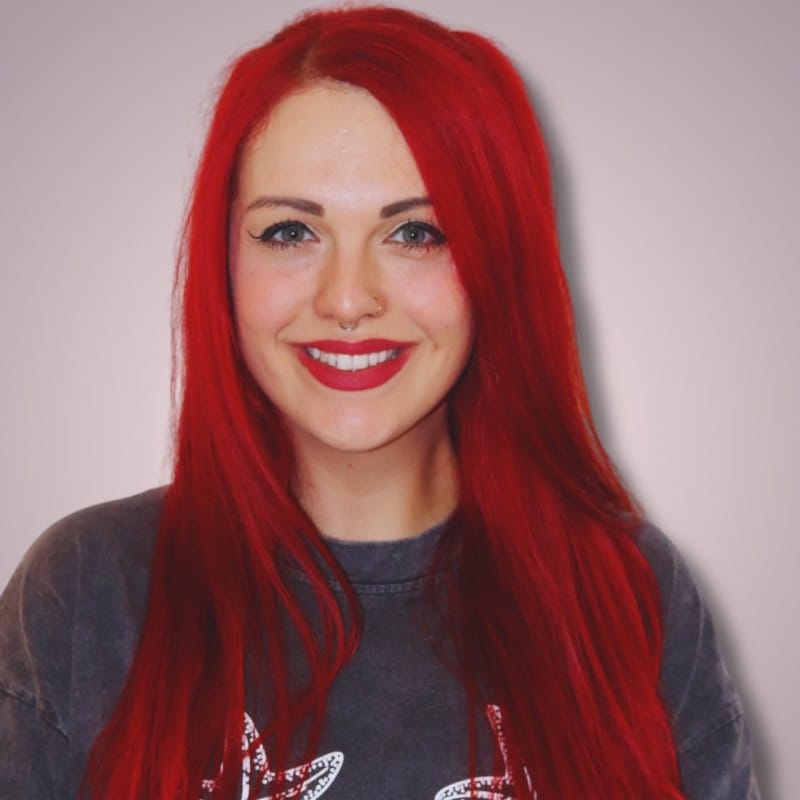
Womenize! – Inspiring Stories is our weekly series featuring inspirational individuals from games and tech. For this edition we talked to Sam González Morote, Video Game Producer & Project Manager at Remulla Games. They speak about their journey into game production, emphasizing the importance of trying different creative roles, leading teams with empathy and trust, and balancing artistic vision with commercial realities in indie game development. Read more about Sam here:
Hi Sam! You started in narrative design and 3D animation but found your passion in producing games and leading teams. Looking back, what key experiences or decisions helped shape your journey, and what advice would you give to someone exploring their own path?
I think the starting point for focusing on production as a professional role was making short video games with friends. We had just finished college, and in a mix of wanting to build our portfolios and have a good time together, we started participating in Game Jams. I knew I wanted to work in video games, but I wasn’t quite sure how. I liked 3D animation and narrative design because I felt, and still feel, that they involve structured, intentional creativity. So, I guess moving into production was a natural evolution. That’s when I discovered that I enjoyed helping and streamlining my colleagues’ work: structuring what we had to do in a collaborative and friendly way. Looking back, I realize I was surrounded by wonderful but somewhat disorganized artists and programmers, and I began to find meaning and purpose in organizing that chaos to improve the final result of the game.
For those exploring their own path, I’d recommend trying different things without fear of making mistakes. Looking back, I remember being afraid to move away from 3D animation, since that was what I had been studying for years. Narrative design was something I did for projects, but 3D animation felt like an investment. I had spent more time, money, and resources learning it, so dedicating myself to something else felt like I was loosing some kind of progress. However, in the end, everything you learn stays with you. I don’t think I’d understand production the way I do if I hadn’t spent years on the creative side. Nothing is wasted time, everything you do helps shape who you are. Even if something feels like a mistake at first, I believe it’s impossible to achieve anything meaningful without going through those earlier attempts.
Leading a creative team, especially remotely, can be challenging. What values guide the way you lead, and how do you make sure your team feels supported and inspired?
For me, the key lies in genuine trust and empathy. When working remotely, there can sometimes be uncertainty about the work being done, both your own and others’. This can lead to conflicts or comparisons between “who is doing what”. It’s important to create a transparent and trusting work environment, not to babysit anyone with constant revisions, but to make sure everyone is on the same page and understands what they’re doing and why. Sharing progress in a constructive way, without punishment or pressure for mistakes, encourages collaboration and creativity and helps align goals. It also allows everyone, regardless of their position, to understand how each person contributes to the project.
Also, although it might sound simple, being genuinely kind goes a long way toward improving motivation and the work environment, especially remotely, where work can feel isolating. As a producer, it’s a must to be empathetic and understand the difficulties others might be going through. It’s not about checking in just to improve productivity, it’s about caring for people because you genuinely value them. Human values and team well-being always come before perfectly organized Excel sheets.
The path of producing indie games is full of both opportunities and obstacles. Can you share a challenge that really tested you and what it taught you about yourself and your approach to work?
I think a constant challenge in making independent games is finding the balance between the artistic side and the “money-making” side. Along with developing the game, many other important tasks arise that also require time and attention: such as marketing, seeking investment, or attending events, just to name a few. It’s often difficult to balance game production with these aspects, as well as maintain team motivation, since these business-focused tasks can sometimes lead to new priorities or changes that not everyone agrees with.
With KACHIN!, the game we’re currently developing, our goal is to create a narrative game that reaches a broader audience by being more casual than our visual novel inspirations. This decision, to focus on a wider audience, requires greater emphasis on marketing and introduces some limitations to the narrative and gameplay that don’t always align with everyone on the team. What I’ve learned, and continue to learn, is how to find balance: preserving the essence of what we’re making and keeping artistic will while helping the team understand the reasons behind less artistic or more strategic decisions.
At the same time, it’s important not to lose ourselves in trying to please the audience or external feedback. There needs to be a shared sense of what the game is and what the final product should feel like. It’s a thin line, but walking it together helps the whole team stay focused and true to the original vision.
From left: Jacob Brown, Bianca Dörr, Jannick Balsies, Joel Griebel - the team of VoodooDuck, all veterans of the games industry and makers of Collector's Cove and Growth. (VoodooDuck)