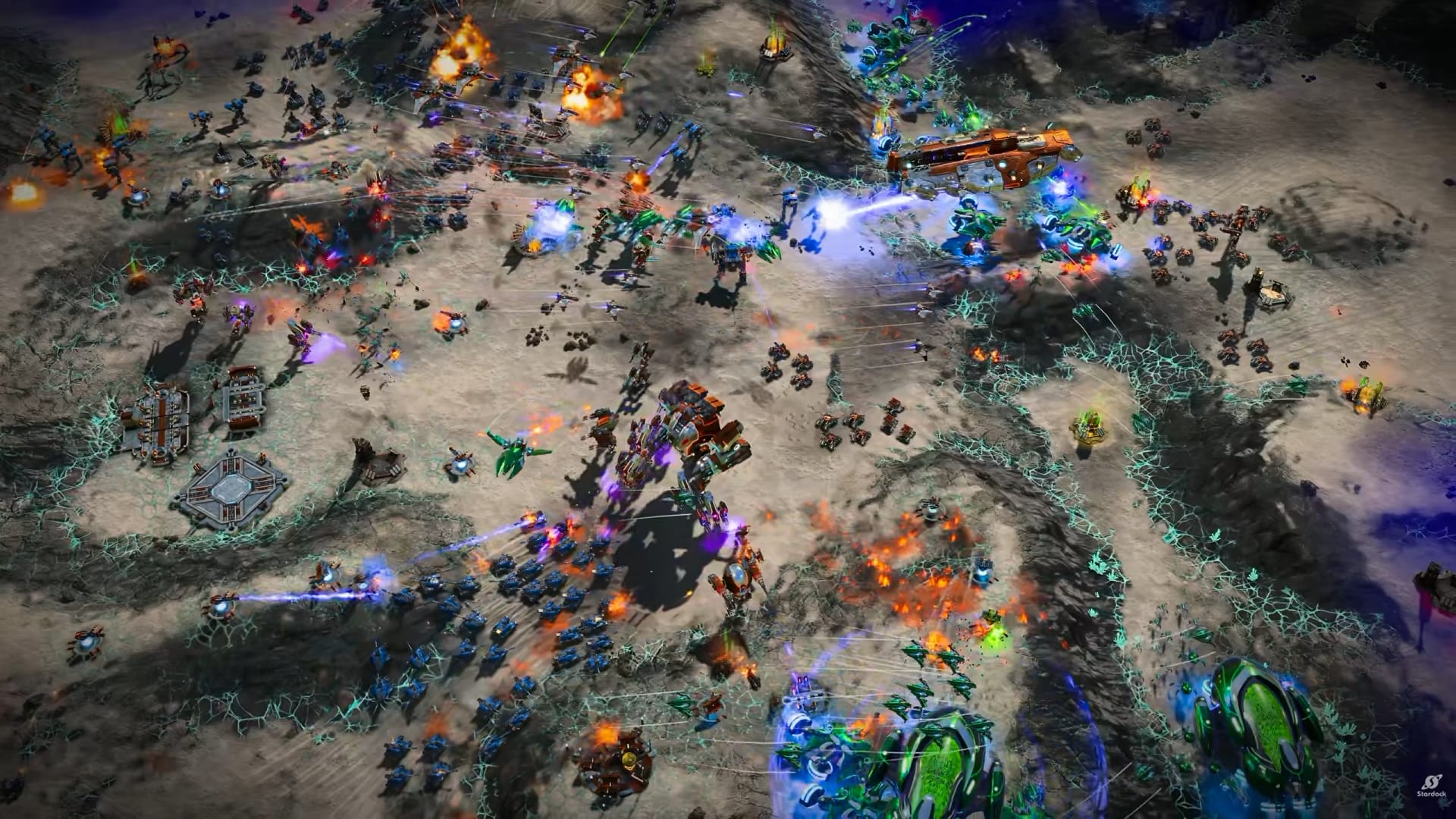
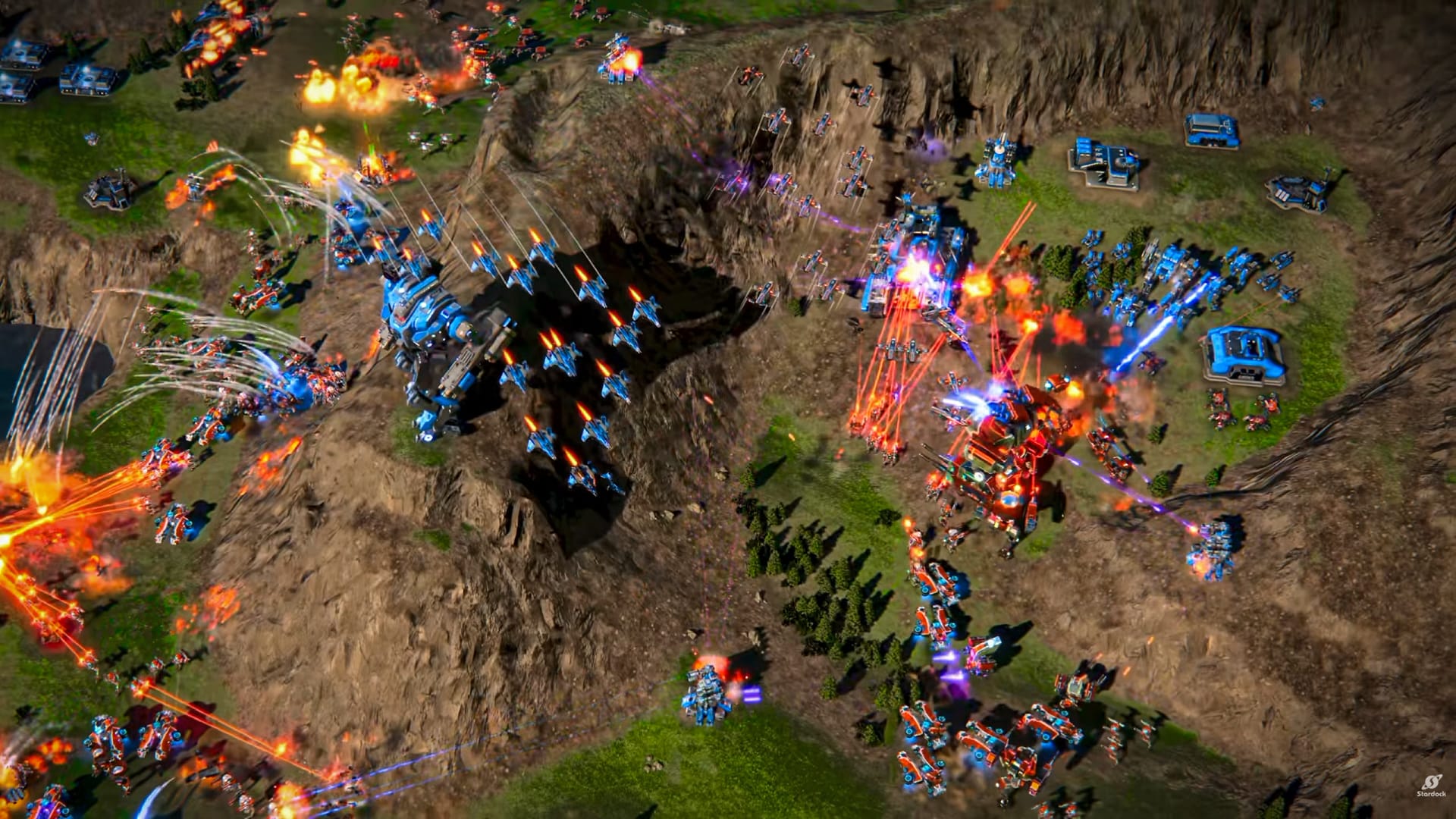
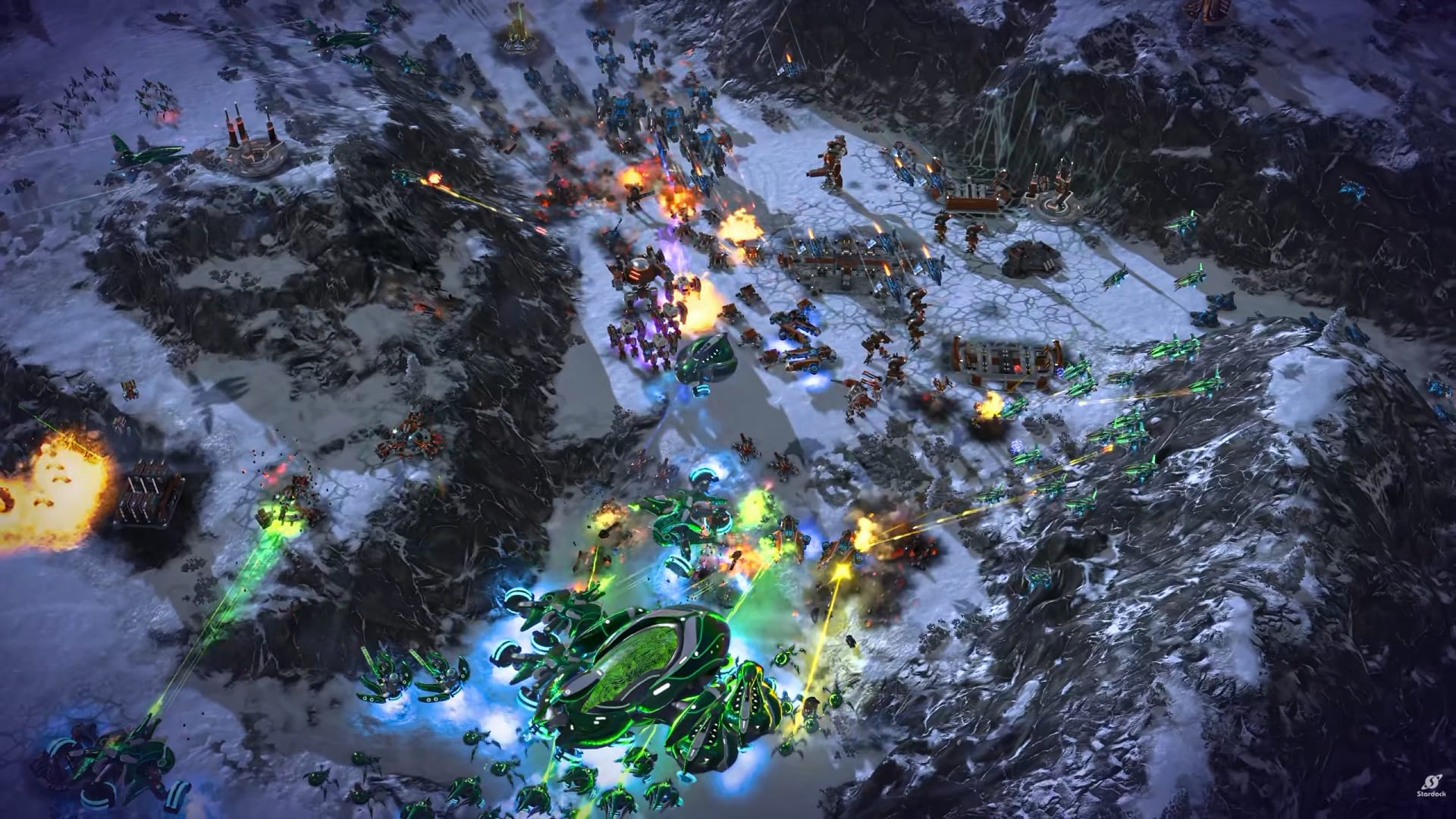
In the real-time strategy genre, Ashes of the Singularity II by Oxide Games and Stardock Entertainment once again seeks to impress players with its vast scale, pitting thousands of units against each other in massive wars of attrition.
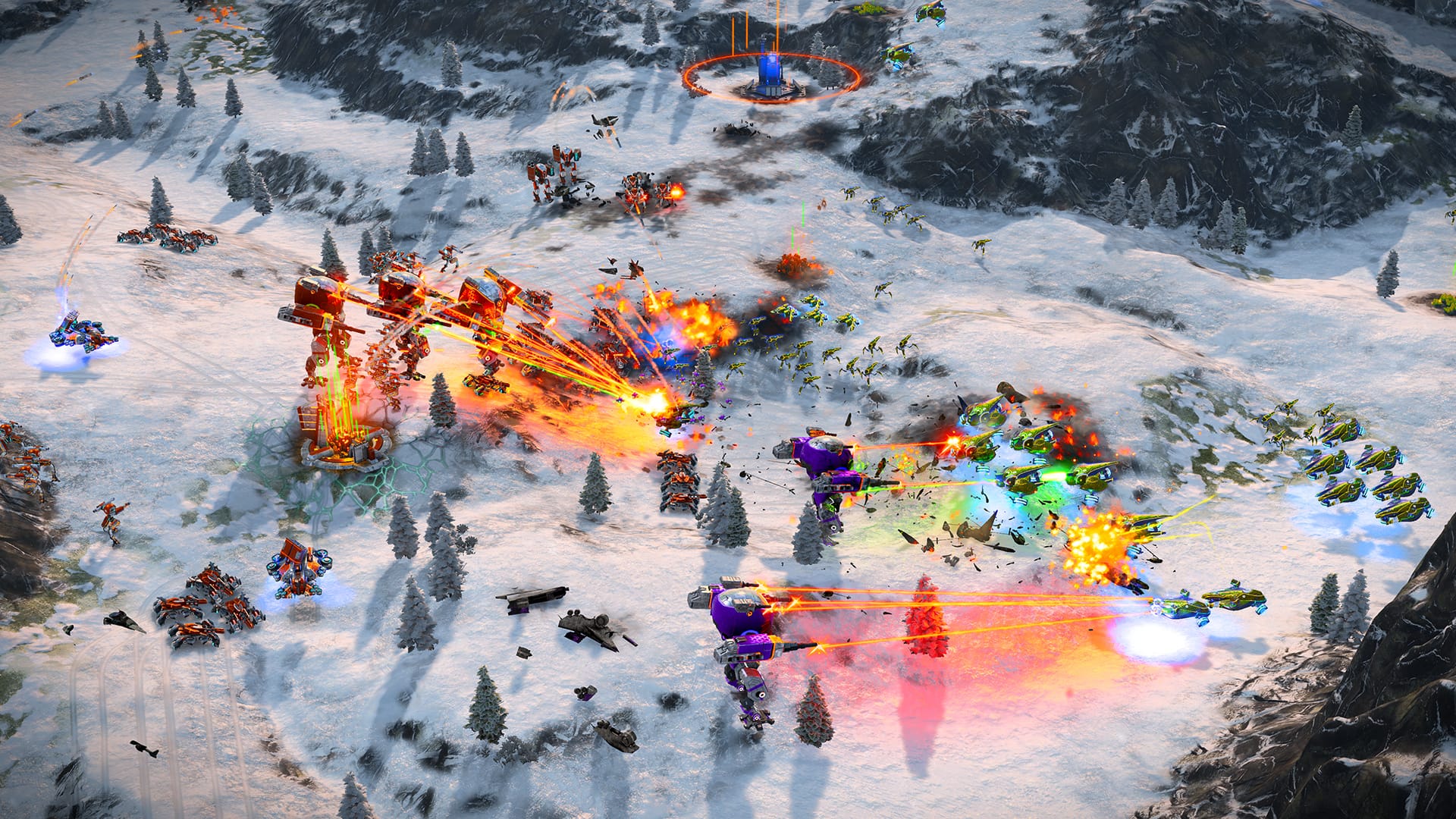
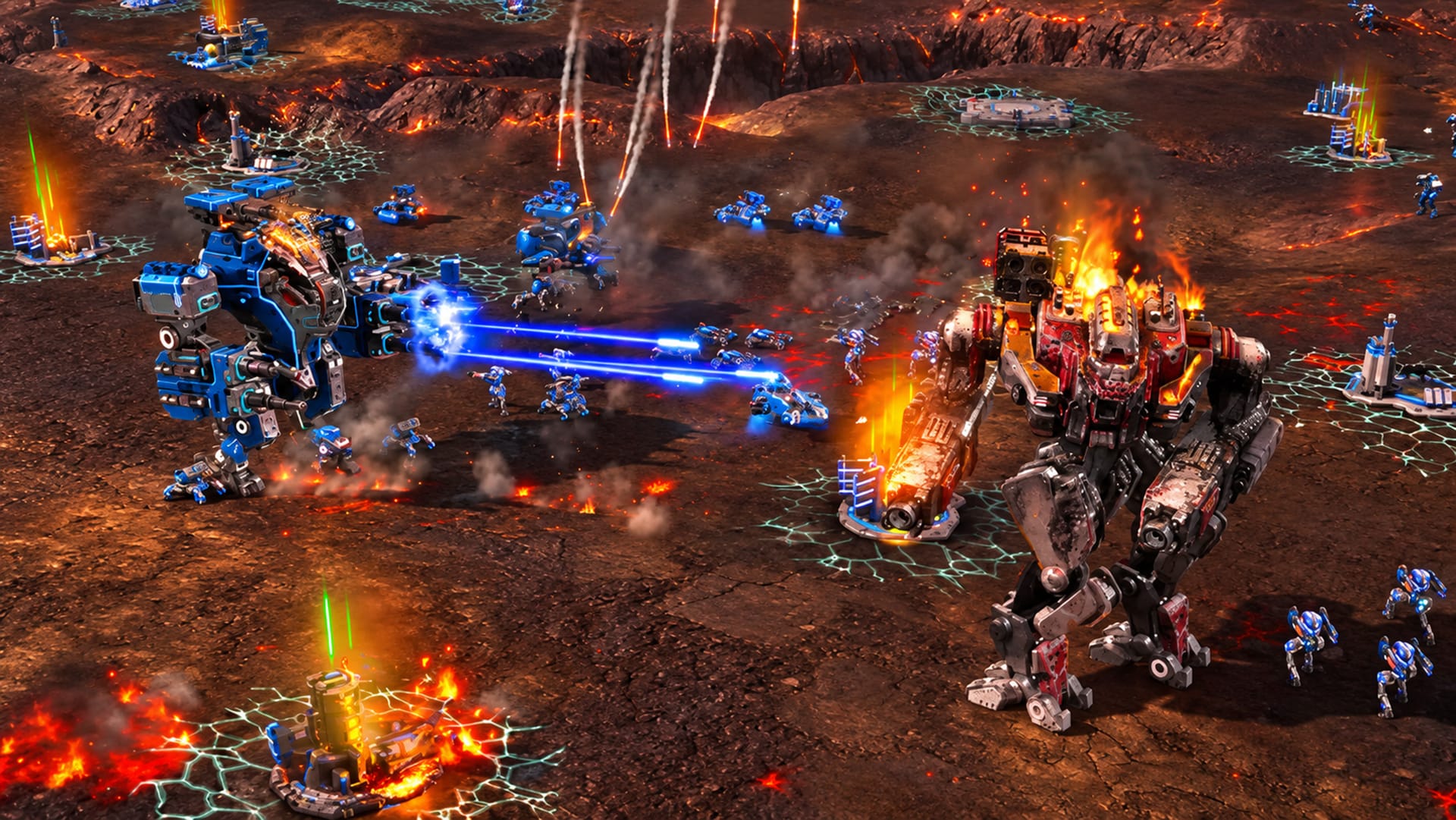
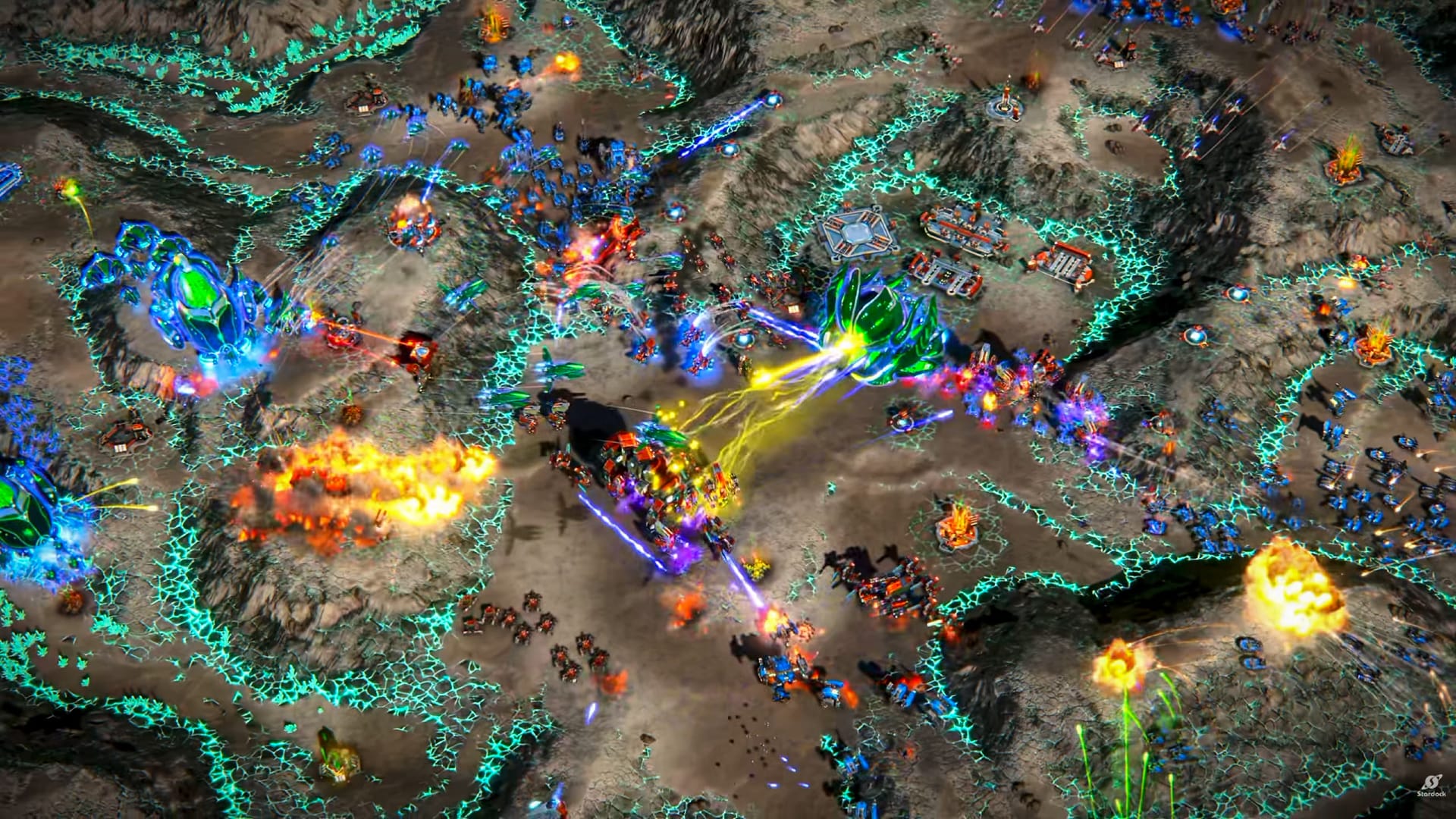
While many modern real-time strategy (RTS) games focus on tactical skirmishes and rapid micromanagement, Ashes of the Singularity II stays true to the DNA of its 2016 predecessor, Ashes of the Singularity: Escalation. Here, the focus is on huge battles involving thousands of units operating simultaneously, which demand long-term planning on a grand strategic scale. Unlike in StarCraft II or Age of Empires IV, success does not depend on quickly and precisely micromanaging individual units to counter the enemy. Instead, victory goes to the commander who plans ahead with a superior strategy and efficient logistics. Apart from the massive dreadnought-class units, almost every standard unit is merely a cog in a much larger machine. In terms of sheer scale, Ashes of the Singularity II clearly draws inspiration from classics such as Total Annihilation and Supreme Commander, as well as the more recent Beyond All Reason.
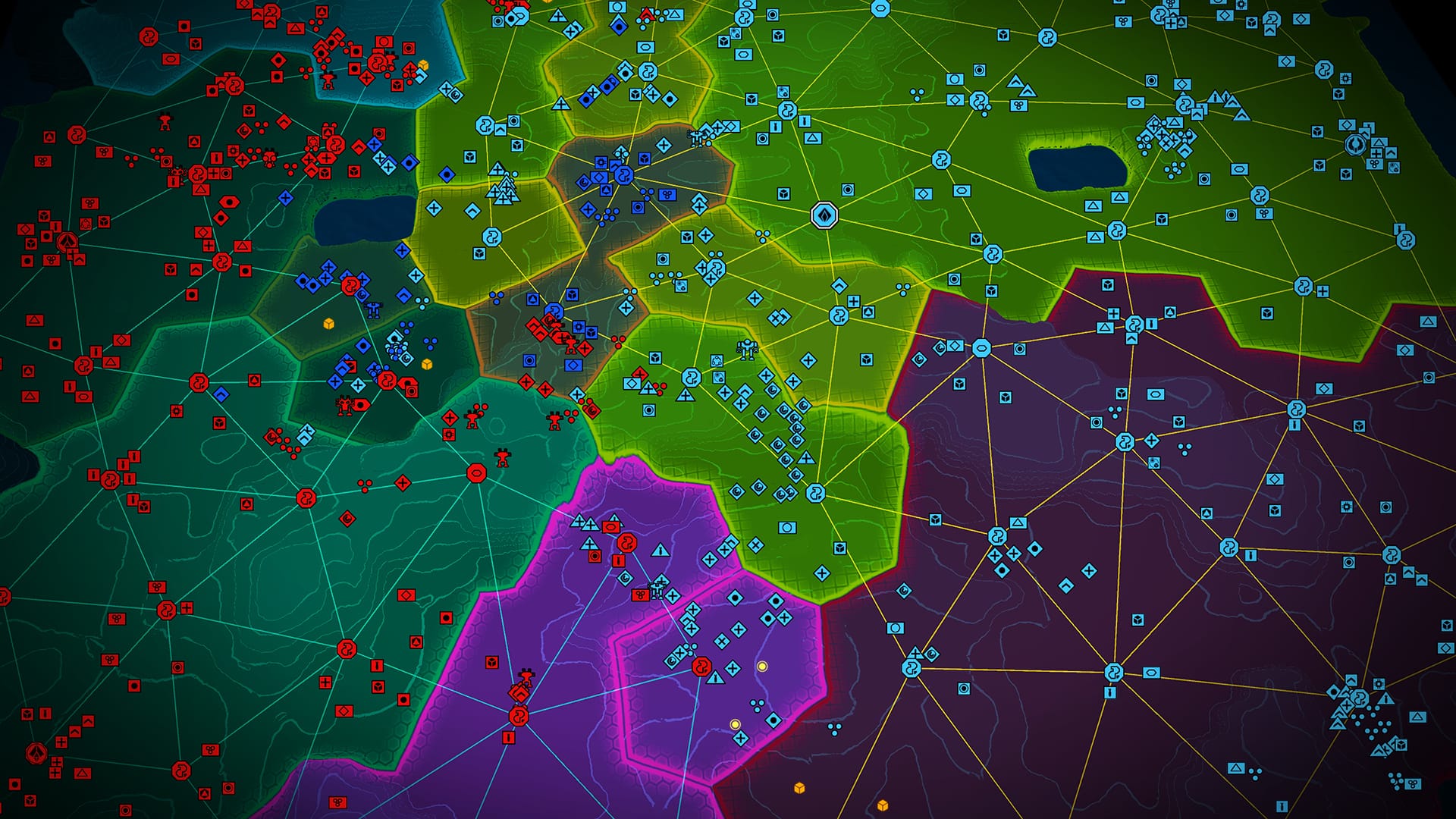
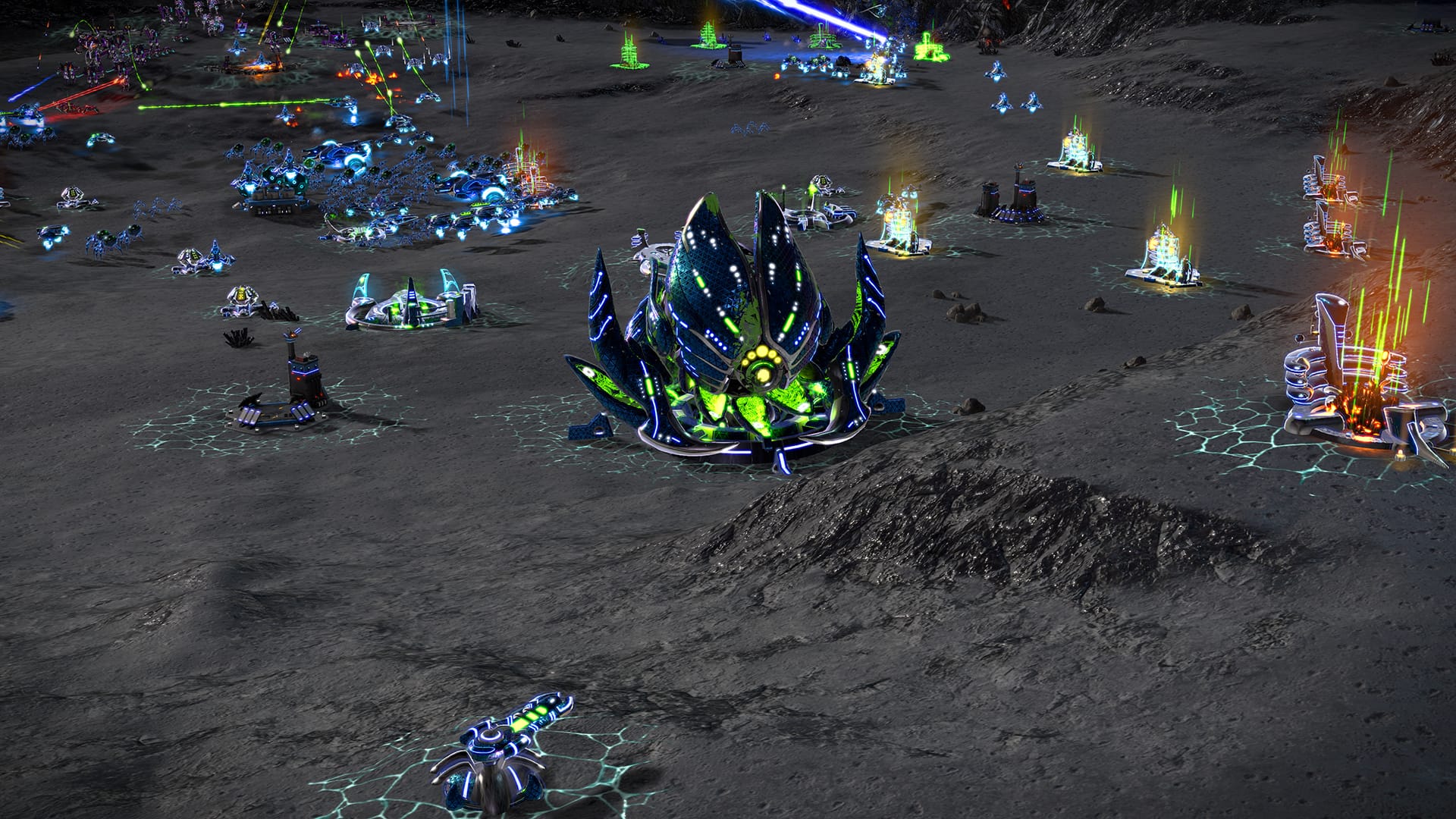
However, while Ashes of the Singularity II makes base-building more accessible, its node-based territory system forces constant battles for battlefield control, marking a noticeable departure from sandbox RTS games. Maps are divided into regions that must be captured and held as a connected network by seizing each sector's Power Relay. Once a region has been captured, local drones automatically handle all construction, eliminating the need to manually send builder units across the map. These regions provide a steady supply of Durantium and Elerite for the economy, as well as Quanta for global upgrades and orbital strikes. They also raise the Logistics cap, which determines the maximum size of the army.
Nevertheless, this territorial system prevents the game from feeling like a truly open, expansive RTS. As each Power Relay only provides a limited amount of energy, it effectively limits the number of buildings per sector, eliminating the freedom to design sprawling production complexes. Consequently, the actual gameplay feels closer to Sins of a Solar Empire or Company of Heroes on a massive scale than to Supreme Commander or Beyond All Reason. Terrain, elevation and line of sight still play a crucial tactical role in troop positioning, though players should be aware that the focus is primarily on gigantic battles, resulting in rather deliberate, unhurried pacing.
Thematically, the game is set in the not-too-distant future, at a time when a war for control of the solar system has erupted. While the original game only featured the transhumanist Post-Human Coalition (PHC) and the artificial superintelligence known as the Substrate, its sequel finally introduces a classic human faction: the United Earth Forces (UEF). This is arguably the most significant addition, as it brings a much-needed grounded and relatable perspective to the conflict; the factions in the first game largely lacked a distinct identity. Nevertheless, the factions still struggle to feel truly unique in terms of personality despite playing asymmetrically. The UEF rely on infantry, combined arms, conventional ballistics, long-range artillery and defensive fortifications. The PHC excels with heavily armoured elite squads that can be repaired in the field, favouring quality over quantity and rewarding players who keep their units alive to gain combat veteran status. Meanwhile, the Substrate operate with drone swarms, hit-and-run tactics and self-regenerating energy shields. Despite their different approaches, it would be good if the factions could differentiate themselves more clearly, particularly with regard to base building.
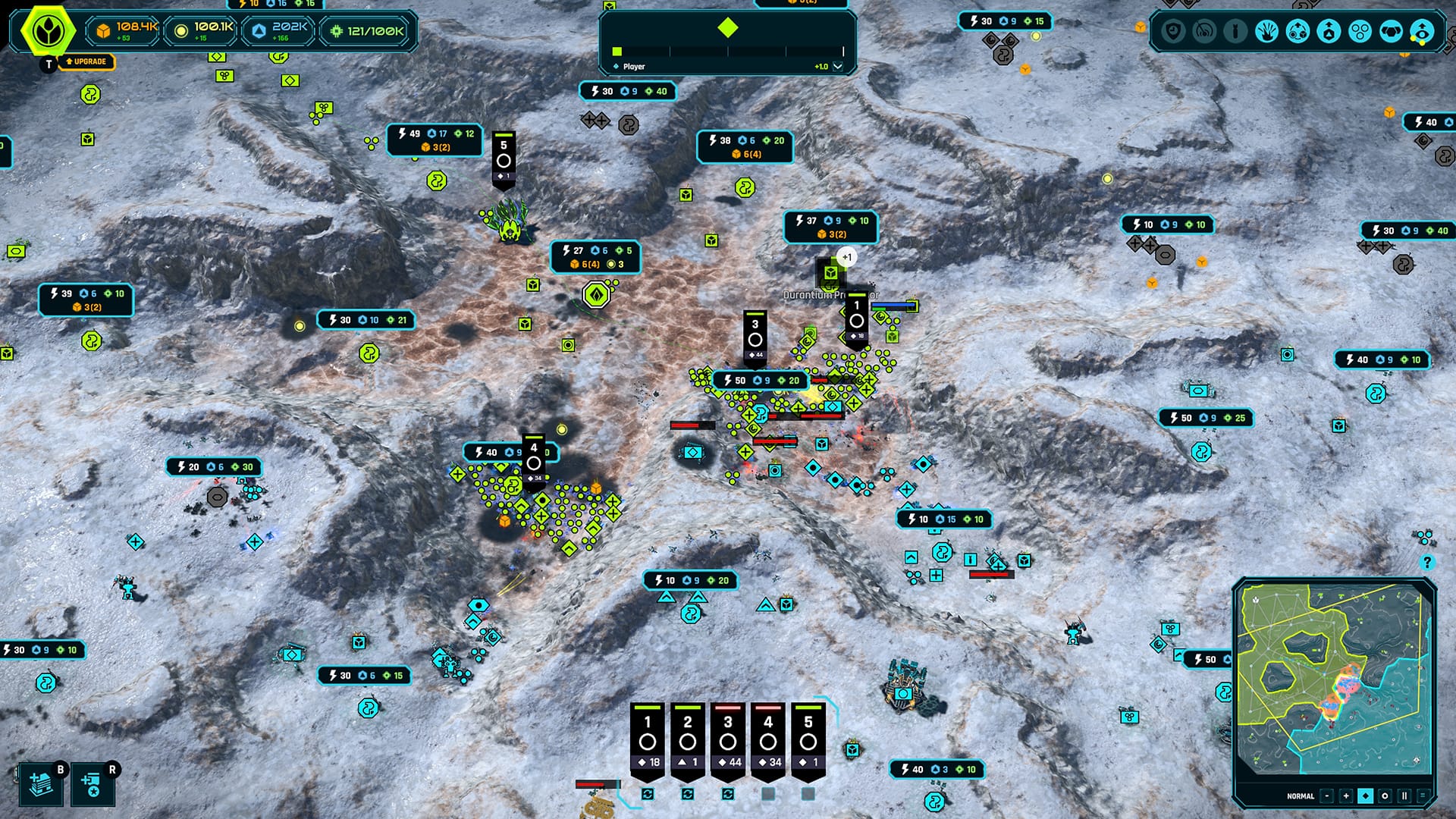
In Ashes of the Singularity II, players can forget micromanagement and high-APM requirements on the battlefield. Rather than ordering individual tanks around, players group dozens of units into cohesive armies of up to 100 units each. These armies then automatically march in formation, prioritise targets independently, and continuously request reinforcements directly from the factories. Unit production can conveniently be automated so that fallen units within an army are replaced automatically. Each factory that a player controls increases global production, with newly built units emerging from the closest factory to the army that requested them. Despite these conveniences, the UI still needs further optimisation and clearer organisation. Furthermore, due to the heavy automation and rather abstract tech tree, players may sometimes feel more like passive spectators than active strategic planners, especially since there are few ways to influence unit behaviour in combat and unit pathfinding still has noticeable weaknesses.
Unlike the missions in the first game, which often felt like an extended tutorial, Ashes II features a fairly short, 10-mission single-player campaign with more structured objectives. However, it only features one playable faction, and the narrative remains rather dry and unspectacular. Combined with repetitive core gameplay loops, the campaign struggles to keep players engaged over its runtime. Also sparking criticism is the use of generative AI, which the developers disclose on Steam as follows: "AI was used to provide post processing effects and animation to art created by human Stardock artists for some of the campaign cutscenes. Some cutscenes use Stardock human artist-made 3D assets with AI to composite the final shot. Lastly, some in-game unit barks, notifications, and a few minor characters use pre-generated ElevenLabs stock voices. All lines were written by Stardock designers and reviewed before inclusion, and nothing is generated live during play."
To counterbalance the short campaign, another game mode could have been included. For example, a planetary conquest mode with some meta gameplay, in which players would conquer sector by sector before playing the respective battles, would offer more variety. Beyond the campaign, the game features PvP with matchmaking and leaderboards, as well as co-op with AI opponents across multiple difficulty levels, for up to eight players. There are 16 hand-crafted maps and procedurally generated battlefields, ranging from 1v1 to 4v4.
Much like its predecessor, the game is at its best during massive battles. However, large map sizes and high unit counts push even powerful PC systems to their limits, especially since the game currently lacks support for upscaling technologies such as Nvidia DLSS, AMD FSR and Intel XeSS.
Ashes of the Singularity II was developed by Oxide Games, which is based in Lutherville-Timonium, Maryland, USA. The company was founded in 2013 by veteran strategy game and engine developers. The studio released Ashes of the Singularity in 2016 and Ara: History Untold in 2024. The latter was initially distributed by Xbox Game Studios, but was transferred to Stardock Entertainment in May 2025. Stardock Entertainment is the gaming division of the US software and video game company Stardock Corporation, founded by Brad Wardell in 1991. It is known for the Galactic Civilizations, Star Control and Sins of a Solar Empire franchises, as well as Offworld Trading Company and The Political Machine.
Ashes of the Singularity II was released on 10 November 2026 for PC and is available on Steam and directly through Stardock. In addition to the Standard Edition (€38.99), there is a Premium Edition (€67.99), which includes the base game, soundtrack, and three upcoming DLC packs (Incursions, Wars at Sea, and Nemesis) with release dates to be announced later.
Conclusion
While Ashes of the Singularity II successfully delivers grand-scale real-time strategy warfare, it leaves the impression that it could have been something more — with more variety, for example.
Marcel Kleffmann is Chief of Content of GamesMarket and our B2B and B2C expert for hardware, market data, products and launch numbers with more than two decades of editorial experience. (marcelDOTkleffmannATgamesmarktDOTde)