Burda and UnternehmerTUM Launch European Gaming Incubation Initiative
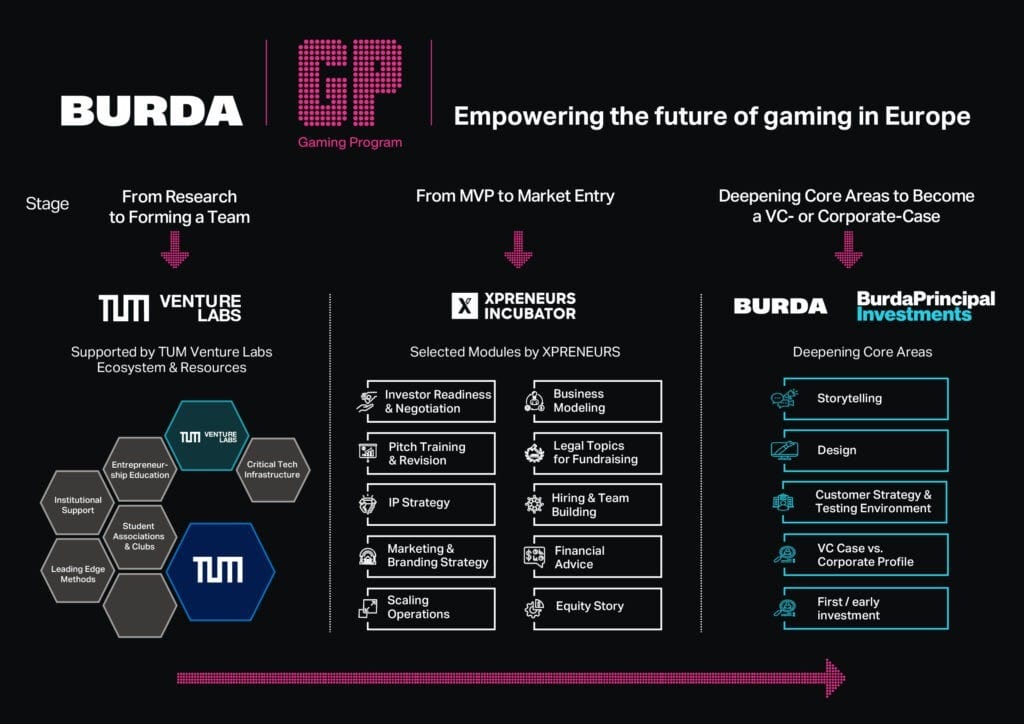
The German media company Burda has launched BurdaGP (Gaming Program) through its subsidiary Burda Principal Investments and in collaboration with UnternehmerTUM. Together, they aim to support gaming start-ups in their early stages, also with a view to Burda's future business portfolio.
Christian Teichmann, CEO BPI, and Philipp Gerbert, VEP TUM Venture Labs | Picture by BPI
It was only in October that it became known that the start-up platform UnternehmerTUM is pursuing plans in gaming and is looking for a Head of Games for its TUM Venture Labs Software & AI department. Now the plans are taking shape: German media group Burda has forged a partnership with UnternehmerTUM through its investment subsidiary Burda Principal Investments (BPI) and has now unveiled BurdaGP. The GP stands for Gaming Program. Burda explains that gaming is a strategic growth area for the group, as it naturally expands its long-standing focus on content, communities, commerce and technology. With BurdaGB, the company aims to position itself as a thought leader in a fast-moving industry and create clear paths to value creation by investing in scalable products within the Burda ecosystem.
“Gaming is where digital behavior scales. Thanks to smartphones and AI, gaming has reached a historic high: Here in Germany, six in ten people play games. They’re not just passive users – they create, collaborate, and express identity through interactive worlds. With this collaboration, we combine Burda’s strength in digital content and platforms with the proven innovation engine from TUM and UnternehmerTUM to forge the next generation of European gaming talent”, says Christian Teichmann, Member of the Executive Board at Burda.
Philipp Gerbert, CEO of TUM Venture Labs adds: “Gaming has proven to be an early innovation supercharger: Some of the most valuable companies globally, like Nvidia or Google DeepMind, have their roots in gaming. Building on the tech and talent engine around the TUM Computer Games Lab, we are thrilled, to pool the entrepreneurial and domain expertise of TUM Venture Labs and Burda to build Europe’s premier gaming hub – similar to what we are driving in other innovation areas.”
What is interesting about the programme – also in terms of the cooperation with UnternehmerTUM – is the initiative's proximity to the Technical University of Munich (TUM) and its Gaming Chair, led by Prof. Johanna Pirker, who joined TUM in the summer. This provides direct access to frontier research in gaming engineering, AI, and interactive systems.
The first phase of BurdaGP will begin in March with the launch of the 19th batch of the Xpreneurs start-up programme from TUM Venture Labs. Integration into selected modules such as storytelling, design and customer strategy will ensure a continuous supply of outstanding, science-based ideas and create early investment opportunities for BPI.
However, this is not Burda's first venture into gaming. In the early 2000s, under the leadership of Achim Kaspers, former Head of Marketing at Activision Germany, Burda established the game publisher Burda:ic, which brought Asian MMOs to Europe, among other things, and later launched the casual gaming platform Alaplaya (in German), which reached several million gamers. Burda later sold Burda:ic to the TV broadcaster ProSiebenSat.1 when it established its own games division, which was later merged with gamigo.
GamesMarkt Daily Newsletter
Sign up to receive the free daily newsletter about the Games Industry in GSA, Europe and beyond.
Stephan Steininger is Director of Operations and Editor-in-Chief of GamesMarket. As part of the magazine since its inception in 2001, he knows the GSA games industry by heart.
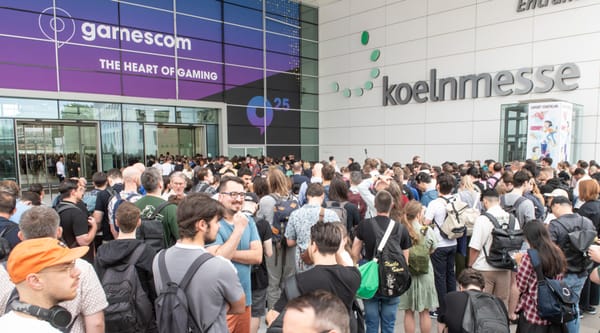
The south entrance of gamescom | Picture: Koelnmesse, Thomas Klerx
Bavaria's Minister for Digital Affairs, Fabian Mehring, delivered the keynote speech at the first GG Bavaria Business Day 2025. | Picture: Alexander Hartung for Games/Bavaria
Johannes and Simone Grünwald are Slime King Games. Their game Under the Island is an homage to classic titles like Alundra, Terranigma and Zelda (Slime King Games)