Jagex CEO Jon Bellamy on Operating a Forever Game and "Not Chasing Trends"
Jagex is celebrating the 25th anniversary of RuneScape this year. We spoke to Jon Bellamy about the franchise's enduring popularity, the current MMO market, how the company has ditched problematic monetisation strategies and the privilege and responsibility that comes with owning a 'forever game'.
Jagex, the British games studio behind the RuneScape franchise, is celebrating its 25th anniversary with RS25, set to be the biggest year yet for RuneScape in terms of investment and content development. With the largest annual investment in the game to date, RS25 will focus on elements that matter most to players. These include upgraded support systems, modernised game infrastructure, new content releases, refreshed systems, and live events in the US and UK. To coincide with this milestone, Jagex has unveiled a new corporate identity that more clearly aligns the studio with the RuneScape franchise. The new tagline is 'Jagex: The RuneScape Company'.
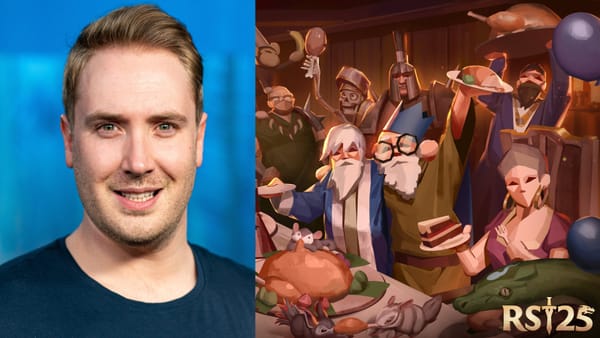
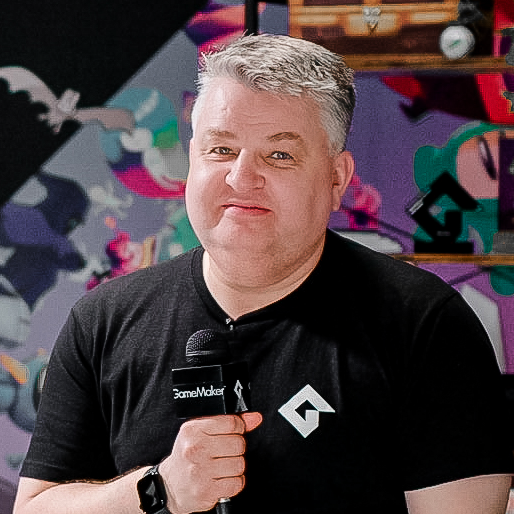
We spoke to Jon Bellamy, who has been CEO of Jagex for a year, about the enduring popularity of the RuneScape franchise, the current MMO market, how the company has removed problematic monetisation approaches, and the privilege and responsibility that comes with having a 'forever game' in the company portfolio.
Please note that this interview was conducted before the announcement that RuneScape would be raising its subscription prices (see details), a decision made following the removal of microtransactions.
GamesMarkt: You have been CEO at Jagex for a year. Looking back, what is your verdict on this period?
Jon Bellamy: "In all honesty - it's been a year of resetting, and then refocussing. As someone who's played RuneScape for more than 20 years, it's now a total privilege to lead it. But sentiment aside, my focus has been simple: strengthen the foundations, listen to the community, and decide what kind of company we want to be for the next decade."
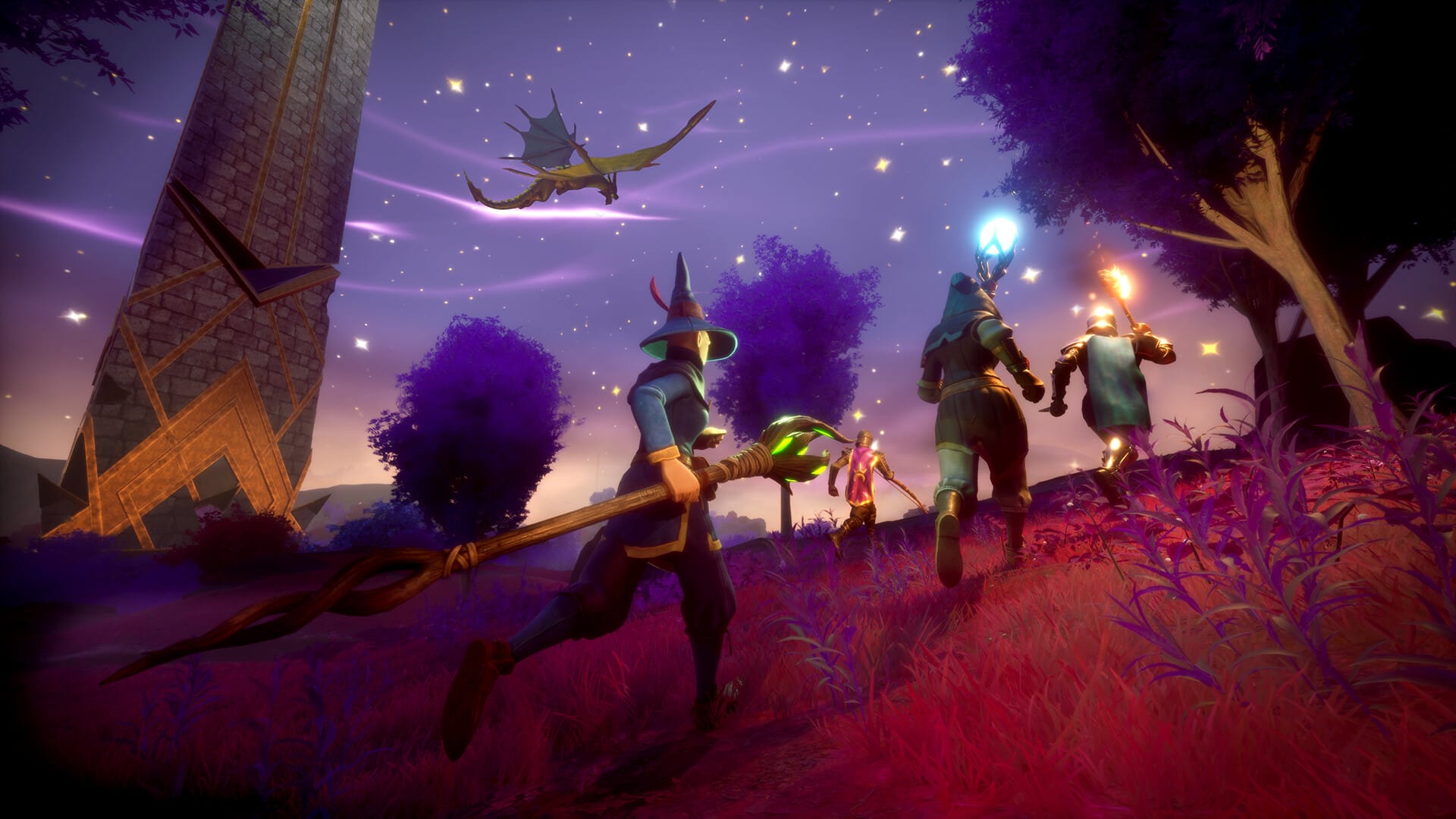
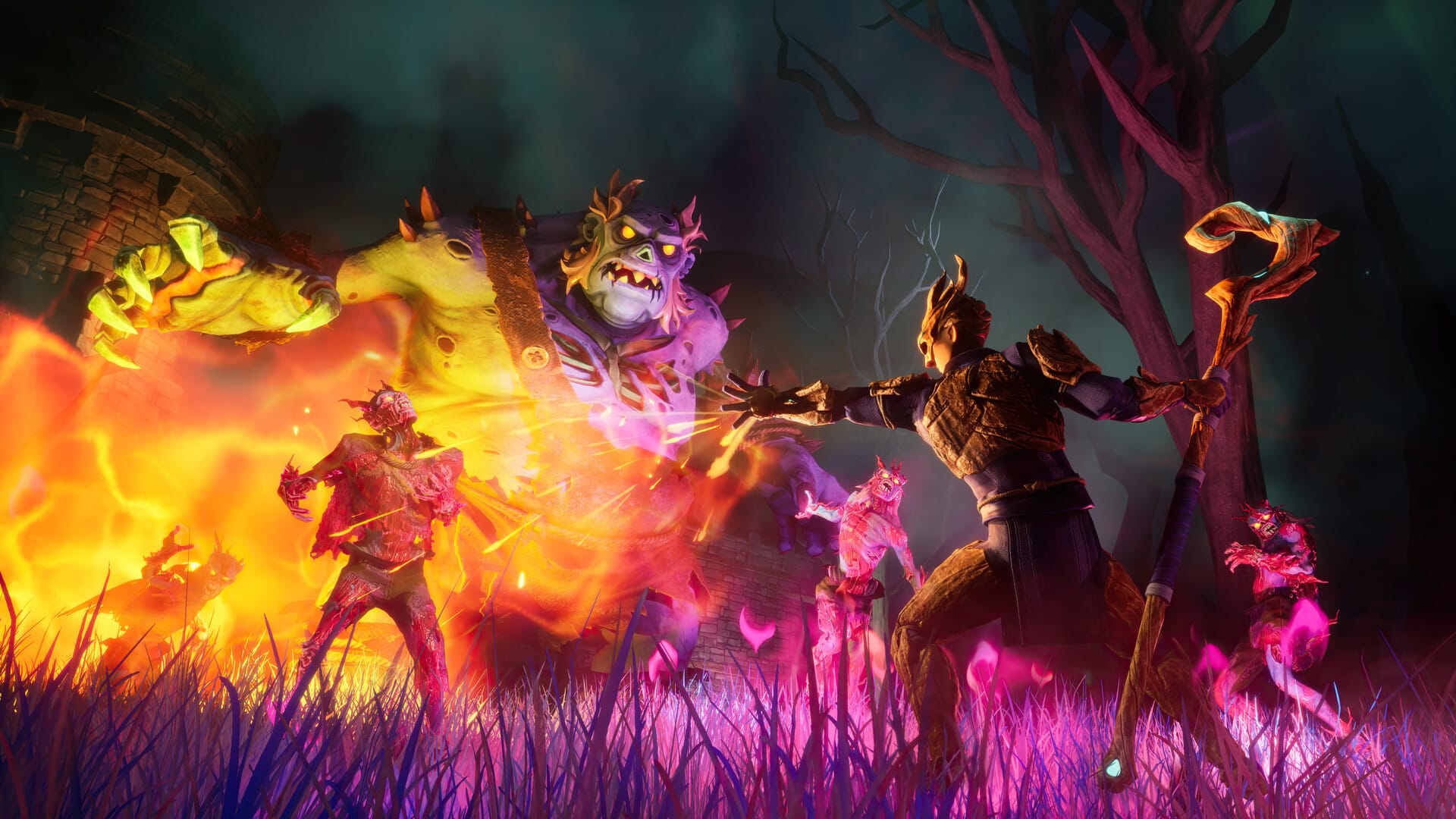
"With RS25, we've set that direction clearly. Record investment across Old School RuneScape, RuneScape 3 and Dragonwilds. The removal of long-standing monetisation systems that didn't feel right. Major new content. Better anti-cheat and player support. And for the first time, we’ll be putting on large-scale live events in both the UK and the US. This last year has been about making a few difficult but necessary calls, to allow us to start building for the long term, not just the next quarter."
GamesMarkt: How would you explain the enduring popularity of RuneScape and Old School RuneScape? What makes these games so appealing, and how do you use this to attract new players?
Jon Bellamy: "We're incredibly fortunate to have one of the most invested communities in gaming. In Old School, players literally vote on the direction of the game. That creates real ownership. They don't just play RuneScape, they help shape it."
"Like any strong MMO, it offers freedom: You can skill, quest, trade, compete or simply socialise. And unlike expansion-driven MMOs, the world doesn't reset every few years. It grows steadily. But what makes RuneScape different is Gielinor itself. For many players it was their first online world. When they return, they’re not just revisiting content, they’re reconnecting with something that evolved alongside them."
"That sense of belonging is very hard to manufacture. It has to be earned over time."
GamesMarkt: By removing Treasure Hunter and other items that could be purchased with real money to boost gameplay progression, Jagex took a big risk with monetisation, even though player feedback on this was very clear. How are you dealing with this risk, and which other monetisation approaches will ultimately benefit from this decision?