Urban Games Largely Self-Financed the $25m Budget for Transport Fever 3
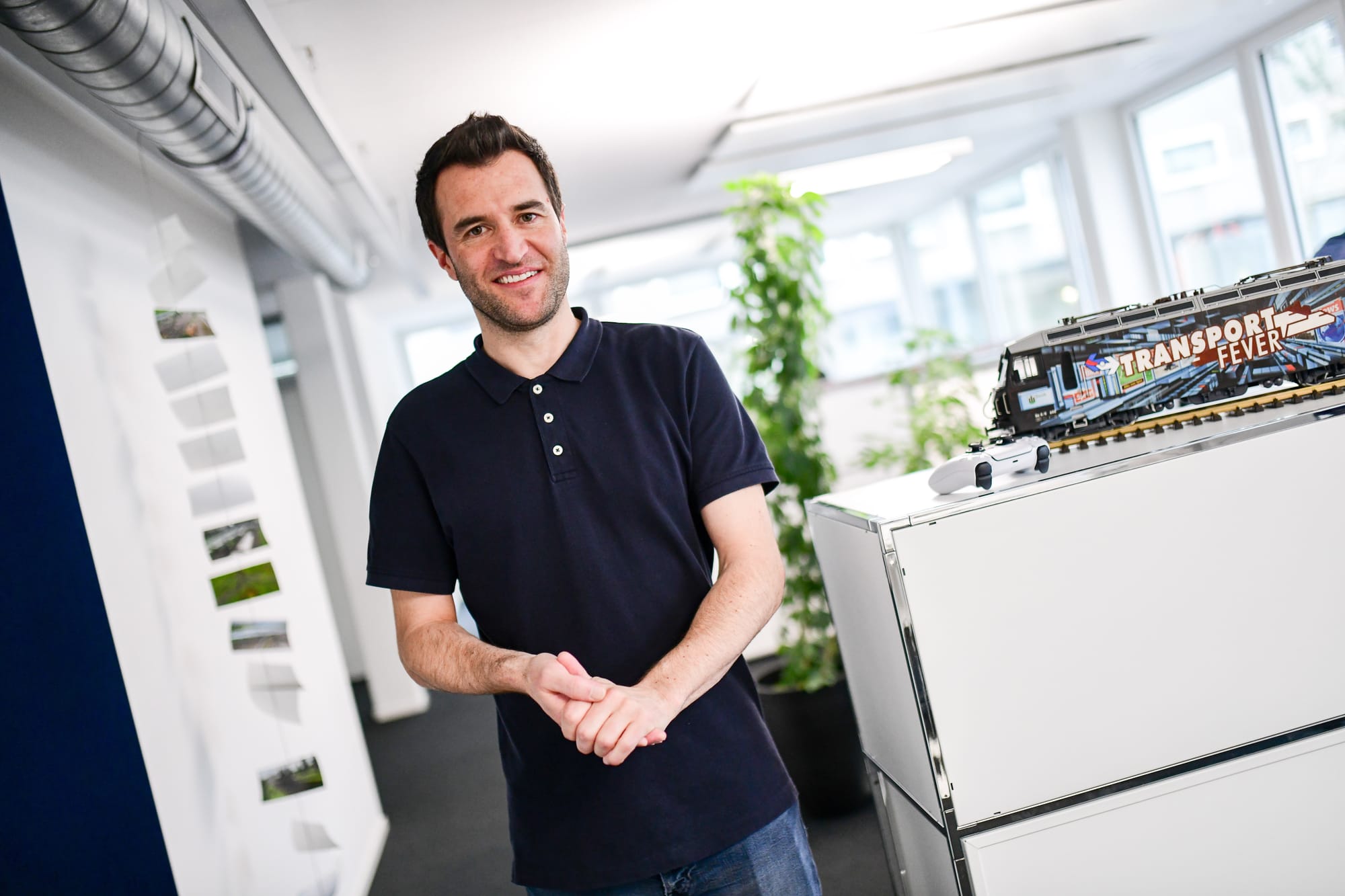
"Transport simulations had an audience of millions in the 1990s and early 2000s, but then a vacuum emerged, which we were able to fill with Train Fever and the Transport Fever series. Thanks to steady growth, we are now number one in this genre." Basil Weber, Founder and CEO of Urban Games.
Transport Fever 3 is the most ambitious project yet from Swiss studio Urban Games. The previous instalments have sold over two million copies, and with a budget of almost $25 million, this game is by far the most expensive in the franchise. Urban Games will self-publish the game. In this interview, Basil Weber, Founder and CEO of Urban Games, discusses their magnum opus to date.
GamesMarkt: How did you manage to allocate the $25 million budget? Do you have any external financial partners on board?
Basil Weber: "Transport Fever 3 has been largely self-financed. This has been made possible primarily because virtually all proceeds from the games have been continuously invested in developing the next title since the success of Train Fever. Each game has performed significantly better than predicted, enabling us to accumulate substantial equity over time, covering most of Transport Fever 3's budget. In addition to this substantial equity investment, the budget is supplemented by traditional debt financing, which is solely allocated to marketing costs.
Thanks to our long-standing collaboration with several private investors, we can raise additional capital if necessary. Most of these investors have increased their budgets for previous games and have always had positive experiences with these investments. Consequently, the level of trust is very high, and we are grateful to have this opportunity. Overall, Urban Games is in a unique financial position. Since the majority of the Transport Fever 3 budget is financed by equity capital, even the (unexpected) failure of the game would not cause us any substantial problems."
GamesMarkt: With Transport Fever 3, Urban Games will also be taking on publishing in-house. How are you preparing for this step?
Basil Weber: "In the past, despite publishing contracts, we have always taken care of the financing ourselves and have always made sure to retain the IP and, in general, the decision-making power. That's why this step is less significant than it appears from the outside. Nevertheless, we have been preparing for this for years and have expanded our team accordingly. This puts us in the comfortable position of being able to take exactly the time needed to develop and release a really good game, without pressure or external dependencies. This is a decisive advantage in our endeavour to bring a truly well-rounded game to market."
GamesMarkt: Since Urban Games specialises in transport and economic simulations (and, more broadly, city builders), how would you assess and describe the market for games in this genre?
Basil Weber: "Transport simulations had an audience of millions in the 1990s and early 2000s, but then a vacuum emerged, which we were able to fill with Train Fever and the Transport Fever series. Thanks to steady growth, we are now the market leader in this genre. The city builder market is many times larger. The SimCity series is legendary, but unfortunately it ended with SimCity 2013, which fans considered inadequate. Cities: Skylines performed better and, fortunately, managed to revive the city builder market.
At Urban Games, we see huge potential for transport simulations, as this is a topic that inspires a great many people. However, for a product to be successful with the general public, it must have high production values and a flat learning curve. If these conditions are met, we believe that games in this genre could reach an audience as large as that of city builders."
"In the mid-to-late 1990s, I played the classic Transport Tycoon, a game that was way ahead of its time. It fascinated me so much that, at the age of 15, I already knew that one day I wanted to start my own company and develop a similar or even better game. So I decided to study computer science at ETH Zurich, specialising in computer graphics. During my studies, I started programming Train Fever together with my brother. For my master's thesis, I solved a specific problem in Train Fever, namely how to simulate cities and make them grow dynamically. The master's thesis was called ‘Urban Simulation for Games’, which is where the name Urban Games comes from. We thought it was funny at the time that 'Urban' was also my brother's first name, but looking back, we wouldn't name the company that way again, as it unnecessarily focuses attention on a single person. After graduating, it took a few more years of work before we were able to secure financing, found the company in 2013 and finally release our debut Train Fever in 2014. Since then, I have been running the company as CEO and my brother has been working as Tech Lead. - Basil Weber on the establishment of Urban Games
GamesMarkt: What mistakes should you avoid at all costs in this genre, and why?
Basil Weber: "Essentially, we have a highly loyal and dedicated community. While this is extremely valuable, it also carries risks, particularly when their concerns and feedback are ignored or not addressed. However, you also have to be careful not to fulfil all the community's wishes blindly, as this could result in a product that no longer works for a wider audience. However, the greatest risk is probably the same for all genres: premature or unfinished releases, as have unfortunately occurred repeatedly in recent times, cause enormous damage, both to the community and to ourselves. This must be prevented at all costs."
GamesMarkt: Which lessons have you learned from Transport Fever 1 and 2 that you are trying to apply to Transport Fever 3?
Basil Weber: "We are improving countless elements from the previous game, including the entertainment value and playability of the campaign, general usability and accessibility, and of course performance, to which we are paying particular attention. But the most significant improvement is probably the enhanced tycoon gameplay, as this was one of the predecessor's major weaknesses.
Beyond that, however, something else is particularly important to us: we have learned from various developments in the industry in recent years and want to avoid releasing a game too early or in an unfinished state. That's why we are taking the time needed to deliver a finished, high-quality product with the release of Transport Fever 3. We can afford to take this liberty because Transport Fever 3 is completely self-financed and published, and we intend to do so."
GamesMarkt: Transport Fever 2 marked the leap to consoles. How significant was this transition, and how large is the market for such games on consoles?
Basil Weber: "For our studio, the transition to the console version was a big and significant step. Its success has confirmed our strategy, even though the console share is of course not yet at the same level as the PC version. However, Transport Fever 3 is now being developed simultaneously for PC, PlayStation 5 and Xbox Series X|S, and will be released simultaneously on all platforms for the first time in the series' history. This will enable us to reach an even larger audience of console players, given that the market for simulations and tycoon games on consoles is substantial and growing steadily."
GamesMarkt: What significant steps has Transport Fever 3 taken compared to its predecessor?
Basil Weber: "Transport Fever 3 is not a revolution, but rather a consistent and comprehensive evolution of its predecessor, Transport Fever 2. We carefully analysed the previous game to identify areas for improvement and focused our efforts there. The economic simulation and tycoon elements have been significantly expanded to provide players with a more exciting and challenging gaming experience. While money was often the only limiting factor in Transport Fever 2 and then played hardly any role in the late game, in Transport Fever 3 it is just one of many factors on the way to creating the perfect transport network.
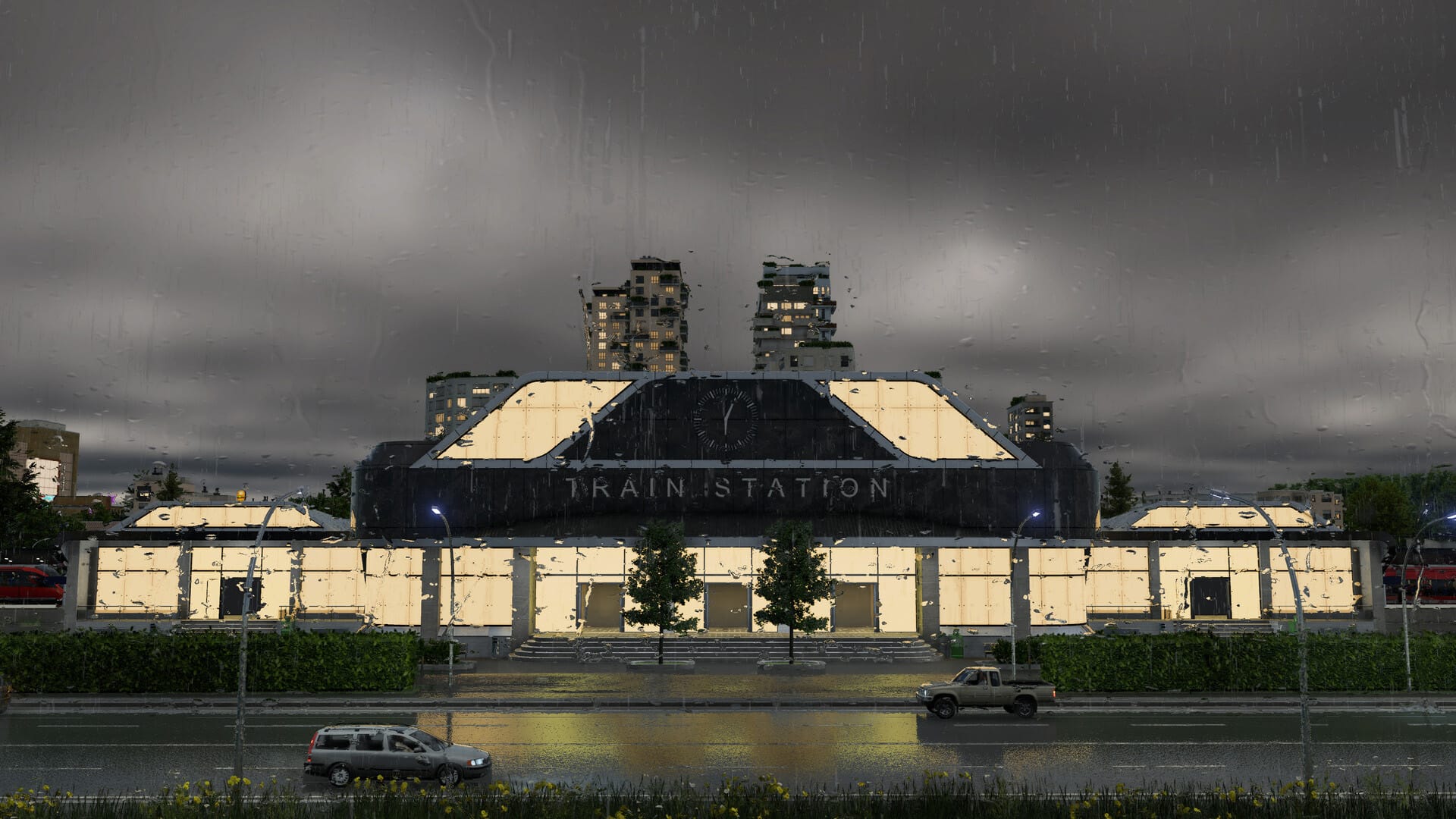
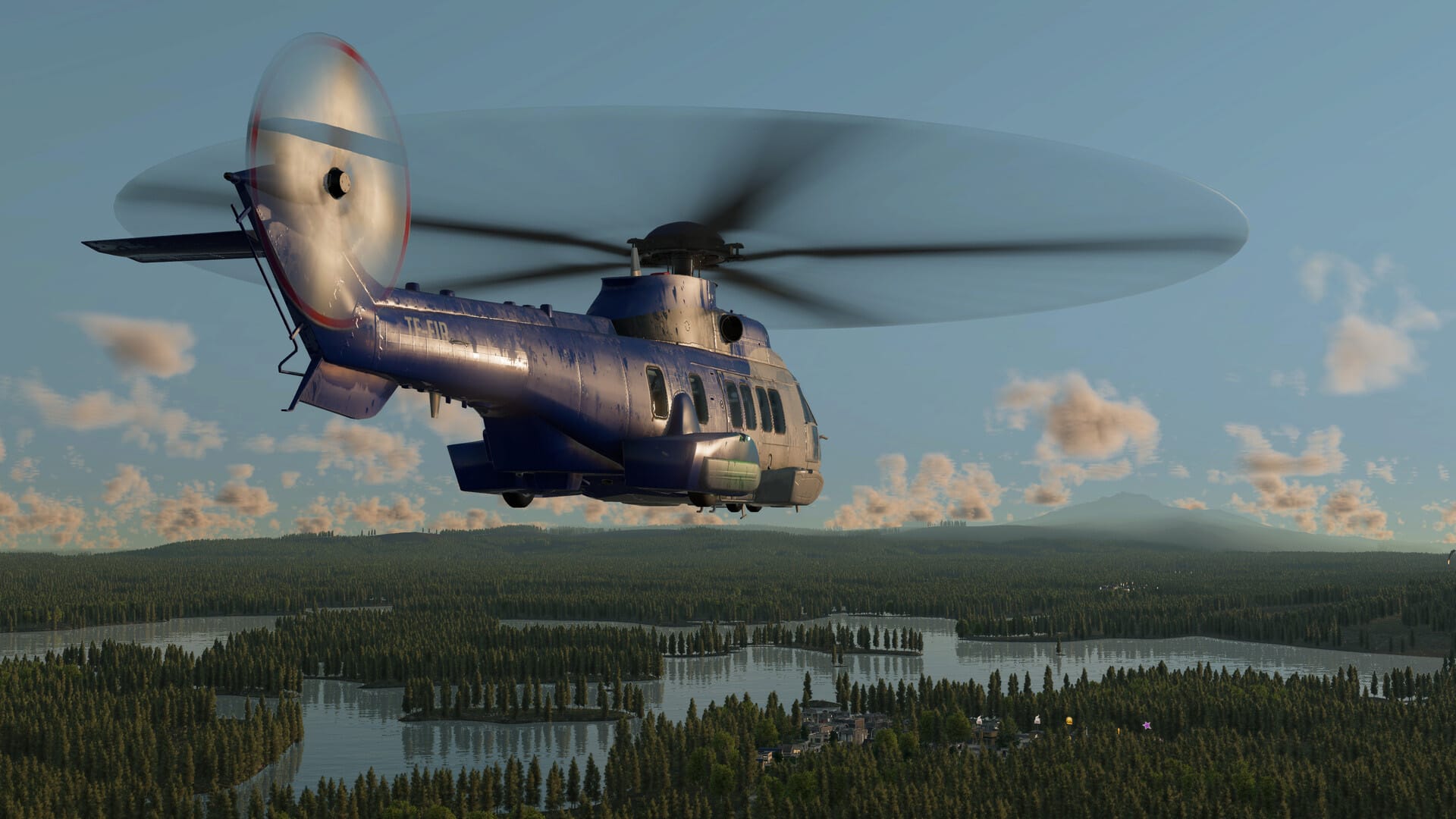
The game now feels much more complete and well-rounded overall. The production value has been increased and the learning curve flattened. At the same time, we have taken care not to limit the previous strengths and creative possibilities for smaller but equally important parts of the community, such as the so-called 'Schönbauer'. Transport Fever 3 is rounded off by a number of other innovations that the community has long desired, including helicopters and freight trams as new vehicle classes, a day-night mode with weather effects, and a completely new, extensive and exciting campaign."
GamesMarkt: What are the advantages of the game being based on its own proprietary engine?
Basil Weber: "In Transport Fever, the entire game world is simulated. This means that you can seamlessly zoom in from a distant perspective and use the camera to look over the shoulder of an individual city resident. All residents, vehicles and processes are individually simulated. Such a comprehensive and complex simulation requires a bespoke in-house engine that is tailored precisely to our needs. Furthermore, we have almost 15 years of experience with our self-developed engine. This in-depth expertise gives us a significant advantage, enabling us to develop the game further in the best possible way and push the technical boundaries in a targeted manner."
GamesMarkt: You officially unveiled Transport Fever 3 in May. What feedback have you received from players?
Basil Weber: "The feedback has been extremely positive. The community has been waiting for a new instalment for over five years, so the anticipation is correspondingly high. We receive feedback from enthusiastic fans every day. However, we are particularly pleased that the initial feedback from the beta tests clearly shows that our ideas and innovations are generally being received exactly as we had hoped. Nevertheless, there is still much room for improvement, and we will do our utmost until the release to create the best possible product for the players."
GamesMarkt: What role does your community play in the development of the game?
Basil Weber: "The Transport Fever game series has always evolved alongside the community. That's why involving them is so important to us: many of the players' suggestions have been incorporated directly into the new game. In fact, some of the most active community members now work full-time on our team. Our Lead Product Engineer, for instance, was one of the most active members of the German-speaking community."
GamesMarkt: How important is modability to the game?
Basil Weber: "Modding is one of the main reasons why Transport Fever 2 remains so popular, even more than five years after its release. We recognise the importance of modding and will support the Transport Fever 3 modding community with even more comprehensive and powerful tools than before."
GamesMarkt: How would you assess the Swiss games industry? In which areas does it particularly need to improve?
Basil Weber: "Although the Swiss gaming industry is still in its infancy, it has enjoyed some major international successes in recent years. Nevertheless, many people are still unaware that globally successful game series such as Transport Fever and Farming Simulator originate from Switzerland. Unfortunately, we often observe that other, smaller studios in Switzerland lack business expertise. If game development is seen primarily as a means of self-fulfilment, it is rarely possible to be commercially successful. Wherever possible, we try to support other studios, because in our opinion, the few support structures that exist in Switzerland are unfortunately not effective in this regard. Nevertheless, we are very grateful for the opportunities we have been given, and we are delighted with the positive development of the Swiss games industry in recent years."
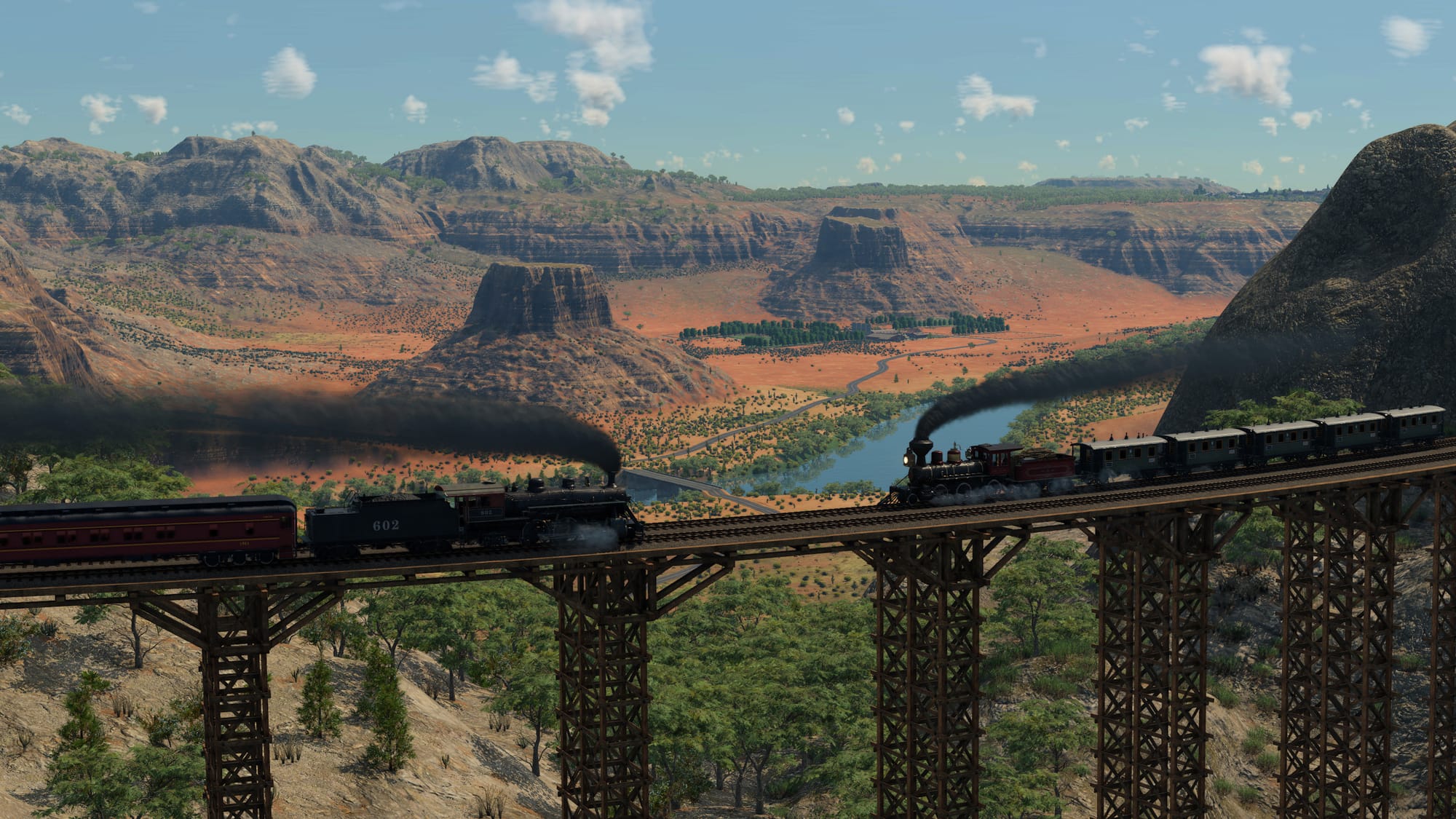
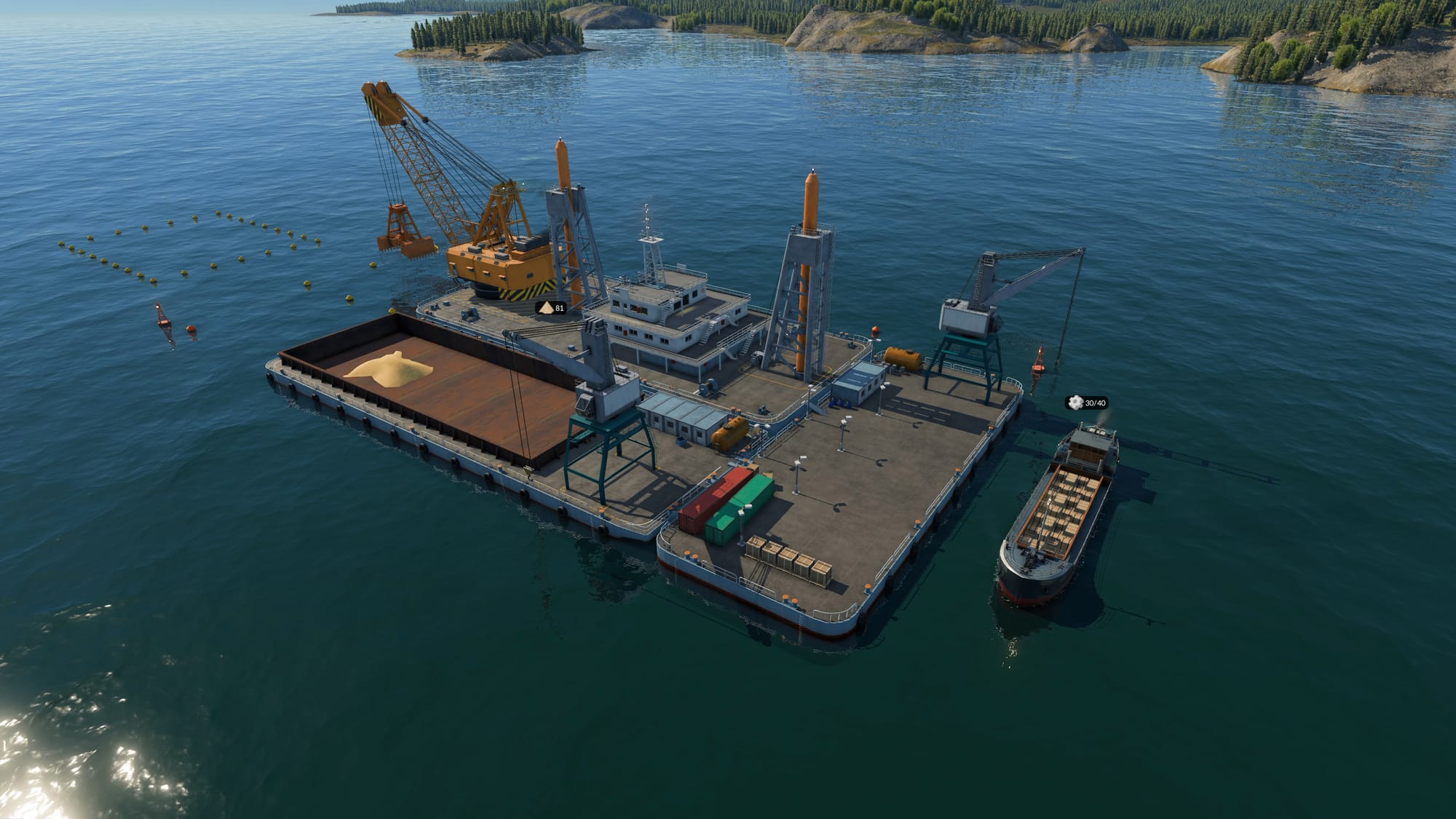
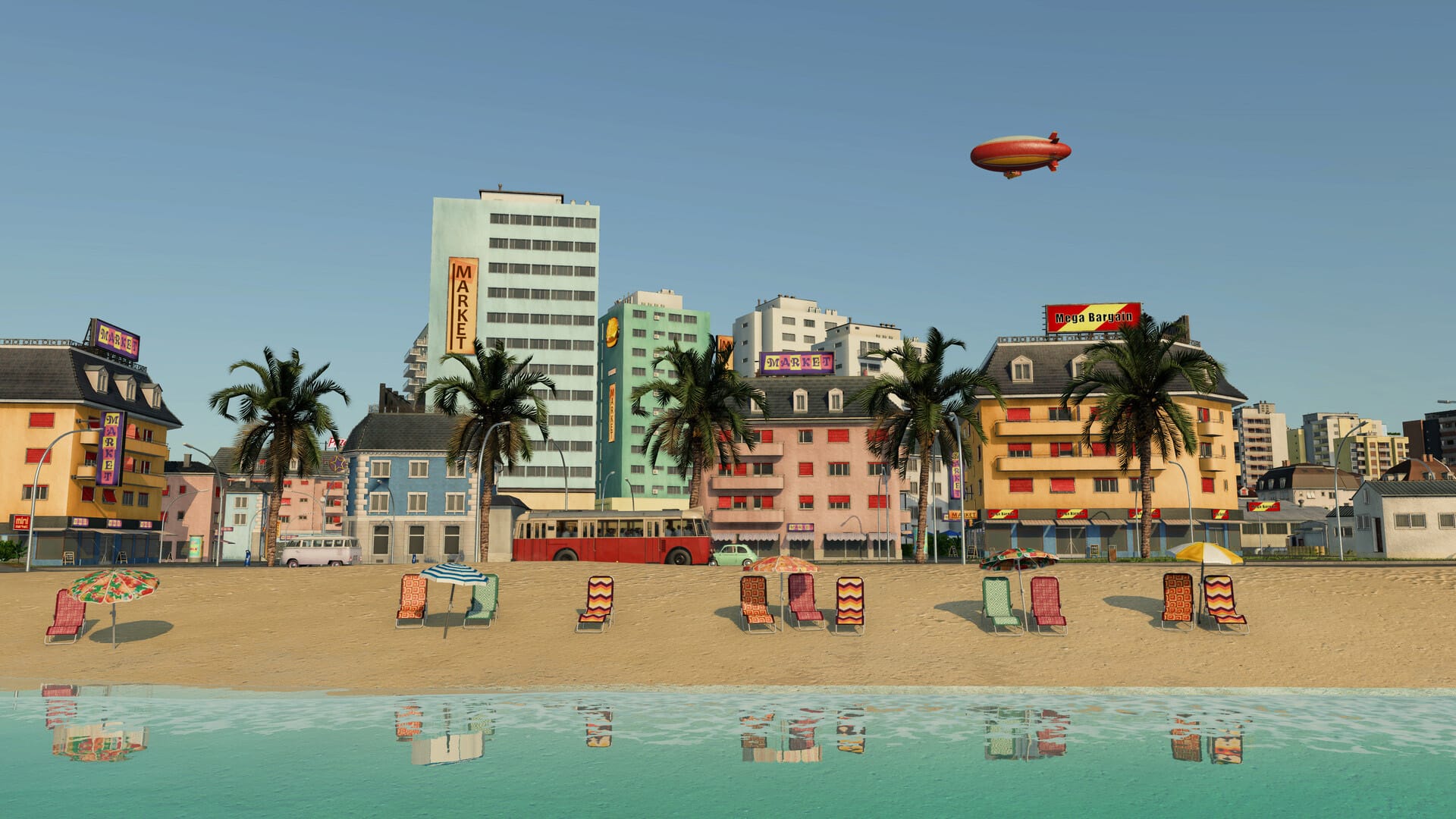
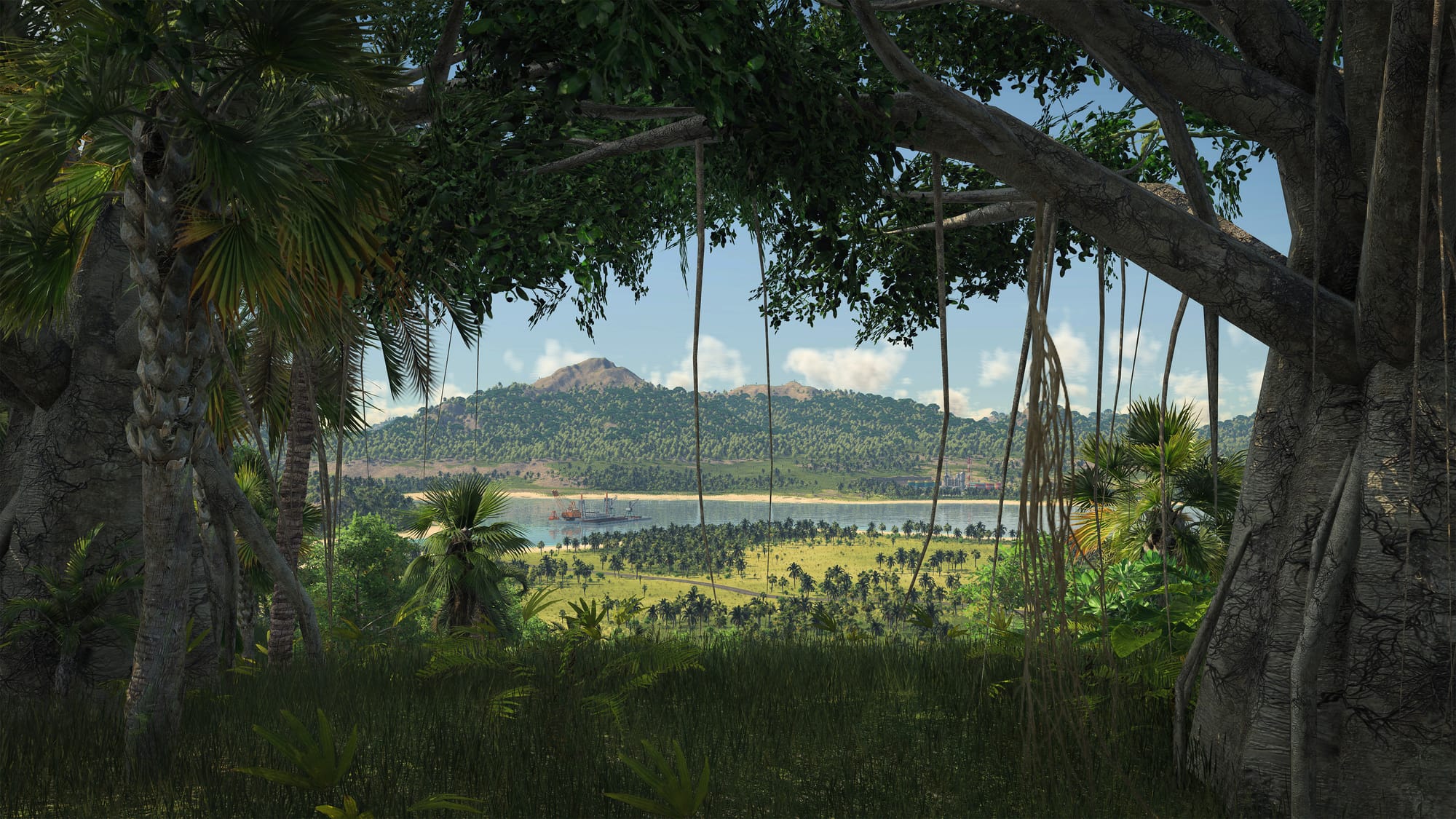
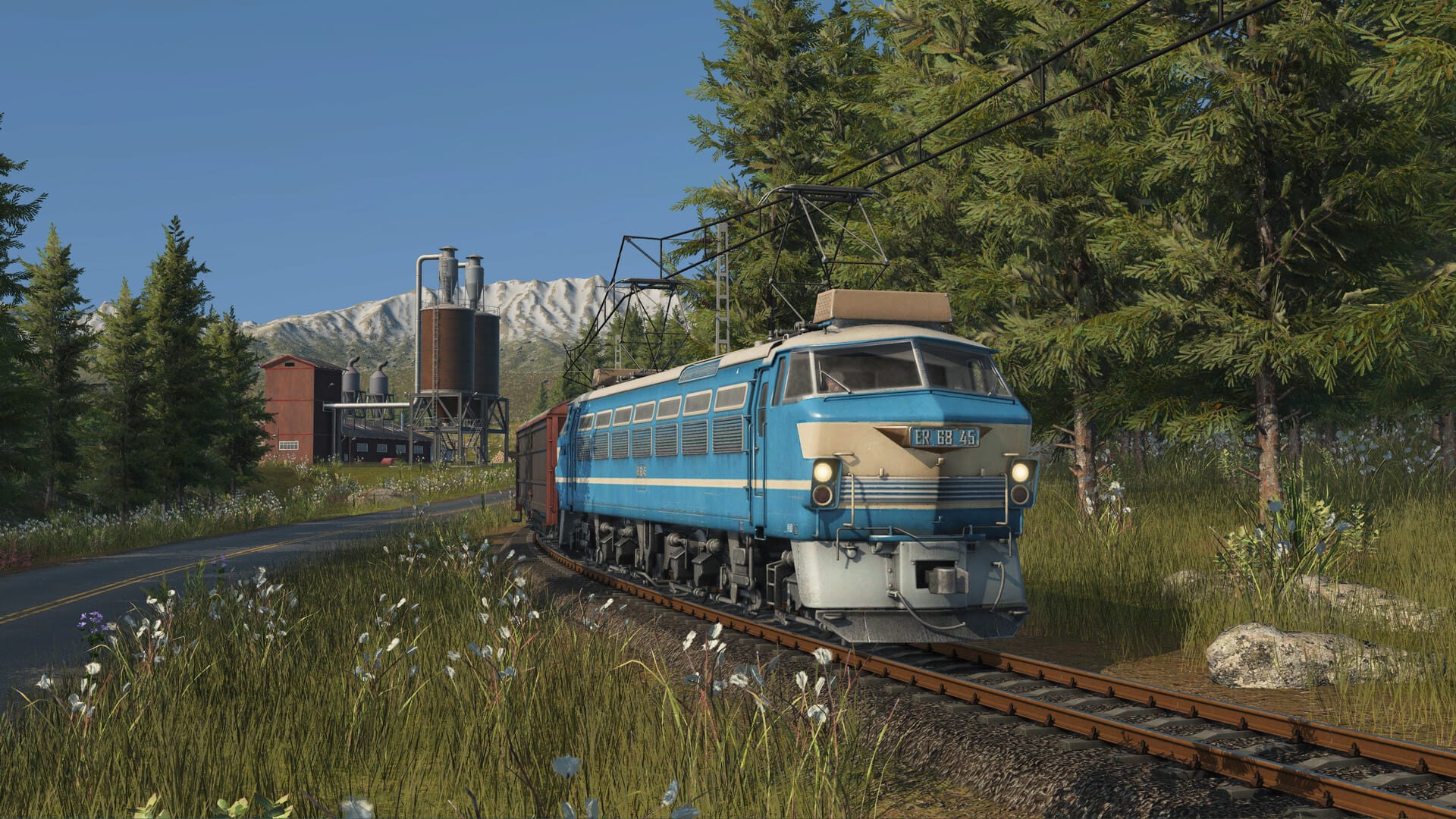
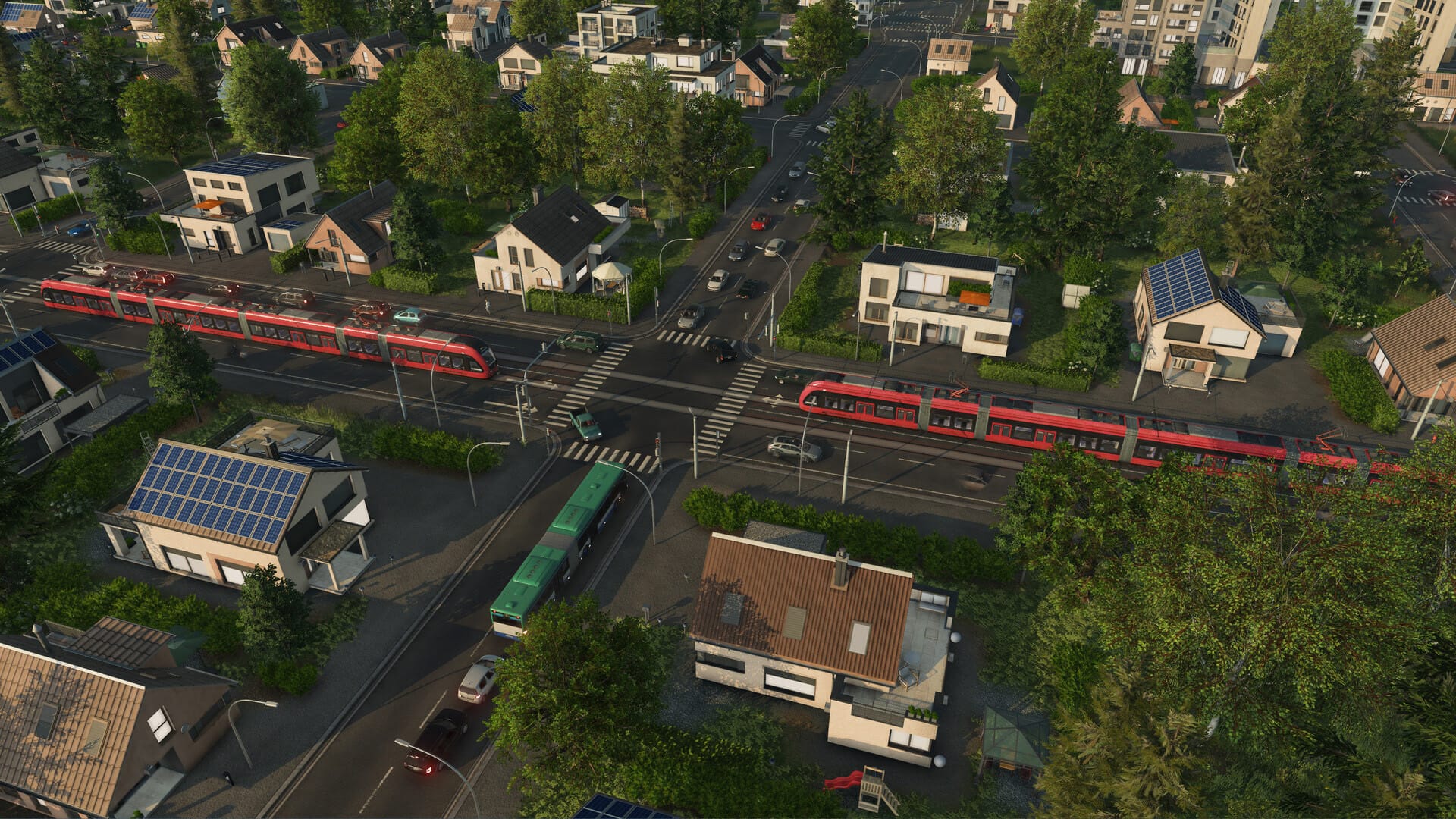
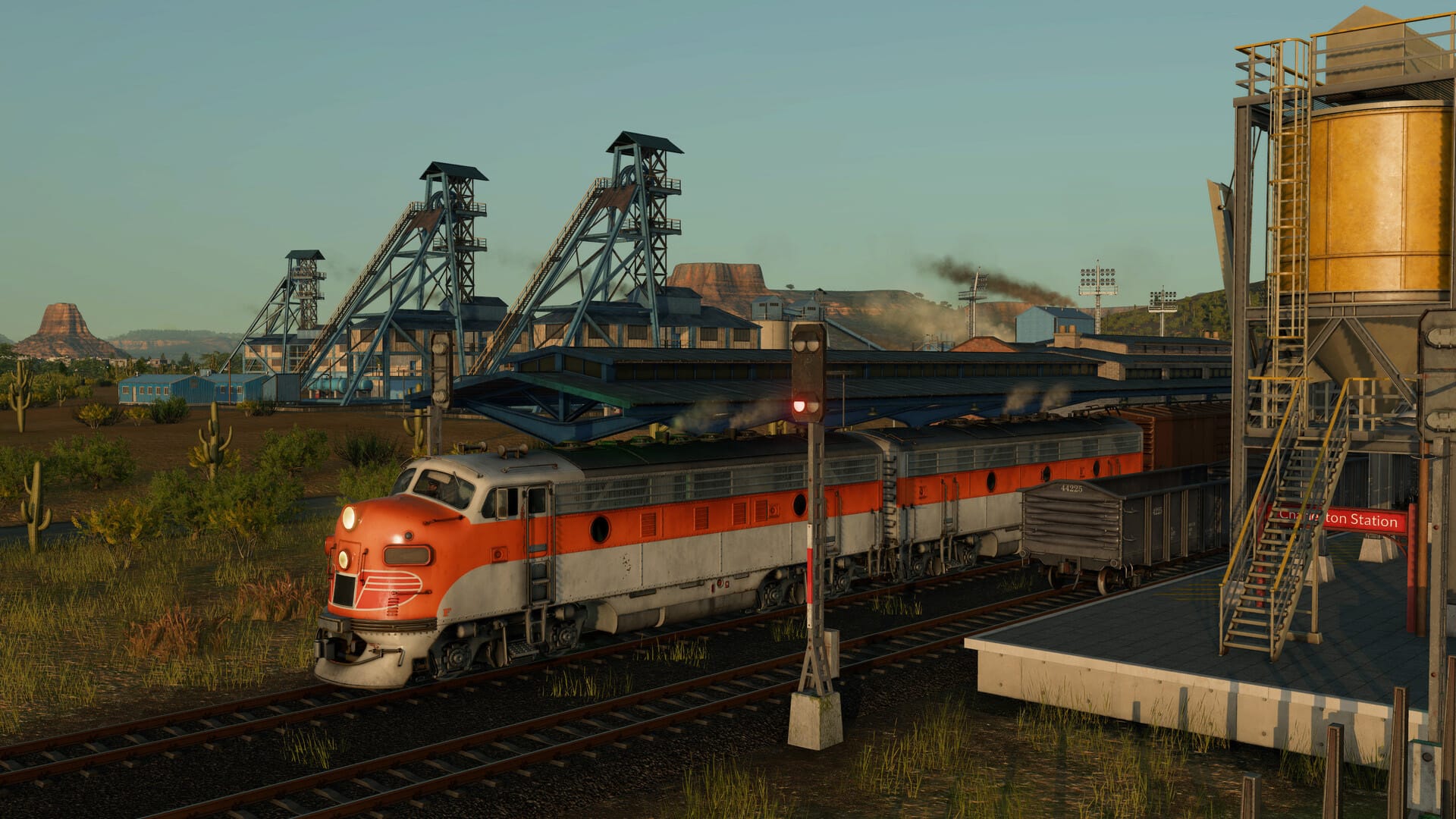
For Urban Games, Transport Fever 3 is "the next major leap for the genre". With over 275 models, the game boasts the largest vehicle roster in the franchise's history. These range from historical classics to modern high-tech giants. For the first time, the game will feature helicopters and cargo trams for passenger and cargo transport respectively, while in general, it places greater emphasis on tycoon gameplay and the economic principles on which it is based.
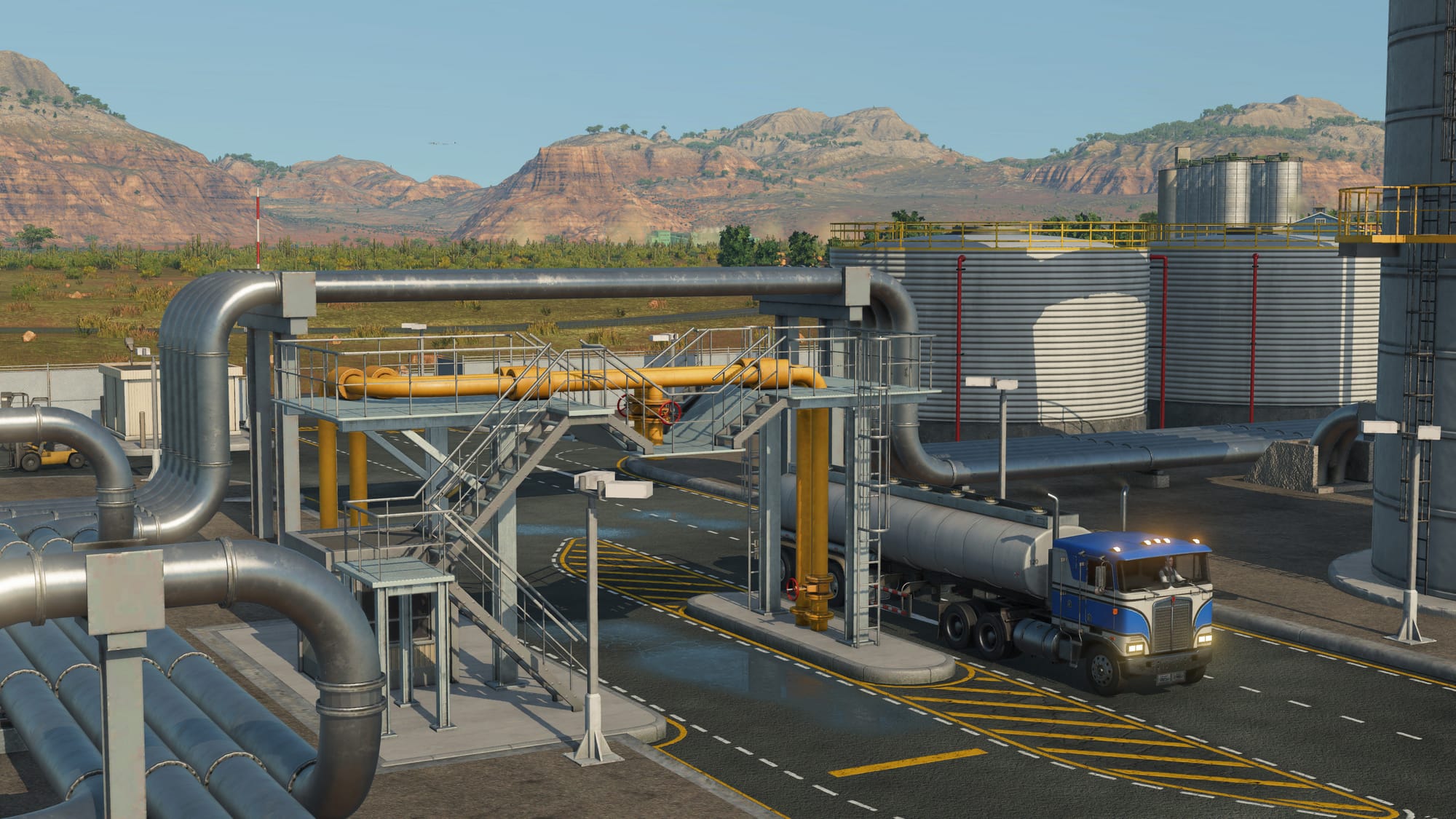
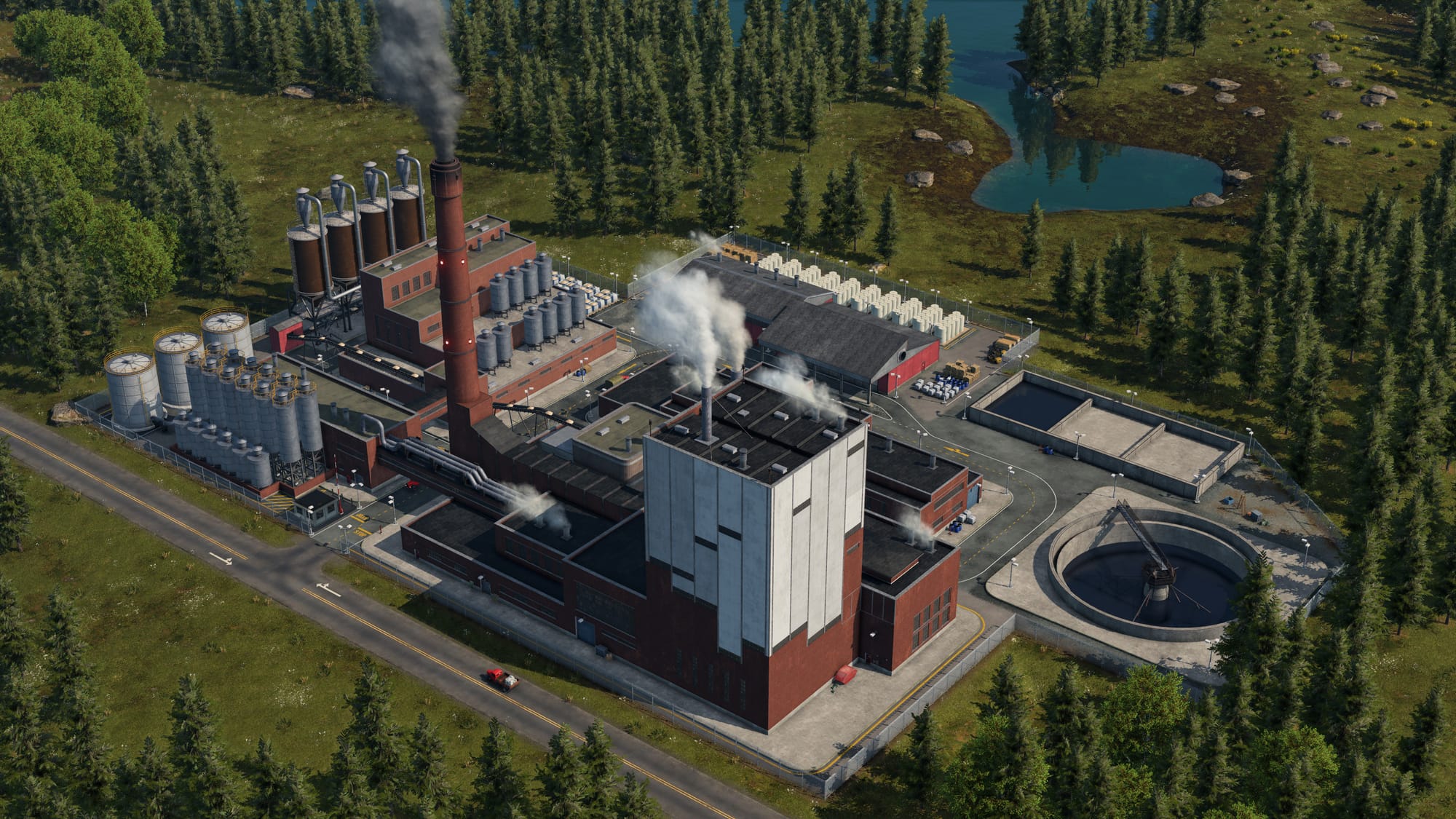
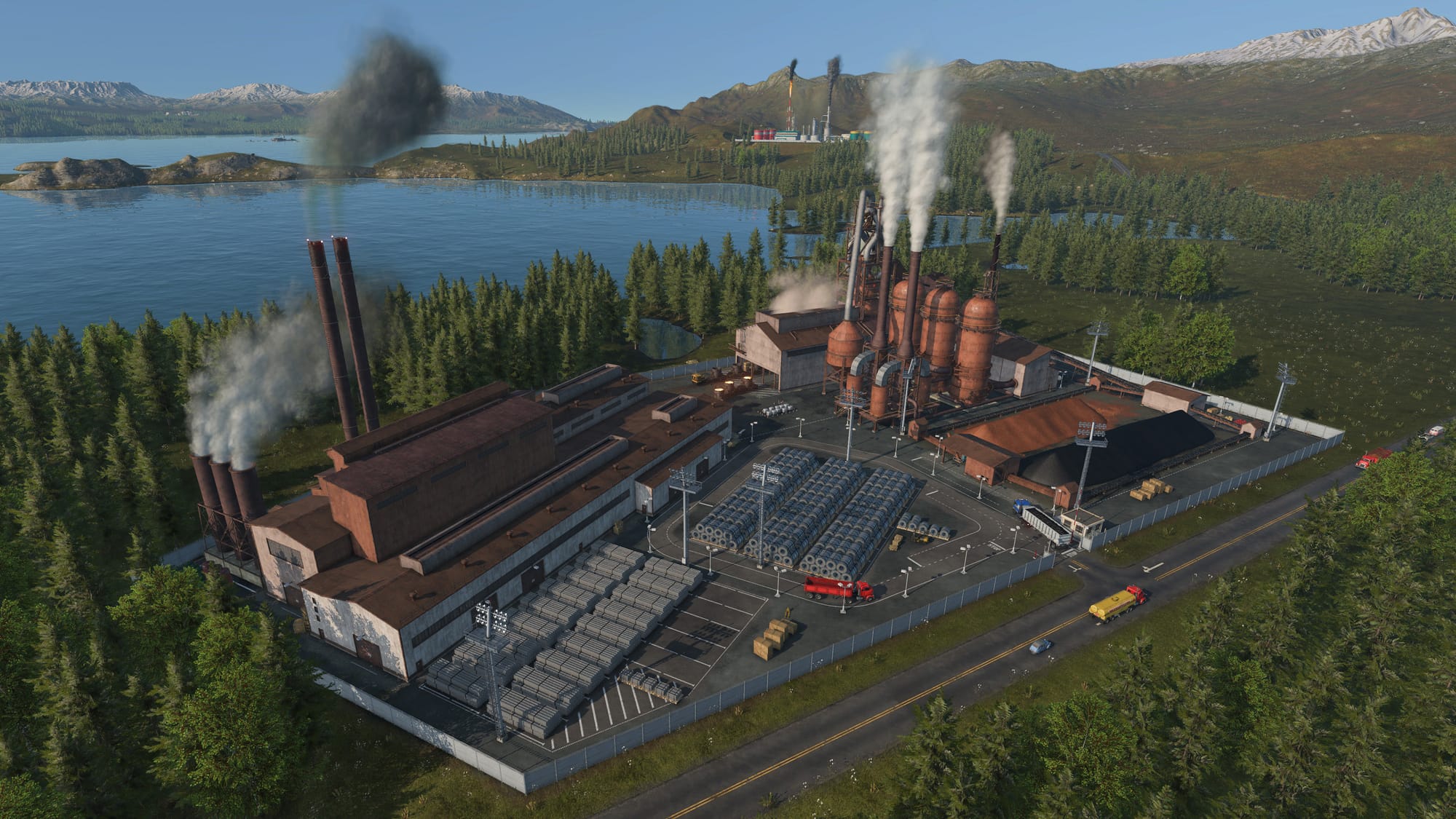
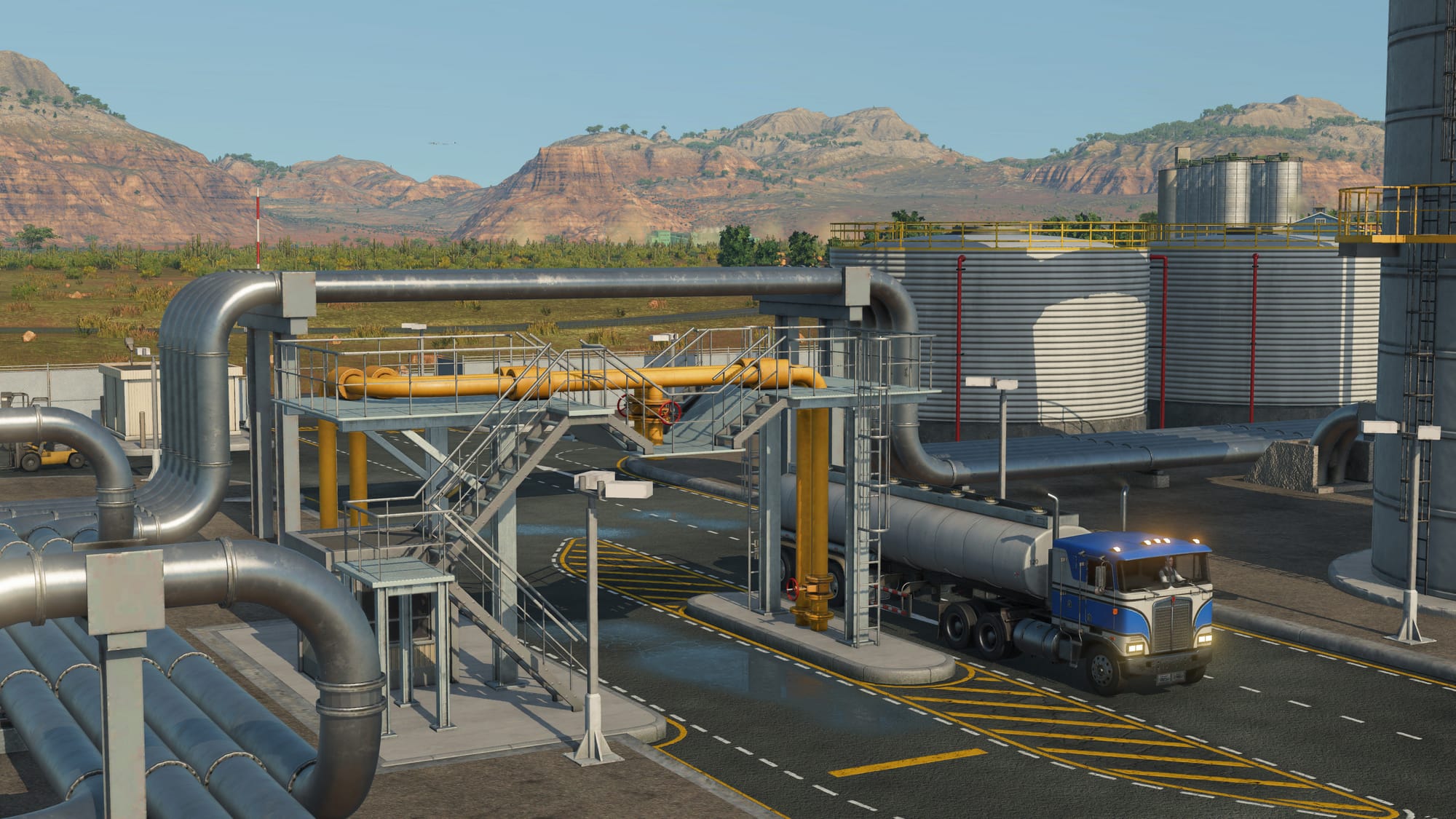
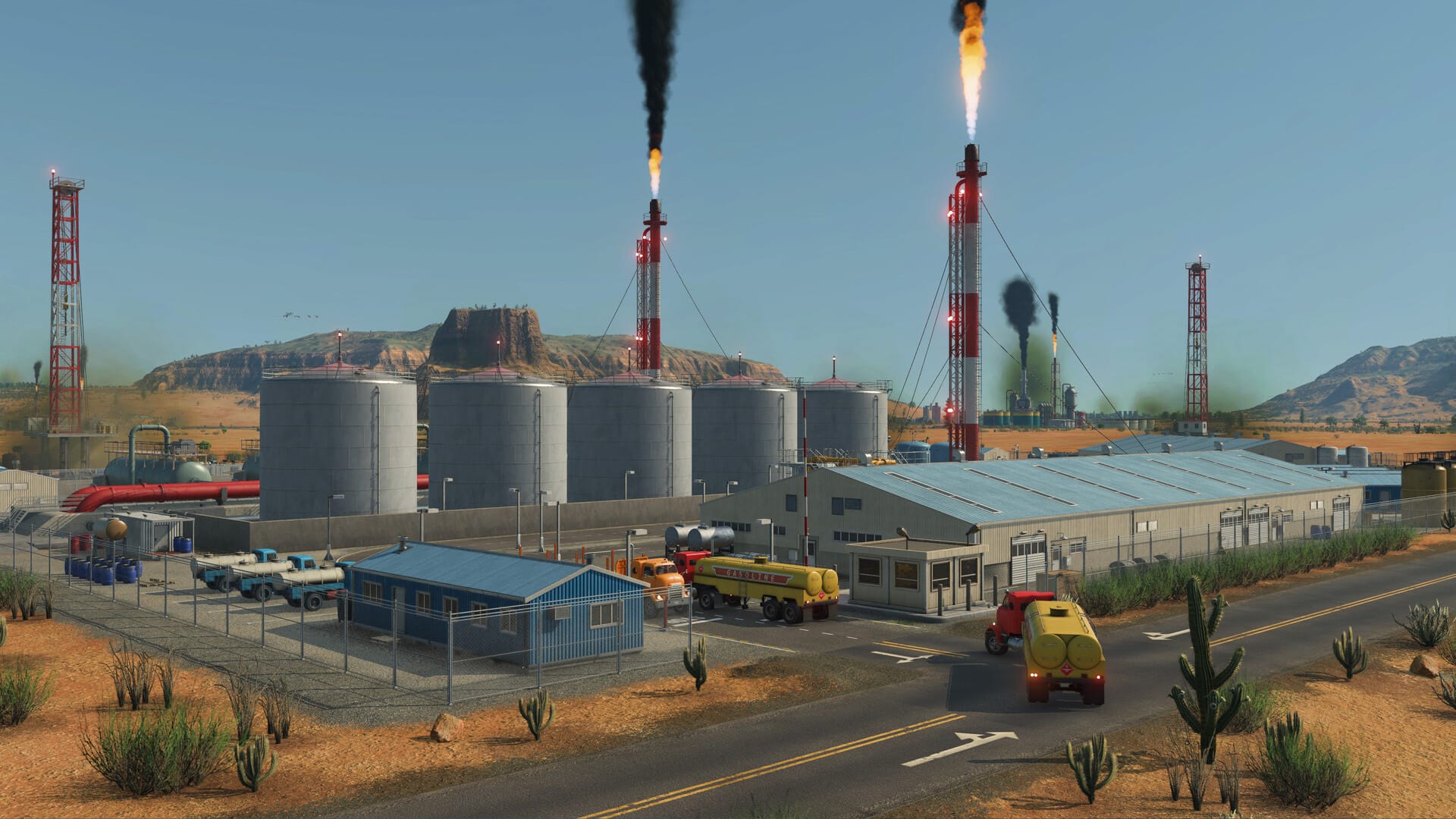
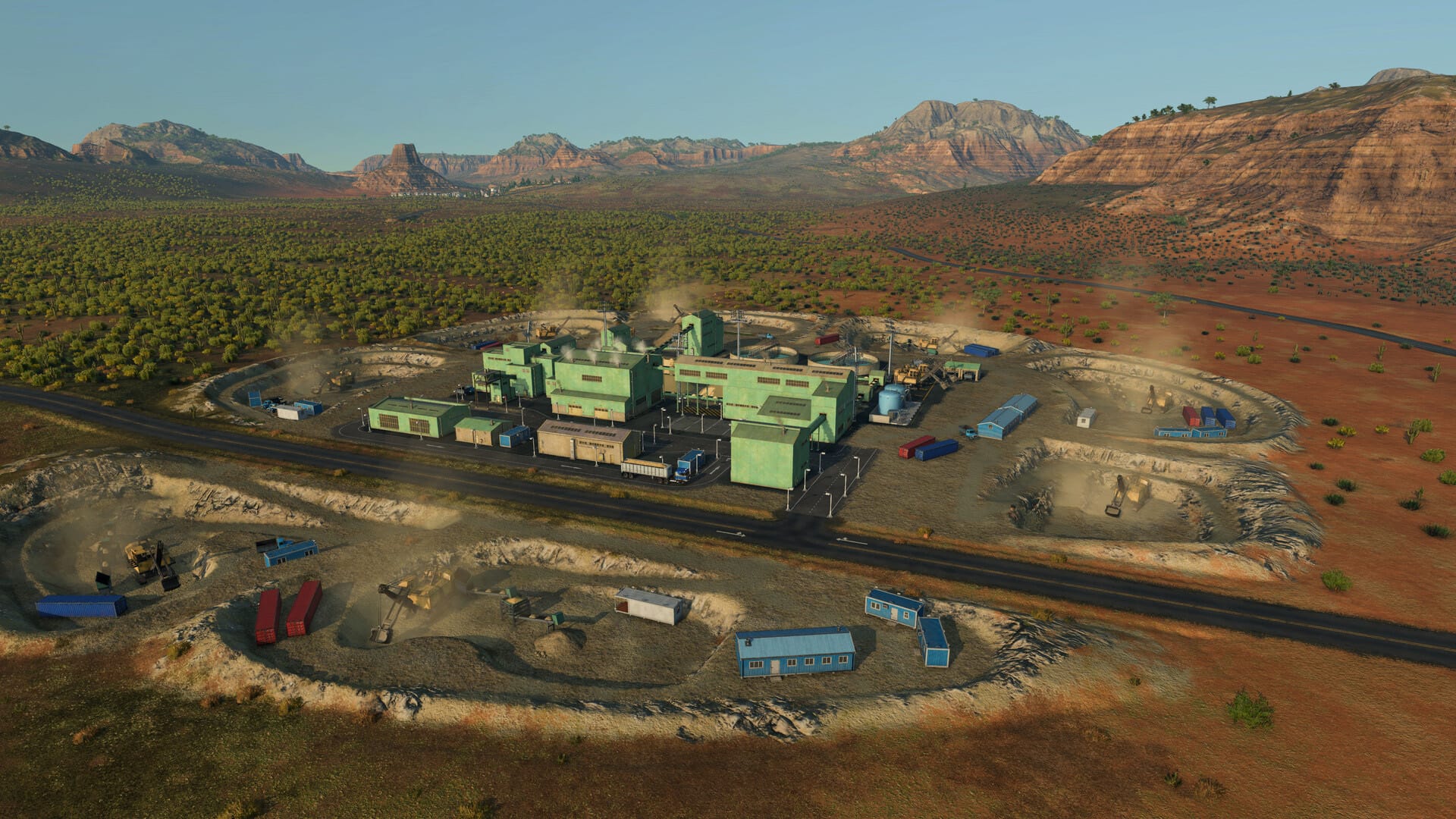
The industrial system has been completely overhauled to make it more dynamic. As cities develop, their production chains must be adapted to meet their evolving needs, creating a more multi-layered system. With 32 different industry types — twice as many as in Transport Fever 2 — and 37 different cargo types, players must build and optimise extensive supply chains. While pre-built stations at industrial sites make it easier to get started, careful long-term planning is required. Factories also provide clearer visual feedback on capacities and bottlenecks. Detailed statistics are still available for those who want to delve deeper.
Unlike its predecessors, Transport Fever 3 puts players in control of every step of the supply chain. Specific cargoes can be assigned to individual sections, and warehouses can be used for temporary storage and transhipment. Combined with new features such as station specialisation and warehouses, as well as improvements to elements like highway construction, these additions open up new possibilities for planning and gameplay. The entire technical foundation has been rebuilt, too. Game lighting has been drastically improved, with countless detail enhancements made - including the addition of a day-night cycle. All these new features will be fully accessible to modders, enabling the community to expand the range of available vehicles after the game's release. Transport Fever 3 is scheduled for release in 2026, simultaneously on PC, PlayStation 5, and Xbox Series X|S.
Marcel Kleffmann is Chief of Content of GamesMarket and our B2B and B2C expert for hardware, market data, products and launch numbers with more than two decades of editorial experience.
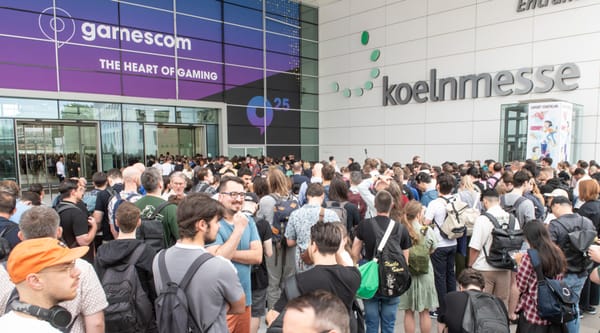
The south entrance of gamescom | Picture: Koelnmesse, Thomas Klerx
Bavaria's Minister for Digital Affairs, Fabian Mehring, delivered the keynote speech at the first GG Bavaria Business Day 2025. | Picture: Alexander Hartung for Games/Bavaria
Johannes and Simone Grünwald are Slime King Games. Their game Under the Island is an homage to classic titles like Alundra, Terranigma and Zelda (Slime King Games)