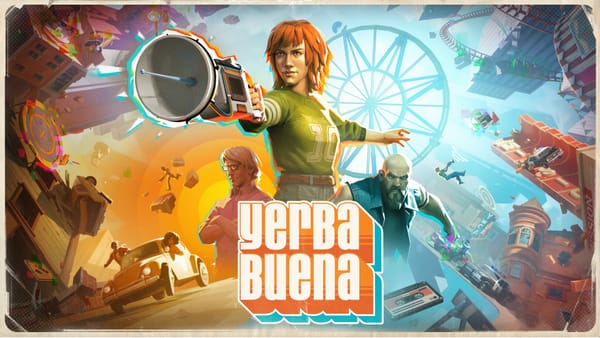
Not only is Yerba Buena the settlement from which the modern city of San Francisco grew, it is also the name of a creative first-person puzzle-platformer from Berlin-based Mad About Pandas and Focus Entertainment. The game features a unique copy-and-paste mechanic for manipulating the game world.
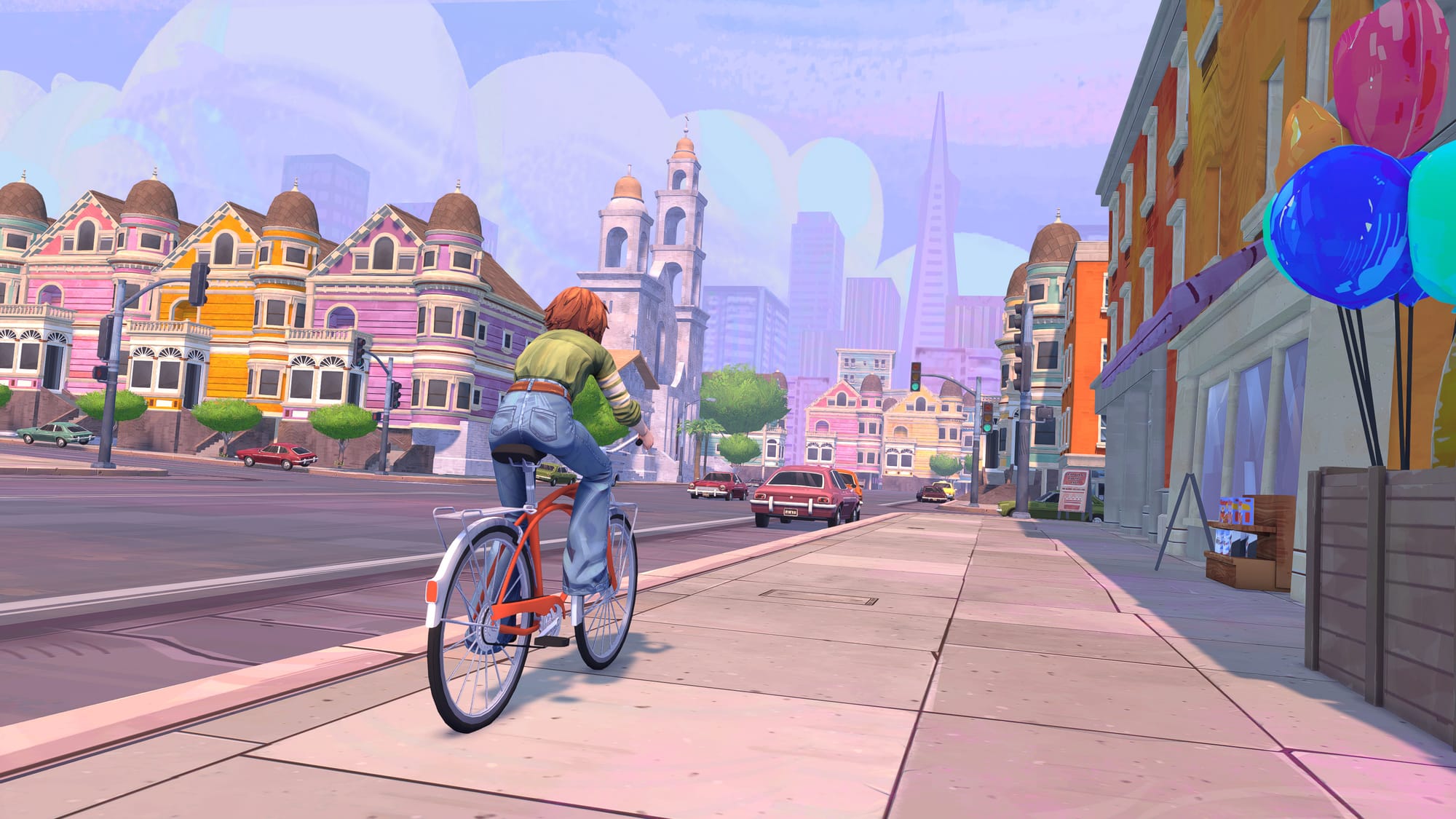
In Yerba Buena, the protagonist, Barb, exists as a non-player character (NPC) within an abandoned, unfinished video game that is a surreal, psychedelic interpretation of 1970s San Francisco. When a destructive software glitch threatens the game world, Barb breaks free from her role (hello, Free Guy) to join forces with allies and save her city, all the while unravelling the secrets behind a sinister biker gang with superpowers. The story turns out to be more intricate than the initial premise suggests, with plenty of room for humour and absurd ideas, but it takes a while to get going.
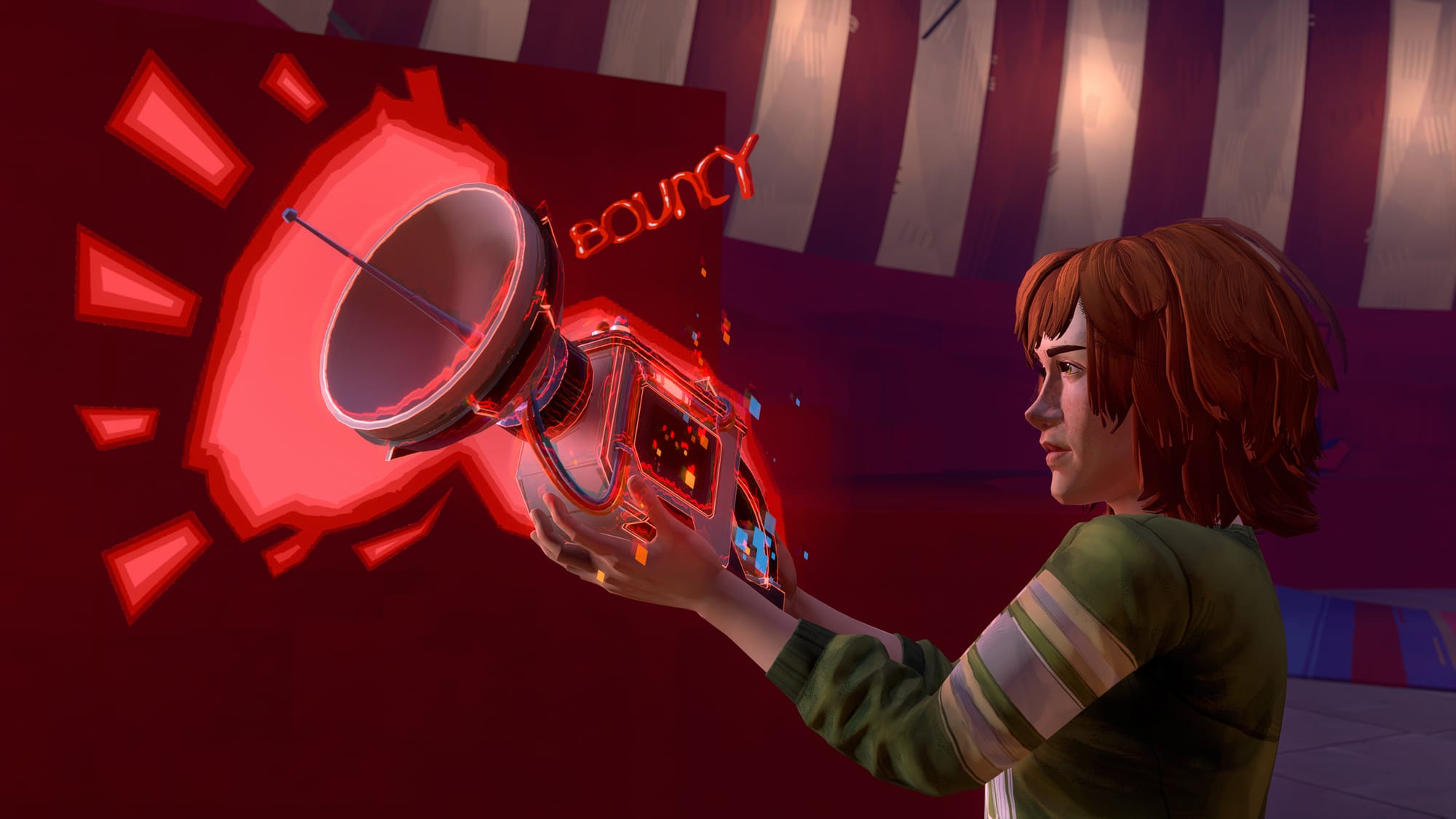
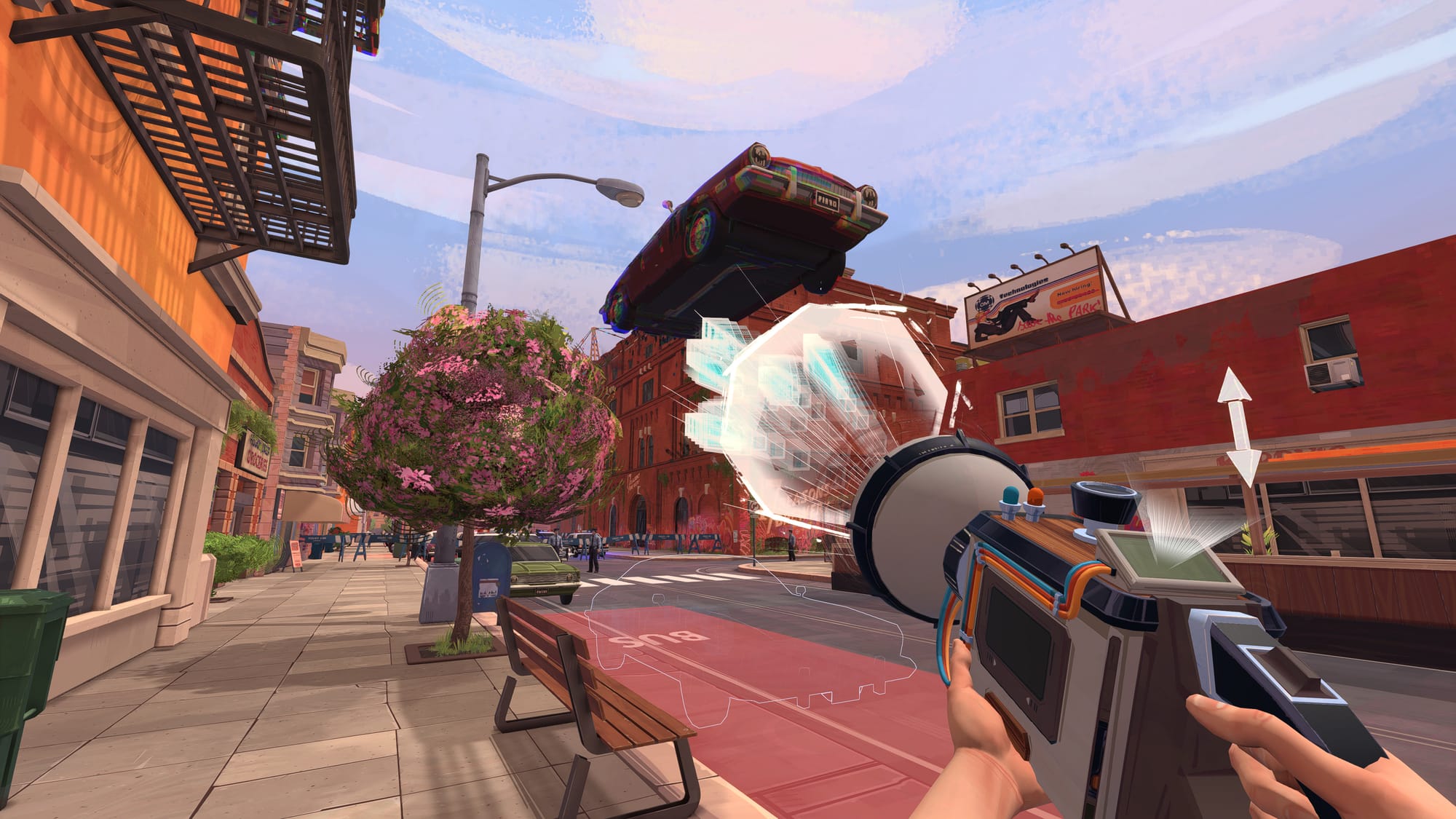
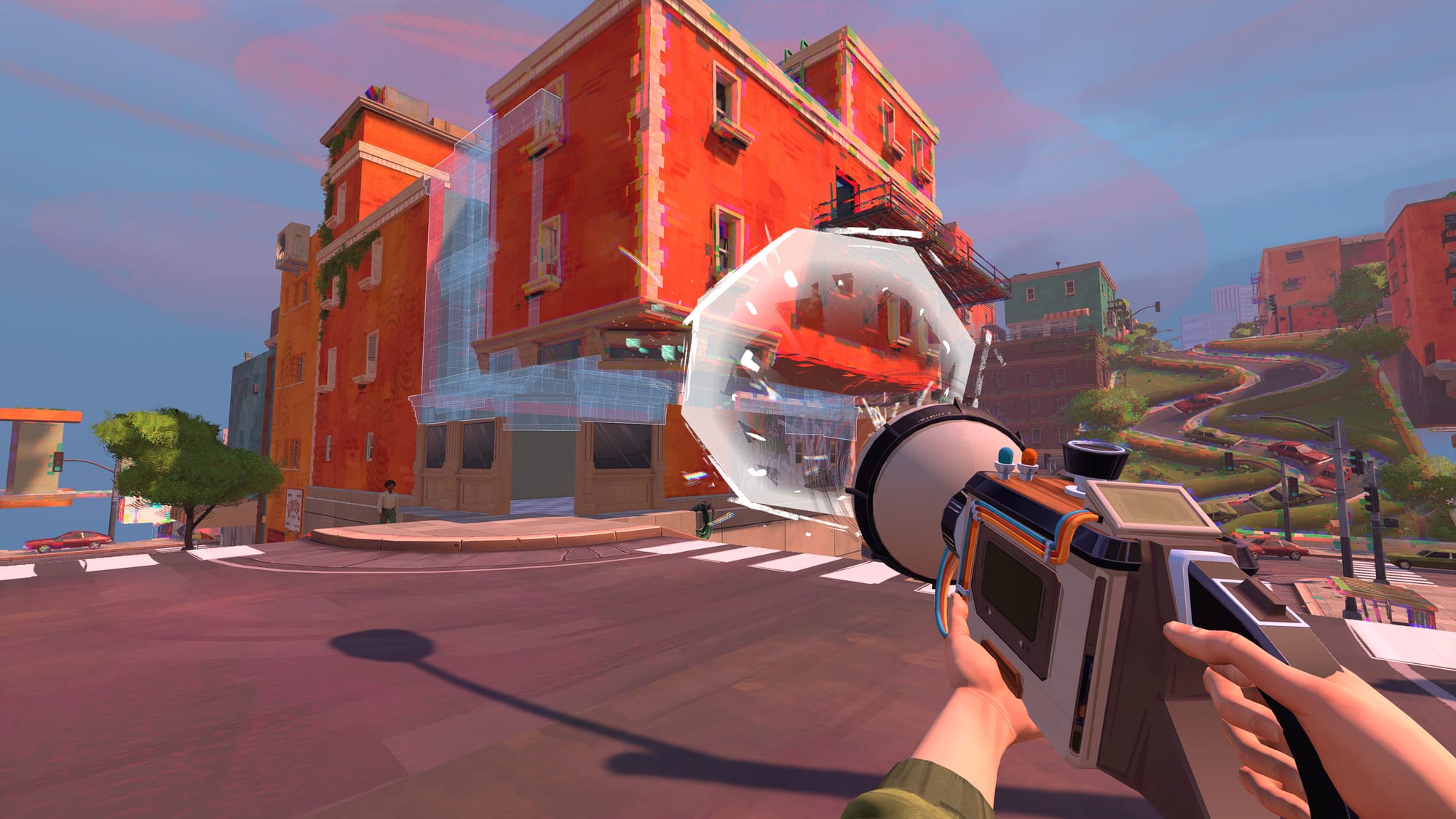
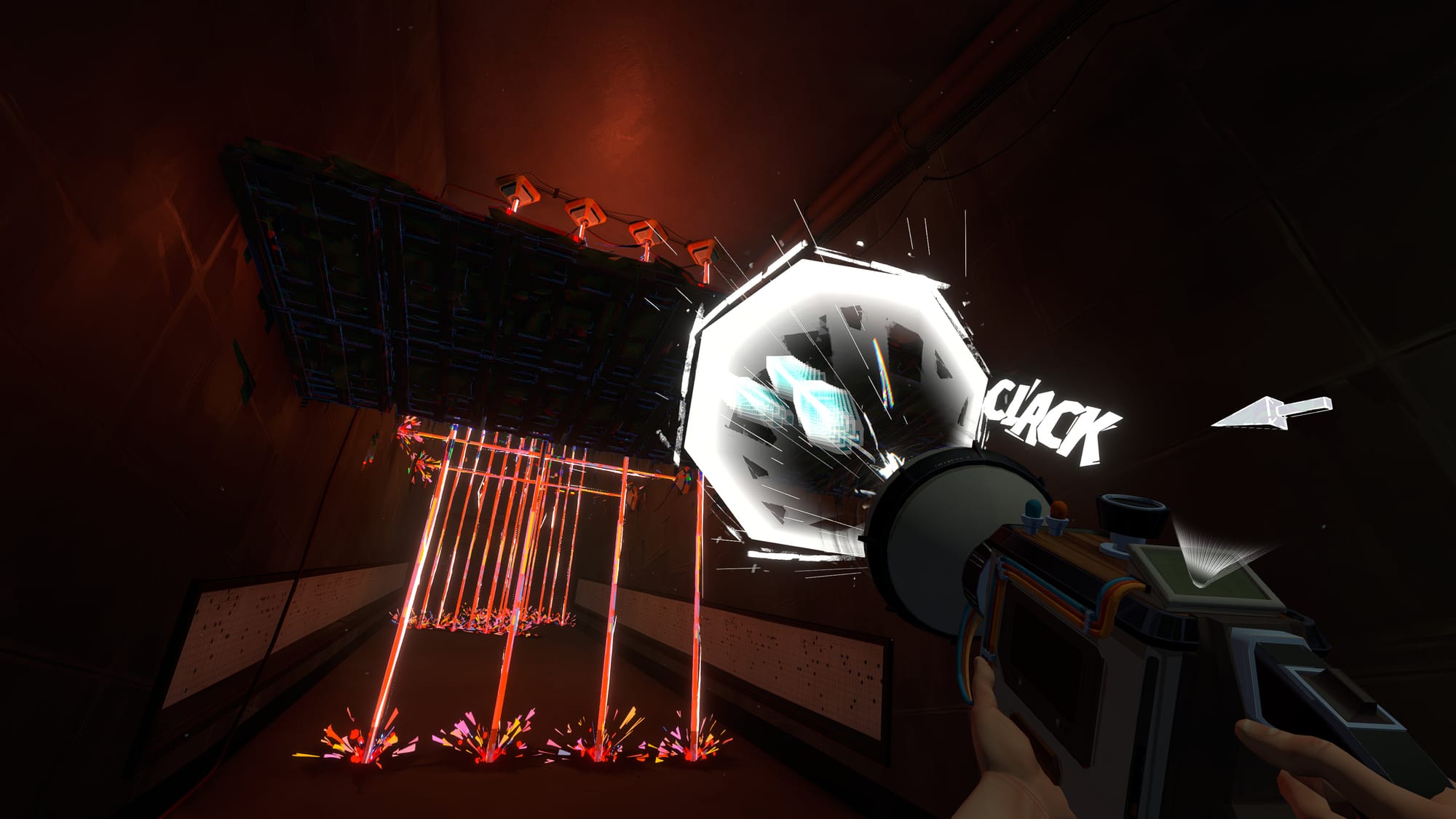
This first-person puzzle platformer, which takes about ten hours to complete and is most comparable to Portal or ChromaGun 2: Dye Hard, centres on the oscillator. This physics manipulation tool allows players to scan the physical properties and motion vectors of objects and transfer them to other objects. While this concept is explained simply and immediately in Portal, in Yerba Buena it is not quite so intuitive, but very creative. Players must manipulate the environment around them to solve puzzles and reach the next stage.
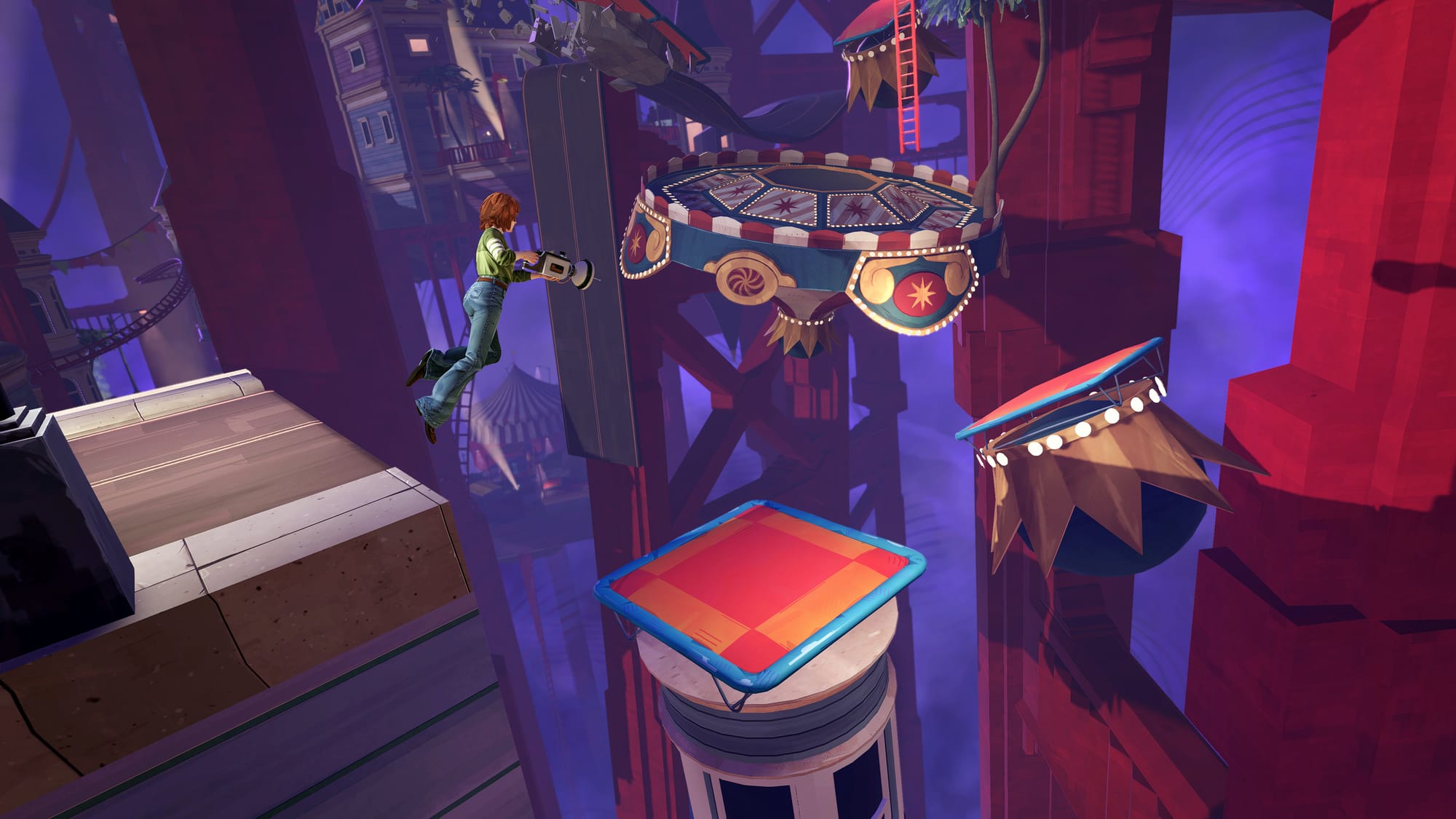
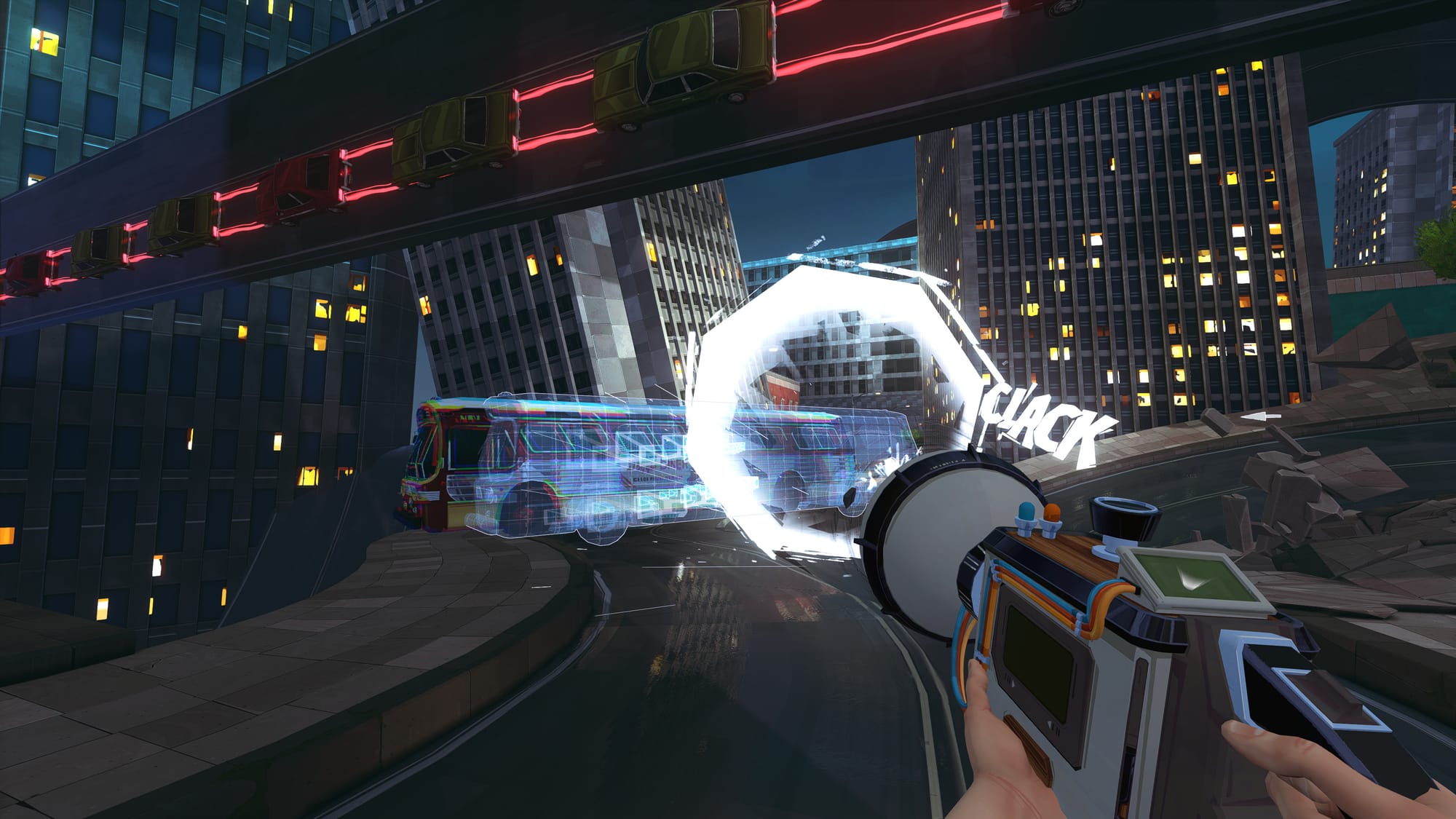
The game essentially involves copying and pasting properties from one object to another (and sometimes combining these properties under time pressure). For example, players can copy a car's left-to-right movement and apply it to a housing block to make it cross the street. They can also copy a trampoline's bounce and apply it to concrete to make it bouncy or capture escaping gas from a broken pipe to turn solid walls into thin air. Properties can even be stacked on top of one another. While this may initially seem simple, it gains more depth as new abilities are unlocked. As the story progresses, players unlock new oscillator functions that can be combined to solve more complex environmental puzzles. The built-in scanner helps identify and select objects in the level to move forward — objects marked in orange are a source and those marked in blue are a possible target. Incidentally, there are no other tools in the game — just the oscillator. Puzzles can have more than one solution.
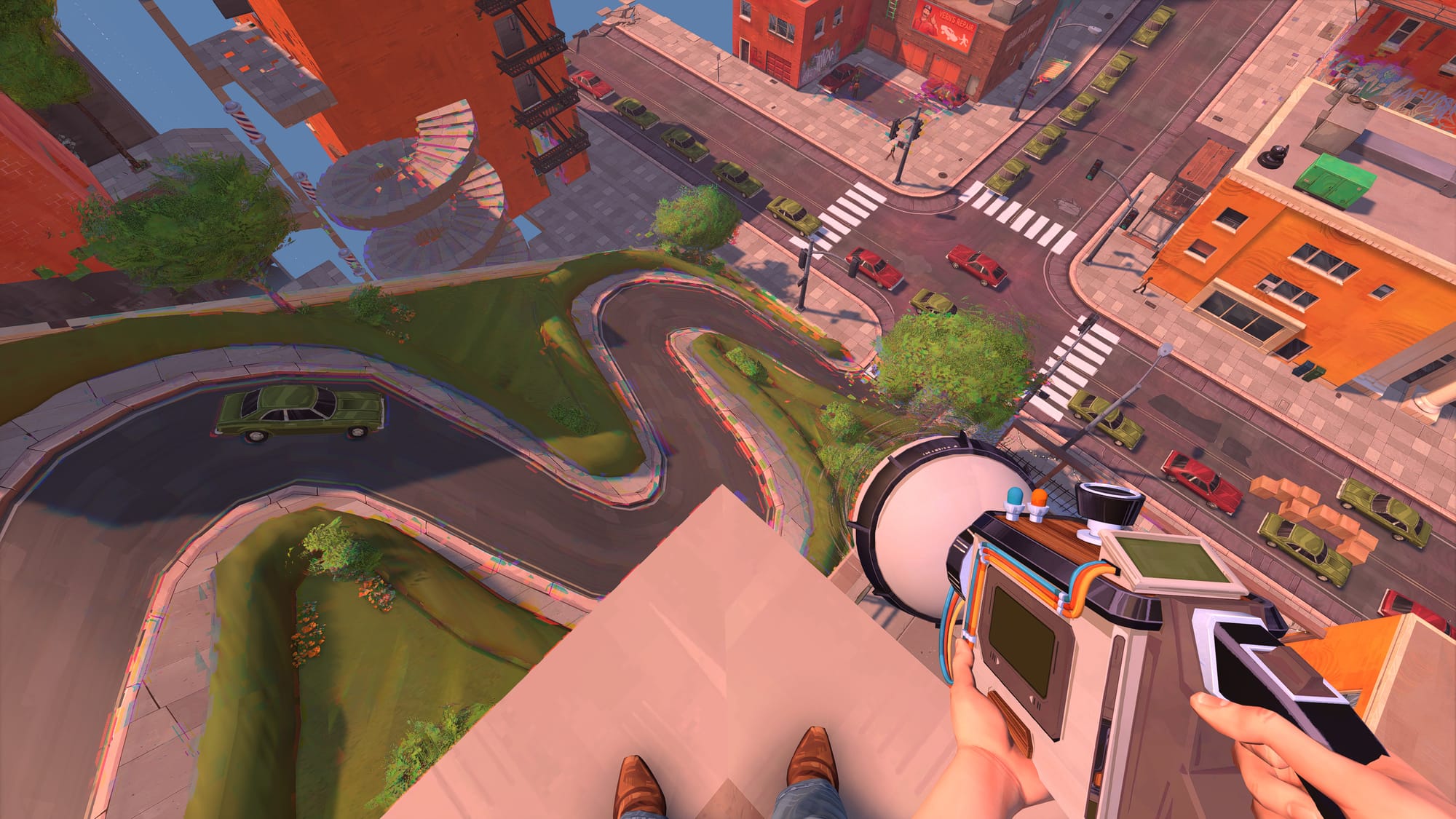
The game's special appeal stems from its charming, colourful art style, even if the animations are occasionally choppy and the world seems static, and its thoroughly likeable characters. However, the highlight is the creative 'copy-and-paste' puzzle mechanics, which may seem lacklustre at first, but become quite challenging around the midpoint, as multiple traits and movements can be transferred to a single object. Unfortunately, the difficulty level is uneven — it starts out too easily and then suddenly becomes much harder. There is also no built-in hint system. Incidentally: Precise platforming isn't necessary in this game, as it focuses primarily on puzzles and story.
Yerba Buena was developed by Mad About Pandas, an independent game studio founded in Berlin in 2005 by Patrick Rau. Originally operating under the name kunst-stoff, the studio created innovative games and interactive installations while working on commissioned projects for clients such as the Goethe Institute and Disney. After spending several years developing handheld and mobile titles such as The Great Jitters: Pudding Panic, Forever Forest, Truck Simulation 16, Laika and Galaxy Racers (published by Ubisoft), the studio shifted its focus towards AA games for PC and consoles. This transition was marked by the release of the narrative-driven adventure game Hitchhiker – A Mystery Game in 2021. Overall, their 10 games have amassed more than 3,250,000 players. Yerba Buena was supported by the German Federal Games Funding totalling €1,649,471. In 2023, Mad About Pandas announced a partnership with French publisher Focus Entertainment for Yerba Buena.
Yerba Buena was released on 26 May 2026 for PC, PlayStation 5 and Xbox Series X|S, priced at €24.99.
Conclusion
Yerba Buena is a creative puzzle-platformer with a compelling core concept, but it struggles with some design and pacing issues.
Marcel Kleffmann is Chief of Content of GamesMarket and our B2B and B2C expert for hardware, market data, products and launch numbers with more than two decades of editorial experience. (marcelDOTkleffmannATgamesmarktDOTde)