Under the Hood: Ubisoft's Anvil Engine in Assassin's Creed Shadows
Ubisoft's Anvil Engine is a powerful, proprietary solution that brought Assassin's Creed Shadows to life. We talked to Nicolas Lopez, the Anvil Engine's Lead Technical Architect, about its strengths, scalability, ray tracing, the challenges of path tracing and shader stutter.
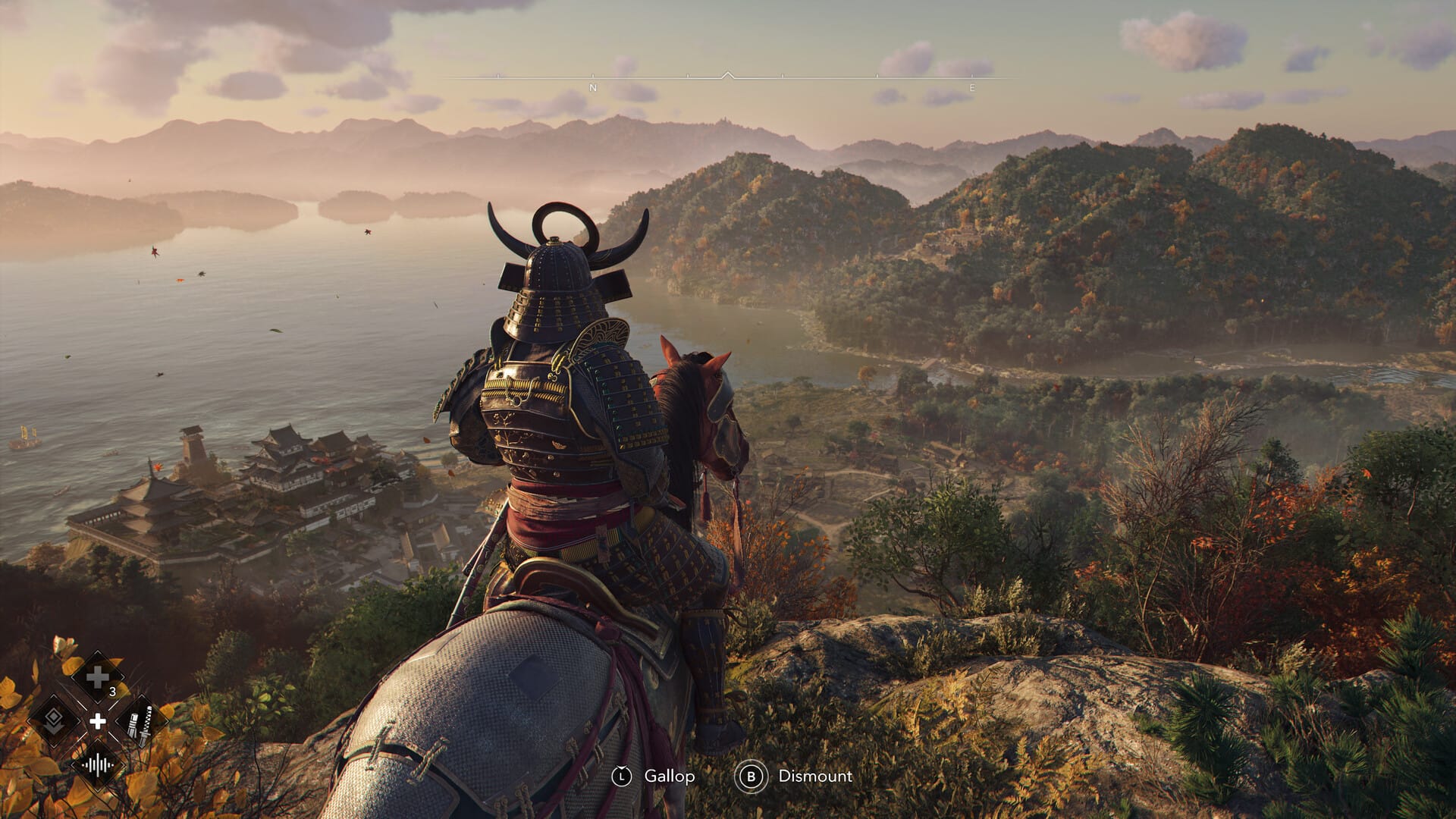
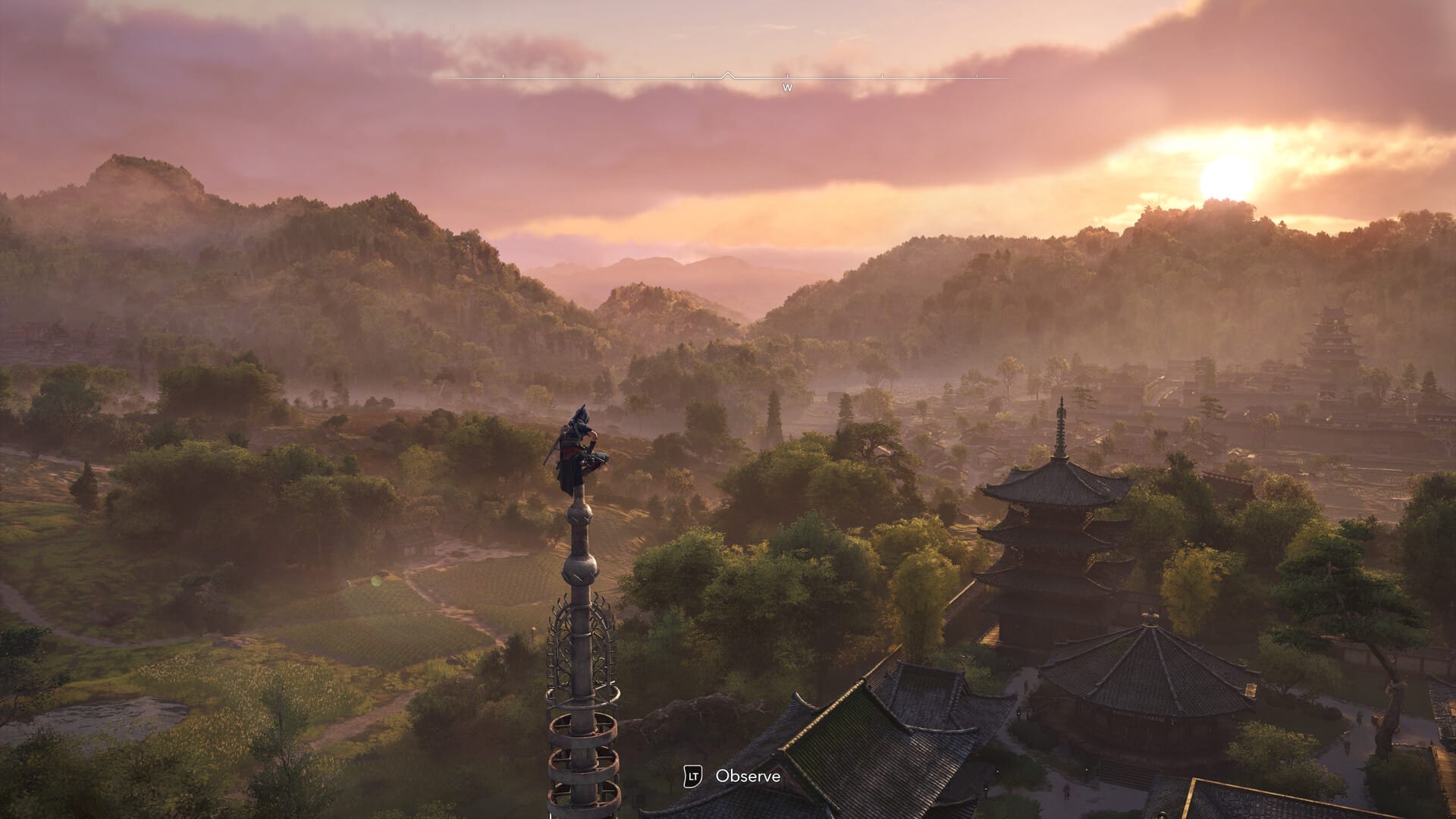
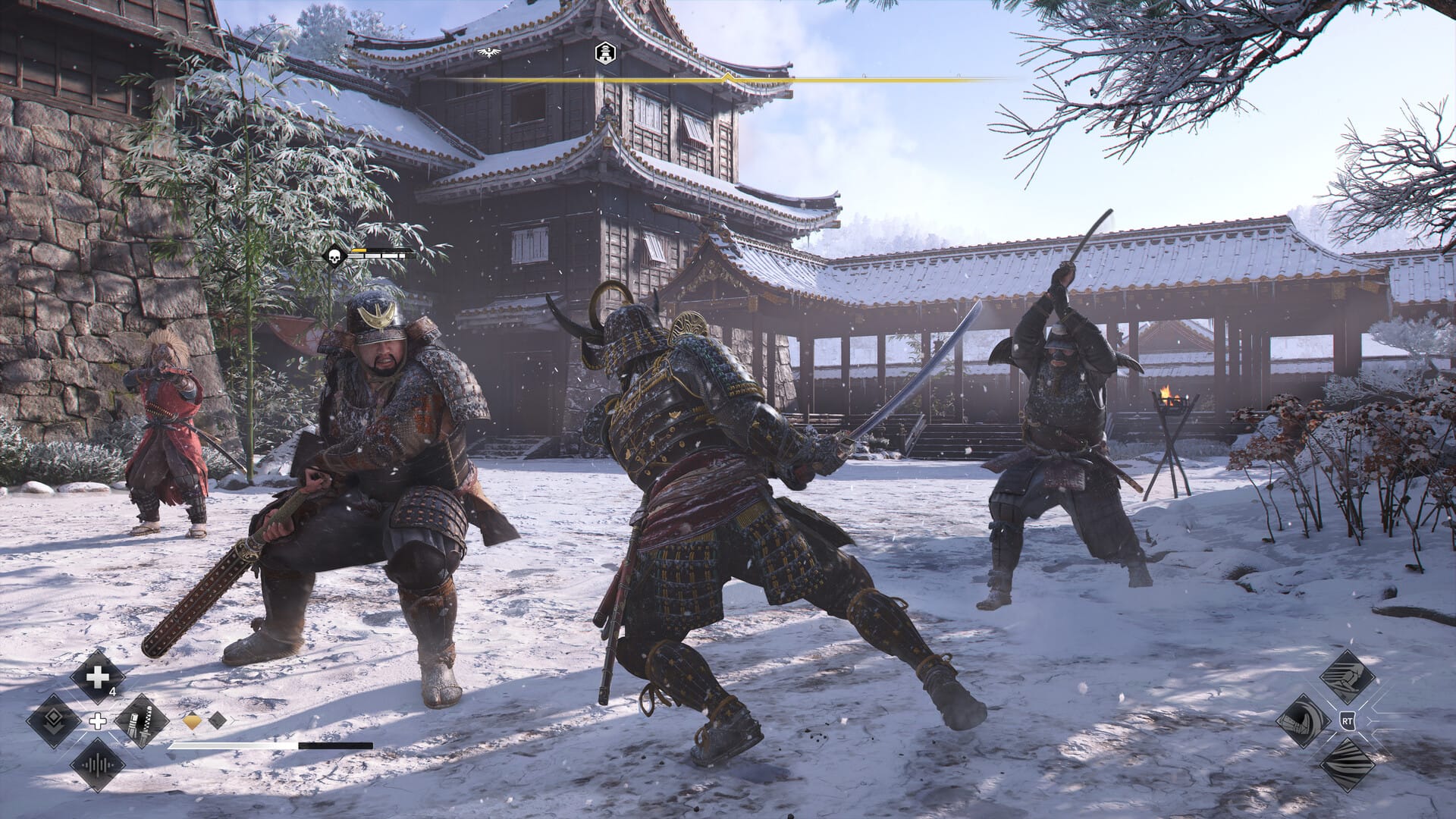
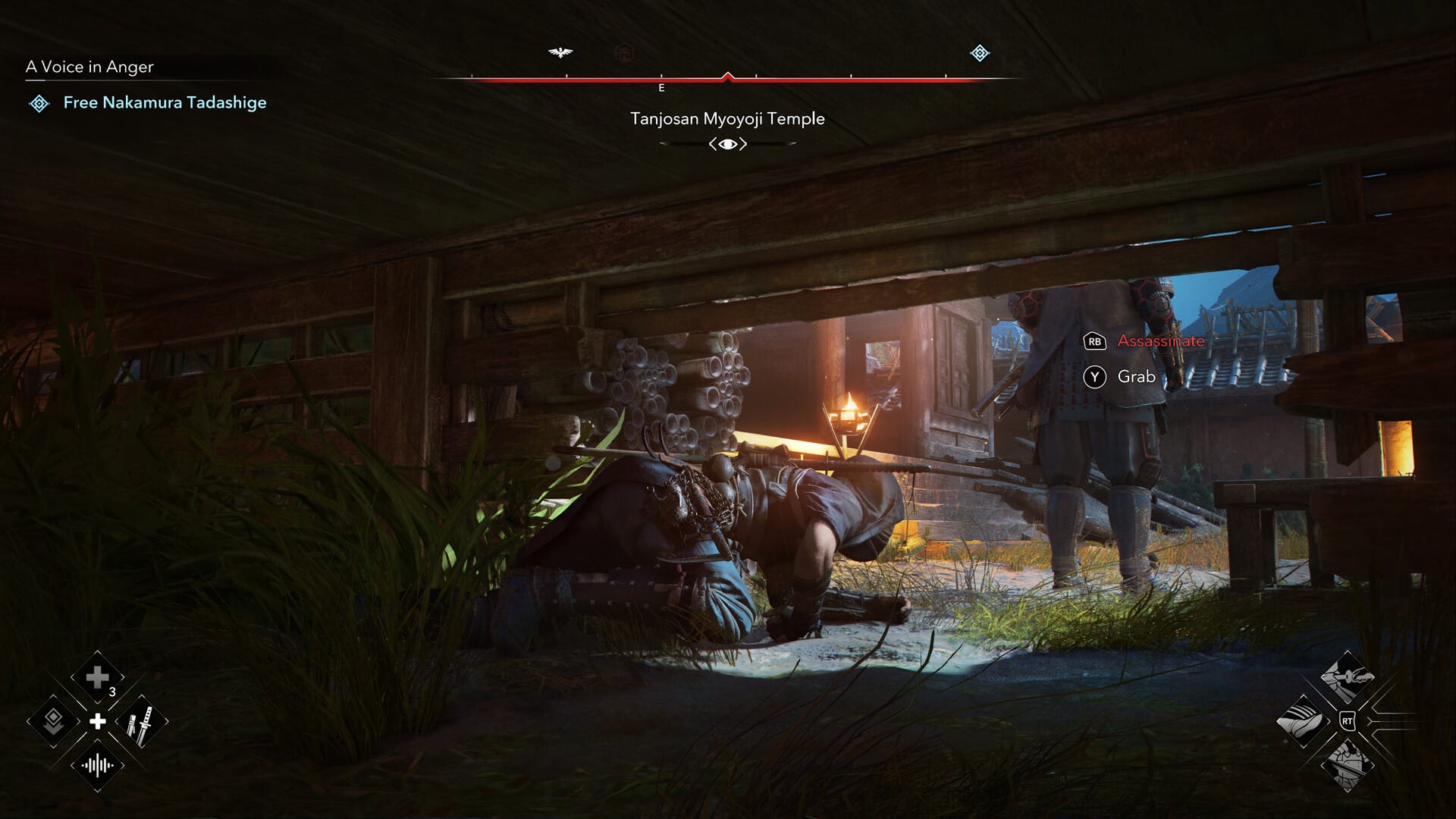
There's no doubt that Assassin’s Creed Shadows, released last year, is one of the most visually stunning and technically impressive games of this generation. This is particularly evident in the dynamism of its game world, which features weather systems, ray-traced global illumination and a scalable world that can be enjoyed on both high-end PCs and the Switch 2. The game is based on the in-house Anvil Engine, which the French publisher continues to evolve. We spoke to Nicolas Lopez, the Anvil Engine's Lead Technical Architect, about its strengths, the use of ray tracing, the challenges for full real-time path tracing, and scalability. He also provided more information on shader pre-compilation and shader stutter during gameplay, as well as their approach to preventing Level of Detail (LoD) popping.
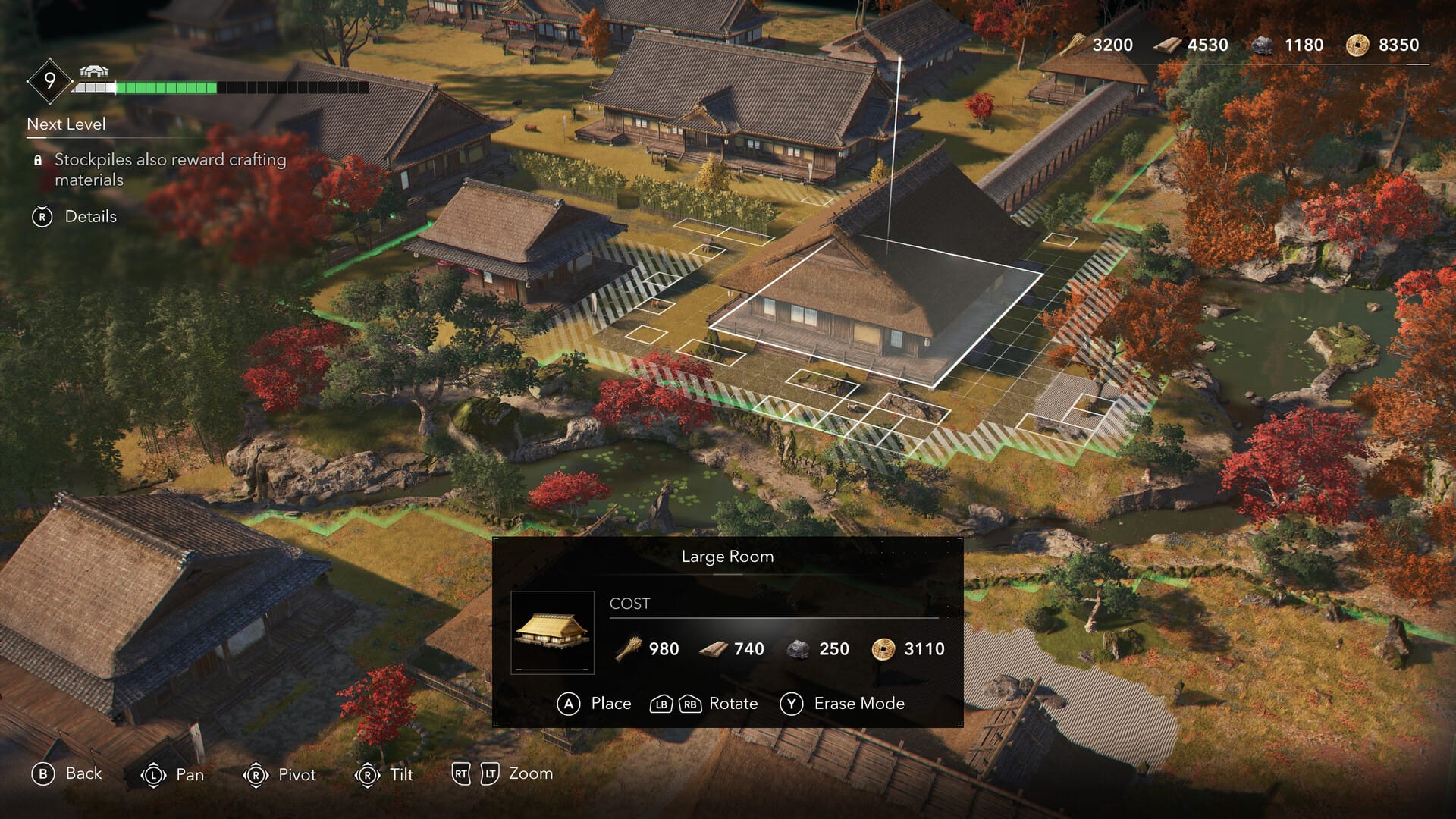
Additionally, Ubisoft has presented four aspects of the engine in greater detail in videos, which are included in this article. These videos highlight the creation of realistic weather, scalable worlds, micropolygon geometry and ray-traced global illumination, among other things.
GamesMarkt: Why is it important for Ubisoft to have one or more proprietary engine solutions that can be used for game projects?
Nicolas Lopez: "The advantage of a proprietary engine is tight integration with the teams. Because we develop both the engine and the games, we can align technology directly with production needs, optimize workflows, and ensure systems are fully leveraged on the production floor."
"As engines grow more complex across the industry, close collaboration between engine and production becomes key to extracting maximum performance and delivering consistent, high-quality results at scale. A good example is Atmos, our weather simulation system. At first, the initial challenge was not capability but controllability. It's a common problem with systemic approaches. Through close collaboration, we introduced more artistic control while preserving systemic richness. Micropolygon is another example. Virtual Geometry represents a paradigm shift; we are asking artists to rethink long-established practices: shifting detail from textures into geometry. Supporting that transition requires tight alignment between technology and content creation. I believe blurring the line between engine development and production can be a powerful catalyst for reaching new technical milestones."
GamesMarkt: How is it decided which engine is used for which project? After all, Ubisoft already has the Anvil, Snowdrop and Empire engines. As far as I know, the Dunia Engine used for Far Cry is no longer in use. There are also external options, such as Unity, Unreal and Godot.
Nicolas Lopez: "Ubisoft has a strong history of investing in proprietary technology. In the past, we maintained a larger number of engines or variations, but as technology matured, we have consolidated our efforts primarily around Anvil and Snowdrop."
"Each engine has its strengths. Anvil, for example, has been continuously developed for Assassin’s Creed and is particularly well suited for large-scale, systemic open worlds. Ultimately, the choice of engine is driven by the needs of each project or brand. Teams evaluate which technology best supports their creative and production goals."
GamesMarkt: Assassin's Creed Shadows marked the first use of ray tracing in the franchise, even on consoles. How important are ray tracing and ray-traced global illumination for making the game world believable and vibrant in relation to the associated hardware requirements?
Nicolas Lopez: "In Assassin's Creed Shadows, ray tracing is a game changer because it allows the game to keep pace with the world's dynamism. In a game with day-night cycles, seasons, dynamic weather, and destructible environments, ray tracing allows light to behave naturally and consistently across every scenario, in a way that matches player expectations of the real world. While we developed workarounds and "tricks" in our static baked GI solution to handle this dynamism, in my opinion Assassin's Creed Shadows truly comes to life with ray tracing! Another important aspect is iteration. With baked lighting, teams often must wait for long bake times to validate changes. Ray tracing removes that constraint, allowing much faster iteration. This directly impacts quality, because artists can experiment more freely, refine lighting, and ultimately achieve better results."
GamesMarkt: How long do you think it will be before full real-time path tracing is possible in games? Some early games already offer this feature to a limited extent.
Nicolas Lopez: "There are still important technical challenges. For example, virtual geometry is not yet widely supported in ray tracing acceleration structures, and alpha-tested geometry, such as vegetation, remains expensive to handle. More fundamentally, moving to full path tracing would require complete parity between the rasterized representation of the world and its ray-traced equivalent. That means no simplifications, no missing elements, ... The ray tracing world, or BVH, must be a perfect representation of the game world."
"A lot of work and research is going on in the industry to get there. Progress has been very quick, and it's now starting to look achievable. Advances in machine learning may also help accelerate this transition, particularly in areas like denoising and sampling. Path tracing is inherently stochastic, and there are interesting parallels with statistical approaches used in machine learning."
GamesMarkt: How important is engine scalability, particularly in light of the Switch 2 version of Assassin's Creed Shadows?
Nicolas Lopez: "Internally, we really treat the Switch 2 as just another platform within our scalability strategy. All our technology is designed to adapt from low-end to high-end hardware, both in terms of features and complexity. To support that, we developed a powerful internal tool called the Platform Manager. It allows Technical Art Directors to precisely control all parameters impacting quality and performance, so they can find the best balance for each platform and each context in the game. It’s also something our hardware partners really appreciate, because it allows them to experiment and help us fully leverage their platforms."
GamesMarkt: How does the Anvil engine use micropolygons to maintain detailed object rendering at any distance and prevent LoD popping?
Nicolas Lopez: "We have been evolving toward this approach for many years. As early as Assassin’s Creed Unity, we introduced GPU-driven pipelines and cluster-based geometry to increase the number of instances we could render by an order of magnitude."
"Later, techniques such as geometry morphing helped smooth transitions between levels of detail in For Honor. With Micropolygon, our virtual geometry system, we take this further by effectively eliminating discrete LOD steps."
"This allows us to combine continuous levels of detail with massive instancing and significantly higher geometric complexity. As a result, traditional challenges like LOD management and popping are largely removed, and polygon count is no longer a limiting factor."
GamesMarkt: What is your approach to shader pre-compilation and shader stutter during gameplay, an issue that is currently affecting many AAA games?
Nicolas Lopez: "Shader compilation on PC is a well-known challenge across the industry, that all DX12 PC games face. Our approach focuses on eliminating shader stutter by pre-compiling the most relevant pipeline states (PSOs) before entering gameplay."
"We use a system based on a PSODB (PSO database), which contains a curated set of pipeline state descriptions. The key challenge is selecting the right subset, covering what is needed in the game without introducing excessive compilation times."
"For shaders written by programmers, we can identify the exact permutations directly. For artist-driven shader graphs, we rely on data collected during development. Gameplay sessions generate usage statistics, which are then processed and used to refine the PSODB over time. This allows the system to improve continuously throughout production."
"Compilation is performed during startup, including after driver updates, right after the graphics hardware is initialized. so that gameplay remains as smooth as possible. We first introduced this system in Assassin's Creed Valhalla."
GamesMarkt: What are your thoughts on using machine learning methods to modify the visual appearance of a frame retrospectively, particularly in the context of DLSS 5?
Nicolas Lopez: "It's still early. At this stage, we are evaluating how this technology can align with our artistic vision, and how the team could use it in a way that supports the experience we want to deliver. "
Assassin's Creed Shadows was released on 20 March 2025 and is now available on Ubisoft+, PlayStation 5, Xbox Series X|S, Nintendo Switch 2, PC (Ubisoft Store, Epic Games Store, and Steam), and Mac. The confirmed remake of Assassin's Creed IV: Black Flag is also expected to utilise the capabilities of the new Anvil Engine.
Marcel Kleffmann is Chief of Content of GamesMarket and our B2B and B2C expert for hardware, market data, products and launch numbers with more than two decades of editorial experience. (marcelDOTkleffmannATgamesmarktDOTde)
(From left to right): Christopher Flato (ESBD), Mayor Maria Helmis-Arend (Cologne), Katrin Lögering (Green Party Member of the State Parliament for North Rhine-Westphalia) and Florian Weber (Cologne District Association) (c) Viola Schuldner/ESBD