In their weekly interview series Womenize! features inspirational, diverse people who work in the games and tech industry, to share their experiences, give valuable advice and talk about their projects. In cooperation with Womenize! and Madeleine Egger, GamesMarkt is republishing these inspirations.
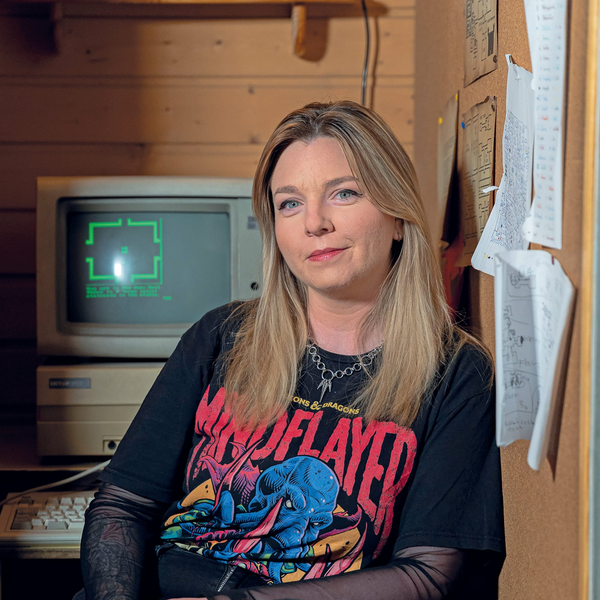
Womenize! – Inspiring Stories is our weekly series featuring inspirational individuals from games and tech. For this edition we talked to Kerryn Frean, Game Scout at Fireshine Games. They speak about their experiences as a vulnerable creative and community-oriented professional shaped a deeply empathetic, people-focused approach to scouting, seeing themselves not as a gatekeeper, but as a supportive bridge who amplifies developers’ voices and helps the right opportunities find them.
Hi Kerryn! You’ve gone from performing and editing a solo theatre production to assessing game pitches and talent. How has standing on stage yourself influenced the empathy and perspective you bring when creators present their work to you?
When I was performing, I always felt the crippling anxiety that comes with being a creative. You have to be very vulnerable and exposed in many ways, which becomes even more pressured when you are a *working* creative as well. Because you will look around for guidance on how to achieve a way to make a living via your craft, and usually, you’ll find very jaded individuals with very specific mindsets who are not willing to take a chance on you.
I don’t consider it “my voice” when I work; it’s actually the developer’s, and I’m the megaphone.
As a scout, I try to be very understanding of the dynamic I have with a dev: they want to work, and I can help them do that. It is a dynamic that could give anyone an ego trip, but because I have the experience of putting myself out there in a creative space, I honestly don’t love the dynamic. So, I try my best to make it clear to all the developers that I talk to that I am not their Julius Caesar, and that my opinion and perspective are only helpful for a specific company. What I think may work will not be what works for every publisher/investor out there.
I always try to remind all the creators that I talk to that they are not beholden to their vulnerability, and I am not some “all-powerful provider of investment”. We’re both humans, figuring out if this works and if it doesn’t, oh well, and if it does, YIPPEE!!
Aren’t they glad they sent that email?
Your journey includes cafés, VR arcades, student representation, mentorship, and writing for players. How did these community-driven roles shape the way you evaluate not just games, but the people behind them?
My ability to evaluate the creatives behind the scenes was actually born from necessity during my upbringing. Basically, I moved around a lot!
When you move around a lot, your ability to make deep-rooted connections is usually with a time limit, and you are also playing catch-up with your school peers for several years of stories and experiences. This created an intense curiosity within me, where I wanted to know as much as I could about the people surrounding me. As a result, I filled those fleeting moments with people by getting to know who they truly are and how they got there. Which, every time, was pretty fascinating.
The professional roles I then took were honestly very natural for me. Then you’ve been through the ring of fire of moving a lot as a kid, talking to strangers and making them feel welcomed is an easily mastered skill (at least for me). But those roles did teach me hard work and how to be professional in difficult situations, along with the tech involved in certain game consoles/hardware.
But, yeah, now when I evaluate a game as a scout, understanding the people behind it comes quickly when I meet them. The real skill is understanding how their personality will influence the game and any publishing agreement that we may offer them. Some of the questions I may ask myself are: what reassurances do they need to get this over the line? Are there any biases that they have about publishers that I need to navigate? What type of working relationship are they looking for from us?
I’ll usually ask these questions (along with any others) as directly as possible to any creative I am working with, but my intuition in this area always helps
As a scout, I try to be very understanding of the dynamic I have with a dev: they want to work, and I can help them do that.
You’ve moved from creating and supporting projects to championing them as a scout. What moment made you see your voice not just as part of the industry, but as someone who actively helps define what gets seen?
Gosh, this is a very sweet question! And not how I saw it at all really, haha 😀
I don’t consider it “my voice” when I work; it’s actually the developer’s, and I’m the megaphone. Basically, I’m just the lucky sod who got a great gig, and I try to be grateful for that every day. How I show that gratitude is via the developer, and always trying to do right by them. It may sound cheesy, but this is honestly my main motivation as a scout. Especially during such a scary period in this industry, being able to make sure that talented and deserving people get paid to do what they love is a such privilege.
But I never had any specific moment. In my view, each game takes a village, and I even have some creative credits in some of our titles. So just consider me a happy villager 🙂