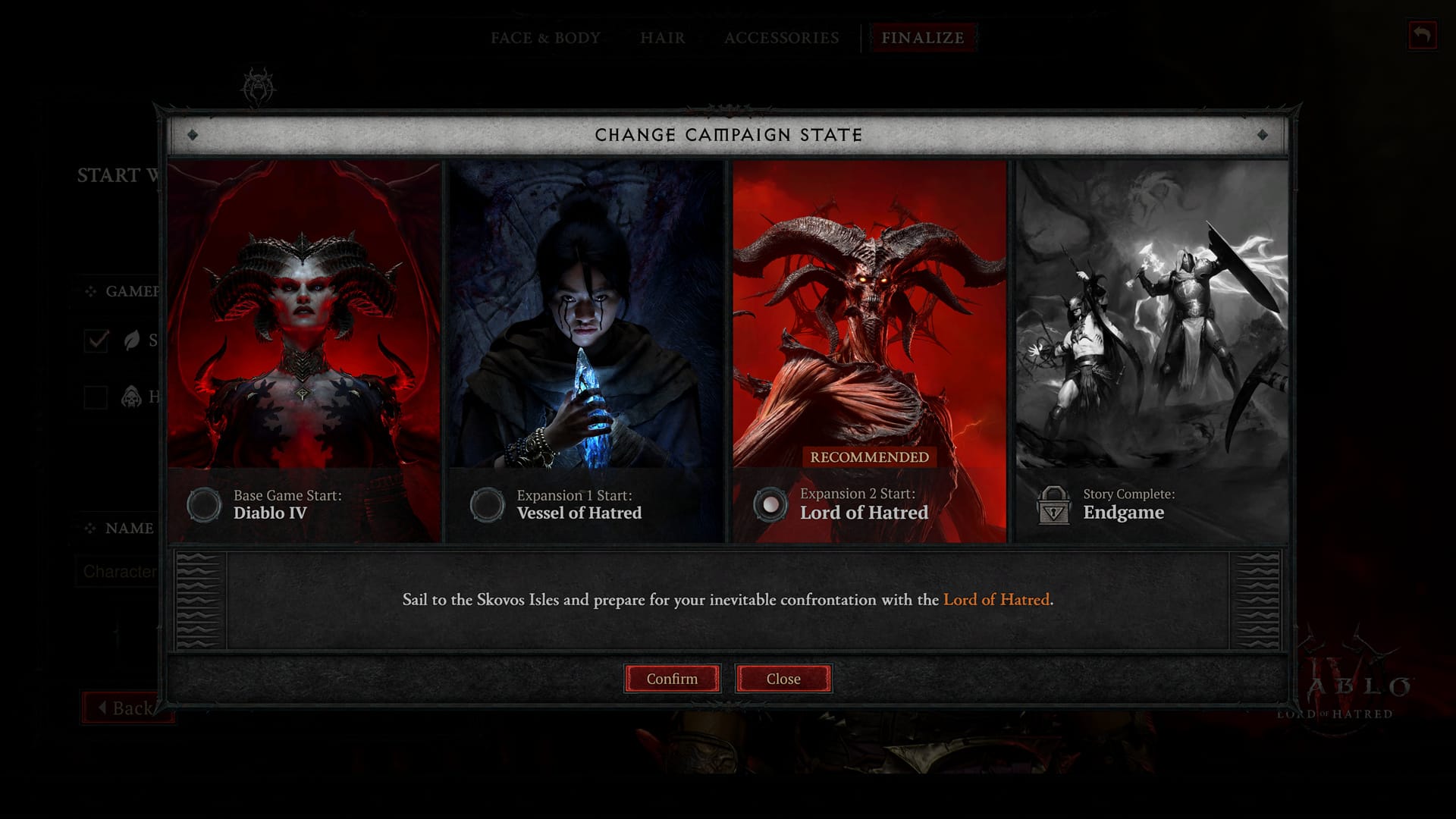
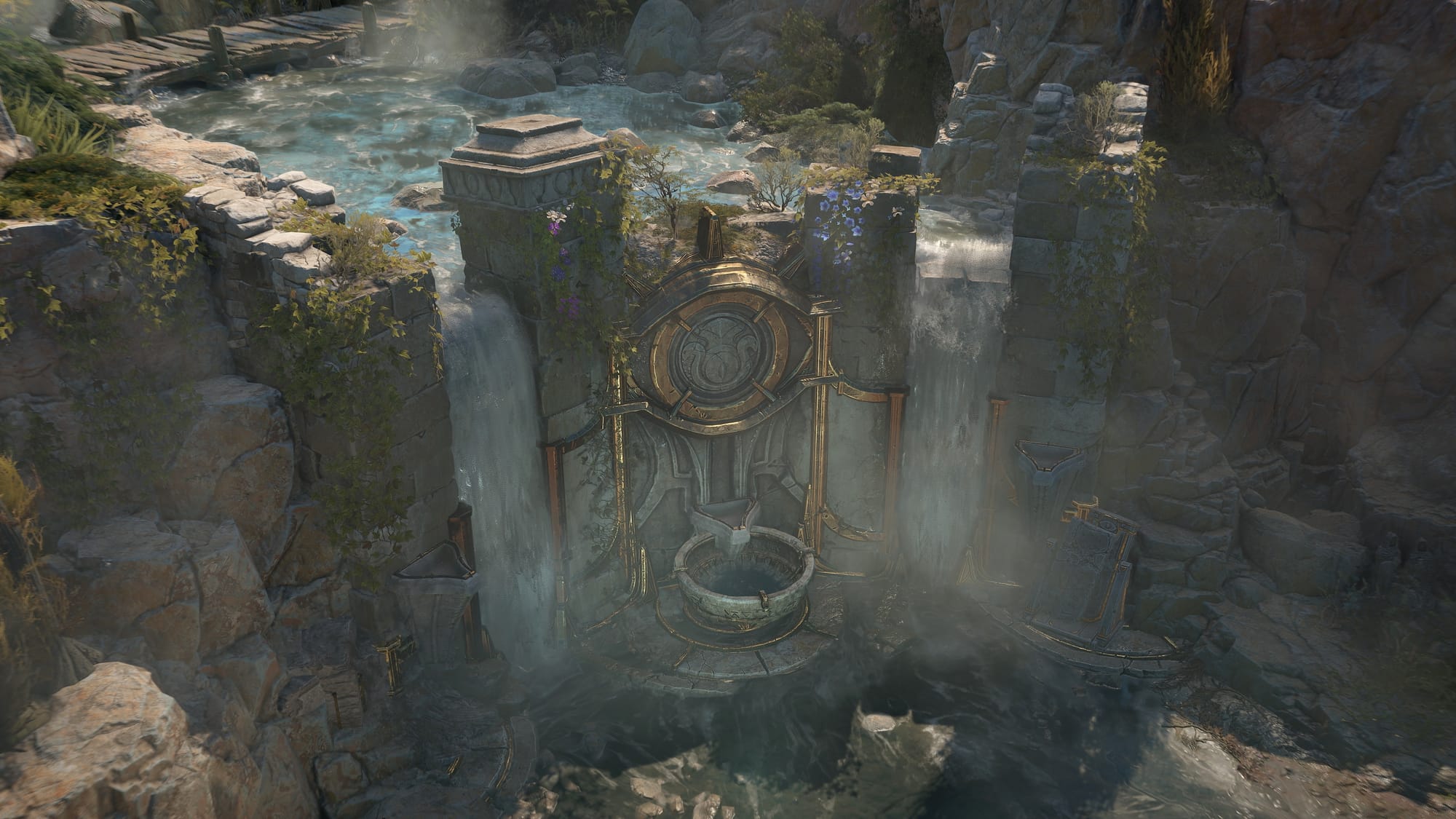
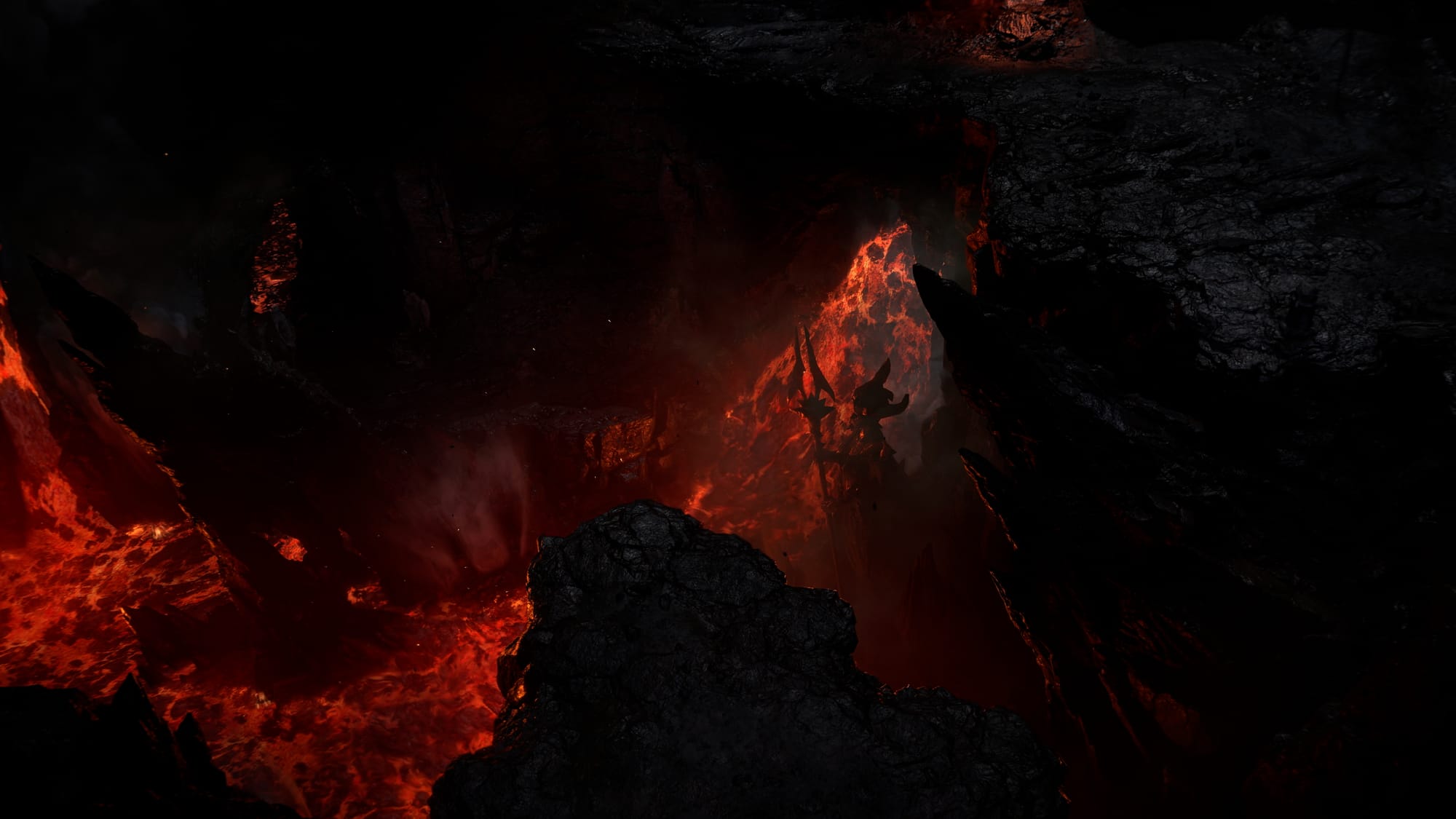
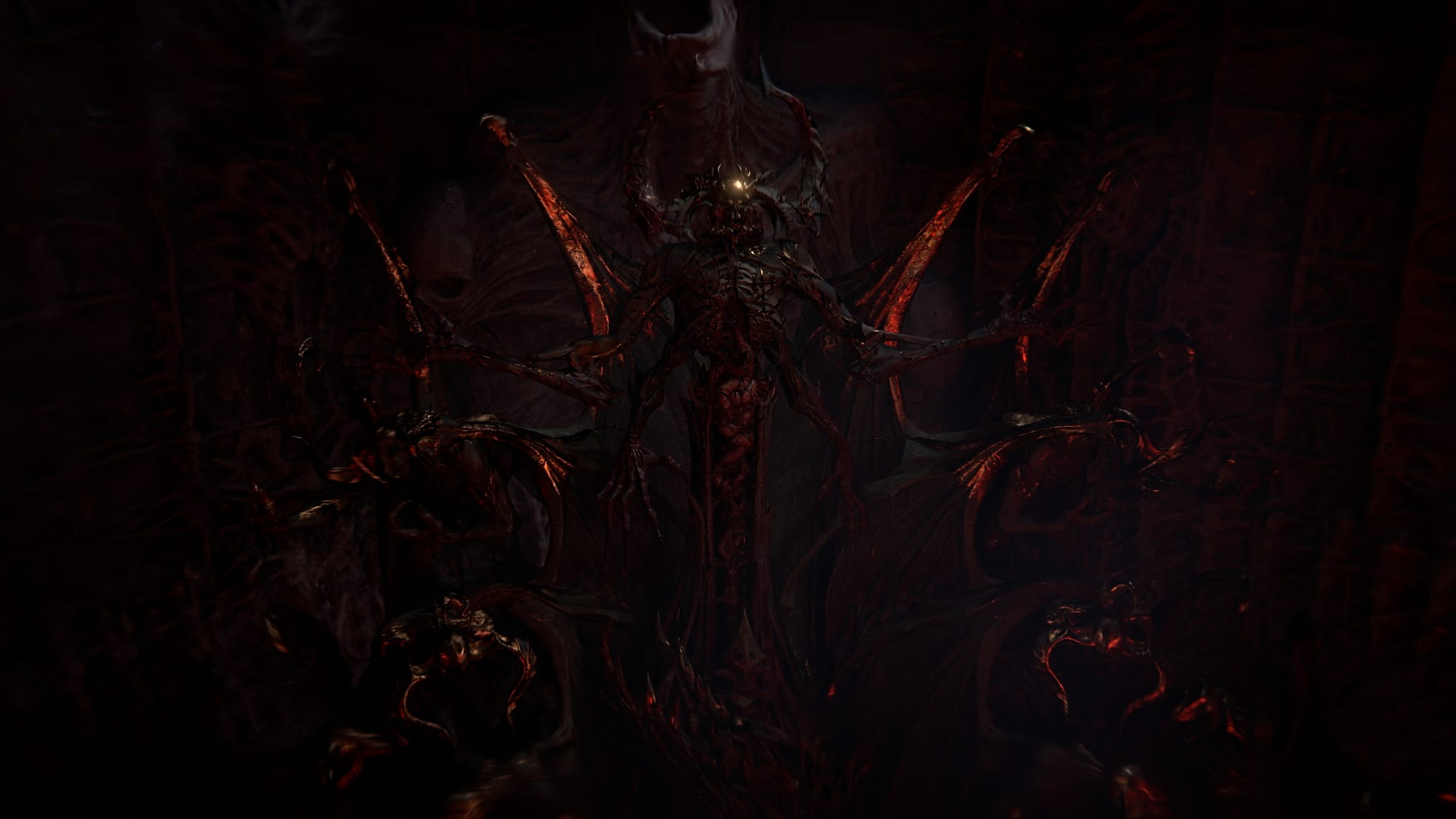
The second expansion, Diablo IV: Lord of Hatred, culminates in a showdown with Mephisto. Blizzard Entertainment also introduces the most comprehensive gameplay revisions since the action RPG's launch, offering more variety in gameplay and player builds.
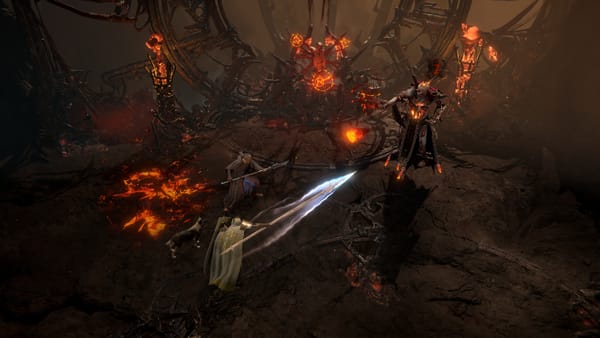
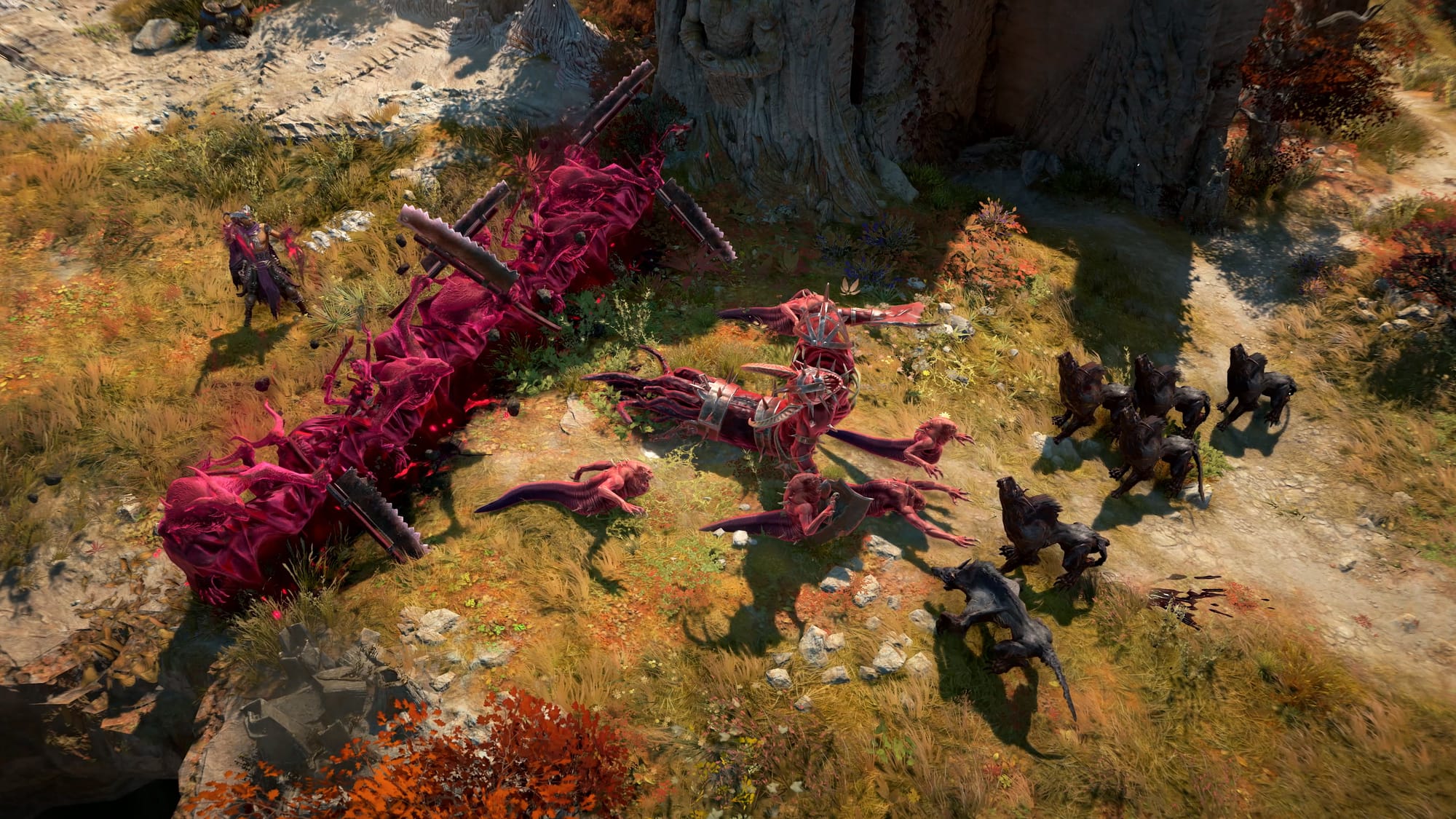
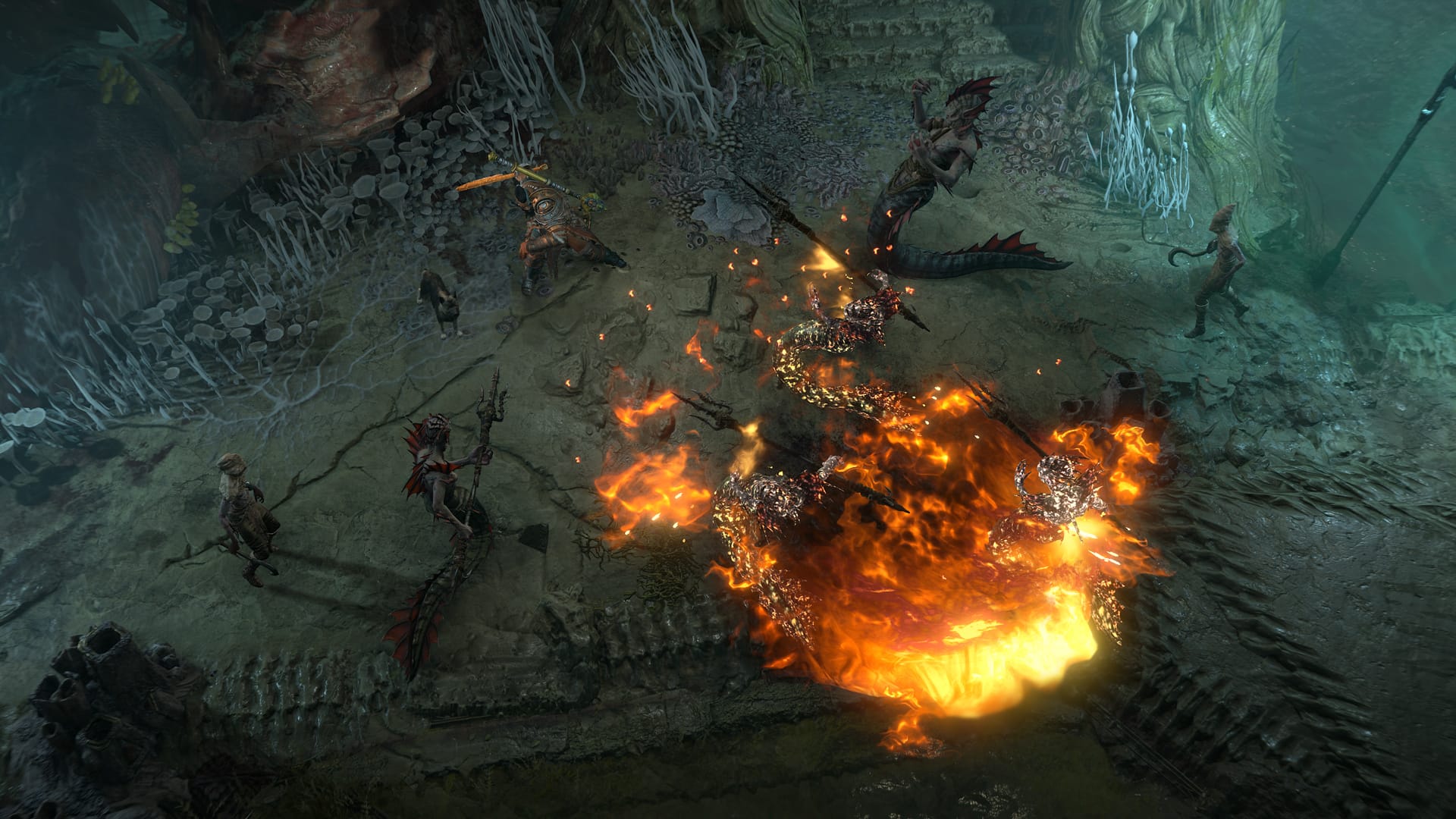
At The Game Awards 2025, Blizzard Entertainment unveiled the second expansion for Diablo IV: Lord of Hatred. This new chapter features the final showdown with Mephisto. Unlike the previous expansion, Vessel of Hatred, this roughly ten-hour story campaign wraps up the Diablo IV narrative quite nicely. It features memorable boss battles, compelling narrative arcs and visually appealing environments, though these locations increasingly reveal their corruption. However, Diablo still hasn't made an appearance...
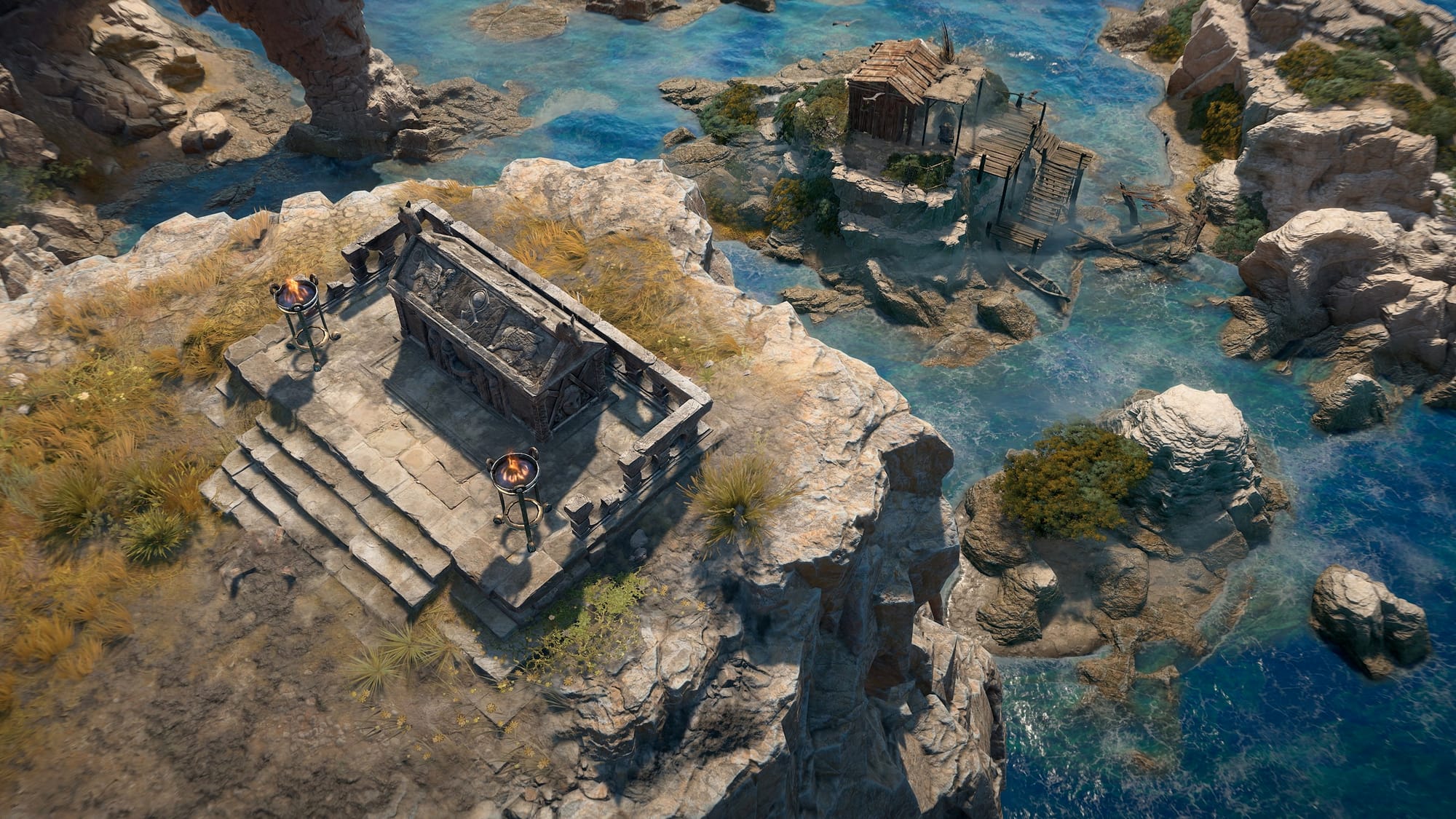
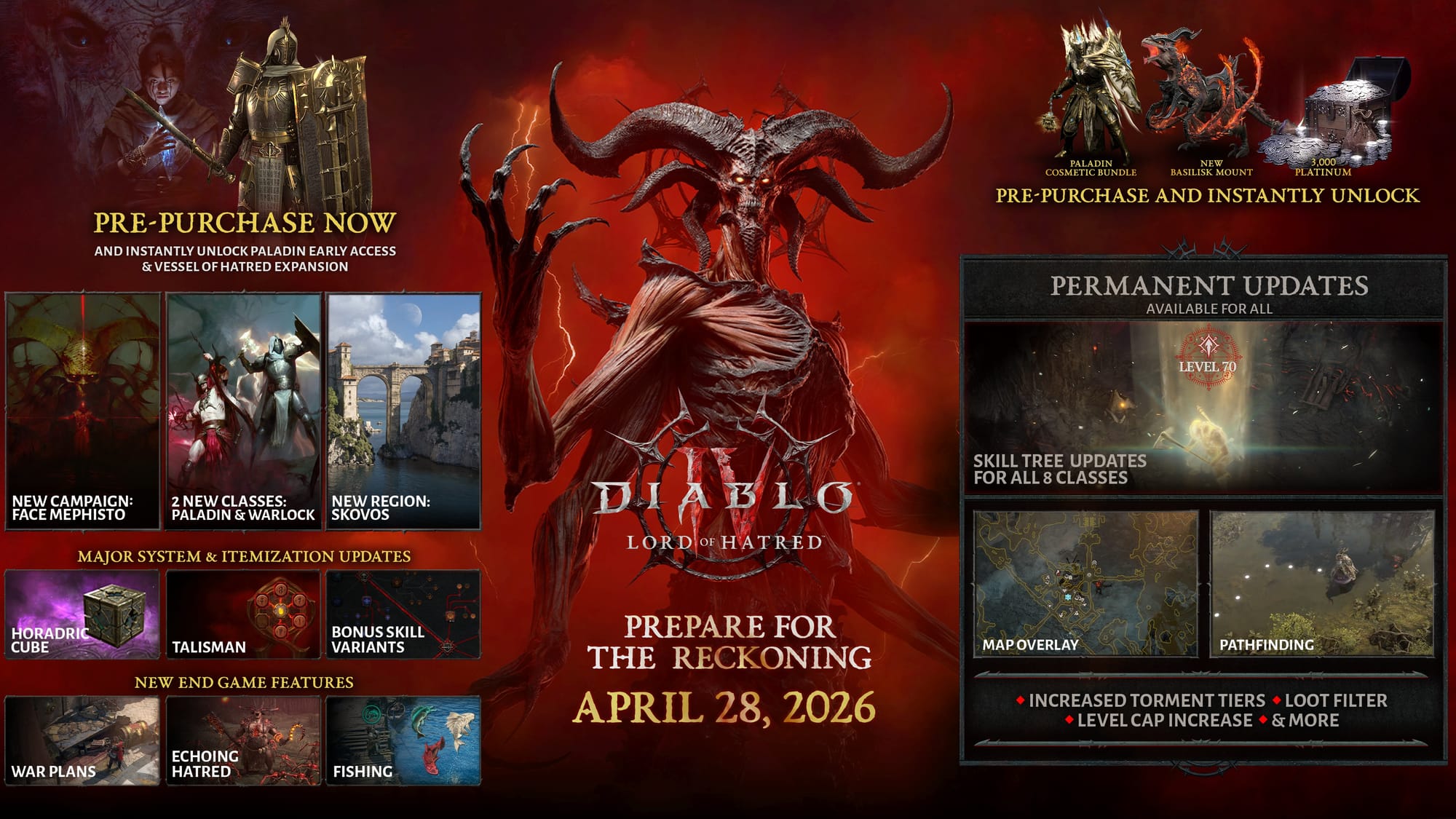
Alongside the story campaign, which takes players to the new Mediterranean-style region of Skovos — the cradle of the Firstborn civilisation and former home of Lilith and Inarius — two new classes are introduced: the Paladin and the Warlock. Those who purchased the game immediately after the announcement were able to try out the Paladin class right away.
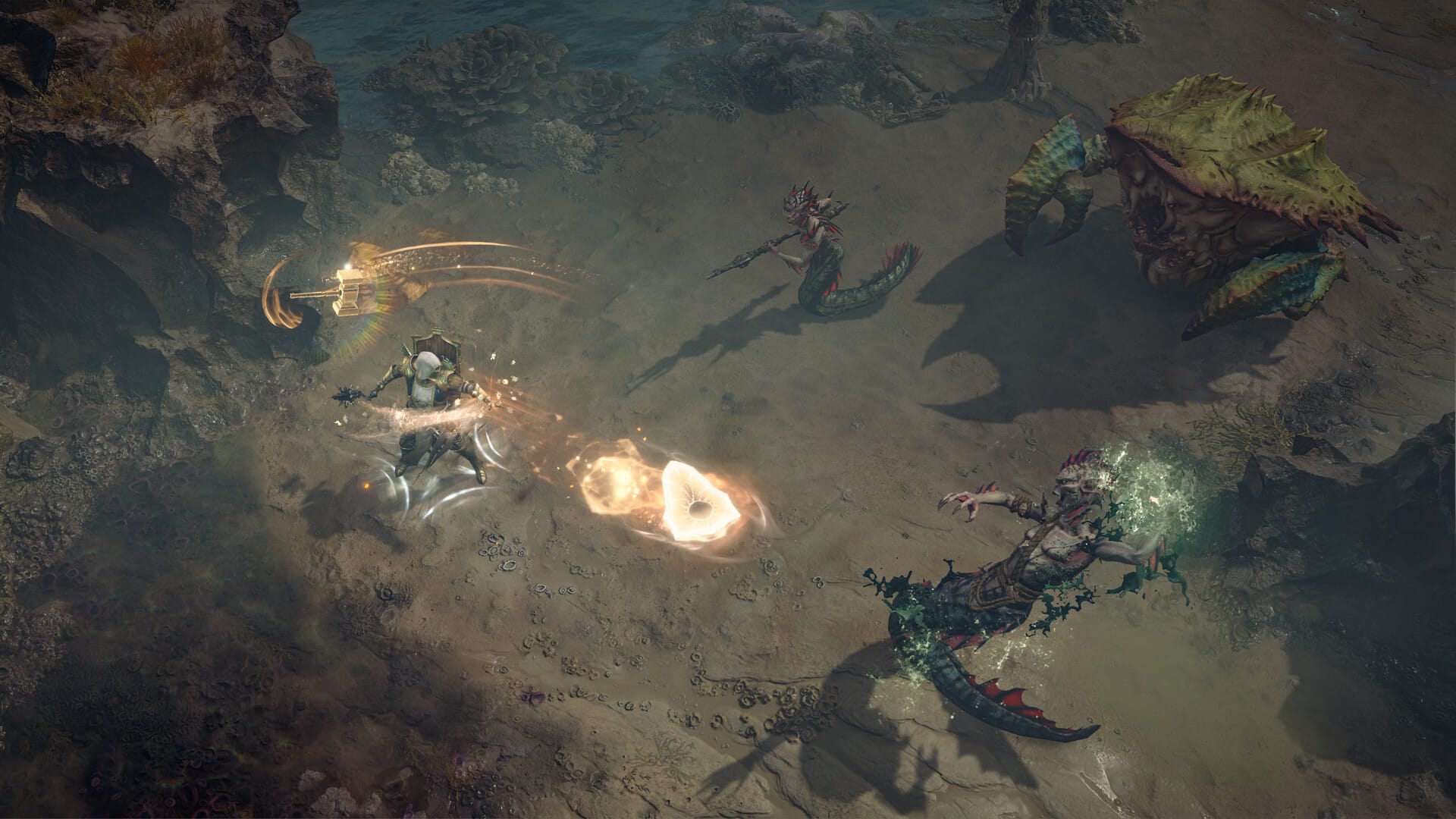
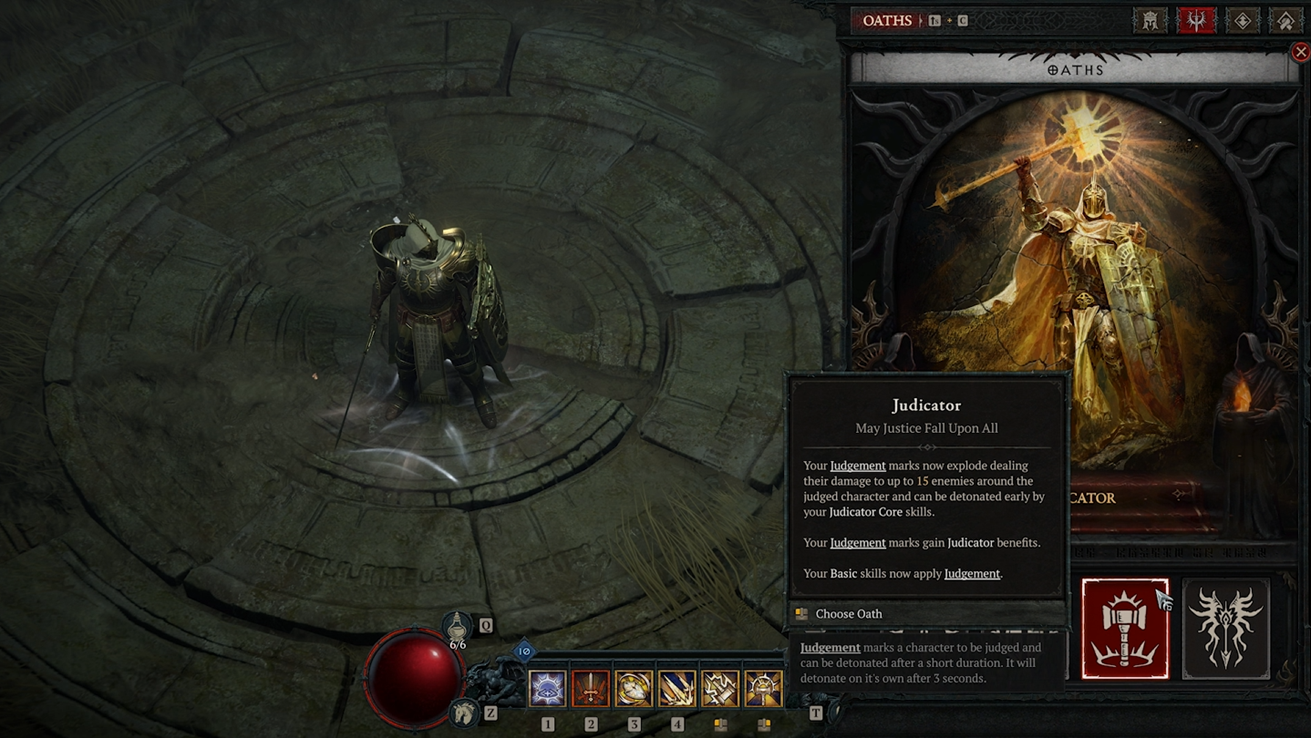
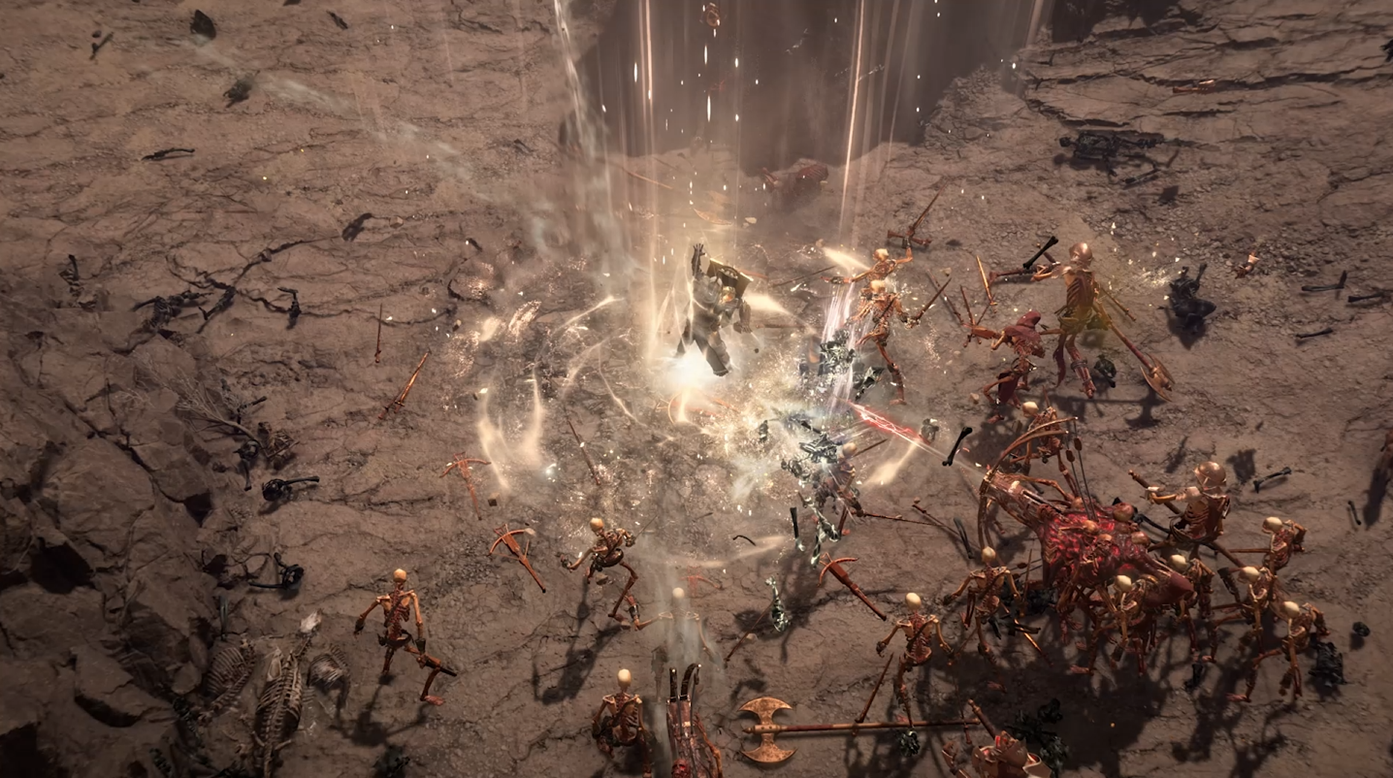
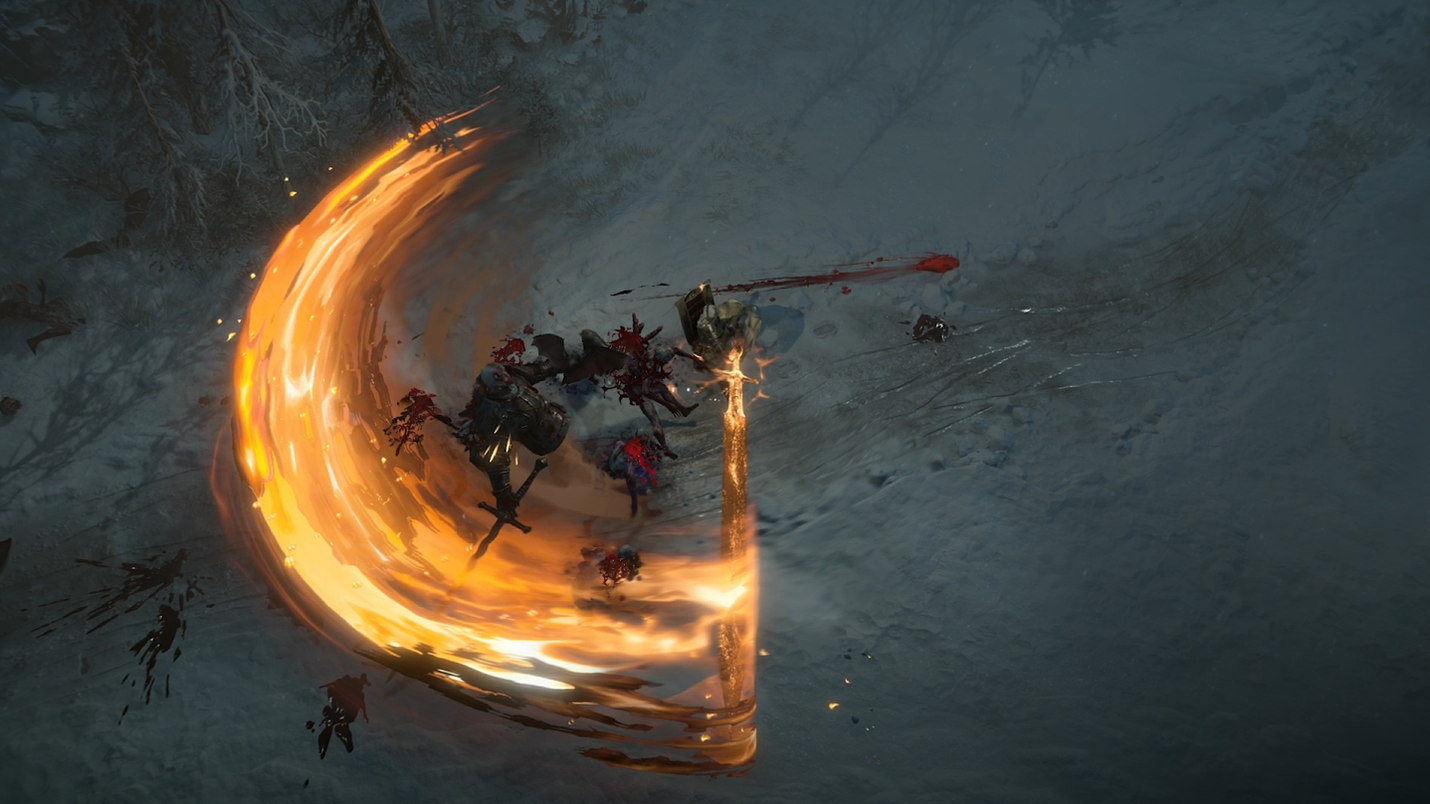
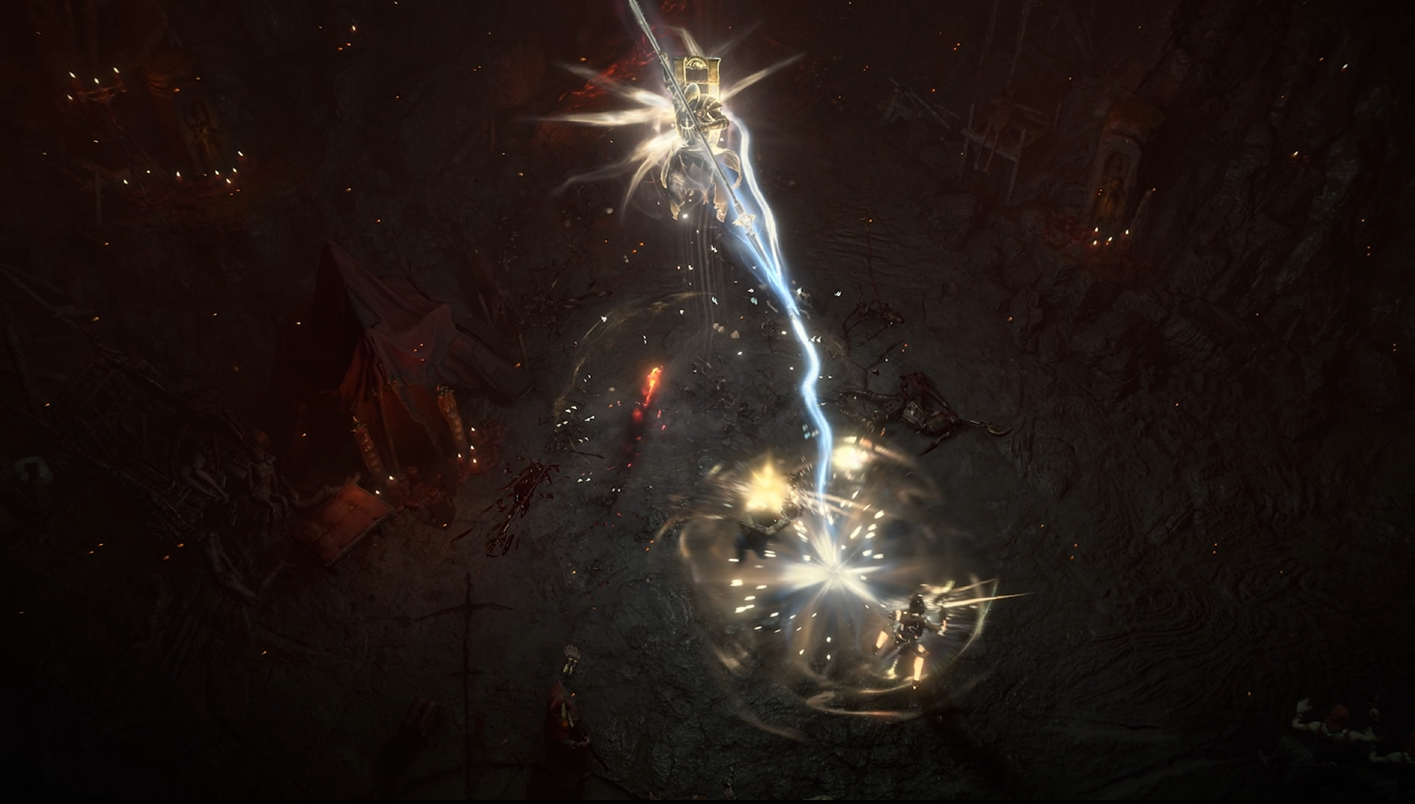
The Paladin is a tactical melee fighter, combining elements of the Paladin from Diablo 2 and the Crusader from Diablo 3. They have signature skills such as Blessed Hammer, Auras, Fire Zeal and Heavenly Fury alongside divine transformations. However, there are clear differences in the four oaths, which determine the playstyle. The Juggernaut is a tank that converts defence into offensive damage. The Zealot is a frenzied melee fighter with a flaming sword. The Judicator uses holy summons, and the Paladin can transform into an angelic judge with the Disciple oath. Paladins confront enemies with the power of holy light.
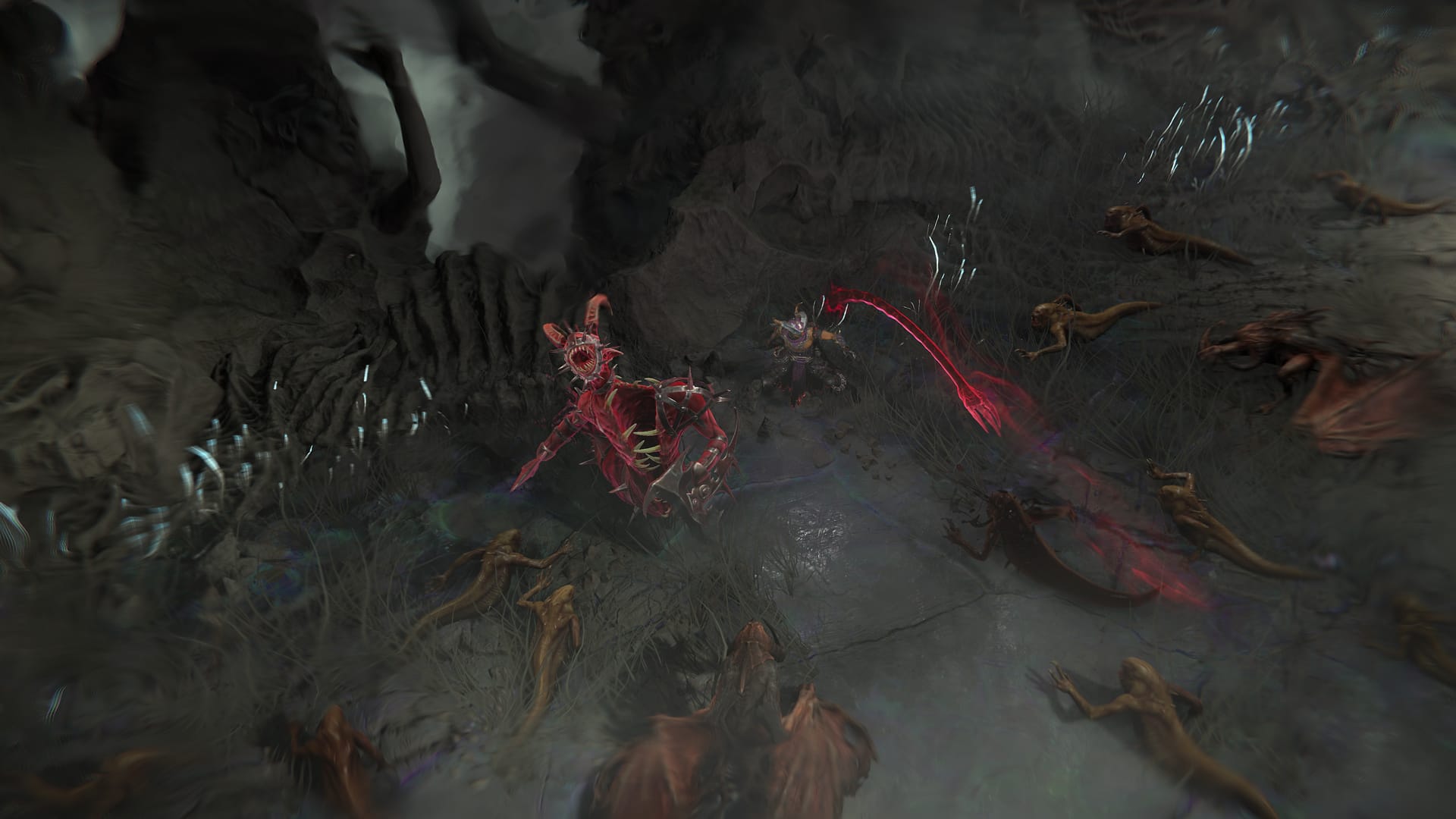
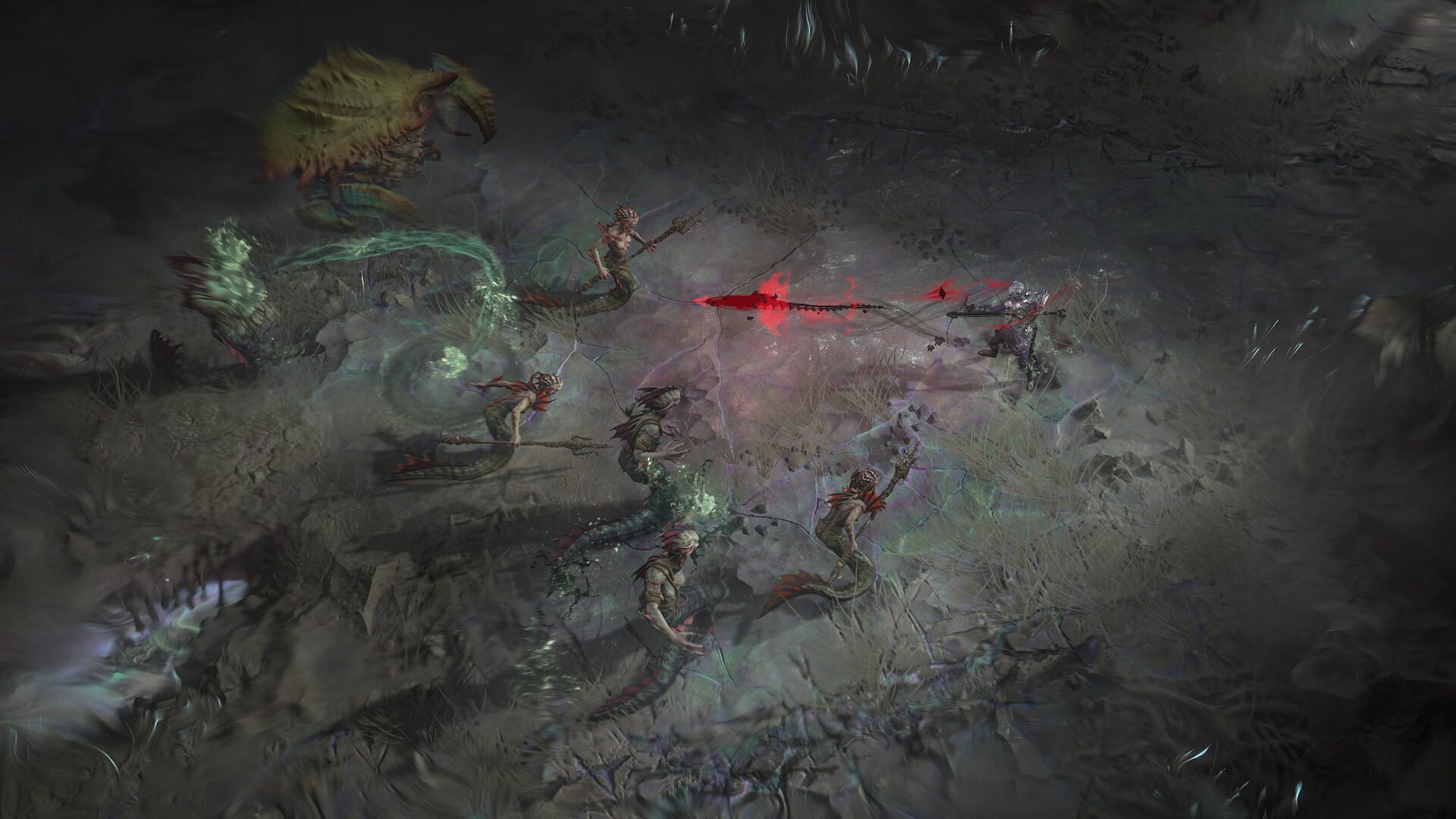
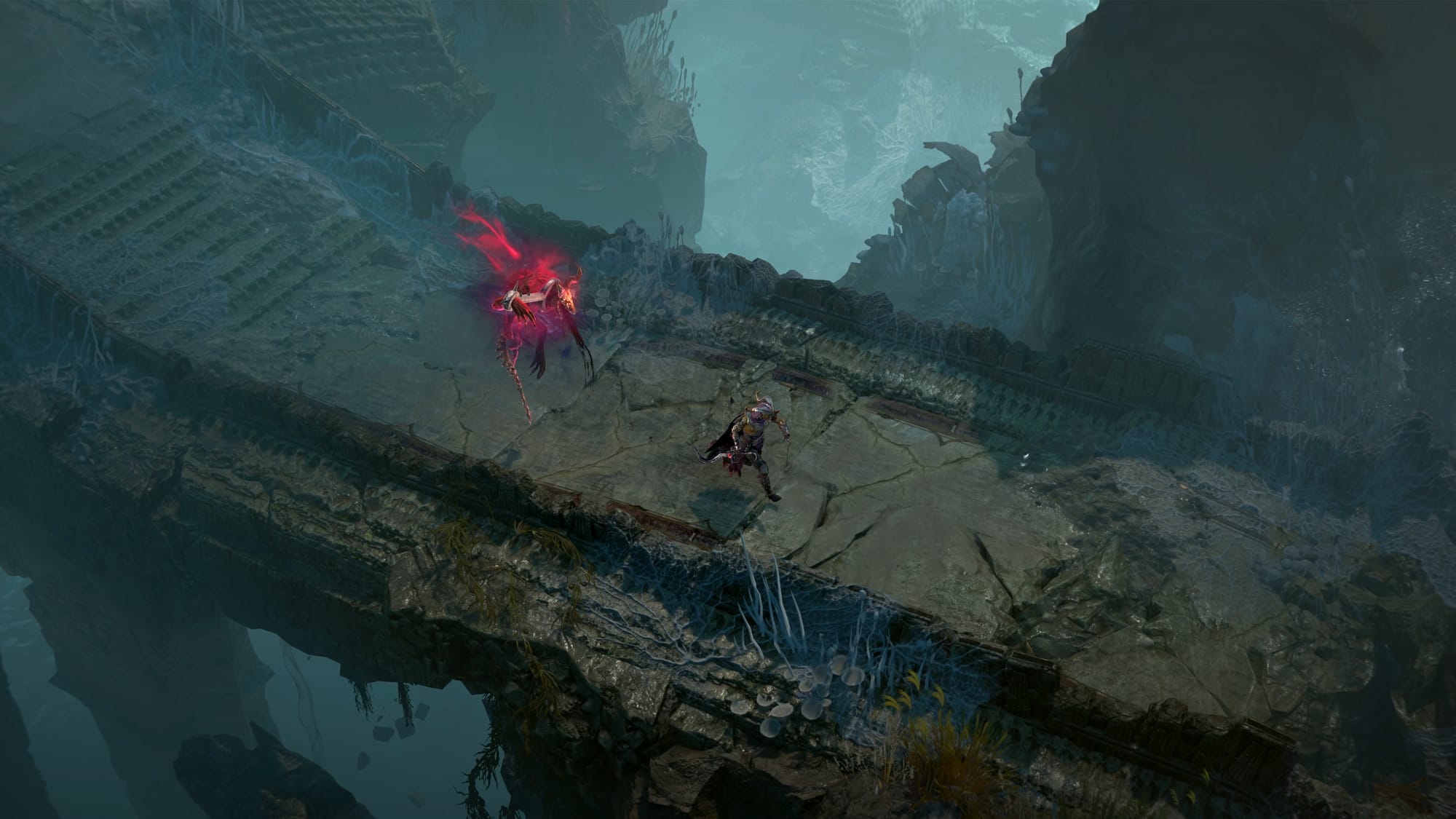
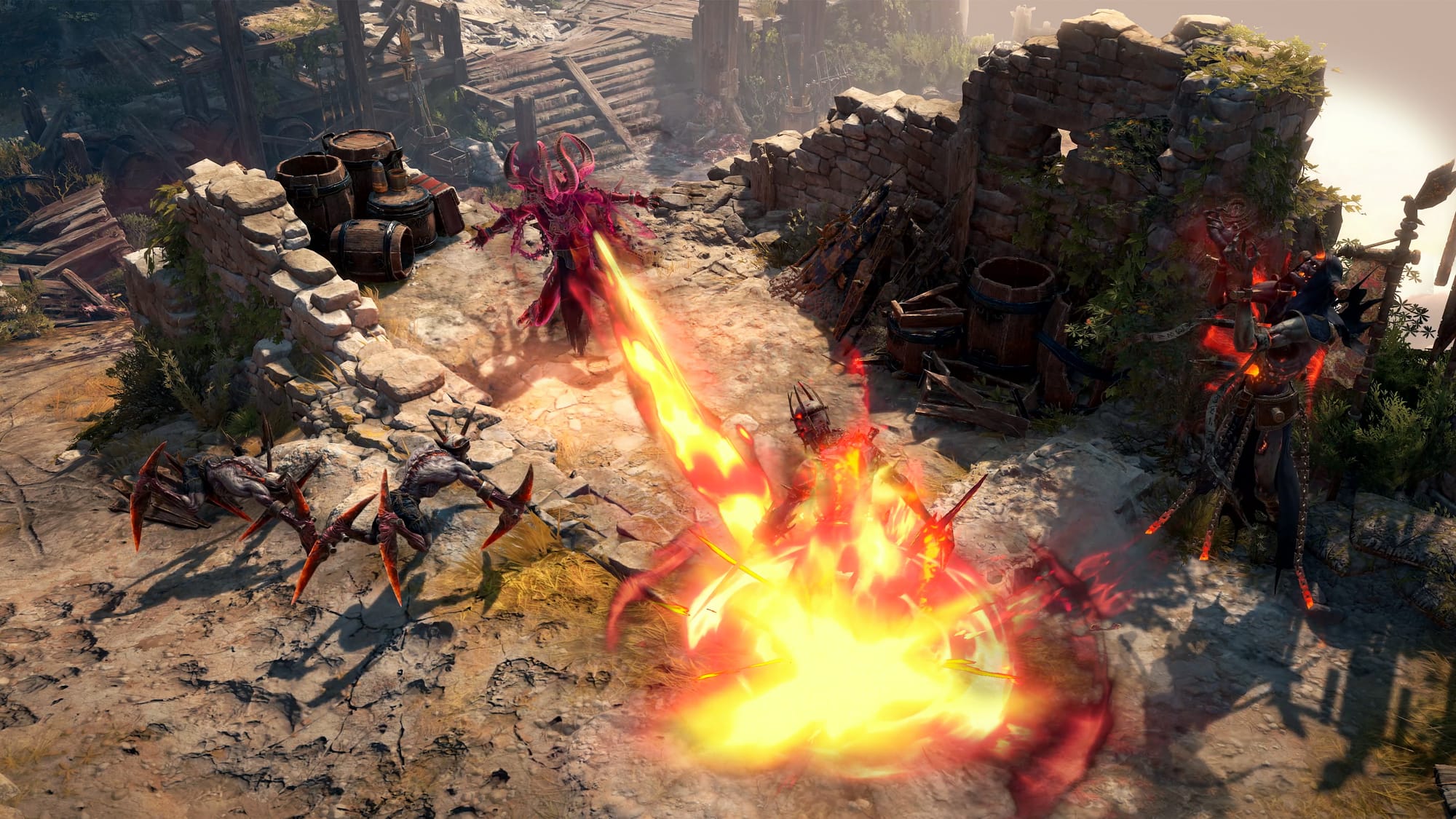
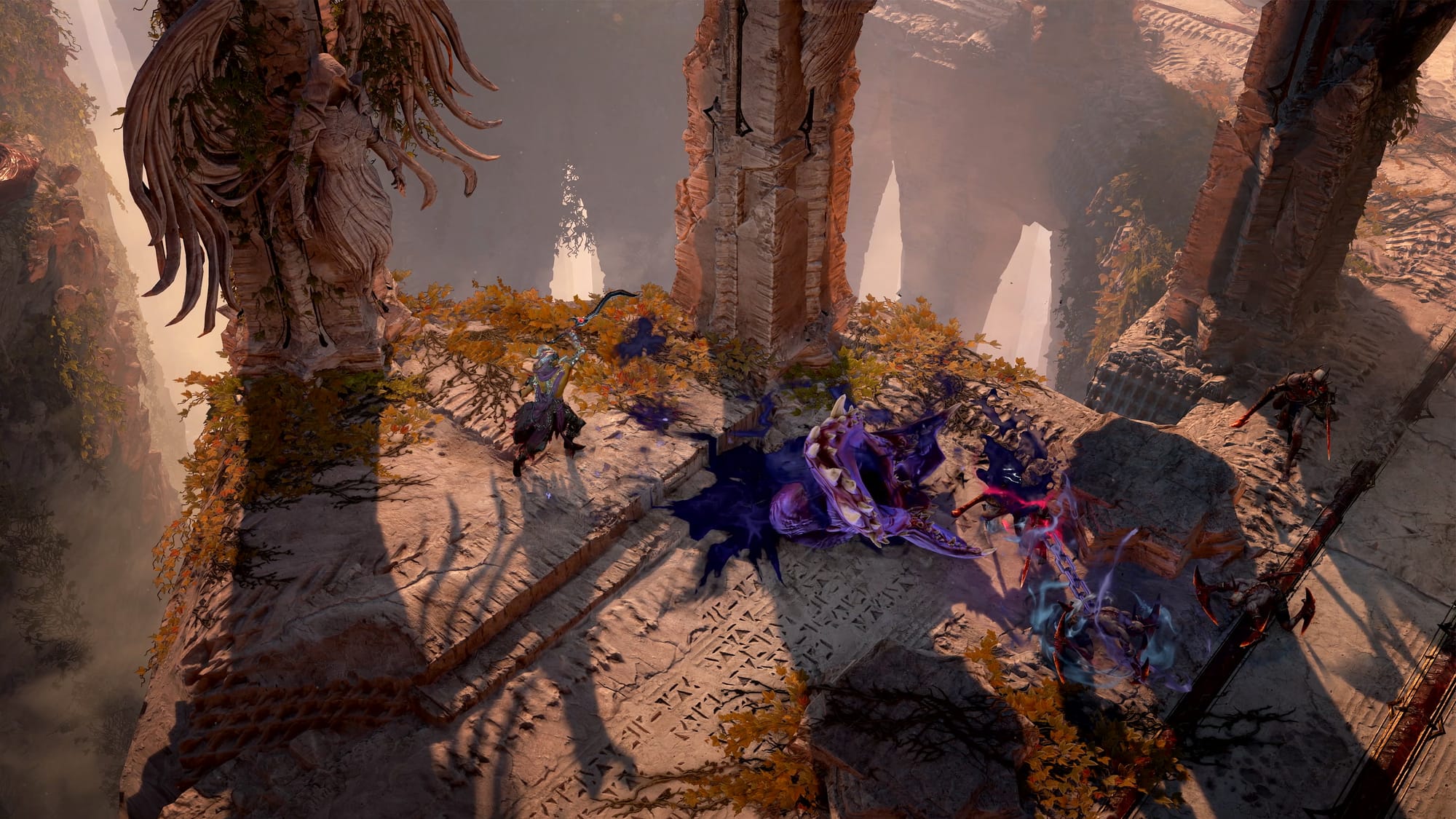
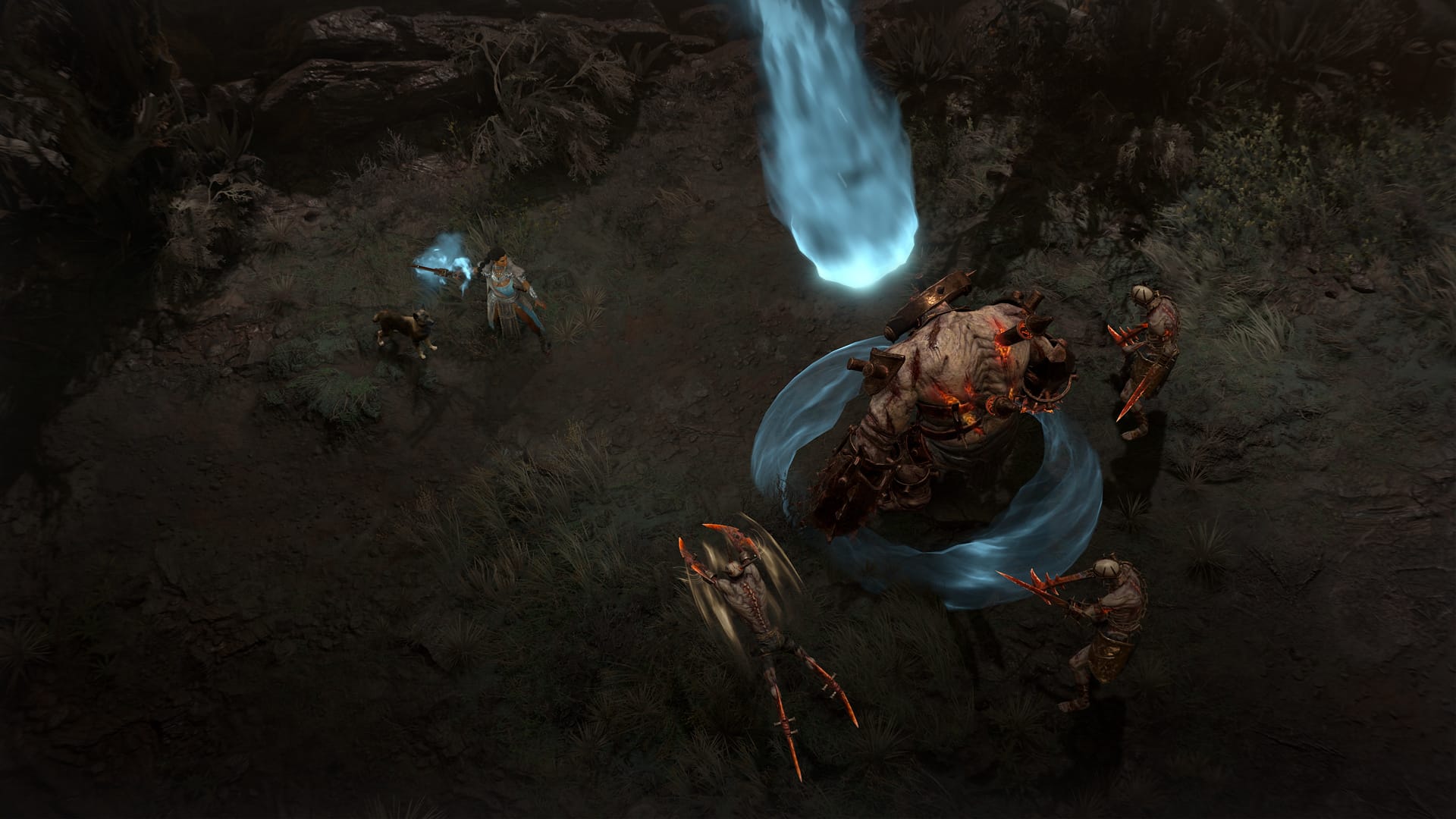
On the other hand, warlocks unleash the destructive power of Hell itself against their enemies, employing iron chains, flames, and raw destructive force. Warlocks play more aggressively and forcefully than other spellcasters. Soul Shards are this class's unique mechanic and define its playstyle. The Summoner type, called Legion, focuses on commanding an army of demons. The Mastermind is a stealth caster centred on control, damage over time and mobility. The Ritualist is a melee caster who uses Sigils, Hexes, and Traps. The Vanguard relies on a fiery demonic transformation.
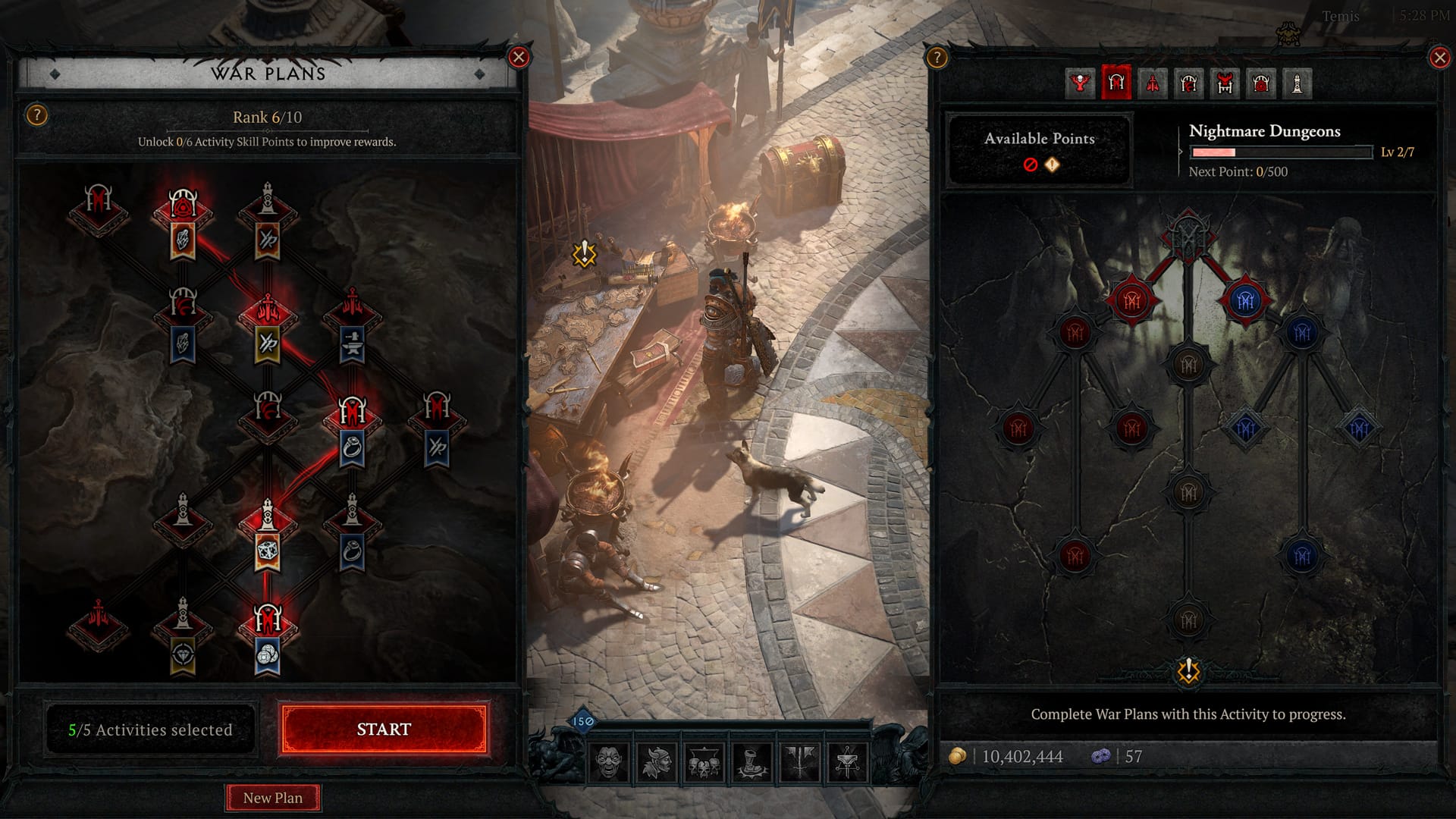
There are also some systemic changes. One new feature is War Plans, which add a new layer to the experience without reinventing the wheel. Players can create a playlist of up to five activities based on their desired experience and rewards. They can choose from six endgame modes that are already known: The Pit, Infernal Hordes, Helltides, Nightmare Dungeons, Lair Bosses, and Kurast Undercity. As players progress through the War Plans, they earn progression towards an activity tree for all endgame activities. This means it is possible to customise how each activity plays. It feels a bit like an endgame remix. Ultimately, though, it's just an umbrella covering familiar activities. It doesn't change the endgame. However, it does a much better job of linking endgame activities, sending players directly from one selected activity to the next and saving a lot of time. The upgrade trees also allow players to focus on the activities they enjoy, enabling them to tailor their loot-hunting to their preferences.
However, the new addition is Echoing Hatred, a rare event that can be accessed via a loot drop from Trace of Echoes. Here, players must fight off an endless series of increasingly challenging randomised monsters. The longer they can survive, the better the rewards.
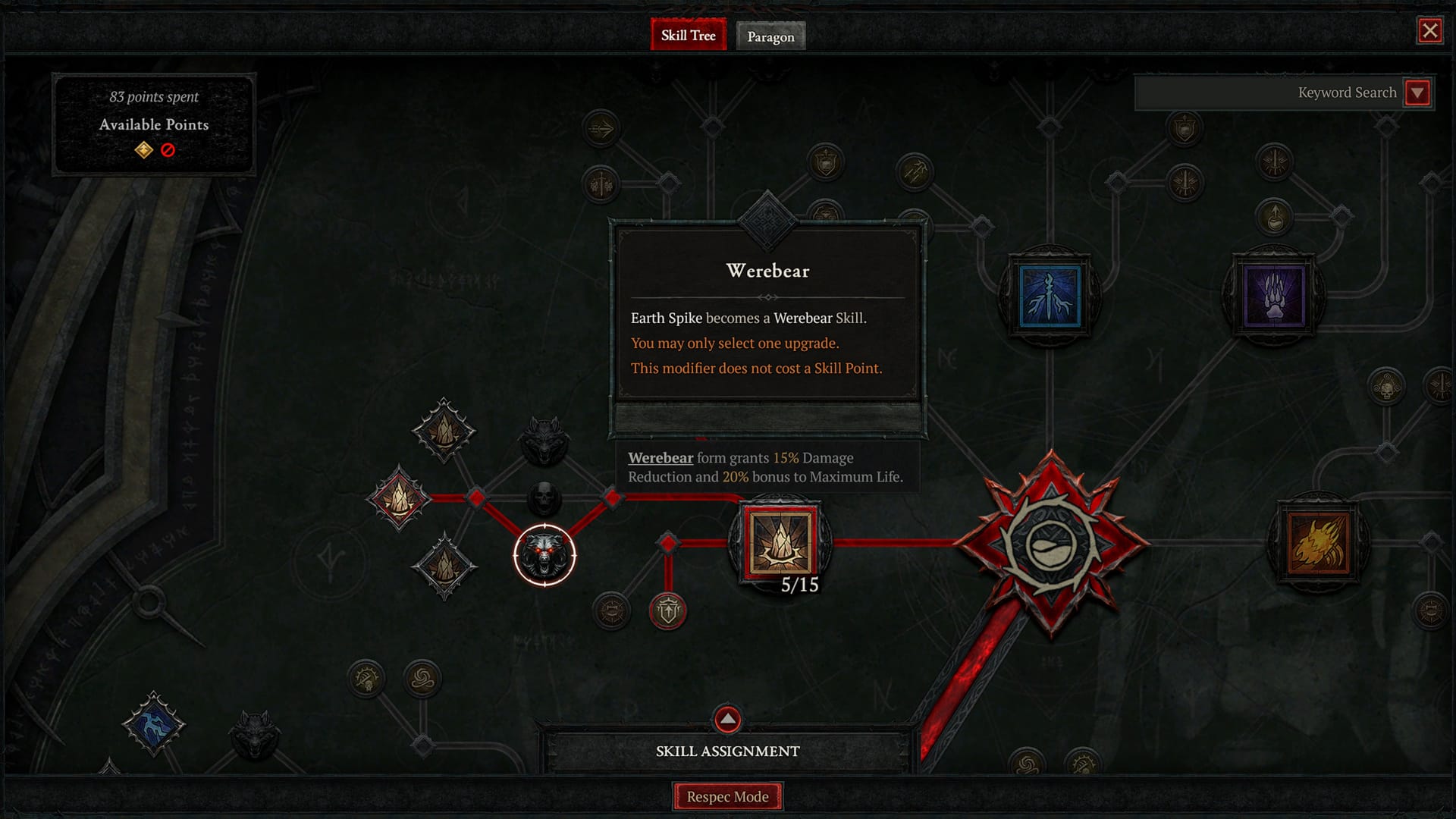
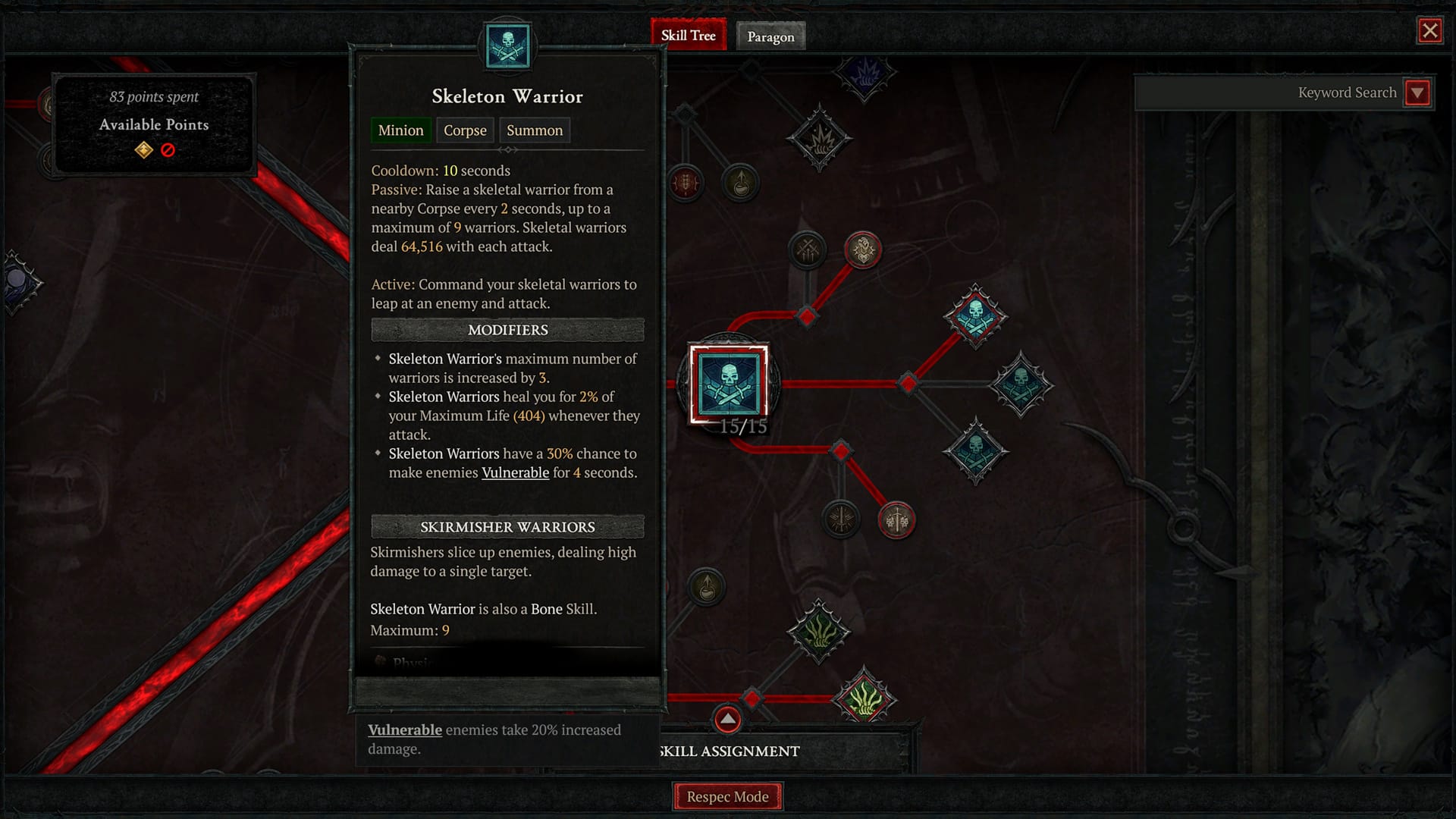
Lord of Hatred is undergoing the most comprehensive gameplay overhaul since Diablo IV was released on 6 June 2023. Build diversity, in particular, is being completely revamped with a massively expanded, overhauled skill tree system across all classes, especially since the level cap is being raised to 70 anyway. The focus is on providing more meaningful and versatile customisation options for all the skills. Passive nodes have been phased out, enabling players to allocate more points to skills and their modifiers. The overhaul includes over 40 reworked skill choices and over 80 additional skill options across all classes, as well as expanded customisation paths for core abilities. Every Diablo IV player will have access to this base overhaul, but Lord of Hatred owners will gain access to over 20 additional "transformative bonus skill variants" per class.
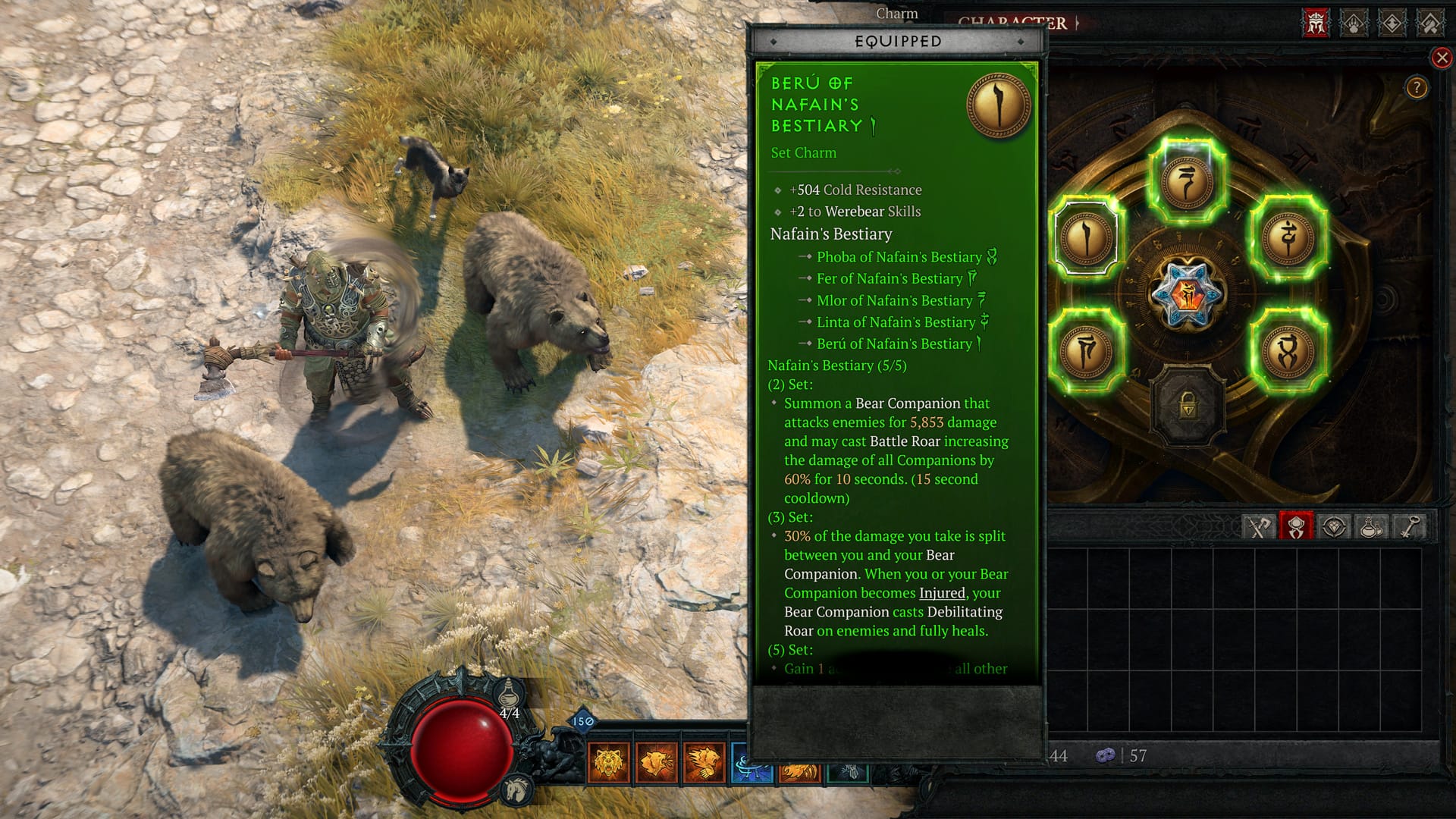
Another new feature is the Talisman, which introduces Charms and Set Bonuses that can be unlocked early through the Lord of Hatred campaign. Unlike in Diablo 3, where players typically only wear set items, these bonuses are not attached to the armour worn by the character, but instead outsourced to a separate system. This is a great idea because it leaves the character's other equipment flexible. Once unlocked, players will start to receive Charms, which must be placed within the Talisman to activate them. Charms drop in all rarities, but Set Charms have the greatest potential. Equipping multiple Charms from the same set unlocks additional Set Bonuses that can alter how the class plays.
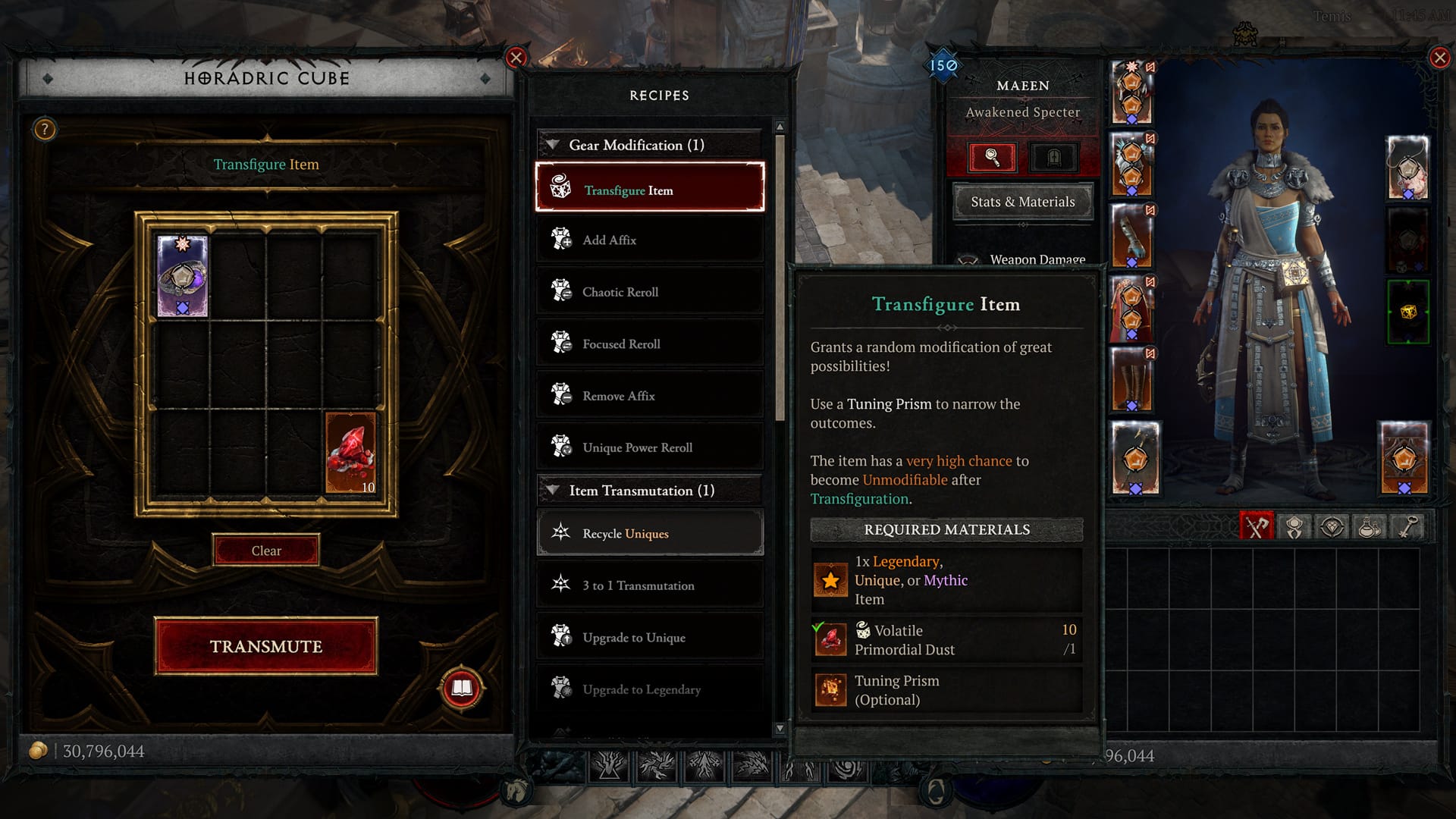
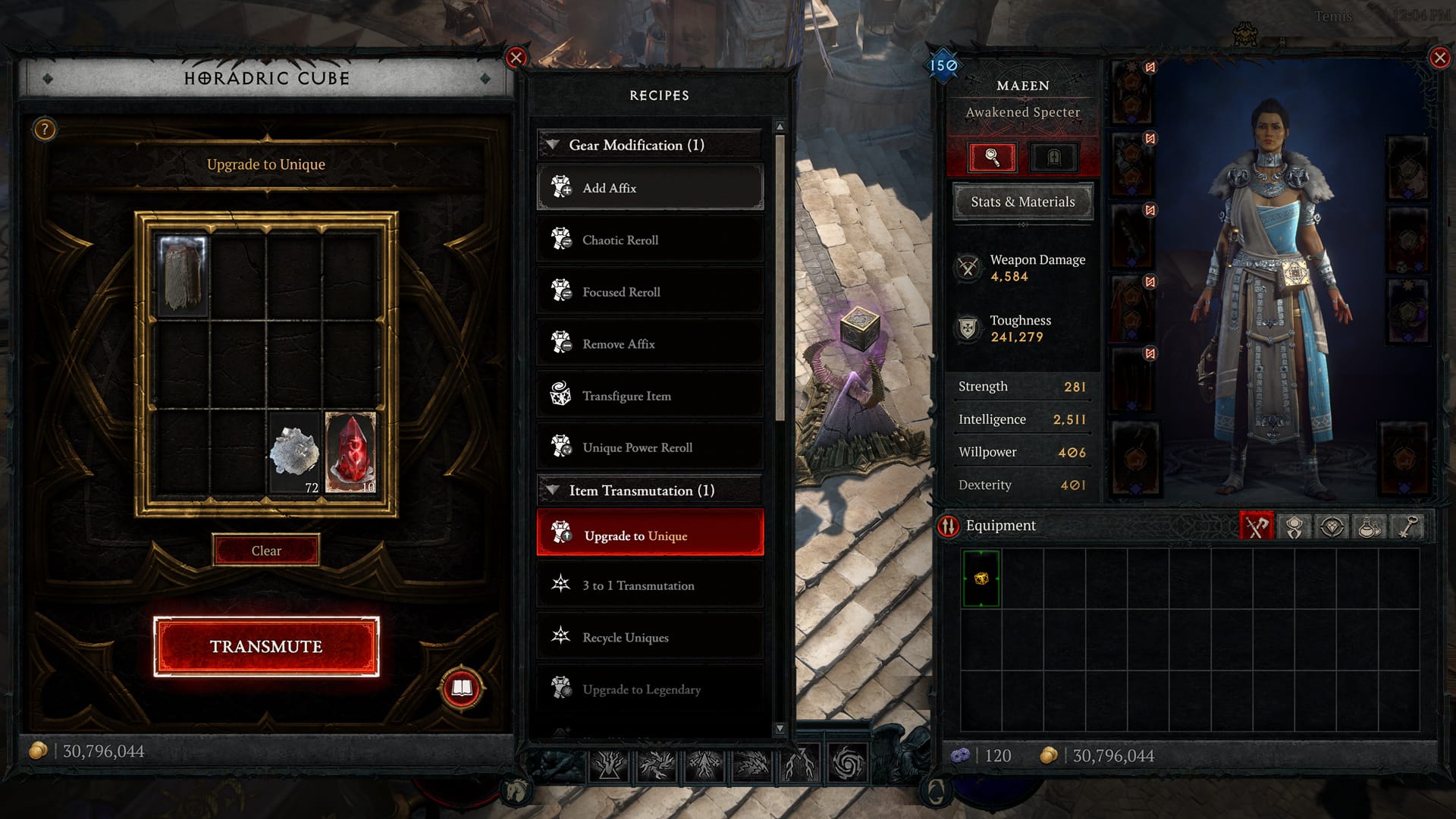
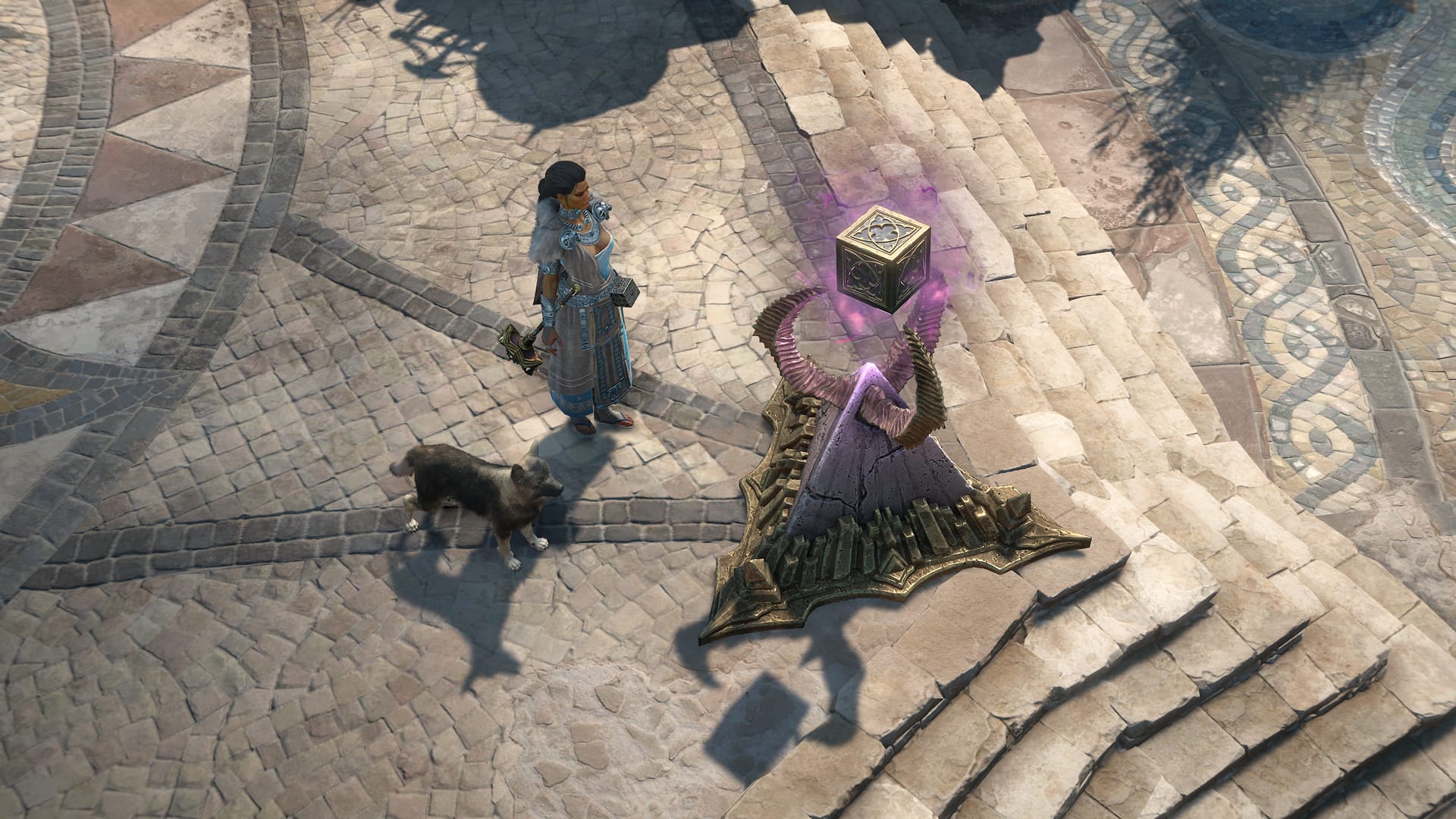
The Horadric Cube also makes a return at the end of the campaign. Players can use the iconic cube to transmute a random affix onto any common, magic, rare or legendary item to upgrade its rarity. Alternatively, they can reverse the process to remove any unwanted affixes, or upgrade any common item to convert it into a unique item of the same type. A variety of recipes enable players to upgrade existing equipment, craft new items to suit their build and optimise their loadout. As such, the cube is a cornerstone of endgame customisation.
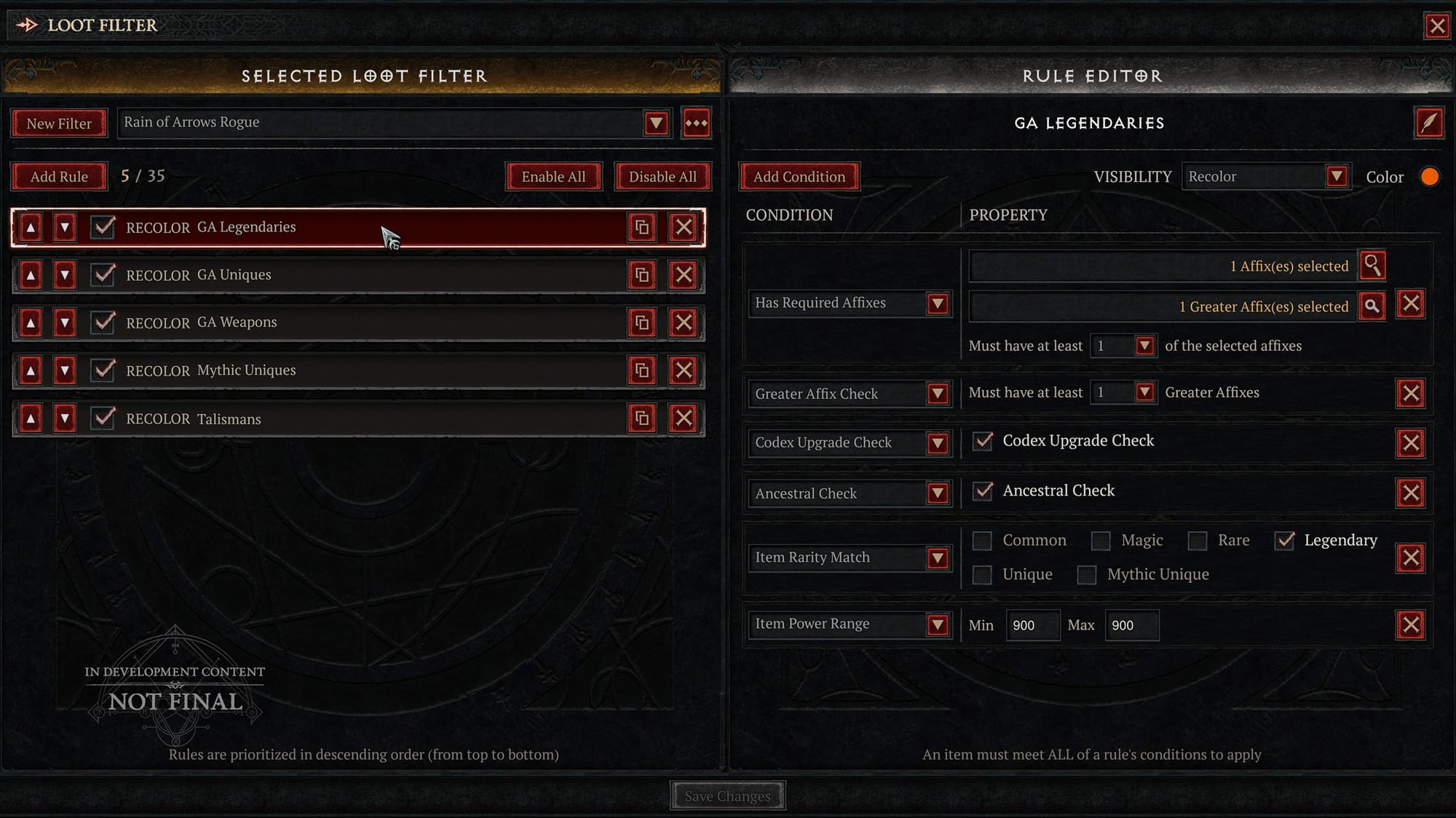
Quality-of-life improvements have also been made, including the long-awaited Loot Filter. This should help to tame the legendary loot flood and allow players to display only the items they want, such as Mythic Unique items or those with the perfect Greater Affix. And finally: The Torment difficulty setting can be increased up to Torment 12 by completing a Pit Tier corresponding to that difficulty.
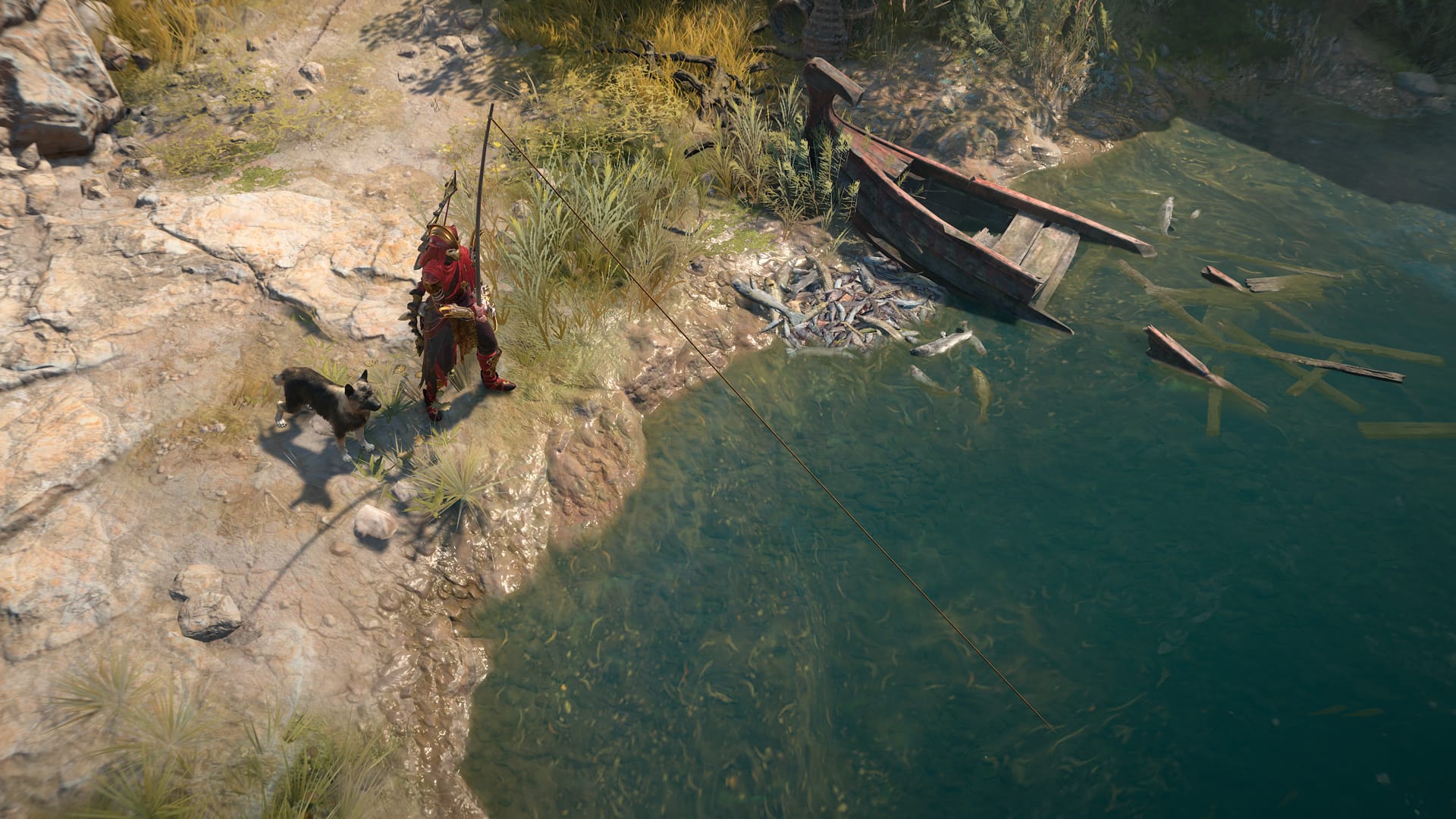
What's more, the map — as we primarily know it from Diablo II — is making a surprise return as an overlay. This means that players can check the map without interrupting the game, which is a very welcome addition. Oh, and players can now fish in Sanctuary's waters. At first glance, it seems completely out of place, but it turns out to be a nice distraction from the daily grind of hack-and-slash gameplay. Players simply need to head to a body of water or some molten lava and press the Emote Wheel to start fishing. This activity is unlocked by completing a quest on Philios.
Diablo IV: Lord of Hatred launches on 28 April 2026 for PC (Battle.net, Steam), PlayStation 5 and Xbox Series X|S. The Standard Edition costs €39.99, the Deluxe Edition costs €59.99 and the Ultimate Edition costs €89.99. Unusually, Blizzard Entertainment is including the previous expansion, Vessel of Hatred, with each of the three editions of Diablo IV: Lord of Hatred, which effectively devalues Vessel of Hatred — which can no longer be purchased separately. However, compared to the Vessel of Hatred, the Lord of Hatred expansion has turned out to be much stronger.
Conclusion
While Diablo IV: Lord of Hatred may not reinvent the endgame, it introduces powerful new classes and numerous meaningful updates to the gameplay that shake things up considerably. On top of that, the campaign is excellent. Thanks to Lord of Hatred, Diablo IV is in the best shape yet. However, it is still very much Diablo IV, particularly in terms of the flood of loot and the feel of the gameplay. Fans of Diablo II are better off with Diablo II: Resurrected.
Features
Excellent campaign and final confrontation with Mephisto
Great additions: Loot Filter, Horadric Cube, Talisman (Set Charms), Map Overlay, Paladin, Warlock and more
Marcel Kleffmann is Chief of Content of GamesMarket and our B2B and B2C expert for hardware, market data, products and launch numbers with more than two decades of editorial experience. (marcelDOTkleffmannATgamesmarktDOTde)